


How to care for an indoor gardenia plant often feels like a puzzle at first. One week the plant looks glossy and proud, then suddenly a few leaves turn yellow or a bud drops before blooming. Gardenias carry a reputation for being fussy, yet the real secret lies in understanding a handful of very specific conditions. Once those conditions line up, the plant settles down and starts rewarding the room with its unmistakable fragrance.
Bright but gentle light plays a massive role in how to care for an indoor gardenia plant. A gardenia enjoys sunlight, but harsh afternoon rays can scorch delicate leaves. A spot near a window with filtered brightness usually works best. Leaves remain deep green and buds begin forming once the plant receives steady light without sudden changes. For rooms with limited natural light, a grow light can make a big difference, especially during darker months. Many indoor gardeners find that adding a supplemental light helps maintain consistent growth and flowering year-round.
Humidity also shapes the success story. Gardenias evolved in warm, slightly humid climates, so dry indoor air often causes frustration. Increasing humidity with a tray of water, nearby plants, or occasional misting helps maintain that lush tropical feel. With the right moisture in the air, gardenia buds tend to stay intact instead of dropping prematurely.
Soil quality quietly determines long-term health. Gardenias thrive in slightly acidic soil that drains well but still holds enough moisture. Heavy or compacted soil can suffocate roots and trigger yellow leaves. Balanced watering, combined with the right soil mix, keeps the root system steady and supports the entire plant structure.
Patience becomes part of the journey. Learning how to care for an indoor gardenia plant means observing subtle signals: curling leaves, dropping buds, or slow growth. Each clue points toward adjustments in water, humidity, or lighting. Over time those tiny corrections build confidence, and the plant shifts from unpredictable to reliably elegant.
The reward arrives quietly but unmistakably. A healthy indoor gardenia produces creamy white blossoms that release a rich, sweet aroma through the room. That fragrance alone explains why so many plant lovers keep trying again even after early struggles. Once the care routine clicks into place, the plant transforms from temperamental mystery into a living centerpiece of beauty and scent.
How to care for an indoor gardenia plant might sound tricky, yet the challenge often comes from small environmental mismatches rather than complicated care routines. Gardenias prefer stability. They react quickly to sudden changes in light, temperature, or watering, and that sensitivity can confuse even experienced plant keepers. Still, once the plant receives the conditions it quietly craves, its personality shifts dramatically.
Glossy leaves alone already make gardenias appealing, but the real magic arrives with their blossoms. Creamy white flowers unfold slowly and release a fragrance that feels almost nostalgic, filling a room with a soft, floral sweetness. That scent alone turns a simple houseplant into something memorable. Many people keep adjusting their care routines simply to enjoy that moment when the first bloom opens.
Success with how to care for an indoor gardenia plant depends less on complicated tricks and more on steady observation. Light levels, soil acidity, humidity, and watering patterns all influence how the plant behaves. Small adjustments often produce big improvements, especially when leaves stay deep green and buds remain firm before flowering. A thriving gardenia becomes more than decoration. The plant creates a calm focal point in a room, adding elegance through its glossy foliage and fragrant blooms. Understanding the rhythms of gardenia plant care allows that beauty to last much longer, turning a once-delicate plant into a reliable indoor companion that brightens the space season after season.

Pros
- Concise 120-page format makes it easy to read and reference
- Covers both basic and advanced care in an organized, no-nonsense way
- Includes specific solutions for common problems like yellow leaves and bud drop
- Practical for both outdoor in-ground growing and indoor container gardening
- Affordable price point for a comprehensive specialty guide
Cons
- No reader reviews yet to confirm effectiveness of the advice
- Independently published so formatting and editing may not match major publisher standards
- Focused solely on gardenias, so not useful for broader gardening topics
The Gardenia Care Handbook by Denny Permana is a focused guide designed for anyone who wants to grow these famously fragrant flowers with confidence. Whether you are a beginner just starting out or an experienced gardener looking to refine your technique, this book delivers practical steps without fluff. It walks you through selecting the right variety, prepping soil, watering, fertilizing, and handling common setbacks like bud drop or yellow leaves. The author clearly understands the frustration of wilting gardenias and provides direct, actionable advice.
Standout features include the seasonal care checklists and a troubleshooting guide that quickly points you to solutions for pests, diseases, and environmental stress. The section on container gardening is especially valuable for those with limited space or cold winters, covering how to keep potted gardenias healthy and even bring them indoors. The book also explains how to prune for shape and longevity, propagate new plants, and boost blooms and fragrance using both natural and chemical methods. It is a well-rounded resource that covers the full lifecycle of the plant.
As an independently published book, the design is straightforward - black and white text with no flashy photos. The 120-page length makes it easy to digest in a weekend, but some readers might wish for more detailed illustrations or color images to help identify problems. Since there are zero customer reviews yet, it is hard to gauge how the advice performs in the real world. That said, the content appears thorough and logically organized, drawing on standard horticultural practices for gardenias.
The main drawback is the lack of proven reader feedback. Without reviews, you are trusting the author's expertise based on the description alone. Additionally, if you already own a general gardening encyclopedia, parts of this guide may overlap. However, for the price and focus, it offers excellent value for dedicated gardenia enthusiasts. The book is a compact companion that can sit on your shelf or in your gardening kit for quick reference.
Verdict: If you love gardenias and want a straightforward, all-in-one care guide, this handbook is a solid buy. It fills a specific niche with clear instructions and problem-solving tips. While it lacks user testimonials and glossy visuals, the substance is there. For nine dollars, it is a low-risk investment that could save you from costly plant losses. Recommended for gardeners who want to grow fragrant blooms with fewer headaches.

Pros
- Comprehensive guide for over 100 plant species
- Easy-to-follow troubleshooting for common issues
- Helps match plants to specific home environments
- Written for true beginners with no prior knowledge
- Compact book with practical, actionable advice
Cons
- Limited to 144 pages, so some topics may be brief
- No specific reviews available yet to gauge user experience
- May not cover rare or exotic plants in depth
How Not to Kill Your Houseplant New Edition is a book that takes the guesswork out of plant care. It targets anyone who has ever bought a houseplant only to watch it wither. The author, Veronica Peerless, breaks down the basics into simple steps that even the most forgetful plant owner can follow. The book covers 119 different plants, from common ones like succulents and ferns to more unique varieties. Each plant gets a profile that tells you exactly what it needs to survive and thrive.
The standout feature of this book is its troubleshooting section. When your plant shows yellow leaves or drooping stems, you can flip to the relevant page and find a clear explanation of what is wrong. The advice covers light, water, food, heat, and humidity. This means you can stop guessing and start fixing. The book also helps you pick the right plant for your space, whether that is a dark corner, a bright windowsill, or a humid bathroom.
The design of the book is clean and user-friendly. It uses simple language and avoids technical jargon. The pages are sturdy and the layout makes it easy to find information quickly. The new edition updates some of the advice to reflect current trends in plant care. There are no major drawbacks except that the book is only 144 pages long. That means some topics, like propagation or advanced care, get only a brief mention. The book also does not have any customer reviews yet, so it is hard to know how it performs in real-world use.
Overall, this is a solid choice for beginners. It does not promise to make you an expert, but it gives you the tools to keep your plants alive. If you have ever killed a houseplant and want to stop, this book is a good place to start.

Pros
- Very approachable for complete beginners with no prior plant knowledge
- Well-organized with a clear section on general care followed by plant profiles
- High-quality photos and illustrations that help with plant identification
- Covers a wide variety of common houseplants from fiddle-leaf figs to moth orchids
- Includes practical advice on pests and diseases that can save your plants
Cons
- Not as in-depth as some other plant care books for more experienced growers
- Does not cover every possible houseplant variety, only the top 50
- Some readers may want more detail on advanced topics like propagation or soil mixes
How to Houseplant is a charming and practical guide for anyone who has ever killed a houseplant or is just starting their indoor garden. Written by gardening enthusiast Heather Rodino, this book focuses on the 50 most popular houseplants, from the ever-popular fiddle-leaf fig to the resilient snake plant. It is designed to be a friendly companion for new plant parents, offering clear, no-nonsense advice without overwhelming you with technical jargon.
The book is split into two main sections. The first part covers the basics: how to choose the right plant for your space, understanding light and water needs, selecting the right potting soil, and dealing with common pests and diseases. The second part is a directory of 50 plant profiles, each with a beautiful photo and specific care instructions for light, water, temperature, and humidity. This structure makes it easy to find exactly what you need, whether you are troubleshooting a problem or looking for a new plant to add to your collection.
What really sets this book apart is its approachable tone and gorgeous design. The photos are crisp and inspiring, and the layout is clean and easy to follow. Readers consistently praise how it simplifies complex topics like watering schedules and pest control. One reviewer noted that it helped them identify a mealybug infestation and learn how to treat it, saving their plants. Another said it answered all their basic questions and gave them the confidence to start their collection.
That said, this book is not a comprehensive encyclopedia. If you are an experienced plant collector looking for advanced propagation techniques or rare species, you might find it a bit basic. A few readers mentioned that they wished it covered more varieties or went deeper into topics like soil amendments. But for its intended audience, beginners and casual plant lovers, it hits the mark perfectly.
Overall, How to Houseplant is a solid investment for anyone who wants to keep their indoor plants happy and healthy. It is well-researched, beautifully presented, and genuinely helpful. If you are new to houseplants or have struggled to keep them alive, this book will give you the knowledge and confidence to become a successful plant parent.

Pros
- Covers over 100 popular houseplants with detailed care profiles.
- Clear step-by-step instructions for watering, lighting, soil, and fertilizing.
- Effective guidance on pest control and disease prevention.
- Comprehensive propagation techniques for expanding your collection.
- Seasonal care strategies help adapt to changing indoor conditions.
Cons
- Focuses on common houseplants, may not cover rare or niche species.
- Some care advice is basic for seasoned plant owners.
The Houseplant Care Guide by Tessa Harlowe is a comprehensive reference for anyone looking to grow healthy indoor plants. Whether you are a beginner picking your first pothos or an experienced gardener expanding your collection, this book offers practical advice for over 100 houseplants.
The standout feature is the extensive library of plant profiles, each with clear care requirements. The step-by-step propagation section is especially valuable for those wanting to multiply their plants. The seasonal care strategies help you adjust your routines as temperatures and humidity change throughout the year.
The book is organized logically, making it easy to find information quickly. Instructions are concise and paired with practical tips. While it does not include many photographs, the text is clear and actionable, focusing on the essentials that matter most for thriving plants.
One potential drawback is that the book concentrates on the most popular houseplants, so owners of very rare or exotic plants might need additional resources. Also, experienced growers may find some basic care routines familiar. Overall, however, this guide delivers excellent value with its breadth of information and accessible style. It earns a strong recommendation for anyone serious about indoor gardening.
Pros
- Comprehensive coverage from basics to advanced topics like propagation and pest control.
- Fun and approachable tone makes learning enjoyable for all skill levels.
- Bonus printable materials add practical value for ongoing plant care.
- Pet safety section is a thoughtful addition for pet owners.
- Covers a wide variety of plants, from low-maintenance to Instagram-worthy species.
Cons
- No customer reviews yet, so real-world feedback is unavailable.
- At 127 pages, some niche topics may be covered only briefly.
- Part of a series, so some readers may feel the need to purchase other books for complete coverage.
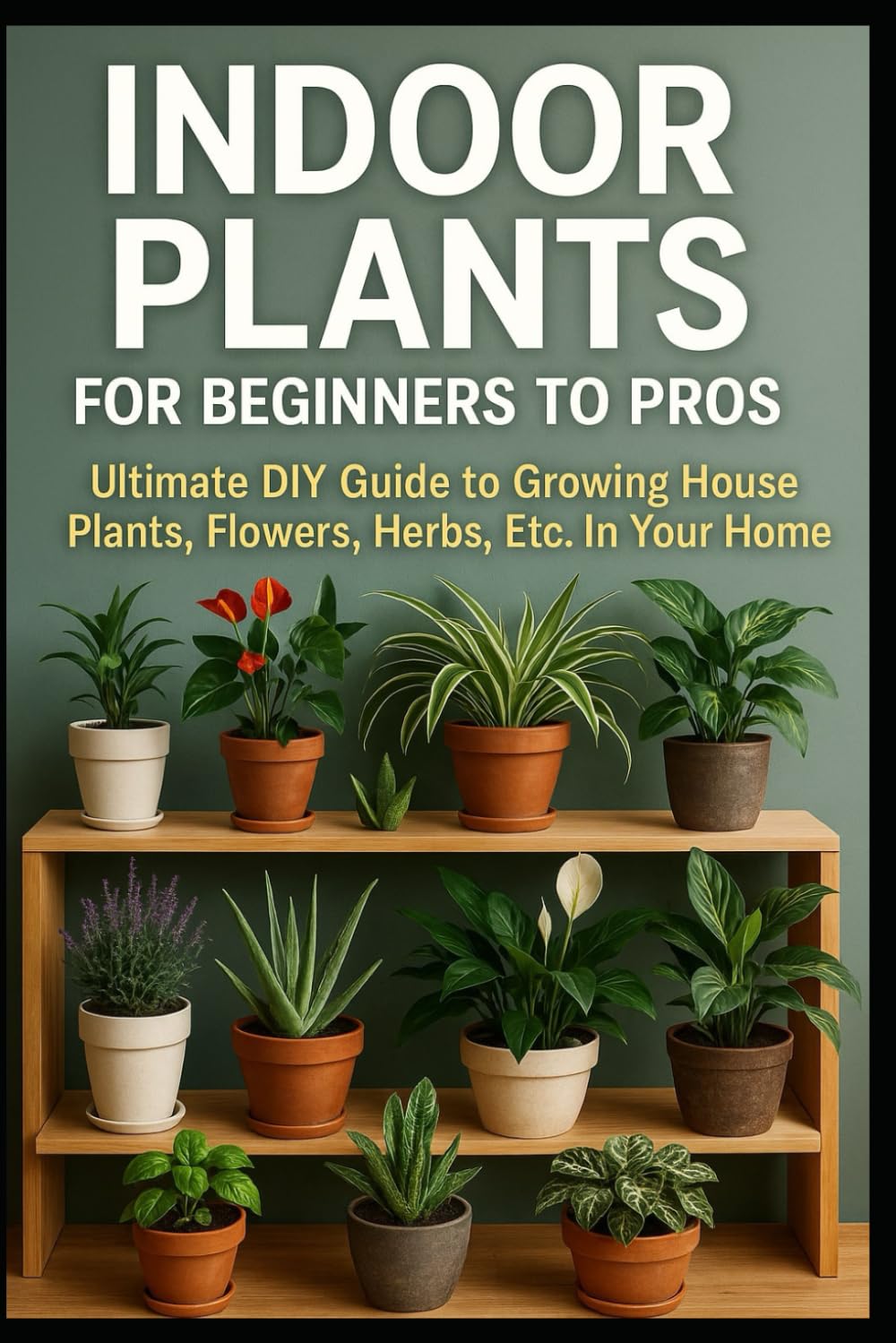
Indoor Plants for Beginners to Pros is a practical and engaging guide for anyone looking to bring more greenery into their home. Written by James Harrison as part of the DIY Home & Yard series, this book aims to demystify indoor gardening for absolute beginners while offering enough depth for experienced plant lovers. It covers the essentials of plant selection, watering, light, soil, and humidity, then moves into room-by-room placement, a curated list of top 20 plants, and even sections on growing herbs and flowering plants indoors.
What sets this guide apart is its emphasis on making plant care feel achievable and even fun. The tone is friendly and conversational, avoiding the dry, textbook feel of many gardening manuals. Bonus materials like printable watering trackers, quick-care cheat sheets, and a monthly plant care calendar add real hands-on value. The inclusion of pet safety information and a troubleshooting cheat sheet for common problems shows thoughtful attention to real-world concerns.
The book is well-organized, with clear headings and step-by-step instructions. It covers propagation techniques like leaf cuttings and division, which is great for those who want to multiply their collection without spending more money. The repotting guide is practical and includes tips to avoid mess and stress. However, at 127 pages, some topics like advanced hydroponics or rare plant species are not explored in depth, and the book is part of a series, so readers seeking more on those subjects may need additional volumes.
Design-wise, the paperback is a standard 6x9 inch format with a lightweight feel, making it easy to carry around. The lack of customer reviews at launch means we have no user feedback yet, but the content is solid and well-researched. For the price, this is a strong value for anyone wanting a single, approachable resource to start or improve their indoor garden.
Verdict: If you want a friendly, comprehensive, and practical guide to indoor plants, this book is a great choice. It balances beginner-friendly instruction with enough advanced tips to keep experienced growers engaged. Just be aware that it's part of a larger series, so you might want to check out the other books if you need deeper dives into specific areas like hydroponics or outdoor gardening.

Pros
- Covers a huge range of 160+ houseplants in one book
- Practical troubleshooting section saves time and prevents plant loss
- Easy-to-use encyclopedia format with full-color photos
- Written by a trusted gardening expert with decades of experience
- Includes both blooming and foliage plants for variety
Cons
- May be too basic for very advanced plant enthusiasts who want more scientific detail
- Large format (384 pages) might be bulky for small bookshelves or carrying around
The Complete Houseplant Survival Manual by Barbara Pleasant is exactly what it sounds like: a straightforward, practical guide for anyone who has ever loved a houseplant but struggled to keep it alive. With more than 160 indoor plants covered, this book is a one-stop resource for identifying, caring for, and troubleshooting your leafy companions. Whether you are a total newbie or have a few survivors on your windowsill, Pleasant's friendly tone and clear advice make plant parenthood feel achievable.
What sets this manual apart is its structure. Each plant gets a personality profile that explains its temperament, light and water preferences, and common problems. The A-to-Z encyclopedia format means you can quickly find the plant you need without flipping through endless chapters. Full-color photos help with identification, while the troubleshooting section covers everything from droopy leaves to pest invasions. You get real-world solutions without the fluff.
The design is clean and user-friendly, with a sturdy paperback cover that can handle being thumbed through repeatedly. At 384 pages, it is substantial but not overwhelming. The layout uses clear headings and bullet points, making it easy to scan for key info. The paper quality is good, and the photos are bright and helpful, though a few could be sharper.
One honest drawback: if you are already an advanced indoor gardener with a deep background in botany, you might find some entries too basic. The book focuses on practical care rather than academic detail. But for the vast majority of plant lovers, that is exactly what you want. Also, the large size (7.6 x 10.6 inches) might not fit on a narrow shelf, so plan accordingly.
Overall, The Complete Houseplant Survival Manual delivers on its promise. It is a reliable, readable, and comprehensive resource that earns its spot on any plant lover's shelf. If you want to stop killing your houseplants and start enjoying them, this book is a smart investment.
Publisher: Storey Publishing, LLC
Publication Date: November 8, 2022
Language: English
Print Length: 384 pages
ISBN-10: 163586660X
ISBN-13: 978-1635866605
Item Weight: 2.6 pounds
Dimensions: 7.63 x 0.78 x 10.63 inches
Best Sellers Rank: #87,283 in Books; #12 in Ornamental Plant Gardening; #14 in Container Gardening; #28 in House Plant Gardening

Pros
- Expert advice condensed into a portable, organized card system
- Visually appealing illustrations make learning plant care enjoyable
- Categorized cards let you quickly find help for specific situations
- Useful for both beginners and experienced indoor gardeners
- Gift-ready packaging with a thoughtful design
Cons
- Limited to 60 cards - may not cover very rare or unusual plant species
- No in-depth coverage of specific pests or diseases - focuses on general care
- Some users might prefer a traditional book format over cards
The Houseplant Gardener in a Box offers a fresh take on indoor plant care. Instead of a bulky book, you get 60 illustrated cards and a compact guide book, all packed in a neat gift box. Created by houseplant expert Jane Perrone, this set is designed for anyone who wants practical, no-fuss advice without having to flip through pages. It's ideal for beginners who feel overwhelmed by plant care, as well as seasoned gardeners who want a quick reference for common issues.
The standout feature is the card system. Each card covers a specific topic: watering, light requirements, humidity, seasonal care, and more. They're color-coded and categorized, so you can pull out the card for low-light plants or orchid reblooming in an instant. The illustrations by Cody Bond are charming and helpful, showing exactly what a healthy plant should look like. The accompanying book provides a broader overview, helping you choose plants that fit your home's conditions.
Design-wise, the cards are sturdy and slightly glossy, able to withstand occasional splashes. The box itself is small enough to store on a bookshelf or counter, but the cards can be easily misplaced if not returned properly. The advice is concise and actionable - no fluff. For example, it explains why you should water African violets from below and how to tell when succulents need a drink.
There are a couple of limitations. With only 60 cards, the set doesn't cover every single plant variety or deeply explore topics like soil mixes or pest control. Some users might wish for a digital version or a spiral-bound book instead. However, for the majority of common houseplants, the tips are solid and trustworthy.
Overall, the Houseplant Gardener in a Box is a thoughtful, practical resource. It makes plant care feel less daunting and more manageable. The high rating from early buyers reflects its usefulness, and the beautiful presentation makes it a great gift. If you're looking for a straightforward, visual guide to keep your indoor plants thriving, this set delivers.
How To Care For An Indoor Gardenia Plant
A glossy green plant can look perfect in the morning and oddly miserable by evening. Buds suddenly fall, leaves lose their shine, and the whole situation feels baffling. Many indoor growers experience that roller coaster, especially after bringing home a fragrant gardenia with high expectations. That turning point usually leads people to search for practical answers about how to care for an indoor gardenia plant. Small adjustments in light, humidity, and soil often change everything, turning a moody plant into a reliable bloom producer.
Why Gardenias Behave Differently Indoors
Indoor spaces rarely provide the steady climate gardenias evolved to enjoy. Warm humidity, filtered sunlight, and gentle airflow shape their natural habitat, yet homes frequently deliver dry air and fluctuating temperatures. Those differences can trigger stress responses quickly. Learning the environmental contrast behind how to care for an indoor gardenia plant reveals why patience and observation matter so much.
Gardenias react quickly to environmental shifts. A sudden temperature change or dry air can interrupt bud development within days. Leaves may turn yellow or lose their deep gloss, which signals that something in the environment needs adjustment. Recognizing these signals early strengthens the routine behind healthy indoor gardenia care.
Lighting conditions also vary dramatically indoors. Window direction, seasonal sunlight changes, and nearby buildings can influence how much light actually reaches the plant. Gardenias require bright conditions, but harsh direct sunlight damages their leaves. Balanced lighting remains one of the most critical pieces of how to care for an indoor gardenia plant. For those struggling with low light, a best grow light for small space can provide the extra intensity needed for healthy foliage and bud formation.
Consistency becomes the quiet secret to success. Gardenias thrive when their environment stays predictable and stable. Gradual changes help them adapt, while sudden shifts often trigger stress reactions. Stability strengthens bud retention, leaf health, and steady growth.
Light Conditions Gardenias Truly Need
Bright light fuels the entire life cycle of a gardenia plant. Leaves convert sunlight into energy, which supports both growth and flowering. Without enough brightness, gardenias survive but rarely bloom. Balanced lighting therefore stands at the center of how to care for an indoor gardenia plant.
East-facing windows usually provide excellent conditions. Gentle morning sunlight supplies brightness without the intense heat of afternoon rays. Sheer curtains can soften direct sunlight if it becomes too strong. This environment supports healthy leaf color and stronger bud formation.
Low-light rooms present a common challenge. Gardenias may remain alive but develop thin growth and produce few flowers. Supplemental lighting often solves this issue quickly. To maintain healthy foliage and reliable blooming indoors, rely on the best grow light for small space.
Seasonal daylight changes also affect indoor plants. Winter sunlight becomes weaker and shorter in many regions. Rotating the plant occasionally helps distribute light evenly across the canopy. Balanced exposure strengthens gardenia stems, leaves, and flowering cycles.
Humidity And Airflow Balance Indoors
Gardenias originate from humid climates where moisture fills the air consistently. Indoor environments often lack this humidity, especially during winter heating seasons. Dry air causes leaves to dull and buds to drop prematurely. Increasing moisture becomes essential for how to care for an indoor gardenia plant.
A humidity tray provides a simple solution. Pebbles placed in a shallow tray filled with water allow evaporation to increase humidity around the plant. The pot sits above the water level, protecting the roots from excess moisture. This method supports leaf vitality and stable bud development.
Plant grouping offers another natural humidity strategy. Several plants placed close together release moisture into the surrounding air through transpiration. This shared environment benefits moisture-loving species like gardenias. The result often improves leaf gloss and bud stability.
Air circulation must remain gentle rather than forceful. Stagnant air encourages pests and fungal problems, yet strong drafts can shock the plant. A calm indoor environment with mild airflow works best. Balanced airflow strengthens the routine behind indoor gardenia plant care.
Soil And Potting Mix Gardenias Prefer
Soil quality determines whether roots thrive or struggle silently. Gardenias prefer slightly acidic soil that drains well yet holds enough moisture for consistent hydration. Heavy soil suffocates roots and often causes yellow leaves. Choosing the right soil blend simplifies how to care for an indoor gardenia plant.
Peat moss, pine bark, and perlite form a reliable soil mixture. This combination promotes airflow around roots while maintaining moderate moisture levels. Roots stay oxygenated instead of trapped in compacted soil. Healthy roots support vigorous growth and stable flowering.
Soil acidity also influences nutrient absorption. Gardenias prefer a pH between 5.0 and 6.0, which helps them absorb iron and other essential minerals. Higher pH levels often lead to pale leaves and slow growth. Monitoring soil acidity supports leaf color and plant vitality.
Repotting occasionally refreshes the root environment. A slightly larger container with fresh acidic soil provides new space for root expansion. Careful handling during repotting prevents unnecessary stress. This step strengthens long-term success in how to care for an indoor gardenia plant.
Watering Routine That Keeps Roots Healthy
Watering mistakes often cause the most frustration for indoor gardenia growers. Overwatering suffocates roots, while dry soil stresses the plant and causes bud drop. Balanced moisture keeps the root system active and healthy. That balance forms a core principle of how to care for an indoor gardenia plant.
Gardenias prefer consistently moist soil rather than alternating extremes. Allowing the top layer of soil to dry slightly before watering again often creates the best rhythm. This approach prevents waterlogged roots while maintaining steady hydration. Stable watering protects root health and leaf strength.
Water quality sometimes affects the plant more than expected. Hard tap water contains minerals that gradually increase soil alkalinity. Filtered or rainwater helps preserve the acidic environment gardenias prefer. Consistent water quality strengthens nutrient absorption and foliage color.
Seasonal temperature changes also influence watering frequency. Warm conditions accelerate evaporation, while cooler months slow plant metabolism. Adjusting watering schedules throughout the year keeps the plant stable. This adaptability supports long-term indoor gardenia care success.
Temperature Stability And Plant Comfort
Gardenias thrive within a moderate indoor temperature range. Warm daytime conditions paired with slightly cooler nights mimic their natural climate. Rooms that remain between 65°F and 75°F typically produce the best results. Stable temperatures reinforce the routine behind how to care for an indoor gardenia plant.
Temperature fluctuations can quickly trigger stress reactions. Placing a gardenia near air vents, heaters, or cold drafts disrupts its delicate balance. Leaves may drop or buds may fail to develop. Protecting the plant from these extremes preserves flower development and plant vitality.
Slight nighttime cooling actually benefits bud formation. Gardenias respond well when nights are a few degrees cooler than daytime temperatures. This difference encourages stronger flower development and longer bloom cycles. Temperature rhythm strengthens bud formation and fragrance intensity.
Seasonal heating systems often reduce indoor humidity dramatically. Warm dry air forces the plant to adjust quickly, which may lead to leaf stress. Increasing humidity levels can offset this seasonal shift. Balanced conditions strengthen gardenia resilience and indoor growth stability.
Nutrients And Fertilizing For Bloom Production
Gardenias rely on steady nutrients to maintain glossy leaves and fragrant flowers. Acid-loving plant fertilizers provide the ideal nutrient balance for indoor gardenias. Regular feeding during active growth periods keeps the plant energized. Nutrient support strengthens the system behind how to care for an indoor gardenia plant.
Slow-release fertilizers simplify the feeding process. These products gradually supply nutrients over time, reducing the risk of overfeeding. Controlled feeding supports consistent growth without overwhelming the roots. Balanced fertilization promotes flower buds and deep green foliage.
Iron deficiency frequently appears in gardenias grown in less acidic soil. Leaves may turn pale while veins remain darker green. Adding iron supplements restores nutrient balance and leaf color. Healthy nutrient levels reinforce leaf vitality and blooming strength.
Moderation remains important during fertilization. Excess fertilizer can burn roots and cause leaf edge browning. Controlled feeding schedules maintain healthy plant development. Balanced nutrients support long-term indoor gardenia plant care.
Recognizing Early Stress Signals
Gardenias communicate problems through subtle changes in appearance. Yellow leaves, bud drop, or slow growth often signal environmental stress rather than disease. Observing these early clues allows quick corrections. Early action strengthens the routine behind how to care for an indoor gardenia plant.
Leaf discoloration provides useful diagnostic information. Pale leaves may indicate nutrient imbalance, while brown edges sometimes reveal inconsistent watering. Careful observation allows adjustments before the problem spreads. Monitoring foliage helps protect plant vitality and bloom potential.
Bud drop frustrates many indoor growers. Temperature changes, dry air, or inconsistent watering frequently trigger this reaction. Stabilizing humidity and light often restores normal bud development. Environmental balance supports flower retention and healthy plant cycles.
Plants respond surprisingly quickly to environmental improvements. Adjusting humidity levels or light exposure can reverse stress symptoms within weeks. Consistent care helps the plant regain strength. This responsiveness highlights the effectiveness of proper indoor gardenia care techniques.
Light Spectrum And Flowering Response
Light quality influences plant growth far beyond simple brightness. Different wavelengths trigger different plant responses, particularly during flowering cycles. Gardenias benefit from balanced red and blue light spectrums that support both foliage growth and bloom formation. Proper spectrum exposure strengthens how to care for an indoor gardenia plant.
Blue light supports leaf structure and compact growth patterns. Plants receiving adequate blue wavelengths typically develop stronger stems and deeper green foliage. Balanced blue light helps maintain leaf strength and plant stability.
Red light influences flowering hormones and bud development. Scientific research shows that certain red wavelengths stimulate flowering signals in plants. This relationship explains why targeted lighting sometimes improves blooming indoors. Learn more through how does red light affect plant growth.
Balanced spectrum lighting encourages efficient photosynthesis. Leaves convert light energy into the nutrients required for growth and flowering. Healthy photosynthesis supports strong roots, vibrant foliage, and fragrant blossoms. Stable light conditions reinforce every aspect of indoor gardenia plant care.
Frequently Asked Questions About Indoor Gardenia Care
Why are the leaves on my indoor gardenia turning yellow?
Yellow leaves often point to watering issues or poor drainage. Overwatering can suffocate roots, while underwatering causes stress. Check the soil moisture and adjust your schedule. Also ensure the pot has drainage holes. If leaves are pale with green veins, the plant may need an iron supplement, especially if the soil pH is too high. For more on soil pH, see our guide on best soil for weed plant which covers acidity needs for similar plants.
How much light does an indoor gardenia need?
Gardenias need bright but indirect light for at least six hours a day. An east-facing window is ideal. If natural light is limited, a grow light can supplement. Look for full spectrum lights that include red and blue wavelengths to support both leaf growth and budding. Check out our best led grow light for indoor plants recommendations for reliable options.
Why are my gardenia buds dropping before they open?
Bud drop usually results from environmental stress. Common causes include low humidity, sudden temperature changes, inconsistent watering, or moving the plant while buds are forming. Keep humidity above 50% using a tray or misting, avoid drafts, and water evenly. Also make sure the plant isn’t rootbound. Stabilizing these factors helps buds mature into flowers.
Can I grow gardenias indoors without a humidifier?
Yes. Place the pot on a pebble tray filled with water (ensure the pot base is above water), group plants together, or mist the leaves in the morning. These methods raise the immediate humidity around the plant. During winter, keep the plant away from heating vents. A simple tray can make a noticeable difference in leaf health and bud retention.
What type of soil is best for repotting an indoor gardenia?
Use a well-draining, acidic potting mix formulated for azaleas or camellias. You can also mix peat moss, pine bark, and perlite in equal parts. Avoid heavy garden soil or cheap potting mixes that compact easily. Good drainage prevents root rot and supports steady growth. For more potting tips, see our planter and pot guide.


Write Your Review
No reviews yet. Be the first to share your experience!