


Bringing a fragrant, glossy-leaved shrub into your home can transform any living space, yet many growers find that maintaining flowering gardenias inside presents distinct challenges. Gardenias demand precise light levels, consistent moisture, and an acidic soil environment to produce their velvety, intoxicating white blooms. Understanding how to care for a gardenia plant indoors means balancing ambient warmth with steady air circulation so that delicate buds do not drop before opening. Much like caring for delicate indoor foliage species, creating a supportive indoor microclimate prevents environmental stress from slowing down vegetative growth.
Cultivars like the Shrub 2.5 Qt. August Beauty Gardenia thrive naturally in warm outdoor zones, which makes replicating those conditions inside a home an intentional process. Indoor growers often encounter leaf yellowing or sudden bud drop when household air turns dry or potting soil becomes compacted. Incorporating targeted fertilizers for acid-loving plants alongside balanced watering routines helps protect fragile roots from shock. With mindful attention to daily light exposure and seasonal feeding cycles, keeping these iconic evergreen shrubs vibrant and healthy inside your home remains entirely achievable.
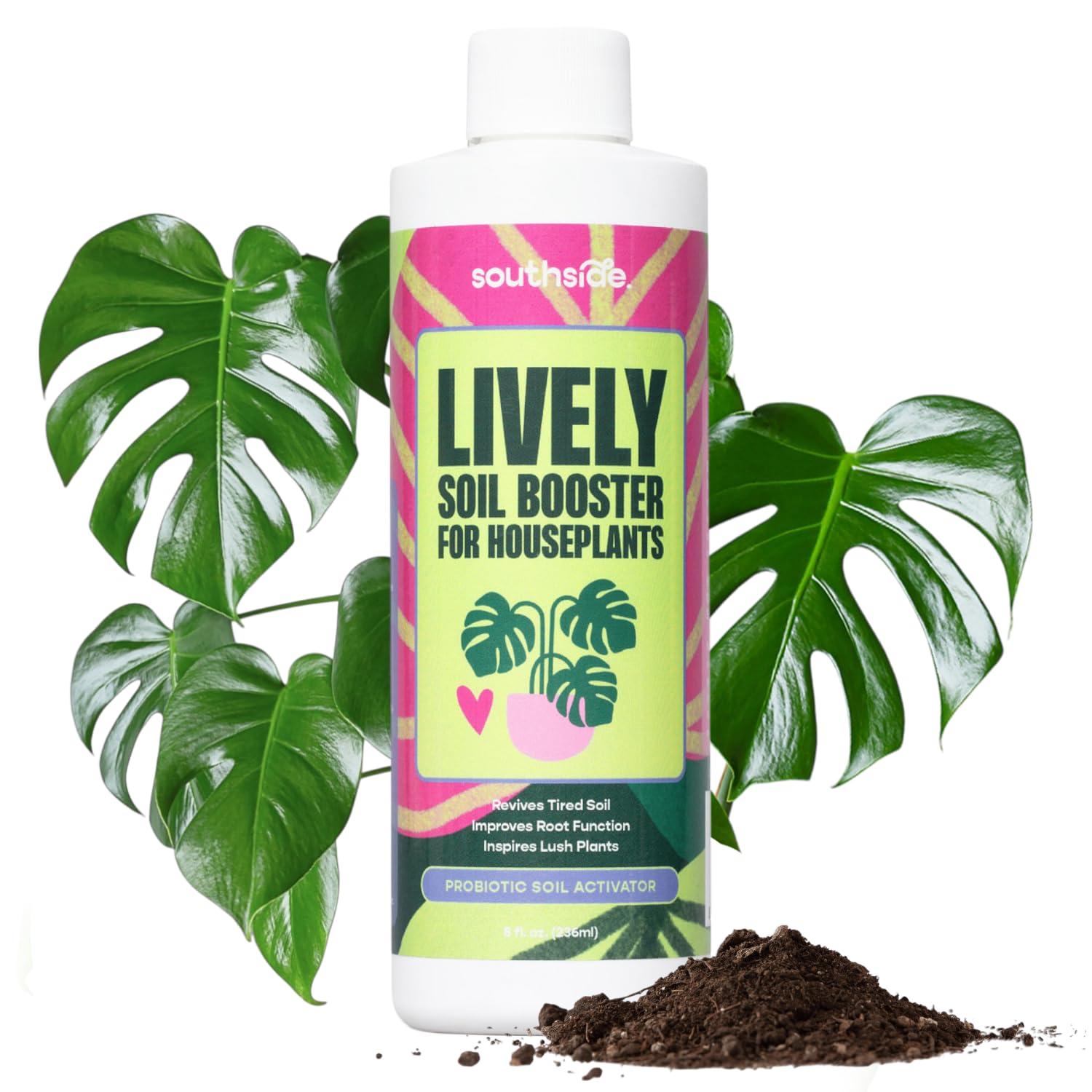
Pros
- Simple application - just one capful per watering routine
- Improves both drainage and moisture retention for balanced soil
- Safe for sensitive plants including peace lilies and fiddle leaf figs
- Reduces the need for frequent repotting, saving time and mess
- Contains beneficial microbes that naturally condition soil over time
Cons
- No customer reviews yet, so long-term performance is unverified
- Results may require consistent use over several waterings to be noticeable
- Works best when paired with the brand's Tap Water Conditioner (sold separately)
Southside Plants Lively Soil Conditioner is a liquid treatment designed for indoor houseplants that aren't thriving despite proper care. If your potting mix has become compacted or depleted over time, this product uses beneficial Bacillus microbes to break down buildup and release trapped nutrients. It's aimed at plant owners who want to refresh old soil without the hassle of repotting, and it works with tropicals, succulents, and flowering varieties alike.
The standout feature is its microbial action. Unlike traditional fertilizers that add nutrients, Lively Conditioner helps plants access what's already in the soil. The Bacillus microbes gently loosen compacted particles and convert existing nutrients into forms roots can use. This improves water distribution, reduces soggy or dry pockets, and helps roots absorb oxygen more effectively. For stressed plants - like those recovering from repotting or a move - this can make a real difference.
In terms of design, the product comes as an 8-ounce liquid with a simple capful dosing system. One capful treats an average 8-inch pot, and you just water as usual. It's safe to add to your regular watering routine, though the instructions note it pairs best with the brand's Tap Water Conditioner. The liquid form is easy to measure and mix, and the bottle is straightforward with clear labeling.
Potential drawbacks are worth noting. At launch, the product has no customer reviews, so real-world effectiveness is untested. It may require several applications before you see visible improvement, and the benefits are most pronounced when combined with the recommended companion product. Additionally, if your soil is extremely old or hydrophobic, a full repot might still be necessary.
Overall, Southside Plants Lively Soil Conditioner offers a practical, low-mess approach to reviving indoor potting mix. Its microbial technology targets common issues like compaction and poor drainage, and the easy application makes it accessible for beginners and experienced plant parents alike. While it's not a miracle cure for severely degraded soil, it's a solid option for maintaining healthy houseplants without frequent repotting.

Pros
- Long-lasting feeding for months at a time.
- Prevents over-fertilizing and root burn.
- Versatile for many plant types.
- Easy to apply with no mixing.
- Urea-free and gentle on plants.
Cons
- Granules may be messy if over-applied.
- Not suitable for hydroponic systems.
- Results can vary with different pot sizes and watering habits.
The Grow Co Indoor Plant Food is a slow-release granular fertilizer designed to simplify plant care for both beginners and seasoned enthusiasts. Unlike liquid fertilizers that require frequent mixing and application, this all-purpose formula feeds your plants gradually with every watering, reducing the risk of fertilizer burn and overwatering. It's ideal for a wide range of potted plants, from fiddle leaf figs and succulents to orchids and ferns, making it a versatile addition to any plant lover's toolkit.
One of the standout features is its longevity. A single application lasts up to 6-9 months, which means less time spent on maintenance and more time enjoying your greenery. The balanced 18-6-8 NPK ratio provides essential nutrients that encourage strong root development and vibrant foliage. The granules are easy to use: simply sprinkle the recommended amount on the soil surface, mix it in, and water thoroughly. The slow-release coating ensures that nutrients are delivered steadily, preventing the spikes that can harm sensitive plants.
In terms of design, the 5-ounce container is compact and practical, with clear instructions on the label. The product is urea-free, which is a plus for those concerned about chemical buildup in their potting mix. It works well with various organic mediums like bark, sphagnum moss, and perlite. However, it's important to measure carefully to avoid over-application, as too many granules can lead to salt accumulation in the soil. Also, this fertilizer is not designed for hydroponic systems, so stick to soil-based pots.
A potential drawback is that the slow-release nature means you won't see immediate results like with liquid feeds. Patience is key, as the benefits become apparent over weeks as the granules break down. Additionally, the product's effectiveness can vary depending on pot size, plant species, and watering frequency, so some trial and error may be needed to find the perfect schedule.
Overall, The Grow Co Indoor Plant Food is a reliable, low-maintenance option for anyone looking to keep their houseplants healthy without the hassle of frequent feeding. It's particularly well-suited for busy plant owners or those new to plant care. While it may not be the fastest-acting fertilizer, its long-lasting formula and ease of use make it a solid choice for general plant nutrition. If you value convenience and consistency, this product is worth considering.
Brand: The Grow Co
Item Form: Granules
Unit Count: 5.0 Ounce
Liquid Volume: 5 Fluid Ounces
NPK Ratio: 18-6-8
Coverage: Full
Specific Uses: Plant Food for indoor and outdoor potted plants
Target Species: Moss, houseplants, succulents, orchids, and more
Item Weight: 5 Ounces
ASIN: B08LJQJRQ6

Pros
- Highly concentrated, so a single bottle lasts a long time and saves money.
- Quick visible results: plants perk up and flower color deepens within days to weeks.
- Versatile formula works for many acid-loving shrubs beyond just gardenias.
- Simple to use with clear mixing instructions for regular and deficiency feed rates.
- Packed with micronutrients that correct common indoor plant issues like yellowing leaves.
Cons
- No measuring cap or dispenser included, so you need a separate teaspoon for accurate mixing.
- Can be too strong if overused; follow dilution instructions carefully to avoid burning roots.
- Some users saw new growth but no blooms yet, suggesting results may vary by plant condition and season.
HiThrive Gardenia Fertilizer is a water-soluble liquid concentrate designed specifically for gardenias and other acid-loving plants like hydrangeas, azaleas, and rhododendrons. The 16 ounce bottle makes an impressive 96 gallons of plant food at the standard feed rate, offering exceptional value for both indoor and outdoor gardeners. With a balanced 6-2-4 NPK ratio and a full suite of micronutrients, it aims to correct yellow leaves, encourage vigorous growth, and boost flower production.
In real-world use, the fertilizer lives up to its promises. Customers repeatedly report that their gardenias perked up within days, with new leaves appearing and existing foliage turning a deeper green. Many saw blooms open faster and with richer color, even on plants that had struggled before. The formula includes iron, magnesium, and zinc to address common deficiencies, which explains why it works so well for yellowing leaves - a frequent complaint among gardenia owners.
Design wise, the bottle is simple but functional. The liquid is clear and mixes easily with water without leaving residue. The instructions are printed clearly on the label, though there is no measuring cap or dispenser attached. You'll need a separate teaspoon to get the right dilution. The recommended rate is 1 teaspoon per gallon for regular feeding, and double that for deficiency correction. It can be applied directly to the soil or used with a bottom-watering method.
A few drawbacks to note. Without a measuring device, new users might accidentally over-concentrate the solution and harm plants, as a couple of reviewers pointed out. Also, while many saw flowers quickly, others noticed only foliage growth at first, so patience may be needed depending on the plant's state. The liquid is not organic, which might matter to some gardeners, and it's relatively strong - so precise mixing is key.
Overall, HiThrive Gardenia Fertilizer delivers on its core promise: it feeds acid-loving plants effectively, corrects yellowing, and encourages more vibrant blooms. Given its concentration and low price per gallon, it's an excellent value for anyone with gardenias or similar shrubs. If you need a reliable, easy-to-use fertilizer that shows results, this is a strong contender. Just remember to measure carefully and adjust the feed rate based on your plant's condition.

Pros
- Extremely economical: 32 ounces makes 192 gallons, so a single bottle lasts a long time.
- Complete nutrition: includes both macronutrients and micronutrients tailored for acid-loving plants.
- Helps fix yellowing leaves and slow growth without harsh chemicals.
- Easy to mix and apply with no measuring guesswork.
- Works on a wide variety of popular flowering bushes, not just gardenias.
Cons
- New product with no customer reviews yet, so real-world performance is unverified.
- Requires regular mixing before each watering, which may be less convenient than a ready-to-use spray.
- Only formulated for acid-loving plants; not suitable for general-purpose fertilizing or alkaline-loving species.
If you're a gardenia enthusiast or tend a yard full of acid-loving plants like azaleas, hydrangeas, and camellias, finding a fertilizer that delivers consistent results without breaking the bank is key. HiThrive's 32-ounce Gardenia Fertilizer aims to be that solution. This liquid concentrate claims to make up to 192 gallons of plant food from a single bottle, which is an impressive value proposition. Designed for both indoor and outdoor use, it's marketed as a simple way to correct nutrient deficiencies and boost blooms with a balanced 6-2-4 NPK ratio plus a full suite of micronutrients.
In terms of real-world performance, the formula looks strong on paper. Nitrogen encourages new leaves and faster growth; phosphorus supports flowering; and potassium helps plants handle stress. The inclusion of calcium, magnesium, iron, copper, manganese, and zinc targets common issues like yellowing leaves and stunted development. For gardeners who have struggled with gardenias that refuse to bloom or sport pale foliage, this all-in-one mix could be a practical fix. The feeding schedule is straightforward: use 1 teaspoon per gallon for standard maintenance or 2 teaspoons for a deficiency boost. That simplicity is a big plus.
The build and design are no-frills but functional. You get a standard 32-ounce bottle with a cap that doubles as a measuring cup. The liquid is clear and dissolves quickly in water with no fuss. However, being a concentrate means you'll need to mix it fresh each time you water, which might be a minor inconvenience for those used to pre-mixed sprays. On the upside, the bottle size is generous, and given the dilution rate, you'll be buying this far less often than many competitors.
One honest drawback is the lack of verified reviews. Since this is a relatively new product (ASIN B0CYXHDKRQ), there are no user experiences to draw on. While the formulation is sound and the brand appears reputable, you're taking a small leap of faith until more gardeners weigh in. Additionally, if you have a mix of plant types in your garden, this fertilizer is strictly for acid-lovers, so you'll need a separate feed for other plants.
Verdict: HiThrive's 32-ounce Gardenia Fertilizer offers excellent value and a well-thought-out nutrient profile. It's an easy choice for anyone dedicated to gardenias or similar acid-loving plants, especially if you're looking to reduce cost and storage space. Just be prepared to mix it regularly and assume a bit of risk as a new product. Given the specs though, it's a smart buy for the price.

Pros
- Natural plant-based formula that's safe for edible herbs and vegetables.
- Pleasant peppermint scent that lingers briefly and adds a fresh feel to your garden.
- Effective against common pests like ants, lace bugs, and Japanese beetles when used consistently.
- Convenient ready-to-use spray bottle makes application quick and mess-free.
Cons
- May require repeated applications every week or two for persistent pest problems.
- Some users report it is less effective against certain bugs like gnats, so it might not be a one-size-fits-all solution.
- Price per bottle is higher than some synthetic alternatives, but the natural ingredients justify the cost for many.
The Mighty Mint Neem Oil & Peppermint Plant Nutrient Spray combines two powerhouse natural ingredients into one convenient 16 oz bottle. It's designed for gardeners who want to feed their plants and protect them from pests without harsh chemicals. This spray is ready to use and works on a wide range of plants, from indoor fiddle-leaf figs to outdoor basil and rose bushes.
What sets this product apart is its blend of cold-pressed neem oil and peppermint oil. Neem oil provides essential nutrients that promote stronger stems and deeper root development, while peppermint oil adds a natural pest-deterring boost. The scent is fresh but not overpowering, and it fades after a short time. Real-world reviews confirm that it helps with common pests like ants, lace bugs, and Japanese beetles. One user shared that it saved their herb garden from holes in basil and gnats, and another noted visible improvement in their anthurium after just one application. The spray bottle delivers a fine mist that covers leaves evenly, though some users advise spraying the undersides of leaves for best results.
Build quality is solid: the spray nozzle produces a consistent mist and the bottle is easy to handle. Since it's ready to use, there's no risk of mixing errors or messy concentrate spills. The plant-based formula is gentle enough for use on herbs and vegetables, which adds peace of mind for organic growers. However, some buyers mentioned that it didn't work well against fungus gnats, so it may not be a universal solution. A few also noted that repeated applications every one to two weeks are needed for ongoing pest pressure.
Overall, this spray is an excellent choice if you want a simple, natural way to nourish your plants and keep minor pests in check. The price is fair given the quality of ingredients and the convenience. Pair it with consistent care, and your plants will reward you with healthy growth and beautiful, shiny leaves.

Pros
- Concise 120-page format makes it easy to read and reference
- Covers both basic and advanced care in an organized, no-nonsense way
- Includes specific solutions for common problems like yellow leaves and bud drop
- Practical for both outdoor in-ground growing and indoor container gardening
- Affordable price point for a comprehensive specialty guide
Cons
- No reader reviews yet to confirm effectiveness of the advice
- Independently published so formatting and editing may not match major publisher standards
- Focused solely on gardenias, so not useful for broader gardening topics
The Gardenia Care Handbook by Denny Permana is a focused guide designed for anyone who wants to grow these famously fragrant flowers with confidence. Whether you are a beginner just starting out or an experienced gardener looking to refine your technique, this book delivers practical steps without fluff. It walks you through selecting the right variety, prepping soil, watering, fertilizing, and handling common setbacks like bud drop or yellow leaves. The author clearly understands the frustration of wilting gardenias and provides direct, actionable advice.
Standout features include the seasonal care checklists and a troubleshooting guide that quickly points you to solutions for pests, diseases, and environmental stress. The section on container gardening is especially valuable for those with limited space or cold winters, covering how to keep potted gardenias healthy and even bring them indoors. The book also explains how to prune for shape and longevity, propagate new plants, and boost blooms and fragrance using both natural and chemical methods. It is a well-rounded resource that covers the full lifecycle of the plant.
As an independently published book, the design is straightforward - black and white text with no flashy photos. The 120-page length makes it easy to digest in a weekend, but some readers might wish for more detailed illustrations or color images to help identify problems. Since there are zero customer reviews yet, it is hard to gauge how the advice performs in the real world. That said, the content appears thorough and logically organized, drawing on standard horticultural practices for gardenias.
The main drawback is the lack of proven reader feedback. Without reviews, you are trusting the author's expertise based on the description alone. Additionally, if you already own a general gardening encyclopedia, parts of this guide may overlap. However, for the price and focus, it offers excellent value for dedicated gardenia enthusiasts. The book is a compact companion that can sit on your shelf or in your gardening kit for quick reference.
Verdict: If you love gardenias and want a straightforward, all-in-one care guide, this handbook is a solid buy. It fills a specific niche with clear instructions and problem-solving tips. While it lacks user testimonials and glossy visuals, the substance is there. For nine dollars, it is a low-risk investment that could save you from costly plant losses. Recommended for gardeners who want to grow fragrant blooms with fewer headaches.

Pros
- Arrives well-packaged and generally healthy, based on positive reviews from many buyers.
- Intense fragrance makes it a standout choice near patios, walkways, or indoors as a container plant.
- Reliable rebloomer with proper care – many customers report multiple bloom cycles.
- Fair price for a live shrub that often exceeds expectations in size and vigor.
Cons
- Some plants may arrive with yellowing leaves or minor pest issues (aphids or mealybugs) that require treatment.
- Not winter-hardy in zones below 7; must be brought indoors or protected in colder climates.
- Can be sensitive to overwatering or poor drainage, leading to leaf drop if not monitored closely.
The August Beauty Gardenia is a classic choice for anyone wanting to add an unforgettable fragrance to their outdoor space. This medium-sized evergreen shrub produces an abundance of double white blossoms that measure up to 3 inches across, and the scent is rich and sweet – a real crowd-pleaser. It's especially well-suited for gardeners in USDA zones 7 through 9, but it can also thrive as a container plant that moves indoors during cold months.
Standout features include its vigorous growth habit and extended bloom period. Unlike some gardenias that flower only briefly, this cultivar pumps out blooms from mid-spring through summer, often continuing into fall with proper care. The dark green, lance-shaped leaves provide a glossy backdrop that looks attractive even when the plant isn't in flower. Many buyers report receiving plants with multiple buds forming, so you get a head start on enjoying the blooms.
In real-world use, the August Beauty has earned a solid reputation. Customer reviews highlight healthy arrivals with good root systems, and the fragrance is consistently praised. That said, a few owners noted yellowing leaves after shipping or pest problems like aphids and mealybugs. These issues are common with gardenias and usually manageable with insecticidal soap or neem oil. Once established, the shrub is relatively low-maintenance, requiring only regular watering and an early spring feeding.
Drawbacks are worth considering. If you live in zone 6 or colder, this plant will need winter protection or indoor overwintering. Some users also mentioned leaf drop when conditions aren't quite right – gardenias can be finicky about overwatering or sudden temperature changes. But with a bit of attention, these challenges are typically temporary.
Overall, the August Beauty Gardenia delivers exactly what it promises: a heavily fragrant, long-blooming shrub that adds elegance and sensory delight to any landscape. It's a smart purchase for zone 7-9 gardeners who want a reliable showstopper, and for container growers willing to provide a little extra care, it's equally rewarding.
- Botanical Name: Jasminoides (Cape Jasmine)
- Common Name: August Beauty Gardenia
- Mature Size: 36-48 inches wide x 48-72 inches tall
- Sun Exposure: Full sun to partial shade
- USDA Hardiness Zones: 7, 8, 9
- Bloom Period: Spring through fall
- Flower Color: Double white
- Foliage: Evergreen, lustrous dark green
- Spacing: 36 inches
- Container Size: 2.5 quart pot
- Shipping Height: 8-12 inches (1 gallon) or 14-18 inches (2.25 gallon)
- Water Needs: Regular watering
- Material Feature: Organic
Practical Cultural Methods for Growing Gardenias Indoors
Growing gardenias successfully indoors requires meeting four non-negotiable cultural requirements: abundant bright light, acidic soil, consistent moisture without saturation, and high relative humidity. While outdoor gardenias often tolerate fluctuations in temperature and rainfall once established, indoor specimens quickly react to dry heating vents, drafty windows, and alkaline tap water. Gardeners who manage to recreate their subtropical native conditions are rewarded with glossy deep green foliage and famously fragrant white flowers. Achieving this balance begins with understanding how gardenias respond to their immediate microclimate and setting up a predictable care schedule.
Sunlight Requirements and Ideal Window Exposure
Indoor gardenias need at least four to six hours of bright, direct sunlight daily to initiate flower buds and maintain compact foliage growth. Placing your pot near an unobstructed south-facing or west-facing window usually provides the photon density required for sustained health. During the darker months of late autumn and winter, natural light levels often drop below the threshold needed for continuous metabolic activity. Supplemental full-spectrum grow lights can bridge this seasonal deficit, helping the plant avoid leggy stems and weak, pale foliage.
Direct midday summer sun magnified through window glass can occasionally scorch the tender top leaves of an indoor shrub. If you observe bleached foliage or brown crispy patches on leaf margins, filtering the harshest afternoon rays with a sheer curtain can prevent heat injury. Rotating the container a quarter turn every week ensures even exposure to ambient daylight across all branches. Uneven lighting frequently causes one side of the shrub to drop inner leaves, leaving an unbalanced and sparse silhouette.
Watering Protocols and Moisture Consistency
Gardenias possess sensitive, fibrous root systems that suffer quickly under either drought conditions or saturated, oxygen-deprived soil. The soil should remain evenly moist to the touch, resembling the dampness of a wrung-out sponge, but never waterlogged. Checking moisture depth by inserting a finger two inches into the potting substrate helps prevent premature watering. When the top inch feels dry, water the container thoroughly until moisture drains freely from the base drainage holes.
Leaving standing water in a collection saucer is one of the primary causes of root rot in containerized gardenias. Always empty runoff trays within thirty minutes after watering so the bottom layer of the root ball does not suffocate. Using room-temperature water is equally critical, as cold tap water can shock tender root hairs and prompt sudden leaf dropping. If your municipal tap water contains high levels of chlorine or dissolved minerals, consider using filtered water or rainwater to protect root zone integrity.
Soil Acidity, Substrate Structure, and Root Aeration
Soil chemistry plays a defining role in whether an indoor gardenia can absorb essential nutrients from its potting medium. Gardenias require an acidic soil pH between 5.0 and 6.0 to maintain proper enzymatic and nutrient pathways. Standard all-purpose houseplant mixes often lean toward neutral pH levels, which can lead to chronic nutrient lockout over time. Creating or selecting an acid-rich potting mix containing peat moss, pine bark fines, and perlite establishes the loose, airy structure these shrubs demand.
Compacted soil prevents vital oxygen from reaching delicate feeder roots and impedes uniform moisture drainage throughout the pot. Using a microbial additive like Southside Plants Lively Soil Conditioner helps loosen dense substrate, break down salt buildup, and revive tired potting media between repotting intervals. Beneficial Bacillus microbes gently work through the container environment, converting bound nutrients into plant-usable forms without disturbing sensitive roots. For growers managing large containers where full repotting is difficult, soil conditioning offers a practical way to support root aeration.
Targeted Fertilization and Treating Yellowing Leaves
Interveinal chlorosis, where leaf blades turn yellow while the veins remain green, is a frequent complaint among indoor gardenia growers. This symptom typically points to an iron deficiency caused by alkaline soil conditions rather than an absolute absence of nutrients. When the pH rises above 6.0, root hairs lose the biochemical ability to take up iron, magnesium, and other micronutrients. Applying a specialized acidic plant food like 16oz Gardenia Fertilizer or the larger 32oz Gardenia Fertilizer delivers chelated iron, zinc, and magnesium directly to the root zone.
Routine feeding should occur primarily during the active vegetative and blooming window from early spring through late summer. Gardeners seeking low-maintenance nutrient delivery can supplement their care routine with Indoor Plant Food – All-Purpose Fertilizer, which releases balanced nutrients gradually over several months. Similar to researching fertilizer requirements for woody ornamentals, matching nitrogen, phosphorus, and micronutrient ratios to the specific plant species prevents common foliar burns. Withhold heavy fertilizer applications during the dormant winter period, as forcing rapid growth under dim seasonal light produces weak, vulnerable foliage.
Maintaining Humidity and Temperature Stability
Average residential interiors often maintain relative humidity levels between thirty and forty percent, which is far too dry for gardenias. These subtropical shrubs perform best when ambient humidity remains consistently between fifty and sixty percent. Low atmospheric moisture frequently results in desiccated bud tissue, causing swollen buds to turn brown and drop without flowering. Running a cool-mist ultrasonic humidifier nearby is the most dependable method for maintaining elevated humidity in enclosed living spaces.
Pebble trays filled with water and positioned beneath the container saucer provide a gentle, localized humidity boost as the water evaporates. Grouping your gardenia with other tropical houseplants creates a shared microenvironment through collective foliar transpiration. Misting the foliage with a spray bottle is often suggested, but direct foliar water droplets can encourage fungal spotting on gardenia leaves. Maintaining steady air circulation without subjecting the plant to turbulent drafts keeps the humid air fresh and prevents stagnant moisture issues.
Temperature regulation is another critical factor influencing bud formation and flowering success in indoor gardenias. The shrub prefers daytime temperatures between 65 and 70 degrees Fahrenheit, accompanied by a modest nighttime drop to around 60 degrees. This night temperature differential is a physiological trigger that stimulates flower bud initiation along mature stem nodes. Avoid placing the container near drafty exterior doors, single-pane winter windows, or forced-air heating registers that cause rapid thermal swings.
Preventing Bud Drop and Premature Leaf Shedding
Bud drop remains the single most frustrating challenge encountered by growers caring for gardenias indoors. Gardenias produce flower buds that require several weeks to swell and open, during which time the plant is exceptionally sensitive to environmental stress. A sudden change in container location, an accidental dry spell, or an unexpected temperature dip can cause the plant to discard its developing buds. Keeping growing conditions stable and predictable throughout the budding stage is the most reliable way to ensure full floral display.
Understanding plant phenology and seasonal transitions helps growers anticipate why buds fail to develop properly. Just as gardeners track seasonal timing for blooming shrubs in the garden, indoor plant owners must respect the rest periods and flowering cycles of their potted plants. If mature leaves turn yellow uniformly across the plant rather than in an interveinal pattern, the cause is often overwatering or severe root restriction. Checking the drainage holes for trapped roots and inspecting the root ball ensures that cultural corrections address the true underlying trigger.
Pest Management and Routine Foliar Cleaning
Indoor heating systems create dry, warm conditions that favor common sap-feeding pests such as spider mites, mealybugs, scales, and whiteflies. These insects colonize the undersides of leaves and cluster around tender new shoots, sucking vital plant fluids and weakening the shrub. Infested foliage may appear stippled with tiny yellow dots, sticky with honeydew secretions, or coated in fine webbing. Inspecting leaf axils and the undersides of foliage during every watering session allows you to spot pest activity before populations surge.
Treating foliar pests safely indoors requires plant-based formulations that respect indoor air quality while cleaning leaf surfaces. An application of Mighty Mint Neem Oil & Peppermint Plant Nutrient helps dislodge debris, enhances natural leaf shine, and delivers botanical plant care. Always follow the product label instructions carefully, shaking the bottle thoroughly and testing a single lower leaf before spraying the entire plant canopy. Avoid applying oily sprays during periods of direct sunlight exposure, as concentrated sun rays can heat the oil film and scorch leaf tissue.
Wiping the thick, lustrous foliage with a soft, damp cloth every few weeks removes accumulated indoor dust and opens stomata for efficient gas exchange. Clean leaves absorb light more effectively and allow the grower to observe any emerging discolored spots or pest colonies immediately. For growers looking for comprehensive horticultural context, consulting structured resources like The Gardenia Care Handbook offers systematic troubleshooting steps for recurring foliar disorders. Maintaining overall plant vigor through proper light and feeding remains the best preventative defense against opportunistic pests.
Pruning, Shaping, and Repotting Containerized Gardenias
Pruning helps maintain a balanced, bushy shape and encourages the development of new flowering wood for future seasons. The ideal time to prune an indoor gardenia is immediately after the primary summer blooming flush concludes. Pruning too late in the autumn or winter removes nascent wood that bears next year’s flower buds, significantly reducing bloom density. Use sharp, sterilized bypass shears to trim back straggly stems to just above a healthy leaf node or branch junction.
Gardenias grow at a moderate pace and generally require repotting every two to three years into a container one size larger. Live specimens such as the Shrub 2.5 Qt. August Beauty Gardenia can eventually reach significant mature dimensions outdoors, but indoor container culture naturally restricts overall canopy volume. Select pots crafted from glazed ceramic, fiberglass, or plastic that feature generous drainage holes to ensure excess water escapes freely. Avoid repotting a gardenia while it is actively setting flower buds, as root disturbance during this vulnerable window almost invariably prompts bud drop.
When transplanting, gently loosen the outer root mass with your fingers to prevent circular root binding without tearing fragile interior roots. Position the root ball so the top of the soil sits level with the previous soil line, as burying the crown too deeply can cause stem rot. Fill the perimeter with an acidic potting blend, pressing down lightly to eliminate large air pockets without compacting the medium. Water the newly potted shrub thoroughly and keep it in bright, indirect light for a few days to ease transition stress.
Selecting Cultivars and Understanding Growth Habits
Gardenia varieties exhibit differing growth habits, flower sizes, and environmental tolerances that influence how well they adapt to indoor environments. Standard cultivars like August Beauty produce large, velvety double blossoms measuring three inches across and display upright, bushy evergreen growth. Dwarf or compact varieties, such as Radicans, remain smaller in stature and often adapt more readily to limited windowsill space or tabletop planters. Verifying the botanical identity, mature height, and natural hardiness of your chosen plant ensures that your indoor setup accommodates its long-term physical footprint.
While outdoor gardeners in warmer USDA zones rely on natural rainfall and seasonal temperature shifts, indoor container culture requires deliberate environmental management. Container volume, substrate aeration, and consistent light exposure dictate how vigorously any gardenia cultivar grows inside the home. Evaluating your available interior space, light orientation, and willingness to maintain humidity levels will help you select the most suitable variety for your home. By matching the plant’s inherent cultural requirements to your indoor conditions, you can enjoy these remarkable flowering evergreens year after year.
Successful indoor gardenia care ultimately comes down to consistency in watering, lighting, and soil management. By maintaining acidic potting soil, supplying ample filtered sunlight, and shielding the plant from abrupt temperature swings, you can overcome common challenges like leaf chlorosis and premature bud loss. Taking the time to observe your gardenia weekly allows you to adjust humidity levels or feeding routines before minor environmental stress affects the plant’s health. With steady cultural practices and attentive maintenance, your indoor gardenia will reward you with lustrous evergreen foliage and breathtakingly fragrant blooms.








Write Your Review
No reviews yet. Be the first to share your experience!