


Adding a splash of bright color to indoor plant collections often feels tricky when natural lighting is limited, which is why finding the best pink fittonia nerve plant has become so popular among houseplant lovers. Known botanically as Fittonia albivenis, these compact tropicals produce striking mosaic foliage that contrasts deep emerald greens with rich pink and ruby veins. In October 2026, many growers turn to these eye-catching houseplants to brighten up dimly lit desks, terrariums, and bathroom counters where larger tropical specimens simply will not fit. Choosing from the 9 featured options allows you to introduce dense color and texture without dedicating square feet of shelf space to a sprawling specimen.
Even though they are widely regarded as beginner-friendly houseplants, pink fittonias have a well-earned reputation for being expressive when thirsty. Many plant owners encounter drooping stems or crisp leaf edges whenever household humidity drops or a watering session is missed. Selecting a robust specimen from healthy nursery stock helps minimize transition shock when bringing a new tropical plant home. If you want to expand your lush indoor collection, browsing our guide to the indoor plant collection can help you discover complementary species that thrive in similar compact environments.
Top Products
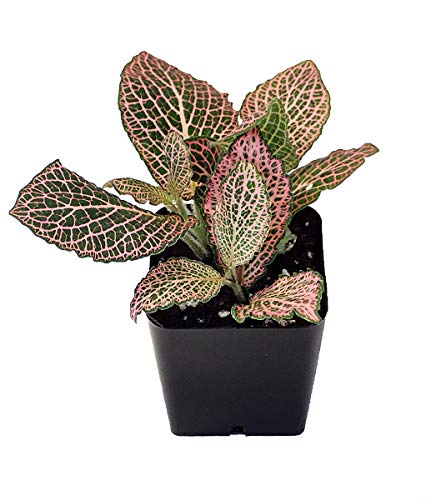


Choosing the Right Pink Fittonia for Your Space
Finding the right match depends largely on where you plan to display your new plant and how much ambient moisture your room provides naturally. While larger cultivars fit well on tabletop trays, compact miniature varieties thrive inside humid enclosures like closed glass jars or decorative terrariums. Evaluating pot size, foliage patterning, and shipping guarantees ensures your new plant arrives healthy and acclimates smoothly.
Foliage Contrast and Leaf Density
Leaf coloration varies widely across cultivars. Some varieties present soft blush veins over dark green backgrounds, while others, like the Frankie fittonia, show broad ruffled leaves where the pink tone dominates almost the entire surface. Selecting a plant with tight, compact leaf nodes indicates robust early growth under proper greenhouse lighting, which helps prevent the leggy stems that often develop in dim indoor spots.
Container Size and Root Development
Most options arrive in two-inch or four-inch grower containers. Starter plugs in two-inch pots settle easily into tight terrarium arrangements or mixed dish gardens alongside moss. A four-inch pot offers a fuller root system with multiple rooted cuttings, making it a stronger standalone accent for a desk or shelf. When transferring your new arrival into decorative indoor pots, choosing containers with bottom drainage holes helps prevent the soggy root conditions that lead to stem rot.
Humidity Demands and Lighting Balance
Because fittonias originate from the moist forest floors of South America, they naturally favor moderate to high ambient humidity. In standard living rooms where winter heating dries out the air, placing your container over a pebble tray or grouping it with other plants helps sustain leafy vitality. Providing gentle, bright indirect light maintains intense vein color without scorching tender foliage. If natural window light is weak, gentle supplemental illumination from balanced indoor grow lights keeps the foliage rich and compact throughout seasonal light shifts.
Frequently Asked Questions
How often should I water my best pink fittonia nerve plant?
Water your plant whenever the top half-inch of soil feels dry to the touch, which typically equates to once or twice a week in average indoor rooms. Fittonias quickly collapse and wilt when the soil completely dries out, though they usually perk back up within hours of a thorough soaking. Keeping the soil consistently damp like a wrung-out sponge prevents both chronic wilting and root suffocation.
Why are the leaves on my best pink fittonia nerve plant turning crispy?
Crispy leaf tips usually signal dry indoor air, direct sun exposure, or irregular watering patterns. Because these tropicals thrive on moderate humidity, running a small humidifier nearby or moving the container into a bright bathroom can resolve crunchy foliage. Guarding against direct afternoon sun is equally crucial, as harsh rays easily burn the thin, patterned leaves.
Is the best pink fittonia nerve plant safe to keep around pets?
Yes, fittonia species are considered non-toxic to both cats and dogs according to standard veterinary safety references like the ASPCA. While curious pets should still be discouraged from chewing tender stems to avoid stomach upset, the foliage contains no harmful calcium oxalates or toxic sap. This pet-safe quality makes pink fittonias an excellent choice for shared living spaces.
Can I use grow lights to help maintain leaf color?
Supplemental lighting works wonders for keeping leaf veins vibrant, particularly during winter when indoor window light fades. Utilizing practical lighting options such as grow lights for indoor setups positioned twelve to eighteen inches above the foliage prevents stem stretching. Moderate artificial illumination supplies sufficient energy without generating the leaf-scorching heat of hot window sills.
How do I handle fungus gnats around my nerve plant?
Because fittonias prefer consistently moist soil, damp potting mix can sometimes attract small flying pests. Allowing the very surface of the soil to dry slightly before watering helps discourage egg laying, and pairing your arrangement with natural plants that catch gnats offers an organic way to keep insect populations under control indoors.








Write Your Review
No reviews yet. Be the first to share your experience!