


Gardeners exploring unusual tropical perennials often ask what is an insulin plant and how it performs in home gardens or containers. Scientifically classified as Chamaecostus cuspidatus and historically known as Costus igneus, this unique perennial belongs to the spiral ginger family native to Central and South America. Plant lovers appreciate its striking spiraling stems, glossy dark green foliage, and vibrant orange flowers that bloom during warm weather. For anyone who enjoys caring for decorative foliage like indoor foliage plant options, this tropical species introduces bold texture and architectural form to any collection.
Beyond its ornamental appeal, the species has attracted widespread curiosity due to its historical role in traditional Ayurvedic wellness practices. While commercial marketplaces list fresh rhizomes, seeds, potted starters, and nutritional guides, growing the plant requires meeting its specific environmental preferences. The plant cannot tolerate freezing weather and demands steady moisture, rich soil, and filtered sunlight to flourish. Understanding its true botanical background and cultivation requirements helps you decide if this spiral perennial suits your home or garden space.




Everything You Need to Know About the Insulin Plant
Understanding what is an insulin plant begins with exploring its botanical identity and growing reputation among gardeners. Scientifically called Chamaecostus cuspidatus, this herbaceous perennial belongs to the spiral ginger family and features decorative spiraling stems and rich foliage. Many gardeners discover it through herbal traditions, yet its ornamental charm in warm beds and indoor pots makes it equally attractive to foliage lovers. Learning about its native habitat, growth habits, and cultural requirements provides a solid foundation for cultivating it at home.
Botanical Identity and Classification of Chamaecostus Cuspidatus
The insulin plant belongs to the family Costaceae, a group closely related to true gingers that features distinct spiral leaf arrangements. Botanists formerly classified this species as Costus igneus, a taxonomic name that still appears in nursery listings and gardening catalogs. Common names include fiery costus, spiral flag, and spiral ginger, referencing its growth habit and vibrant floral display. Originating in tropical Central and South America, it thrives in humid lowland forests with steady moisture and warmth.
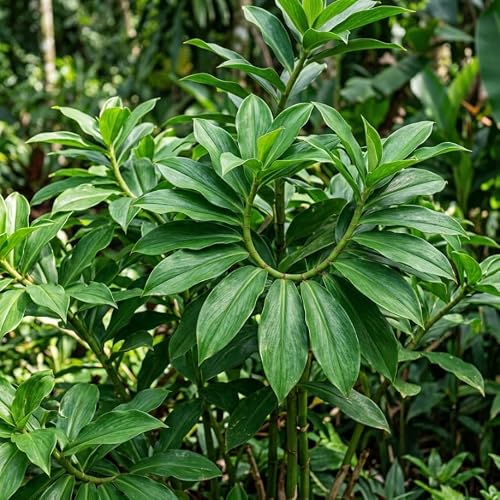
The plant forms dense leafy clumps supported by fleshy underground rhizomes that spread gradually. Stems reach mature heights between two and three feet, creating a compact habit suited to garden borders or patio containers. Smooth, dark green leaves emerge in a spiral pattern around each upright stem, often showing reddish tints beneath. During warm months, mature plants produce bright orange blossoms with delicate petals from cone-shaped terminal bracts.
Unlike true culinary ginger from the Zingiberaceae family, spiral gingers display unbranched stems with leaves arranged in a single spiral column. This architectural silhouette gives the plant immediate visual appeal in mixed borders or near bright indoor windows. Fleshy rhizomes store water and nutrients, helping the plant recover quickly if top growth experiences brief stress. Gardeners who appreciate bold tropical textures will find that its form complements many leafy companion plants.
Why Is It Called an Insulin Plant? Traditional Lore and Modern Research
The common name insulin plant arose from its traditional use in folk medicine, particularly within Ayurvedic practices in India. Herbal traditions historically involved chewing the fresh leaves or brewing teas to help support metabolic wellness. Phytochemical analyses show that the leaves contain corosolic acid, flavonoids, and various antioxidants that have attracted scientific curiosity. These natural compounds have prompted preliminary botanical investigations into how plant extracts interact with metabolic pathways.
Home gardeners should distinguish between cultural herbal traditions and verified medical treatments. Live ornamental plants cannot replace prescribed medications, insulin therapy, or professional healthcare advice for managing blood sugar conditions. Retail listings frequently pair starter plants with educational literature or dietary guides focused on broader nutritional choices. Appreciating the species as an attractive ornamental perennial ensures realistic expectations while enjoying its distinct horticultural qualities.
Ideal Growing Conditions: Light, Temperature, and Soil Requirements
Replicating the native environment of Chamaecostus cuspidatus requires attention to warmth, light exposure, and soil drainage. This tropical perennial thrives outdoors in United States Department of Agriculture hardiness zones nine through eleven. Sustained temperatures between seventy and eighty-five degrees Fahrenheit encourage active vegetative growth, while temperatures below fifty degrees cause dormancy. Freezing temperatures destroy tender foliage quickly, though well-mulched roots in mild zones can sometimes resprout in spring.
Lighting preferences center on bright, filtered sunshine or gentle morning sun with reliable afternoon shade. Harsh midday sun can bleach or scorch the dark foliage, leaving dry brown patches on outer leaf margins. For indoor growing, an east-facing window or a spot slightly recessed from a south-facing window offers ideal illumination. In outdoor plantings, placing the plant beneath high tree canopies replicates the dappled light of natural tropical forests.
Soil quality directly influences root health and the plant’s capacity to produce lush foliage year after year. The insulin plant requires rich, loamy soil with plenty of organic matter that stays evenly moist without becoming waterlogged. Heavy clay soils that retain excess water present a severe risk of rhizome rot, particularly during cool spells. Incorporating compost, peat moss, and perlite creates an airy soil structure that supports healthy root expansion.
Planting Methods: Propagating from Seeds, Rhizomes, and Starter Pots
Gardeners can establish this plant from fresh seeds, bare rhizome segments, or nursery-grown potted starters. Multi-packs of dormant rhizomes measuring several inches long provide an economical and dependable starting method. Position rhizomes horizontally one to two inches deep in warm, moist potting mix with visible growth eyes oriented upward. Anyone familiar with rooting cuttings and starter plants knows that gentle bottom warmth and steady moisture accelerate root development.
Growing from seed requires patience because tropical perennial seeds often show irregular germination timelines. Scatter seeds across moist, sterile seed mix and press them lightly into the surface without covering them completely. Maintaining a humid microclimate with clear plastic covers and heat mats keeps temperatures near seventy-five degrees for optimal sprouting. While seed propagation produces multiple plants, seedlings take significantly longer to reach mature flowering size than rhizome divisions.
Purchasing established starter plants in pots provides the fastest route to enjoying lush foliage and potential flowers. Starter plants standing twelve to twenty-four inches tall possess sturdy root clusters that adapt quickly to new growing environments. Allow newly arrived nursery plants to acclimate in bright indirect light for a few days before repotting. Outdoor gardeners in frost-free regions can follow techniques similar to planting warm-climate perennials in the ground, ensuring wind protection and proper spacing.
Routine Watering, Feeding, and Grooming Schedules
Moisture management stands as the most critical daily factor in keeping spiral ginger plants healthy and vigorous. During the active spring and summer months, water thoroughly whenever the top inch of soil feels dry. Ensure container bottoms have unobstructed drainage holes so excess water drains freely away from delicate feeder roots. In landscape beds, a two-inch layer of organic mulch helps retain moisture, moderate root temperatures, and limit weed growth.
Supplemental feeding supports robust foliage growth and seasonal flowering throughout warm periods. Apply a balanced liquid houseplant fertilizer diluted to half strength every four to six weeks during active growth. A slow-release granular fertilizer mixed into the soil surface also provides steady nourishment without burning sensitive roots. Avoid heavy applications of high-nitrogen chemical fertilizers, which cause weak, spindly stems and unsightly leaf-tip burn.
Regular grooming preserves an attractive appearance and reduces potential hiding spots for common garden pests. As lower leaves naturally age and turn yellow, trim them close to the main stem with clean pruners. Remove faded flower heads once blooming finishes to redirect energy toward underground rhizome development and fresh shoot emergence. Inspecting stem crevices during routine maintenance helps you detect potential care issues before they harm overall plant vigor.
Overwintering Strategies and Indoor Container Care
In climates where winter temperatures fall below fifty degrees Fahrenheit, growing this species in containers is the most practical approach. Bring pots indoors before the first autumn frost arrives, placing them in bright rooms away from cold drafts. As natural daylight decreases in late autumn, plant growth slows down and the specimen enters a rest period. Reduce watering frequency during this semi-dormant phase, letting the soil dry slightly deeper to prevent moisture-related root decline.
Indoor heating systems create dry household air that often causes the edges of tropical foliage to turn brown. Maintain relative humidity near fifty percent by grouping plants together or setting pots on water-filled pebble trays. Running a cool-mist humidifier in the room provides steady moisture that keeps spiraling leaves supple and healthy. Avoid spraying foliage heavily late in the day, as standing surface water in stagnant air can encourage fungal problems.
When outdoor temperatures remain consistently above fifty-five degrees in spring, begin transitioning your plant back outside. Place the pot in deep shade for the first week so foliage adjusts to outdoor light and wind. Gradually shift the container into brighter morning sun over a two-week period before placing it in its permanent spot. This careful hardening-off process prevents sunscald and allows the plant to resume vigorous summer growth smoothly.
Troubleshooting Foliage Symptoms and Environmental Stress
Observing foliage changes helps gardeners catch and resolve cultural problems before serious damage occurs. Yellowing leaves are the most common complaint among container growers, typically signaling excess soil moisture or poor drainage. When lower foliage turns soft and pale yellow, check the pot bottom to verify drainage holes remain open. If the root system smells sour or appears mushy, repotting into fresh, aerated potting soil becomes necessary.
Dry, brown leaf edges and curling tips usually point to low humidity, underwatering, or excessive sun exposure. If the plant sits in direct afternoon sun, relocate it to an area receiving gentle morning light or filtered shade. Check soil moisture deeper in the root zone to make sure water penetrates evenly during each watering session. Restoring balanced moisture and adequate humidity allows fresh, healthy foliage to emerge without unsightly blemishes.
Indoor environments can occasionally attract sap-sucking pests like spider mites, mealybugs, and scale insects during dry months. Regularly examine leaf undersides and stem joints for fine webbing, sticky honeydew, or cottony white residue. If pests appear, wipe the leaves with a damp cloth and apply insecticidal soap according to label instructions. Good air circulation and adequate room humidity remain your best defenses against recurring insect problems indoors.
Sourcing Plant Material and Evaluating Online Listings
Gardeners searching for this species online will encounter various product formats, including rhizome packs, live starter plants, and informational books. Identifying what each listing offers helps you pick the right option for your gardening skill, setup, and timeline. Dormant rhizome pieces are budget-friendly but require patience and consistent warmth to produce fresh roots. Potted starters cost more upfront but establish much faster with less risk for beginner houseplant growers.
When ordering live botanical material through mail order, review seller details concerning shipping practices and live-arrival terms. Dormant roots and unrooted cuttings must arrive firm, moist, and free from decay or unpleasant moldy odors. Established potted plants should arrive securely wrapped with intact stems and healthy, well-hydrated root balls. Unpack shipments promptly upon arrival, water lightly if dry, and keep plants in sheltered shade while they recover from transit.
Shoppers should also distinguish clearly between living plant stock and supplementary informational materials available in search results. Educational books and wellness guides provide background reading on diet and lifestyle rather than live gardening supplies. Ordering directly from established plant nurseries ensures you receive authentic Chamaecostus cuspidatus stock suitable for ornamental growing. Confirming botanical names in product descriptions prevents confusion with unrelated plants that share similar folk names.
Practical Steps for Growing and Displaying the Insulin Plant
Cultivating what is an insulin plant successfully comes down to honoring its tropical needs for warmth, moisture, and filtered light. Whether planted in a warm garden border or kept as a potted specimen in cooler regions, its spiral foliage adds dramatic texture. Giving it rich, well-drained soil, steady moisture, and protection from winter chill keeps the clump lush and productive. With attentive care, this distinctive spiral ginger remains a rewarding and decorative addition to home plant collections.





Write Your Review
No reviews yet. Be the first to share your experience!