


Indoor growers often struggle to balance natural window exposure with supplemental fixture output when pale leaves or scorched foliage appear. Understanding what is direct sunlight in a domestic environment is critical for matching specific plant species to their biological light saturation points. Direct solar radiation delivers intense, unhindered photon energy that can either fuel vigorous vegetative growth or overwhelm delicate leaf tissues within hours. Consulting an indoor plant light color guide clarifies how broad-spectrum natural solar rays compare to engineered horticultural fixtures across varied vegetative stages.
Natural outdoor rays can reach massive photosynthetic photon levels, but residential window glass, exterior overhangs, and shifting seasonal angles dramatically alter incoming energy. Evaluating whether a specimen functions best as an indoor or outdoor plant helps prevent unexpected thermal stress, foliage bleaching, and root dehydration. Gardeners who master the physical distinction between direct solar beams and bright indirect ambient illumination can position their foliage with confidence. When window exposures fall short of biological thresholds, calibrated artificial fixtures provide the consistent daily light integral that demanding plants require.









A Complete Horticultural Guide to Direct Sunlight and Indoor Plant Illumination
Direct sunlight occurs when unobstructed solar rays travel in a straight, uninterrupted path from the sun directly onto a plant canopy. In botanical terms, this exposure means that no clouds, trees, structures, or sheer fabrics diffuse or scatter the incoming photon beam before it reaches leaf surfaces. Indoors, direct sunlight manifests when a plant sits directly in the path of sunbeams streaming through a clear window, casting distinct, sharp-edged shadows. Understanding this exposure level allows growers to balance intense natural solar energy with appropriate watering schedules, environmental humidity, and artificial lighting supplementation.
Defining Direct Solar Radiation and the Photosynthetic Spectrum
Solar radiation reaches the Earth as a broad spectrum of electromagnetic wavelengths, ranging from ultraviolet rays to infrared heat. Within this broad spectrum, plants primarily utilize photosynthetically active radiation (PAR), which spans from roughly 400 nanometers to 700 nanometers. Direct sunlight delivers a balanced distribution of blue, green, and deep red photon wavelengths, along with extended far-red energy that triggers specific morphogenic responses. Because the sun emits immense photon density across all usable bands simultaneously, plants adapted to full sun develop robust vascular systems, thick stems, and dense cell walls.
Diffuse sunlight behaves very differently from direct solar beams because atmospheric moisture, dust, or clouds scatter the photon paths. While diffuse light can still provide high overall brightness, it lacks the concentrated directional thermal energy characteristic of an uninterrupted solar beam. This distinction is critical because direct radiation warms leaf tissue substantially above the ambient room temperature. When leaf temperatures rise under direct solar exposure, transpiration rates surge as the plant works to cool itself through stomatal evaporation.
Unfiltered outdoor sunlight can easily overwhelm unadapted foliage if moisture levels or root health cannot sustain elevated transpiration. In natural environments, high-intensity sunlight encourages compact internodal spacing and deep coloration in sun-loving species. Indoor plants, however, must manage this thermal load without the cooling benefits of steady outdoor breezes. Balancing direct exposure against localized heat buildup remains one of the primary challenges for indoor container cultivation.
Quantifying Light Intensity: Foot-Candles, PPFD, and Daily Light Integral
Measuring light intensity accurately requires separating human visual perception from the actual photon energy that drives plant photosynthesis. Traditional units like foot-candles and lux measure luminance weighted to human eye sensitivity, which peaks in the yellow-green portion of the visible spectrum. Under clear outdoor skies at midday, direct sunlight often exceeds 10,000 foot-candles or more than 100,000 lux. While these visual metrics offer a quick reference for general brightness, horticultural science relies on photosynthetic photon flux density (PPFD) to measure usable plant light.
Photosynthetic photon flux density measures the number of micromoles of photosynthetic photons striking a one-square-meter surface every second. On a clear summer day at solar noon, direct outdoor sunlight can deliver a PPFD of roughly 2,000 micromoles per square meter per second. In contrast, bright indirect light near a window rarely exceeds 100 to 200 micromoles per square meter per second. This massive gap illustrates why plants placed several feet away from a window often display sluggish vegetative growth despite appearing well illuminated to human eyes.
Daily Light Integral (DLI) combines PPFD intensity with photoperiod duration to determine the total cumulative moles of light delivered over a 24-hour cycle. Direct outdoor sunlight can supply 30 to 50 moles of light per day during late spring and midsummer. Fruiting crops, culinary herbs, and succulents generally require high DLI values between 20 and 30 moles per day for vigorous production. When natural seasonal sunlight drops below these baseline values, plants quickly draw down their carbohydrate reserves.
Window Orientations, Glass Filtering, and Seasonal Trajectories
Window orientation fundamentally dictates the quality, duration, and thermal intensity of indoor direct sunlight throughout the year. In the Northern Hemisphere, south-facing windows receive the longest duration of direct solar exposure, often providing four to six hours or more of steady beam radiation. East-facing windows deliver gentle morning direct light, which carries low thermal energy because ambient indoor and outdoor temperatures remain cool. West-facing windows, conversely, catch intense afternoon direct sunlight when indoor temperatures are already peaking, creating significant thermal stress for sensitive foliage.
Residential window glass alters incoming solar radiation by reflecting or absorbing specific portions of the electromagnetic spectrum. Modern double-pane and Low-E glass installations filter out virtually all ultraviolet B wavelengths and a measurable fraction of infrared heat. Although glass attenuates certain wavelengths, visible light photons still pass through in a straight trajectory, creating true indoor direct sunlight on window sills. Plants positioned within one to two feet of south-facing glass absorb intense photons that can heat leaf surfaces rapidly.
Seasonal shifts continuously alter the sun’s angle and the physical depth of direct light penetration into living spaces. During winter months, the sun sits lower on the horizon, allowing direct solar beams to reach several feet deeper into rooms through south-facing glass. In the heat of summer, the sun rides high overhead, resulting in shorter penetration depth but much higher photon intensity right at the glass surface. Growers must track these seasonal changes to shift pots closer to or farther from window panes as seasonal lighting angles evolve.
Plant Adaptations: Full-Sun Crops Versus Shade-Adapted Foliage
Botanical species have evolved distinct physiological leaf structures to thrive in specific environmental light niches. Desert succulents, cacti, Mediterranean herbs, and citrus trees possess thick waxy cuticles and compact leaf arrangements designed to thrive under direct sunlight. These species actively require intense photon flux to activate protective anthocyanin pigments and maintain dense, stout growth habits. Without several hours of direct beam exposure each day, sun-loving varieties quickly stretch toward available windows, developing weak, brittle stems.
Tropical understory houseplants like monsteras, philodendrons, calatheas, and ferns evolved beneath dense forest canopies where direct sunlight never reaches the forest floor. These shade-adapted plants produce broad, thin leaves with high chlorophyll concentrations designed to capture diffuse, scattered photons. Exposing these delicate leaves to unfiltered direct sunlight causes photoinhibition, where excess energy damages photosynthetic reaction centers faster than the plant can repair them. Within a short period, intense solar radiation degrades chlorophyll molecules, leaving pale, bleached patches across the canopy.
Understanding these natural evolutionary backgrounds prevents growers from placing low-light foliage directly into harsh window paths. While a succulent may starve for photons in an east-facing window, an understory aroid will flourish in that exact spot. Proper placement requires matching the natural evolutionary habitat of the plant to the specific solar intensity available in each room. When growers respect these biological limits, houseplants maintain rich leaf pigmentation without exhibiting signs of physiological stress.
Diagnosing Light Stress: Photobleaching, Thermal Scorch, and Etiolation
Diagnosing light-related plant disorders requires careful differentiation between photon stress, heat damage, and nutrient deficiencies. Photobleaching occurs when excessive photon intensity destroys chlorophyll molecules, causing leaves to turn pale yellow, silver, or paper-white while veins may temporarily retain slight color. Unlike nutritional chlorosis, which typically begins on older lower foliage or between veins across the entire plant, photobleaching occurs exclusively on upper leaves directly facing the light source. If unshaded foliage shows sudden discoloration after moving closer to a window, excessive photon absorption is almost certainly the culprit.
Thermal leaf scorch often accompanies photobleaching when intense direct sunlight overheats leaf tissues beyond their biological cooling threshold. Scorch manifests as crisp brown edges, dried necrotic patches, and inward curling of leaf margins as the plant attempts to reduce exposed surface area. This symptom is particularly common in west-facing windows where high ambient afternoon room temperatures prevent effective evaporative cooling. Providing adequate soil moisture helps plants transpire, but excessive radiant heat can still cook delicate leaf margins regardless of root hydration.
On the opposite end of the spectrum, etiolation signals an acute deficiency of direct or bright indirect photon energy. When sun-adapted plants receive insufficient light, they produce excessive gibberellin hormones, causing stems to stretch rapidly with abnormally long gaps between leaf nodes. Stems become weak and pale, often flopping over under their own weight as the plant expends its carbohydrate reserves in a desperate search for illumination. Recognizing etiolation early allows growers to move the plant into direct sunlight or install supplemental lighting before structural decline becomes irreversible.
Replicating Direct Sunlight with Modern Horticultural Grow Lights
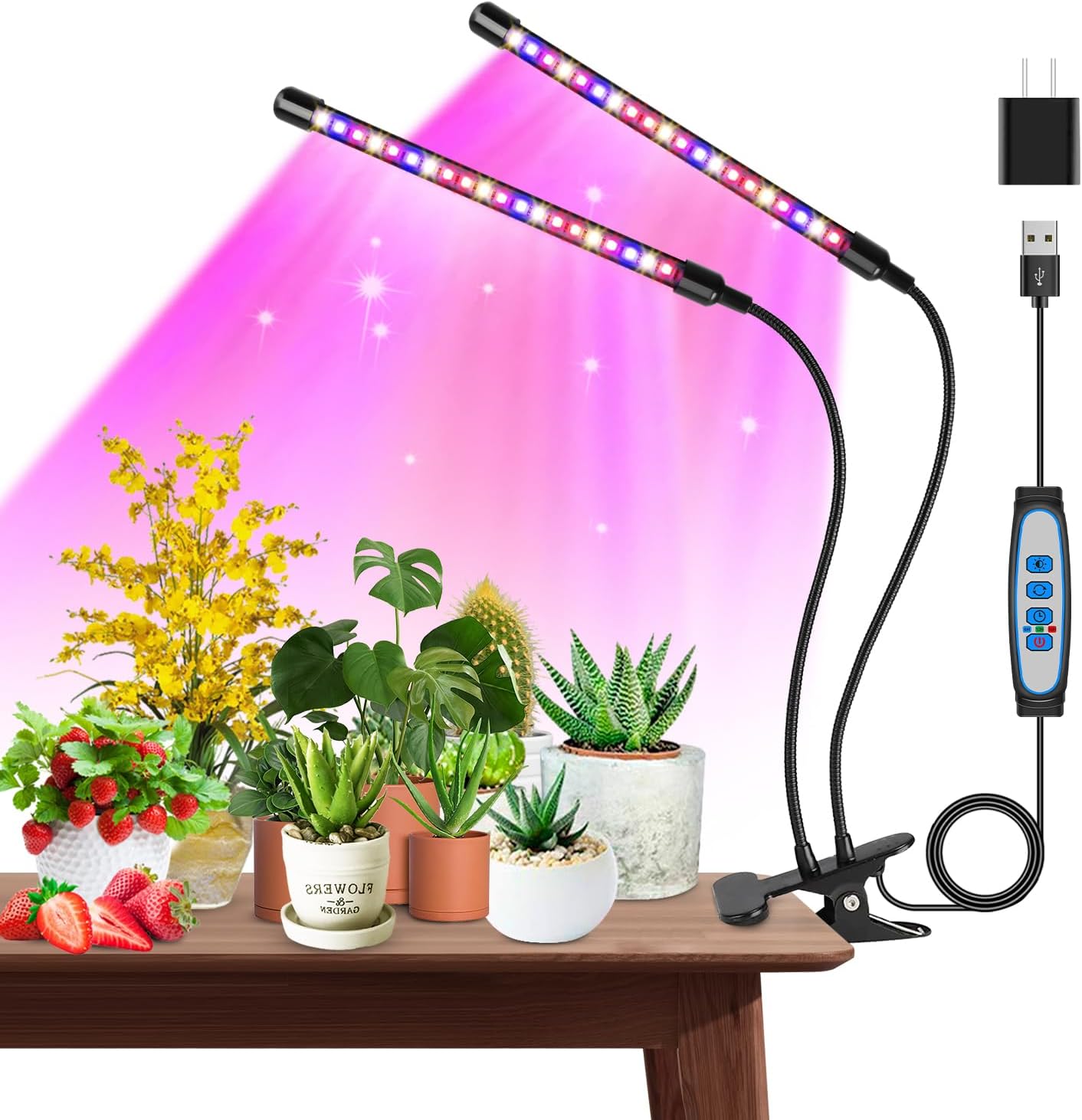
Modern full-spectrum LED fixtures and specialized horticultural lights allow indoor gardeners to simulate the intense photon delivery of natural direct sunlight indoors. Broad-spectrum white light fixtures utilize balanced diode arrays to supply deep red, royal blue, and broad green wavelengths that mirror outdoor solar characteristics. In tight indoor spaces or seedling setups, using T5 HO grow lights for seedlings provides uniform photon coverage that keeps tender stems stocky and sturdy. High-efficiency quantum boards and multi-bar LED fixtures can deliver PPFD levels matching or exceeding outdoor solar benchmarks when positioned at appropriate canopy clearances.
Unlike natural solar beams that move across the sky, fixed horticultural fixtures provide stationary photon distribution down onto the canopy. High-output fixtures generate substantial localized heat, which must be managed through passive aluminum heatsinks or dedicated room ventilation. Growers utilizing high PPFD levels must monitor canopy clearance carefully to prevent photobleaching and upward leaf curling. Installing adjustable ratchet hangers allows cultivators to raise or lower the fixture smoothly as plants expand vertically through vegetative cycles.
Artificial lighting provides an undeniable advantage over natural sunlight by offering absolute control over the daily photoperiod. Natural window light fluctuates wildly based on cloud cover, season, and atmospheric conditions, creating inconsistent daily light integrals. Indoor fixtures connected to digital timers deliver exact, predictable DLI values day after day, promoting steady biological growth rates. By combining full-spectrum fixtures with proper environmental control, indoor gardeners can cultivate high-light crops in windowless basements or dark urban apartments.
Managing Solar Excess: Diffusion, Window Treatments, and Acclimation
When natural direct sunlight proves too intense for sensitive foliage, simple environmental modifications can soften the photon beam into safe, productive light. Sheer curtains, light-filtering roller shades, and translucent privacy film scatter direct solar beams into uniform diffuse illumination. This scattered light penetrates deeper into dense foliage canopies because photons bounce in multiple directions rather than striking top leaves from a single harsh angle. Diffusing direct sunlight eliminates hot spots and lowers leaf surface temperatures while preserving the vast majority of usable photosynthetic photon flux.
Acclimation plays an essential role when transitioning plants from lower ambient light levels into bright direct window exposure. Moving a plant suddenly from a dim interior corner into a blazing south-facing window frequently causes immediate shock and severe photobleaching. Plants require several weeks to thicken their cuticles, reorganize chloroplasts within leaf cells, and produce protective carotenoid pigments. Moving pots incrementally closer to the window over a two-to-three-week period gives cellular machinery adequate time to adapt to rising photon densities.
Physical distance from the window pane acts as an effective natural dimmer for direct solar exposure. Moving a houseplant just two or three feet back from south-facing glass significantly reduces thermal load while still providing abundant illumination. For growers managing comprehensive indoor garden collections, deploying vertical grow towers with integrated lights offers an organized alternative that eliminates window placement competition altogether. Strategic placement ensures every plant species receives its optimal photon level without risking sunburn or heat collapse.
Balancing Natural Solar Exposure with Indoor Environmental Controls
Successful indoor plant cultivation relies on balancing light intensity with ambient environmental factors like temperature, relative humidity, and airflow. Direct sunlight naturally accelerates soil evaporation and leaf transpiration, requiring growers to adjust irrigation frequency for window-adjacent containers. In dry indoor air, intense solar radiation can cause vapor pressure deficit to climb rapidly, stressing plant vascular systems. Grouping plants together or utilizing ultrasonic humidifiers near bright windows creates a microclimate that supports healthy transpiration under high photon loads.
Container selection also influences how root systems handle direct solar exposure on sunny window sills. Dark plastic pots placed in direct window beams can absorb substantial radiant heat, warming root zones to temperatures that inhibit nutrient uptake. Utilizing light-colored ceramic, glazed terracotta, or double-walled decorative cachepots shields vulnerable root balls from direct thermal conduction. Inspecting soil moisture levels frequently prevents plants in sunny exposures from experiencing rapid root desiccation during bright summer afternoons.
Ultimately, direct sunlight serves as a potent horticultural resource when matched to the biological needs of the right plant species. Observing leaf posture, internodal spacing, and color pigmentation allows growers to fine-tune light exposure before visible damage occurs. When natural sunlight proves inconsistent or inadequate, supplemental horticultural lighting provides a dependable method to fulfill daily light integral targets. By understanding the physical mechanics of solar radiation and pairing it with proper care, indoor gardeners can maintain vigorous, resilient plants throughout every season.




Write Your Review
No reviews yet. Be the first to share your experience!