


Planting strawberries in a strawberry pot is one of the most rewarding ways to enjoy fresh fruit even if you have limited space. These classic pots with their multiple pockets let you grow several plants in one container, making them ideal for patios, balconies, or small gardens. The key to success lies in choosing the right varieties, using proper soil, and understanding how watering works in a vertical setup. Many gardeners struggle with uneven moisture or root crowding, but with a few simple techniques, you can avoid those pitfalls. This guide covers how to plant strawberries in a strawberry pot effectively, along with 8 product recommendations that can help you get started in October 2026.
Whether you are a beginner or have some experience with container gardening, growing strawberries in a pot can be easier than you think. The most common mistake is planting too deeply or using the wrong soil mix. Strawberries need well-draining soil with plenty of organic matter, and their crowns must stay above the soil line to prevent rot. Another challenge is keeping the soil consistently moist without waterlogging the roots. A self-watering system or careful hand watering can make a big difference. If you are exploring other creative planter ideas, a strawberry pot is a great place to start because it combines vertical gardening with practical fruit production.
Pros
- Quick to sprout with proper care, giving you fast gratification.
- Everbearing nature means fruit over a longer period, not just one big crop.
- Detailed planting instructions reduce guesswork for new gardeners.
- Hardy to zone 3, so it tolerates cold winters well.
- Bare root format is lightweight and easy to ship without soil mess.
Cons
- Requires careful attention to planting depth: crown must stay above soil, which can be tricky for beginners.
- Needs consistent moisture especially in the first 10 days; soil cannot dry out or become waterlogged.
- Starter pot or plug is necessary before outdoor planting if temperatures exceed 86 degrees F, adding an extra step.
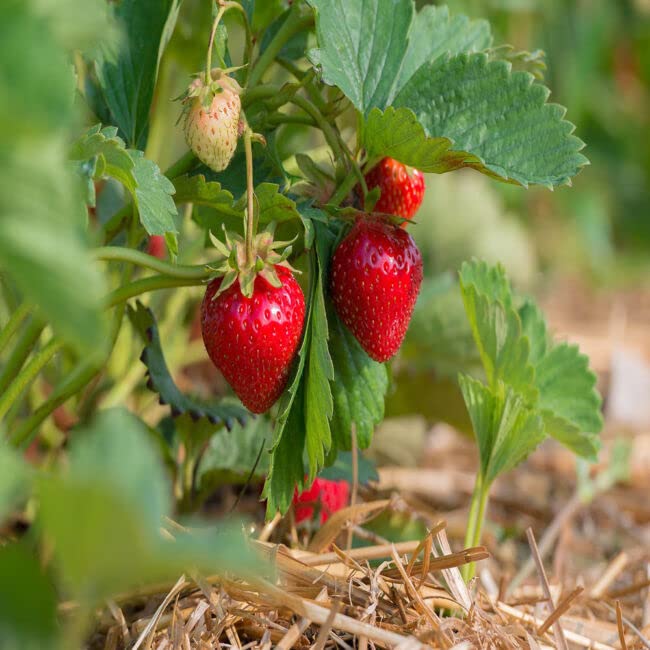
If you are looking to grow your own strawberries at home, the YUNAKSEANURSERY Quinalt Everbearing bare root plants are a solid choice. These 10 bare root plants arrive dormant with their roots exposed and foliage pruned, ready to wake up once you plant them. They are designed for home gardeners who want a reliable perennial crop that produces sweet berries year after year. The Quinalt variety is everbearing, meaning you get multiple harvests from late spring through fall instead of just one big flush.
The standout feature here is how quickly these plants establish. According to the instructions, visible growth appears in just three days under the right conditions. That fast start is a real confidence booster for new growers. The plants produce those classic trifoliate green leaves, then delicate white flowers, and eventually red berries. The key is to follow the planting guidelines closely: they need full sun (6 to 8 hours daily) and a well-draining soil mix with a pH between 5.5 and 6.5. The brand recommends 70% soil and 30% play sand, which is a simple recipe that works well.
Design wise, these are bare root plants, so there is no pot or soil included. That keeps shipping weight low and lets you inspect the roots. The downside is that they require a bit more upfront care. You must keep the crown completely above the soil line and above the container rim, or the plant can rot. Also, if temperatures are above 86 degrees F, you need to start them indoors as plugs before moving them outside. That extra step might feel like a hassle, but it ensures the plants don't get shocked by heat.
Potential drawbacks revolve around watering and spacing. The soil must stay consistently moist for the first 10 days while feeder roots develop, but never saturated. Overwatering leads to black roots, while underwatering kills the new growth. Spacing of 8 to 10 inches between plants and 2 feet between rows is also important for airflow. If you have limited garden space, you can still grow these in containers as long as you follow the same rules.
Overall, the YUNAKSEANURSERY Quinalt Everbearing strawberry plants offer good value for home gardeners who are willing to follow the detailed care instructions. They are not a set-and-forget option but reward attention with multiple harvests of fresh, sweet berries. If you have a sunny spot and can manage consistent watering, these are a solid investment for a perennial fruit patch.

Pros
- Clear, practical advice for container strawberry farming
- Focus on space efficiency and mobility
- Covers soil preparation and pest management thoroughly
- Includes tips for maximizing yield in small areas
- Suitable for both new and experienced gardeners
Cons
- Short length (83 pages) may leave some advanced topics underexplored
- Self-published with no customer reviews yet to verify quality
- Niche focus may not appeal to large-scale fruit farmers
How to Grow Strawberries In Containers by Dr. Smith M Lama is a compact guide aimed at anyone who wants to grow strawberries in limited spaces, like balconies, patios, or small backyards. Written for both hobbyists and those looking to start a small container farm, this book breaks down the essentials: choosing containers, mixing soil, managing nutrients, and dealing with pests. It's part of a broader series on plant and animal farming, but it stands alone as a focused resource for strawberry lovers.
The standout feature of this guide is its emphasis on the advantages of container growing over traditional garden beds. The author highlights mobility, soil control, and better pest management as key benefits, and backs them up with practical tips. For example, you'll learn how to arrange pots for maximum sunlight and how to adjust watering based on container size. The writing is straightforward and avoids unnecessary jargon, making it accessible to beginners.
At 83 pages, the book is quick to read and gets to the point. However, its brevity means it doesn't cover advanced techniques like hydroponics or high-yield commercial setups in depth. The physical quality is typical of a self-published title: a standard trade paperback with clear print, but no glossy photos or diagrams that some visual learners might prefer. Given the lack of customer reviews, it's hard to gauge how well the advice works in real-world conditions, but the content is logically organized and follows common horticultural principles.
A potential drawback is the price point, which feels high for such a short book. While we won't quote numbers, you should compare it to other strawberry-growing guides before buying. Also, if you already have experience with container gardening, this might feel too basic. But for a true beginner who wants a no-nonsense starting point, this book delivers the essentials without overwhelming you.
Verdict: How to Grow Strawberries In Containers is a helpful primer for anyone with limited space who wants to try their hand at strawberry farming. It's not the most comprehensive resource out there, but its clear structure and focus on container-specific challenges make it a worthwhile buy if you're just starting out. Just manage your expectations on depth and look elsewhere for advanced topics.

Pros
- Seeds are non-GMO and heirloom for natural, unmodified taste
- Generous 300-count pack offers great value for multiple plantings
- Works in many settings from indoor pots to outdoor gardens
- Some reviewers report successful germination and healthy plants
- Affordable price point for entry-level seed starting
Cons
- Mixed results on fruit size: some users report very small berries
- Slow germination and growth require patience, with some pods failing
- Not all plants produce fruit consistently, especially in first season
The WilyFox Rare Strawberry Seeds promise extra big, juicy, sweet strawberries from 300 non-GMO heirloom seeds. At a modest price, they're aimed at home gardeners who want to try growing strawberries from seed rather than plants. This pack is especially suited for those who enjoy the full gardening experience, from sprouting to harvest, and are willing to experiment with different growing conditions.
Based on user feedback, the standout quality here is germination rate. Several reviewers noted good sprouting success, especially in hydroponic setups or indoor greenhouses. One verified buyer reported four out of six pods successfully growing into healthy plants after three months. That said, results vary widely. Some users saw little to no germination, and others found that while plants grew, they produced only tiny berries or no fruit at all. One negative review called the berries "miniscule" and comparable to wild varieties. This suggests that the seeds can be finicky and may not always deliver the extra large fruit advertised.
The design is straightforward: 300 brown seeds in a standard packet. The heirloom, non-GMO claim is appealing for those seeking natural produce. However, the product's performance depends heavily on growing conditions, care, and climate. The instructions are basic (full sun, regular watering), and several reviewers mentioned that the seeds take a long time to sprout, sometimes weeks. This isn't unusual for strawberries, but it may test the patience of beginners.
For potential drawbacks: authenticity is key. The mixed reviews about fruit size and yield are honest signals that this isn't a guaranteed bountiful harvest. Some buyers were disappointed after months of effort. Others accepted it as part of gardening's unpredictability. There's also mention of pests: one reviewer's seedlings were eaten by wildlife despite barriers.
Overall, the WilyFox strawberry seeds are a budget-friendly option for adventurous gardeners who want to grow from seed and don't mind variable outcomes. If you're looking for quick, consistent results, you might prefer buying established plants. But for the price and quantity, these seeds offer a fun project with the potential for homegrown strawberries, provided you manage expectations and give them careful attention.
Indoor/Outdoor Usage: Suitable for both indoor and outdoor growing.
Sunlight Exposure: Full sun recommended for best growth.
Unit Count: 300 seeds per pack.
Material Features: Non-GMO and heirloom (open-pollinated).
Product Care: Plant in full sun, provide regular watering.
Special Feature: High germination rate (as stated by manufacturer).
Item Weight: 0.01 kilograms.
Number of Pieces: 300 seeds.
Color: Brown (natural seed color).
Style Name: Strawberry.
Brand: Wily Fox.

Pros
- High germination rate ensures a good return on your seed investment.
- Everbearing variety produces fruit continuously from spring through summer.
- Heirloom, non-GMO seeds let you harvest seeds for future plantings.
- Generous 300-count pack offers great value for the price.
- Detailed companion planting and soil tips help maximize your harvest.
Cons
- Seeds started after early February likely won't produce berries in the first season, requiring patience.
- Strawberry plants become less vigorous after about three years, so you'll need to propagate from runners or cuttings.
- Outdoor only; not suited for indoor container growing year-round.
The BULBORIUM 300 PCS giant strawberry seed pack is a solid choice for home gardeners who want to grow their own sweet, everbearing fruit from scratch. With an impressive 5.0 out of 5 star rating from early buyers, these heirloom seeds promise high germination and reliable performance. If you're willing to start them indoors during the winter months, you could be picking ripe strawberries by late spring or summer of the same year.
Standout features include the sheer quantity (300 seeds) and the everbearing trait, which means your plants will keep producing fruit across the growing season rather than all at once. The included companion planting recommendations - pairing strawberries with beans or garlic, for instance - add practical value for gardeners looking to maximize space and plant health. One reviewer noted the taste as great and described the seeds arriving in perfect condition, which speaks to good packaging and seed quality.
Design and build quality are straightforward: these are raw, untreated heirloom seeds from American Grown Seed Co INC, a reputable manufacturer. The seeds themselves are tiny, so surface sowing with a light dusting of medium is required for best results. The accompanying instructions are clear on timing and soil prep, though beginners might need to read up on stratification or cold treatment (not mentioned, but often helpful for strawberries).
A potential drawback: if you miss the December-to-February indoor sowing window, you won't see berries until the second year. Also, strawberry plants naturally decline after three years, so you'll need to propagate from runners or cuttings to maintain your patch. But that's standard for the crop, not a flaw of this seed pack.
Verdict: The BULBORIUM giant strawberry seeds are a great buy for patient gardeners who want a large, heirloom supply of everbearing strawberries. With high germination rates and proven taste, this pack offers excellent value and a rewarding growing experience.

Pros
- Large quantity of seeds for the price
- Non-GMO and organic certification
- Attracts beneficial pollinators
- Can be planted in spring or fall
- Strawberries are sweet and versatile
Cons
- Several customers report seeds failed to sprout
- No printed planting instructions included in the package
- Some seeds may have an unusual color coating
WivolibeSeeds offers this bulk strawberry seed pack promising over 2600 non-GMO organic seeds. The idea is appealing for any gardener looking to start a large strawberry patch on a budget. Strawberries are a classic perennial fruit that thrive in full sun and well-drained soil. The seeds are described as hardy and suitable for both fall and spring planting, which adds flexibility.
However, the real-world performance raises concerns. Multiple verified reviews state that not a single seed sprouted even under what the gardeners considered perfect conditions. One reviewer noted the seeds looked painted red, which may indicate poor quality or improper processing. The lack of any printed planting instructions on the package is a common complaint, though the seller does provide some tips in the online listing. Without clear guidance on stratification or specific soil needs, first-time growers may find success elusive.
On the plus side, the seeds themselves are advertised as non-GMO and organic, which is important for health-conscious growers. The plants are said to attract pollinators and produce sweet, vitamin C-rich fruit. The low-growing herbaceous nature makes them suitable for garden beds or containers. At this price point, the sheer number of seeds is hard to beat if you are willing to experiment with your own germination methods.
Potential buyers should be aware of the risks. If you have experience starting strawberries from seed and have a reliable method for stratification and germination, this pack could be a good deal. But for beginners or those expecting a simple sow-and-grow experience, the mixed feedback suggests you might face disappointment. Consider starting a small test batch before committing all seeds.
Final verdict: The value is there, but inconsistent germination and missing instructions hurt reliability. Proceed with caution and have a backup plan if you need guaranteed results. For seasoned gardeners willing to troubleshoot, these seeds might still yield a sweet reward.

Pros
- Multiple harvests per year provide a longer strawberry season.
- Bare root format is cost-effective and establishes quickly.
- Disease-resistant and adaptable to zones 4-9.
- Comes with detailed planting instructions and customer support.
- Positive reviews highlight sweet berries and good value compared to big box stores.
Cons
- A few reviewers reported that some plants did not survive after planting, which can happen with bare root stock.
- One customer mentioned that surviving plants produced no berries, though this may be due to growing conditions.
- Bare root plants need careful handling and proper soil preparation to thrive.
The Everbearing Strawberry Plants from Hand Picked Nursery deliver a practical and affordable way to grow your own sweet strawberries. This 25-pack of bare root plants is designed for gardeners who want multiple harvests each year without the high cost of potted starts. The everbearing variety means you can pick berries from late spring through fall, giving you a longer season than traditional June-bearing types. These plants are best suited for home gardeners in USDA zones 4 through 9, and they work well in raised beds, traditional garden rows, or even large containers.
One of the biggest strengths of this product is its value. Bare root plants are cheaper than potted ones, and they establish quickly. Many reviewers noted that their plants showed new growth within days of planting, and several reported a good yield of sweet, sizable berries. The included planting instructions are clear and emphasize critical steps like not burying the crown and mixing sand into the soil for drainage. Hand Picked Nursery also offers customer support if you run into trouble, which adds peace of mind for less experienced gardeners.
However, bare root plants can be a bit variable. A few customers lost some plants shortly after planting, and one reviewer mentioned that their survivors never produced fruit. These issues may stem from handling during shipping or less-than-ideal soil conditions. The plants are dormant when they arrive, so they can look a bit rough at first. But with proper care, most users found them to be vigorous and productive. The mixed reviews suggest that while the majority have success, there is a small risk of losses.
Overall, the Everbearing Strawberry Plants are a solid choice if you want to start or expand a strawberry patch without spending a lot. They offer good value, multiple harvests, and are backed by an experienced nursery. Just be prepared to follow the planting instructions carefully and give them the well-draining soil they need. If you do, you will likely enjoy a steady supply of homegrown strawberries for months.

Pros
- Extremely beginner friendly with step-by-step instructions
- Focuses on organic, sustainable methods that protect the environment
- Comprehensive month-by-month planning removes guesswork
- Works well for small spaces like balconies or small yards
- Includes practical tips on pests, feeding, and maintenance
Cons
- Primarily designed for UK climate (USDA zones 3-5), may need adjustments for other regions
- Does not cover popular warm-weather crops like tomatoes and peppers in the main plan
- Kindle version uses images of printed pages, which can be hard to read on some devices
Veg in One Bed New Edition is a gardening guide by Huw Richards, a popular permaculturalist known for his YouTube channel. The book targets absolute beginners who want to grow their own vegetables but have limited space. It provides a complete blueprint for a single raised bed, guiding readers through every month of the first year. If you have never gardened before and want a structured, easy-to-follow plan, this book is an excellent starting point.
The standout feature is the month-by-month layout. Each month tells you exactly what to do on the windowsill (starting seeds) and in the raised bed (planting, feeding, harvesting). The book also shows you how to build the recommended 4x10ft bed, and it covers succession planting to keep your harvest coming all year. Real-world performance is strong: thousands of positive reviews praise its clarity and practicality. Beginners love that it removes the guesswork, though some experienced gardeners might find it too basic.
Design and build quality are top notch. The hardcover edition is sturdy with thick, glossy pages. Color photos and diagrams appear on nearly every spread, making instructions easy to follow. The book is well organized, with a clean layout that avoids clutter. It feels like a reference you will reach for repeatedly.
There are a few honest drawbacks. The book is written for a UK climate (around USDA zones 3-5), so gardeners in warmer or more extreme regions will need to adjust planting times based on local frost dates. Also, the main plan omits some popular garden vegetables like tomatoes and peppers, which many people want to grow. The author does offer alternative suggestions, but they are not part of the core schedule. Additionally, the Kindle version uses fixed images of printed pages, which can be less accessible on smaller screens.
Overall, Veg in One Bed New Edition is a fantastic resource for anyone new to vegetable gardening, especially if you have space for just one raised bed. It delivers exactly what it promises: a clear, month-by-month method to grow an abundance of organic food. For its price and the value of the information, it earns a strong recommendation, just be mindful of your local climate if you are outside the intended zones.
Pros
- Multiple harvests per year give you more fruit over the season.
- Bare root plants are cheaper and quicker to establish than potted plants.
- Disease-resistant varieties reduce maintenance and chemical use.
- Includes clear planting instructions suitable for beginners.
- Family-owned business provides responsive customer support.
Cons
- Some customers reported that a few plants failed to survive after planting.
- Success depends on careful planting, especially avoiding burying the crown.
- A small number of reviews mention plants that never produced fruit.
Hand Picked Nursery's Everbearing Strawberry Plants offer a practical solution for home gardeners who want a steady supply of fresh strawberries. This pack of 10 bare root plants is designed for those who prefer a faster start than seeds and a lower cost than potted nursery plants. These everbearing varieties can produce fruit two to three times during the growing season, making them a smart choice for anyone with a sunny spot in the garden or a container on the patio.
The standout feature here is the value: you get multiple harvests from a single planting. Bare root plants are dormant when they arrive, but they wake up quickly once planted. Many reviewers saw growth within a few days. The included planting instructions are clear and helpful, covering everything from soil preparation to spacing. Hand Picked Nursery also provides support if you run into trouble, which adds peace of mind for less experienced gardeners.
In terms of build and quality, these are dormant, bare root plants with no soil or pot. They are lightweight and ship fast to minimize stress. The plants are described as hardy and disease-resistant, suited for zones 4 through 9. The crowns should be kept above the soil line, a detail that some beginners miss. Overall, the plants are a solid choice if you follow the directions closely.
That said, there are some drawbacks. A few customers reported that two or three plants died soon after arrival. Others mentioned that the surviving plants did not produce any berries. And while the company claims a guarantee, one reviewer noted difficulty getting a response about replacements. These issues appear to be occasional rather than common, but they are worth considering if you need a guaranteed outcome.
Verdict: Hand Picked Nursery's everbearing strawberry plants deliver good value and multiple harvests for most home gardeners. The price is fair, the instructions are solid, and the support from a family-owned business is a nice bonus. Just be prepared for a small risk of plant failure and be extra careful with planting depth. If you want a steady crop of homegrown strawberries without breaking the bank, this is a strong option.
Frequently Asked Questions About Planting Strawberries in a Strawberry Pot
Here are answers to common questions about how to plant strawberries in a strawberry pot based on real gardener experiences and product feedback.
How many strawberry plants can I put in one strawberry pot?
A standard strawberry pot with 3 to 5 pockets can hold about 3 to 6 plants depending on the pot size. The top opening usually fits 1 to 2 plants, and each pocket can hold one plant. Overcrowding can lead to poor airflow and increased disease risk, so follow the spacing guidelines. If you are using bare root plants, check the planting instructions that come with them for specific spacing recommendations.
What type of soil is best for strawberry pots?
Strawberries prefer well-draining, loamy soil with a pH between 5.5 and 6.5. A mix of 70% potting soil and 30% play sand or perlite works well for container growing. Avoid heavy garden soil that can compact and hold too much moisture. Adding organic matter like compost helps retain nutrients without sacrificing drainage. For more soil tips, check out our guide on plant food for water propagation.
How often should I water strawberries in a strawberry pot?
Watering frequency depends on the pot size, weather, and soil type. In warm weather, you may need to water daily or even twice a day because strawberry pots dry out faster than regular containers. The key is to keep the soil consistently moist but not soggy. Check the top inch of soil; if it feels dry, it is time to water. Drip irrigation or a slow-drip watering system can help maintain even moisture levels.
Do I need to fertilize strawberries in a strawberry pot?
Yes, container-grown strawberries benefit from regular feeding because nutrients leach out faster than in ground soil. Use a balanced slow-release fertilizer in early spring when new growth appears, and again after the first harvest. Avoid high-nitrogen fertilizers that promote leaf growth at the expense of fruit production. Some gardeners also use liquid seaweed or compost tea monthly during the growing season.
Can I grow strawberries in a strawberry pot indoors?
Absolutely, strawberries can be grown indoors in a strawberry pot as long as they receive enough light. Place the pot near a south-facing window that gets at least 6 to 8 hours of direct sunlight daily. If natural light is insufficient, supplement with a grow light. Indoor growing also allows you to start plants earlier in the season and protect them from pests. For more indoor gardening ideas, see our plant care resources.
Have questions about our how to plant strawberries in a strawberry pot recommendations? Check out our homepage for more plant care guides or our about page for information on how we curate content.





Write Your Review
No reviews yet. Be the first to share your experience!