

If you have ever tried planting lavender in a container, you know it can be a bit picky. Lavender thrives on sharp drainage and plenty of sun, but container gardening brings unique challenges like root rot or poor soil structure. Whether you are a beginner or an experienced gardener, choosing the right products and techniques makes all the difference for a healthy, fragrant plant. In this guide, we explore practical tips and 8 product options to help you succeed with container lavender in 2026.
From selecting the correct pot size to picking a fast-draining soil mix, every step matters. Many gardeners find that self-watering containers or pots with extra drainage holes work best. We also look at tools like seed kits and live plants to get you started faster. For more general advice on container gardening, check out our plant care hub for more tips on keeping your plants happy year-round.

Pros
- Arrives healthy and well-packaged, as confirmed by buyer reviews.
- Strong, pleasant lavender scent that enhances outdoor areas.
- Compact size works great in small gardens, pots, or along walkways.
- Low water needs once established, saving time and resources.
- Pollinator friendly and naturally deer resistant.
Cons
- Plants are relatively small upon arrival (about 10 inches tall) and need time to reach mature size.
- Not suitable for indoor growing; requires full sun outdoors.
- Soil must be well-draining to prevent root rot, which may need amending in heavy clay.
The Live Lavender 2-Pack from TheThreeCompany delivers two healthy, fragrant lavender plants straight to your door. This variety, Lavandula Qdula Purple, is a perennial that produces classic purple blooms with a strong, soothing scent. Ideal for gardeners in USDA zones 5-9, it thrives in full sun and well-drained soil, making it a fantastic choice for borders, containers, or aromatic herb gardens. Whether you're a seasoned gardener or just starting out, these plants offer an easy way to add beauty and function to your outdoor space.
The standout feature here is the fragrance. The lavender scent is potent and calming, exactly what you'd expect from a high-quality lavender plant. The compact, mounded habit reaches 18-24 inches tall and wide, so it won't overtake your garden but still makes a visual impact. Pollinators love it, yet deer tend to stay away, which is a huge plus for many gardeners. Once established, these plants are drought-tolerant, requiring very little water beyond what nature provides.
In terms of design and build quality, each plant comes in a 1-quart pot, ensuring a solid root system. The packaging is secure, with buyers noting that the plants arrive green and healthy, not damaged or dead. The two-pack gives you flexibility to plant them together for a fuller look or spread them out. Just be aware that the plants are on the smaller side when they arrive, as noted in one review: they are short and fit in a small box. That's normal for live plants, and with proper care they'll grow quickly.
The main drawbacks are that these are outdoor-only plants requiring full sun, and the mature size takes time. Also, soil must be well-draining, so if you have heavy clay, you may need to amend the planting area. But these are minor points for such a rewarding perennial.
Overall, this lavender two-pack is a solid buy for anyone wanting reliable, fragrant plants that attract pollinators and resist deer. The price is fair for two live plants, and the positive reviews confirm their quality. If you have a sunny spot with good drainage, these lavender plants will bring you years of enjoyment.
Pros
- Exceptionally clear and easy to follow, even for absolute beginners.
- Lovely illustrations that complement the text and make identification simple.
- Covers essential topics like bed prep, watering, and flower arranging in one compact book.
- Positive reviews highlight its ability to empower readers to start gardening successfully.
- Affordable price point for a high-quality, illustrated guide.
Cons
- Focuses on common, widely available flowers rather than unusual or rare varieties.
- Does not include hardiness zone information for perennials, which may be a drawback for some climates.
- Experienced gardeners may find the content too basic, as it's designed for beginners.
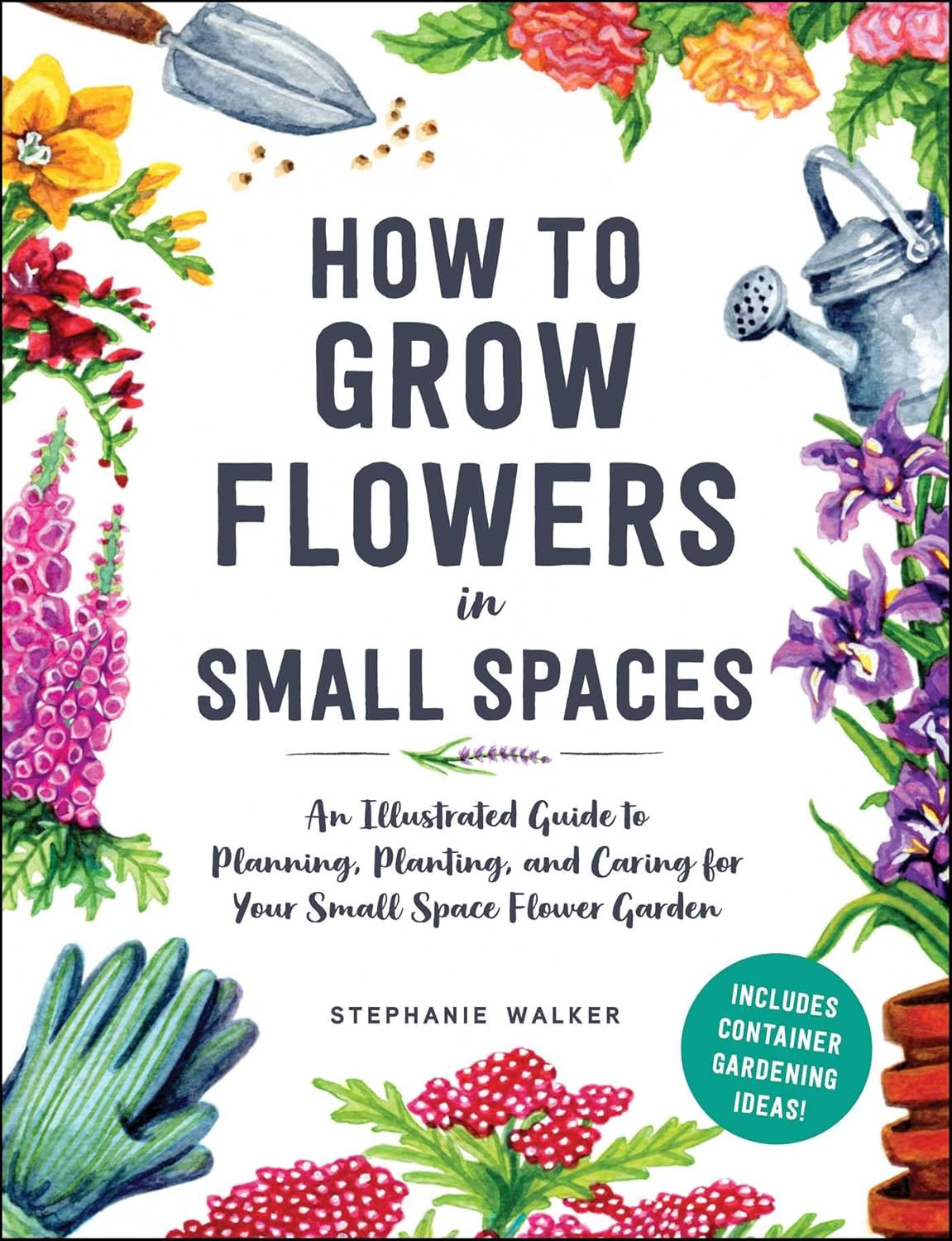
How to Grow Flowers in Small Spaces is a modern, illustrated guide aimed at anyone who wants to brighten up a small garden, balcony, or patio with flowers. Author Stephanie Walker draws on her passion for gardening to deliver a book that is both instructional and inspirational. Whether you are a complete beginner or a green thumb looking to branch into cut flowers, this guide offers a solid foundation without overwhelming you with jargon.
The standout feature of this book is its beautiful hand-drawn illustrations. Each of the 40 featured flowers is depicted in a way that makes identification easy and enjoyable. The step-by-step instructions for tasks like starting seeds, transplanting, and watering are presented in a clear, conversational manner. A whole chapter is dedicated to creating your own bouquets from home-grown blooms, which adds a creative finish to the learning process.
Design-wise, the book is well-organized with a logical flow from planning to planting to care. The glossary at the end provides a quick reference for each flower's needs. The formatting of the Kindle edition is reported to be flawless, and the print version is a manageable 144 pages. However, some readers may miss the realism of photographs, and the illustrations, while charming, might not suit everyone's taste.
One honest drawback is the lack of hardiness zone information for perennials, which can be critical for gardeners in extreme climates. The book also sticks to common, easy-to-find flowers rather than exploring rare varieties. Experienced gardeners will find the first five chapters a refresher rather than new knowledge. But for its target audience, these are minor quibbles.
Overall, How to Grow Flowers in Small Spaces delivers exactly what it promises: an accessible, encouraging guide that makes growing flowers in tight quarters feel achievable. With an almost perfect customer rating and enthusiastic reviews, it's a worthwhile investment for anyone ready to add a splash of color to their small space.
Publisher: Adams Media
Publication Date: April 2, 2024
Language: English
Print Length: 144 pages
ISBN-10: 1507220480
ISBN-13: 978-1507220481
Item Weight: 2.31 pounds
Dimensions: 7 x 0.6 x 9.13 inches
Best Sellers Rank: #131 in Container Gardening (Books)

Pros
- Convenient all-in-one kit – planter, soil, and seeds included
- Attractive minimalist aesthetic suitable for any windowsill or desk
- Non-GMO seeds promote natural, chemical-free growing
- Encourages mindfulness and relaxation through indoor gardening
- Makes a memorable, affordable gift for plant lovers or beginners
Cons
- Planter has no drainage holes – easily overwatered, leading to mold or root rot
- Germination success varies; some seeds may not sprout despite following instructions
- Small container provides limited growing space – plants may need transplanting for full growth
The Buzzy Seeds Chamomile Lavender Seed Grow Kit is a compact indoor gardening set designed for beginners and wellness enthusiasts. It comes with a decorative tin planter, a nutrient-rich growing medium, and two packs of non-GMO seeds – Chamomile (Matricaria chamomilla) and Lavender (Lavandula angustifolia). The goal is simple: plant the seeds, add water and sunlight, and watch fragrant herbs and flowers sprout in just a few weeks. Priced under $20, it positions itself as an affordable, relaxing project for anyone wanting to bring a bit of greenery and calm into their home.
In practice, the kit delivers on ease of setup. The instructions are clear, and the minimal design makes it a tidy addition to a windowsill, kitchen counter, or desk. The wellness angle is genuine – growing your own chamomile for tea or lavender for sachets adds a hands-on, mindful component. However, real-world performance is mixed. Several users noted that the planter lacks drainage holes, which can lead to water pooling at the bottom and mold forming on the soil surface. Additionally, germination rates seem inconsistent; some seeds sprout eagerly, while others fail to grow at all. The included growing medium is also sparse, and many reviewers ended up adding extra potting soil to improve results.
Build quality is decent for the price. The tin planter is sturdy and visually appealing in a "Zen Garden" style. It’s small, though – roughly the size of a lunchbox – so the plants will eventually outgrow it unless you transplant them to larger pots. The lack of drainage is a significant oversight; even with careful watering, excess moisture can’t escape. If you’re willing to drill a few holes in the bottom or use a liner, the kit becomes more reliable. Otherwise, mold issues are a real concern, especially for beginners who might overwater.
Drawbacks aside, the kit shines as a gift. Many customers bought it for friends or family members and received positive reactions. It’s a thoughtful, low-cost present that encourages a new hobby. But if you’re hoping to harvest substantial amounts of herbs quickly, you’ll likely be disappointed. The growing process takes weeks, and the yield is modest. Those who want instant results should opt for live starter plants from a nursery. For the experience of growing from seed and enjoying the journey, this kit can be a pleasant – if imperfect – introduction to indoor gardening.
Verdict: The Buzzy Chamomile Lavender Grow Kit is a charming concept with a few execution flaws. It’s best suited for casual gardeners who value the process over a guaranteed harvest, or as a low-stakes gift. To improve your chances of success, add extra potting soil, create drainage (e.g., poke holes in the tin), and avoid overwatering. At its price point, it offers a reasonable entry into indoor seed starting without a major investment.

Pros
- Generous 10,000 seed packet provides great value for covering large areas.
- High germination rate when properly stratified, with some users seeing sprouts in one week.
- Non-GMO heirloom variety ensures authentic lavender plants that return year after year.
- Drought-tolerant and beginner-friendly, needing only full sun and moderate watering.
- Attracts beneficial pollinators like bees and butterflies to your garden.
Cons
- Germination can be inconsistent without proper cold stratification and warm soil.
- Seedlings grow very slowly, requiring weeks before they are strong enough to transplant.
- Some users reported few or no sprouts despite following recommended care steps.
BuggyBeds offers a bulk pack of 10,000 non-GMO heirloom lavender seeds, designed for gardeners who want to fill large areas with fragrant purple blooms. This packet is ideal for both indoor starting and outdoor planting, attracting pollinators like bees and butterflies.
The seeds boast a high germination rate, and many customers report quick sprouting within a week when given proper care. With drought tolerance and low maintenance needs, this lavender variety suits beginners. However, like all lavender, it requires cold stratification and patience - some users experienced poor germination despite following instructions.
The packaging is simple but effective, with detailed sowing instructions printed on the packet. Each seed is tiny but plump, and the packet appears to contain the advertised 10,000 count based on user feedback. No frills, but the seeds themselves are of good quality.
The main drawback is the variability in germination. Lavender seeds can be finicky, and even with stratification and heat mats, some growers saw no sprouts. Also, growth is very slow after germination, which may test the patience of new gardeners.
Overall, BuggyBeds' lavender seeds offer excellent value for the quantity. They are a reliable choice for budget-conscious gardeners willing to invest time in proper seed starting. With a little luck and care, you can cultivate a beautiful lavender patch that returns year after year.

Pros
- Extremely beginner-friendly – no gardening experience required.
- Covers the full lifecycle from planting to harvesting and using lavender.
- Includes practical advice for small spaces and container growing.
- Provides honest tips on fixing common mistakes rather than just ideal conditions.
- Compact size (6x9 inches) and 154 pages make it easy to reference in the garden.
Cons
- Only one customer review available, so long-term reliability is unproven.
- As a self-published book, it may lack the polish of major publisher gardening guides.
- Some readers might prefer more visual aids (photos or diagrams) than text alone.
Growing Lavender for Beginners by Laura Overly is a compact, straightforward guide aimed at anyone who wants to cultivate lavender but feels intimidated by the process. Whether you have a sprawling garden, a small balcony, or just a sunny windowsill, this book promises to walk you through every step. The author clearly understands the common fears – killing plants, choosing the wrong variety, or struggling with soil – and addresses them in a friendly, practical tone.
The standout quality of this guide is its realism. It doesn't pretend lavender is maintenance-free; instead, it gives you the exact soil mix, watering schedule, and pruning techniques that make success achievable. The chapter on troubleshooting is particularly useful for those who have tried and failed before. The book also goes beyond basic care to show how to harvest, dry, and use lavender for teas, oils, sachets, and even small-scale selling. That extra value makes it feel like more than just a growing manual.
Physically, the book is a standard 6x9 inch paperback with 154 pages. The print is clear and well-spaced, though there are no glossy color photos – only simple diagrams and text. For a beginner, the lack of detailed photographs might be a minor downside when trying to identify issues like pests or leaf discoloration. However, the descriptions are clear enough for most learners.
With only one customer review (a perfect 5 stars), it's hard to gauge widespread satisfaction. But that single review suggests the advice works well for at least one beginner. The self-published format means you might find occasional awkward phrasing or a missing chart, but the core information is solid and organized logically.
Final verdict: If you're new to gardening and want a straightforward, no-nonsense guide to growing lavender, this book is a great starting point. It doesn't oversell or promise miracles – just a clear path from seed or starter plant to fragrant blooms and practical use. At the given price, it's a reasonable investment for anyone serious about adding lavender to their life.

Pros
- Highly rated by readers for its depth and clarity
- Covers both small-scale home gardening and larger production methods
- Beautifully photographed, making it an enjoyable reference and coffee table book
- Practical advice from an experienced organic farmer and lavender expert
- Recipes and crafts add year-round value beyond just gardening
Cons
- Some content may be more detailed than needed for casual gardeners
- Focus on larger-scale production might not apply to those with just a few plants
- Not a quick read; it's a comprehensive reference best suited for dedicated enthusiasts
If you've ever wanted to do more than just admire lavender in someone else's garden, this book is your all-in-one resource. Paola Legarre's Lavender for All Seasons is part growing manual, part craft and cookbook, drawing on over twenty years of hands-on experience at her organic farm. Whether you have a windowsill pot or dreams of a lavender field, Legarre provides clear, grounded advice that works across different climates and skill levels.
The book stands out for its thorough coverage of lavender varieties – not just the classic English and French types, but dozens of cultivars suited for specific uses like essential oils, cooking, or landscaping. Each variety comes with honest notes on hardiness, bloom time, and growth habits. The detailed sections on pruning, pest control, and organic soil management are a boon for anyone frustrated by struggling lavender plants. Readers particularly praise the clarity of the harvesting and processing instructions, including drying and distilling techniques that are rarely explained so accessibly.
Beyond the garden, the craft and recipe chapters are a delight. You'll find instructions for making lavender-infused sugar, simple syrup, massage oils, and even cleaning products. The projects are genuinely achievable, with no overly exotic ingredients. The book's layout is also a plus – full-color photographs on nearly every page make it both practical and visually appealing. It's the kind of book you'll leave out on the coffee table and reach for whenever you need inspiration.
That said, the book's comprehensiveness can be a double-edged sword. Some sections, particularly those on large-scale production and market planning, may feel excessive if you're only tending a few plants. And while the writing is warm and encouraging, the sheer amount of information might overwhelm a total beginner who just wants to keep one pot alive. A small quibble: a few of the craft projects require tools like a distillation kit, which might not be accessible to everyone.
Overall, Lavender for All Seasons is the most complete lavender reference I've seen. It earns its near-perfect rating through genuine usefulness and beautiful presentation. If you're serious about growing, using, or simply appreciating lavender, this is the guide to buy. It will save you time, money, and disappointment – and leave you with a garden (and kitchen) full of fragrance.

Pros
- Covers the full life cycle: selection, planting, care, harvest, and uses.
- Written specifically for absolute beginners with no prior gardening experience needed.
- Includes practical projects like making essential oils and sachets.
- Concise and well-organized across 202 pages.
- Advice on fitting lavender into even the tiniest spaces.
Cons
- No customer reviews yet, so real-world feedback is unavailable.
- May be too basic for experienced lavender growers looking for advanced techniques.
- Published independently, which may mean fewer editing resources than larger publishers.
Growing Lavender For Beginners by Anderson S. Chase is exactly what the title promises: a straightforward, beginner-friendly guide to cultivating and using lavender. The book targets those who have dreamed of growing this fragrant herb but feel intimidated by the process. It includes clear instructions on selecting the right variety for your specific climate and soil, planting, watering, pruning, and harvesting. Additionally, it goes beyond basic gardening to explore how to use lavender in cooking, crafts, and natural remedies.
The standout quality of this guide is its breadth. In just over 200 pages, Chase covers everything from making essential oils and sachets to creating wreaths and trying aromatherapy recipes. The instructions are simple enough for someone who has never gardened, yet they still provide enough depth to produce real results. The book also addresses common concerns like pest control and reviving a struggling plant, which adds practical value.
As a paperback published independently in April 2024, the physical book is a standard 6x9 inch format with a weight of 12.8 ounces. The design is functional, with clear headings and easy-to-follow steps. While there are no illustrations mentioned in the data, the text is written in a conversational tone that feels encouraging rather than technical. That said, the lack of customer reviews at the time of this analysis means potential buyers have no firsthand feedback to rely on.
A minor drawback is that experienced lavender growers might find the content too basic. The book is clearly aimed at beginners, so if you already have a thriving lavender patch, you may not discover new advanced techniques. Additionally, as an independently published work, it may not have undergone the same editorial polish as books from major publishing houses.
Overall, Growing Lavender For Beginners delivers exactly what it sets out to do: a complete, accessible starting point for anyone wanting to grow and use lavender. If you are new to gardening or specifically to lavender, this guide will save you time and frustration. It belongs on the shelf of any beginner who dreams of a fragrant, peaceful garden.

Pros
- Easy care makes it ideal for both beginners and experienced gardeners
- Natural sleep-enhancing properties backed by research on the parasympathetic nervous system
- Beautiful, fragrant flowers and foliage that also attract pollinators
- Adaptable to a wide range of climates (USDA zones 5a-9a) and can be grown indoors or outdoors
- Drought-tolerant once established, reducing watering needs
Cons
- Plants start small (6 inches tall) and require patience to reach full size
- Needs full sun and well-draining soil, so it won't thrive in shady or overly wet areas
- Some people may find the scent too strong if grown indoors without proper ventilation
If you're looking for a low-maintenance herb that doubles as a natural sleep aid, the Three Company's Live Lavender Plant 4-Pack is a solid choice. These live starter plants are perfect for gardeners wanting to establish a lavender patch or for anyone seeking the calming benefits of fresh lavender indoors. Each plant ships in a 1-pint pot, about 6 inches tall, ready to be transplanted or kept in its container.
Lavender is renowned for its soothing fragrance, and studies suggest it can help lower heart rate, ease stress, and improve sleep quality. This variety can grow up to 3 feet tall and 4 feet wide, producing striking silver-green leaves and purple flowers in summer. The plants thrive in full sun and well-drained, drier soil, making them exceptionally drought-tolerant once established. That means less work for you - just water sparingly and enjoy the aroma.
Being shipped directly from the greenhouse, the plants arrive fresh and ready to grow. However, don't expect instant gratification - they are young and will need time to reach their full height and bloom. If you live in USDA zones 5a-9a, these plants will adapt well either in the ground or in pots. For zones outside that range, you may need to provide winter protection or grow them indoors.
One drawback is the price: at around $25 for four small plants, some may consider it a bit steep compared to seeds. But you're paying for the convenience of established live plants that skip the germination phase. Also, if your garden is shady or the soil stays wet, lavender simply won't thrive, so check your site conditions before buying.
Overall, this lavender pack offers genuine benefits for stress relief and sleep support, plus the charm of fresh herbs at home. It's a practical purchase for those who value natural wellness and enjoy a hands-on gardening experience. Just be patient as your plants mature - they'll reward you with beauty and tranquility.
Frequently Asked Questions About Planting Lavender in a Container
What is the best soil for planting lavender in a container?
Lavender needs well-draining soil that is slightly alkaline. A mix of potting soil, coarse sand, and perlite works well. Avoid heavy garden soil or moisture-retaining mixes. For more on soil types, see our fertilizer and soil guide.
How often should I water lavender growing in a pot?
Water only when the top inch of soil feels dry. Overwatering is the most common mistake. During hot summer days, check more frequently, but always let the pot dry out between waterings. Using a moisture meter can help beginners avoid guesswork.
Can I grow lavender from seeds in a container?
Yes, but lavender seeds need light to germinate and can be slow. Using a seed starter kit with a clear dome helps maintain humidity. For a simpler start, consider buying live lavender plants from a nursery. Learn more about seed starting in our seed category.
What size container is best for planting lavender?
A pot that is at least 12 to 18 inches in diameter and deep enough for the roots to spread is ideal. Terracotta or unglazed clay pots help wick away excess moisture. Check our pot selection guide for more size recommendations.
How do I care for container lavender during winter?
If you live in a cold climate, move the container to a sheltered spot or an unheated garage. Reduce watering and stop fertilizing. Mulching the top of the soil with gravel helps protect the roots. For more seasonal tips, see our planter care articles.
Have questions about our How To Plant Lavender In A Container recommendations? Check out our How We Rank page for details on our review process or our Copyright Policy for information on content usage.








Write Your Review
No reviews yet. Be the first to share your experience!