
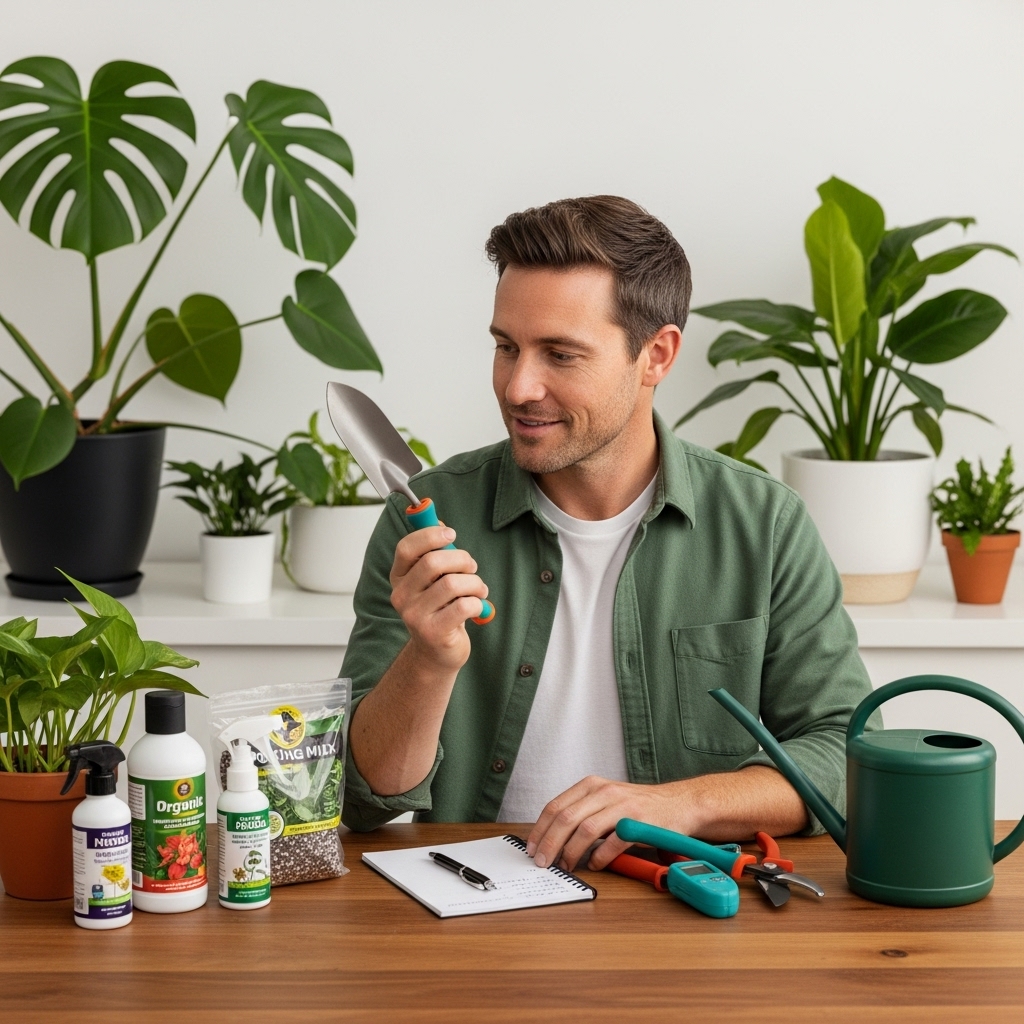

Succulent owners frequently encounter the challenge of outgrown containers, compacted soil, or offshoot overcrowding when managing their indoor greenery. Knowing how to pot aloe vera plant specimens correctly makes the difference between firm, gel-filled leaves and a declining root system compromised by trapped moisture. Aloe vera stores generous moisture reserves within its thick foliage, meaning conventional houseplant potting habits often lead to saturated soil conditions. Selecting a container with adequate drainage and a coarse planting medium protects roots while establishing balanced structural stability.
A proper repotting routine also creates opportunities to inspect the root ball and safely propagate healthy side shoots. Gardeners handling offsets can consult our practical guide to planting succulent trimmings to expand their indoor succulent collection safely. Refreshing depleted soil restores crucial aeration around the base of the plant, helping it absorb nutrients without lingering in standing water. With suitable tools and a gentle technique, shifting an aloe vera into a fresh container remains a straightforward gardening task.

Pros
- Slow release prevents overfeeding and root burn
- Long-lasting 9-month supply reduces frequent applications
- Safe for delicate plants like succulents and cacti
- Compatible with various potting mixes including pumice and perlite
- Simple sprinkle-and-water application
Cons
- Requires careful dosage for small pots to avoid excess
- Not ideal for plants that need frequent liquid feeding
- Overwatering can be an issue; must follow drainage instructions
The Grow Co Succulents & Cactus Plant Food is a specialized slow-release granular fertilizer crafted for succulent lovers. It targets the unique needs of plants like aloe vera, jade, echeveria, and various cacti that thrive on minimal feeding. Whether you keep them indoors or in a sunny patio, this formula promises steady nourishment without the risk of fertilizer burn.
A standout feature is its gentle NPK ratio (11-10-11) that delivers essential nutrients gradually. Instead of a sudden dose, each watering slowly releases what the plant needs over up to nine months. This makes it a great alternative to liquid fertilizers, especially for houseplants that prefer less watering. The granules are easy to apply: just sprinkle the recommended amount around the pot base, mix lightly into the top layer, and water normally.
In real-world use, this product shines for its convenience. You can set it and forget it for months, which is perfect for busy plant parents or those who travel. It works well with typical succulent potting mixes containing pumice, perlite, or gravel. However, keep in mind that overwatering remains the biggest threat to succulents. The fertilizer itself won't cause damage if you follow the dosage and ensure proper drainage.
One honest drawback is that the 9-month feeding schedule may be too long for plants in very bright, fast-growing conditions. Some succulents may show signs of needing a boost before the cycle ends, so you'll need to observe your plants. Also, the granular form might not suit everyone who prefers liquid feeding for more control.
Overall, The Grow Co Succulents & Cactus Plant Food is a reliable choice for any succulent collection. It delivers on its promise of gentle, long-lasting nourishment with minimal effort. If you want to reduce your feeding routine without sacrificing plant health, this product is worth trying.

Pros
- Formulated specifically for succulents and cacti, with excellent drainage
- Includes plant food for built-in nutrition, reducing need for immediate fertilizing
- Easy to use with clear instructions for potting and watering
- Versatile for many succulent types, from aloe to echeveria
- Lightweight and convenient 4-quart size for small indoor gardens
Cons
- May require additional perlite or sand for very heavy clay pots or extremely arid conditions
- Some users might prefer a larger bag size for multiple pots or larger containers
- Plant food is included but may not be sufficient for long-term growth without additional feeding after 30 days
The Miracle-Gro Succulent Potting Mix is a thoughtfully designed soil blend for anyone who loves indoor succulents but wants to skip the guesswork. This 4-quart bag is formulated specifically for plants like aloe vera, cactus, echeveria, houseleek, and burro's tail. It combines sphagnum peat moss, processed forest products, and Miracle-Gro plant food to create a mix that drains quickly while still holding enough moisture for healthy root development. If you are new to succulents or just want a reliable, ready-to-use mix, this is a solid choice.
What sets this mix apart is its balance of drainage and nutrition. Succulents are prone to root rot if the soil stays wet too long, and this blend's fast-draining structure helps avoid that. The inclusion of plant food means your plants get a gentle nutrient boost right from the start, which can reduce the need for immediate fertilizing. In real-world use, it holds together well when watering without becoming muddy or compacted. It also has a pleasant earthy smell, not the strong chemical odor some potting soils have.
The design is straightforward: a resealable bag that keeps the mix fresh between uses. The texture is light and airy, making it easy to work with when repotting. One bag fills an 8-inch container, which is perfect for a single medium succulent or a small arrangement. The instructions are clear and simple, even for beginners. Just make sure your pot has a drainage hole, fill it about a third full, place your plant, add more mix, press lightly, and water. It is that easy.
There are a few things to keep in mind. While this mix is excellent for most succulents, some growers with very heavy clay pots or extremely dry homes might want to add a bit of perlite or coarse sand for extra drainage. Also, the 4-quart size is convenient but may not be enough if you have several large containers. After about 30 days, the included plant food will start to deplete, so you will need to begin regular feeding with a succulent-specific fertilizer for continued growth. But for most indoor setups, this mix works well on its own for several months.
Overall, the Miracle-Gro Succulent Potting Mix delivers on its promise of a premium, easy-to-use soil that helps succulents thrive. It is a dependable option for both beginners and experienced plant parents who want a consistent, nutrient-rich medium without extra mixing or guesswork. If you are looking for a quality potting mix that saves time and supports healthy succulent growth, this is a great pick.

Pros
- Promotes excellent drainage to prevent root rot
- Convenient pre-mixed formula saves time and effort
- Quality ingredients sourced and blended in the USA
- Resealable bag keeps soil fresh and easy to store
- Suitable for a wide range of succulents beyond aloe
Cons
- 2.2 quarts may be small for multiple large pots
- No customer reviews yet to gauge long term performance
- Higher price point compared to generic potting mixes
The LeavesSoul Professional Aloe Plant Soil is a specialized blend designed for aloe, cactus, and other succulents that need sharp drainage. This 2.2 quart bag contains a mix of pinebark, peat, and coarse sand, all sourced and blended in the USA. It is intended for anyone who grows these plants, from beginners learning proper watering habits to experienced gardeners seeking a reliable premix.
The standout feature is how this soil balances moisture retention with drainage. It holds enough water to meet the plant's needs but allows excess to flow out quickly, reducing the risk of overwatering. The coarse sand and pinebark create air pockets that keep roots oxygenated, which is critical for succulents. In real-world use, this means less guesswork and healthier plants, especially for those prone to root rot.
Design and build quality are straightforward but thoughtful. The bag is resealable, which helps keep the soil fresh between uses. The texture feels light and gritty, not dusty or clumpy. There are no added fertilizers, so you can control feeding yourself. The 2.2 quart size is convenient for repotting a few medium sized pots, but if you have a large collection, you may need multiple bags.
One potential drawback is the lack of customer reviews, so independent feedback is unavailable yet. Also, the price is higher than generic potting soil, though it is comparable to other specialty succulent mixes. Given the convenient premix and USA sourcing, it offers good value for targeted use.
Overall, this is a solid option for anyone who wants a ready to use soil that supports healthy root growth in aloe, cactus, and succulents. Its balanced drainage and aeration make it a dependable choice, especially for those tired of custom mixing or dealing with waterlogged plants.

Pros
- Revives struggling plants quickly, as seen with peace lilies and citrus trees
- Promotes lush, vibrant leaves and strong stems across many indoor species
- Versatile enough for aloe vera, succulents, foliage plants, and even fruit trees
- Backed by a 4.5-star rating from nearly 2,000 verified buyers
Cons
- Works best when used consistently over time rather than as an instant fix
- Specifically marketed for aloe vera, so some may need to adjust for other plants
The Gardenera Premium Liquid Aloe Vera Fertilizer is a 3-1-2 concentrate designed to meet the unique needs of indoor aloe vera plants, but it doesn't stop there. This organic plant food delivers a balanced blend of nitrogen, phosphorus, and potassium that supports strong roots, plump leaves, and overall vigor. Whether you're nurturing a young aloe pup or a mature specimen, this formula works at the root level to encourage robust growth.
What makes this fertilizer stand out is its real-world performance. Customer reviews consistently mention how it revived struggling plants like peace lilies, citrus trees, and spider plants. One user saw new buds on a Hass avocado tree after just 30 days of use, while another saved a peace lily from root rot. The clear takeaway is that this product is effective across a wide range of indoor plants, not just aloe vera.
Application is simple: mix one teaspoon of concentrate with one gallon of water, and use it every other watering session. The 8-ounce bottle lasts a long time since the dilution rate is light. The liquid is easy to pour and mixes quickly with no clumping. The packaging is straightforward with clear instructions on the label.
Are there downsides? A few users mention that it takes a few applications to see noticeable results, so patience is key. Also, while it's optimized for aloe vera, other plant types may need a slightly different NPK ratio for peak performance. But for most houseplants, this 3-1-2 blend works beautifully.
Overall, the Gardenera 3-1-2 Liquid Fertilizer is a solid choice for anyone looking to give their indoor plants a natural boost. It's organic, easy to use, and backed by thousands of positive reviews. If you want healthier, happier plants this is a reliable option worth trying.

Pros
- Excellent drainage prevents waterlogging, a common cause of aloe problems
- Balanced pH supports optimal nutrient uptake
- Convenient 1-quart size for small pots or single plants
- Lightweight and easy to handle at just 5.9 ounces
Cons
- Small 1-quart volume may not be enough for multiple aloe plants or larger pots
- Price per quart is higher than general purpose potting soils
- No user reviews yet to confirm long-term consistency
The Todobetter Aloe Vera Potting Soil Mix is a specialized 1-quart blend designed for succulent lovers who want a no-hassle solution for growing aloe vera. Whether you are starting seeds, repotting a mature plant, or adding greenery to your indoor space, this soil is formulated to match the specific needs of aloe. Its primary focus is drainage keeping roots dry enough to avoid rot while still providing essential nutrients.
The standout feature here is the soil's excellent drainage. Aloe vera thrives in arid conditions, and this mix ensures water flows through quickly, preventing soggy soil that can kill the plant. It comes packed with nutrients and minerals that support vibrant green leaves and a robust root system. The balanced pH level further helps the plant absorb what it needs without guesswork. In real-world use, this means less worry about overwatering and a healthier looking aloe.
Design-wise, the bag is straightforward and functional. The soil itself has a light, crumbly texture that encourages good aeration for the roots. It flows easily during potting and doesn't clump or become compacted. At just 5.9 ounces for the 1-quart size, it is lightweight and easy to store. The brand positions itself as a horticultural expert, and the formula reflects attention to typical aloe growing challenges.
That said, there are a couple of limitations to consider. The 1-quart volume is small enough to fit one average aloe pot, but if you have multiple plants or a large specimen, you will need multiple bags. Also, the price per quart is higher than generic potting soils, though that is common for specialty blends. And since there are no customer reviews yet, the long-term performance remains unverified. Some succulents may still benefit from added perlite or pumice, but for most aloe owners, this mix works well straight out of the bag.
Overall, the Todobetter Aloe Vera Potting Soil Mix is a reliable choice for anyone serious about keeping their aloe plants healthy. It takes the guesswork out of soil preparation and delivers a formula that directly addresses the plant's need for excellent drainage and balanced nutrition. If you value convenience and want a soil that does the job without extra add-ons, this one is worth trying.
Product Dimensions: 9.45 x 6.3 x 1.97 inches
Item Weight: 5.9 ounces
Manufacturer: Doter
ASIN: B0DCYRCSS2
Model: 1qt
Best Sellers Rank: #47,678 in Patio, Lawn & Garden (See Top 100) #568 in Garden Soil

Pros
- Cute quote designs that add personality to any room
- Includes two different sizes for visual interest and varied plant needs
- Bamboo trays catch excess water, keeping surfaces dry
- Durable ceramic material with a smooth, glossy finish
- Ready to gift with nice packaging
Cons
- Plants are not included, so you'll need to buy your own succulents or cacti
- The smaller pot (2.4” H) may be too small for some standard nursery pots
- Only available in the white glazed finish with the specific quote design
The Jutasty 'Say Aloe to My Little Friend' planter set delivers exactly what it promises: two playful ceramic pots with matching bamboo trays that add a dose of humor to your plant collection. The set is ideal for succulent lovers, indoor gardeners, or anyone looking for a lighthearted housewarming or birthday gift. The larger pot (3.5 inches tall) comfortably fits a medium succulent, while the tiny companion pot (2.4 inches tall) is perfect for a mini cactus or a propagating cutting. No plants are included, so you have the freedom to choose your own green friends.
Both pots are made from high-quality ceramic with a bright white, glazed finish that feels smooth and substantial. The drainage hole at the bottom is a practical feature that helps prevent root rot, and the bamboo tray sits neatly underneath to catch any excess water. In real-world use, the trays are effective at keeping tabletops dry, though they may need occasional wiping if you water heavily. The funny text - 'Say Aloe' on the larger pot and 'Little Friend' on the smaller one - is well-printed and should hold up well over time.
Design-wise, the set is straightforward but charming. The white ceramic works with almost any decor style, from farmhouse to modern. The bamboo trays add a warm natural accent. Assembly is zero - just remove from the box, place your plant, and set on a table or shelf. The pots are sturdy enough for both indoor and outdoor use (like a covered patio), but since ceramic can break if dropped, they're best kept away from high-traffic or rough areas.
One drawback is that neither pot is huge; if you have a larger succulent with an extensive root system, it might not fit the medium pot. Also, some users might wish for a drainage saucer instead of a tray, but the tray does its job of catching drips. The set is priced reasonably for a pair of ceramic pots with bamboo trays, and the packaging is gift-ready with no extra wrapping needed.
Overall, if you're after a fun, functional planter set that brings a smile and works well for small to medium succulents, this is a solid choice. It's not a heavy-duty outdoor planter, but for a desk, shelf, or windowsill, it's both practical and personality-filled. I'd recommend it for plant lovers who appreciate a bit of wit along with their greenery.

Pros
- Arrive well-packaged and generally healthy with lush, thick leaves.
- Extremely beginner-friendly with simple watering and light requirements.
- Great value for two decent-sized plants that grow nicely over time.
- Can also be used for its soothing gel on minor burns.
- Compact size fits small spaces like offices or apartments.
Cons
- Shipping can occasionally cause broken leaf tips or minor damage.
- Some plants may have weaker root systems that don't survive long-term.
- Size can vary between orders; some customers find them smaller than expected.
The Costa Farms Aloe Vera Live Plants pack delivers two healthy, 12- to 18-inch tall succulents that are ready to brighten any indoor space. These plants are ideal for beginners because they tolerate neglect better than overcare. Whether you want to clean the air in your bedroom or add a living touch to your office desk, this set is a solid choice. The included plastic pots keep things simple, and the plants themselves are attractive with variegated green leaves.
What stands out most is how low-maintenance these aloes are. You only need to water them every two to three weeks with about half a cup, and they do fine in bright sunlight or under a desk lamp. Based on customer experiences, most plants arrive in great shape with thick, sturdy leaves. Many reviewers note that they grow quickly once placed in a sunny spot. The pack of two also means you can keep one and give the other as a gift.
Build quality is solid for live plants: the soil is well-packed and the pots are basic but functional. That said, shipping can be rough. A few customers reported broken tips or a plant with a weak root system that died soon after arrival. These issues appear to be the exception rather than the rule, but they're worth knowing. If you do receive a damaged plant, the company's customer service is generally responsive.
On the downside, size consistency is not perfect. Some buyers felt that the plants were smaller than expected, though the 12-18 inch range is accurate for most. Also, because these are live plants, their health depends on how they are handled during transit. If you live in a very cold or hot area, consider ordering during mild weather to reduce stress on the plants.
Overall, the Costa Farms Aloe Vera 2-Pack is a reliable way to bring easy-care greenery into your home or office. It delivers on its promise of simplicity and aesthetic value. For the price, you get two healthy plants that can thrive for years with minimal effort. I'd recommend them to anyone looking for a low-commitment houseplant or a thoughtful gift that doesn't need wrapping.

Pros
- Integrated drainage holes support healthy plant roots
- Includes matching natural bamboo water trays
- Two complementary sizes allow for varied plant arrangements
- Neutral white ceramic fits most home decor styles
Cons
- Live plants and soil are not included
- Lettering is a vinyl decal rather than etched or fired ceramic
- Compact sizes are limited to small succulents or starter plants
The Tuitessine Say Aloe to My Little Friend planter set brings a lighthearted pun to indoor gardening. Featuring two white glazed ceramic pots paired with natural bamboo catch trays, this set targets houseplant lovers, desk workers, and anyone seeking a fun housewarming or birthday gift. Its clean colorway pairs easily with modern, rustic, or bohemian spaces.
Practicality is well addressed with essential drainage holes at the base of each pot. Succulents and cacti are notoriously prone to root rot from trapped moisture, so standard drainage paired with bamboo saucers ensures proper airflow while protecting wooden desks or countertops. The larger pot measures roughly 4.7 inches across, while the companion container is 3.1 inches, offering a stepped look when styled together.
Build quality feels sturdy thanks to the thick ceramic walls and smooth glazing. The novelty lettering uses water- and scratch-resistant vinyl decals designed to hold up to misting and regular plant maintenance. While decal lettering requires gentle hand wiping rather than aggressive scrubbing, the finish looks clean and legible from across the room.
Because the pots ship without plants or potting medium, you will need to supply your own greenery. The smaller vessel is best suited for small plug plants or mini succulents. For plant parents who want functional drainage without sacrificing whimsical decor, this pair delivers reliable everyday utility and a guaranteed smile.
Included Pots: 1 Large (4.7 in H x 4.7 in W), 1 Small (3.1 in H x 3.1 in W)
Materials: Glazed ceramic containers with natural bamboo saucer trays
Drainage: Single bottom drainage hole per pot
Finish: Glossy white with abrasion-resistant vinyl graphic
Item Weight: Approximately 1 lb total

Pros
- Extremely low maintenance; aloe vera is one of the hardest succulents to kill
- Provides natural remedy gel directly from the leaf, no processing needed
- Compact footprint fits almost anywhere in the home or office
- Lightweight and easy to move when rearranging decor
- Attractive succulent adds green without taking up visual clutter
Cons
- Plastic pot feels less premium than ceramic or terracotta options
- Requires bright light to stay healthy; may struggle in low-light rooms
- No customer reviews yet, so plant size and health may vary
If you're looking for a plant that does more than just sit there, the Arcadia Garden Products Aloe Vera succulent is a solid pick. It's a live aloe vera plant already growing in a 4-inch plastic pot, ready to bring both a touch of nature and a bit of practical first aid into your home. This is especially great for busy folks or first-time plant owners who want something forgiving and functional.
The standout feature is obviously the aloe gel inside those thick leaves. Just snap off a leaf and apply the cooling gel to minor burns, cuts, or dry skin. It's a natural remedy that's been used for ages, and having it on your windowsill is genuinely convenient. As for care, this succulent is about as easy as it gets. It likes bright, indirect sunlight, and you only water it when the soil is completely dry. That means you can forget about it for a week or two and it'll be fine. It's a hardy plant that doesn't demand much attention.
Design-wise, the aloe vera has a clean, sculptural look. The leaves rise up in a rosette pattern, and the plant stands about 14 inches tall from the pot base. The included plastic pot is lightweight and white, which is fine for immediate use, though some might want to repot it into something more decorative. It's strictly an indoor plant, and it does help purify the air as a bonus. The 4-inch pot size makes it easy to place on a desk, shelf, or coffee table without taking over the room.
There are a few things to keep in mind. The plastic pot isn't very fancy, and the plant hasn't been reviewed yet, so the size and health of the aloe may vary from what you expect. Also, while aloe is low maintenance, it does need good light to stay happy. In a dim room, it might get leggy and pale. Make sure you have a bright spot for it.
Overall, this Arcadia Aloe Vera is a practical, low-cost way to add a useful plant to your home. It delivers on the basics: easy care, natural healing gel, and a neat aesthetic. If you're after a no-fuss succulent with real benefits, this is a worthy choice.
Pros
- Low maintenance watering needs only when soil is dry.
- Compact dimensions ideal for small spaces and dorms.
- Gel from leaves is widely used for natural skin care.
- Positive reviews note healthy roots and lively appearance on arrival.
- Good value for a live succulent at this price point.
Cons
- Packaging can be inconsistent; some plants arrive damaged or stressed.
- Growth may be slow for the first few months after transplanting.
- A few reviewers experienced plant death within a week, likely due to shipping or overwatering.
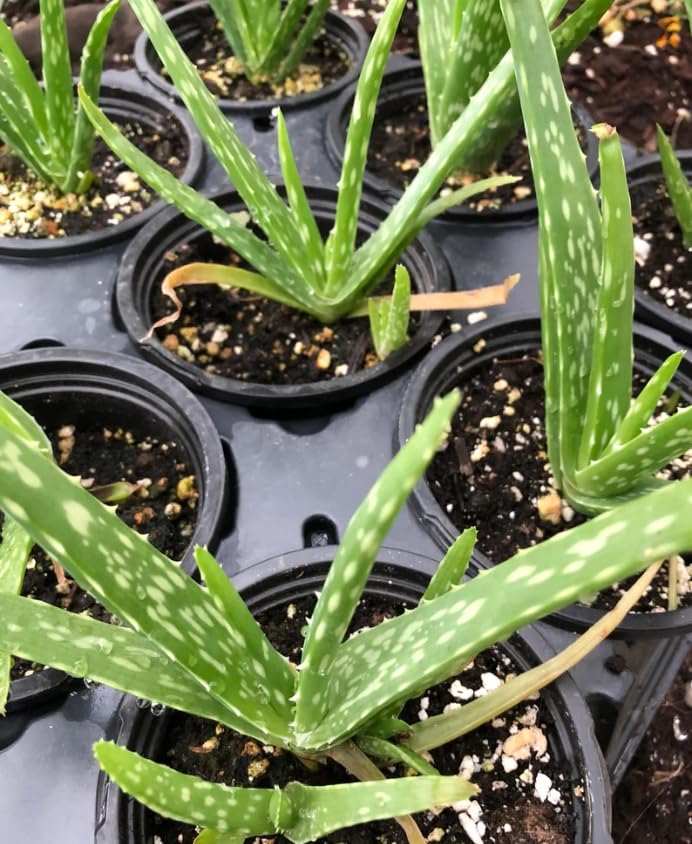
The Generic Aloe Vera (Aloe Barbadensis) live plant is a straightforward way to bring a useful, attractive succulent into your home. Sold in a 4-inch plastic pot, this plant is sized for desks, kitchen counters, or small shelves. It’s aimed at both new and experienced plant keepers who want an easy-to-care-for species that also offers practical benefits like soothing gel for minor burns.
Standout features include its low maintenance requirements: it needs bright, indirect sunlight and well-draining soil, and you only water it when the soil is completely dry. Many reviewers mention that their plants arrived looking healthy and plump, with roots intact. The leaves are thick and juicy, and some have used the gel successfully on their baby’s eczema or minor skin irritations. It also serves as a natural air purifier, filtering common toxins—a bonus for anyone wanting cleaner indoor air.
Design and build quality are simple but functional. The 4-inch pot is basic plastic, and the plant itself measures about 4 inches tall and wide. For the price, you get a live succulent that’s ready to grow. However, packaging can be a weak link: while some buyers report careful wrapping and a secure pot, others have received the plant in poor condition, with crushed leaves or dry soil. A few reviews mention the plant died within a week, though it’s unclear if that was due to transit damage or later care mistakes like overwatering.
Honest drawbacks include the risk of getting a stressed plant depending on how it’s handled during shipping. Also, growth is slow at first; don’t expect rapid size increases. The directions for care are basic, so beginners should research aloe vera watering schedules to avoid killing it.
Final verdict: this aloe vera plant offers good value for its practical uses and easy nature, especially if you’re looking for a low-cost starter succulent. Just be aware that the plant’s condition upon arrival can vary due to packaging, and it may need some TLC to thrive. If you’re willing to give it proper light and infrequent water, it’s a solid choice.
Complete Step-by-Step Guide on How to Pot an Aloe Vera Plant
Potting an aloe vera successfully requires a sturdy, well-draining pot, a coarse succulent soil blend, and a dry settling period before watering. The primary objective is securing the plant’s shallow root system while preventing trapped moisture around the stem base. Gardeners must avoid common pitfalls like overwatering freshly disturbed roots, burying the crown too deeply, or using dense garden soil. Following a structured repotting routine protects delicate feeder roots, relieves crowded containers, and encourages long-term leaf firmness.
Recognizing When an Aloe Vera Needs a New Container
Physical signs on the plant offer clear indicators that an aloe vera has outgrown its current home. Mature specimens frequently produce heavy, gel-filled leaves that cause light plastic containers to tip over easily. Roots emerging through bottom drainage holes or coiling tightly against the container base also signal restricted root space. When soil repels water or dries out abnormally fast due to root compaction, repotting becomes necessary to sustain plant vitality.
Crowding from baby offsets, commonly known as pups, provides another clear sign that an aloe needs repotting or division. Live plants, including standard nursery specimens from suppliers like Arcadia Garden Products or Costa Farms, eventually produce secondary rosettes around the primary base. These competing shoots vie for the same root space and moisture, distorting the symmetrical shape of the parent plant. Moving the plant into a properly scaled container relieves this competition and allows room for healthy root expansion.
Selecting the Right Container Material and Dimensions
Container material directly influences soil moisture management for drought-tolerant succulents. Porous materials like unglazed terracotta or ceramic allow moisture to evaporate naturally through the sidewalls, minimizing damp root zones. Plastic pots can work well, but they retain moisture longer and require a looser potting blend. Ceramic planter sets, such as those from Jutasty or Tuitessine, pair decorative designs with functional drainage holes that allow excess moisture to exit freely onto bamboo trays.
Pot sizing requires careful restraint because excessive soil volume holds lingering moisture. An oversized container holds surplus soil that stays wet long after irrigation, which creates conditions favoring root decay. A reliable guideline is choosing a container only one to two inches wider in diameter than the existing root ball. Shallow or wide-mouthed pots generally suit aloe plants better than deep pots because succulent roots spread laterally near the surface.
Weight and stability represent practical factors when repotting top-heavy succulents. Substantial ceramic and earthenware pots provide a reliable counterweight against thick, upright leaves that easily overturn lighter nursery vessels. A wide, stable base prevents accidental tipping on windowsills, plant stands, or desks where indoor succulents often reside. Verifying that the pot features an open drainage hole remains the most critical structural requirement before adding soil.
Choosing or Blending a Fast-Draining Potting Mix
Standard indoor potting soil holds excessive moisture for desert-adapted succulents, which often leads to root rot. A dedicated cactus and succulent mix provides the porous texture required for water to drain freely while preserving oxygen pockets. Commercial blends like Miracle-Gro Succulent Potting Mix combine processed forest products, sphagnum peat moss, and plant food to anchor roots without waterlogging. Ready-to-use options such as Todobetter Aloe Vera Potting Soil Mix offer balanced pH and aeration suited for aloe plants.
Mixes incorporating coarse aggregate provide superior drainage for indoor growers in humid environments. LeavesSoul Professional Aloe Plant Soil uses pine bark, peat, and coarse sand to duplicate the gritty substrates aloe plants inhabit naturally. Coarse sand and porous bark prevent soil particles from compacting into a dense, airless mass after repeated waterings. Adequate aeration allows roots to absorb moisture during watering while drying quickly enough to prevent fungal issues.
Gardeners who prefer custom blending can combine regular potting compost with generous inorganic grit. Mixing two parts commercial potting soil with one part perlite and one part coarse horticultural sand creates an effective homemade mixture. Pumice, lava rock, and fine gravel also serve as durable amendments that enhance porosity without breaking down over time. Avoiding fine sandbox sand or dense garden soil is essential, as fine particles pack tightly and suffocate succulent roots.
Step-by-Step Instructions for Potting and Repotting
Preparation begins by letting the aloe vera dry out for several days prior to unpotting, making the root ball easier to handle. Squeeze the flexible sides of a plastic pot gently, or slide a dull knife around the inside rim of a rigid container to loosen bound roots. Support the base of the plant near the soil surface with one hand while tilting the pot to slide the plant out smoothly. Avoid pulling firmly on individual leaves, because fleshy aloe foliage can tear under tension.
Examine the exposed root system carefully once the plant is free from its old pot. Healthy aloe roots appear firm, fibrous, and light tan or orange, while rotted roots look blackened, soft, and limp. Use clean, sanitized shears to trim away damaged, dried, or decaying root tissue before placing the aloe into its new container. Gently loosen tightly wound roots on the outer ball to encourage outward growth into the fresh growing medium.
Place a small mesh screen over the pot drainage hole to prevent soil loss while keeping the water channel unobstructed. Add a base layer of fresh succulent mix, positioning the aloe so the crown rests roughly one inch below the container rim. Fill in around the sides with additional mix, tapping the pot gently on a flat surface to settle the medium without heavy tamping. Keep the green base of the lowest leaves above the soil surface to prevent stem rot.
Managing Aloe Offsets and Pups During the Potting Process
Repotting offers an ideal opportunity to divide crowded aloe offsets clustering around the parent plant. Gently brush away the topsoil to reveal where the young pup attaches to the main root system. Offshoots with their own independent roots standing three to four inches tall have the strongest survival rate. A clean utility knife can sever the connecting runner close to the parent stem without damaging either rosette.
Freshly separated offsets require a short drying period before planting into soil. Lay the separated pups on a clean paper towel in a warm, shaded indoor spot for two to three days. This rest period allows cut surfaces to form a protective callous that blocks entry by soil pathogens. Attempting to pot and water freshly cut offsets immediately often invites bacterial infection and stem decay.
Once calloused, plant individual pups into small containers scaled to their modest root systems. Compact decorative vessels, such as the smaller pots in dual planter sets, work very well for rooting small offshoots. Use the same gritty succulent mix prepared for the mature plant, setting the base of the pup firmly so it remains upright. Provide bright, filtered sunlight while the young plant spends several weeks developing new feeder roots.
Post-Potting Water and Sunlight Requirements
Resist watering an aloe vera immediately after repotting, which is a vital distinction from ordinary houseplant care. Waiting four to seven days before applying moisture gives damaged or pruned roots adequate time to heal within dry soil. Once that healing period passes, water the soil thoroughly until excess liquid drains through the bottom hole. Always empty collection trays or saucers within fifteen minutes so the container does not sit in standing water.
Aloe vera requires generous light exposure to maintain rigid, upright leaves and rich green coloration. Place the newly potted specimen in a location receiving abundant bright indirect sunlight, such as an east or south-facing window. Gentle morning sun supports steady photosynthesis, but intense unshaded midday sun through window glass can scorch unacclimated foliage. If leaves develop reddish-brown tints or bleached patches, move the container slightly back to reduce light stress.
Indoor humidity levels also influence how quickly potting soil dries between necessary waterings. Unlike vibrant indoor foliage plants that demand elevated humidity, aloe vera thrives best in dry air with consistent ventilation. High humidity slows soil evaporation, meaning gardeners in damp rooms must space watering intervals further apart. Allow the potting soil to dry out completely through its full depth before giving the plant another thorough soak.
Nutrient Support and Long-Term Container Maintenance
Aloe vera plants are light feeders adapted to nutrient-lean soils, needing only modest feeding during active growth. Excessive fertilizer can cause weak, leggy foliage or burn sensitive succulent roots through accumulated mineral salts. Slow-release granular products like The Grow Co Succulents & Cactus Plant Food offer gentle, low-NPK nutrition that feeds potted plants for up to nine months. These coated granules dissolve gradually during routine waterings, reducing the risk of root burn.
Liquid plant food provides another straightforward way to deliver balanced nutrients without overfeeding. Concentrates like Gardenera Premium Liquid Aloe Vera Fertilizer feature a 3-1-2 organic analysis formulated to support plump, firm leaves. Mixing one teaspoon of concentrate per gallon of water provides nutrients in mild, safe concentrations. Apply liquid fertilizer only every other watering cycle through spring and summer when the plant is actively growing.
Ongoing container care includes inspecting drainage openings, monitoring soil levels, and managing mineral buildup on pot rims. Fertilizer salts and tap water minerals can leave a crusty white residue on porous terracotta over time. Flushing the soil with plain distilled or filtered water once each summer helps dissolve and wash away these excess minerals. Withhold fertilizer completely during autumn and winter when cooler temperatures and lower light levels naturally slow plant metabolism.
Troubleshooting Common Post-Potting Plant Issues
Observing plant responses during the initial month after repotting helps identify environmental issues early. Soft, translucent, or yellowing leaves almost always indicate overwatering, dense soil, or a blocked drainage hole. If lower foliage feels squishy, unpot the plant promptly to check roots for fungal decay. Trim away soft portions, let the plant dry for two days, and replant into fresh, dry succulent soil.
Thin, curled, or puckered leaves indicate the opposite problem, showing that the plant has depleted its internal water reserves. While aloe vera withstands dry conditions well, severely dehydrated specimens need a thorough soaking to refill inner leaf tissues. Check that water penetrates the root ball rather than running down dry gaps along the inner pot edge. Leaves should regain their firm, plump texture within several days following a deep watering.
Tilting or wobbly rosettes typically stem from shallow planting or roots that have not yet anchored into the fresh mix. Stake heavy leaves temporarily with small skewers, or place clean pebbles around the base to stabilize the plant. As new roots spread into the surrounding soil over several weeks, the aloe will firm up and support its own weight. Keep the container in a stable spot away from cold drafts while this anchoring process occurs.
Potting an aloe vera correctly provides the foundation for years of steady, low-maintenance growth indoors. Selecting a container with dependable drainage, combined with a gritty succulent mix, eliminates the primary hazard of root suffocation. Giving roots several dry days to recover before applying water allows the plant to transition smoothly into its new home. With bright indirect light, patient watering habits, and occasional light feeding, your potted aloe vera will remain an attractive, healthy succulent.





Write Your Review
No reviews yet. Be the first to share your experience!