


Getting the best time of year to plant honeysuckle right can turn a slow-starting vine into a fast-growing, fragrant showpiece. Plant too early and cold soil stalls root growth. Wait too long and summer heat forces the plant into survival mode before it settles in. The sweet spot depends on your climate, but spring and fall consistently give honeysuckle the easiest start. This guide covers timing, soil prep, and eight practical products that help your vine thrive from day one.
Whether you’re covering a trellis, filling a fence line, or adding fragrance near a patio, picking the right planting window is just part of the story. The variety you choose, the support you set up, and how you water those first few weeks all affect success. Below we look at 8 honeysuckle options ranging from $6.99 to $41.00, including popular picks from Hirt’s Gardens, FloridaFoliage, DASFarms and more. Each one suits different spaces and experience levels.
Pros
- Healthy, well-packaged plants that arrive with intact stems and even blooms, per customer reviews.
- Thrives in diverse soil conditions and light levels, making it suitable for many garden spots.
- Fast-growing yet non-invasive, providing quick coverage without worry.
Cons
- May be slightly more expensive than locally sourced honeysuckle, but reviewers note the quality justifies the cost.
- Some plants may arrive with minor pests like aphids, though easy to treat with standard remedies.
- Deciduous habit means the plant will look dormant and leafless in winter, which may surprise some gardeners.
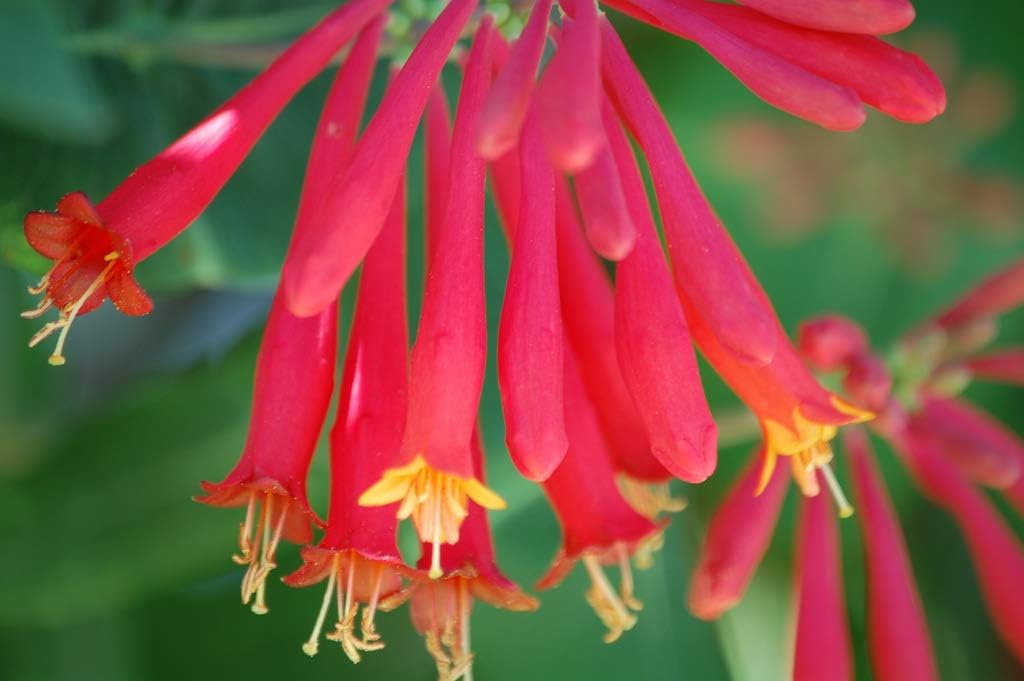
The DAS Farms Cardinal Red Honeysuckle Vine 'Major Wheeler' is a standout perennial that brings months of color to any garden. This non-invasive variety of Lonicera sempervirens produces clusters of vibrant red flowers from spring through late fall, making it a favorite for gardeners who want to attract hummingbirds and butterflies. It's an excellent choice for trellises, arbors, and privacy screens, yet it's also compact enough for smaller spaces when trained properly.
In real-world use, this vine delivers on its promise. Customers consistently report receiving healthy, well-packaged plants that are 2 to 3 feet tall and already flowering upon arrival. The packaging includes clear planting instructions, and the plant comes with a support stake to keep it upright. Once in the ground, it establishes quickly and begins blooming within weeks. The flowers are a rich cardinal red, and they keep coming for months. The vine is vigorous but not aggressive, so you don't have to worry about it taking over your yard.
The build quality is impressive for a live plant shipment. DAS Farms double-boxes the plants and secures the pot with plastic and rubber bands to minimize damage. Many reviewers note that even after shipping, the plant retains its leaves and flowers, which says a lot about the care taken in packaging. The plant is deciduous, so expect it to go dormant in winter without leaves. This is normal for the variety and not a sign of poor health.
There are a few honest drawbacks to consider. A small number of customers have reported aphids on new arrivals, though this is easily managed with insecticidal soap or neem oil. The price is a bit higher than what you might find at a local nursery, but many buyers feel the quality and convenience justify the cost. Also, due to state regulations, the seller cannot ship to California. If you live outside that restriction, this is a worry-free purchase.
Overall, the DAS Farms Cardinal Red Honeysuckle is a reliable, low-maintenance vine that delivers exceptional value. It's ideal for gardeners of all experience levels who want a long-blooming, pollinator-friendly plant. With proper care, it will become a treasured part of your landscape for years.

Pros
- Sweet, fragrant flowers that attract pollinators
- Fast-growing and great for covering structures quickly
- Adaptable to various soil and sunlight conditions
- Large quantity of seeds for the price
- Perennial nature means long-term garden value
Cons
- Seeds are mixed varieties in one bag with no separation, so you cannot choose specific colors
- Packet lacks germination rate and test date, which may not meet federal seed labeling standards
- No customer reviews yet to confirm the claimed high germination rate
The Wivolibe 250+ Honeysuckle Seeds pack is aimed at gardeners who want a fast-growing, fragrant climbing plant that also attracts pollinators. With 250 seeds in the bag, it offers plenty of material to cover a trellis, fence, or arbor. The brand highlights a high germination rate and the plant’s adaptability to different soil and light conditions, which should appeal to both beginners and experienced growers.
Standout features include the sweet scent that bees and hummingbirds love, plus the vine’s rapid growth for quick privacy or a green backdrop. The seeds come in a mix of colors (white, yellow, pink, red), which can create a natural, varied look but also means you cannot control which color appears where. In terms of real-world use, the only buyer review so far reports that all seeds were combined in one bag with no separation of species, and the packet shows no germination rate or test date. This raises a red flag about labeling compliance and makes it hard to know if the germination claim holds up.
Design and build quality are straightforward: a simple resealable bag with basic branding. The seeds themselves are small and dry, typical for this type of product. No special storage instructions are provided on the listing, but keeping them in a cool, dry place should work. One drawback is the lack of information on the packet; some customers may prefer buying from sellers who include the federally required germination and test date details. Additionally, because the seeds are pre-mixed, you miss the chance to plant specific varieties like coral honeysuckle.
Final verdict: This product offers good value for the price with a large seed count and promising features. However, concerns about seed mixing and missing germination info mean it’s best suited for casual gardeners who are flexible about the final color mix and don’t mind the labeling gaps. If you need specific species or want guaranteed germination data, you might look for a more transparent seller.

Pros
- Fast growing, often blooms in the first year
- Attracts hummingbirds and butterflies consistently
- Thrives in full sun to partial shade, flexible placement
- Hardy in zones 5-9, handles cold winters well
- Well-packaged and arrives healthy based on most customer reviews
Cons
- Plants are small upon arrival and may need a full season to establish
- Some customers reported receiving damaged or dead plants, though rare
- Growth rate and vigor can vary depending on local care and climate
The Gold Flame Honeysuckle Vine from Hirt's Gardens is a stunning perennial climber that brings vibrant color and fragrance to any garden. With its red buds opening to golden-yellow petals, this Lonicera variety blooms from June through August and can reach heights of 10 to 15 feet. It's an excellent choice for gardeners in USDA zones 5 through 9 who want to attract hummingbirds and butterflies while covering trellises, fences, or arbors.
In real-world use, this vine earns high marks for its fast growth and early flowering. Many customers report seeing blooms in the very first year after planting, especially when given a little slow-release fertilizer. The plants arrive in a 2.5 inch pot, carefully packaged to minimize shock. Reviewers consistently praise the healthy condition of the vines and the prompt delivery from Hirt's Gardens. The vine adapts well to a range of light conditions, from full sun to partial shade, making it versatile for different garden spots.
Design-wise, this is a live starter plant, not a mature specimen. That means it's small when it arrives, but it establishes quickly with proper care. The plant is shipped in soil in a pot, ready to be transplanted into a larger container or the ground. It's a low-maintenance option once settled, requiring only occasional watering and a simple trellis for support. The blossoms are not only beautiful but also fragrant, adding another layer of appeal.
There are a few honest drawbacks to consider. Because these are young plants, some buyers have received vines that looked a bit sickly or arrived without leaves. A small number of reviews mention the plant never took off or died shortly after arrival. This seems to be the exception rather than the rule, but it's worth noting that living plants can be sensitive to shipping stress. Additionally, growth rate depends on local conditions; some gardeners may need to wait a full season before seeing significant size.
Overall, the Gold Flame Honeysuckle Vine is a solid purchase for anyone wanting a reliable, colorful, and pollinator-friendly climbing plant. Its hardiness, quick growth, and lovely blooms make it a great value for the price. Just be prepared to give it a little TLC during its first few weeks in the ground. For most buyers, this vine will reward you with years of beauty.

Pros
- Strong, sweet fragrance that naturally perfumes your outdoor space.
- Pollinator magnet, attracting hummingbirds, bees, and butterflies.
- Medicinal properties offer anti-inflammatory and antioxidant benefits.
- Hardy perennial vine grows vigorously with minimal care once established.
- Large seed count (200) provides plenty of backup for variable germination.
Cons
- Requires cold stratification for best germination, which adds an extra step and delays planting.
- Some customers reported seeds from different varieties were co-mingled in the package, making separation difficult.
- Germination rates can be inconsistent; a few users saw no sprouting even under ideal conditions.
If you're looking to add a classic, fragrant climbing vine to your garden without spending a fortune, the BuggyBeds 200 Honeysuckle Seeds pack is worth a look. This is a non-GMO heirloom variety that produces sweet, symmetrical flowers and edible nectar, making it both ornamental and practical. It's designed for gardeners who want to create natural screening along fences or trellises, and it appeals especially to those interested in pollinator-friendly plants and vertical greenery.
Standout features include the vine's impressive height potential (6 to 20 feet) and its ability to attract bees, butterflies, and hummingbirds. The flowers contain over 40 active medicinal compounds, so it's more than just a pretty plant. Real-world performance from user reviews is mixed, though. Several buyers reported decent germination after following the cold stratification step, with healthy seedlings popping up faster than expected. Others were less fortunate, with one reviewer noting that seeds sprouted well and looked vigorous, while another saw no growth at all even in a greenhouse. The takeaway? You may need to be patient and follow the recommended stratification process closely to get the best results.
The design and build quality are what you'd expect from a bulk seed pack. The seeds are small and come in a simple resealable bag. The package claims "low maintenance," but keep in mind that germination requires a bit of effort (cold stratification and shallow sowing). Once established, however, the vine is indeed low maintenance and should thrive across USDA zones 4-9 in full sun or partial shade. The 200-seed count gives you plenty of margin for error, so even if some don't sprout, you'll likely get enough vines.
One honest drawback is that some customers received seeds that appeared to be mixed varieties rather than a single pure honeysuckle type. This complicates plant identification and may affect uniformity of flower color. Also, a couple of reviews complained that no planting instructions were included, so beginners might need to look up the stratification process online. Additionally, the low 1-star reviews suggest that germination can be hit-or-miss depending on seed handling and storage before purchase.
Overall, the BuggyBeds honeysuckle seeds offer good value for the price if you're ready to invest a little time in seed preparation. The fragrant blooms, pollinator appeal, and medicinal bonus make it a rewarding choice for cottage gardens or any outdoor space you want to perfume naturally. Just don't expect a perfectly uniform batch, and plan to cold-stratify for the best chance at success.
Pros
- Vibrant flowers that reliably draw hummingbirds and butterflies
- Fast growth once established, ideal for covering unsightly structures
- Tolerates a range of light conditions from full sun to partial shade
- Low water and pruning needs after plants are settled
- Native cultivar is eco-friendly and non-invasive (unlike Japanese honeysuckle)
Cons
- Starts are very small (often in 2-inch pots) and may require babying to survive
- Some plants arrive stressed or dead; success varies by shipment
- Not for those seeking immediate, mature coverage; needs a season or two to establish
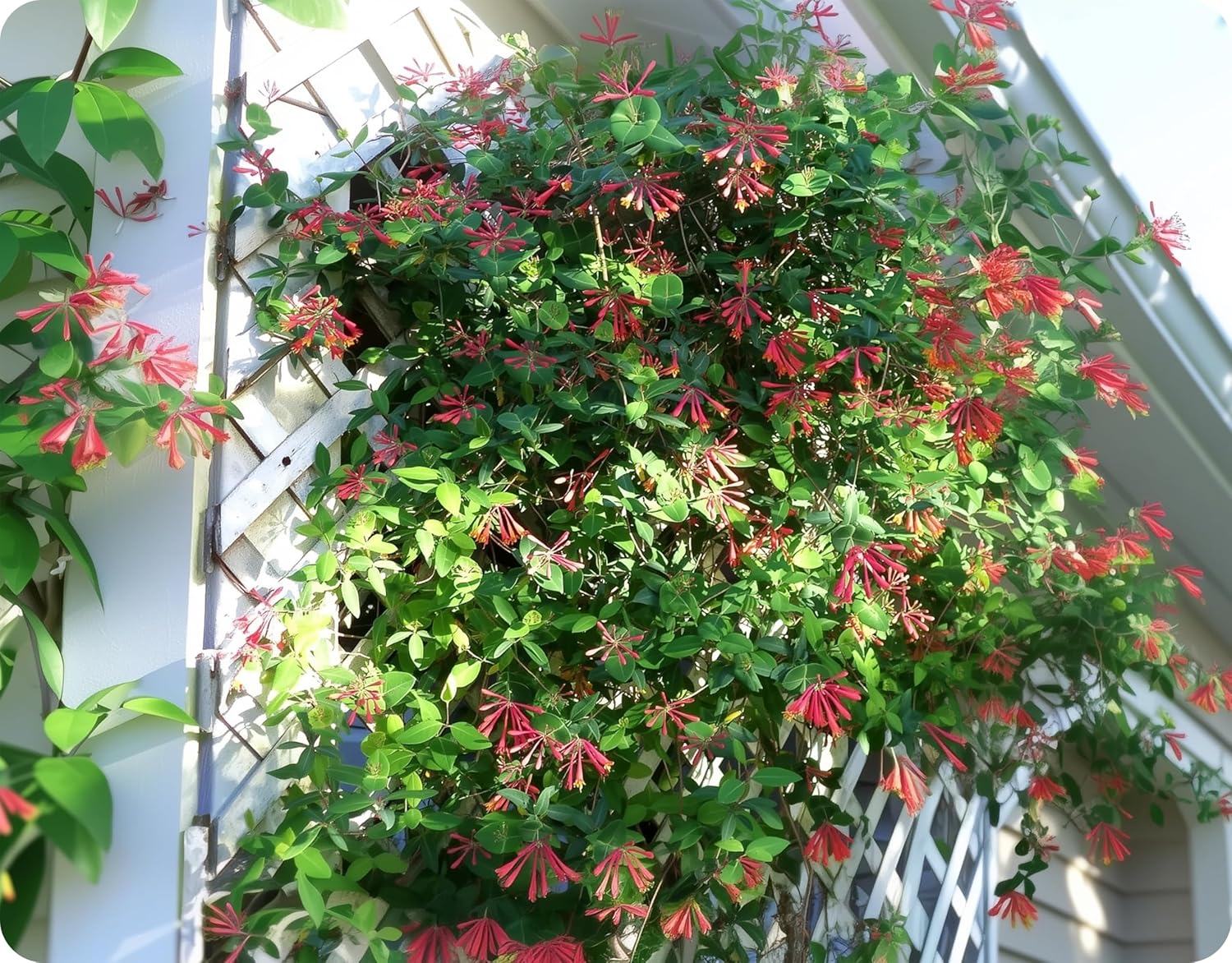
The Coral Honeysuckle (Lonicera sempervirens) from Florida Foliage is a classic native vine that delivers on its promise of vibrant color and wildlife appeal. Sold as a set of three live starter plants, this product aims to give gardeners a head start on covering trellises, fences, or arbors with hummingbird-friendly blooms. However, as with many mail-order plants, the reality of shipping stress and tiny starts means patience is essential.
The standout feature of this honeysuckle is its showy, coral-red trumpet flowers that appear from late spring into summer, pulling in hummingbirds and butterflies. The vine grows quickly once established, reaching 10 to 15 feet in a single season. It's low maintenance: it tolerates moderate watering, well-drained soil, and full sun to partial shade. The semi-evergreen foliage keeps the plant looking alive through milder winters.
Build and packaging are decent, but multiple customer reviews note that the plants arrive extremely small, often in 2-inch cups or pots. Some arrive healthy, while others show signs of disease or simply die after transplanting. Successful growers report that careful repotting into larger containers and a protected spot for a few weeks before planting outdoors greatly improves survival. The plants are not plug-and-play; they demand a bit of gardener know-how.
The biggest drawback is inconsistency. Several customers lost all three plants; others saw them thrive after a slow start. The seller describes these as 'live plants' but does not emphasize their delicate size. If you're expecting a full, ready-to-climb vine out of the box, you'll be disappointed. For the price, you're paying for potential, not instant gratification.
Verdict: This is a solid choice for experienced gardeners who want a native, pollinator-friendly vine and don't mind coddling small starts for a season. Novices or those seeking an immediate screen should look for larger, more established plants elsewhere. With proper care, the Coral Honeysuckle rewards you with beautiful blooms and a wildlife magnet for years.

Pros
- Pleasant, sweet fragrance that enhances outdoor spaces
- Attracts hummingbirds, butterflies, and beneficial insects
- Low-maintenance once established requires only occasional watering and pruning
- Long bloom period and colorful fruit extend seasonal interest
- Durable in cold climates down to zone 3 without extra winter protection
Cons
- May need regular pruning to keep growth in check if trained on a small structure
- Can take a full growing season to settle in and flower heavily
- Some gardeners report that the plant can spread readily; consider container planting to control it
If you are looking for a classic vine that adds both fragrance and color to your garden, this YOKEBOM climbing honeysuckle is a strong contender. It is a live perennial plant shipped at 5-9 inches tall, ready to grow into a lush climber. The pink-yellow flowers are not just pretty; they give off a sweet scent that makes sitting near the trellis a real treat. The plant also produces bright red fruits in late summer, which can bring birds into your yard.
In terms of performance, this honeysuckle does best in full sun and tolerates sandy soil well. Once planted, it will start sending out tendrils fairly quickly, though you should not expect a full floral show until its second year. The plant is hardy from zones 3 through 9, so it will survive cold winters without much fuss. That makes it a reliable choice for northern gardens where many other vines struggle.
The build quality of the live plant itself is solid; it arrives with a healthy root system inside a nursery pot. You will need to give it a sturdy support because the vine can get quite vigorous. The brand recommends sandy soil, but this honeysuckle adapts to most well-drained soils. One thing to keep in mind is that it can spread if left uncontrolled, so occasional pruning is a good idea to keep it from overtaking nearby plants.
On the downside, this plant can be slow to establish its first year. Some buyers have noted that it takes patience before the vine really takes off. Also, the vine's tendency to sprawl means you might have to cut it back more than you expect, especially if you are training it on a small trellis. For those who want a tidy look, regular maintenance is necessary.
Overall, this climbing honeysuckle is a worthwhile purchase for gardeners who value fragrance and wildlife-friendly planting. It is not a fast-maturing showstopper, but once it settles in, it rewards you with a lovely display year after year. If you have a sunny spot and a structure for it to climb, this vine is a dependable addition to a perennial border.

Pros
- Seeds are non-GMO and heirloom, supporting sustainable gardening.
- Fast growth habit quickly transforms bare spaces into green, flowering areas.
- Attracts beneficial pollinators like bees and hummingbirds, enhancing garden biodiversity.
- Mixed color blooms add visual interest and variety to your landscape.
- Adaptable to different soil types and sunlight conditions, reducing maintenance.
Cons
- Germination can be inconsistent; some users reported no sprouts after several weeks.
- Seeds are not individually labeled by color, so you won't know bloom colors until they flower.
- Pack may contain slightly fewer than 300 seeds, according to some customer counts.
The WivolibeSeeds 300+ Honeysuckle Seeds pack is designed for gardeners who want to add a fast-growing, fragrant vine to their outdoor space. This mix promises a variety of colors from white to red, and the sweet scent is a major draw for anyone looking to attract hummingbirds and pollinators. It's ideal for covering trellises, fences, or arbors, and the non-GMO, heirloom seeds appeal to eco-conscious growers.
In terms of performance, the honeysuckle seeds are known for rapid growth once they germinate, quickly creating a lush backdrop. However, real-world results vary significantly. While some customers report 100% germination and lovely blooms, others have had no sprouts at all after weeks of waiting. This inconsistency is a key factor to consider. The mix of colors is a nice bonus, but since seeds aren't labeled, you'll have to wait for flowers to know what you've got.
Design and build quality are straightforward: seeds come in a single resealable bag. The packaging is functional but lacks detailed planting instructions, which could be a hurdle for beginners. The seeds themselves are small and typical for honeysuckle. The 300+ count offers good value, though a few buyers noted the count was slightly under.
Drawbacks include the germination inconsistency and the lack of color labeling. Some users also mentioned that seeds didn't sprout at all, which is frustrating. If you're an experienced gardener who can handle variable germination rates)Skip this pack might still work, but beginners may want to look for more reliable options.
Overall, the WivolibeSeeds Honeysuckle mix is a budget-friendly choice for those willing to gamble on germination. The potential for beautiful, fragrant vines that attract wildlife is real, but the mixed reviews suggest it's not a sure thing. If you're after a fast-growing, colorful vine and can tolerate some uncertainty, this pack is worth a try. For guaranteed results, you might consider purchasing from a more established brand.
Brand: WivolibeSeeds
Indoor/Outdoor Usage: Outdoor
Material Feature: GMO Free
Color: Mixed colors (white, yellow, pink, red)
Special Feature: Attracts Pollinators
Sunlight Exposure: Full Sun
Unit Count: 1.0 Count (300+ seeds)
Moisture Needs: Regular Watering
Product Dimensions: 0.09 x 0.1 x 0.1 inches
Item Weight: 0.634 ounces
Manufacturer: Wivolibe
ASIN: B0DP97PVP4
Best Sellers Rank: #31,421 in Patio, Lawn & Garden; #1,037 in Flower Plants & Seeds
Before buying honeysuckle seeds, consider your garden's sunlight and soil. These seeds need full sun and well-draining soil for best growth. If you're a beginner, you might want to start with a smaller pack to test germination rates before committing to a large batch. Also, note that honeysuckle vines can be invasive in some regions, so check local guidelines before planting. For faster results, some gardeners prefer buying established plants instead of seeds.

Pros
- Highly fragrant flowers with classic honeysuckle scent.
- Vigorous climber quickly covers vertical structures.
- Hardy perennial suited to a wide range of climates (Zones 4-9).
- Good value: 200 seeds per pack for affordable garden expansion.
- Non-GMO, heirloom variety encourages sustainable gardening.
Cons
- Seeds require cold stratification before planting, which adds a step and takes planning.
- Honeysuckle can become invasive in some regions; may need regular pruning to control spread.
- Germination rate can vary if stratification is not done properly, and only two customer reviews are available to gauge reliability.
This pack of 200 honeysuckle seeds offers gardeners a cost-effective way to grow a classic, fragrant vine. The seeds are from a non-GMO, heirloom variety known for its signature bi-colored blooms: creamy white petals that fade to golden yellow. The flowers produce a sweet, nostalgic scent that attracts bees and butterflies, making this an excellent choice for pollinator-friendly gardens. The vines are vigorous climbers, perfect for quickly covering fences, trellises, or arbors, adding vertical interest and a touch of romance to any outdoor space.
One of the standout features is the extended blooming period. Honeysuckle grown from these seeds typically flowers from late spring through summer, and some varieties may continue into early fall. This provides months of color and fragrance. The plants are hardy in USDA Zones 4 through 9, meaning they can withstand cold winters and return year after year as perennials. They thrive in full sun with regular watering, and once established, they require minimal maintenance beyond occasional pruning to keep them in bounds.
The main challenge with these seeds is that they require cold stratification to break dormancy. This involves placing the seeds in a moist medium in the refrigerator for several weeks before planting. While this mimics natural winter conditions and boosts germination, it does require forethought and patience. Without proper stratification, germination rates may be disappointing. The product instructions are not included in the listing, so first-time growers should research the method beforehand. Additionally, honeysuckle can be invasive in some areas, so gardeners should check local guidelines and consider growing it in containers or with regular pruning.
Overall, this seed pack offers a great opportunity to grow a beautiful, fragrant vine at a low cost. The dual-colored flowers, long bloom season, and pollinator appeal make it a rewarding choice for home gardeners. Just be prepared to handle the cold stratification step and to manage the vine's growth. With proper care, these seeds can transform a plain fence or trellis into a lush, scented focal point in your garden.
Frequently Asked Questions About Planting Honeysuckle
What is the best time of year to plant honeysuckle in cooler climates?
In cooler regions with cold winters, early spring after the last frost is usually the safest window. The soil warms gradually, rain helps with moisture, and the vine gets a full growing season before winter returns. Spring planting gives roots plenty of time to spread while temperatures stay mild.
Can I plant honeysuckle in the fall?
Yes, fall planting works well in mild climates where the ground doesn’t freeze too early. The cool air reduces leaf stress while the soil stays warm enough for roots to keep growing. Plant at least six weeks before the first hard freeze so roots can anchor properly. Fall establishment often leads to a strong head start the next spring.
How do I know if the soil is ready for planting honeysuckle?
Check the soil by squeezing a handful. If it crumbles easily instead of forming a sticky ball or running like mud, it’s usually workable. Honeysuckle prefers well-draining soil with organic matter mixed in. Avoid planting when the ground is still frozen or waterlogged.
What happens if I plant honeysuckle in summer?
Summer planting is possible but requires extra attention. Heat dries out young roots quickly, so watering must be consistent and deep. Plant in the evening, use mulch, and provide temporary shade for the first week or two. Even then, summer planting carries more risk than spring or fall.
Does the best time of year to plant honeysuckle change depending on the variety?
Most honeysuckle varieties follow the same seasonal guidelines, but some are hardier than others. Check the USDA zone rating on the plant tag. Cold-hardy varieties can handle earlier spring planting, while tender types may need a longer wait. For example, the Coral Honeysuckle (Lonicera sempervirens) is native to warmer areas and does best when planted after frost danger passes.
For more advice on seasonal planting for other garden plants, see our guide on best conditions plant grass seed. If you’re working with limited space, you might also like our picks for best garden bed solar lights to extend your growing season.








Write Your Review
No reviews yet. Be the first to share your experience!