


If you have ever woken up to find the tips of your palm fronds looking dry and crispy, you are not alone. Why is my indoor palm plant turning brown is one of the most common questions among houseplant owners. The answer usually involves a combination of dry air, watering habits, light levels, or mineral buildup. Understanding these factors can help you bring your palm back to health.
Palm plants are tropical by nature. They thrive in humid environments with consistent moisture and bright indirect light. When indoor conditions stray too far from their natural habitat, the leaves respond with brown tips, dry edges, or patchy discoloration. The good news is that most causes are easy to fix once you know what to look for.
In this guide, we will walk through the most common reasons behind indoor palm leaves turning brown and share practical solutions. We will also highlight a few helpful resources for families who want to teach kids about plant care and resilience.
Common Causes of Brown Palm Leaves
Dry indoor air is often the main culprit. Heating and air conditioning systems strip moisture from the air, leaving palm leaves thirsty. The result is crispy leaf tips that gradually spread inward. Increasing humidity with a humidifier, pebble tray, or by grouping plants together can make a big difference.
Watering mistakes also play a major role. Both under-watering and over-watering can cause brown palm leaves indoors. Under-watering leaves the soil bone dry, while over-watering suffocates roots and leads to rot. The key is to keep the soil evenly moist but not soggy. Check the top inch of soil before watering.
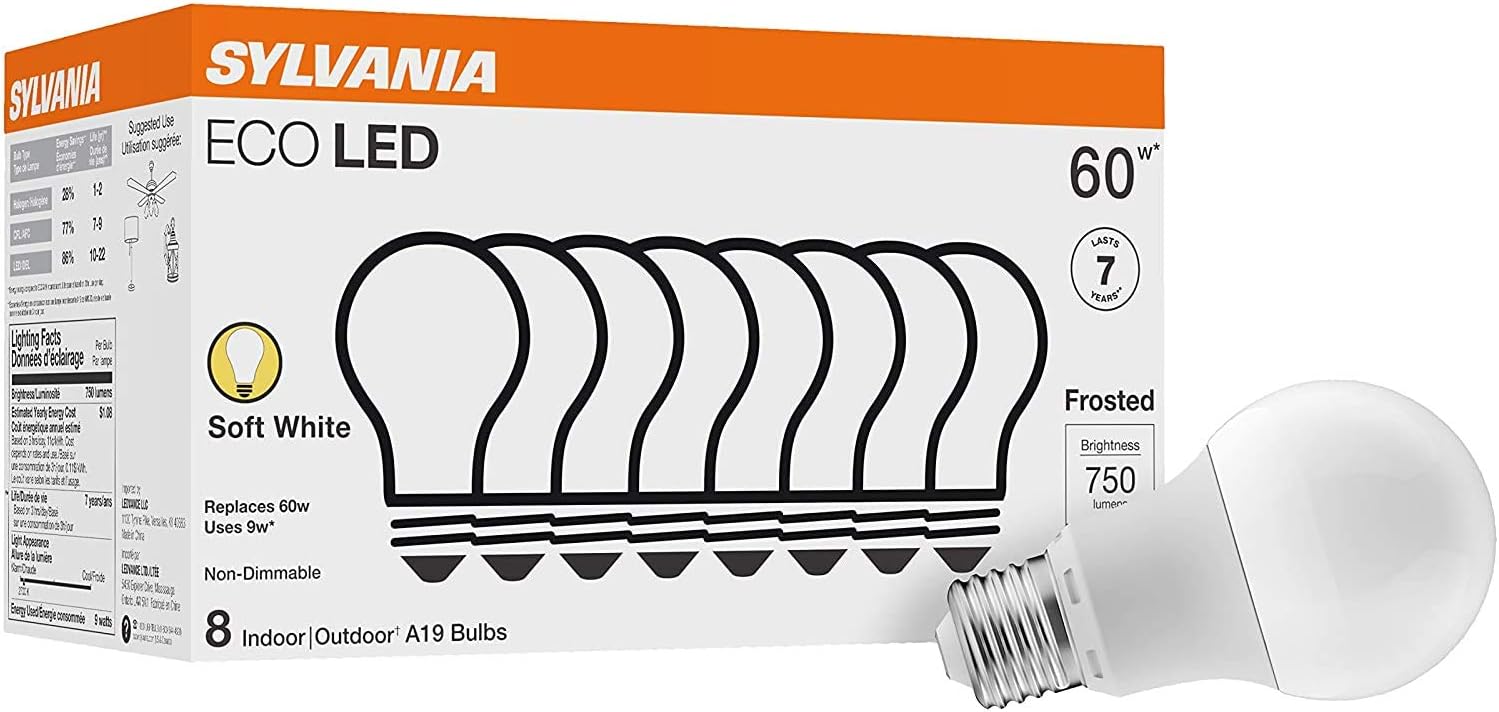
Light stress is another factor. Too much direct sun can scorch fronds, while too little light weakens the plant. Palms prefer bright indirect light. If your room is dim, consider using a grow light to supplement natural sunlight. For more details on choosing the right setup, check out our guide on best grow light for indoor plants.
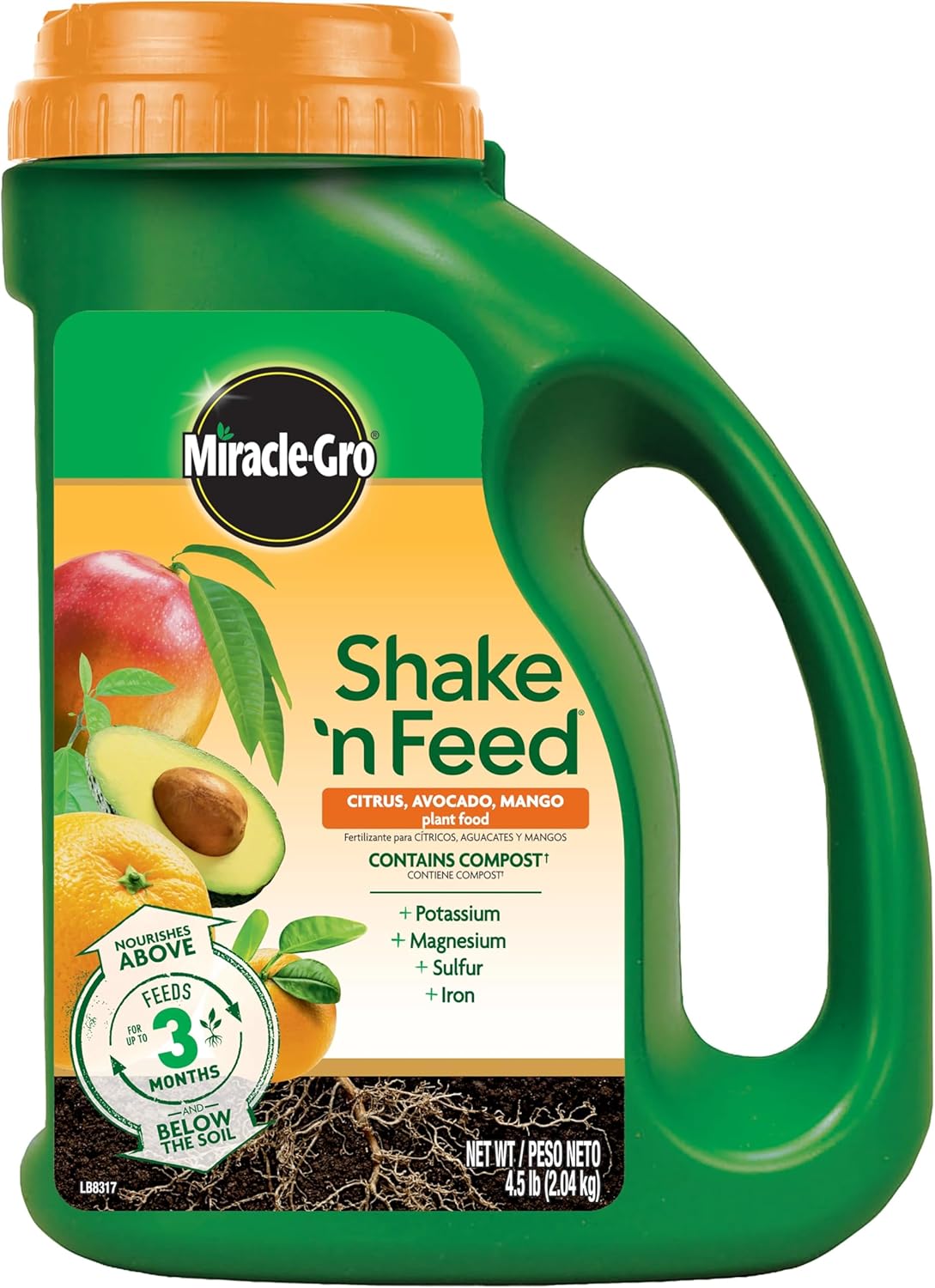
Mineral buildup from tap water or fertilizer can also cause brown leaf tips. Fluoride and chlorine in tap water irritate sensitive palm roots. Flushing the soil occasionally and using filtered water can help reduce this stress.
Finally, pests like spider mites or scale can weaken leaves and cause browning. Inspect the undersides of leaves regularly and treat any infestations early.
How to Prevent and Fix Brown Palm Leaves
Start by adjusting your care routine based on the likely cause. Increase humidity, water consistently, and provide the right light. Trim off severely damaged fronds to encourage new growth. With patience, your palm can recover and produce healthy green leaves again.
For families, teaching kids about plant care can be a rewarding experience. The following books help children understand emotions, patience, and growth — concepts that also apply to gardening. They make great additions to a home library and can spark conversations about why plants need care.

Pros
- Unique interfaith approach that appeals to families of multiple religious backgrounds
- Engaging story that blends education with heartwarming themes of perseverance and faith
- Includes a helpful back section with scripture references, adding depth for parents and educators
- Award-winning quality recognized by Readers' Favorite
- Encourages outdoor learning and curiosity about plants and gardening
Cons
- At 31 pages, the story is relatively short, which may leave some older readers wanting more
- The explicit religious framing may not suit secular families or those seeking a purely scientific approach
- As a new release, it lacks customer reviews, so long-term popularity is unknown
Samah the Seed is a delightful children's picture book written by Sarah Gowayed that introduces young readers to the wonders of plant growth through a gentle interfaith lens. The story follows Samah, a pea in a pod who desperately wants to grow but doesn't know how. With the help of some new friends, Samah embarks on a quest that blends lessons from nature with spiritual insights. The book is aimed at children ages 3 to 8 and has already earned a Readers' Favorite Silver Medal in Children's Christian fiction.
The standout feature of this book is how it seamlessly merges science and spirituality. While teaching what a plant needs to survive and thrive, it also communicates that God makes things grow and that all of creation worships God. The back matter includes direct quotes from the Torah, Bible, and Quran, making this a rare resource for families seeking an inclusive religious perspective on nature. The narrative is simple and engaging, with a focus on perseverance, patience, and discovery that will resonate with little ones.
Design-wise, the book is presented in a standard 8.5 x 8.5 inch square format with 31 glossy pages. While the product data does not specify illustration style, children's books in this category typically feature bright, engaging artwork that complements the text. The reading level is appropriate for preschoolers through early elementary, and the story length is ideal for a single read-aloud session. Parents and educators will appreciate the discussion prompts subtly embedded in the narrative.
On the downside, the book is relatively short, and some older children might wish for a more detailed exploration of the botany concepts. Additionally, because it is explicitly interfaith, families who prefer a strictly secular approach to science might find the religious elements distracting. However, for those seeking a faith-based introduction to plant growth, this is a charming choice. The lack of customer reviews at this early stage means that widespread reception is still unknown, but the award recognition suggests strong quality.
Overall, Samah the Seed is a warm and educational book that successfully bridges science and faith. It is an excellent addition to any home, church, or school library that values interfaith understanding and encourages children to explore the natural world with wonder. I recommend it for parents looking for a gentle, meaningful story that nurtures both curiosity and spiritual growth.

Pros
- Simple, engaging concept that kids easily grasp
- High customer rating (4.8 stars) with verified positive reviews
- Encourages empathy, self-control, and forgiveness
- Works well for both home and classroom settings
- Part of a well-established, multi-language series
Cons
- Some readers note the text can be repetitive for adults
- A few copies may arrive slightly bent due to packaging (as noted in one review)
Have You Filled a Bucket Today? is a charming 32-page picture book by Carol McCloud that uses a simple metaphor to teach kids about kindness. The idea is straightforward: everyone has an invisible bucket, and when you say or do nice things, you fill that bucket. When you are mean or hurtful, you dip into it. This concept is easy for young children to understand and has been embraced by parents, teachers, and counselors worldwide.
The book is aimed at children ages 3 to 6, but it works well for older kids too. With over 9,000 reviews and a 4.8-star rating, it is clear that this book resonates with families. The 10th Anniversary edition is well-made with a sturdy cover and large pages that are easy for little hands to hold. The illustrations are simple but effective, helping kids visualize the bucket idea.
Real-world performance is strong. Many parents report that their children start using the bucket language at home, saying things like 'I don't want to dip into his bucket.' This shows the book has a lasting impact. Teachers also love it for classroom discussions about bullying and empathy. The only drawback is that some adults find the text a bit repetitive, but that is typical for children's books that need to reinforce a lesson.
Overall, this is a solid choice for anyone looking to teach kindness in a gentle, memorable way. It is not just a story but a conversation starter that can lead to better behavior and a happier home or classroom.
Publisher: Bucket Fillers Press
Edition: 10th Anniversary (October 1, 2015)
Pages: 32
ISBN-10: 099609993X
ISBN-13: 978-0996099936
Dimensions: 10.75 x 0.1 x 8.25 inches
Weight: 2.31 pounds
Reading Age: 3-6 years
Grade Level: Preschool to 4
Language: English
Part of Series: Bucketfilling Books

Pros
- Simple affirmations that stick with kids and build confidence over time
- Emotionally evocative, high-quality illustrations that hold a child's attention
- Positive impact on behavior and self-esteem, noted by parents and teachers
- Includes a helpful parent guide for deeper conversations about mindfulness
- Inclusive representation of different cultures and abilities
Cons
- Some early copies had minor print quality issues (white edges), but recent editions appear corrected
- The affirmations can feel repetitive or lack a smooth narrative flow between pages
- At 36 pages, it's a quick read and may leave some wanting more depth per affirmation
I Can Do Hard Things is a children's book by Gabi Garcia that uses mindful affirmations to help kids ages 3 to 7 build inner strength and resilience. It's designed for parents, educators, and therapists who want to nurture emotional well-being in young children. The book is part of a series that includes titles on kindness and calm, and it's available in Spanish as well.
The standout feature is its simple, direct affirmations. Each page presents a situation where a child might feel challenged and offers a positive statement like "I can do hard things." The affirmations are easy for kids to remember and repeat, helping them internalize a can-do attitude. The illustrations are inclusive and emotionally evocative, showing children of different backgrounds and abilities. Many reviewers note that the book sparks meaningful conversations and becomes a staple in bedtime routines. Therapists have added it to their resource collections because of its gentle way of addressing tough emotions.
Design and build quality: the book is a paperback with 36 pages, dimensions 8.5 x 8.5 inches. The print quality has been a minor issue for some early copies, with white edges on illustrations, but recent reviews indicate this has been resolved. The artwork is beautifully crafted and sensitive, adding to the book's appeal. A parent guide at the back offers tips for reinforcing the affirmations.
Drawbacks: some readers mention that the language doesn't always flow smoothly from page to page, and the affirmations can feel repetitive. However, the overall message is strong and well-received. The book is relatively short, so it works best as a read-aloud rather than a standalone reading for older kids.
Verdict: I Can Do Hard Things is a valuable tool for building emotional resilience in young children. Its positive impact is supported by thousands of high ratings. Highly recommended for any home or school library focused on social-emotional learning.
Publisher: Skinned Knee Publishing
Publication Date: September 11, 2018
Language: English
Print Length: 36 pages
ISBN-10: 0998958085
ISBN-13: 978-0998958088
Item Weight: 8.6 ounces
Reading Age: 3 - 7 years (customer indicated)
Dimensions: 8.5 x 0.09 x 8.5 inches
Best Sellers Rank: #1 in Children's Philosophy Books; #2 in Children's Books on Peer Pressure

Pros
- Engaging interactive format that kids love to read again and again
- Teaches important life lessons about decision making and consequences
- Multiple storylines in one book provide great value
- Appeals to both boys and girls with relatable superhero-in-training theme
- Ideal for home, classroom, and therapy settings
Cons
- Branching storylines may require adult guidance for younger readers (ages 3-4)
- Paperback binding might not withstand rough handling by very young children
- The concepts of choice and consequence may be abstract for some 3-year-olds
What Should Danny Do? is part of The Power to Choose series by Adir Levy, and it reimagines the classic choose-your-own-adventure format for young children. Designed for kids ages 3 to 8, this interactive book follows Danny, a superhero-in-training, through his day. At each turn, readers make decisions for Danny, and those decisions lead to different outcomes. The book braids 9 separate stories into one volume, so every reading can offer a fresh experience.
The standout feature here is how the book teaches social-emotional skills without being preachy. Children learn that their choices have real consequences, both good and bad. For example, choosing to share a toy might lead to a fun playdate, while refusing to listen could result in a timeout. Parents and teachers appreciate that the book models positive behaviors like persistence, empathy, and kindness, while also showing the natural fallout of negative choices. The illustrations are bright, cheerful, and full of detail, keeping kids visually engaged as they navigate the stories.
Build quality is typical of a paperback children's book: 68 glossy pages that will hold up to moderate use. The 8.5 x 11 inch size makes it easy for small hands to hold and turn pages. However, the pages are not board-book thick, so very enthusiastic toddlers might crease or tear them. Fortunately, the content is so engaging that most children treat the book with care during reading sessions.
One potential drawback is that the branching format can be confusing for the youngest readers (around age 3). They may need an adult to help them understand the cause-and-effect of each choice. Also, some parents might wish for a hardcover edition for extra durability. But these are minor concerns given the book's overall educational value.
Verdict: What Should Danny Do? is a clever, effective tool for teaching kids that they hold the power to shape their own stories. It's especially recommended for parents, teachers, and counselors looking to foster decision-making skills and emotional intelligence in young children. With high replayability and a message that sticks, this book deserves a spot on every preschool and early-elementary shelf.
Publisher: Elon Books (May 17, 2017)
Edition: 2nd
Language: English
Print length: 68 pages
ISBN-10: 069284838X
ISBN-13: 978-0692848388
Item Weight: 1.2 pounds
Reading age: 4 - 7 years (customer reported)
Dimensions: 8.5 x 0.5 x 11 inches
Part of series: The Power to Choose
Best Sellers Rank: #321 in Books; #1 in Children's Social Skills; #1 in Children's Superhero Science Fiction; #2 in Children's Values Books

Pros
- Engaging stories that make learning life skills fun and memorable.
- Covers a wide range of emotions and behaviors relevant to kids ages 4-10.
- Durable box set packaging for easy storage and gifting.
- Written by Mary Nhin, a trusted author in children's SEL literature.
- Suitable for early readers and read-aloud sessions with parents or teachers.
Cons
- Some parents may find the price point high for a set of eight short books.
- The ninja theme might not appeal to every child, especially older readers.
- No customer reviews available yet, so real-world feedback is limited.
The Ninja Life Hacks Mover and Shaker Box Set brings together eight books from the popular social-emotional learning series by Mary Nhin. Aimed at children ages 4 to 10, these stories use pint-size ninja characters to teach valuable life skills like patience, organization, confidence, and communication. The set includes books 25 through 32: Patient Ninja, Organized Ninja, Smart Ninja, Confident Ninja, Stressed Ninja, Hopeful Ninja, Communication Ninja, and Funny Ninja. Each book tackles a specific emotion or behavior, making it easy for kids to understand and relate to real-world challenges.
What sets this box set apart is its ability to make serious topics approachable through humor and relatable scenarios. The stories are short enough for young readers but witty enough to keep adults engaged during read-aloud time. The ninja theme is consistent across the series, which helps children build a vocabulary for their feelings. For example, Stressed Ninja introduces coping strategies, while Hopeful Ninja encourages a positive outlook. These books are designed to spark conversations between kids and caregivers, whether at home, in the classroom, or in therapy settings.
The physical quality of the box set is solid. The books are paperback with colorful covers and illustrations that match the playful tone. The box itself is sturdy and makes for a neat gift or storage solution. At 292 total pages across eight books, each book is roughly 36 pages, which is a comfortable length for a single sitting. The dimensions (9 x 3 x 9 inches) mean the box fits nicely on a bookshelf. The print is clear and the language is age-appropriate, with a lexile level suitable for early readers.
One potential drawback is the price. At $59.99, it's an investment compared to buying individual books, though the box set offers convenience and a cohesive collection. Also, the ninja theme may not resonate with every child, especially those who prefer more realistic characters. Since there are no customer reviews yet, it's hard to gauge how well the books hold up to repeated readings. However, given the reputation of the Ninja Life Hacks series and the author's background, the quality is likely consistent with other sets.
Overall, the Ninja Life Hacks Mover and Shaker Box Set is a valuable resource for parents and educators who want to teach social-emotional skills in a fun, non-preachy way. It covers a broad range of emotions and behaviors that are relevant to young children, and the stories are engaging enough to keep their attention. If you're looking to build a library of SEL books or need a thoughtful gift for a child, this box set is a strong choice.

Pros
- Effectively teaches anger management to young children through a fun, relatable story.
- Simple strategies like counting to ten and deep breathing are easy for kids to practice.
- Bright, engaging illustrations keep children interested and reinforce the lesson.
- Generates helpful conversations between parents, teachers, and kids about emotions.
- Highly rated by parents and educators for its real-world impact on behavior.
Cons
- May be too simplistic for children over 6 years old or those with more mature emotional needs.
- The techniques (like counting) may not work in every situation without consistent adult reinforcement.
- Some parents may need to combine this book with additional resources for children with severe anger issues.
Train Your Angry Dragon is a children's picture book written by Steve Herman, part of the My Dragon Books series. It targets kids ages 3 to 6, helping them understand and manage anger through the experiences of a lovable dragon. Parents, teachers, and caregivers looking for a gentle, effective way to teach emotional regulation will find this book a valuable resource.
The story follows a dragon who loses his cool and wants to burn everything. Through simple narrative and practical techniques like counting to ten and deep breathing, kids learn how to calm down when upset. Real-world feedback from hundreds of reviews confirms these strategies stick with children and improve behavior at home and in school. Many parents report their kids use the dragon's methods during real tantrums, and teachers have read it to entire classes to start productive discussions.
The book's illustrations are bright and cheerful, perfectly matching the playful tone. Each page is colorful and engaging, keeping young readers focused while reinforcing the emotional lessons. The text is clear and easy to read aloud, making it suitable for bedtime stories or classroom circle time. The paperback edition has a sturdy cover and good paper quality for its price point.
A potential drawback is the book's limited age range. Kids over 6 may find it too simple. Also, the coping strategies work best when adults consistently practice them alongside the child. Some parents note that for severe anger issues, this book alone isn't enough and should be part of a broader approach.
Overall, Train Your Angry Dragon delivers on its promise. It's an engaging, practical tool that has helped many families and classrooms. The high rating and thousands of positive reviews speak to its effectiveness. If you have a young child learning to handle big emotions, this book is a smart addition to your library.
Publisher: DG Books Publishing
Publication Date: January 22, 2018
Language: English
Print Length: 44 pages
ISBN-10: 1948040077
ISBN-13: 978-1948040075
Item Weight: 2.31 pounds
Reading Age: 3 - 6 years (from customers)
Dimensions: 8 x 0.11 x 10 inches
Book 2 of 68: My Dragon Books
Grade Level: Kindergarten - Preschool
Best Sellers Rank: #4,352 in Books; #10 in Children's Social Skills; #53 in Children's Self-Esteem Books; #117 in Children's Books on Emotions & Feelings
Frequently Asked Questions
Why are the tips of my indoor palm turning brown?
Brown tips are usually caused by dry air, inconsistent watering, or mineral buildup. Try increasing humidity and using filtered water. If the problem persists, check for pests or adjust the light level.
Can I cut off brown palm leaves?
Yes, you can trim brown or dead fronds to improve the plant’s appearance and redirect energy to new growth. Use clean, sharp scissors and cut at an angle near the base of the leaf.
How often should I water my indoor palm?
Water when the top inch of soil feels dry. This might be every 5-7 days depending on your home’s conditions. Avoid letting the soil dry out completely or stay soggy.
Do indoor palms need direct sunlight?
No, most indoor palms prefer bright indirect light. Direct sun can scorch the leaves. If natural light is limited, a grow light can help. See our recommendations for best LED grow lights for indoor plants.
What is the best way to increase humidity for my palm?
You can use a humidifier, place a pebble tray with water under the pot, or group plants together. Misting the leaves occasionally also helps, but avoid overdoing it to prevent fungal issues.
For more plant care tips, visit our homepage or explore our grow lights category for lighting solutions.




Write Your Review
No reviews yet. Be the first to share your experience!