


Applying herbicides at the wrong moment can scorch tender grass blades or leave tough broadleaf invaders untouched. Mastering when to apply weed control to lawn requires watching environmental cues like soil temperatures and weed emergence rather than relying strictly on the calendar. Pre-emergent barriers must establish before weed seeds sprout, whereas post-emergent sprays need active leaf growth and favorable temperatures to work effectively. Homeowners managing warm-season turf often pair these treatments alongside a balanced fertilizer for Bermuda grass in summer to ensure turf density crowds out incoming seeds.
Timing also influences turf tolerance, especially when balancing weed control with seasonal fertilization routines. Combining selective post-emergent formulas or pre-emergent granular barriers with nitrogen requires careful monitoring of ambient temperatures to prevent chemical burn. Selecting between liquid concentrates like Spectracide Weed Stop, granular barriers like Scotts Halts, or combination weed-and-feed options demands an understanding of your grass species and seasonal conditions. Synchronizing your herbicide applications with active seasonal growth windows maintains clean turf without risking severe turfgrass injury or wasted product.


Pros
- Single application provides season-long control
- Effective in both spring and fall for different weed types
- Weather-resistant after application
- Also targets moss in fall applications
- Treats a generous 5,000 sq ft area
Cons
- Must be applied before weeds germinate (pre-emergent only)
- Not effective on existing weeds or crabgrass
- Requires careful timing for best results
Scotts Halts Crabgrass & Grassy Weed Preventer is a pre-emergent herbicide designed to stop crabgrass and other grassy weeds before they sprout. It's ideal for homeowners who want a straightforward, season-long solution without constant reapplication. The product comes in a 10.06-pound bag that covers up to 5,000 square feet, making it suitable for medium to large lawns.
The standout feature is its dual-season versatility. Apply it in early spring to prevent crabgrass and other summer weeds all season. Then, a fall application tackles winter weeds like poa annua, henbit, and chickweed, while also helping to prevent moss. This means one bag can serve two purposes depending on the time of year. The formula is designed to resist rain, snow, and freezing temperatures after application, so you don't have to worry about weather ruining your effort.
In terms of design, it's a granular product that works with any standard lawn spreader. There's no mixing or spraying, just even distribution across your lawn. The granules are consistent and spread easily, though you'll want to water lightly after application to activate the barrier. Build quality is typical for Scotts - reliable and well-tested in real-world conditions.
A key drawback is that this is a pre-emergent only. If you already see crabgrass or other weeds, this won't kill them. You'll need a post-emergent product for that. Also, timing is critical: apply too early and the protection may fade before peak germination; apply too late and weeds may already be growing. Following the label instructions for your region is essential.
Overall, Scotts Halts delivers dependable, season-long control when used correctly. It's a solid choice for preventively managing crabgrass and grassy weeds, and the fall benefit for winter weeds adds extra value. For the price, it's a cost-effective way to keep your lawn looking its best without constant maintenance.

Pros
- Easy to use with no mixing required
- Effective on a wide range of common broadleaf weeds
- Provides quick green-up from nitrogen boost
- Large coverage area per bottle
- Good value for a combined feed-and-weed product
Cons
- Only targets broadleaf weeds; does not control grassy weeds like crabgrass
- Coverage area varies by grass type; cool-season lawns require more product per sq ft
- Effectiveness depends on applying when weeds are actively growing; may need multiple treatments
The Scotts Liquid Turf Builder with Plus 2 Weed Control is a two-in-one lawn care product that combines a quick-release nitrogen fertilizer with a broadleaf weed killer. It is designed for homeowners who want to simplify their lawn maintenance by feeding and controlling weeds in one step. The ready-to-spray formula works with a hose-end applicator, making it accessible even for those new to lawn care.
One of the key benefits is the rapid green-up from the nitrogen boost, which can make your lawn look healthier within days. The weed control component targets over 20 common broadleaf weeds, including dandelions, clover, chickweed, and ground ivy. This broad spectrum saves time compared to using separate products. The coverage of up to 6,000 square feet for warm-season lawns (or 4,000 for cool-season) means a single bottle can handle a typical suburban yard.
The hose-end applicator is straightforward: you attach the bottle to your garden hose, turn on the water, and spray. There is no mixing or measuring required, which reduces mess and guesswork. The applicator has a dial for selecting coverage rate, but it is not as precise as a pump sprayer. However, for most users, the convenience outweighs the slight lack of precision.
A notable limitation is that this product only kills broadleaf weeds. If your lawn is infested with grassy weeds like crabgrass or nutsedge, you will need a different herbicide. Additionally, the weed killer requires active growth to be effective, so timing applications is important. Some users may find that stubborn weeds need a second treatment. The coverage difference between warm and cool-season grasses also means you need to adjust your application rate.
Overall, the Scotts Liquid Turf Builder with Plus 2 Weed Control is a solid choice for routine lawn maintenance. It delivers on its promise of feeding and weeding simultaneously, with minimal effort. While not a cure-all for every lawn problem, it is a reliable tool for keeping broadleaf weeds at bay while promoting a greener lawn. For the price, it offers good value for homeowners who want a simple, effective solution.

Pros
- Provides long-lasting weed and crabgrass prevention for up to 6 months.
- Effective on tough southern weeds like dollarweed and henbit.
- Safe for popular southern grass varieties, including Floratam St. Augustine.
- One bag covers a large area (4,000 sq ft), offering good value.
- Prevents both grassy and broadleaf weeds, offering comprehensive control.
Cons
- Requires watering in 24 hours after application to activate the granules.
- Not suitable for northern grass types; must follow label instructions carefully.
- Granules need proper storage to maintain effectiveness and prevent clumping.
BioAdvanced Season Long Lawn Weed Killer + Preventer for Southern Lawns is a granular product designed specifically for southern turf types. It targets over 50 listed broadleaf weeds while also preventing crabgrass and other grassy weeds for up to six months. This makes it an excellent choice for homeowners with St. Augustine, Bermuda, Centipede, or Zoysia lawns who want a simple, all-in-one solution for weed control.
One of the standout features is its dual action: it kills existing weeds like dandelion, clover, and dollarweed, and stops new ones (including crabgrass) from sprouting. The coverage of 4,000 square feet per 10-pound bag is generous, so you can treat a decent-sized lawn with a single application. The granules are easy to spread using a rotary or drop spreader, and the product is formulated to be tough on weeds but gentle on your lawn when used as directed.
In terms of real-world performance, the season-long claim is backed by the active ingredients that provide both immediate and residual control. You apply the granules, water them in after 24 hours, and then let the product work. This is a low-maintenance approach compared to multiple spray treatments. The formula is weather-resistant once activated, so you don't have to worry about rain washing it away.
There are a couple of downsides to keep in mind. First, you must water the lawn 24 hours after application to activate the granules; if you skip this step, the product won't work effectively. Second, this is strictly for southern lawns; if you have cool-season grass like fescue or Kentucky bluegrass, this product is not for you. Also, like any granular herbicide, storing the bag in a dry place is important to prevent caking and ensure even spreading.
Overall, BioAdvanced Season Long Lawn Weed Killer + Preventer for Southern Lawns delivers on its promise of convenient, long-lasting weed and crabgrass control. It saves you from multiple applications and is safe for your southern grass when used correctly. For homeowners in warmer climates looking for a reliable, all-in-one solution, this is a solid choice that balances performance with ease of use.

Pros
- Broad spectrum weed control that tackles over 50 different weed types.
- Fertilizer component helps the lawn store nutrients for winter and early spring growth.
- Compatible with most common warm- and cool-season grasses.
- Large coverage area reduces the number of bags needed for big lawns.
- Easy to apply using a standard spreader.
Cons
- Requires specific weather conditions (60-90°F and moist lawn) for optimal effectiveness.
- Not suitable for all grass types; check compatibility if you have a less common variety.
- May need two applications if weed pressure is heavy (check label for retreatment timing).
Scotts Turf Builder WinterGuard Fall Weed & Feed3 is a two-in-one lawn care product that targets weeds while feeding your grass during the crucial fall season. It's designed for homeowners who want to clean up their lawn before winter and give it a head start for spring. The product kills over 50 common weeds, including clover, dandelion, and plantain, while also providing fertilizer that helps the grass develop stronger roots and store energy for the cold months.
The standout feature is its dual action. Instead of applying a weed killer and then a separate fertilizer, you get both in one bag. The weed control is broad spectrum, so it handles a wide variety of broadleaf weeds. The fertilizer is specifically formulated for fall use, focusing on root development rather than leaf growth. That makes a big difference in how your lawn looks when temperatures rise again.
Application is straightforward: you use a standard spreader on a moist lawn when temperatures are consistently between 60°F and 90°F. The moisture helps the granules stick to weed leaves for better absorption. One 11.43 lb bag covers 4,000 square feet, which is a generous amount for most residential lawns. The product is safe for many popular grass types like Bermudagrass, Fescue, and Zoysiagrass, but you should always check the label if you have a less common variety.
There are a few things to keep in mind. The timing window is somewhat narrow: you need to apply it during active weed growth in fall, but before the first hard frost. If you miss that window, effectiveness drops. Also, if your lawn has heavy weed infestations, you might need a second application according to label instructions. The need for a moist lawn can be tricky if your area is experiencing a dry spell, but you can water lightly before applying.
Overall, Scotts Turf Builder WinterGuard Fall Weed & Feed3 is a solid choice for anyone looking to simplify their fall lawn care routine. It delivers reliable weed control and preps your grass for a healthier, greener spring. The combination of convenience and effectiveness makes it a worthwhile investment for maintaining a weed-free lawn year after year.

Pros
- Controls a very wide range of common lawn weeds
- Works on contact, providing quick visible results
- Large coverage area per bag offers good value
- Simple to apply with a spreader
- From a reputable brand known for lawn care
Cons
- Not safe for all grass types like St. Augustine (Floratam), Dichondra, or Carpetgrass
- Granular form may require watering in for best activation, depending on conditions
- Results can vary based on weather and weed growth stage
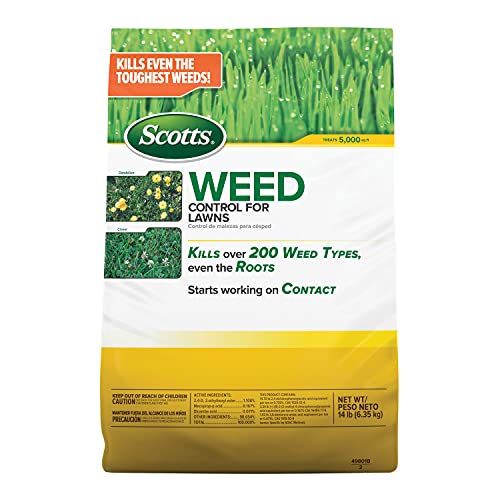
Scotts Weed Control for Lawns is a granular weed killer designed to tackle over 200 different broadleaf weeds, making it a versatile option for homeowners who want a lush, weed-free lawn. It's perfect for those who have a mix of common invaders like dandelion, clover, dollarweed, and even poison ivy. If you have Bermuda, Kentucky bluegrass, or other common grass types, this product is a solid choice. However, it's important to avoid using it on sensitive lawns like St. Augustine (Floratam), Dichondra, or Carpetgrass, as it can damage them.
The standout feature is its ability to start working on contact, which means you'll see results quickly as it kills weeds down to the root. The granular format makes application straightforward with a standard spreader, and one bag covers 5,000 square feet. For best results, apply in spring or early fall when weeds are actively growing. It's a practical, no-fuss solution that fits into a regular lawn care routine.
Build quality is typical of a granular product: the bag is sturdy and resealable if you need to store it. The yellow color is just a marker to help you see where you've applied it, but it fades quickly. One potential drawback is that it's not suitable for all grass types, so you need to check your lawn's variety before use. Also, while it works on contact, some weeds may need a second application for complete control, especially if they're mature.
Overall, Scotts Weed Control for Lawns is a reliable, effective option for most lawns. It's easy to use, covers a large area, and tackles a huge range of weeds. Just be sure to read the label to ensure it's safe for your grass type. For a straightforward weed killer that delivers on its promises, this is a great buy.

Pros
- Fast-acting visible results within 5 hours
- Kills more than 470 weed types including tough ones like crabgrass and nutsedge
- Ready-to-use - no mixing or measuring needed
- Targets roots for lasting control
- Safe for lawns when applied correctly
Cons
- May require multiple applications for deeply rooted or mature weeds
- Not suitable for use on edible gardens or flower beds - avoid overspray
- Some users may prefer a more natural or organic weed killer
The Spectracide Weed Stop For Lawns Plus Crabgrass Killer is a convenient, ready-to-use herbicide designed for homeowners who want to tackle weeds without harming their grass. With the ability to kill over 470 types of weeds including dandelion, chickweed, clover, crabgrass, and yellow nutsedge, this product is a broad-spectrum solution. It is ideal for those who need quick results and prefer a no-mix formula.
Standout features include a fast-acting formula that shows visible results in as little as 5 hours. This is a big plus when you're dealing with aggressive weeds that are taking over your lawn. The product works by killing the weed at the root, which helps prevent regrowth. The ready-to-use sprayer makes application straightforward - just attach a garden hose or use the included sprayer for spot treatment.
In terms of design and build quality, the 1-gallon container is sturdy and easy to handle. The label clearly lists the weeds controlled and application instructions. No mixing means no guesswork, and the sprayer produces a consistent stream. However, be careful with overspray on desirable plants or garden beds because this is a non-selective herbicide for lawns only.
One potential drawback is that for some stubborn or mature weeds, you might need a second application. Also, as a chemical herbicide, it may not appeal to those seeking organic alternatives. Always follow the directions for best results and to protect your lawn.
Overall, the Spectracide Weed Stop For Lawns Plus Crabgrass Killer is a solid choice for homeowners wanting an effective, easy-to-use weed killer. Its fast action and extensive weed coverage make it a dependable tool for lawn maintenance. Just be mindful of where you spray and consider your lawn's specific needs.
Size: 1 Gal (Pack of 1)
Dimensions: 4.5 x 7.45 x 12 inches
Product Group: Lawn & Patio
Binding: Tools & Home Improvement

Pros
- Kills a wide variety of broadleaf weeds without harming grass.
- Easy to apply with a garden hose and ready-to-spray design.
- Fast visible results and rainproof in just one hour.
- Large coverage area reduces the need for multiple treatments.
Cons
- May require multiple applications for stubborn or established weeds.
- Not suitable for all grass types; always check the label for compatibility.
- Some users may prefer a concentrate for more control over mixing ratios.
Ortho WeedClear Weed Killer for Lawns Ready-To-Spray is a practical solution for homeowners looking to tackle broadleaf weeds without damaging their grass. This 32-ounce container connects directly to your garden hose, making it easy to cover large areas. It targets over 250 common weeds including dandelions, clover, and poison ivy, while leaving your lawn intact when used as directed.
The standout feature here is convenience. You don't need to mix anything just attach the sprayer to your hose, slide the switch to on, and start spraying. The formula works quickly, with visible results often appearing within hours. It's also rainproof in just one hour after drying, so a little rain won't undo your work. Plus, once the spray dries, it's safe for people and pets to walk on the treated area.
Coverage is impressive for a ready-to-use product. One container treats up to 16,000 square feet for Southern lawns or 8,000 square feet for Northern lawns. That's enough for most average-sized yards. The three active ingredients work together to kill weeds down to the root, which helps prevent regrowth.
On the downside, some tough or deeply rooted weeds might need a second application. The product is also not suitable for all grass types, so it's important to check the label before use. If you prefer mixing your own concentrations, a concentrate might be a better fit, but for most people, the ready-to-spray format saves time and hassle.
Overall, Ortho WeedClear delivers on its promise. It's a straightforward, effective weed killer that protects your lawn while eliminating unwanted plants. For homeowners who want a no-fuss solution with broad coverage and fast results, this is a solid choice.

Pros
- No mixing required - just hook up to the hose and spray
- Quickly controls a wide range of common broadleaf weeds
- Lawn friendly formula protects your grass while killing weeds
- Rainproof within 24 hours for reliable performance
- Affordable price for the coverage area
Cons
- Not suitable for all grass types - check label for compatibility
- May require repeat applications for stubborn or mature weeds
- Ready to spray attachment can be less precise than a pump sprayer
The Spectracide Weed Stop For Lawns Concentrate (32 oz) is a straightforward weed killer designed for homeowners who want an easy, no-fuss solution. This ready-to-spray concentrate connects directly to your garden hose, eliminating the need for mixing or measuring. It's targeted at anyone dealing with broadleaf weeds like dandelions, clover, and plantain without wanting to damage their existing lawn.
One of the standout features is the convenience. Simply attach the bottle to your hose, turn on the water, and spray. The built-in measuring dial automatically mixes the right amount of concentrate, so you don't have to guess. It covers up to 2,000 square feet per bottle, making it ideal for small to medium lawns. Users report seeing results within hours, with weeds wilting and dying off quickly. The formula is rainproof within 24 hours, so you don't have to worry about a sudden shower ruining the application.
The build quality is typical for a hose-end sprayer the plastic bottle is sturdy enough for occasional use, but the sprayer mechanism can feel a bit flimsy over time. It's a trade off for the low price. The concentrate itself has a mild chemical odor during application, but it dissipates quickly after drying. One thing to note is that this product is not designed for all grass types - check the label to ensure it's safe for your specific lawn (e.g., St. Augustine or centipede grass may be sensitive).
Weed control is generally effective on young, actively growing weeds. Mature or deeply rooted weeds like poison ivy may need a second application after about two weeks. Since it's a broadleaf killer, it won't affect grassy weeds like crabgrass. For best results, apply when temperatures are between 60-80°F and no rain is expected within 24 hours.
Overall, the Spectracide Weed Stop For Lawns Concentrate is a solid, budget friendly choice for routine weed control. It's not the most heavy duty product on the market, but for quick spot treatments and general lawn maintenance, it gets the job done without complicating your weekend. If you have a typical lawn with common broadleaf weeds, this is a reliable option at an affordable price point.
Agronomic Timing Principles for Lawn Weed Control
Determining the right moment to treat unwanted turf vegetation depends heavily on the biological cycle of the target weeds and the growth stage of your lawn. Applying herbicides too early or too late wastes product and leaves turf susceptible to severe weed competition. Effective weed management requires synchronizing chemical applications with specific soil temperatures, active foliage growth phases, and moisture levels. A deliberate schedule shields desirable grass cultivars while eliminating weed pressure before invasive root systems compete for soil moisture and nutrients.
Soil Temperature Benchmarks for Spring Pre-Emergent Application
Spring pre-emergent herbicides function by creating a chemical barrier in the upper layer of soil that stops germinating weed seeds before shoots reach the surface. Products like Scotts Halts Crabgrass & Grassy Weed Preventer require application before soil temperatures consistently reach fifty-five degrees Fahrenheit at a depth of two to three inches. This temperature threshold typically triggers the germination of summer annual grassy weeds such as smooth and large crabgrass, foxtail, and goosegrass. Waiting until crabgrass is visibly growing across the turf means the pre-emergent window has closed, requiring post-emergent treatments instead.
Monitoring local soil temperatures using a standard soil probe provides significantly better precision than following calendar dates. Soil temperatures often lag behind ambient air temperatures by several days during early spring warm spells. A consecutive three-day trend of fifty-five-degree soil temperatures indicates that seed germination is imminent across residential lawns. Applying your pre-emergent barrier just before this window ensures the active chemical barrier binds to the soil particles before root emergence begins.
Watering requirements represent another critical timing detail when laying down pre-emergent granules in early spring. Granular preventers must be watered into the top layer of soil with roughly half an inch of rainfall or irrigation to activate the barrier. If the product remains dry on top of the lawn foliage, emerging seedlings can sprout beneath the granules completely unaffected. Applying pre-emergent formulations shortly before a gentle rain event saves irrigation effort and settles the protective barrier directly where weed seeds rest.
Targeting Active Foliar Growth with Post-Emergent Herbicides
Post-emergent herbicides work through systemic absorption into the foliage of actively growing weeds to disrupt their vascular systems and kill root structures. Sprays such as Ortho WeedClear Weed Killer for Lawns or Spectracide Weed Stop for Lawns Concentrate rely on direct contact with green leaf tissue. These products should be applied when problem weeds like dandelions, clover, dollarweed, and plantain are actively expanding their leaves in mild weather. Applying post-emergents during periods when weeds are dormant or severely drought-stressed leads to poor chemical uptake and disappointing control.
Ambient air temperatures directly dictate when post-emergent foliar sprays can be safely distributed without scorching desirable turfgrass. Ideal application conditions generally fall between sixty and eighty-five degrees Fahrenheit on calm, sunny mornings. When temperatures climb above eighty-five or ninety degrees Fahrenheit, selective herbicides can volatilize, causing foliar leaf burn on your desirable turf blades. Morning applications allow the spray droplets to dry thoroughly on weed leaves before intense midday sunlight and peak afternoon heat create thermal stress.
Mowing schedules also intersect closely with post-emergent application timing to maximize surface leaf absorption. Lawn owners should avoid mowing two days prior to spraying, allowing weeds to develop broad leaf surface area to capture the liquid herbicide. You should also wait at least two days after spraying before running the mower to give systemic active ingredients time to translocate downward to root systems. Premature clipping removes treated leaf tissue before the herbicide circulates into the root zone, allowing tough perennials to regenerate.
Fall Application Windows for Winter Annuals and Moss Prevention
Autumn represents an essential timing window for both pre-emergent prevention and broadleaf weed eradication. In early fall, cool-season broadleaf weeds like henbit, common chickweed, and poa annua begin their annual germination cycle as soil temperatures drop below seventy degrees. Applying a fall pre-emergent such as Scotts Halts prevents these winter annuals from taking hold and emerging during late winter warm spells. Fall treatments also provide valuable control against lawn moss before damp winter weather encourages dense spore spreading across thin turf.
Perennial broadleaf weeds like mature dandelions, wild violets, and ground ivy become exceptionally vulnerable to systemic post-emergent weed control during early to mid-autumn. As daylight shortens and cool air arrives, perennial plants actively pull carbohydrates and stored energy reserves downward from their leaves into their taproots. Applying a selective herbicide like Scotts Weed Control for Lawns during this storage phase transports the active ingredients deep into the root crowns. This biological translocation achieves superior root eradication compared to spring spot treatments, preventing weeds from re-emerging when warm weather returns.
When dealing with drought-damaged lawns entering the autumn season, property managers must stabilize turf hydration before introducing strong chemical controls. If your turf has suffered from heat dormancy, applying fertilizer for dry grass alongside consistent deep watering helps restore cellular turgor. Distributing heavy herbicides onto drought-stressed or wilted grass blades can cause severe chemical scorch and retard autumn recovery. Allowing the turf canopy to recover its green vigor ensures that desirable grass tolerates selective weed control products without thinning out.
Herbicide Delivery Formats: Granular Barriers versus Foliar Sprays
Selecting between granular products and liquid sprays influences not only application timing but also equipment preparation and soil conditions. Granular weed and feed products like Scotts Turf Builder WinterGuard Fall Weed & Feed3 demand application directly onto moist grass blades so the chemical dust sticks to weed foliage. Homeowners typically apply these granular products early in the morning while dew is still present on the turf canopy, or immediately after a light watering. If granules drop onto completely dry weed leaves, the active herbicide particles roll harmlessly onto the soil surface without penetrating the weed foliage.
Liquid concentrates and ready-to-spray hose-end bottles offer superior leaf coverage and faster absorption compared to dry granules. Ready-to-spray options like Scotts Liquid Turf Builder with Plus 2 Weed Control or Ortho WeedClear connect directly to a garden hose, mixing product automatically with water flow. Liquid droplets coat the leaf cuticles evenly, beginning cellular uptake within hours of contact. In contrast to granular broadleaf controls, foliar liquid applications require completely dry grass blades so that excess moisture does not dilute or run off the herbicide spray.
Spot treatments using ready-to-use sprayers, such as Spectracide Weed Stop For Lawns Plus Crabgrass Killer in a gallon jug, provide surgical precision for scattered invaders. Handheld trigger sprays reduce overall chemical volume by restricting herbicide distribution exclusively to visible weeds rather than covering entire lawn acreage. Spot treating is suitable for summer cleanups when broadcast spraying across the entire property would increase the risk of widespread lawn injury under high temperatures. Targeted application saves money, reduces chemical loads in the soil, and isolates treatment to problem zones.
Coordinating Weed Control with Fertilizer and Seeding Schedules
Balancing weed prevention with lawn renovation requires meticulous attention to seed germination intervals and fertilizer schedules. Standard pre-emergent barriers halt the cell division of all sprouting seeds, making no distinction between undesirable crabgrass and desirable turfgrass seed. If you plan to overseed your lawn in the fall or early spring, you must not apply non-selective pre-emergents within eight to twelve weeks prior to seeding. Failing to respect this chemical buffer will ruin grass seed germination and leave wide bare patches open to opportunistic weeds.
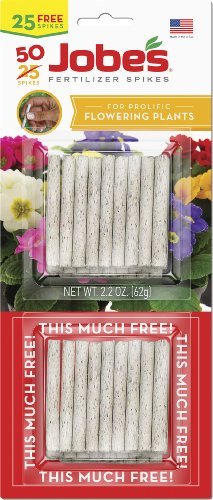
Combining fertilizers with post-emergent broadleaf herbicides requires careful timing relative to turf nutrient demands and active growth cycles. Products offering weed control alongside a nitrogen feeding supply nutrients that stimulate grass growth while simultaneously stressing broadleaf weeds. Applying nitrogen during extreme midsummer heat can encourage fungal disease development and rapid blade scorch, so combination weed-and-feed products perform best during moderate spring or autumn windows. Managing adjacent planting beds requires equal caution; dedicated fertilizers for flowering plants should be kept separate from turf weed killers to prevent ornamental root uptake.
Post-emergent treatments also demand a waiting period before introducing new grass seed to newly cleared turf areas. Most selective broadleaf sprays advise waiting between two and four weeks after chemical application before seeding down new grass varieties. This interval allows systemic chemicals inside the soil to degrade into harmless compounds that will not stunt delicate new grass seedlings. Check the specific product label carefully to confirm the required reseeding interval before initiating lawn renovation projects.
Turfgrass Species Sensitivities and Chemical Tolerances
Herbicide tolerance varies drastically between cool-season turf varieties and sensitive warm-season grass cultivars. Formulations safe for Kentucky bluegrass, perennial ryegrass, and tall fescue can inflict severe damage or death on southern lawns like St. Augustinegrass, centipedegrass, or carpetgrass. For example, Scotts Weed Control for Lawns clearly warns against application on Dichondra, carpetgrass, creeping bentgrass, and Floratam St. Augustinegrass. Applying an incompatible broadleaf product to sensitive southern cultivars can strip chlorophyll from grass stolons and produce extensive dead patches.
Southern lawn managers should look for species-tailored options like BioAdvanced Season Long Lawn Weed Killer + Preventer for Southern Lawns Granules. This specialized formulation provides up to six months of control against crabgrass and broadleaf weeds while maintaining safety for all St. Augustinegrass varieties, including Floratam, Bermudagrass, and Zoysia. Warm-season grasses exhibit higher sensitivity during spring transition periods when dormant turf awakens from winter rest. Applying strong herbicides during this green-up phase can disrupt new shoot development and prolong spring turf recovery.
Timing herbicide applications on warm-season lawns requires waiting until the turf has completed at least three regular seasonal mowings after winter dormancy. This verification step confirms that the root system is actively synthesizing energy and capable of processing mild chemical exposure without sustaining root stunting. Furthermore, calibrating spreaders according to exact bag square-footage ratings prevents localized hot spots where heavy chemical deposits could burn sensitive turf runners. Careful species verification prevents costly lawn replacement and preserves turf density throughout the growing season.
Weather Conditions, Rainfast Windows, and Environmental Safety
Meteorological patterns dictate the ultimate success or failure of any lawn weed control application. Applying foliar post-emergent sprays shortly before heavy downpours washes the active ingredients off target leaves before absorption occurs, wasting product and polluting runoff drains. Different formulations carry specific rainfast ratings that determine how long the chemical must dry before precipitation occurs. For example, Ortho WeedClear is rainproof in one hour upon drying, while Spectracide Weed Stop for Lawns Concentrate requires six hours, and its crabgrass killer variant requires three hours.
Wind speed and temperature represent additional critical environmental variables that lawn applicators must evaluate prior to starting spray equipment. Spraying liquid herbicides in winds exceeding five to ten miles per hour creates droplet drift that damages nearby non-target plants, garden vegetables, and ornamental shrubs. Calm morning hours typically present the lowest wind velocities and minimal thermal air turbulence, providing ideal spray conditions. Utilizing coarse spray nozzle settings rather than ultra-fine mists also reduces airborne drift and deposits droplets directly onto weed target foliage.
Applying lawn weed control also demands responsible environmental stewardship and strict adherence to label safety precautions for families and pets. Liquid herbicides require an uninterrupted drying window before people and domestic pets are permitted to re-enter treated turf areas. Granular preventers like BioAdvanced Season Long specify watering lightly twenty-four hours after spreading to drive active ingredients into the topsoil. Sweeping stray granules off hardscapes like driveways and sidewalks back into the turf prevents chemical runoff into local storm drains and protects surrounding watersheds.
Mastering proper application windows transforms lawn weed control from an unpredictable chore into an effective turf care program. Coordinating soil temperature tracking for spring pre-emergents with active growth conditions for post-emergent broadleaf sprays maximizes weed elimination while protecting grass health. Always consult the Guaranteed Analysis and detailed product label on formulas from Scotts, Spectracide, or BioAdvanced to confirm turf species clearance and watering instructions. Through disciplined timing, seasonal temperature observation, and careful application practices, you can achieve a dense lawn that naturally crowds out invasive weeds.






Write Your Review
No reviews yet. Be the first to share your experience!