


Backyard orchards often struggle to yield sweet, abundant crops when soil reserves become depleted after repeated growing seasons. Deciding what fertilizer for fruit trees suits your specific home orchard requires balancing primary macronutrients like nitrogen, phosphorus, and potassium alongside vital trace minerals. Fruit crops demand consistent nutrition to sustain spring leaf flush, encourage blossom retention, and fuel fruit expansion without producing excessive, weak foliage. Reviewing our guide on citrus tree fertilizer options highlights how different fruit species benefit from tailored microelements such as magnesium, iron, and calcium.
Selecting the appropriate plant food format depends heavily on your soil profile, tree age, and whether your trees grow in garden beds or patio containers. High-nitrogen blends push vegetative green growth, but trees entering bud development demand elevated phosphorus and potassium to encourage robust fruit set. Whether you prefer slow-release spikes that feed root zones over multiple months or water-soluble liquid concentrates for immediate uptake, matching the nutrient profile to tree phenology makes all the difference. Understanding these basic soil chemistry principles helps prevent common issues like blossom drop, leaf scorch, and stunted fruit production.

Pros
- Long-lasting feeding with just one application every 3 months
- Targeted nutrient blend addresses common deficiencies in citrus, avocado, and mango
- Microbial action supports root health and drought tolerance
- Simple application process for both in-ground and container plants
- Versatile enough for new or established trees
Cons
- Formulated only for citrus, avocado, and mango - not a general purpose fertilizer
- Requires regular watering to activate and maintain feeding
- Granular form may need to be worked into soil to be most effective
- Reapplication every 3 months may be frequent for some gardeners
The Miracle-Gro Shake 'N Feed Citrus, Avocado, Mango Plant Food is a targeted granular fertilizer designed to keep your fruit trees thriving throughout the growing season. It's ideal for anyone growing citrus, avocado, or mango trees in the ground or in containers, whether you're a seasoned gardener or just starting out. The product takes the guesswork out of feeding by providing a balanced blend of essential nutrients that release slowly over three months.
The standout feature is its custom nutrient profile. It includes extra potassium, magnesium, sulfur, and iron - elements that are often lacking in soil and cause leaf yellowing and poor fruit production. The added microbes help break down organic matter in the soil into plant-available nutrients, which in turn strengthens root systems and makes plants more water-efficient. This means healthier trees and better-tasting fruit with less effort.
Using it is straightforward. For in-ground trees, you shake the granules evenly around the drip line, work them into the top few inches of soil, and water. For container trees, mix into the soil at planting or sprinkle on the surface and lightly work in. The granules dissolve over time, feeding roots without the risk of burning when used as directed. The 4.5-pound bag covers a good number of trees, and the simple schedule of reapplying every three months means you don't have to think about it often.
On the downside, this product is not a one-size-fits-all fertilizer. It's formulated only for citrus, avocado, and mango, so if you have other fruit trees or ornamentals, you'll need a separate product. Also, it requires consistent watering to activate the slow-release process - dry spells could delay feeding. The granular form can sometimes clump if not stored properly, but that's not a common issue.
Overall, the Miracle-Gro Shake 'N Feed Citrus, Avocado, Mango Plant Food is a reliable, no-fuss solution for boosting the health and yield of your tropical fruit trees. With its three-month feeding window, targeted nutrients, and simple application, it earns a solid recommendation for anyone looking to simplify tree care without sacrificing results.
Brand: Miracle-Gro
Model Number: 1048291
Item Form: Granules
Item Weight: 4.5 pounds
NPK Ratio: 8-2-10
Coverage: Medium
Specific Uses: Plant Food for citrus, avocado, mango
Target Species: Citrus, avocado, mango trees
Application Frequency: Every 3 months

Pros
- Extremely concentrated - one small bottle goes a long way (up to 64 gallons of mixed solution)
- Noticeable results within 1-2 weeks, with rapid increase in blooms and fruit set
- Safe for edible crops with no harmful residues - made from naturally occurring substances
- Easy to use with clear instructions; suitable for both beginners and experienced gardeners
- Strengthens roots and improves disease resistance, reducing plant stress
Cons
- Not ideal for nitrogen-loving leafy greens like kale, lettuce, or spinach
- Some users report occasional packaging issues such as broken seals or underfilled bottles
- Requires careful measurement to avoid over-application; beginners should follow dilution exactly
The Farmer's Secret Fruit & Bloom Booster is a liquid fertilizer designed for home gardeners who want to maximize flowers and fruit production. It is a super concentrated formula that targets the flowering and fruiting stages of growth, making it ideal for tomatoes, peppers, citrus, roses, and other bloom-heavy plants. Whether you are growing vegetables in raised beds or tending to a flower garden, this booster helps your plants channel energy into the parts you care about most.
What sets this apart is its concentration: just one teaspoon per two gallons of water delivers a powerful boost of phosphorus and potassium. Users report seeing increased blooms within a week and larger fruit set over time. The liquid form is immediately available to plants, unlike slow-release granulars that can take weeks to break down. Real-world reviews consistently mention faster flowering and stronger stems, especially on cucumbers, tomatoes, and marigolds. The formula also strengthens roots, which helps plants absorb water and nutrients more efficiently.
The product comes in a sturdy 8-ounce bottle with a child-resistant cap. The liquid is clear and mixes easily with water with no clumping. Instructions are printed clearly on the label, and the FAQ section addresses common concerns like safety around pets and compatibility with different plants. Made in Kentucky, it reflects a commitment to quality and American manufacturing. The concentrate is shelf-stable for up to 10 years, so you can stock up without worry.
A few users have noted that the bottle may not be filled to the very top, though the amount of product inside is accurate. Also, this fertilizer is not recommended for leafy greens like kale or lettuce because it is low in nitrogen. Beginners need to follow the dilution ratio exactly to avoid waste, but the measurements are straightforward. Some customers have mentioned occasional packaging defects, such as broken seals, but these appear to be rare and the company addresses them promptly.
Overall, the Farmer's Secret Fruit & Bloom Booster is a reliable choice for any gardener looking to boost flowering and fruit yield. Its concentrated formula offers great value, and the results speak for themselves. It is especially effective for mid-late season feeding when plants need extra phosphorus and potassium. Highly recommended for anyone who wants bigger harvests and more vibrant blooms without complicated mixing or harsh chemicals.

Pros
- Highly concentrated: a little goes a long way, offering great value per application.
- Noticeable results: many users report bigger harvests, healthier foliage, and sweeter fruit within weeks.
- Easy to mix and apply, even for beginners, with clear instructions and no complicated steps.
- Safe formula made from naturally occurring substances, so fruit is safe to eat.
- Flexible application methods: soil drench, foliar spray, or use with irrigation systems.
Cons
- Some users may not see dramatic results immediately; consistent weekly application is key.
- The 8oz bottle may not be enough for large orchards or many mature trees; a larger size would be more convenient.
- A few reviews note limited effectiveness on certain trees or in poor growing conditions.
Farmer's Secret Fruit Tree Booster Fertilizer is a liquid concentrate designed to give your fruit trees the nutrients they need for vigorous growth and abundant harvests. This 8oz bottle packs a punch: just one teaspoon per gallon of water is enough to feed a mature tree for an entire season. The formula is phosphorus rich, which encourages strong root development and helps trees absorb more nutrients from the soil. It's an excellent choice for home gardeners who want a simple, effective way to boost their peach, apple, banana, or any other fruit tree.
The standout feature here is the concentration. Unlike many liquid fertilizers that are mostly water, Farmer's Secret delivers a potent mix of macronutrients (nitrogen, phosphorus, potassium) plus trace minerals like zinc and iron. This balanced nutrition supports not only fruit production but also overall tree health. Reviews from real users back this up: many report larger, sweeter fruit, greener leaves, and stronger branches after just a few applications. One reviewer saw their persimmon tree yield jump from 60 to 277 fruits in one season.
Using the booster is straightforward. You can apply it as a soil drench around the drip line or as a foliar spray in the morning or evening. It's safe for kids and pets once diluted, and it won't harm nearby plants. The liquid form is immediately available to trees, unlike granular fertilizers that can take time to break down. However, the 8oz bottle size might be limiting if you have a large orchard, and you'll need to apply weekly for best results.
No product is perfect. A small number of users didn't see the same dramatic improvements, possibly due to specific soil conditions or tree varieties. Also, the manufacturer recommends switching to a lower nitrogen formula once fruit starts to produce, though this booster still works throughout the growth cycle. For most home gardeners, these are minor trade-offs given the overall effectiveness and ease of use.
Verdict: Farmer's Secret Fruit Tree Booster is a reliable, high performance liquid fertilizer that delivers on its promises. If you want healthier trees and more fruit with minimal fuss, this is a solid investment. Just be prepared to stick with the weekly schedule and consider buying a larger bottle if you have many trees.
Brand: Farmer's Secret
Model Number: FS-fruittree8
Item Form: Liquid
Unit Count: 7.98 Fluid Ounces (8oz bottle)
Item Weight: 8 Ounces
Coverage: Full (1 tsp per gallon; up to 10 tsp per feeding for mature trees)
Target Species: Apple, Banana, Peach (and all fruit trees)
Mixing Ratio: 1 teaspoon per gallon of water
Specific Uses: Plant Growth, Fruit Production
Manufacturer: Farmer's Secret (Made in USA, blended in Kentucky)
Best Sellers Rank: #26 in Garden Fertilizers

Pros
- Extremely easy to apply with no mixing or cleanup required
- Slow-release formula provides consistent nutrition over time
- Works on a wide variety of fruit, citrus, and palm trees
- Highly rated by thousands of satisfied gardeners
- Twice-a-year schedule saves time and effort
Cons
- Some spikes may arrive cracked or break during insertion, especially in rocky soil
- Not ideal for very large trees that require more spikes per feeding
- Results can take a few weeks to become noticeable
The Miracle-Gro Fruit & Citrus Plant Food Spikes are a straightforward, no-fuss way to keep your fruit and citrus trees healthy and productive. Designed for apple, orange, lemon, lime, avocado, and even palm trees, these pre-measured spikes deliver a balanced 10-15-15 NPK formula directly to the root zone. The concept is simple: drive the spikes into the soft soil around your tree's dripline in early spring and again in mid-fall, and let the nutrients slowly release over time. This targeted approach means less waste and more efficient feeding compared to traditional granular fertilizers.
Real-world performance is impressive. Thousands of gardeners report greener leaves, stronger growth, and noticeably more fruit after switching to these spikes. One reviewer noted that their Meyer lemon tree perked up within weeks, producing a healthy flush of blooms and darker foliage. Another gardener in Nevada revived dying Austrian pines with these spikes, seeing brighter color and new growth. The convenience factor is huge: no mixing, no measuring, and no mess. Even for potted dwarf citrus trees, a single spike per container can make a visible difference. However, results aren't instant; you'll typically see changes over a few weeks as the spikes dissolve gradually.
Build quality is generally solid, though a few users have reported receiving spikes with cracks or that break when hammered into rocky soil. Using a rubber mallet or softening the ground first can help, but it's worth noting if your soil is hard or full of rocks. The spikes themselves are compact and easy to store, and the packaging includes a clear chart showing how many spikes to use based on trunk diameter. For most home orchards and backyard trees, this pack offers great value.
One honest drawback: if you have a very large tree, you may need multiple packs to cover the entire root zone. Also, while the formula is excellent for fruit and citrus, it's not a one-size-fits-all solution for every tree species. Stick to the recommended tree types for best results. A few reviewers mentioned that granular fertilizers can burn roots if not watered in properly, but these spikes eliminate that risk entirely.
Overall, the Miracle-Gro Fruit & Citrus Plant Food Spikes are a smart choice for anyone who wants an easy, effective feeding routine. Whether you're a beginner or a seasoned gardener, the twice-a-year schedule and consistent results make this a reliable addition to your tree care toolkit. With a stellar rating and overwhelmingly positive feedback, it's clear that this product delivers on its promise: more fruit, healthier trees, and less work for you.

Pros
- Consistently boosts fruit yields, as confirmed by multiple customer reviews
- Made from high-quality organic ingredients with no synthetic additives
- Simple to apply; just spread around the base and water in
- Works well for a wide range of fruit trees including apples, figs, and tropicals
- Long-lasting formula reduces need for frequent reapplication
Cons
- Powder form can be dusty; careful handling and application are recommended
- Some users may notice a mild organic odor, though it fades after watering
- Results may take a few weeks to become visible, especially on stressed trees
The Down To Earth Organic Fruit Tree Fertilizer is a specially formulated blend designed for home orchardists who want to feed their trees naturally. With an NPK ratio of 6-2-4 plus added calcium, this fertilizer targets the specific needs of fruit trees, from apples and pears to tropical varieties like mangos and figs. It's OMRI listed, meaning it meets strict organic standards, and it's made from ingredients like feather meal, fish bone meal, alfalfa meal, and kelp meal.
Real-world performance is impressive. Customers report dramatic improvements in tree health and fruit production. One reviewer noted that their guava tree went from a few fruits to buckets of guava after one application. Another saw a struggling crabapple tree rebound with lush leaves and abundant berries after two seasons. Many users highlight how easy it is to apply: just spread the powder around the drip line and water it in. The slow-release formula feeds trees steadily without burning roots.
The packaging is practical: a sturdy 5-pound box with clear instructions. The powder itself is fine but not excessively dusty; some users recommend wearing a mask if you're sensitive. As with any organic fertilizer, there is a natural earthy smell, but it dissipates after watering. The brand Down To Earth has been around since 1977, and their commitment to quality ingredients shows in the consistent results customers achieve.
There are a few drawbacks. The powder can clump if exposed to moisture, so be sure to store it in a cool, dry place. Also, because it's organic, you won't see instant results like with synthetic fertilizers; expect to wait a few weeks for the nutrients to become available. A handful of reviews mention the smell, but that's typical for any natural fertilizer.
Overall, Down To Earth Fruit Tree Fertilizer is a reliable, effective choice for organic gardeners. It delivers real results backed by hundreds of positive reviews. If you're looking for a natural way to boost your fruit crop and improve tree vitality, this product is well worth considering.

Pros
- Extremely concentrated - one bottle lasts an entire season for mature trees.
- Quick results reported: users see new growth and blossoms within weeks.
- Easy to mix and apply, no strong odor.
- Works for both soil application and foliar feeding.
- Backed by high customer ratings and many verified reviews showing significant yield increases.
Cons
- A small number of users reported no improvement or even tree death; proper dilution is critical to avoid over-fertilizing.
- May require switching to a lower-nitrogen formula once fruit starts to bud for best results (not included).
- Only one size (32oz) offered; larger bottles would be more convenient for big orchards.
If you grow fruit trees, you know the struggle of getting consistent, quality harvests. Farmer's Secret Fruit Tree Booster Fertilizer aims to simplify that. It's a super concentrated liquid formula rich in phosphorus and trace minerals like zinc and iron, designed to promote strong root development and heavy fruiting. The product is aimed at both beginner gardeners and experienced growers, and it works on a wide range of trees - from peach and apple to banana and citrus.
The standout here is the concentration. You only need one teaspoon per gallon of water, and a 32-ounce bottle makes up to 768 gallons of feed. Users rave about the results: one reviewer saw their persimmon tree jump from 60 to 277 fruits in one season. Others report stronger branches, deeper green leaves, and more blossoms within a few weeks. The formula is developed by professional agronomists, and it's safe for kids, pets, and edible fruit when used as directed.
Application is straightforward. You can pour the diluted mix around the drip line or spray it on the leaves during cooler times of day. It also works with most irrigation systems. One minor drawback: some users warn that over-application can harm trees, so stick to the recommended amounts. A few negative reviews mention tree death, but that's rare and likely due to misuse. Also, the manufacturer suggests switching to a lower-nitrogen fertilizer once fruit starts to form for optimal results, which is an extra step.
Overall, this is a solid, high-value fertilizer that delivers on its promises. It's easy to use, lasts a long time, and is backed by thousands of satisfied gardeners. If you want healthier trees and bigger harvests without complicated routines, Farmer's Secret Fruit Tree Booster is worth adding to your garden toolkit.

Pros
- Specifically formulated for lemon and citrus trees for targeted nutrition.
- Liquid form is easy to measure and mix into watering routines.
- Many users report visible improvement in leaf color and tree vigor within weeks.
- Affordable price point for an 8 oz bottle that covers multiple applications.
- Made in the USA with a focus on quality.
Cons
- Some users may not see immediate fruiting results; fruit production depends on tree age and other factors.
- A few customers reported minimal noticeable difference in their plants.
- Concentrated formula requires careful measuring to avoid over-fertilizing.
The TPS Nutrients Lemon Tree Fertilizer is a liquid plant food designed to meet the specific needs of lemon and citrus trees. Whether you are growing a single Meyer lemon on a sunny patio or managing a small backyard orchard, this fertilizer aims to provide balanced nutrition for stronger roots, healthier leaves, and more dependable fruit. It is made in the USA and comes in an 8 ounce bottle that mixes easily with water.
User reviews highlight the fertilizer's ability to revive struggling trees and boost overall vitality. Many customers report seeing greener, plumper leaves within a week or two of application. One reviewer successfully sprouted 12 lemon seeds and watched them thrive after using this product. Another noted that a potted Meyer lemon tree that had never produced many lemons suddenly flowered and started setting fruit. However, a few users mentioned that while their plants grew well, fruit production was not guaranteed, which is typical for citrus trees that need time to mature.
The liquid formula is straightforward to use. The recommended mixing ratio is 1:200, so a little goes a long way. It integrates seamlessly into regular watering schedules, making it convenient for both container and in-ground trees. The 8 ounce bottle is compact but sufficient for multiple feedings, offering good value for the price.
On the downside, a small number of reviewers did not observe any notable change in their plants. Results can vary based on tree health, age, growing conditions, and consistency of use. Over-fertilization is a risk if the instructions are not followed, so careful measuring is important.
Overall, the TPS Nutrients Lemon Tree Fertilizer is a solid choice for citrus enthusiasts who want a simple, effective way to support their trees. It delivers on its promise of promoting healthy growth and stronger roots, and many users have seen real improvements in their plants. While it may not instantly produce fruit, it provides the nutritional foundation needed for long term tree health and productivity. For anyone looking to give their lemon or citrus trees a reliable boost, this fertilizer is worth trying.


Pros
- Extremely concentrated: a little goes a long way, saving money and reducing waste.
- Easy to mix and apply with a watering can or sprayer, suitable for beginners and experts.
- Safe for edible crops: made from naturally occurring substances with no harmful residues.
- Versatile: can be used on flowers, fruits, vegetables, and even trees.
- Long shelf life (10 years) even after opening, so you can stock up without worry.
Cons
- No customer reviews yet, so real-world performance feedback is limited.
- Designed for mid to late growth stages; not ideal as a general all-purpose fertilizer for seedlings.
- Liquid form may require more frequent applications compared to slow-release granular options.
Farmer's Secret Fruit & Bloom Booster Fertilizer is a super concentrated liquid formula designed to push your plants into high gear when it comes to flowering and fruiting. With a high phosphorus and potassium content, this product targets the critical stages of bloom and fruit development. It's a great choice for gardeners who want to maximize yields from their vegetable patch, flower beds, or container plants. Whether you're growing tomatoes, roses, or citrus trees, this fertilizer promises to deliver noticeable results.
The standout feature here is the concentration: just one teaspoon per two gallons of water. That means a 16-ounce bottle goes a long way, making it both economical and convenient. You can apply it as a soil drench or as a foliar spray, and it's compatible with irrigation systems. The formula is built on a blend of macronutrients and trace minerals like zinc, iron, and calcium, which support overall plant health and disease resistance. The company says it's safe around kids and pets once diluted, which is a big plus for home gardeners.
In terms of design, the product comes in a simple, no-fuss bottle with clear mixing instructions. The liquid form means nutrients are immediately available to plants, unlike granular fertilizers that need time to break down. However, this also means you'll need to apply it every 1-2 weeks during the growing season. The timing is key: start using it as soon as plants begin to bud, and continue through harvest. It's made in the USA, specifically in Kentucky, which adds a nice touch of quality assurance.
One potential drawback is the lack of customer reviews at this point, so you're relying on the manufacturer's claims and the agronomist testing behind the formula. Also, this fertilizer is tailored for the mid-to-late growth cycle, so it's not a one-size-fits-all product for the entire season. If you're looking for a general all-purpose feed, you might need something else for early growth stages.
Overall, Farmer's Secret Fruit & Bloom Booster is a well-thought-out product for gardeners who want to boost their plants' flowering and fruiting potential. It's easy to use, highly concentrated, and backed by professional formulation. While it may not be the right choice for every stage of growth, it delivers where it counts: more blooms and bigger harvests. If you're ready to take your garden to the next level, this liquid booster is worth a try.
Essential Nutrition Principles for Backyard Fruit Trees
Determining what fertilizer for fruit trees will produce healthy harvests begins with understanding the specific nutritional demands of woody perennial crops. Fruit trees differ significantly from annual vegetables and lawn grasses because their root systems store carbohydrates and cycle nutrients across multiple years. Applying unbalanced formulas can easily spark excessive branch growth at the direct expense of blossom formation and fruit development. Providing the correct balance of primary macronutrients, secondary minerals, and trace elements guarantees that your home orchard remains productive year after year.
The Role of Macronutrients: Decoding N-P-K Ratios for Fruit Production
Nitrogen serves as the primary driver of vegetative vigor, fueling leaf expansion, shoot extension, and chlorophyll synthesis. Young non-bearing trees require steady nitrogen to establish sturdy scaffolding branches and a broad leafy canopy capable of capturing sunlight. However, mature bearing trees demand careful nitrogen regulation to prevent dense, tangled foliage that shades developing fruit. Excessive nitrogen can also prolong vegetative cycles late into autumn, leaving tender twigs vulnerable to early freeze injury.
Phosphorus plays a fundamental role in root expansion, energy transfer, and flower bud differentiation. Fruit trees require available phosphate during the early spring transition from dormancy into active bloom to support pollen viability and successful pollination. Formulations with elevated phosphorus concentrations help establish dense feeder root networks capable of drawing moisture and dissolved nutrients during heavy fruit load. Liquid bloom boosters often prioritize available phosphate to stimulate heavy blossoming across apples, peaches, and citrus cultivars.
Potassium regulates internal water pressure, activates essential plant enzymes, and drives sugar transport into ripening fruit. Adequate potassium availability directly influences fruit size, peel firmness, sweetness, and overall post-harvest storage longevity. Trees suffering from insufficient potassium frequently exhibit weak stems, small lackluster fruit, and scorched leaf margins under moderate summer heat. Applying balanced ratios ensures that fruit trees can handle drought stress while channeling carbohydrates directly into expanding fruit clusters.
Essential Secondary Nutrients and Trace Minerals for Orchard Health
Calcium and magnesium represent two indispensable secondary nutrients that maintain structural cell wall integrity and active photosynthetic capacity. Calcium deficiencies often manifest as internal browning, corky spots in pome fruits, or premature fruit drop during summer heat waves. Magnesium sits at the structural core of the chlorophyll molecule, meaning inadequate soil levels quickly lead to interveinal chlorosis on older leaves. Natural amendments like calcium carbonate, langbeinite, and fish bone meal provide gradual supplies of these critical elements without altering soil salinity.
Sulfur and iron are equally vital for maintaining robust metabolic activity and dark green foliage across diverse fruit varieties. Iron chlorosis frequently troubles citrus and stone fruits grown in alkaline soils where elevated pH locks up soluble iron compounds. Supplementing with sulfur gently moderates localized soil pH around feeder roots while iron additions prevent yellowing between leaf veins. Specialty formulas designed for citrus and avocado trees typically include chelated iron and sulfur to prevent severe seasonal chlorosis.
Trace elements such as zinc, boron, and manganese influence bloom retention, pollen tube elongation, and uniform fruit set. Boron deficiency often causes misshapen fruit and poor seed formation, while inadequate zinc leads to stunted leaves bunched at branch tips. Paying attention to complete guaranteed analysis labels ensures that your trees receive these micro-amendments alongside standard macronutrients. Balanced micronutrient profiles help fruit crops withstand variable weather patterns while sustaining steady annual yields.
Granular Meals, Liquid Concentrates, and Compressed Tree Spikes
Granular plant foods offer extended nutrient release by breaking down gradually in the top layers of garden soil. Gardeners typically scratch granular pellets into the top one to three inches of soil around the root zone and water them thoroughly. Formulations derived from natural meals provide steady feeding over several weeks as soil microorganisms decompose organic matter. This format remains exceptionally practical for feeding established orchard rows and large container trees without requiring weekly intervention.
Super-concentrated liquid fertilizers provide rapid nutrient uptake through both direct root drenching and foliar absorption. Water-soluble formulas dilute readily into watering cans or sprayers, delivering available nutrients immediately during critical stages like bud burst. Diluted liquids work particularly well for young trees establishing new root zones or container specimens where nutrient reserves wash out rapidly. Regular liquid applications every two to four weeks allow orchardists to adjust feeding intensity according to immediate plant vigor.
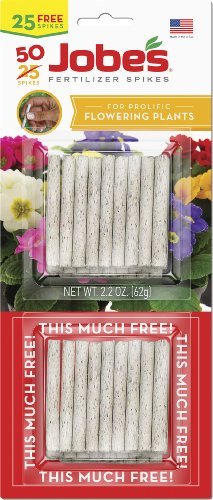
Solid spikes offer an efficient alternative by depositing concentrated nutrients directly below the soil surface along the drip line. Driving spikes into moist ground eliminates surface runoff, wind drift, and broadcast waste while targeting active sub-surface feeder roots. Consulting our fertilizer spikes guide explains how seasonal spike placement delivers consistent root-zone feeding with minimal maintenance effort. These slow-dissolving spikes keep nutrients in place during heavy rainstorms, providing continuous feeding for several months.
Organic Amendments Versus Synthetic Mineral Fertilizer Formulations
OMRI-listed organic fertilizers rely on natural plant, animal, and mineral sources such as feather meal, fish bone meal, alfalfa meal, and kelp. These organic components do not merely supply elemental nutrients; they nourish beneficial mycorrhizal fungi and soil bacteria that improve soil porosity. Organic meals break down slowly, which reduces the potential for nutrient leaching in sandy soils while sustaining balanced soil biological health. Many home growers favor organic blends like 6-2-4 or 3-5-5 for producing clean, resilient backyard fruit crops.
Synthetic fertilizers feature refined mineral salts that dissolve predictably in soil moisture to deliver precise N-P-K concentrations. These synthetic blends allow growers to quickly correct visible deficiencies or deliver measured bursts of nitrogen before seasonal growth surges. Because synthetic salts bypass microbial decomposition, nutrients become available almost immediately upon watering. However, excessive application of highly concentrated salts can build up in dry soils, requiring disciplined adherence to label application instructions.
Evaluating your native soil texture and environmental goals helps determine whether organic meals or synthetic minerals suit your yard. Sandy soils benefit substantially from organic meals that retain moisture and build organic matter, whereas heavy clay soils may respond well to precise liquid applications. Many successful growers adopt a hybrid approach by laying down organic composted meals in spring and supplementing with targeted bloom boosters during flowering. Choosing between organic and synthetic options ultimately depends on your management schedule and long-term soil enhancement goals.
Seasonal Timing: When and How Often to Feed Backyard Trees
Spring represents the most critical feeding window across virtually all deciduous and subtropical fruit varieties. As winter dormancy breaks and soil temperatures rise, root systems begin pulling nutrients upward to support swelling leaf and flower buds. Applying a balanced fertilizer during early bud break ensures that expanding shoots have immediate access to nitrogen and phosphorus. Skipping this early spring application can lead to sparse foliage, weak blossom stems, and poor initial fruit set.
Mid-season nutritional management requires careful observation of fruit load and current shoot growth. Trees carrying heavy crops benefit from moderate potassium and micronutrient supplements during early fruit swell to sustain steady fruit sizing. However, nitrogen applications should generally cease by mid-summer for deciduous stone fruits and pome fruits. Late summer nitrogen applications stimulate soft new shoot growth that cannot mature or harden off properly before freezing winter temperatures arrive.
Subtropical trees like citrus, avocados, and container-grown figs follow a slightly longer feeding schedule through late summer and early autumn. These evergreen fruit trees undergo multiple growth flushes and often carry mature fruit alongside newly emerging blossoms. Granular feeds designed for three-month intervals or bi-annual spikes applied in spring and mid-fall support continuous metabolic activity. Adapting your fertilization schedule to the specific dormancy cycles of your cultivars prevents cold damage and promotes sustained fruitfulness.
Application Mechanics: Drip Line Distribution and Root Zone Depth
Accurate fertilizer placement requires identifying the tree canopy drip line where feeder roots actively concentrate. The drip line corresponds to the outermost circumference of the branch canopy where rainwater naturally rolls off leaves onto the ground. Most active nutrient-absorbing root hairs reside in the top six to eighteen inches of soil directly beneath and just beyond this perimeter line. Spreading fertilizers evenly along this circular band ensures maximum root interception rather than wasting nutrients where roots cannot reach.
Broadcasting granular plant food requires scratching pellets lightly into the top inch of soil before watering the area thoroughly. Working granules below the surface shields organic ingredients from direct sun exposure and prevents surface runoff during intense rainstorms. When installing solid spikes, drive each unit flush with or slightly below the soil surface using a rubber mallet at least three feet apart. Immediate watering dissolves localized mineral pockets, helping feeder roots absorb nutrients without suffering osmotic salt damage.
Container-grown fruit trees require distinct application techniques due to restricted soil volume and frequent irrigation cycles. Patio pots experience rapid nutrient leaching from daily watering, meaning potted trees often require smaller, more frequent fertilizer applications. Applying diluted liquid food or top-dressing with a gentle granular blend every few weeks maintains steady soil fertility without burning root tips. Ensuring proper container drainage prevents mineral salt accumulation that could otherwise hinder water absorption.
Avoiding Common Mistakes: Trunk Placement, Over-Feeding, and Soil pH
Piling fertilizer directly against the tree trunk represents one of the most frequent and damaging application mistakes made by home orchardists. Fertilizer salts resting against tender bark cause chemical burns and trap moisture, inviting fungal cankers and collar rot pathogens. Always keep plant food at least twelve to eighteen inches away from the main trunk on young trees, expanding that distance as trees mature. Concentrating nutrients where fine feeder roots grow protects trunk tissue while maximizing nutritional efficiency.
Over-fertilizing with high-nitrogen formulas often produces an impressive flush of dark green leaves but severely reduces fruit production. Excessive vegetative growth diverts carbohydrates away from flower bud development, causing blossom drop or biennial bearing cycles where trees crop only every other year. Dense, tender canopies also become prime targets for sap-sucking insects like aphids, scales, and spider mites. Following manufacturer dosage guidelines and adjusting rates to tree growth rates prevents these common nutritional imbalances.
Ignoring baseline soil pH can render even premium fruit tree fertilizers ineffective due to chemical nutrient lockup. Soils with extreme acidity or high alkalinity lock up essential phosphorus, iron, and trace minerals regardless of how much plant food you spread. Reviewing detailed resources on fertilizers for flowering plants underscores how proper soil balance and root health govern successful blossom retention. Conducting a routine soil test every two to three seasons allows you to adjust soil pH with lime or sulfur before applying fertilizers.
Selecting the right fertilizer regimen for your backyard orchard transforms ordinary trees into reliable producers of delicious homegrown fruit. Balancing primary macronutrients with essential trace minerals and timing applications to match natural spring emergence ensures steady vegetative structure and generous harvests. Whether you prefer slow-release organic meals, deep-root spikes, or concentrated liquid boosters, consistent and thoughtful feeding practices protect long-term tree vitality. Observing your trees throughout the season and adjusting nutrient inputs to soil conditions guarantees sweet, abundant fruit for years to come.




Write Your Review
No reviews yet. Be the first to share your experience!