


Selecting a drought-resilient flowering shrub often leads property owners to consider evergreen hedging options that deliver continuous warm-season color. Anyone exploring botanical options for sunny borders or perimeter screens will likely ask, what is an oleander plant and where does it thrive best? Known botanically as Nerium oleander, this robust Mediterranean native forms dense woody branches lined with leathery, lance-shaped foliage and vibrant flower clusters. When planning a boundary planting alongside other landscape choices, checking timing flowering shrubs outdoors helps ensure young specimens settle during optimal seasonal windows.
While its exceptional heat tolerance, salt resistance, and long-lasting floral display make it a staple in coastal and southern landscapes, its chemical makeup demands careful placement. Every part of the shrub contains cardiac glycosides, which makes plant toxicity and handling safety a vital concern for households with pets or children. Understanding its mature footprint, growth habits, and maintenance requirements allows gardeners to evaluate whether this classic shrub matches their landscape goals without compromising safety.




A Detailed Guide to Nerium Oleander: Characteristics, Care, and Landscape Uses
An oleander plant, classified botanically as Nerium oleander, is a vigorous evergreen flowering shrub native to rocky stream beds and coastal slopes across the Mediterranean basin, northern Africa, and southern Asia. Gardeners recognize it by its multi-stemmed structure, thick lance-shaped foliage, and showy clusters of funnel-form flowers that bloom continuously from late spring into autumn. It belongs to the Apocynaceae family, commonly called the dogbane family, alongside tropical plants that feature milky, latex-filled vascular systems. Across warm-temperate and subtropical regions worldwide, property owners value this species for its remarkable ability to withstand extreme heat, prolonged drought, poor soil, and intense urban pollution. Evaluating what is an oleander plant requires examining its structural characteristics, site requirements, cultivar diversity, and proper safety measures.
Botanical Identity and Structural Characteristics
The vegetative structure of Nerium oleander develops around dense clusters of flexible, erect canes that emerge directly from the root crown. Young stems display a smooth, pale greenish-grey bark that gradually turns furrowed and dull brown as the wood matures over several growing seasons. Its leaves are thick, leathery, and narrowly lanceolate, generally reaching between four and eight inches in length and under an inch in width. A prominent pale midrib runs down the center of each leaf, connecting a network of fine parallel veins that channel moisture efficiently through the blade.
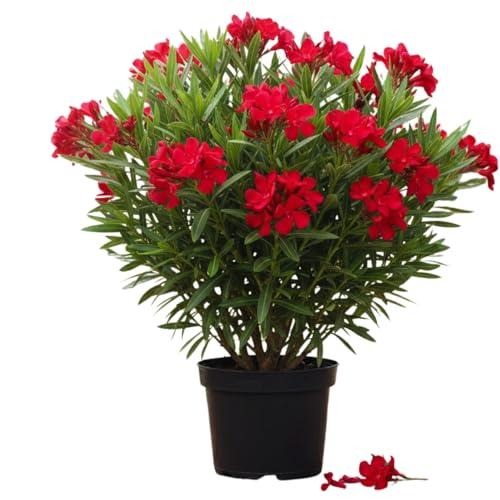
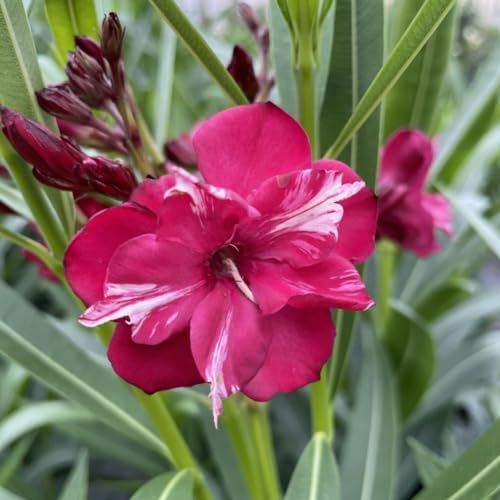
Foliage typically grows in opposite pairs or in whorled arrangements of three along the branches, creating a rich visual texture that remains green year-round. The upper leaf surface possesses a waxy cuticle that reflects harsh sunlight and limits moisture loss through transpiration during hot summer afternoons. Blossoms emerge at the tips of primary and lateral branches in rounded terminal cymes that can span several inches across. Each individual flower features a narrow floral tube opening into five flaring lobes that create a distinct pinwheel appearance in shades of red, pink, white, and salmon.
Growth Habits, Sizing, and Cultivar Distinctions
Standard oleander varieties exhibit rapid, vigorous growth that easily attains heights between ten and twenty feet under favorable environmental conditions. These full-sized shrubs produce broad, spreading canopies that can extend ten to fifteen feet across if left unpruned. Because branches arch outward under their own weight as they lengthen, unmanaged shrubs form massive, rounded thickets that block wind and visual intrusion. In mild climates, gardeners can also train standard shrubs into small, multi-trunk patio trees by clearing lower suckers and elevating the main canopy.
Compact and dwarf selections provide practical options for residential landscapes where vertical clearance or bed width is restricted. Popular dwarf cultivars such as ‘Petite Pink’ or compact red selections rarely exceed three to six feet in mature height and spread. These smaller varieties feature shortened internodes between leaves, resulting in a denser, neater mound of foliage that requires minimal structural pruning. Their restrained root system and compact dimensions also make them well suited for planting in large decorative containers placed around terraces and swimming pools.
Growing Requirements: Sunlight, Soil, and Climate Zones
Full, unfiltered sunlight is essential for oleander to maintain sturdy branch structures and develop heavy bud sets throughout the summer. Plants should receive a minimum of six to eight hours of direct sun daily to perform at their full flowering potential. When placed in partial shade, branches stretch outward in search of light, resulting in loose, spindly growth and significantly fewer floral clusters. Locating shrubs along reflective south-facing walls or open western exposures provides the intense radiant warmth they prefer.
Soil tolerance is exceptionally wide, allowing oleander to grow in soils where many ornamental plants struggle to survive. It tolerates coarse sand, heavy clay, rocky ground, and soils with poor organic content without showing signs of chlorosis. The plant thrives across a broad pH spectrum ranging from acidic soils near 5.5 to alkaline conditions exceeding 8.0. The primary soil requirement is decent drainage, as persistent standing water around the root collar can lead to root suffocation and crown rot.
Cold tolerance dictates where oleander can reliably overwinter in the ground, with established plants hardy throughout USDA Zones 8 through 11. Mature bushes can withstand short-term dips down to fifteen or twenty degrees Fahrenheit, although tender branch tips and leaves will sustain cosmetic frost damage. Sustained sub-freezing temperatures below fifteen degrees may kill top growth completely down to the ground, but healthy root systems often send up fresh shoots once soil warms in spring. Gardeners in Zones 7 and colder typically maintain oleander in movable planters that can spend winter in a bright, unheated garage or greenhouse.
Landscape Roles, Hedging, and Container Culture
Durable evergreen foliage and fast branch development make oleander a premier candidate for functional boundary screens. Much like homeowners who research establishing dense evergreen hedges to shield their backyards, gardeners in warm regions plant oleander rows to block street noise and unsightly views. When planted four to six feet apart, standard cultivars merge into an impenetrable green wall within two to three seasons. The thick hedge filters highway dust, dampens suburban noise, and acts as an effective wind barrier against seasonal gusts.
Remarkable tolerance to environmental pollutants and salt spray expands oleander’s usefulness into challenging municipal and coastal environments. Coastal property owners plant it along secondary dunes where airborne salt and sandy winds quickly defoliate less resilient garden shrubs. Container cultivation provides additional flexibility for patios, pool surrounds, and paved courtyards where in-ground planting is impractical. Large resin or terracotta pots with drainage holes allow dwarf or moderately sized specimens to flourish near entertaining areas, provided the soil receives regular moisture during dry summer heat waves.
Toxicity Profiles, Handling Protocols, and Household Safety
Every portion of the oleander plant carries high concentrations of toxic cardiac glycosides, with oleandrin representing the primary compound of clinical concern. These biochemical agents disrupt the cellular sodium-potassium balance in muscle tissues, directly affecting heart function and gastrointestinal stability. Ingesting foliage, stems, or flowers can cause nausea, abdominal cramping, irregular heartbeat, and potentially fatal cardiovascular collapse. Domestic pets, backyard poultry, and large grazing animals face severe poisoning risks if they chew or ingest fallen leaves, meaning property owners should never install oleander near pastures or pet runs.
Safe handling routines must be observed whenever performing maintenance, pruning, or potting chores around oleander. The shrub’s clear sap contains chemical irritants that can cause contact dermatitis, skin rashes, and eye inflammation upon accidental exposure. Gardeners should wear thick protective gloves, long work pants, and safety glasses when handling branches or operating hedge trimmers. Clipped branches must never be burned in burn piles or fire pits, as toxic compounds vaporize into the smoke and can cause severe lung inflammation if inhaled.
Available Plant Formats and Establishment Methods
Commercial nurseries supply oleander in various market formats depending on a buyer’s project scope and budget. Options range from affordable packets of seed and rooted starter plugs in 2.5-inch nursery cubes to fully branched three-gallon containers. Starter plugs offer an economical solution for property owners who need to plant hundreds of feet of boundary hedge and have time to nurture small plants. One-gallon and three-gallon pots cost more per plant but offer well-developed root balls that establish quickly and bloom during their first season in the ground.
Propagating oleander through stem cuttings allows home gardeners to duplicate favored flower colors without purchasing new stock. Semi-hardwood cuttings taken during midsummer root readily when placed in coarse sand, perlite, or clean aerated water kept in a warm location. Gardeners familiar with rooting plant cuttings will find that oleander stems develop vigorous water roots within three to four weeks. Once root systems reach two inches in length, transferring cuttings into small pots filled with potting mix prepares them for garden planting.
Watering Schedules, Soil Nutrition, and Routine Care
Watering needs shift dramatically between the initial planting phase and the long-term maintenance of established oleander shrubs. Newly installed container plants or starter cubes require regular soaking once or twice weekly during their first growing season to encourage roots to venture into surrounding native soil. Soil around young root balls should remain lightly moist without becoming waterlogged or soggy. Once a shrub establishes an extensive root network after twelve to eighteen months, it can withstand weeks of summer drought without showing leaf wilt.
Fertilizer applications should remain conservative because oleanders naturally thrive in nutrient-lean soils. A single application of balanced, slow-release granular fertilizer in early spring provides sufficient nutrients to fuel fresh seasonal growth and flower development. Gardeners should avoid fertilizers with excessive nitrogen content, which stimulate rapid, soft vegetative growth that makes branches weak and droopy. Excessive nitrogen also makes the tender new leaves far more appealing to sap-sucking pests like aphids and oleander caterpillars.
Pruning Schedules, Structural Shaping, and Rejuvenation
Timing pruning work correctly ensures that flower displays remain abundant throughout the summer months. Because oleander sets its flower buds on new wood produced during the current growing season, pruning is best completed in late winter or early spring before fresh shoots emerge. Cutting back branch tips stimulates lateral buds below the cut, creating multiple branching stems that will each terminate in flower clusters. Trimming in late autumn should be avoided, as it can stimulate tender new growth that easily freezes during early winter cold snaps.
Routine maintenance pruning involves removing dead, crossing, or weak branches to maintain an open canopy structure. Thinning out one-third of the oldest, thickest canes near ground level every two or three years encourages continuous renewal from the crown. Removing spent flower stems, or deadheading, diverts the plant’s energy away from seed pod production and encourages another flush of buds. Overgrown or frost-damaged shrubs respond remarkably well to hard rejuvenation pruning in early spring, quickly sending up vigorous new shoots that rebuild the canopy within a single season.
Common Pests, Pathogens, and Foliar Disorders
The oleander caterpillar (Syntomeida epilais) is the most notorious pest affecting plantings across Florida, the Gulf Coast, and southern states. These bright orange caterpillars with tufts of black hair feed voraciously in colonies, stripping foliage down to leaf midribs within a matter of days. While healthy mature plants usually survive defoliation and produce fresh leaves, repeated attacks can weaken young shrubs. Hand-picking small infestations while wearing gloves or applying a biological spray containing Bacillus thuringiensis controls caterpillar populations without harming beneficial garden insects.
Aphids and scale insects occasionally gather on tender new shoots, secreting honeydew that encourages black sooty mold fungus. In parts of California and the Southwest, the bacterium Xylella fastidiosa, transmitted by sharpshooter insects, causes oleander leaf scorch, a fatal vascular condition with no known cure. Infected plants display characteristic yellowing and browning along leaf margins, followed by branch dieback and eventual plant death over several seasons. Because there is no chemical cure for oleander leaf scorch, infected shrubs must be removed promptly to prevent the disease from spreading to adjacent plantings.
Decision Factors for Homeowners and Landscape Planners
Deciding whether to add oleander to your landscape involves weighing its exceptional resilience against its biological toxicity. If you need a fast-growing, evergreen boundary screen for a hot, dry, sun-drenched site where poor soil or road salt challenges other plants, oleander provides outstanding performance. Its long blooming season, pest resistance, and drought tolerance make it one of the most reliable flowering shrubs for southern landscapes. However, in gardens shared with young children, playful dogs, or grazing animals, planting nontoxic alternatives like crape myrtle, viburnum, or hibiscus provides peace of mind.
When planning your purchase, verify whether your available space can accommodate a twenty-foot standard shrub or if a dwarf cultivar like ‘Petite Pink’ fits your landscape dimensions better. Ensure that your local USDA hardiness zone supports winter survival, or prepare to grow compact selections in movable patio containers that can shelter indoors. By matching the right cultivar to your specific site conditions and practicing informed safety habits, you can take full advantage of this classic, sun-loving Mediterranean ornamental.


Write Your Review
No reviews yet. Be the first to share your experience!