
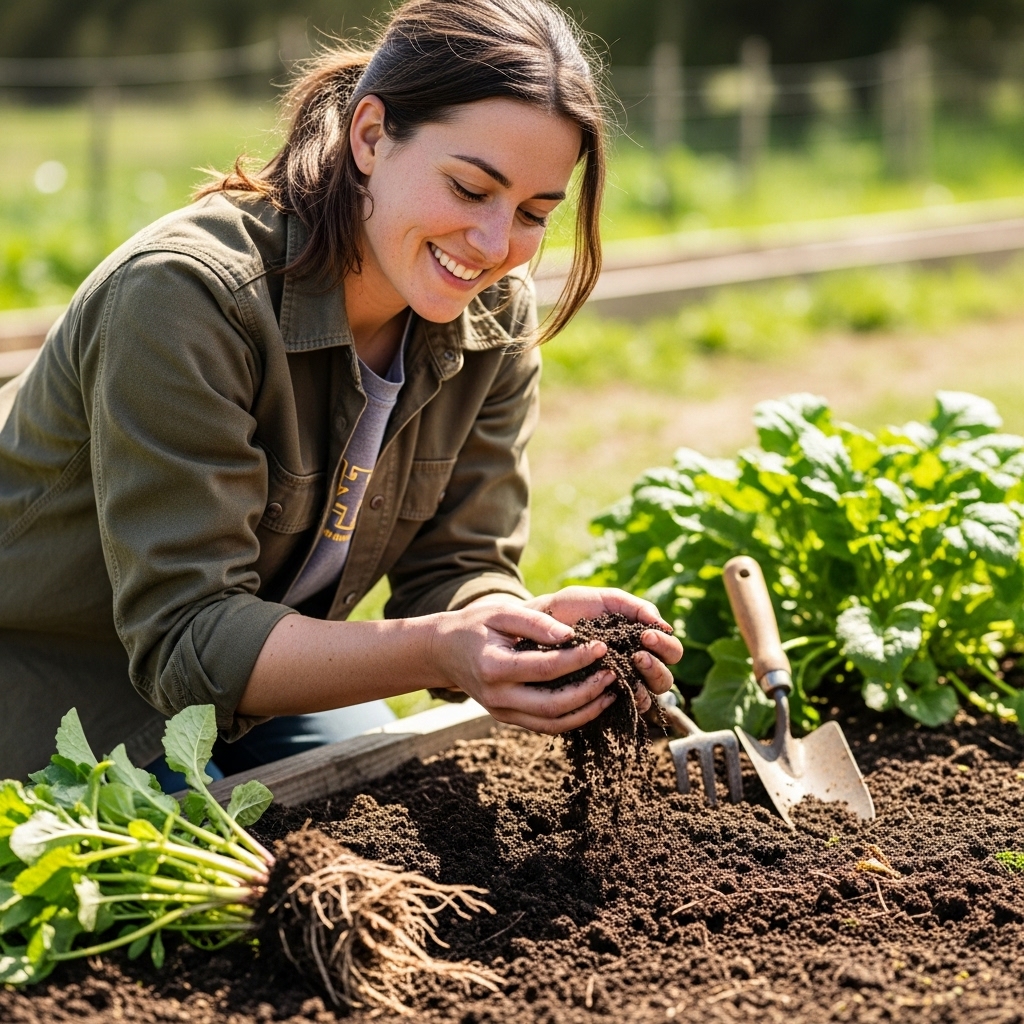

Fresh herbal tea begins long before boiling water meets a mug, starting right in the garden bed or patio container where aromatic herbs flourish. Learning how to make chamomile tea from plant allows gardeners to turn small daisy-like blossoms into a soothing, fragrant herbal infusion without relying on commercial teabags. Fresh chamomile offers a noticeably brighter, slightly apple-scented profile compared to commercial packaged varieties that may have sat on store shelves for months. Bringing this homegrown herb into your kitchen requires an understanding of blossom maturity, gentle harvest techniques, and proper infusion times.
Home tea cultivation also pairs naturally with broader garden planning, whether you tuck herbs alongside vegetables in companion planting arrangements or cultivate dedicated raised herb borders. Because chamomile produces continuous waves of flowers throughout its peak growing season, regular harvesting actually encourages the plant to yield even more floral heads. Knowing exactly which parts of the plant to pick, how to inspect them for garden debris, and whether to brew them fresh or dried ensures every cup delivers pure herbal flavor. With a few basic harvesting habits, any home grower can enjoy a steady supply of homegrown herbal tea from spring through late summer.




Mastering Homegrown Chamomile: Harvesting, Preparing, and Brewing Fresh Herbal Tea
Making tea directly from a live chamomile plant requires three essential phases: harvesting open flowers at peak maturity, cleaning the delicate blossoms, and steeping them gently in hot water. Unlike commercial teabags that often contain pulverized fannings, whole homegrown blooms preserve their volatile aromatic oils for a crisp, floral taste. The process works equally well whether you brew immediate fresh cuttings or preserve the harvest for pantry storage. Understanding how to handle these fragile botanical heads ensures you capture maximum aroma while preventing unwanted bitterness.
Identifying German vs. Roman Chamomile for Brewing
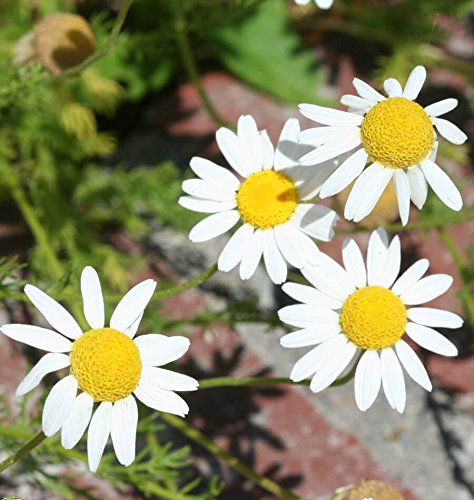
Confirming the botanical variety growing in your garden is the first step toward brewing enjoyable tea. German chamomile, known botanically as Matricaria chamomilla, is the primary annual species favored for tea production worldwide. It features feathery foliage, upright growth reaching up to two feet tall, and hollow flower receptacles beneath white petals. This annual variety delivers a smooth, naturally sweet flavor with distinct notes of crisp green apple.
Roman chamomile, classified as Chamaemelum nobile, is a low-growing perennial ground cover with a different culinary profile. While it produces similar daisy-like blossoms, the flowers feature solid central cones rather than hollow centers. Roman chamomile contains higher concentrations of bitter compounds that can create a sharper, more medicinal cup of tea if steeped carelessly. Many gardeners prefer Roman varieties for fragrant garden pathways, reserving German chamomile specifically for beverage infusions and drying.
Checking the interior structure of your blossoms before harvesting prevents surprises in your cup. Slicing a fresh flower head lengthwise reveals whether the central dome is hollow or solid. German chamomile blossoms display a distinct air pocket inside the yellow cone, whereas Roman chamomile heads remain dense and solid. Selecting the correct botanical variety ensures your harvested tea maintains the light, soothing taste associated with traditional chamomile.
Optimal Harvesting Stages and Daily Timing
Timing your harvest directly influences both the flavor strength and volatile oil content of your chamomile tea. The optimal moment to gather blossoms occurs when the white outer petals sit completely flat and horizontal around the bright yellow central cone. At this stage of development, the essential oils within the disk florets have reached peak concentration without developing sharp tannins. Waiting until flowers pass this prime stage can result in bitter notes and seed-heavy brews.
Blossoms picked too late often display drooping white petals, while their central yellow cones dome upward. These overmature blooms redirect energy into seed production, which alters delicate aromatic oils. Similarly, picking tight, unopened buds results in a weak, grassy flavor that lacks classic chamomile character. Inspecting plants every few days lets you harvest blooms at peak maturity.
Daily timing also plays a significant role in preserving botanical flavor. The best time of day to pick chamomile blossoms is mid-morning, right after morning dew has evaporated but before intense midday heat warms the garden. Warm afternoon sun causes delicate floral oils to dissipate into the air, reducing the overall fragrance of your tea. Gathering dry flowers in the morning also simplifies cleaning and prevents premature mold growth during preparation.
Plucking Techniques and Field Collection
Harvesting chamomile requires a gentle touch because the stems are fibrous while the blossom heads separate easily. The simplest technique involves sliding two fingers beneath the flower head like a small comb and popping the blossom upward with your thumb. The flower head should snap cleanly away from the stem right at the base of the calyx. Leaving stems and foliage on the plant keeps your brew clear of woody textures and vegetal bitterness.
Gardeners tending large patches often utilize a specialized handheld berry comb or chamomile rake to speed up collection. These tools slide under mature blossoms, capturing the heads between narrow tines while leaving stems and immature buds intact on the plant. If you only manage a few container plants or a small raised bed, hand-pinching remains the cleanest and most precise harvesting method. Hand-plucking also allows you to leave smaller buds to open for subsequent pickings throughout the week.
Collect harvested blossoms in a shallow basket or cloth-lined tray rather than a deep plastic bag. Packing freshly cut blooms into plastic traps heat and moisture, which quickly causes delicate petals to bruise and brown. Keeping flower heads in a loose, breathable layer preserves their structural integrity on the way to the kitchen. This mindful handling ensures petals stay clean and aromatic oils remain intact.
Cleaning, Inspecting, and Preparing Fresh Flowers
Outdoor gardens naturally host minute insects, pollen dust, and garden soil that should be removed before steeping your harvest. Begin by spreading your freshly gathered chamomile flowers across a clean, light-colored kitchen towel or baking sheet. Allow the blooms to rest undisturbed in a shaded room for ten to fifteen minutes. This brief pause encourages any tiny thrips, aphids, or garden gnats to crawl away from the flowers and onto the open towel.
Deciding whether to rinse fresh chamomile depends on your garden environment. If your garden is clean and free of dust, gentle dry-brushing avoids washing away water-soluble pollen and delicate nectar. However, if plants collected soil particles during rainstorms, submerging flower heads briefly in cold water loosens trapped grit. Swirl the blossoms gently for just a few seconds without crushing them.
Lift the rinsed blossoms out of the water using a slotted spoon, leaving settled soil particles behind at the bottom of the bowl. Transfer the damp flowers immediately onto clean cotton towels, spreading them in a single layer. Pat the tops gently to absorb exterior droplets without dislodging the white petals. Removing surface moisture quickly is critical whether you intend to brew immediately or transition the blossoms into a drying setup.
Brewing Chamomile Tea from Freshly Picked Blooms
Brewing fresh chamomile flowers delivers an extraordinarily lively, sweet taste that dried blossoms cannot fully replicate. Because fresh floral tissue contains substantial water weight, you need a larger volume of fresh blossoms than you would use with dried tea. Measure approximately three to four level tablespoons of freshly picked, whole chamomile heads for every eight ounces of water. Place the rinsed blooms directly into a pre-warmed ceramic mug, a glass teapot, or a stainless steel tea infuser basket.
Water temperature directly dictates extraction quality. Bring fresh, filtered water to a rolling boil, and then remove the kettle from heat for sixty seconds so the temperature drops to roughly two hundred degrees Fahrenheit. Pouring violently boiling water over delicate fresh flowers can scorch volatile floral oils, producing a flat, slightly bitter taste. Gently pour hot water over the blossoms until all heads are submerged.
Cover your teapot or mug with a saucer or lid immediately after pouring the hot water. Keeping the steeping vessel tightly covered prevents aromatic essential oils from escaping into the room with rising steam. Allow the fresh blossoms to steep undisturbed for four to five minutes before uncovering. Strain the liquid through a fine-mesh sieve to remove every flower head, and enjoy the pale golden tea while it remains pleasantly warm.
Dehydrating and Storing Chamomile for the Pantry
Drying your garden harvest allows you to enjoy homegrown chamomile tea throughout autumn and winter months long after frost arrives. The traditional air-drying method works exceptionally well in warm rooms with low humidity and steady air circulation. Spread your cleaned blossoms across mesh drying screens, wooden herb racks, or unbleached parchment paper in a single layer. Keep drying trays away from direct sunlight, which can bleach floral pigments and degrade delicate flavor compounds.
Gardeners in humid climates often rely on electric food dehydrators to prevent mold during drying. Set your dehydrator to its lowest temperature setting, ideally between ninety-five and one hundred and five degrees Fahrenheit. Excessive heat cooks blossoms rather than dehydrating them, robbing tea of crisp apple undertones. The dehydration process typically takes eight to sixteen hours depending on ambient indoor moisture.
You can verify complete dryness by pressing the thick yellow center of several large flower heads between your fingertips. The blossom should feel completely brittle and crumble readily without yielding any soft, spongy sensation. Even slight residual moisture inside the dense central receptacle can cause an entire jar of stored chamomile to develop mildew. Once completely dry, transfer the intact heads into airtight glass jars and store them in a dark kitchen pantry away from heat sources.
Brewing with Dried Blossoms and Flavor Pairings
Brewing with properly dehydrated blossoms requires smaller botanical measurements because moisture loss concentrates the floral flavor. Use one to two teaspoons of dried whole flower heads for every eight ounces of boiling water. Keeping the dried blossoms whole until brewing preserves their volatile oils far better than crushing them ahead of time. You can crush the dried heads lightly between your fingers right before dropping them into your infuser to release their aromatic essence.
Allow dried chamomile to steep for five to seven minutes in a covered mug, which provides sufficient time for hot water to rehydrate dense floral cones. The resulting tea typically exhibits a deeper amber hue and a richer, slightly earthier profile than fresh infusions. Understanding extraction times helps gardeners master botanical beverages, much like exploring methods for rooting garden trimmings deepens practical plant knowledge. Taking notes on steeping times helps you dial in your personal preference between a light floral cup and a deeper herbal tonic.
Chamomile pairs seamlessly with natural garden additions and pantry staples. A half-teaspoon of raw honey balances earthy notes, highlighting the natural honey-apple fragrance of German chamomile. Adding a thin slice of fresh lemon introduces citric brightness without overpowering the subtle floral base. Fresh spearmint leaves or lavender buds harvested from your garden can also steep alongside the blossoms for a custom blend.
Growing and Sourcing Chamomile for Ongoing Tea Harvests
Maintaining an abundant supply of fresh chamomile blooms throughout the growing season depends on providing appropriate environmental conditions. German chamomile thrives best in full sun, requiring at least six hours of direct sunlight daily to produce abundant flower buds. The plants tolerate poor to average soil fertility, and over-fertilizing with nitrogen actually reduces floral yields while producing excessive leafy foliage. Well-draining soil prevents root rot, whether you cultivate plants in garden beds, raised planters, or patio containers.
Seasonal scheduling also impacts when your plants establish strong root systems and begin blooming. Gardeners often track early spring soil warmth, coordinating herb starts much like determining proper outdoor planting timing for frost-sensitive ornamentals. Chamomile seeds require light to germinate, meaning they should be pressed lightly onto damp soil surfaces rather than buried deeply. Sowing successive rows every three weeks in spring ensures a continuous progression of fresh blossoms through midsummer.
Starting your tea garden can begin from mail-order live plants or packaged non-GMO heirloom seeds. Seed packets from purveyors such as Organo Republic offer thousands of viable seeds that quickly fill large garden spaces economically. For faster results, nursery starts such as Bonnie Plants live chamomile or organic potted chamomile from Smoke Camp Crafts give growers a jump on flower production. Supplementing your garden with loose dried flowers from Davidson’s Organics or packaged options from Bigelow Tea and Tealise prevents shortages between harvests.
Frequent harvesting acts as a natural pruning stimulus for chamomile plants. When you consistently remove open flower heads before seeds develop, the plant directs energy into generating new branching stems and fresh buds. Allowing blossoms to mature into brown seed heads signals the end of the life cycle, drastically reducing further flower production. Regular morning harvesting every two to three days keeps plants productive, bushy, and full of vibrant blooms.
Brewing herbal tea straight from your garden transforms a routine beverage into a satisfying botanical craft. By identifying true German chamomile, picking flowers when petals sit horizontally, and steeping blossoms gently in covered vessels, you capture the purest floral flavors possible. Whether you enjoy a fresh mug on a summer morning or dry jars of whole blossoms for chilly winter evenings, homegrown chamomile delivers exceptional freshness in every cup. Consistent harvesting keeps your plants thriving while ensuring a steady, aromatic harvest all season long.



Write Your Review
No reviews yet. Be the first to share your experience!