
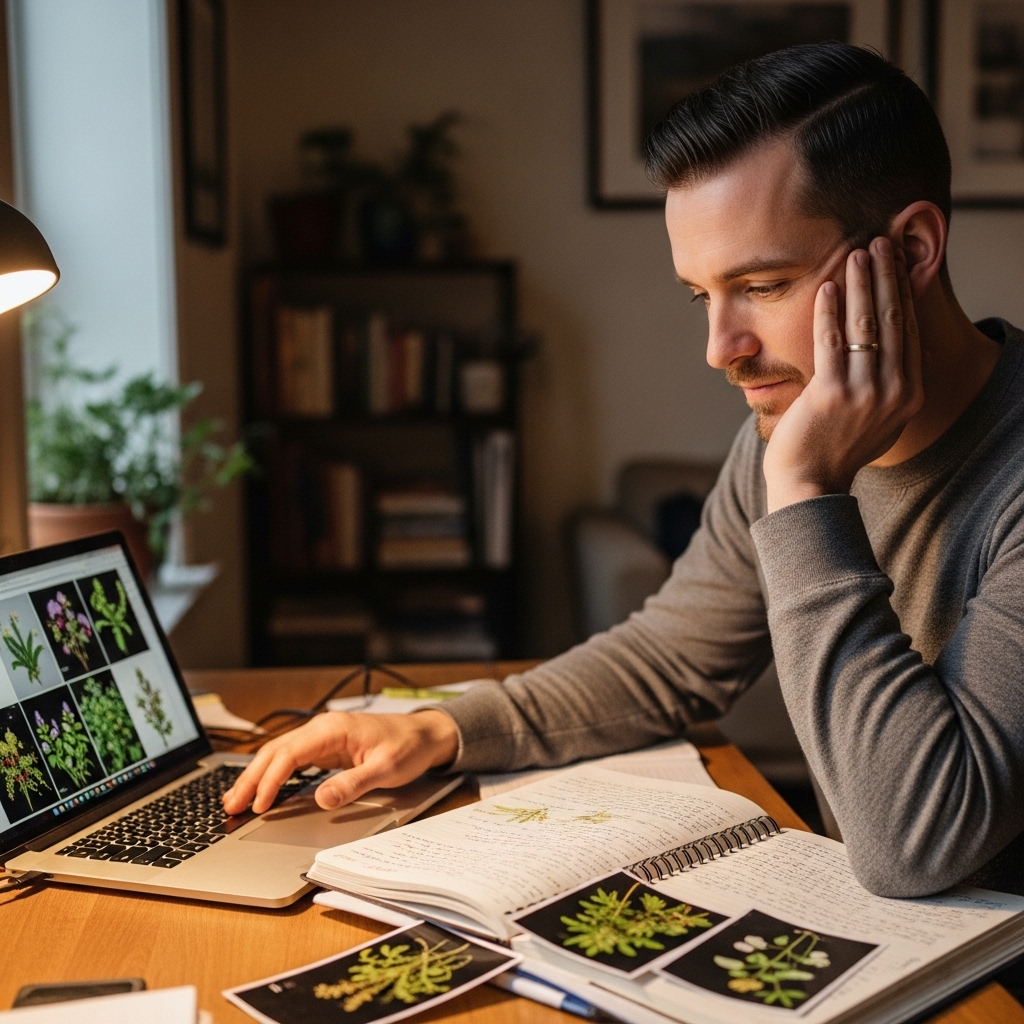

Shorter winter days and shaded interior rooms often leave tropical houseplants starved of the photosynthetic photons they need to thrive. When natural window sunlight falls short, learning how to use a grow light for houseplants bridges the gap between survival and vigorous leaf development. Placing artificial lighting over indoor foliage prevents unsightly stem stretching, keeps variegation vibrant, and supports active root networks throughout the darker months of the year. With a proper lighting routine, sensitive tropicals maintain steady growth instead of stalling during cold seasons.
Indoor growers do not need commercial greenhouse equipment to achieve lush foliage, but success requires balancing light intensity, canopy clearance, and daily operating hours. Understanding how spectrum balance influences chlorophyll absorption is just as crucial as choosing between screw-in bulbs, shelf strips, or adjustable gooseneck stands. When growers master selecting the best light spectrum for indoor plants, their indoor greenery receives consistent energy without the risk of leaf bleaching or wasted electrical power. Matching these variables to your specific plants ensures healthy foliage all year long.

Pros
- True full spectrum (4000K) supports all growth stages
- 10 brightness levels offer real control, not just on/off
- Auto timer simplifies daily care for busy plant owners
- Flexible gooseneck and clip make placement easy anywhere
- Very energy efficient at only 5 watts
Cons
- Not rechargeable; must be plugged into a USB power source
- Clip opening is only 0.8 inches, limiting thicker surfaces
- Light output (2000 lux) is best for small plants, not large setups
The SHYINEYOU 4000K Full Spectrum Clip-on Grow Light is a thoughtful solution for indoor gardeners who want to give their small plants a boost without turning their living space into a science lab. Designed for succulents, herbs, seedlings, and other compact greenery, this light fits neatly on a desk, shelf, or windowsill. It plugs into a standard USB port and draws only 5 watts, so you can keep it running for hours without worrying about your electric bill.
What sets this light apart is the combination of a true 4000K full spectrum and 10 brightness levels. Many budget grow lights offer just one or two settings, but here you can dial in exactly the intensity your plant needs. The built-in timer lets you choose 3, 9, or 12 hours of light per day, which means you can set it and forget it. This is especially handy if you tend to forget to turn lights on or off. The 360-degree gooseneck and sturdy clip make positioning simple, and the 78.74-inch USB cable gives you plenty of reach to find the right spot.
Build quality is solid for the price. The light head is compact at about 2 inches per side, and the clip opens to 0.8 inches, which fits most standard pot rims and shelves. The materials are plastic and ABS, but they feel durable enough for everyday use. The light does not produce noticeable heat, and it emits no UV rays, so it is safe around pets and children. The 2000 lux output is modest, but it is perfectly adequate for small plants that don't require intense light.
There are a couple of honest drawbacks. First, this is a plug-in light, not rechargeable, so you need a nearby USB port or adapter. Second, the clip's 0.8-inch opening means it won't work on thicker surfaces like a 1-inch shelf. And while the light is great for small plants, it simply isn't powerful enough for larger houseplants or a full indoor garden. If you need to cover a bigger area, consider the higher-wattage versions from the same brand.
Overall, the SHYINEYOU grow light delivers exactly what it promises: a compact, energy-efficient, and versatile lighting solution for small indoor plants. It is easy to set up, simple to use, and backed by a one-year warranty. If you are looking for an affordable way to keep your succulents happy or start seedlings on a sunny windowsill substitute, this light is a smart buy.

Pros
- Natural white light (4000K) that looks good in any room.
- Energy efficient with high lumen output per watt.
- Full spectrum supports seeds, seedlings, and mature plants.
- Low heat reduces risk of burning plants.
- Affordable 2-pack for budget-friendly indoor gardening.
Cons
- Not dimmable, so you can't adjust brightness levels.
- No built-in timer or smart features, requires manual on/off control.
- Some users may prefer a higher PPF for larger or more demanding plants.
If you're looking to give your indoor plants a boost without turning your living space into a disco with purple lights, the Briignite LED Grow Light Bulb might be exactly what you need. This 2-pack of A19 bulbs delivers 11 watts of full spectrum light that appears as a natural 4000K white to the human eye, but packs a balanced red and blue spectrum that plants crave. It's a solid choice for seed starting, leafy greens, herbs, and even flowering plants like tomatoes or peppers.
What stands out here is the brightness. At 1000 lumens with a 180-degree beam angle, these bulbs throw light evenly across a decent area. The 11-watt draw replaces a 100-watt incandescent bulb, so you're saving energy without sacrificing output. The PPF of 25 micromoles per second is respectable for a bulb in this price range, making it effective for small to medium indoor gardens or supplementing light near a window.
Build quality is decent for the price. The bulbs use a mix of aluminum and plastic for heat dissipation, and they run cool enough to place close to plants without burning leaves. Installation is a breeze with the standard E26 base; just screw them into any lamp or ceiling fixture. The natural white light is a big plus if you're growing in a visible area, like a kitchen counter or bookshelf.
On the downside, these bulbs aren't dimmable, and there's no built-in timer or smart control. You'll need to plug them into a timer or turn them on and off manually. Some serious growers might want a higher PPF for light-hungry plants, but for most hobbyists, the output is more than adequate.
Overall, the Briignite LED Grow Light Bulb 2-pack offers a practical, energy-efficient solution for indoor plant enthusiasts who want effective lighting without the alien glow. It's a great value for seed starting, herbs, and general plant maintenance. If you're after a simple, no-fuss grow light that blends into your home, this is a strong contender.

Pros
- Affordable price for a full-spectrum grow light with timer and dimming.
- Timer memory function works reliably, as confirmed by multiple reviews.
- Multiple mounting options make setup quick and versatile.
- Dimmable brightness helps prevent light burn on sensitive plants.
- Sturdy aluminum build feels durable and runs cool.
Cons
- At 3000K color temperature, the light is warm-toned and may not be bright enough for plants needing intense, cool light (like some vegetables).
- Power cord is only 70 inches long, which may limit placement in larger setups.
- Some users might prefer a higher color temperature (e.g., 5000K) for more vigorous growth in certain plants.
The RWNTAO 8.6-inch Mini LED Grow Light Strips are designed for indoor gardeners who need a compact, affordable lighting solution. With 52 full-spectrum LEDs spread across two adjustable heads, these strips target small spaces like plant shelves, seedling trays, or succulent displays. The 3000K warm light mimics natural sunlight, providing wavelengths from 380nm to 800nm to support photosynthesis without overwhelming delicate plants.
Standout features include a 3/9/12 hour timer with memory, so the lights turn on and off at the same time each day without manual intervention. This is a huge plus for busy plant parents or those who travel. The 10 dimmable levels give you precise control over light intensity, letting you dial it down for new cuttings or crank it up for flowering plants. Three switch modes let you operate one head, the other, or both, which is handy for asymmetric setups.
Build quality is solid for the price. The aluminum housing dissipates heat well and resists corrosion, while the included mounting kit (screws, double-sided tape, zip ties, and Velcro) makes installation straightforward. Reviews consistently mention the lights are sturdy and easy to attach under shelves or inside greenhouses. The power cord is 70 inches long, which is adequate for most small setups but might feel short if your outlet is far away.
One potential drawback is the warm color temperature. At 3000K, these lights produce a cozy, yellowish glow that some plants (like leafy greens or high-light species) may not find as effective as cooler 5000K+ options. A few reviewers noted they returned them for brighter alternatives. However, for succulents, seedlings, and low-to-medium light plants, the spectrum works well, and the dimming feature helps avoid light stress.
Overall, the RWNTAO grow light strips deliver reliable performance for small-scale indoor gardening. They are easy to set up, offer useful automation, and come at a very reasonable price. If you need a compact, adjustable light for a plant shelf or seedling station, this is a solid choice. Just be mindful of the warm spectrum if your plants crave intense, cool light.

Pros
- Full spectrum light closely mimics natural sunlight for better plant growth.
- Timer and dimming features offer convenient, hands-off control.
- Easy to install with multiple mounting options included.
- Sturdy aluminum build with low heat output for safety and longevity.
- Versatile for a wide range of plants, from seedlings to succulents.
Cons
- Lights may not turn back on automatically after a power outage, requiring a manual reset.
- The control symbols can be hard to read, making it tricky to remember settings.
- The included power adapter is 5V2A, which may limit use with very large setups.
The RWNTAO LED Grow Light Strips are a solid choice for anyone who needs extra light for indoor plants. With 78 full-spectrum LEDs spread across three 8.6-inch heads, these lights provide a broad range of wavelengths from 380nm to 800nm, which mimics natural sunlight. This makes them great for helping plants like seedlings, succulents, and even small vegetables grow stronger, whether you are dealing with a dark corner or just want to extend the growing season.
One of the standout features here is the timer. You can set it for 3, 9, or 12 hours, and the light will automatically turn on and off at the same time each day. That is a huge plus if you travel or just want a consistent routine for your plants. The 10 dimmable levels also give you fine control over brightness, so you can adjust the light as your plants move from the seedling stage to flowering. And with three switch modes, you can choose to run one, two, or all three light heads at once, which is handy for targeting specific plants.
The build quality is solid. The lights are made from aluminum with a brushed finish, so they stay cool and should last a long time. Installation is straightforward, too. The kit comes with screws, zip ties, double-sided tape, and velcro, so you can mount them on just about any shelf or surface. The power cord is 71 inches long, which gives you plenty of flexibility for placement. That said, one thing to keep in mind is that after a power loss, the lights do not automatically turn back on. You will need to push the button manually. Some users also mentioned that the symbols on the controller are a bit hard to read, but once you get used to the settings, it is not a big deal.
Overall, these are a great value for the price. They work well for a range of plants, and the timer and dimming features make them really convenient. If you need a reliable, easy-to-install grow light for a small plant shelf or a few pots, this is a solid pick.

Pros
- Bright, full-spectrum light promotes healthy growth and vibrant colors in a wide variety of indoor plants.
- Adjustable dual heads and flexible arms make it easy to cover a large area or focus on specific plants.
- Convenient timer settings simplify daily use and help maintain consistent light schedules.
- Dimmable from low to high, so it works for light-sensitive plants as well as high-light seedlings.
- High CRI of 95 makes it suitable as a reading or desk lamp when not in use for plants.
Cons
- Clamp opening is narrow (less than 1 inch), limiting attachment options on thicker surfaces.
- Timer presets are fixed at 4, 8, or 12 hours with no custom intervals, which may not suit all routines.
- Power cord is relatively short, so placement near an outlet is necessary or an extension cord may be needed.
The GooingTop LED Grow Light is a versatile clip-on lamp designed for indoor plants that need a boost of natural-looking light. With 84 LEDs combining full-spectrum white (6000K) and deep red (660nm), it targets both general growth and flowering. It's an affordable option for anyone from casual plant owners to serious indoor gardeners.
In real-world use, the light makes a noticeable difference. Plants like succulents, pothos, and seedlings respond well, with users reporting brighter colors and less stretching after just a couple of weeks. The 5-level dimmer is handy for adjusting intensity, and the timer (4/8/12 hours) helps maintain a consistent schedule. The dual heads and flexible goosenecks let you aim light exactly where it's needed, covering a decent area for a compact lamp.
Build quality is solid for the price. The clamp grips firmly on thin surfaces (up to about 1 inch), and the arms hold their position once bent. The remote attached to the cord is a nice touch, though the cord itself could be longer. The light also works well as a reading lamp thanks to a 95 CRI that makes colors look natural and flicker-free.
One drawback is the clamp's limited opening, which won't fit thicker desks or shelves. Also, the timer presets (4, 8, 12) are fixed; there's no 6-hour option, so some users may prefer an external timer. A few users noted the arms could be more flexible for multi-shelf setups, but for a single shelf or desktop, it's fine.
Overall, the GooingTop LED Grow Light is a reliable, budget-friendly choice that delivers on its promises. It's bright enough for most houseplants, easy to set up, and doubles as a desk lamp. If you need a simple, effective grow light without breaking the bank, this is a strong contender.

Pros
- Excellent PPFD for a screw-in bulb: outperforms many comparable models
- Ceramic construction runs cooler and lasts longer than aluminum bulbs
- Natural white light (4000K) doesn't strain eyes like purple grow lights
- 5-year warranty shows strong manufacturer confidence
- Versatile E26 base fits standard household sockets
Cons
- Not dimmable, so you can't adjust intensity without changing height or duration
- Relatively large reflector shape (BR30) may not fit in small fixtures
- Some users report the 4000K color is slightly cooler than true sunlight
The SANSI 36W full spectrum grow light is a standout option for indoor gardeners who want a simple, screw-in bulb that packs serious punch. Designed to replace a 400W incandescent, it draws just 36W yet delivers a PPFD of 265.58 umol/s/m² at one foot. That's strong enough for seedlings, herbs, and leafy greens without needing a complicated setup. If you're growing under artificial light for the first time or upgrading from basic bulbs, this one gives you real performance right out of the box.
What sets this bulb apart is its ceramic heat sink. SANSI uses a patented Chip on Ceramic technology that bonds the LED directly to a non-conductive ceramic body. This pulls heat away faster than traditional aluminum boards, which means the bulb runs cooler and lasts longer — up to 25,000 hours. The optical lens also focuses light downward, improving efficiency and reducing glare. In practice, this translates to more usable photons hitting your plants and less waste bouncing off the walls.
The 4000K color temperature produces a natural daylight spectrum that covers the full 400-780nm range. Unlike red-blue grow lights that can be harsh on the eyes, this bulb looks pleasant in a living space. Your plants get the blue and red wavelengths they need for both vegetative growth and flowering, while you get a clean white light that doesn't make your room feel like a grow op. The CRI of 95+ means colors under this light appear true and vibrant.
On the downside, this bulb is not dimmable, so you can't adjust intensity without changing the distance to your plants. And while the BR30 shape is common, it's a bit bulky — check your fixture clearance before buying. The ceramic body also makes it slightly heavier than standard bulbs. That said, the build quality feels solid, and the 5-year warranty offers peace of mind. For the price, you're getting a well-engineered light that delivers measurable results without fuss.
Overall, the SANSI 36W grow light is an excellent choice for anyone who wants a reliable, high-output bulb for indoor seed starting, small herb gardens, or supplementing light for houseplants. It's efficient, safe, and honestly simple to use. If you value natural-looking light and real PPFD numbers over flashy features, this bulb deserves a spot in your setup.

Pros
- Affordable price for a full-spectrum grow light with timer and dimming
- Auto timer eliminates guesswork for daily light schedules
- Flexible gooseneck allows precise light direction
- Dual use as a plant light and task lamp
- Compact size fits well on desks, shelves, or small planters
Cons
- Low 5W power may not be sufficient for larger plants or high-light species
- USB power requires a 5V/2A adapter (not included)
- Stake mount is less stable in very small or lightweight pots
The Juhefa Grow Light is a compact and budget-friendly LED lamp designed for indoor plants that need a little extra light. It's a great fit for small setups like seedlings, succulents, herbs, and flowering plants such as roses or tulips. With a 6000K full spectrum and added 660nm red LEDs, it targets both vegetative growth and blooming phases. The lamp also works well as a reading or desk lamp thanks to its high 95% color rendering index.
Standout features include an auto on/off timer with three settings (4, 8, or 12 hours) and five dimmable brightness levels. The timer is especially handy because it repeats the same schedule daily without needing to unplug the lamp. The 5-level dimming gives you control over light intensity, which is useful for different plant types or stages. The flexible gooseneck and 77-inch USB cable make it easy to position the light exactly where you need it, whether on a desk, shelf, or in a small greenhouse.
Build quality is decent for the price. The lamp has an aluminum shade and a painted finish, and the gooseneck feels sturdy enough for regular adjustments. Installation is simple: stake the base into the soil, connect the gooseneck, and plug it into a USB port. However, the 5W power output is relatively low, so this light is best for small plants or supplemental lighting rather than as a primary source for large or high-light plants. Also, the USB adapter is not included, so you'll need to supply your own 5V/2A adapter.
One potential drawback is the stake mount. It works well in medium to large pots but can be unstable in very small or lightweight containers. The lamp's reach is also limited by the USB cable length, though 77 inches is generous for most home setups. Overall, the Juhefa Grow Light offers solid value for casual indoor gardeners or anyone starting seeds and growing low-light plants.
Verdict: If you need an affordable, flexible grow light for small indoor plants and appreciate features like a timer and dimming, the Juhefa is a smart choice. It's not powerful enough for large plants, but for seedlings, succulents, and herbs, it gets the job done without breaking the bank.

Pros
- Full spectrum light promotes healthy growth and vibrant leaves.
- Timer and dimming features offer hands-off convenience.
- Adjustable height and flexible goosenecks accommodate plants of all sizes.
- Easy to assemble with no tools required.
- Modern design blends well with home decor.
Cons
- Base is lightweight and may tip over with tall plants unless weighted down.
- Some users report a faint buzzing noise at higher brightness settings.
- Timer resets after a power outage or manual turn-off, requiring re-setup.
The Kullsinss 2-Head Full Spectrum Grow Light with Stand is a versatile and affordable solution for indoor gardeners who need to give their plants a boost. Designed for medium to large houseplants, this lamp stands out with its adjustable height (24 to 68.7 inches) and dual flexible goosenecks, letting you position light exactly where your plants need it most. Whether you're overwintering tropicals, starting seeds, or just supplementing low natural light, this light is built to handle a variety of setups.
At the heart of this lamp are 114 high-efficiency LEDs that combine warm white, cool white, blue, and red wavelengths. This full spectrum closely mimics natural sunlight, supporting photosynthesis from the seedling stage all the way through flowering. Users report noticeable improvements in plant health, with faster growth and more vibrant foliage. The smart controller adds real convenience: you can choose from three color modes (white, warm white+red, or mixed), five dimmable brightness levels, and a timer that runs for 4, 8, 12, or 16 hours. Once set, the light turns on and off automatically each day, which is a huge time-saver for busy plant owners.
Build quality is solid for the price. The metal base and poles feel sturdy, though the base is relatively lightweight. Several reviewers note that the lamp can tip over if bumped, especially when extended to its full height. The fix is simple: place a book or decorative object on the base for added weight. The goosenecks are flexible yet hold their position well, and the matte finish gives the lamp a clean, modern look that fits into most rooms. Assembly is tool-free and takes about 15 minutes.
There are a few drawbacks to consider. Some users mention a faint buzzing sound at higher brightness settings, which could be annoying in a quiet living room but is less noticeable in a dedicated plant space. The timer also resets if the power goes out or if you manually turn the light off, so you'll need to reprogram it after an interruption. Additionally, the included adapter uses a USB plug, and international buyers may need a separate adapter for local outlets.
Overall, the Kullsinss 2-Head Grow Light offers excellent value for indoor plant enthusiasts. It combines full spectrum lighting, flexible positioning, and automated scheduling in a package that's easy to set up and looks good doing it. While the base could be more stable and the timer isn't foolproof, these are minor trade-offs for the performance and price. If you have tall plants or a collection that needs consistent supplemental light, this lamp is a smart buy.
Mastering Houseplant Illumination from Setup to Daily Care
Using artificial lighting for indoor greenery requires balancing photon delivery, photoperiod duration, and physical fixture positioning. While standard domestic bulbs merely illuminate a living space for human vision, dedicated horticultural lights emit the specific photon wavelengths that plant pigments absorb for photosynthesis. By aligning fixture placement with the biological demands of each plant species, indoor growers can maintain lush foliage, promote steady root growth, and prevent seasonal decline without complicated equipment.
Understanding Houseplant Photobiology and Light Intensity
Plant foliage relies on photosynthetically active radiation, which spans the 400 to 700 nanometer waveband of light. While human eyes evaluate brightness in lumens or lux, plant biology responds strictly to the number of light particles, called photons, striking the leaf surface each second. This photon density is measured as photosynthetic photon flux density, commonly abbreviated as PPFD. When a light source delivers adequate PPFD, the chloroplasts within the leaves generate chemical energy to fuel cell expansion and root vitality.
Different houseplant varieties have evolved under divergent light environments, which dictates their daily photon requirements. Low-light foliage plants such as snake plants and ZZ plants require modest photon delivery to maintain chlorophyll levels. In contrast, semi-tropical aroids like monstera deliciosa need moderate indirect light to sustain broad leaf areas. Desert succulents, cacti, and flowering plants demand the highest intensity levels to avoid weak, spindly stems.
Choosing the Right Fixture Architecture for Your Growing Space
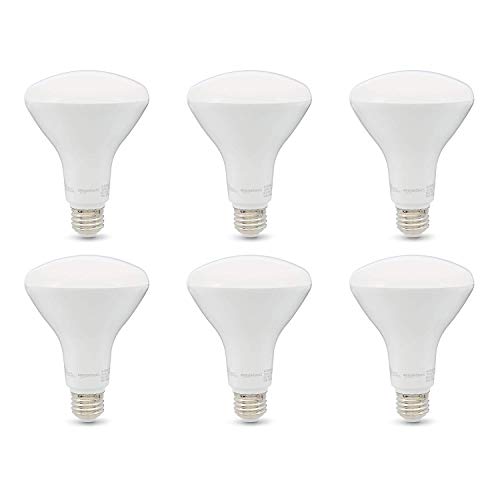
Selecting an appropriate lighting form factor depends on the size and location of your indoor plants. Horticultural screw-in bulbs with standard E26 bases fit into conventional household table lamps, pendant cords, or floor fixtures. Units like the SANSI 36W bulb use secondary optical lenses to concentrate photon distribution directly over specimen plants. More compact options, like the Briignite 11W bulb, provide broad dispersion suited for small decorative tables or grouped planters.
Clip-on gooseneck fixtures provide dedicated directional control for individual pots or small plant clusters on desks. Models like the GooingTop clip lamp and SHYINEYOU gooseneck light feature flexible 360-degree arms that clamp onto shelf edges or tables. These flexible necks allow growers to adjust the angle of illumination as plants grow. For floor specimens, tall freestanding fixtures with adjustable telescoping poles, such as the HOME stand-mounted light, deliver broad overhead coverage without occupying tabletop space.
Enclosed plant cabinets, bookshelves, and multi-tier wire racks benefit most from linear illumination that minimizes dead zones across the shelf width. Compact aluminum LED light strips, like the RWNTAO 8.6-inch bars, mount flush beneath shelves using double-sided tape, cable ties, or integrated magnets. For multi-tier propagation racks and broad seedling trays, growers frequently rely on linear fluorescent and LED fixture configurations to ensure uniform edge-to-edge coverage across crowded flats. These linear profiles deliver consistent photon spread without bulky mounting brackets that clutter decorative living spaces.
Calibrating Hanging Heights and Canopy Clearance
Light intensity follows the inverse square law, meaning photon concentration drops dramatically as distance between the diode array and foliage increases. Doubling the distance between a grow light and the plant canopy cuts the light intensity reaching the leaves to one quarter of its original value. Placing a light fixture too far away starves the plant of usable photosynthetic energy, leading to sluggish growth and thin stems. Conversely, positioning high-output diodes too close can overwhelm leaf pigments, causing thermal scorch or photo-oxidative stress.
Safe clearance distances depend on the optical design and true wattage of the chosen fixture. High-output spotlight bulbs featuring focusing lenses should initially hang roughly 12 to 18 inches above foliage to prevent localized heat spots. Lower-wattage clip lamps and diffused strip lights generate softer photon spread, allowing placement between 6 to 10 inches above upper leaves. Compact desk lamps intended for small succulents can sit within 4 to 8 inches of foliage to deliver adequate energy without burning leaves.
Fine-tuning photon delivery becomes much simpler when fixtures include stepped or continuous dimming controls. Fixtures offering five to ten distinct brightness levels allow growers to maintain a fixed suspension height while dialing down light output for sensitive or acclimating plants. Stepped dimming also lets you increase photon volume gradually as plants mature and produce denser foliage canopies. Regularly observing leaf posture and adjusting either the dimmer dial or the gooseneck height ensures the plant receives optimal illumination without physical stress.
Establishing Consistent Photoperiod Schedules
Houseplants require alternating intervals of light and darkness to support their natural biological processes. During the light cycle, plant cells capture photons to drive photosynthesis and manufacture carbohydrates. Once the light turns off, plants enter a dark respiration phase where they process stored energy, repair cellular structures, and regulate internal transpiration. Leaving a grow light powered continuously for 24 hours prevents plants from resting, eventually leading to metabolic exhaustion, leaf yellowing, and stunted growth.
Most common foliage houseplants thrive when provided with 10 to 14 hours of continuous artificial light each day. Shade-tolerant tropicals like pothos, philodendron, and calathea maintain excellent health on 8 to 10 hours of daily illumination. Moderate-light species, including monsteras and hoyas, perform best under 12 hours of consistent daily exposure. High-light specimens, such as succulents, indoor citrus, and culinary herbs, require 14 to 16 hours of daily run time to mimic long, sunny summer days in their native habitats.
Consistency is vital for plant photoperiod regulation, making automatic timers an indispensable tool for indoor growers. Many modern fixtures incorporate integrated memory timers offering preset cycle intervals of 3, 9, 12, or 16 hours that cycle automatically every 24 hours. If your fixture lacks an onboard timer, plugging it into a standard external wall timer ensures your plants receive identical daily light integrals without relying on manual switching. Maintaining a stable daily schedule prevents sudden environmental shifts that can trigger premature leaf shedding or dormant cycles.
Selecting Full-Spectrum Light for Home Visual Comfort
Modern indoor horticulture has moved away from older magenta and purple LED arrays in favor of natural broad-spectrum white lighting. Narrowband red-blue arrays, often called blurple lights, supply photosynthetic wavelengths but create harsh, unnatural glare in residential living areas. Furthermore, purple lighting makes it exceedingly difficult for growers to inspect leaf health, identify pest infestations, or spot fungal spores. Full-spectrum white LEDs illuminate plants in crisp, natural color tones that blend harmoniously with home decor and interior design.
Color temperature, measured in Kelvin, determines the visual warmth and spectral emphasis of white horticultural light. A 4000K daylight white spectrum closely resembles bright midday sun, supplying balanced blue and red energy that supports compact vegetative growth. Warm white diodes around 3000K to 3500K introduce gentle amber tones that complement living rooms while providing red wavelengths that encourage budding. Cool daylight diodes around 6000K deliver enhanced blue wavelengths that mimic clear sky conditions, effectively preventing seedling stretching and maintaining thick, stout petioles.
Advanced full-spectrum fixtures combine broad white light with supplemental deep red diodes tuned near 660 nanometers. This deep red wavelength aligns with chlorophyll absorption peaks, accelerating photosynthetic biomass accumulation without altering the clean white appearance. Diodes featuring a high color rendering index, often rated at 95 or above, ensure that leaf variegation appears vivid and true to life. This optical balance transforms dim living room corners into attractive green displays that remain pleasant for humans and plants alike.
Identifying and Troubleshooting Lighting Stress Symptoms
Observing leaf morphology and color shifts provides direct feedback on whether your grow light settings are appropriate. When a houseplant receives insufficient light, it exhibits etiolation, producing pale, elongated stems with wide gaps between leaf nodes as it stretches toward the light source. Leaves on photon-starved plants may also turn pale yellow, drop prematurely from lower stems, or fail to develop characteristic fenestrations and variegation. If you notice these stretching symptoms, lowering the fixture clearance or extending the daily photoperiod by two hours helps restore balanced vegetative growth.
Excessive light exposure produces distinct physiological symptoms that must not be confused with nutrient deficiencies. When photon density overwhelms leaf pigments, upper foliage directly under the light beam begins to bleach, turning chalky yellow while lower leaves stay green. Leaf margins may also curl upward into a cup shape, known as tacoing, to reduce transpiration moisture loss. If bleaching or leaf margin crisping appears, immediately raise the fixture four to six inches or reduce dimmer output.
Preventing light stress requires acclimating plants gradually whenever moving them from dim corners into intense artificial illumination. Sudden exposure to high photon flux can overwhelm unconditioned chloroplasts and scorch tender leaf cuticles. For dense indoor plant arrangements, integrating dedicated indoor growing systems with built-in lighting provides structured tiers where plants can be positioned according to their individual light tolerance. Increasing light intensity over a seven to ten day period allows leaf tissues to build protective carotenoids and adapt comfortably to their new light levels.
Managing Thermal Output, Electrical Safety, and Fixture Maintenance
Effective heat dissipation directly influences both LED diode longevity and plant canopy health. While LEDs generate significantly less radiant heat than older incandescent or high-intensity discharge fixtures, their internal circuitry still produces conductive heat that must escape. Quality fixtures utilize ceramic heat sinks or extruded aluminum backings to dissipate warmth away from diodes silently without noisy cooling fans. Keeping the fixture housing ventilated ensures that diode junction temperatures remain low, preventing premature photon decay and driver failure.
Electrical safety must remain a top priority when operating grow lights around indoor plants and watering routines. Always route power cords neatly along walls or furniture legs using clips to prevent tension on wall sockets. Low-voltage USB power supplies offer enhanced safety for desktop setups, but growers should avoid overloading shared power strips. When misting foliage or applying liquid fertilizer, turn off or redirect clip lamps to prevent water droplets from contacting electrical connections.
Routine physical maintenance keeps horticultural lighting operating at peak efficiency over multiple growing seasons. Dust and mineral residues from indoor humidifiers gradually settle on optical lenses and diode encapsulation boards, reducing photon transmission by measurable amounts. Unplug your fixture every few months and gently wipe the cooled lamp surface with a dry microfiber cloth to remove dust accumulation. Inspect clamp springs, tripod collar locks, and gooseneck joints regularly to verify that fixtures remain firmly anchored above your valuable plant collection.
Establishing an Adaptable Seasonal Care Routine
A successful indoor lighting routine changes dynamically across the calendar year to balance indoor conditions with exterior weather shifts. During late autumn and winter, shorter natural days and weak sun angles reduce the ambient light entering home windows. Expanding supplemental light cycles by two to four hours during winter prevents seasonal leaf drop and keeps tropical aroids steadily growing. When sunny spring weather returns, you can scale back artificial run times or dim fixture output to account for brighter window light.
Accelerated photosynthesis under artificial grow lights naturally increases plant water and nutrient consumption. Plants receiving robust photon energy transpire moisture through their stomata much faster than dormant specimens sitting in dim rooms. Check potting soil moisture more frequently under grow lights to ensure root balls do not dry out completely between waterings. Light feeding with a balanced liquid fertilizer during active growing cycles supports the rapid cellular production stimulated by your artificial light setup.
Mastering houseplant lighting comes down to attentive observation and steady environmental consistency. By establishing appropriate hanging distances, setting an automated photoperiod, and monitoring canopy feedback, you give your indoor garden the dependable energy it needs to thrive. Consistent photon delivery transforms struggling houseplants into resilient, beautifully contoured specimens that brighten your living environment all year round.




Write Your Review
No reviews yet. Be the first to share your experience!