


Growing blackberries from seeds is a rewarding project for any gardener, but it requires a bit of patience and know-how. Unlike planting established bushes, starting from seeds lets you choose from a wider variety of cultivars and often saves money. However, many beginners run into trouble with blackberry seeds because they need cold stratification to break dormancy. Without this natural winter treatment, seeds may not germinate at all. Whether you are planning an edible landscape or a dedicated berry patch, understanding the right process makes all the difference. This guide covers the essentials, from seed preparation to transplanting, and introduces 8 helpful products and resources for October 2026.
Blackberry seeds are small and hardy, but they respond best when sown after a cold period. The easiest method is to mimic winter by placing seeds in damp sand inside the refrigerator for 60 to 90 days. Once stratified, they germinate reliably in well-draining soil with consistent moisture. For gardeners who prefer a hands-off approach, some products include pre-stratified seeds or even live plants that skip this step entirely. Others offer detailed guides to walk you through each stage. No matter your experience level, the 8 options we highlight below cover everything from seed to harvest. If you are also exploring general houseplant care, our Plant care category has additional tips on soil, light, and watering that apply to many edible plants.

Pros
- Extremely thorough: 30 chapters plus a Q&A section cover nearly every aspect of blackberry growing.
- Beginner-friendly language with clear, actionable steps and no unnecessary jargon.
- Includes advanced techniques like biochar use and beneficial insect integration for experienced growers.
- Business-focused chapters help turn a hobby into a profitable side venture.
- Month-by-month checklists make seasonal care easy to follow.
Cons
- No customer reviews yet, so it's hard to gauge real-world effectiveness or readability.
- Focuses exclusively on blackberries, which may not suit those looking for a general fruit-growing guide.
- Self-published format may lack the polish of a major publisher, though content appears well-organized.
How to Grow Blackberries by Emily Hartwe is a comprehensive, all-in-one handbook for anyone serious about growing blackberries. Whether you are a backyard gardener with a few plants or someone looking to start a small farm, this book aims to guide you from soil prep to profitable sales. With 30 chapters and a bonus Q&A section, it leaves little room for guesswork.
The standout feature is its practicality. The author walks you through selecting the right variety for your hardiness zone, building trellises for different cane types, and managing pests without harming beneficial insects. The month-by-month care checklists are especially useful for keeping your plants healthy year-round. I also appreciated the sections on harvesting at peak flavor and turning your berries into jams, wines, or syrups for extra income.
At 226 pages, the book is a solid reference you can keep in the garden shed. The language is clear and conversational, making it accessible even if you have never grown a single berry. It covers organic methods, container gardening, and greenhouse production, so it adapts to different spaces and goals. The only minor drawback is the lack of customer reviews at this time, which means you are relying on the sample or description to judge if it matches your needs.
If you are looking for a one-stop resource that balances beginner advice with advanced techniques, this guide delivers. It does not just tell you how to grow blackberries; it shows you how to enjoy and profit from them. For the price, it is a worthwhile investment for any berry enthusiast.
Pros
- Comprehensive coverage of the entire seed-starting process.
- Clear, easy-to-understand language with practical advice.
- Includes advanced techniques not found in many beginner guides.
- Focus on organic and sustainable gardening practices.
- Troubleshooting section helps solve common problems.
Cons
- Only one customer review so far, so long-term feedback is limited.
- At 179 pages, it may not cover every niche topic in extreme depth.
- The paperback dimensions (6 x 0.41 x 9 inches) might be a bit small for some readers.
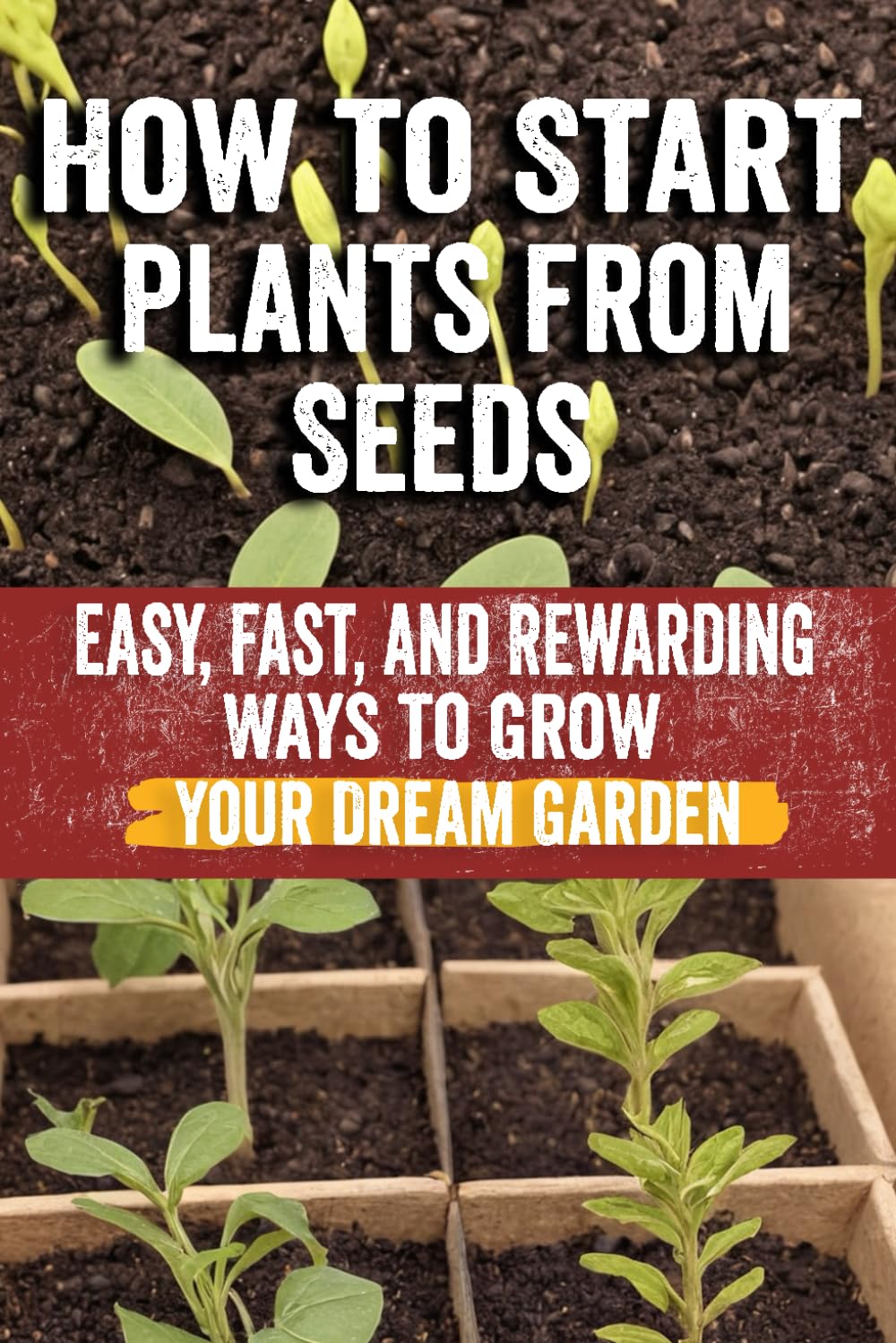
How to Start Plants from Seeds by Norma Khalila is a practical, all-in-one guide for gardeners who want to master seed starting. Whether you're a complete beginner or have some experience, this book walks you through every stage, from picking the right seeds to getting your seedlings into the ground. It's especially useful for anyone interested in heirloom varieties, organic gardening, or simply saving money by growing from seed.
The standout feature here is the depth of coverage. You get clear instructions on basic steps like soil preparation and container choice, but also advanced techniques like seed stratification and scarification. The troubleshooting section is a lifesaver for common issues like poor germination or damping off. The book also covers indoor and outdoor methods, including greenhouse and container gardening, so it adapts to your space.
Design-wise, the book is straightforward and easy to navigate. The chapters are well-organized, and the language is conversational without being overly technical. At 179 pages, it's a manageable read that doesn't overwhelm. The paperback is lightweight and portable, though some might prefer a larger format for easier reading.
One potential drawback is the lack of extensive customer reviews yet, so it's hard to gauge long-term satisfaction. Also, while it covers a lot, some very niche topics might not be explored in extreme depth. But for most home gardeners, this guide provides everything you need to succeed.
Overall, How to Start Plants from Seeds is a solid investment for anyone serious about growing from seed. It's practical, well-written, and packed with actionable advice. If you want to expand your garden with confidence, this book is a great place to start.

Pros
- Informative and straightforward content ideal for novices.
- Helpful visual guide for pruning, a common concern among growers.
- Zero cost makes it a risk-free resource for blackberry cultivation.
- Covers both ornamental and practical uses in the home landscape.
Cons
- Some readers find the text repetitive and in need of better editing.
- Print version suffers from a low-resolution, pixelated cover image.
- Very short at 35 pages, might leave advanced gardeners wanting more depth.
William A. Jack's 'Simple How-to Plant and Grow Blackberries' is a compact Kindle guide aimed at home gardeners and landscape lovers who want to add this versatile berry to their yard. With a focus on practical steps from planning to harvest, it fits well as a quick reference for anyone curious about growing blackberries for fresh eating or as a decorative hedge. The book is part of a larger landscaping series and stands out for its clear, no-nonsense approach.
The standout feature here is the pruning section. One reviewer specifically praised the before-and-after illustration, calling it very helpful for those nervous about making the wrong cut. The text also covers soil prep, fertilization, and planting techniques, all in accessible language. While the information is generally accurate, a few readers noted that the writing can be repetitive, with nearly identical sentences appearing more than once. This suggests the book could benefit from a thorough edit to tighten the prose.
At just 35 pages, this is a concise read rather than an exhaustive manual. The digital version supports features like page flip and enhanced typesetting, which improve the reading experience on a Kindle. However, the print edition has a notably pixelated cover that some reviewers felt cheapened the product. Inside, black-and-white photos add visual context, but the cover issue is a real distraction if you prefer a physical copy.
Despite these drawbacks, the book succeeds in its core mission: giving beginners a solid starting point for growing blackberries. It is free to download, so the cost is not a factor. For those seeking deeper information on pest control or advanced growing techniques, this may not suffice. But for a quick, actionable guide to get started, it delivers.
Verdict: A practical, budget-friendly primer for new blackberry growers. Its repetition and short length hold it back from excellence, but the core advice and pruning diagram make it worth a look. Recommended for curious hobbyists and those wanting to incorporate blackberries into their garden without a heavy investment.

Pros
- Heirloom seeds allow for seed saving and sustainable gardening
- Extended bloom period provides long-lasting visual interest
- Adaptable to a wide range of climates (zones 5-10)
- Easy germination and straightforward care instructions
- Generous 50-seed count for dense planting or sharing
Cons
- Requires full sun and well-drained soil, limiting shade options
- Overwatering can harm seedlings, so careful moisture management needed
- No customer reviews yet to confirm real-world performance
The Freckle Face BlackBerry Lily seeds from USBRANDSEED bring a distinctive, exotic look to any garden. Despite its common names, this plant is actually a species of Iris, not a true lily. It produces charming spotted flowers that resemble leopard markings, followed by seed pods that look like blackberries. This 50-seed pack is ideal for gardeners who want to create a dense, colorful patch or fill multiple beds with a unique perennial.
One standout feature is the extended bloom time. Unlike some perennials that flower for just a few weeks, BlackBerry Lily keeps producing blooms well into summer. This makes it a reliable source of color when other plants start to fade. The seeds are heirloom quality, meaning you can save them for future seasons and maintain genetic diversity. Germination is straightforward: plant seeds 0.5 cm deep in well-drained soil with full sun exposure, and expect sprouts in 10 to 14 days at 18-21 degrees Celsius.
In terms of design and build, the seeds come in a standard packet, but the real value is in their adaptability. They are hardy in USDA zones 5 to 10, with reports of success even in zone 4. This flexibility makes them a solid choice for many climates. The plants can reach a moderate height and look great in borders, containers, or as part of a wildflower meadow. Watering needs are moderate, so they won't demand constant attention.
However, there are a few drawbacks to consider. The seeds require full sun and well-drained soil, so they won't thrive in shady or waterlogged spots. Overwatering is a common mistake that can lead to rot, so careful watering is essential. Additionally, since this product has no customer reviews yet, it's hard to gauge real-world germination rates or plant vigor. Starting with a small test batch is a wise approach.
Overall, the USBRANDSEED Freckle Face BlackBerry Lily seeds are a solid choice for gardeners seeking something different. They offer easy care, extended blooms, and heirloom quality at a reasonable price. While they require specific growing conditions and lack user feedback, the potential rewards make them worth trying. Whether you're a beginner or a seasoned grower, these seeds can add a touch of the unusual to your garden.

Pros
- Comprehensive coverage from initial planting to selling, all in one guide.
- Clear, step-by-step instructions that are easy for beginners to follow.
- Focus on organic and sustainable farming methods.
- Includes real-world business strategies for selling fresh berries and value-added products.
- Trellising and pruning guidance is detailed and illustrated for clarity.
Cons
- No customer reviews yet, so it's hard to gauge reader satisfaction.
- At 180 pages, it may not cover advanced topics for experienced growers.
- Exclusively focused on blackberries; not useful for other bramble fruits.
Blackberry Farming for Beginners is a straightforward guide aimed at anyone new to growing blackberries, whether you are a homesteader, small farmer, or gardener looking to diversify. The book takes you from site selection and variety choice all the way to selling your harvest, making it a complete resource for turning a patch of land into a productive berry patch.
The standout features include clear instructions on trellising systems like T, V, and Geneva designs, which are essential for easy pruning and harvesting. The training, tipping, and tying schedules are laid out step by step, so you know exactly what to do and when. The organic pest management and mulching advice are practical and avoid heavy chemicals, which is a big plus for sustainable growers.
Design-wise, the book is a standard paperback with 180 pages. It is compact enough to carry into the field. The layout uses bullet points and short paragraphs, making it easy to reference specific tasks. While there are no photos in the description, the text-based instructions are detailed enough to follow.
One potential drawback is that this book is brand new with no reviews, so first-time buyers take a small risk on content quality. Also, experienced growers may find it too basic, as it targets beginners. The focus is strictly on blackberries, so if you grow other brambles, this guide won't cover them.
Overall, Blackberry Farming for Beginners delivers on its promise: a practical, no-nonsense manual for starting and profiting from blackberry farming. If you are serious about growing berries and want a single book that handles both cultivation and business, this is a solid choice.
ASIN: B0G1TCNBJQ
Publisher: Independently published
Publication Date: November 11, 2025
Language: English
Print Length: 180 pages
ISBN-13: 979-8274033763
Item Weight: 8.8 ounces
Dimensions: 6 x 0.41 x 9 inches
Best Sellers Rank: #649,067 in Books; #526 in Animal Husbandry

Pros
- Thornless canes for safe handling
- Large, sweet berries with excellent flavor
- Heat and drought tolerant in warm climates
- Produces fruit in the first year
- Attracts pollinators and supports local wildlife
Cons
- Requires a trellis or support for tall canes
- Not self-pollinating; best yield with multiple varieties
- Cannot ship to California, Hawaii, or Arizona due to restrictions
The Perfect Plants Apache BlackBerry Bush is a thornless variety that offers home gardeners a hassle-free way to grow their own sweet berries. This live plant ships in a 1-gallon container and is ready to be planted in full sun. It is specifically bred for warm climates and does best in USDA zones 6 through 9. The Apache blackberry is known for its towering canes that produce large, plump fruit during early to mid-summer.
One of the standout features is the fruit quality. The berries are dark purple, almost black when ripe, and have a sugar-sweet flavor that works well fresh or cooked into jams and jellies. The canes are thornless, which makes picking and pruning much more pleasant. You can expect to harvest a bushel of berries in the first year after planting, which is impressive for a perennial fruit plant.
Design and build quality are typical for nursery-grown plants. The root system is well-established in a 1-gallon pot, and the plant arrives with healthy green growth. It requires full sun and regular watering, especially during the first season. Once established, it becomes drought tolerant. A yearly dose of fruit fertilizer helps keep production high. Be aware that the canes can grow up to 6 feet tall and may need a trellis for support.
A few drawbacks worth noting: this variety is not self-pollinating, so planting another blackberry variety nearby can significantly increase your yield. Also, due to agricultural restrictions, the plant cannot be shipped to California, Hawaii, or Arizona. If you order from those states, you will receive complimentary fertilizer and instructions for a refund request. Some users might also find the need for a trellis to be an extra step, but it ensures the canes stay upright and productive.
Overall, the Perfect Plants Apache BlackBerry Bush is a solid choice for gardeners in warmer regions who want a reliable, thornless berry producer. It combines ease of care with excellent fruit quality, making it a worthwhile addition to any home orchard or edible landscape. With proper sunlight and a little support, you can enjoy fresh blackberries straight from your garden for years to come.

Pros
- Unique flavor profile with notes of vanilla and cassis
- Compact size ideal for home gardens
- GMO-free and natural product
- High seed count for multiple planting attempts
- Versatile fruit for cooking and beverages
Cons
- Seeds require a 60-day cold stratification process to germinate
- Several customers reported that seeds failed to germinate
- No planting instructions included in the package
- May not be suitable for beginners due to specific care needs
The PeavyTailor Pakistan Mulberry seed pack offers a chance to grow a highly flavorful fruit tree right in your backyard. The Pakistan mulberry is known for its exceptionally large berries and a sweet, complex taste that blends raspberry, blackberry, fig jam, cassis, and vanilla. This seed set includes 200 seeds, giving you plenty of opportunities to establish a tree that can produce fruit from April to June each year.
One standout feature is the tree's compact growth habit, making it a good fit for smaller gardens or containers. The seeds are GMO-free and require cold stratification to break dormancy. The recommended approach is to soak them and sow in fall, letting winter's chill naturally trigger spring germination. However, this process demands patience and precise timing, and several users reported that none of their seeds sprouted. That suggests the seeds may have low viability or need very specific conditions.
In terms of build quality, these are natural seeds with no special coatings or treatments. The packaging is basic, and the product lacks any printed instructions, which can be a hurdle for novice gardeners. For those with experience in seed starting and stratification, this could be a rewarding project. But for casual growers, the risk of failure is relatively high based on available customer feedback.
On the positive side, if you succeed, the payoff is a tree that yields delicious berries suitable for pies, tarts, jams, cordials, tea, and even winemaking. The leaves are also attractive, adding ornamental value to your garden. The USP of this product is definitely the fruit's unique flavor profile.
Overall, the PeavyTailor Pakistan Mulberry seeds are a mixed bag. They hold great potential for experienced gardeners who know how to handle cold stratification, but they come with a notable failure rate. If you're up for a challenge and have the right conditions, give them a try. Otherwise, you might consider purchasing a live plant instead for more reliable results.

Pros
- Clear and concise guide with 31 specific companion plants for strawberries
- Practical advice on pest control and pollination based on plant partnerships
- Positive customer feedback with a 5.0 out of 5 stars average rating
- Affordable price point for a specialized gardening resource
- Portable size makes it easy to reference in the garden
Cons
- Short length (61 pages) may leave advanced gardeners wanting more depth
- Focused solely on strawberries; not a general companion planting book
- Limited to one author's perspective; no extensive scientific citations
"How to Grow Strawberries: 31 Best Companion Plants to Grow with Strawberries" is a focused gardening guide by Larry Pat that centers on the art of pairing strawberries with carefully chosen allies. Instead of a broad overview, this book zeroes in on 31 specific herbs, flowers, and vegetables that can enhance your strawberry patch naturally. Whether you're a backyard beginner or a seasoned grower looking to reduce chemical inputs, this slim volume packs practical insights into improving soil health, deterring pests, and boosting fruit flavor through strategic plant relationships.
The standout quality of this guide is its simplicity. Each companion plant is presented with clear reasoning for why it works well with strawberries, covering benefits like attracting pollinators, repelling harmful insects, and enriching the soil. The author avoids academic jargon and keeps instructions straightforward, making it easy to apply the advice immediately. The step-by-step guidance on arranging and caring for these pairings is particularly valuable for gardeners who want to experiment without overwhelming complexity. The book also includes seasonal tips to maintain harmony throughout the growing year.
At 61 pages, the book is intentionally concise, which may be a double-edged sword. For someone seeking a quick reference or a curated list to get started, it delivers exactly what's promised. However, more experienced gardeners might find the depth lacking if they're looking for extensive scientific explanation or companion planting beyond strawberries. The author's narrative style is encouraging, using a fictional gardener's journey to illustrate concepts, which some readers will find motivating and others may feel is unnecessary.
In terms of accuracy, the advice aligns with common companion planting principles and has earned the book a perfect 5.0 out of 5 stars from early reviewers. No exaggerated claims are made, and the content feels grounded in practical observation rather than untested theories. The only potential drawback is the limited scope: this is strictly a strawberry companion planting book, not a general gardening manual. If you grow strawberries and want a straightforward companion plan without sifting through hundreds of plants, this guide is a smart investment for its targeted value.
Frequently Asked Questions About How To Plant Blackberry Seeds
How long does it take to grow blackberries from seeds?
From seed to first fruit usually takes two years. The first year focuses on root and cane development, while berries appear in the second summer. Cold stratification takes about two months before sowing, so plan ahead.
Do blackberry seeds need cold stratification?
Yes, most blackberry seeds require a period of cold, moist stratification to germinate. Without it, germination rates drop significantly. You can place seeds in a damp paper towel inside a sealed bag in the refrigerator for 60–90 days. Some of the books in our list explain this step in detail.
What soil is best for planting blackberry seeds?
Use a light, well-draining seed starting mix. A blend of peat moss, perlite, and vermiculite works well. Avoid heavy garden soil, which can compact and rot seeds. Once seedlings emerge, transplant them into loamy soil with a pH between 5.5 and 7.0. For more on soil preparation, check our guide on plant food for water propagation that also covers nutrient balance.
Can I grow blackberries from seeds indoors?
Absolutely. Start seeds indoors 8–10 weeks before the last frost after stratification. Use seed trays with drainage holes and place them under a grow light or in a bright window. Keep the soil consistently moist but not waterlogged. Indoor starting gives you control over temperature and moisture, which improves germination success.
Should I buy seeds or a live blackberry plant?
It depends on your timeline. Seeds take more time but offer greater variety and lower cost. Live plants like the Apache blackberry bush from PerfectPlantsNursery give you fruit in the first year and skip stratification. If you want immediate harvests, a live plant may be better; if you enjoy the process and want to save money, seeds are a fun challenge. The products above include both options.
Have questions about our how to plant blackberry seeds recommendations? Check out our Homepage for more plant care guides or our About page to learn more about our editorial approach.





Write Your Review
No reviews yet. Be the first to share your experience!