


How to care for an indoor palm plant often feels trickier than it looks. Those graceful fronds and tropical vibes make palms irresistible indoors, yet a tiny mistake in watering, lighting, or soil can leave leaves turning brown or drooping overnight. A palm might look sturdy on the outside, but it actually thrives on subtle balance. Light that is too harsh burns the foliage, while dim corners slow growth to a crawl.
Healthy palms rely heavily on consistent moisture, proper light exposure, and breathable soil. Skip one of those factors and the plant starts sending warning signs: dry tips, yellowing leaves, or stalled growth. Oddly enough, overcare causes more damage than neglect. Watering too frequently suffocates the roots, and heavy fertilizer often shocks delicate palm systems.
Indoor environments add another layer of challenge. Air conditioners, heaters, and sealed windows quietly lower humidity levels that palms naturally expect in tropical climates. Without realizing it, indoor conditions may dry out the plant faster than expected. That is why understanding humidity balance and airflow becomes just as important as watering schedules.
Another overlooked factor lies in container choices. A decorative pot may look beautiful, yet poor drainage can trap water at the roots. Palms hate soggy feet. A pot with proper drainage holes paired with a well-draining soil blend helps keep roots healthy and oxygen flowing through the soil.
Then there is pruning, feeding, and seasonal adjustments. Palms do not require constant trimming, but removing damaged fronds keeps the plant looking fresh and prevents stress. Light fertilizing during active growth periods supports stronger leaves and richer green color without overwhelming the plant. Understanding how to care for an indoor palm plant ultimately comes down to reading the plant itself. Fronds speak loudly through color, texture, and posture. A little observation goes a long way. Once the rhythm of watering, light, and humidity falls into place, palms reward the effort with lush foliage that quietly transforms any indoor space into a relaxed tropical retreat.
How to care for an indoor palm plant sounds simple on the surface. Place it by a window, water occasionally, and let the tropical vibes roll in. Reality, though, often tells a different story. One week the leaves stand tall and glossy, the next week brown tips creep in like an unwelcome guest.
Indoor palms thrive on balance. Light must be bright yet gentle. Soil should stay moist but never soggy. Air around the plant needs just enough humidity to mimic its tropical roots without turning the room into a rainforest. Miss that balance and the plant quietly struggles.
Subtle signals reveal everything. Slight yellowing may hint at too much water. Crispy edges often whisper about dry air. A palm rarely shouts its problems outright, so careful observation becomes the secret weapon. Once those signals make sense, maintaining a thriving palm suddenly feels far less mysterious. Proper lighting, watering rhythm, and humidity awareness shape the entire experience of indoor palm care. Adjust those factors thoughtfully and the plant responds with lush, arching fronds that soften the room instantly. A well-kept palm does not just decorate a space. It creates atmosphere, calm, and a hint of tropical escape right inside the home.

Pros
- Covers a huge range of 160+ houseplants in one book
- Practical troubleshooting section saves time and prevents plant loss
- Easy-to-use encyclopedia format with full-color photos
- Written by a trusted gardening expert with decades of experience
- Includes both blooming and foliage plants for variety
Cons
- May be too basic for very advanced plant enthusiasts who want more scientific detail
- Large format (384 pages) might be bulky for small bookshelves or carrying around
The Complete Houseplant Survival Manual by Barbara Pleasant is exactly what it sounds like: a straightforward, practical guide for anyone who has ever loved a houseplant but struggled to keep it alive. With more than 160 indoor plants covered, this book is a one-stop resource for identifying, caring for, and troubleshooting your leafy companions. Whether you are a total newbie or have a few survivors on your windowsill, Pleasant's friendly tone and clear advice make plant parenthood feel achievable.
What sets this manual apart is its structure. Each plant gets a personality profile that explains its temperament, light and water preferences, and common problems. The A-to-Z encyclopedia format means you can quickly find the plant you need without flipping through endless chapters. Full-color photos help with identification, while the troubleshooting section covers everything from droopy leaves to pest invasions. You get real-world solutions without the fluff.
The design is clean and user-friendly, with a sturdy paperback cover that can handle being thumbed through repeatedly. At 384 pages, it is substantial but not overwhelming. The layout uses clear headings and bullet points, making it easy to scan for key info. The paper quality is good, and the photos are bright and helpful, though a few could be sharper.
One honest drawback: if you are already an advanced indoor gardener with a deep background in botany, you might find some entries too basic. The book focuses on practical care rather than academic detail. But for the vast majority of plant lovers, that is exactly what you want. Also, the large size (7.6 x 10.6 inches) might not fit on a narrow shelf, so plan accordingly.
Overall, The Complete Houseplant Survival Manual delivers on its promise. It is a reliable, readable, and comprehensive resource that earns its spot on any plant lover's shelf. If you want to stop killing your houseplants and start enjoying them, this book is a smart investment.
Publisher: Storey Publishing, LLC
Publication Date: November 8, 2022
Language: English
Print Length: 384 pages
ISBN-10: 163586660X
ISBN-13: 978-1635866605
Item Weight: 2.6 pounds
Dimensions: 7.63 x 0.78 x 10.63 inches
Best Sellers Rank: #87,283 in Books; #12 in Ornamental Plant Gardening; #14 in Container Gardening; #28 in House Plant Gardening
Pros
- Covers over 100 popular houseplants with detailed care profiles.
- Clear step-by-step instructions for watering, lighting, soil, and fertilizing.
- Effective guidance on pest control and disease prevention.
- Comprehensive propagation techniques for expanding your collection.
- Seasonal care strategies help adapt to changing indoor conditions.
Cons
- Focuses on common houseplants, may not cover rare or niche species.
- Some care advice is basic for seasoned plant owners.
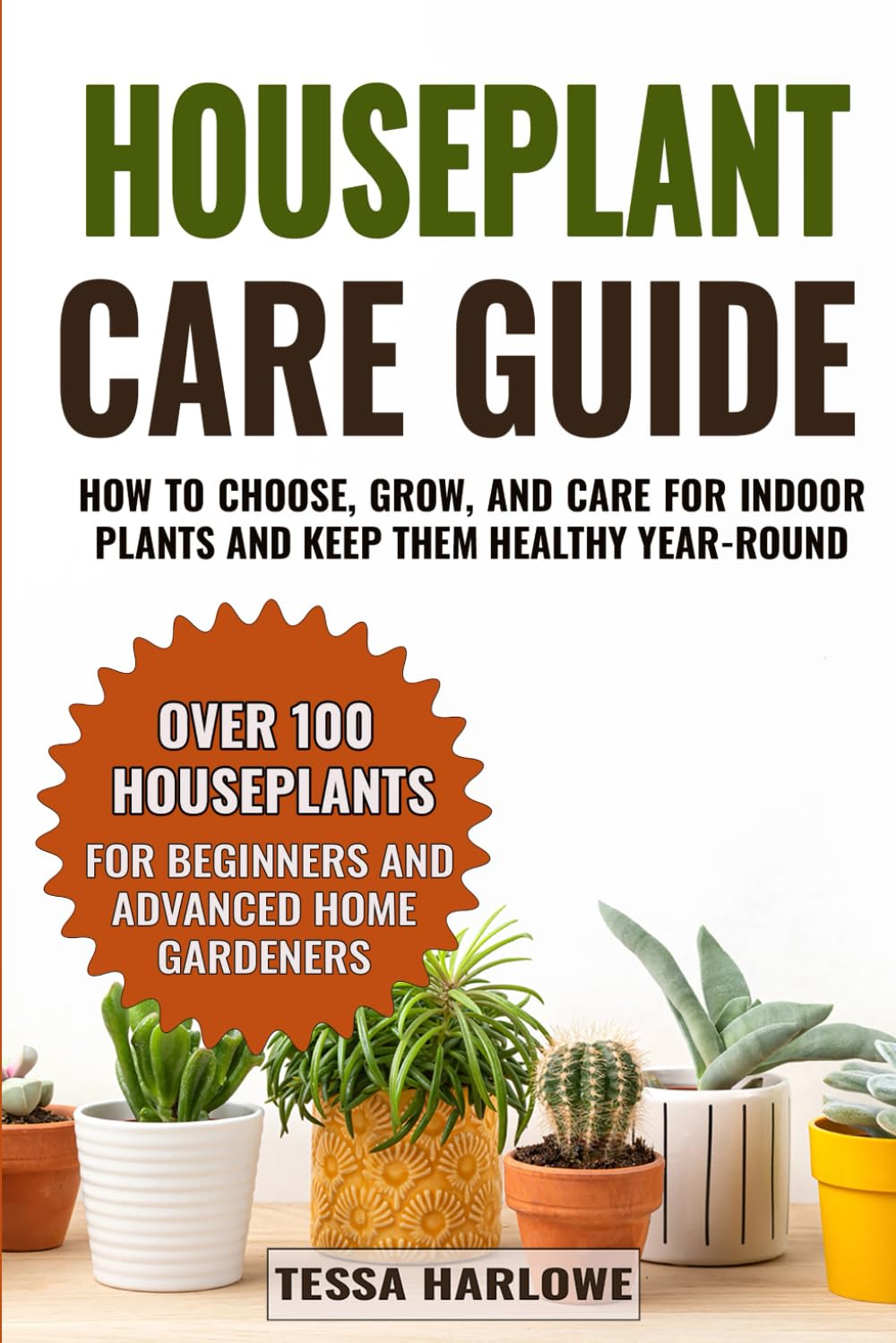
The Houseplant Care Guide by Tessa Harlowe is a comprehensive reference for anyone looking to grow healthy indoor plants. Whether you are a beginner picking your first pothos or an experienced gardener expanding your collection, this book offers practical advice for over 100 houseplants.
The standout feature is the extensive library of plant profiles, each with clear care requirements. The step-by-step propagation section is especially valuable for those wanting to multiply their plants. The seasonal care strategies help you adjust your routines as temperatures and humidity change throughout the year.
The book is organized logically, making it easy to find information quickly. Instructions are concise and paired with practical tips. While it does not include many photographs, the text is clear and actionable, focusing on the essentials that matter most for thriving plants.
One potential drawback is that the book concentrates on the most popular houseplants, so owners of very rare or exotic plants might need additional resources. Also, experienced growers may find some basic care routines familiar. Overall, however, this guide delivers excellent value with its breadth of information and accessible style. It earns a strong recommendation for anyone serious about indoor gardening.

Pros
- Easy to follow for beginners, with clear explanations and no jargon overload
- Species-specific advice helps you pick the right palm for your space and light conditions
- Practical pest control solutions that avoid toxic chemicals
- Includes styling ideas that make the guide useful beyond just plant care
Cons
- Only one customer review so far, so long-term feedback is limited
- Print length is 134 pages, which may feel brief for experienced gardeners looking for deep botany
- No troubleshooting section for common palm problems like browning tips or leaf drop
A Guide to Smart Care for Indoor Palm Trees is a focused handbook for anyone who wants to bring a touch of the tropics inside. Whether you are a new plant parent or a seasoned collector, this book aims to simplify the care of indoor palm varieties. It is part of the Home Botanica Series, which promises smart, straightforward advice for houseplant lovers. The author, Maxwell Steinbeck, keeps things practical and avoids overly technical language, making it accessible to a wide audience.
The standout feature here is the detailed profiles of ten popular palm species. You get specific guidance on lighting, watering, humidity, and soil preferences for each one. For example, the Areca Palm and Parlor Palm have different needs, and the book spells out the differences clearly. There is also a good section on natural pest control, which is a relief for those who prefer not to use harsh chemicals. The interior design tips are a nice bonus, showing you how to position palms in various rooms for maximum visual impact.
The book is well organized and easy to navigate. At 134 pages, it is concise enough to read in an afternoon but packed with actionable advice. The paperback edition is lightweight and portable, so you can keep it near your plants. However, the lack of a dedicated troubleshooting guide for common issues like yellowing leaves or drooping fronds is a missed opportunity. Experienced indoor gardeners might find the content a bit basic, but it covers the essentials thoroughly.
One potential drawback is that the book has only one customer review so far, so it is hard to gauge how well the advice translates to real-world results. The author seems knowledgeable, but without more user feedback, you are trusting the content at face value. Also, some readers might wish for more advanced topics like fertilization schedules or dealing with specific pests in more depth.
Overall, this is a solid, no-nonsense guide for anyone who wants to keep indoor palm trees healthy and looking their best. It is particularly useful for beginners who need clear, step-by-step instructions. If you are looking for a focused resource on palm care without fluff, this book delivers what it promises. Just keep in mind that it is a starting point, not an encyclopedia.

Pros
- Beautifully illustrated with inspiring photos of rose combinations and garden layouts
- Practical, easy-to-follow advice for beginners and intermediate gardeners
- Covers a wide range of rose types: ground cover, climbing, bush, and container varieties
- Includes valuable tips on companion planting and seasonal garden progression
- Focuses on modern, low-maintenance rose varieties that are easier to grow
Cons
- Strongly tailored to Swedish growing conditions, which may not translate well to warmer or more humid U.S. climates
- Some readers found the regional focus misleading, as the book's description doesn't highlight this
- A few reviews mention potential issues with digital download versions being incorrect
Practical Rose Gardening by Inger Palmstierna is a visually rich, straightforward guide aimed at gardeners who want to grow modern, easy-care roses without the fuss. The book covers more than 50 rose varieties, from ground covers to climbers and bush roses, with clear instructions on where to plant them and how to care for them. It's especially strong on companion planting, showing you which plants pair well with roses for color and texture throughout the seasons.
The standout feature here is the photography. Every page has beautiful, full-color images that make it easy to see exactly what a rose variety looks like and how it fits into a garden design. This is a huge plus for visual learners who prefer to browse and pick favorites rather than read dense text. The author also includes practical tips for growing roses in containers on balconies or terraces, which is a nice touch for urban gardeners.
However, the book has a clear northern European bias. Palmstierna is Swedish, and the advice on climate, soil, and rose varieties is tailored to Sweden's cool, temperate conditions. Several U.S. reviewers from warmer states like the South or Southwest found the advice less applicable, and some felt misled because the book's description doesn't mention this regional focus. If you live in a similar cool climate (Pacific Northwest, Northeast, or higher altitudes), you'll find it more useful. For hot, humid regions, you may need to supplement with local resources.
The book is well-constructed with a sturdy softcover and quality paper, though at 160 pages it's more of a concise reference than an exhaustive encyclopedia. It covers the basics of buying, planting, pruning, and pest control in a simple, accessible way. A few readers also reported issues with the digital download version delivering a different book, so stick with the physical copy if you can.
Overall, Practical Rose Gardening is a solid choice for beginners and intermediate gardeners who want a practical, visual guide to modern roses. Just be aware of its Swedish focus and check whether the varieties and advice align with your local climate. If they do, this book will help you create a beautiful, low-maintenance rose garden with confidence.
Publisher: Skyhorse
Publication Date: February 24, 2015
Language: English
Print Length: 160 pages
ISBN-10: 1629147400
ISBN-13: 978-1629147406
Item Weight: 1.4 pounds
Dimensions: 7.5 x 0.6 x 9.75 inches
Before buying Practical Rose Gardening, consider your local climate. This book is written from a Swedish perspective, so it's best suited for gardeners in cool, temperate regions (USDA zones 3-7). If you live in a hot, humid, or arid area, look for a rose guide that addresses your specific conditions.
Also, note that the book focuses on modern, easy-care rose varieties. If you're interested in heirloom or old-fashioned roses, you'll find less coverage here. For beginners who want a visual, practical approach with companion planting ideas, this is a great pick. For advanced rosarians seeking in-depth botanical details, you may need a more technical reference.
Finally, opt for the physical paperback to avoid any potential digital download mix-ups reported by some users. The book's sturdy construction and high-quality photos make the print version well worth the investment.

Pros
- Accessible for all experience levels, with no prior knowledge needed.
- Concise yet comprehensive; covers care, design, history, and propagation in 60 pages.
- Beautiful presentation with detailed visuals that aid learning.
- Unique blend of practical advice and cultural storytelling sets it apart from standard care guides.
- Affordable price point for a niche reference book.
Cons
- At 60 pages, some topics may feel condensed for readers wanting deeper coverage.
- No reviews yet, so real-world feedback is unavailable to assess long-term usefulness.
- Independently published, so editing and layout quality may not match major publishers.
Palms of Paradise is a thoughtfully crafted guide that positions itself as more than just another plant care manual. Written by Olesia Naumchyk, this 60-page book aims to help both new and experienced indoor gardeners turn their homes into lush, green sanctuaries. It covers a wide range of topics: selecting the right palm species, mastering lighting and watering routines, styling your space with palms, and even exploring the cultural history behind these iconic plants. The book is designed to be a complete resource, and for the most part, it delivers on that promise.
The standout quality of this guide is how it weaves practical advice with narrative and inspiration. Each palm species gets a detailed profile with growth habits and care needs, and the guidance on propagation is clear and actionable. The interior design chapter is a nice bonus, offering creative ways to showcase palms as decor. The historical and cultural sections add unexpected depth, making the book feel more like a celebration of palms than a dry technical reference. The illustrations are vivid and help reinforce the text, though they are not photographs.
On the downside, the book’s brevity means some topics are only touched upon lightly. Experienced plant enthusiasts might wish for more advanced troubleshooting or deeper dives into specific genera. Also, as an independently published title, the formatting and print quality are functional rather than premium. The book is available in paperback only, and at 6 x 9 inches, it is a comfortable size for reading but not for heavy note-taking. That said, for its price point, the value is solid.
Overall, Palms of Paradise is a great starting point for anyone newly interested in indoor palms or looking for a concise, enjoyable refresher. It doesn’t attempt to be the definitive encyclopedia, but it succeeds at being an inviting, practical companion. If you are serious about building a palm collection, this book will give you the confidence to get started and keep your plants thriving.

Pros
- Clear, concise troubleshooting for common plant problems
- Covers a wide variety of popular houseplants
- Great for beginners who feel overwhelmed by plant care
- Includes practical tips on lighting and pot selection
- Lighthearted writing style makes learning enjoyable
Cons
- Illustrations are more decorative than detailed; not a fully visual guide
- Information may be too basic for experienced plant owners
- Only covers 50 plants, so some less common varieties are missing
What Is My Plant Telling Me? is an illustrated guide aimed at helping houseplant owners understand and respond to their plants' needs. Written by Emily L. Hay Hinsdale, this book targets both newcomers who struggle to keep plants alive and more experienced owners looking to brush up on basics. It covers 50 popular houseplants, from succulents to orchids, with a focus on common distress signals like yellow leaves, brown tips, and root rot.
The standout feature is its straightforward troubleshooting approach. Each plant gets two to three pages with a quick-care chart for sunlight, soil, water, and feeding, plus specific advice on what to do when something goes wrong. The book also helps you choose plants suited to your space and explains how to pick the right pot size. Real-world feedback from reviewers highlights that it's a great starter resource, with many noting it gave them confidence to keep their plants alive.
Design-wise, the hardcover is compact and sturdy, making it easy to keep on hand. The illustrations by Loni Harris are charming but not overly detailed; some reviewers wished for more visual guides. The writing style is conversational and light, with a touch of humor, which makes the content feel less like a textbook and more like friendly advice.
A few drawbacks: the information can be broad and may not offer deep insights for seasoned plant owners. The cover scuffing mentioned in one review appears to be a shipping issue rather than a design flaw. Also, the book covers only 50 plants, so if you have a rare species, you might need another resource. Some readers felt the illustrations were sparse, expecting a more heavily illustrated guide based on the title.
Overall, What Is My Plant Telling Me? is a solid, practical choice for anyone new to houseplants or wanting a quick reference for common varieties. It won't replace encyclopedic guides, but it delivers on its promise to help you understand what your plant is trying to say. For the price, it's a worthwhile investment for greener thumbs.

Pros
- Covers all basics in one book
- Easy-to-follow language and structure
- Includes practical DIY solutions
- Good for both new and intermediate plant owners
- Affordable price point
Cons
- No customer reviews yet to verify quality
- Self-published, so editing or layout may be less polished than major publishers
- May be too basic for experienced indoor gardeners
The Beginner's Guide to Indoor Plant Care by Fox . Y Yang is a self-published 193-page book aimed at helping new plant owners build confidence and skill. It covers the full spectrum of indoor plant care, from picking the right plants for your light conditions to mastering watering schedules, fertilizing, pest control, and even propagation. The book is structured like a course, with step-by-step instructions and troubleshooting guides that make it easy to follow along even if you have never kept a plant alive before.
One of the standout features is the inclusion of DIY solutions for homemade fertilizers and pest control. That is a practical touch that can save you money and reduce reliance on chemical products. The book also includes detailed profiles of a wide variety of common indoor plants, so you can quickly look up the specific needs of your own greenery. The advice on propagation and repotting is especially helpful for anyone hoping to expand their collection without spending a lot.
In terms of design, the book is a standard paperback with dimensions of 7.5 x 0.44 x 9.25 inches and an item weight of 15.5 ounces. It is comfortable to hold and read. The layout appears functional, though without customer reviews available yet, it is hard to comment on the quality of images or the clarity of diagrams. As a self-published title, it may lack the polished editing and high-quality photography of books from major publishers, but the content itself is thorough and well-organized.
A potential drawback is that this book has no customer reviews at the time of this review, so you are buying based on the description alone. It also may not offer much new information for experienced indoor gardeners who already know the basics. However, for a beginner who wants a single resource that covers everything from A to Z, this book delivers solid value at a reasonable price.
Overall, the Beginner's Guide to Indoor Plant Care is a practical, no-nonsense manual for anyone starting their indoor plant journey. It is easy to read, packed with actionable advice, and covers all the essential topics. If you are looking to build a thriving indoor garden without feeling overwhelmed, this book is a great place to start.
How To Care For An Indoor Palm Plant
Dry leaf tips, pale fronds, and a once-lively plant that suddenly looks tired often spark frustration indoors. A palm may look effortless in a magazine photo, yet daily conditions inside a room rarely match the humid forests where these plants evolved. Light angles shift through the seasons, heaters pull moisture from the air, and watering habits swing between too much and too little. Those small mismatches quietly shape the health of the plant. That reality is exactly why learning how to care for an indoor palm plant becomes the difference between a fading decoration and a thriving indoor centerpiece. With the right knowledge from trusted resources, you can avoid common pitfalls and enjoy a lush palm for years.
Indoor Palm Environment Basics
Indoor palms react strongly to their surroundings because their roots and fronds evolved in stable tropical climates. Stable warmth, moderate moisture, and soft filtered light create the comfort zone that keeps fronds vibrant. Rooms with extreme dryness or sudden temperature swings often trigger browning edges or slowed growth. Consistency matters more than perfection.
Air movement also plays a surprising role. Stagnant corners trap dry air and dust around the leaves, which gradually weakens the plant’s ability to photosynthesize. Gentle airflow keeps the foliage cleaner and reduces stress. A slightly open window or subtle air circulation can improve overall palm resilience without creating harsh drafts.
Humidity remains one of the most overlooked factors in indoor palm health. Tropical palms evolved in air that regularly holds high moisture levels. Many homes drop well below that range during winter or heavy air-conditioning periods. That gap explains why leaf tips dry out even when watering seems correct.
Temperature stability supports steady growth. Most indoor palms thrive in a mild temperature range that mirrors comfortable living spaces. Sudden cold drafts from doors or windows shock sensitive roots and can stall growth for weeks. Maintaining steady warmth and mild humidity gives palms the calm environment they need to flourish.
Choosing The Right Indoor Palm
Not every palm adapts well to indoor life. Some species demand intense light and tropical humidity that homes simply cannot provide. Selecting varieties known for indoor tolerance dramatically improves long-term success. Species like Parlor Palm, Areca Palm, and Kentia Palm often perform better because they tolerate lower light and moderate humidity.
Size expectations matter as well. A small decorative palm can eventually reach ceiling height under the right conditions. Planning space early prevents awkward pruning or relocation later. Growth habits vary widely between species, so researching mature height and spread saves headaches down the road.
Leaf structure offers another clue to indoor adaptability. Palms with thin, delicate fronds usually demand more humidity, while sturdier fronds handle drier indoor air more easily. Observing foliage thickness helps anticipate how much care a plant might require. Plants with tougher leaves typically adapt better to modern indoor climates.
Plant quality at purchase also influences long-term health. Healthy palms display rich green fronds, firm stems, and evenly colored leaves. Yellowing patches or drooping fronds may signal root stress or poor watering habits at the nursery. Starting with a strong specimen sets the foundation for easier success while practicing how to care for an indoor palm plant.
Light Conditions That Keep Fronds Healthy
Light shapes nearly every aspect of palm growth. Insufficient light slows photosynthesis and causes long, weak stems that stretch toward windows. Excessive direct sunlight, however, scorches delicate leaves and leaves pale burn marks across the fronds. The ideal balance usually sits in bright indirect light.
Window direction dramatically changes light quality. East-facing windows provide gentle morning sunlight that most palms tolerate well. South or west windows often require a sheer curtain to soften harsh afternoon rays. Diffused light prevents scorching while still delivering steady energy for leaf development.
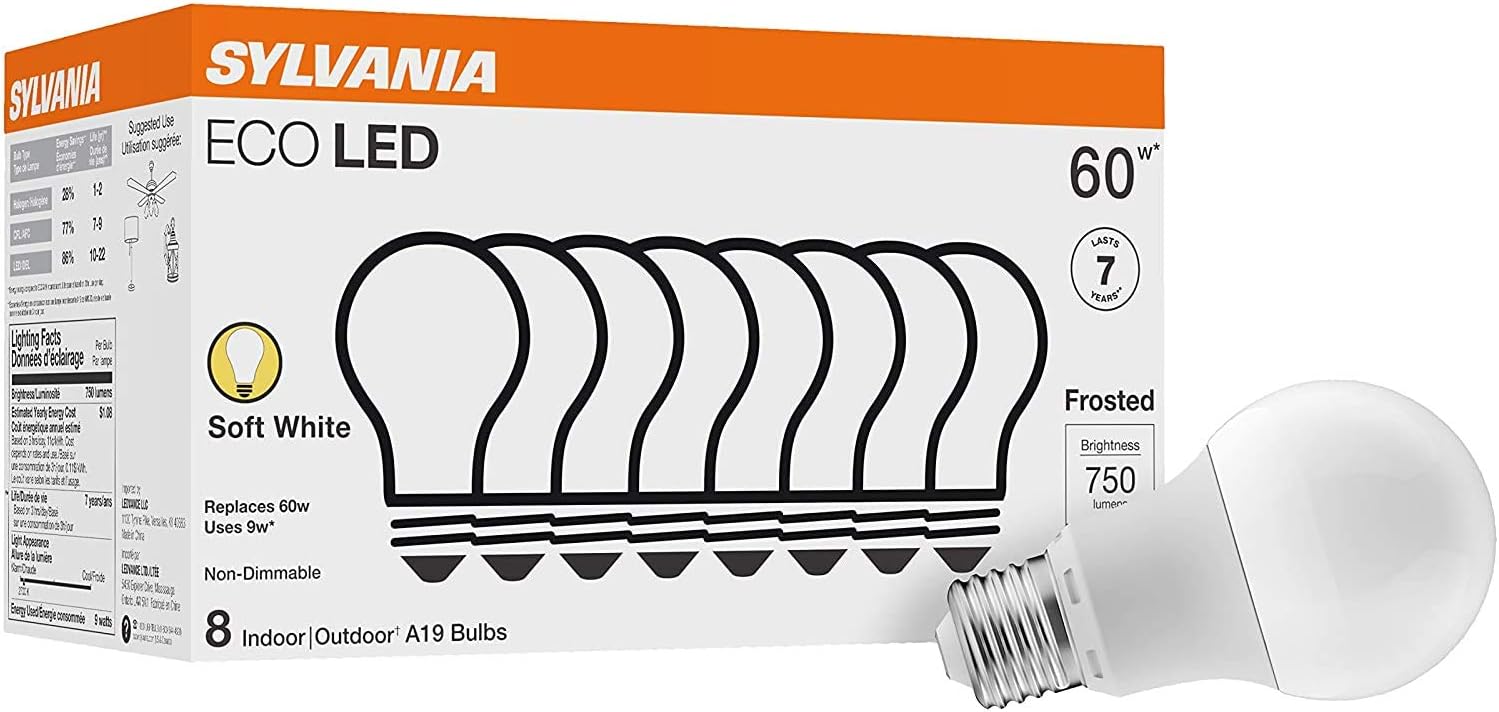
Artificial lighting becomes helpful in darker rooms or during seasons when daylight hours shrink. Supplemental lighting ensures consistent growth and prevents pale, stretched fronds. Indoor gardeners often rely on specialized plant lighting systems to maintain healthy foliage. For more details on setting up reliable brightness for indoor plants, check out best grow light for indoor tropical plants 2026 picks that actually work.
Light positioning also matters more than most expect. Rotating the plant every week or two prevents uneven growth as fronds naturally lean toward the brightest direction. Balanced exposure keeps the canopy symmetrical and visually appealing. Maintaining even light distribution strengthens both root activity and leaf color.
Watering Rhythm And Root Health
Watering mistakes remain the most common reason indoor palms decline. Roots require moisture, yet they also need oxygen to stay healthy. Waterlogged soil suffocates roots and invites fungal problems that spread quickly. That delicate balance explains why controlled watering habits matter more than strict schedules.
Checking soil moisture before watering prevents accidental overwatering. Inserting a finger slightly into the soil quickly reveals whether the root zone still holds moisture. If the soil feels damp, waiting another day protects the roots from saturation. Patience helps maintain healthy oxygen levels in the soil.
Water distribution should reach the entire root system. Pouring water slowly around the pot ensures even moisture without creating dry pockets. Excess water must drain freely through the bottom of the pot to prevent stagnation. Good drainage supports strong root development and stable growth.
Seasonal shifts affect watering frequency. Palms typically drink more during active growth in warmer months and far less during cooler seasons. Observing leaf posture and soil dryness offers better clues than rigid schedules. Flexible watering habits remain essential for anyone serious about how to care for an indoor palm plant.
Soil And Drainage For Palm Stability
Healthy soil creates the invisible support system beneath every thriving palm. Dense soil traps water around the roots and quickly leads to rot. Palms perform best in loose mixtures that allow air and water to move freely through the pot. Balanced soil structure keeps the roots both hydrated and oxygenated.
Potting mixes designed for tropical plants often include peat, coco coir, perlite, or sand. These materials prevent compaction while maintaining moderate moisture levels. Roots expand easily through this airy environment, supporting stronger leaf growth above the soil. Choosing the right blend strengthens the foundation of long-term palm health.
Container design influences drainage just as much as soil. Decorative pots without drainage holes trap water beneath the root ball, quietly creating soggy conditions. Using pots with proper drainage allows excess moisture to escape before it damages roots. A simple drainage hole dramatically improves soil aeration and root safety.
Repotting occasionally refreshes the soil structure and prevents root crowding. Palms generally prefer slightly tight containers, yet compacted soil eventually reduces airflow. Replacing old soil restores nutrients and improves moisture balance. Fresh soil supports stronger growth for those mastering how to care for an indoor palm plant.
Humidity And Indoor Air Balance
Indoor air often lacks the moisture palms naturally expect. Heating systems and air conditioners quietly pull humidity from the environment, leaving plants exposed to dry conditions. This dryness shows up quickly through crispy leaf tips and fading color. Increasing humidity restores the tropical comfort zone palms prefer.
Simple humidity techniques make a noticeable difference. Placing a tray of water near the plant gradually increases surrounding moisture through evaporation. Grouping several plants together also helps maintain a slightly more humid microclimate. These small adjustments reinforce leaf hydration and healthier fronds.
Misting sometimes helps, though its effects remain temporary. Light misting refreshes foliage and removes dust, but it should not replace proper humidity control. Consistent ambient humidity works better than occasional bursts of moisture. Reliable moisture in the air supports stable leaf structure and growth.
Air balance extends beyond humidity alone. Clean air circulation prevents fungal issues and discourages pests from settling under leaves. Gentle airflow combined with moderate humidity creates conditions that closely resemble a palm’s natural habitat. That balance strengthens the daily routine behind how to care for an indoor palm plant.
Indoor Plant Variety And Compatibility
Interior design trends often pair palms with other tropical plants to create lush indoor landscapes. Visual contrast between leaf shapes adds depth and character to a room. Pairing broad-leaf plants with delicate palm fronds creates an inviting botanical corner indoors. Strategic placement enhances both decor and plant vitality.
Compatibility between plants matters more than aesthetics alone. Species with similar light and humidity needs coexist more successfully in shared spaces. This harmony prevents one plant from thriving while another struggles nearby. Balanced pairings support stable environmental conditions.
Curiosity about other houseplants frequently sparks comparison. Some indoor gardeners wonder whether orchids or palms adapt better to living spaces with filtered light and moderate humidity. For readers comparing plant suitability indoors, the guide is orchid a good indoor plant explains how orchids behave inside typical home environments.
Thoughtful plant combinations also influence air circulation and humidity levels around foliage. Clustering tropical plants gently raises humidity while creating a calming indoor atmosphere. The result feels less like decoration and more like a miniature indoor ecosystem built around healthy tropical greenery.
Simple Daily Routine For How To Care For An Indoor Palm Plant
Small frustrations often start the journey with indoor plants. A palm that once looked lush suddenly shows brown edges, drooping fronds, or faded color even though watering seemed correct. Indoor conditions shift quietly, sunlight angles change, heaters dry the air, and soil slowly compacts inside the pot. Those tiny shifts create stress that builds over time. Building a simple routine around how to care for an indoor palm plant turns scattered guesswork into steady growth and healthier foliage.
Recognizing Early Signs Of Palm Stress
Leaves usually tell the entire story long before a plant declines. Slight discoloration, curling edges, or drooping fronds signal early stress that many people overlook. These subtle warnings appear days or even weeks before serious damage occurs. Paying attention to leaf color, shape, and firmness reveals whether the environment supports healthy growth.
Brown tips often develop when air becomes too dry or salts accumulate in the soil. Indoor palms frequently struggle during winter months when heating systems reduce humidity. Fronds lose moisture faster than roots can supply it. Increasing humidity and flushing the soil occasionally helps restore healthy leaf hydration.
Yellowing leaves usually indicate root stress rather than simple aging. Overwatering suffocates roots and blocks nutrient absorption. Once oxygen levels drop around the roots, the plant cannot maintain vibrant foliage. Correcting watering habits protects root oxygen flow and nutrient uptake.
Drooping or weak fronds sometimes appear when light levels fall too low. Plants stretch toward brighter areas, causing thin stems and unstable growth. Adjusting plant placement restores stronger structure. Balanced light remains one of the most essential parts of how to care for an indoor palm plant.
Cleaning Palm Leaves For Healthier Growth
Dust collects easily on large palm fronds, especially inside homes with limited airflow. A thin layer of dust blocks sunlight and reduces photosynthesis efficiency. Leaves slowly lose their glossy appearance and growth begins to slow. Regular cleaning restores maximum light absorption.
Soft cloths or gentle rinsing remove debris without damaging delicate leaf surfaces. Warm water works best because it loosens dust while keeping leaf tissues comfortable. Aggressive scrubbing should be avoided because it scratches the protective leaf coating. Gentle cleaning supports healthy leaf structure.
Clean leaves also reduce pest problems. Dusty foliage creates hiding spots for spider mites and other insects that thrive in dry indoor environments. Washing the leaves removes early infestations before they spread. Preventative care protects overall plant vitality.
Regular maintenance also improves the plant’s visual appeal. Glossy fronds reflect light beautifully and create a vibrant indoor atmosphere. A clean plant becomes a focal point instead of a neglected corner decoration. Maintaining foliage health strengthens routines for how to care for an indoor palm plant.
Indirect Light And Palm Growth Balance
Light quality determines how efficiently a palm produces energy for growth. Strong direct sunlight often damages delicate fronds, leaving pale burn spots across the leaves. Low light produces thin stems and faded foliage that struggles to maintain structure. Balanced illumination keeps the plant vigorous.
Most indoor palms thrive under bright but filtered illumination. Light should feel strong enough to brighten the room without casting harsh shadows directly on the plant. Curtains or sheer blinds soften sunlight and protect fragile leaf tissues. This approach closely mirrors the filtered light found beneath tropical tree canopies.
Many indoor gardeners struggle to interpret lighting conditions correctly. Sunlight intensity changes throughout the day and across seasons, which can make plant placement confusing. The guide what is indirect light for a plant explains how diffused sunlight supports healthy indoor plant growth.
Stable lighting allows the plant to maintain steady photosynthesis throughout the day. Fronds remain upright and maintain a deeper green tone. Balanced exposure strengthens root systems and encourages fuller foliage. Proper illumination plays a defining role in mastering how to care for an indoor palm plant.
Repotting Techniques That Protect Roots
Roots eventually outgrow their containers even when the plant appears healthy above the soil. Crowded roots circle the pot and struggle to absorb water evenly. Growth slows and leaves may begin to pale. Repotting restores root space and nutrient availability.
The best moment to repot appears during active growth seasons when the plant can recover quickly. Gently loosening the root ball prevents damage while encouraging roots to spread into fresh soil. Careful handling protects delicate feeder roots that absorb most nutrients. Healthy roots support stronger frond development.
New containers should be only slightly larger than the previous pot. Excessively large pots hold too much water and create soggy conditions around the roots. Controlled expansion keeps moisture levels balanced. Choosing the correct pot size ensures stable moisture control.
Fresh soil mixtures replenish nutrients that older soil can no longer provide. Over time, watering flushes minerals away and compresses soil particles. Replacing the soil restores proper aeration and nutrient balance. Repotting plays a quiet yet essential role in maintaining how to care for an indoor palm plant.
Preventing Indoor Palm Pests Naturally
Indoor environments sometimes attract tiny pests that thrive in warm, dry conditions. Spider mites, scale insects, and mealybugs often settle on the underside of palm leaves. Early infestations appear as tiny dots or sticky residue on foliage. Detecting pests early protects long-term plant health.
Regular inspection of leaves and stems helps stop infestations before they spread. Turning the fronds occasionally reveals hidden insects beneath the leaf surface. Small populations can often be removed with a damp cloth or mild soap solution. Early attention protects delicate leaf tissue.
Maintaining proper humidity also discourages pests. Many indoor insects thrive in dry air but struggle in moderately humid environments. Raising humidity slightly creates conditions that favor plant health rather than insect survival. Balanced air moisture strengthens natural plant resilience.
Clean soil and good airflow further reduce pest risks. Stagnant air and overly damp soil provide ideal breeding environments for unwanted insects. Balanced watering and airflow keep the plant strong enough to resist infestations. Preventative care remains an essential part of how to care for an indoor palm plant.
Creating A Long Term Indoor Palm Routine
Consistency builds the strongest indoor plant success. Palms thrive when their environment stays predictable and calm. Sudden shifts in watering, lighting, or temperature often trigger stress responses. Stable care routines protect steady growth and leaf vitality.
Simple weekly habits make a noticeable difference. Checking soil moisture, rotating the pot slightly, and wiping dust from leaves keep the plant balanced. These small actions prevent problems before they escalate. Routine observation strengthens plant awareness and responsiveness.
Seasonal adjustments maintain healthy conditions throughout the year. Winter often requires less watering but slightly more humidity due to indoor heating. Summer months may increase water demand as growth accelerates. Adapting care patterns keeps the plant aligned with natural growth cycles.
Patience ultimately rewards anyone learning how to care for an indoor palm plant. Once light, water, and humidity fall into rhythm, palms develop fuller fronds and stronger root systems. A thriving palm transforms the surrounding space into a calm, living atmosphere filled with vibrant greenery.
Frequently Asked Questions About Indoor Palm Care
Why are the tips of my indoor palm turning brown?
Brown tips on palm fronds usually result from low humidity or salt buildup in the soil. Indoor heating and air conditioning dry out the air, causing leaf edges to crisp. Flushing the soil with water occasionally helps remove excess salts. Increasing ambient humidity with a pebble tray or humidifier can prevent further browning.
How often should I water an indoor palm?
Watering frequency depends on light, temperature, and pot size. A good rule is to water when the top inch of soil feels dry to the touch. During active growth in spring and summer, palms may need water every 5 to 7 days. In cooler months, spacing out watering to every 10 to 14 days helps prevent root rot.
What kind of light do indoor palms need?
Most indoor palms prefer bright indirect light for several hours a day. Direct sun can scorch the leaves, while too little light leads to weak, leggy growth. East- or north-facing windows are ideal. For darker rooms, supplementing with a best led grow light for indoor plants can keep your palm thriving year-round.
Can I use regular potting soil for my indoor palm?
Standard potting soil is often too dense for palms and retains too much water. A well-draining mix with perlite, coconut coir, or orchid bark works better. Look for a blend specifically formulated for tropical plants. Good soil aeration helps prevent waterlogged roots and keeps the palm healthy.
How do I know if my indoor palm is getting too much water?
Yellowing leaves, mushy stems, and a sour smell from the soil are common signs of overwatering. The soil may stay wet for several days after watering. Allowing the top layer to dry out between waterings and ensuring the pot has drainage holes can correct the issue. Early detection is key to saving your palm from root suffocation.


Write Your Review
No reviews yet. Be the first to share your experience!