


Getting the best time of year to plant irises right makes all the difference between a few blooms and a stunning display. Irises are hardy perennials that thrive when planted during their natural dormancy period, which for most varieties is late summer through fall. Planting too early or too late can stress the rhizomes and reduce flowering the following season. Whether you are working with bearded irises, Dutch irises, or reblooming types, timing your planting around your local frost dates and soil temperature is key to strong root establishment before winter. In this guide, we break down the best planting windows for different zones and share 6 iris products that can help you get started this October of 2026.
Many gardeners struggle with irises that fail to bloom or rot in the ground. Often the culprit is planting at the wrong time or in poorly drained soil. The ideal window for most regions is about 6 to 8 weeks before the first hard frost, giving roots time to anchor before the ground freezes. For warmer zones (8-10), fall planting can stretch into early winter, while colder zones (3-5) need to finish by mid-September. Spring planting is also possible for some varieties, but fall planting generally produces stronger plants and more flowers the first year. If you are new to growing irises, check out our guide on 6 Best Gardenia Small Bonsai Tree Options for Fragrant Indoor & Outdoor Displays in 2026 for more seasonal planting tips.

Pros
- Stunning crimson and bronze color combination with unique tiger-stripe accents.
- Reblooming capability extends the flowering season significantly.
- Hardy perennial that returns for years and spreads naturally.
- Fragrant blooms ideal for cut flower arrangements.
- Easy to grow with little watering needed after establishment.
Cons
- Rhizome may arrive dried out depending on shipping conditions; a good soak before planting is recommended.
- Only one rhizome per package – you'll need to buy multiple for a fuller display.
- Blooms may take a season or two to fully establish and reach peak performance.
The Bernie's Legacy Re-Blooming Bearded Iris by Willard & May is a premium perennial rhizome that brings rich crimson and bronze tones to any garden. This variety is specially bred to rebloom, so you can enjoy its fragrant flowers from spring through fall rather than just a single flush. For gardeners in USDA zones 3 through 10, this iris is remarkably adaptable. It grows best in full sun to partial shade and requires little watering once established. The mature height of 24 to 36 inches makes it ideal for mid-border placement or as a cut flower addition to your garden. Its strong, naturalizing habit means it will multiply over the years, filling in bare spots and creating a more dramatic display each season.
One reviewer noted that the rhizome appeared dried out upon arrival. While many bulbs can recover with a good soak before planting, it's worth inspecting your shipment promptly. The overall customer rating of 4.2 out of 5 stars reflects that most gardeners are pleased with the vibrant blooms and easy care. Design-wise, the flowers are truly eye-catching: deep crimson standards with bronze tips and golden beards, accented by cinnamon and mahogany tiger stripes. The fragrance is a pleasant bonus, making this a great choice for indoor bouquets. If you're looking for a reliable perennial that offers color year after year with minimal fuss, the Bernie's Legacy Iris is a solid investment. Just be prepared to handle the rhizome carefully upon delivery and give it the right conditions to thrive.
Pros
- Reblooming variety can flower multiple times per year.
- Fragrant blooms that are great for cut flower arrangements.
- Low maintenance once established, with little supplemental watering needed.
- Naturalizing habit means the plant spreads over time for more coverage.
- Hardy and reliable in full sun and well-drained soil.
Cons
- Some customers report receiving dry or dead bulbs.
- Only one bulb per pack, which some find pricey.
- Bulb size may be smaller than expected for the price.
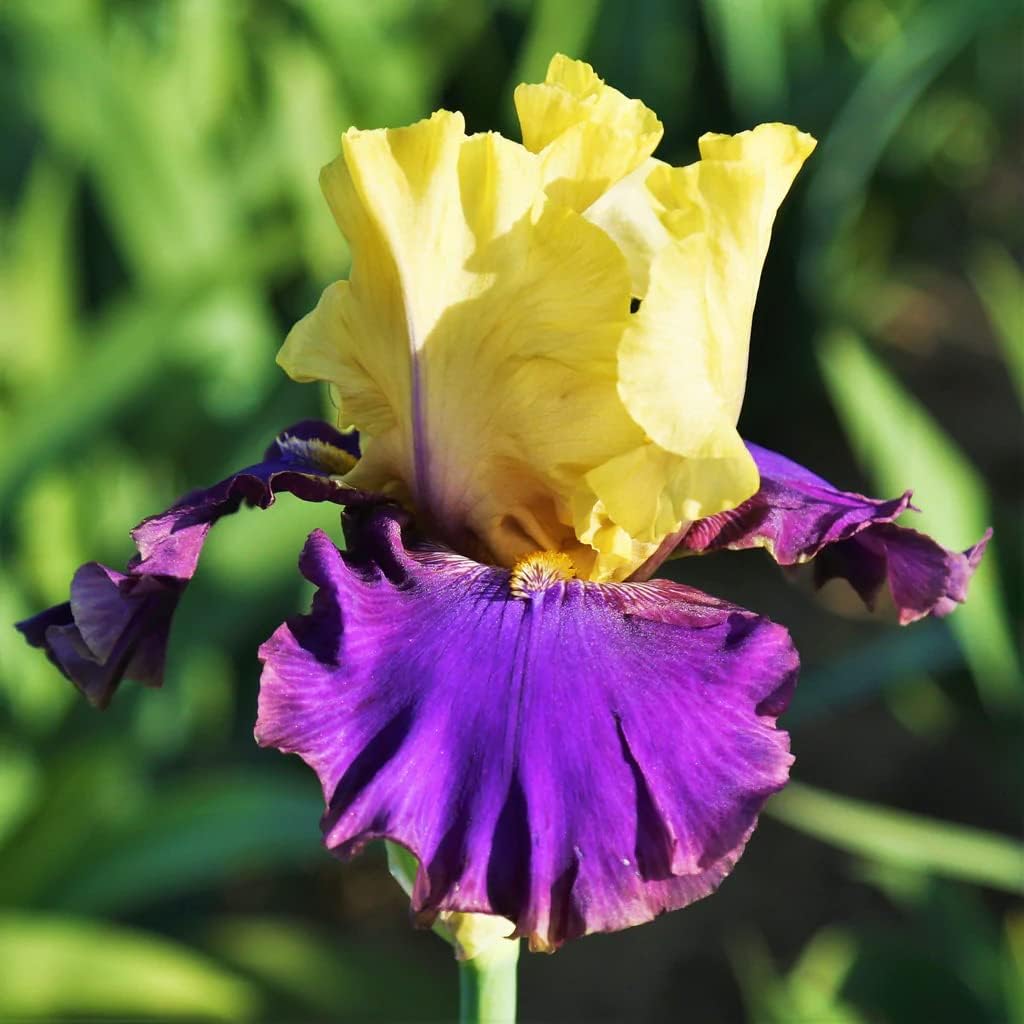
The Jurassic Park Reblooming Bearded Iris from Willard & May is a perennial flower bulb designed to add reliable color and fragrance to your garden year after year. It's ideal for gardeners who want a low-maintenance plant that naturalizes and spreads, making it a solid choice for borders, flower beds, or cut flower gardens. With its striking yellow and purple blooms and a height of up to 34 inches, this iris is both a visual standout and a practical addition for those who prefer planting once and enjoying returns.
One of the standout features is its reblooming capability. While many bearded irises bloom only in late spring, this variety can bloom multiple times if conditions are right. The fragrant flowers are also excellent for cutting, bringing their beauty indoors. The bulbs are designed for fall planting (September through December) and require full sun and sandy soil for best results. After the initial watering to eliminate air pockets, the plant needs very little supplemental water, making it a great choice for xeriscaping or low-water gardens.
The build quality of the bulb itself is described as "premium No. 1 rhizome" by the manufacturer. However, customer reviews show some inconsistency. Many buyers received healthy, viable bulbs that grew into beautiful blooms, while others reported receiving dried-out or dead bulbs. This variance is a key concern, especially given that the pack contains only one bulb for a price that some consider high. The bulb's condition upon arrival seems to be the biggest factor in success.
In terms of drawbacks, the most common issues are bulb size and condition. A few reviewers noted the bulb was very small or arrived dead. The price for a single bulb may also feel steep compared to other iris varieties that come in multiples. Still, when the bulb is healthy, the reviews are overwhelmingly positive, with many customers delighted by the reblooming performance and the fragrance.
Overall, the Jurassic Park Bearded Iris offers genuine value if you get a good bulb. The reblooming feature, fragrance, and ease of care are strong selling points. The main risk is the condition of the bulb on arrival. If you're willing to take that chance, this iris can be a rewarding perennial that brings years of enjoyment. For best results, inspect the bulb promptly upon receipt and plant in well-drained soil with full sun.

Pros
- Long-lasting blooms that work beautifully as cut flowers.
- Easy to plant and maintain, suitable for beginners.
- Attracts bees and butterflies, boosting garden biodiversity.
- Hardy across a wide range of climates (zones 5-9).
- Height adds structure without overshadowing neighboring plants.
Cons
- Only 12 bulbs per pack, may need multiple packs for large drifts.
- Requires well-drained soil; not suited for heavy clay or consistently wet areas.
- Blooming season is limited to late spring and early summer, not all season.
The Votaniki Discovery Dutch Iris offers an easy way to bring refined color to spring and early summer gardens. These bulbs produce elegant flowers with deep purple-blue falls, a yellow lip, and lilac-blue standards. They bloom on slender, sturdy 20-25 inch stems, perfect for cutting or border display. Gardeners in USDA zones 5 through 9 will find them reliable perennials when planted in fall.
What sets these irises apart is their long blooming period for Dutch irises, providing several weeks of color. They also make excellent cut flowers, lasting well in a vase. The height adds vertical interest without overwhelming neighbors, so they pair nicely with tulips, daffodils, and alliums. Pollinators like bees and butterflies are frequent visitors, adding ecological benefit.
Planting is straightforward: choose a spot with full sun to partial shade and well-drained soil. Dig holes about 4 inches deep, space bulbs 4-6 inches apart, and water thoroughly after planting. They require minimal ongoing care, making them suitable for beginners. For best visual impact, plant in groups of at least 12 bulbs.
One limitation is that the pack contains only 12 bulbs, so covering a large area will require multiple packs. These irises need well-drained soil; heavy clay or wet spots can cause rot. The blooming season is focused on late spring to early summer, not continuous all summer.
Overall, the Votaniki Discovery Dutch Iris is a reliable and attractive choice for gardeners seeking elegant, long-lasting blooms with minimal effort. Their versatility in garden settings and as cut flowers makes them a solid addition to any perennial collection.

Pros
- Beautiful, true-blue color with ruffled petals and sweet fragrance.
- Easy to grow and low maintenance - ideal for beginners.
- Great for cut flowers - long stems and long-lasting blooms.
- Hardy perennial that comes back each year.
- Drought-tolerant and adaptable to various soil types.
Cons
- Requires well-drained soil to prevent bulb rot; not ideal for heavy clay without amendments.
- Some customers reported receiving a different variety (lilies instead of irises) - quality control may vary.
- Needs full sun for best performance; may not bloom as well in partial shade.
The Votaniki Blue Magic Dutch Iris bulbs offer a classic spring bloomer that brings elegance to any garden. These bulbs produce tall, slender stems reaching up to 28 inches, topped with large, ruffled petals in a vivid shade of blue. The sweet fragrance is a pleasant bonus, making them a favorite for both garden display and cut flower arrangements. Whether you're a seasoned gardener or just starting out, these irises are straightforward to plant and care for, requiring only well-drained soil and full sun to thrive.
One of the standout features of this variety is its performance as a cut flower. The sturdy stems hold the blooms upright, and the flowers last well in a vase. In the garden, they create a striking vertical accent, especially when planted in groups. The bulbs are hardy in USDA zones 6 to 9 and will naturalize over time, returning each spring with minimal effort. Many users report success even when planting a bit late, as noted in one review where the bulbs bloomed beautifully despite being planted after the ideal window.
In terms of build quality, the bulbs themselves are firm and healthy upon arrival. The packaging is compact and secure. However, there is a notable drawback: a small number of customers have reported receiving a different flower variety (lilies instead of irises). While this seems to be an exception, it's something to be aware of. Additionally, these irises demand well-drained soil; if your garden has heavy clay, you may need to amend the soil or plant in raised beds to avoid rot.
Overall, the Votaniki Blue Magic Dutch Iris bulbs deliver on their promise of elegant, fragrant blue blooms. They are easy to grow, low maintenance, and excellent for cutting. The occasional mix-up in variety is a risk, but the majority of reviews praise their beauty and reliability. If you're looking for a dependable spring flower that adds both color and fragrance, these bulbs are a solid choice.
Pros
- Reblooming variety can flower multiple times per year.
- Fragrant blooms that are great for cut flower arrangements.
- Low maintenance once established, with little supplemental watering needed.
- Naturalizing habit means the plant spreads over time for more coverage.
- Hardy and reliable in full sun and well-drained soil.
Cons
- Some customers report receiving dry or dead bulbs.
- Only one bulb per pack, which some find pricey.
- Bulb size may be smaller than expected for the price.
The Jurassic Park Reblooming Bearded Iris from Willard & May is a perennial flower bulb designed to add reliable color and fragrance to your garden year after year. It's ideal for gardeners who want a low-maintenance plant that naturalizes and spreads, making it a solid choice for borders, flower beds, or cut flower gardens. With its striking yellow and purple blooms and a height of up to 34 inches, this iris is both a visual standout and a practical addition for those who prefer planting once and enjoying returns.
One of the standout features is its reblooming capability. While many bearded irises bloom only in late spring, this variety can bloom multiple times if conditions are right. The fragrant flowers are also excellent for cutting, bringing their beauty indoors. The bulbs are designed for fall planting (September through December) and require full sun and sandy soil for best results. After the initial watering to eliminate air pockets, the plant needs very little supplemental water, making it a great choice for xeriscaping or low-water gardens.
The build quality of the bulb itself is described as "premium No. 1 rhizome" by the manufacturer. However, customer reviews show some inconsistency. Many buyers received healthy, viable bulbs that grew into beautiful blooms, while others reported receiving dried-out or dead bulbs. This variance is a key concern, especially given that the pack contains only one bulb for a price that some consider high. The bulb's condition upon arrival seems to be the biggest factor in success.
In terms of drawbacks, the most common issues are bulb size and condition. A few reviewers noted the bulb was very small or arrived dead. The price for a single bulb may also feel steep compared to other iris varieties that come in multiples. Still, when the bulb is healthy, the reviews are overwhelmingly positive, with many customers delighted by the reblooming performance and the fragrance.
Overall, the Jurassic Park Bearded Iris offers genuine value if you get a good bulb. The reblooming feature, fragrance, and ease of care are strong selling points. The main risk is the condition of the bulb on arrival. If you're willing to take that chance, this iris can be a rewarding perennial that brings years of enjoyment. For best results, inspect the bulb promptly upon receipt and plant in well-drained soil with full sun.
Pros
- Stunning crimson and bronze color combination with unique tiger-stripe accents.
- Reblooming capability extends the flowering season significantly.
- Hardy perennial that returns for years and spreads naturally.
- Fragrant blooms ideal for cut flower arrangements.
- Easy to grow with little watering needed after establishment.
Cons
- Rhizome may arrive dried out depending on shipping conditions; a good soak before planting is recommended.
- Only one rhizome per package – you'll need to buy multiple for a fuller display.
- Blooms may take a season or two to fully establish and reach peak performance.
The Bernie's Legacy Re-Blooming Bearded Iris by Willard & May is a premium perennial rhizome that brings rich crimson and bronze tones to any garden. This variety is specially bred to rebloom, so you can enjoy its fragrant flowers from spring through fall rather than just a single flush. For gardeners in USDA zones 3 through 10, this iris is remarkably adaptable. It grows best in full sun to partial shade and requires little watering once established. The mature height of 24 to 36 inches makes it ideal for mid-border placement or as a cut flower addition to your garden. Its strong, naturalizing habit means it will multiply over the years, filling in bare spots and creating a more dramatic display each season.
One reviewer noted that the rhizome appeared dried out upon arrival. While many bulbs can recover with a good soak before planting, it's worth inspecting your shipment promptly. The overall customer rating of 4.2 out of 5 stars reflects that most gardeners are pleased with the vibrant blooms and easy care. Design-wise, the flowers are truly eye-catching: deep crimson standards with bronze tips and golden beards, accented by cinnamon and mahogany tiger stripes. The fragrance is a pleasant bonus, making this a great choice for indoor bouquets. If you're looking for a reliable perennial that offers color year after year with minimal fuss, the Bernie's Legacy Iris is a solid investment. Just be prepared to handle the rhizome carefully upon delivery and give it the right conditions to thrive.
Pros
- Fragrant, reblooming flowers provide extended seasonal interest.
- Perennial and naturalizing reduces replanting effort year after year.
- Adaptable to a wide range of hardiness zones and soil conditions.
- Tall stems work well as cut flowers for indoor arrangements.
- Brand has a long history in the horticulture community.
Cons
- Some customers have reported receiving dried or dead rhizomes, indicating possible quality control or shipping issues.
- Only one rhizome per package, which may feel pricey for a single bulb.
- Early reviews are mixed, with a low average rating reflecting inconsistent experiences.
The Harvest of Memories re-blooming bearded iris from Willard & May offers a classic perennial choice for gardeners who want bright yellow, fragrant flowers that can reappear in early fall. This rhizome is best suited for planting in September through December in zones 3-10, where it will establish roots and produce tall stems reaching up to 36 inches in ideal conditions.
What sets this iris apart is its ability to rebloom after the main spring flush, giving you an extended season of color. The petals are a warm buttery yellow with orange ruffled accents, and the fragrance adds another sensory layer to your garden. As a naturalizing bulb, it will slowly spread into larger clumps over the years, offering more blooms without replanting.
In terms of build quality, the rhizome is packaged as a premium No.1 size bulb. However, it is worth noting that at least one customer reported receiving a dried-up rhizome, which may indicate inconsistent handling or storage. This is a risk when ordering bulbs online, and you should inspect the rhizome upon arrival and contact the seller if it appears damaged.
The main drawbacks are the single-rhizome count and the mixed early reviews. For about $16 you get one bulb, which might feel expensive compared to larger bags. For the best chance of success, ensure your soil drains well and the planting site gets full sun.
Overall, the Harvest of Memories iris is a solid choice if you are looking for a reblooming perennial with striking color and fragrance. Just be prepared to handle potential quality issues and plan for a gradual naturalized display over several seasons.
- Indoor/Outdoor Usage: Outdoor
- Color: Yellow
- Special Feature: Fragrant
- Expected Blooming Period: Spring to Fall
- Sunlight Exposure: Full Sun
- Plant Height: 36 Inches
- Moisture Needs: Low
- Number of Items: 1
- Expected Planting Period: September through December
- Hardiness Zones: 3-10

Pros
- Attractive mix of flower colors adds variety to the garden
- Deters common garden pests without chemicals
- Many bulbs bloom the first season with proper planting
- Fall planting aligns with the natural bulb cycle for strong roots
- Generous 40 count makes it easy to create a stunning display
Cons
- Inconsistent bulb quality some packs arrive with rotten or dried out bulbs
- Not all bulbs may flower some users report a low bloom rate
- Requires careful timing based on your hardiness zone for best results
The DaylilyNursery 40 Mixed Dutch Iris Bulbs are a popular choice for gardeners looking to add a splash of color to their spring landscape. These bulbs are designed for fall planting, giving them time to establish roots before winter. The mix includes shades of yellow, blue, and purple, which create a cheerful contrast when they bloom in late spring to early summer.
Real-world performance is a mixed bag. Many customers share photos of healthy, vibrant flowers and report that almost all bulbs sprouted. One reviewer planted them on a hillside and said most came up with delicate, amazing colors. Another noted that even when planted in pots indoors and moved outside before the last frost, the irises started forming blooms. However, there are also frequent complaints about dead or rotten bulbs. Several reviewers mention that a third to half of their bulbs never grew, arriving dried out or moldy. A few saw foliage but zero flowers, which can be disappointing. This variability seems tied to storage and shipping conditions rather than the variety itself.
In terms of design and build, the bulbs are typical Dutch iris size and come in a single bag. The packaging includes detailed planting instructions by USDA zone, which is helpful but doesn't guarantee every bulb is viable. The bulbs themselves look healthy on arrival in many cases, but the lack of quality control is a recurring issue. The product description warns against ordering in extreme heat or cold, which might explain some of the damage during transit.
Drawbacks are worth noting honestly. The biggest risk is receiving bulbs that simply won't grow. Some customers saw only 25 out of 40 sprout, and others got none at all. Additionally, the description says these bloom in early spring, but several reviewers found they bloomed later, overlapping with late spring flowers. If you need a guaranteed display for a specific event, these might not be the best choice. Also, the package does not separate colors, so you get a random mix.
Ultimately, the DaylilyNursery Dutch Iris bulbs are a decent value if you're willing to accept some losses. They work well for relaxed gardeners who enjoy a surprise. If you buy, consider planting extra bulbs to account for failures, and be sure to check your local frost dates and shipping conditions. The healthy bulbs that do grow are genuinely beautiful and will reward you with years of reblooming.
Frequently Asked Questions About the Best Time of Year to Plant Irises
1. What is the best time of year to plant irises in zone 6?
For zone 6, the best time of year to plant irises is mid-September to early October. This gives the rhizomes about 6 to 8 weeks to establish roots before the ground freezes. Planting during this window helps ensure strong spring blooms and reduces the risk of frost heave.
2. Can I plant irises in the spring instead of fall?
Yes, you can plant irises in the spring, but fall planting is generally preferred for better root development and earlier blooms. Spring-planted irises may take a full year to establish before flowering well. If you plant in spring, wait until the soil is workable and all danger of hard frost has passed. For more on spring planting, see our 6 Best Lawn Care Nut Fertilizer Options for a Greener Lawn in 2026 article for soil preparation tips.
3. How do I know when to plant irises based on my zone?
Check your USDA hardiness zone and aim to plant irises about 6 to 8 weeks before your average first fall frost date. For zones 3-4, plant in early September; zones 5-6 in mid-September; zones 7-8 in late September to early October; and zones 9-10 from late October through November. Using a soil thermometer can also help — aim for soil temperatures around 50-60°F for best root growth.
4. What happens if I plant irises too late in the fall?
Planting irises too late means the rhizomes may not have enough time to root before the ground freezes. This can lead to frost heave, where the rhizomes are pushed out of the soil, or they may rot in cold, wet ground. Late-planted irises often produce weak growth or no blooms the following spring. If you miss the fall window, it’s better to store the rhizomes in a cool, dry place and plant them in early spring.
5. Do reblooming irises have different planting times?
Reblooming irises follow the same general planting schedule as other bearded irises, but they benefit from consistent moisture and feeding after the first bloom to encourage a second flush. Planting them in early fall (about 6-8 weeks before frost) gives them the best chance to establish and rebloom the following year. Some gardeners also apply a light fertilizer after the first bloom to support reblooming.


Write Your Review
No reviews yet. Be the first to share your experience!