
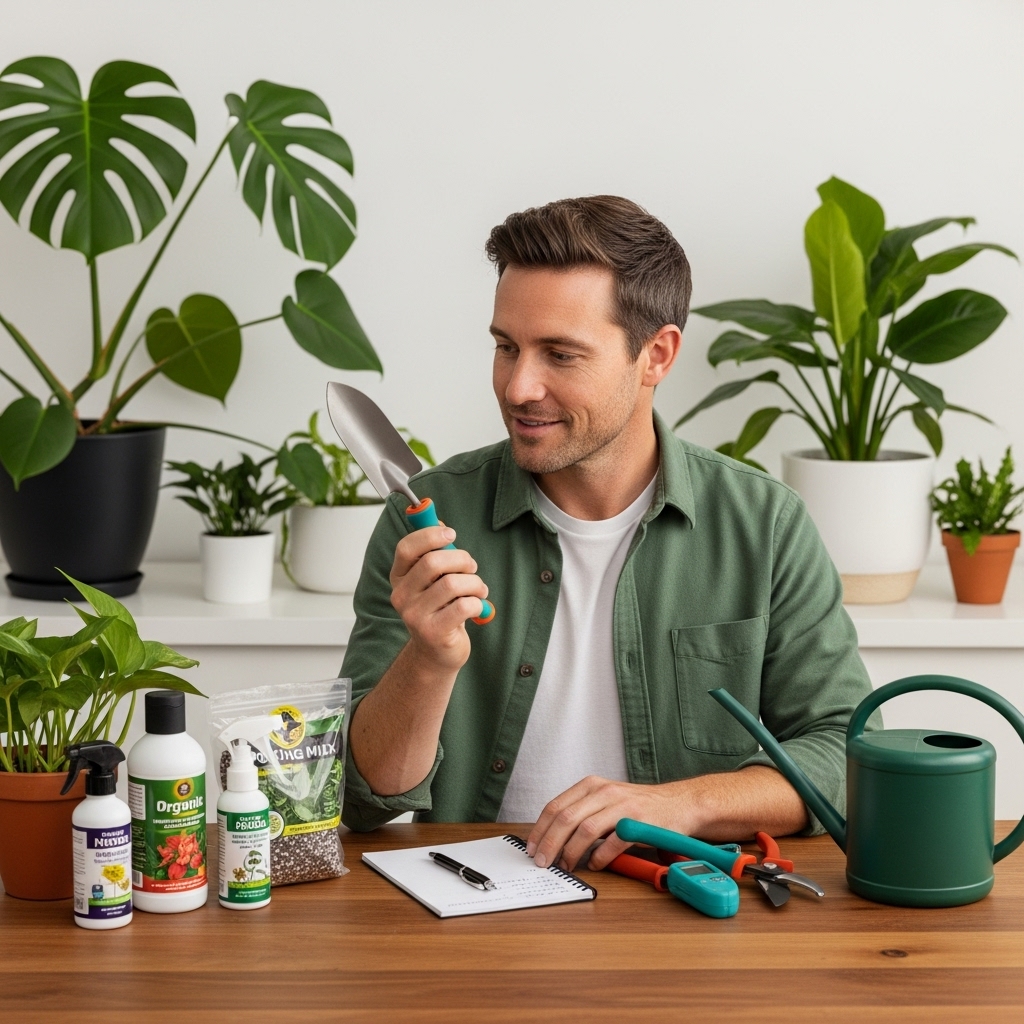

Best time of year to plant annuals isn’t just a date on a calendar, it’s that sweet spot where soil, temperature, and timing all line up just right. Miss it, and those vibrant blooms you imagined can turn into weak, struggling plants. Hit it perfectly, though, and suddenly everything clicks, colors pop, and the garden feels alive in a way that’s hard to ignore. It’s not luck, it’s knowing the rhythm beneath the surface.
Temperature plays a bigger role than most people expect. Annuals, especially tender varieties, react quickly to cold soil or unexpected frost. Planting too early might seem ambitious, but it often backfires. Roots stall, growth slows, and instead of thriving, plants just hang on. Waiting until conditions stabilize, when nights stay consistently warm, gives those young plants the boost they need to establish fast and grow strong.
Soil readiness matters just as much. Loose, workable soil that’s had time to warm up invites roots to spread without resistance. Damp, compact soil, on the other hand, can suffocate new growth before it even gets going. A quick check, grab a handful, squeeze it, can tell you a lot. If it crumbles easily, you’re in business. If it clumps like clay, hold off a bit longer.
Seasonal timing also shifts depending on where you are, and that’s where many people trip up. Warmer regions can get started earlier, while cooler climates demand patience. Watching local weather patterns beats following generic advice every time. The trick is to stay flexible, adjust as needed, and avoid locking yourself into a fixed date that doesn’t match real conditions. Get the best time of year to plant annuals right, and everything else becomes easier. Growth feels effortless, blooms last longer, and maintenance drops because the plants are already set up for success. It’s not about doing more work, it’s about doing it at the right moment, when nature is already on your side.
Why Timing Makes or Breaks Your Annual Garden
Annuals don’t have the luxury of several years to settle in. They sprout, grow, bloom, set seed, and finish their life cycle in one season, so a rough start steals precious weeks. Planting too early can slow roots, stunt leaves, and delay flowers. Planting at the right moment gives them a clean runway for strong roots, steady growth, and better bloom production.
Spring is usually the main planting season for warm-season annuals, but that answer needs a little nuance. Tender flowers like zinnias, marigolds, petunias, impatiens, and cosmos prefer soil that has warmed after frost danger passes. Cool-season annuals, including pansies, violas, calendula, and snapdragons, can handle cooler conditions and often perform well earlier. The smartest plan separates cool-season annuals from warm-season annuals instead of treating every flower the same.
Weather patterns matter more than wishful thinking. A sunny afternoon can tempt anyone into planting, but cold nights still call the shots. Soil temperature, frost risk, wind exposure, and rainfall all shape whether young plants settle in or struggle. The real trick is matching plant timing to the season your garden is actually having, not the season you hoped it would have.
Frost Dates Set the First Safe Planting Window
Frost dates are not perfect promises, but they’re useful guardrails. The last expected spring frost helps decide when tender annuals can safely move outdoors. Before that point, even healthy seedlings can get knocked back by one cold night. For the best time of year to plant annuals, the local frost calendar is one of the first clues worth checking.
Warm-season annuals usually need protection until nights stay mild. Petunias, vinca, coleus, begonias, and marigolds may survive a chilly dip, but survival isn’t the same as thriving. Cold stress often shows up as yellow leaves, stalled growth, or limp stems. Waiting for stable nighttime temperatures helps plants spend energy on growing instead of recovering.
Cool-season annuals can go out earlier because they’re built for lower temperatures. Pansies and violas often handle spring chill beautifully, adding color while tender flowers still need shelter. That early planting window is handy when beds look bare after winter. It also gives gardeners a way to enjoy early-season blooms without gambling on fragile plants.
Frost timing also affects fall planting. Cool-season annuals need enough time to root before hard cold arrives. Plant them too late, and they may sit there looking tired instead of filling in. Plant them while the soil still holds some warmth, and you’ll get stronger roots, better color, and a cleaner transition into cooler months.
Warm Soil Helps Annuals Grow Without Sulking
Soil warmth is easy to overlook because air temperature feels more obvious. Your face may feel warm in the sun, but roots live below the surface where cold lingers longer. Annuals planted into chilly soil often pause, even if their leaves look fine at first. Warm soil supports active root growth, faster establishment, and better early performance.
Seeds are especially sensitive to soil temperature. Some annual seeds will rot or sit dormant if the ground is too cold and wet. Zinnias, sunflowers, cosmos, and marigolds usually germinate better once the soil has warmed properly. That’s why direct sowing often works best a little later than the first warm day of spring.
Transplants also respond to the soil they’re dropped into. A nursery plant that looked lush in its pot can stall if the garden bed feels cold and heavy. Loosening the soil and adding compost gives roots a friendlier start. The payoff is better anchoring, stronger stems, and flowers that arrive with less drama.
A simple touch test can help, though a soil thermometer is even better. If the soil feels cold, sticky, and waterlogged, planting can wait. If it crumbles nicely and feels gently warm, conditions are usually more promising. That small check can save weeks of frustration and keep young annuals from starting life on the back foot.
Products to Help You Time and Plant Annuals Right
Having the right seeds and guides on hand can make a big difference when the planting window opens. The following 8 products range from $6.64 – $15.70 and include brands like Lewis Hill, EdenBrothers, SeedNeeds and more. Each one supports the best time of year to plant annuals by providing quality seeds, expert advice, or pollinator-friendly mixes.

Pros
- Excellent germination rate as reported by many customers
- Wide variety of flower colors and shapes
- No fillers means you get more real seeds
- Resealable package keeps seeds fresh between uses
- Attracts beneficial pollinators and adds beauty to any outdoor space
Cons
- Some flowers may take several weeks to bloom, requiring patience
- If sown too densely, stronger varieties like zinnias may crowd out smaller flowers
- Not all listed varieties may sprout equally depending on local climate and soil conditions
The Seed Needs Hummingbird and Butterfly Seed Mix is a bulk blend of 23 different annual and perennial wildflower seeds designed to turn any patch of soil into a pollinator paradise. This one-ounce pouch contains thousands of seeds with no filler, making it a cost-effective way to establish a colorful, low-maintenance garden. The mix is suitable for USDA zones 1 through 10 and can be planted in spring for summer-to-fall blooms. It is especially appealing to gardeners who want to attract hummingbirds, butterflies, bees, and other beneficial insects.
The standout feature of this product is its sheer variety. You get annuals like snapdragons, cosmos, forget-me-nots, and larkspur alongside perennials like butterfly milkweed, columbine, and scarlet salvia. This mix ensures a long season of changing colors and heights, from low-growing alyssum to taller cosmos and zinnias. Customer reviews consistently mention strong germination rates, with many users seeing sprouts within days. The resealable packaging is a thoughtful touch that helps maintain seed freshness for multiple seasons.
In terms of real-world performance, most gardeners report good success, though results can vary by climate and care. A few users noted that some varieties may take longer to bloom, and if seeds are sown too thickly, the more vigorous flowers can overshadow the rest. A light hand when scattering is advised. The seeds are heirloom and GMO-free, which adds to the appeal for organic growers. The brand's reputation for quality and generous quantity makes this a popular choice among both novice and experienced gardeners.
One potential drawback is that the mix may not produce all listed varieties equally in every region. For instance, impatient gardeners wanting instant color might be disappointed by slower-growing perennials. Additionally, some customers in very hot or humid climates found that afternoon shade improved results. But overall, the value is hard to beat. The large pack provides plenty of seeds for a sizeable area, and leftovers can be stored for the next season.
If you are looking for a straightforward, effective way to attract pollinators and add vibrant color to your yard, this seed mix is an excellent investment. It is beginner-friendly, generously portioned, and backed by thousands of positive reviews. With reasonable expectations and proper planting, you can enjoy a lively, butterfly-filled garden from midsummer through fall.

Pros
- High germination rate with 99% pure live seed, backed by positive customer feedback on sprouting speed.
- Attracts a wide range of pollinators including hummingbirds, butterflies, bees, and ladybugs, enhancing garden biodiversity.
- Versatile mix includes both annuals and perennials for continuous blooms year after year.
- Resealable packaging is a practical touch that preserves seed viability for extended use.
- Very affordable for the coverage area, offering great value for budget-conscious gardeners.
Cons
- Some customers reported that not all 24 varieties germinated equally, with a few types like lupine struggling in certain conditions.
- A small number of users found the resulting blooms were less diverse than expected, with a single variety dominating the display.
- Late freezes or other environmental stressors can reduce germination success, as noted by a reviewer with over 50 years of gardening experience.
The Groundio Wildflower Seeds Hummingbird and Butterfly Mix is a straightforward, no-nonsense seed blend that delivers on its promise: a colorful, pollinator-friendly garden without breaking the bank. With 24 varieties of annuals and perennials packed into a single ounce, this mix is designed for gardeners who want to attract hummingbirds, butterflies, bees, and ladybugs to their outdoor space. It's ideal for beginners looking for an easy win or seasoned gardeners wanting to expand a pollinator patch on a budget.
What sets this mix apart is its purity. Groundio uses 99% pure live seed with no filler, which means you're getting more actual seed per packet and better germination rates. Most users report seeing sprouts within 5-10 days, with flowers following in 35-75 days. The resealable aluminum foil packaging is a thoughtful touch, keeping seeds fresh for staggered planting or future seasons. In real-world use, the mix reliably produces a vibrant display of blooms like salvia, cosmos, and zinnias that truly attract hummingbirds and butterflies, as confirmed by multiple reviewers who saw results in their own yards.
The seeds are easy to sow: just scatter on prepared soil, lightly cover, and water. They thrive in full sun and adapt well to various climates, from Zone 6b to warmer regions. The coverage is generous, with one ounce covering up to 194 square feet, making it a cost-effective option for larger areas. While the blend is a mix, some users noted that a few varieties, like lupine, can be finicky or that the resulting flowers may lean toward one or two types rather than a full diversity. This is a common issue with seed mixes, but it's worth noting if you're hoping for a perfectly balanced array.
On the downside, a handful of customers experienced lower-than-expected germination, especially after a late freeze or in less-than-ideal soil conditions. One experienced gardener reported that only two types sprouted, though those that did were healthy and attractive. Another reviewer found the blooms were all the same, which suggests that the mix's variety may not always manifest equally. These issues seem to be exceptions rather than the rule, but they highlight the importance of proper planting timing and soil preparation for best results.
Overall, the Groundio Wildflower Seeds Hummingbird and Butterfly Mix is a solid choice for anyone wanting to create a lively, pollinator-friendly garden without spending a fortune. Its high germination rate, pure seed content, and attractive packaging make it a reliable option for most gardeners. Just be prepared for some natural variability in the bloom mix and give the seeds the right conditions to thrive. For the price and coverage, it's hard to beat.

Pros
- High seed count provides great value for large plantings
- Diverse color mix adds visual interest to any garden space
- Pollinator-friendly design supports beneficial insects and birds
- Non-GMO and heirloom quality ensures seed saving for future seasons
- Detailed growing instructions included for successful germination
Cons
- No customer reviews yet, so real-world performance is unverified
- Petunias require consistent care including deadheading and proper watering to avoid leggy growth
- Seeds are tiny and need light to germinate, which may be tricky for some beginners
The Lucky Stars 5000+ Petunia Seeds offer a generous mix of rainbow-colored blooms that can transform any garden space. This pack includes a blend of pink, purple, yellow, red, orange, green, and white flowers, making it a versatile choice for gardeners who want a vibrant display from spring through fall. The seeds are heirloom, non-GMO, and open-pollinated, which means you can save seeds from mature plants for future seasons. This is a solid option for both beginners and experienced gardeners looking to fill beds, containers, hanging baskets, or window boxes with continuous color.
One of the standout features is the sheer number of seeds included. With over 5000 seeds, you can plant a large area or share with friends. The mix is designed to attract pollinators like bees and butterflies, which is a nice bonus for anyone looking to support local wildlife. The seeds come in tear-resistant, moisture-proof packaging, and the brand includes detailed growing instructions. Starting them indoors 10-12 weeks before the last frost is recommended, and they need light to germinate. Once established, they thrive in full sun with well-draining soil and moderate watering.
In terms of design and build quality, the packaging is practical and keeps seeds fresh. The seeds themselves are untreated and true to variety, which is reassuring for organic gardeners. However, there are no customer reviews yet, so it's hard to gauge real-world germination rates or color accuracy. Petunias also require some maintenance, like deadheading spent flowers and avoiding overwatering, which might be a consideration for low-maintenance gardeners.
Potential drawbacks include the need for careful watering and the fact that petunias are annuals, so they complete their life cycle in one season. The seeds are tiny, which can make handling and sowing a bit challenging for some. Additionally, the lack of reviews means you're relying on the brand's description alone. That said, the price point is reasonable for the quantity, and the heirloom quality adds long-term value if you plan to save seeds.
Overall, The Lucky Stars 5000+ Petunia Seeds are a good choice for gardeners who want a large, colorful mix of annual flowers that support pollinators. They're easy to grow with proper care and offer great value for the price. If you're looking for a reliable seed mix to create a lively garden display, this is worth considering.

Pros
- Large variety of 17 different flower species in one mix.
- Attracts butterflies and other beneficial pollinators effectively.
- Compact growth habit ideal for small gardens and containers.
- Resealable pouch preserves seed freshness for multiple seasons.
- Open pollinated and heirloom seeds, suitable for seed saving.
Cons
- No customer reviews available yet, so real-world germination rates are unverified.
- Some varieties may require consistent moisture during germination, which can be challenging in dry climates.
- Mix includes annuals that will need replanting each year if you want continuous blooms.
Seed Needs Low Growing Wildflower Seed Mix is a bulk blend of 17 different annual and perennial flower varieties, all selected to stay under 24 inches tall. This mix is designed for gardeners who want to create a vibrant, pollinator-friendly patch without the need for tall plants or complex maintenance. It's an excellent choice for borders, containers, or small garden spaces where a compact, colorful carpet of blooms is desired.
The standout feature here is the diversity of species. You get a mix of annuals like cornflower, clarkia, and African daisy, along with perennials such as wallflower, blue flax, and sweet alyssum. This combination ensures a long blooming season from spring through fall, with multicolored flowers that attract butterflies, bees, and even hummingbirds. The seeds are open pollinated and heirloom, so you can save seeds for future planting if you wish. The 1-ounce pouch contains thousands of seeds with no fillers, offering great value for the price.
In terms of design and build quality, the packaging is practical. The resealable, moisture-resistant pouch keeps seeds fresh for the current and next growing seasons. Each packet includes an artful illustration and detailed sowing information on the reverse side, which is helpful for beginners. The seeds are stored in a temperature-controlled facility, so you can expect good viability when stored properly.
One potential drawback is that there are no customer reviews yet, so real-world germination rates and performance are not confirmed. Additionally, some varieties in the mix require consistent moisture during the germination period (7-21 days), which might be a challenge in drier climates or for forgetful waterers. Also, because the mix includes annuals, you'll need to replant those each year for continuous blooms, though the perennials will return.
Overall, this is a solid, budget-friendly option for anyone looking to establish a low-growing butterfly garden from seed. The variety is impressive, the packaging is thoughtful, and the pollinator appeal is strong. If you're willing to provide regular water during establishment and don't mind some annuals, this mix is well worth trying.

Pros
- Exceptional value with 1000+ seeds for a fraction of the cost of nursery plants
- Fast, reliable germination reported by many users, with sprouts appearing in as little as 2 days
- Vibrant mix of colors and flower types adds instant cheer to any garden or landscape
- Attracts beneficial pollinators like butterflies and birds, supporting a healthy ecosystem
- Hardy and resilient plants that thrive in full sun and tolerate various soil conditions, including clay
Cons
- Some direct-sown seeds may have lower germination rates if planted too deep or in poor soil, so follow instructions carefully
- Plants can be slug magnets in damp conditions, requiring extra pest control like diatomaceous earth or slug bait
- A few reviews noted receiving the wrong seed variety on the first order, though the seller promptly replaced it
If you are looking for a budget-friendly way to add a burst of color to your garden, the VISTATUSEED 1000+ Crazy Blend Zinnia Seeds is a fantastic choice. This pack gives you a massive collection of over 1000 heirloom zinnia seeds, all open-pollinated and untreated, so you get a natural, diverse mix of flowers. It is ideal for anyone from a first-time gardener to a seasoned pro who wants to fill a large space or create a cutting garden without spending a fortune.
The standout feature here is the sheer volume and variety. You get a blend of Zinnia Elegans that grows 3 to 4 feet tall, with compact, bushy plants that produce 1.25-inch blooms in a rainbow of colors, including pink, yellow, red, white, and lavender. Many users report seeing sprouts in just 2 to 5 days, with full blooms appearing in about two months. The flowers are hardy and keep blooming even through hot summers and into the fall, attracting butterflies, bees, and birds. It is a real showstopper for any sunny spot.
In terms of build quality, the seeds come in moisture-resistant packaging that keeps them fresh for the current and next season. The company stores them in a temperature-controlled facility, so you are getting viable seeds. The planting requirements are straightforward: full sun, loose, well-drained soil, and moderate watering. Just do not bury the seeds too deep, as they need light to germinate.
There are a couple of honest drawbacks to consider. Some users noted that the seeds can be a magnet for slugs, especially in damp conditions, so you might need to use slug bait or diatomaceous earth to protect the leaves. Also, a few reviews mentioned a lower germination rate with direct sowing, but this is often due to planting depth or soil conditions. The seller does offer a replacement if the package is damaged or does not germinate, which is reassuring.
Overall, this is a solid investment for any gardener who loves colorful, low-maintenance flowers. The value is hard to beat, the results are reliable, and the visual payoff is huge. If you want a stunning, pollinator-friendly garden without breaking the bank, this seed pack is worth your time.

Pros
- Comprehensive coverage from initial planning to ongoing care and troubleshooting
- Large plant encyclopedia makes this a lasting reference for years
- Practical, straightforward advice from experienced gardeners
- Beautifully illustrated with helpful drawings and photos
- Affordable price for a wealth of information that can replace multiple books
Cons
- Published in 2003, some pest control recommendations may be slightly outdated
- No digital or Kindle version mentioned, limiting portability
- At 384 pages and 2.95 pounds, it's a hefty book to carry around
Published by Storey Publishing, The Flower Gardener's Bible is a comprehensive resource for anyone passionate about growing flowers. Authors Lewis and Nancy Hill draw on decades of hands-on experience to create a guide that covers everything from site selection and soil preparation to watering, fertilizing, and troubleshooting pests. The book's centerpiece is an encyclopedia of over 400 flowering plants, each with details on growing requirements, bloom season, and care tips. This isn't just a book of lists; it includes 23 themed garden designs that offer practical inspiration for different spaces and aesthetics.
One of the standout features is the sheer breadth of information. Whether you are a beginner who needs step-by-step instructions for starting a flower bed or an experienced gardener looking to expand your plant palette, this book delivers. The advice is straightforward and time-tested, avoiding trendy fads. The illustrations and photographs, though not in color, are charming and serve their purpose well. The book's organization makes it easy to find specific plants or techniques quickly.
The design and build quality of the book itself are solid. With a paperback format, 384 pages, and dimensions of 8.55 x 0.88 x 10.95 inches, it's a substantial volume. The paper is of decent quality, and the binding holds up well to frequent use. However, the lack of a digital version might be a drawback for those who prefer searching on a tablet or e-reader.
Drawbacks? The publication date is 2003, so some pest control recommendations may not reflect the latest organic options, but the core gardening principles remain timeless. Also, the illustrations are black and white, which may disappoint those seeking glossy color photos. Even so, the clarity of the line drawings is helpful for identification.
Overall, The Flower Gardener's Bible earns its reputation as a go-to reference. It strikes a balance between inspiration and practical know-how, making it a valuable addition to any gardener's library. For the price, it offers a tremendous amount of information that you will return to season after season.
| Specification | Value |
|---|---|
| Publisher | Storey Publishing, LLC |
| Publication date | February 15, 2003 |
| Edition | First Edition |
| Language | English |
| Print length | 384 pages |
| ISBN-10 | 1580174620 |
| ISBN-13 | 978-1580174626 |
| Item Weight | 2.95 pounds |
| Dimensions | 8.55 x 0.88 x 10.95 inches |
| Best Sellers Rank | #59,603 in Books |

Pros
- Large mix of over 10 cosmos varieties for diverse blooms
- Attracts butterflies, bees, and other pollinators effectively
- Seeds are open pollinated, untreated, and non-GMO
- Generous quantity (around 3000 seeds) for the price
- Resealable packaging maintains seed freshness
Cons
- No customer reviews yet, so real-world performance is unverified
- Some varieties may grow quite tall (up to 6 feet), requiring staking in windy areas
- Packet dimensions (5x7 inches) may be larger than standard seed packets
The Seed Needs Cosmos Crazy Blend is a fantastic choice for gardeners who want a low-maintenance, pollinator-friendly flower mix that delivers a riot of color from midsummer until the first frost. This blend combines over 10 varieties of Cosmos bipinnatus and Cosmos sulphureus, offering a range of heights (3 to 6 feet) and flower forms, from single to semi-double blooms in shades of pink, white, yellow, orange, and red. It's an ideal pick for butterfly gardens, insectaries, or anyone looking to add a natural, wildflower feel to their landscape.
One of the standout features is the seed quality and packaging. Seed Needs provides open-pollinated, untreated seeds that are non-GMO, which is a big plus for organic gardeners and those who like to save seeds for next year. The resealable, moisture-proof pouch is a thoughtful touch, keeping the seeds fresh and viable for multiple seasons. With around 3000 seeds per packet, you get excellent value, especially if you're planting a large area or want to share with friends.
In terms of performance, cosmos are famously easy to grow. They thrive in full sun and well-drained soil, and once established, they're quite drought-tolerant. You can direct sow them after the last frost, and they'll germinate in just a few days under the right conditions. Deadheading encourages more blooms, but many gardeners leave spent flowers for birds to enjoy the seeds. The main drawback is the lack of customer reviews, so we can't confirm germination rates or exact color distribution from this batch. Also, some varieties can grow quite tall, so you might need to stake them in exposed areas.
Overall, the Seed Needs Cosmos Crazy Blend is a solid, budget-friendly option for adding a burst of color and supporting local pollinators. The generous seed count, thoughtful packaging, and diverse variety mix make it a great choice for both new and experienced gardeners. If you're looking for a reliable, easy-to-grow flower that keeps on giving, this blend is worth trying.

Pros
- Large quantity of seeds for the price, offering excellent coverage for expansive areas.
- Non-GMO and pure seeds with high germination rates when planted as instructed.
- Attracts a variety of beneficial pollinators, enhancing garden biodiversity.
- Works across many USDA hardiness zones (3-10), making it versatile for most US regions.
- Requires little ongoing care once established — just water and watch them grow.
Cons
- Needs full sun for best performance; partial shade may reduce bloom density.
- As an annual mix, replanting is required each year for continuous flowers.
- Some species may not thrive equally in all microclimates, so results can vary.
The Eden Brothers All Annual Wildflower Mixed Seeds is a bulk blend designed for gardeners who want an effortless, colorful meadow. With 120,000+ seeds and a quarter-pound bag, this mix covers 250 to 500 square feet, making it a great choice for large beds, borders, or naturalized areas. It is aimed at anyone from beginners to pros who want to attract pollinators and enjoy a low-maintenance flower display.
The standout feature is the diverse seed mix: 20 easy-to-grow species including cornflower, cosmos, scarlet flax, and Indian blanket. All seeds are 100% pure and non-GMO, with no fillers. Eden Brothers guarantees high germination rates when planted according to instructions. The blend attracts bees, butterflies, and hummingbirds, which supports local pollinators and adds life to your garden.
In real-world use, these seeds deliver a succession of blooms from summer through early fall. They thrive in full sun and well-drained soil, requiring only moderate watering once established. The plants are animal-resistant and low-maintenance, ideal for busy gardeners. The mix works across USDA zones 3-10, so it adapts to most climates in North America.
However, there are a few drawbacks. The mix is all annual, meaning you must replant each year for continued blooms. Full sun is essential; partial shade leads to fewer flowers. Also, because the blend contains many species, some varieties may outperform others depending on your local conditions. But this is typical for wildflower mixes and not a dealbreaker.
Overall, this is a reliable, high-value product for anyone looking to create a pollinator-friendly garden. The large coverage, high-quality seeds, and diverse species make it a solid choice. If you want a carefree way to add color and support wildlife, the Eden Brothers All Annual Wildflower Mixed Seeds is well worth trying.
For best results, plant these seeds in spring after the last frost. Prepare the soil by raking and lightly watering. Scatter seeds evenly over the area, then gently rake to cover them with about 1/8 inch of soil. Keep the area moist until seedlings appear, which usually takes 7-14 days. Thin out overcrowded seedlings to allow proper growth. Water moderately during dry spells. Enjoy blooms from summer through early fall, and collect seeds if you wish to replant next year.
Frequently Asked Questions About Planting Annuals
What is the best time of year to plant annuals?
The best time of year to plant annuals depends on your local climate and the type of annual. For warm-season annuals like zinnias and marigolds, wait until after the last spring frost when soil temperatures reach at least 60°F. Cool-season annuals like pansies can go out earlier in spring or fall. Always check your local frost dates and monitor soil warmth before planting.
Can I plant annuals in the summer?
Yes, but timing matters. Plant summer annuals during a mild spell, ideally in the evening or on a cloudy day, to reduce transplant shock. Heat-loving varieties like vinca and portulaca can go in once night temperatures stay above 55°F. For more on timing, see our guide on the best time of year to plant annuals.
How do I know when soil is warm enough for annuals?
A soil thermometer is the most reliable tool. For most warm-season annuals, aim for a soil temperature of at least 60°F to 70°F at a depth of 2 inches. If you don’t have a thermometer, squeeze a handful of soil. If it crumbles easily and feels slightly warm, it’s usually ready. Cold, sticky soil means wait a bit longer.
What happens if I plant annuals too early?
Planting too early exposes tender annuals to cold soil and frost, which can stunt growth, cause yellow leaves, or even kill seedlings. Roots may stall, and plants may never fully recover. That’s why following the best time of year to plant annuals is crucial for getting strong, vigorous plants. If you’ve already planted early, consider using row covers or cloches to protect them from cold snaps.
Should I fertilize annuals at planting time?
A light application of balanced fertilizer or compost at planting can help, but avoid overdoing it. Too much nitrogen pushes leafy growth at the expense of flowers. If you’re feeding nearby vegetables, check out the best fertilizer for brinjal plant for ideas. For annuals, a slow-release fertilizer mixed into the soil works well for steady nourishment.
Getting the best time of year to plant annuals right is about reading your garden’s signals, not a fixed date. Watch the soil, check the forecast, and choose seeds that match your season. With the right timing, your annuals will reward you with weeks of vivid color and healthy growth. For more plant care tips, explore our plant guides and garden soil resources.





Write Your Review
No reviews yet. Be the first to share your experience!