


Gardeners often struggle to balance soil calcium levels while keeping soil biology active throughout the growing season. Synthetic formulas can wash away rapidly or cause fertilizer burn, leaving heavy feeders like tomatoes vulnerable to blossom end rot. Selecting the best shrimp shell meal fertilizer provides a dependable alternative because crushed crustacean shells supply slow-release nitrogen, phosphorus, and essential calcium. This organic amendment also delivers natural chitin, which feeds beneficial soil microorganisms that cycle nutrients and build resilient garden beds.
Application needs vary depending on whether you cultivate vegetable beds, ornamental borders, or planted aquariums requiring invertebrate-safe nutrients. Crustacean meals break down gradually in soil, whereas aquatic tank supplements prioritize zero copper and safe nitrate sources. Applying dry meals across yard areas often calls for a reliable spreader fertilizer method to ensure uniform distribution. Checking guaranteed analysis labels, shell sources, and application rates helps you pick the right marine-based input.


Pros
- All-natural and OMRI-listed, so it's safe for organic gardens.
- High phosphorus specifically targets bloom and root development.
- Slow-release action means less frequent applications and lower risk of over-fertilizing.
- Provides calcium, which strengthens plant structure and improves nutrient uptake.
- Directly derived from fish meal, a renewable marine resource.
Cons
- May have a mild fishy odor, especially noticeable during storage or application.
- Requires additional nitrogen and potassium sources for complete plant nutrition.
- Powder can be dusty when handling; consider wearing a mask or gloves.
Down To Earth Organic Fish Bone Meal is a five-pound box of all-natural fertilizer designed for gardeners who want to boost blooms and roots without synthetic chemicals. Its 4-12-0 formula is packed with phosphorus, the key nutrient for flower and fruit production, and it's OMRI-listed, so you can use it confidently in organic gardening.
This marine-based alternative to traditional bone meal comes from fish processing waste that's dried and ground into a fine powder. It performs exceptionally well for bulbs, perennials, and new garden beds where phosphorus helps plants take to new soil and develop strong root systems. The added calcium supports cell wall strength, which can reduce issues like blossom end rot in tomatoes and peppers.
The product comes in a sturdy cardboard box with a resealable plastic lining, making it easy to scoop out exactly what you need. The powder is fine but can get dusty, so it's wise to apply on a calm day or wear a dust mask. There's a slight fishy smell, but it's not overwhelming and fades quickly once worked into the soil.
One honest drawback is that this is not a complete fertilizer. You'll need to supplement with a nitrogen source (like blood meal) and a potassium source (like kelp meal) to provide balanced nutrition for most plants. Also, the powdered form can clump in high humidity, so store it in a dry place.
Overall, if you're looking for a natural, high-phosphorus fertilizer that's OMRI-listed and effective for flowering plants, Down To Earth Fish Bone Meal is a solid choice. It delivers on its promises without harsh chemicals, and the slow-release formula means less work for you. Just plan to use it as part of a broader feeding regimen.


Frequently Asked Questions
What nutrients does shrimp shell meal fertilizer provide to garden plants?
Pure shrimp shell meal provides organic nitrogen, moderate phosphorus, and substantial calcium along with natural chitin. For example, Supply Solutions Pacific Bounty Organic Shrimp delivers a 6-8-0 N-P-K guaranteed analysis with 13% calcium derived from 100% wild shrimp shells. These nutrients break down gradually in the soil, supplying steady root nourishment without the rapid leaching common to synthetic fertilizers.
How does chitin in crustacean shell meal benefit garden soil?
Chitin acts as a natural food source for beneficial soil microbes that cycle nutrients and support balanced soil structure. When soil biology feeds on the shell chunks in products like Neptune’s Harvest Organic Crab & Lobster Shell, microbes multiply and enhance root aeration. The manufacturer notes this mineral-rich profile also helps gardeners manage root nematodes and grubs organically.
Can shrimp shell meal help prevent blossom end rot in tomatoes and peppers?
Shrimp shell meal delivers high levels of natural calcium that protect fruiting vegetables from blossom end rot. Formulations like Pacific Bounty supply 13% calcium, strengthening cell walls during fruit development. For indoor container gardeners, pairing outdoor shell meals with a balanced indoor plant fertilizer routine keeps nutrient levels consistent across all growing spaces.
How does fish bone meal differ from shrimp and crab shell meal?
Fish bone meal focuses primarily on high phosphorus and calcium for root and bloom development, whereas shrimp shell meal provides higher nitrogen alongside chitin. Products like Down To Earth All Natural Fertilizers Organic Fish feature a 4-12-0 analysis as marine-based alternatives to steamed bone meal. Shell meals offer balanced vegetative ratios like 6-8-0 or 5-3-0 while conditioning soil.
Are aquatic plant fertilizers labeled as shrimp safe suitable for garden beds?
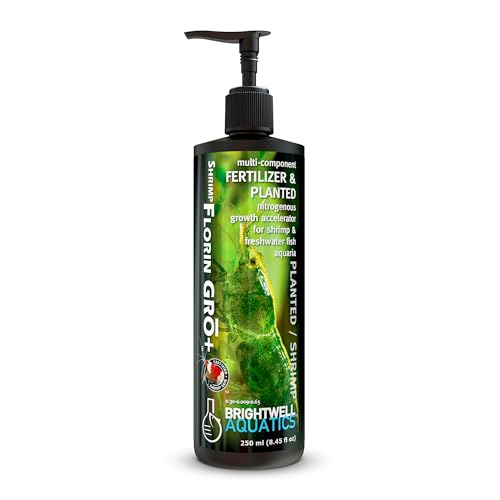
Liquid aquatic plant supplements are formulated strictly for freshwater aquariums and are not intended for terrestrial garden beds. Products like Brightwell Aquatics Shrimp FlorinGro+ Shrimp Tank and AquaBoost Bloom Shrimp Safe Aquarium Plant offer copper-free formulas safe for invertebrates. For outdoor landscape plantings, gardeners should choose dedicated options like plant food for dogwood trees or dry shell meals instead.
How should dry shell meal fertilizer be applied to garden beds and lawns?
Dry shell meals can be worked into topsoil prior to planting or applied as a top dressing around established plants. Neptune’s Harvest specifications state a 10 lb bag covers up to 1,000 square feet and works in broadcast spreaders. Scratching the meal into soil and watering thoroughly helps microbes begin releasing nutrients throughout 2026.



Write Your Review
No reviews yet. Be the first to share your experience!