


Container soil quickly loses its biological activity over time, leaving potted plants struggling to absorb essential minerals even with frequent feedings. When potted plants sit in peat-heavy potting mixes, micronutrient lockout and salt buildup often stunt root expansion and dull foliage. Feeding potted plants with the best indoor fertilizer with humic acid helps bridge this gap by conditioning the potting medium and promoting efficient nutrient uptake. Many houseplant enthusiasts pair humic soil conditioners with a sturdy liquid fertilizer to supply primary nitrogen, phosphorus, and potassium while humic substances enhance cellular nutrient transport. Evaluating guaranteed analysis, liquid concentrates, dry soluble powders, and raw leonardite sources ensures your houseplants receive gentle, consistent nourishment without root burn or soil compaction.
Selecting between pure humic soil amendments and complete houseplant foods depends heavily on your current feeding schedule and plant collection. Some formulas combine humic acids with cold-water kelp and potash, while others provide standalone soil conditioners intended to complement standard fertilizers. Reviewing manufacturer dilution rates and OMRI listings gives indoor growers confidence that their potted greenery gets optimal root zone conditioning season after season.
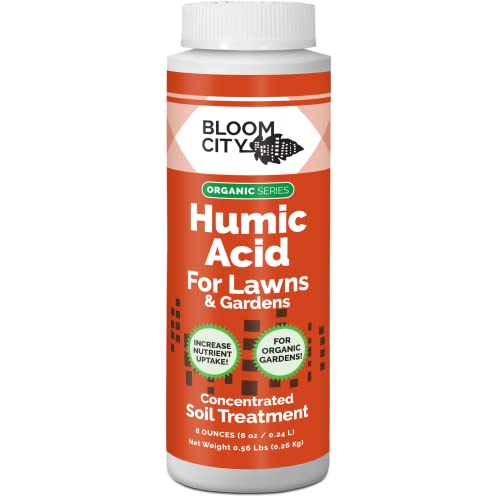

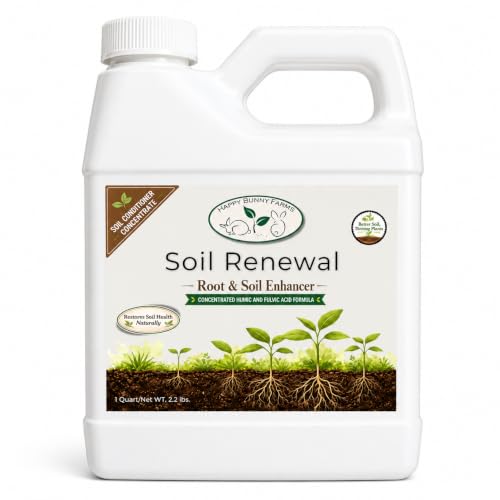
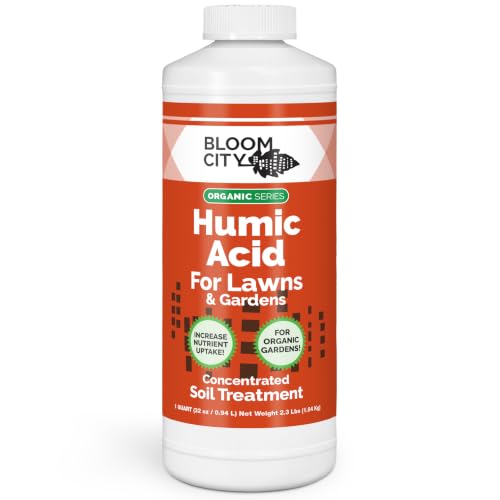


Pros
- Noticeable results within 1-2 weeks: greener leaves and new growth
- Easy to use: mixes quickly with water and doesn't have an unpleasant odor
- Versatile: works well on many indoor plants like pothos, snake plants, peace lilies, and more
- Good value for the price, especially compared to weaker fertilizers
- Designed to be gentle yet effective, suitable for regular feeding
Cons
- Cap design can cause leakage if not handled carefully
- Some customers report receiving bottles with broken caps
- Small bottle (8 oz) may require more frequent repurchases for large plant collections
The TPS Indoor Plant Food is a liquid fertilizer designed specifically for houseplants and potted plants. It's a great option for both new plant parents and experienced growers who want an easy, reliable way to keep their indoor greenery thriving. The formula focuses on root development, leaf vibrancy, and steady growth, and it's gentle enough for regular use without the risk of burning your plants.
Standout features include how quick the results are. Many users report seeing brighter, greener leaves and new growth within a week or two. The liquid mixes easily with water, and there's no strong chemical smell, making it pleasant to use indoors. It's also versatile, working well on common houseplants like pothos, monstera, calatheas, peace lilies, and snake plants.
On the design side, the bottle is compact and easy to store, but the cap has been a common complaint. Some users find it leaks if not closed perfectly, and a few have received bottles with broken caps during shipping. This is a minor annoyance but worth noting if you're particular about clean storage.
Overall, TPS Indoor Plant Food offers solid value and noticeable benefits for most indoor plants. If you're looking for a straightforward, effective fertilizer that won't complicate your care routine, this is a reliable choice. Just be mindful of the cap when handling and storing.


Frequently Asked Questions
What is the primary benefit of using humic acid on indoor houseplants?
Humic acid improves soil structure and enhances nutrient uptake efficiency by binding essential minerals in the root zone. In container environments where potting soil compacts over time, humic compounds increase cation exchange capacity and support root development. While humic acid itself is primarily a soil conditioner rather than a primary nutrient source, it helps houseplants access nitrogen, potassium, and trace minerals already present in the growing medium.
Can humic acid soil conditioners replace standard indoor plant fertilizer?
Humic acid does not replace a balanced fertilizer supplying primary macronutrients like nitrogen, phosphorus, and potassium. Most humic products, such as pure liquid leonardite concentrates, act as soil amendments designed to be paired alongside complete plant nutrition. Potted houseplants still require routine macronutrient inputs, whether from standard plant foods or balanced organic fertilizer options, to sustain healthy foliage and continuous leaf growth.
How often should liquid humic acid be applied to indoor container plants?
Most manufacturers recommend applying diluted humic acid every two to four weeks during the active indoor growing season. Because indoor plants experience slower transpiration rates than outdoor turf or garden beds, adhering strictly to labeled dilution rates prevents excess organic buildup in pots. During winter dormancy or periods of low indoor light, application frequency should be reduced to match the plant’s slowed metabolic pace.
What is the difference between liquid humic acid and soluble powder formulations?
Liquid humic acid provides a ready-to-dilute concentrate, whereas dry soluble powders deliver a highly concentrated format that dissolves in water before application. Soluble powders often contain higher percentages of active humic and fulvic fractions by weight, making them economical for large houseplant collections. Liquid concentrates offer simpler measuring for small watering cans and reduce the risk of inhalation or messy mixing indoors.
Can humic acid products cause root burn on delicate indoor houseplants?
Pure humic acid carries a very low risk of chemical foliage or root burn because it contains negligible salt and synthetic nitrogen levels. However, combining humic acid with heavily concentrated chemical fertilizers without proper dilution can stress root tissues. Following manufacturer mixing ratios and ensuring indoor containers feature functional drainage holes prevents mineral stress during watering.
What ingredients should indoor growers look for on humic product labels?
Indoor growers should look for naturally derived leonardite or humalite sources, along with beneficial additions like fulvic acid or cold-water kelp extract. Guaranteed analysis percentages typically range between two percent and five percent humic acid in liquid concentrates, or over fifty percent in dry formulations. Checking for OMRI listings also confirms whether the soil amendment meets organic production standards without harsh synthetic additives.




Write Your Review
No reviews yet. Be the first to share your experience!