


If you’re curious about how to plant elephant garlic, you’re probably already dreaming of those impressively large, mild-flavored bulbs. Unlike regular garlic, elephant garlic (which is actually more closely related to leeks) has its own quirks when it comes to timing, spacing, and care. Getting it right means a summer harvest of bulbs that can weigh up to a pound each, perfect for roasting or adding a subtle garlic flavor to your cooking. The process isn’t complicated, but having the right information and quality planting stock from the start can mean the difference between a modest crop and a truly spectacular one. This guide focuses on practical resources to set you up for success, from detailed growing books to the actual cloves you need to get started.
One of the most common issues gardeners face is planting at the wrong time. Elephant garlic prefers a long, cool growing season and is typically planted in the fall, much like flower bulbs. This allows it to establish roots before winter and then put on vigorous growth in the spring. Another frequent mistake is using poor-quality seed garlic from the grocery store, which may be treated to prevent sprouting or not suited for your climate. The 8 resources listed here for 2026 include everything from comprehensive guides that cover soil preparation, pest control, and harvesting, to reputable sources for planting bulbs themselves. Whether you’re planning a dedicated bed or tucking a few cloves into your existing planter setups, starting with reliable information is key. For more general plant care tips that apply to all your gardening projects, you can always browse our main Plant category.
Pros
- Extremely large bulbs, up to 1 lb. each
- Milder, sweeter flavor than regular garlic
- Non GMO and suitable for organic gardening
- Easy to grow with fall planting for summer harvest
- Huge cloves make planting simple and productive
Cons
- Requires a long, cool growing season, not ideal for warm climates
- Bulbs may be too large for some small garden spaces
- Limited to fall planting for best results, not a year-round option
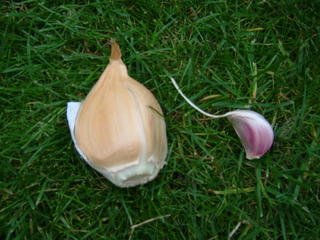
If you're looking to add a unique twist to your garden and kitchen, the DaylilyNursery Elephant Garlic is a fantastic choice. These aren't your typical garlic bulbs; they're enormous, often weighing up to a pound each. With a milder, mellower flavor, they're perfect for anyone who finds standard garlic too sharp or overpowering. Whether you're a seasoned gardener or just starting out, these bulbs are designed for fall planting and will reward you with a summer harvest of impressive, easy-to-peel cloves.
The standout feature here is the size. Each bulb can reach up to 4 inches wide and 3 inches long, making them a real conversation piece in the garden. The flavor is noticeably sweeter and less pungent than regular garlic, which makes them ideal for roasting whole, slicing raw into salads, or using in dishes where you want a gentle garlic note. They're also non GMO, which is a big plus for those focused on natural growing methods.
Planting is straightforward: the larger the clove you plant, the bigger the bulb you'll get, and these cloves are huge. They prefer a long, cool growing season, so early fall is the best time to get them in the ground. Once planted, they require minimal care and will thrive in well-drained soil with plenty of sun. The harvest is typically in mid to late summer, and you'll be amazed at the size of the bulbs you pull up.
One thing to keep in mind is that elephant garlic isn't ideal for warm climates. It needs that cool period to develop properly, so if you live in a region with mild winters, you might not get the same results. Also, the bulbs are quite large, so if you have limited garden space, you'll need to plan accordingly. But for those with the right conditions, these bulbs are a rewarding and delicious addition to any garden.
Overall, the DaylilyNursery Elephant Garlic is a solid buy for gardeners who want something a bit different. The mild flavor and huge size make it a versatile ingredient, and the non GMO status adds peace of mind. If you have the space and the right climate, these bulbs are well worth planting. Just remember to order early for fall planting to ensure the best harvest.

Pros
- Comprehensive step-by-step coverage from health benefits to marketing
- Concise 44-page format makes it easy to read in under an hour
- Kindle features include screen reader support and page flip for accessibility
- Covers both farming techniques and business basics for small-scale growers
Cons
- At only 44 pages, it may lack depth for experienced or commercial farmers
- No X-Ray or Word Wise features limit interactive reading options
- Lack of customer reviews makes it hard to verify real-world effectiveness
This eBook, authored by Davies Cheruiyot, is a compact guide aimed at beginners who want to start garlic farming. It walks you through every stage, from understanding the health benefits of garlic to selling your harvest. The book is especially useful for home gardeners or small-scale farmers looking for a no-nonsense introduction.
The standout feature is its step-by-step structure. You'll learn about different garlic varieties, soil and climate requirements, land preparation, propagation, fertilizer needs, weed management, pest and disease control, and finally harvesting and marketing. Each section is clear and to the point, making it easy to follow along.
At 44 pages, the book is a quick read - you could finish it in under an hour. The Kindle edition supports screen readers and has page flip enabled, so it's accessible on various devices. However, it lacks X-Ray and Word Wise, which might disappoint readers who like those features for deeper learning.
One drawback is the absence of user reviews, so you can't gauge how well the advice works in practice. Also, experienced growers may find the content too basic. But for a beginner, this is a solid starting point that covers all the essentials without overwhelming you.
Verdict: If you're new to garlic farming and want a straightforward, actionable guide, this free Kindle book is a great resource. It delivers exactly what the title promises - a beginner's guide. Just don't expect advanced techniques or interactive reading tools.
ASIN: B09QL6N76H
Publication Date: January 16, 2022
Language: English
File Size: 840 KB
Print Length: 44 pages
Screen Reader: Supported
Enhanced Typesetting: Enabled
Page Flip: Enabled
X-Ray: Not Enabled
Word Wise: Not Enabled

Pros
- Organic and Non-GMO certification provides peace of mind for health-conscious users.
- The large bulb size yields substantial cloves that are versatile for many recipes.
- Simple propagation process allows for growing your own supply year after year.
- Milder taste is less pungent than common garlic, appealing to a wider range of palates.
- Can be used fresh or dried to enhance flavor in oils, spreads, and baked goods.
Cons
- The product currently has no customer reviews, making it harder to gauge real-world performance.
- Being a specialty product, it might not be as readily available or familiar as standard garlic varieties.
- Requires outdoor planting with full sun, which may not be feasible for all living situations.
This product from EGC offers two large bulbs of organic elephant garlic. It's designed for a dual audience: home gardeners who want to cultivate their own garlic and cooks looking for a distinctive, milder garlic ingredient. The bulbs are mature and ready to use, whether you're splitting them for cloves to plant or peeling them for your next meal.
Its standout feature is the size and flavor. Elephant garlic produces cloves that are significantly larger than those of common garlic varieties, and they have a more subtle, less aggressive taste. This makes them excellent for applications where you want garlic flavor without overwhelming other ingredients, like in oils, pressed on bread, or roasted whole. The product claims these are not Chinese counterfeits, aiming to assure authenticity.
The build quality, as described, points to organic, non-GMO bulbs with papery skins, typical of mature garlic. They're intended for outdoor planting in full sun during the fall, which aligns with standard garlic cultivation practices. The specification suggests they are sourced from California, which might indicate certain growing standards.
A potential drawback is the lack of user feedback. With no reviews available, it's difficult to verify claims about ease of growth, harvest success, or the actual taste experience. Also, as a specialty item, its use case is more niche than regular garlic, and it requires garden space for planting.
The final verdict is that this is a promising product for a specific buyer. If you're interested in gardening and want a garlic that serves both as a seed and a seasoning, this organic elephant garlic could be a great choice. Its large, mild cloves offer culinary versatility, and the organic certification adds value. However, the absence of consumer reviews means you're buying based on the description alone, which requires a bit of trust.
Indoor/Outdoor Usage: Outdoor
Expected Blooming Period: Fall
Sunlight Exposure: Full Sun
Item Weight: 1 Pounds
Unit Count: 2.0 Count
Material Features: Organic
Brand Name: EGC
Plant or Animal Product Type: Vegetable
Manufacturer: California
Elephant Garlic Bulbs for Planting 2 Large Bulbs
Pros
- Includes two substantial bulbs, providing good value for planting.
- Clear planting guidance: fall planting for spring harvest.
- Non-GMO specification appeals to health-conscious gardeners.
- Well-suited for colder climates (Zone 3).
- Simple requirements: full sun and sandy soil.
Cons
- Product is generic brand, lacking specific cultivar information.
- Primarily labeled for indoor usage, which may confuse outdoor gardeners.
- No customer reviews available to verify bulb size or germination success.
This product offers two bulbs of elephant garlic, a distinct vegetable known for its massive size and surprisingly mild, almost sweet flavor compared to common garlic. It's specifically packaged for fall planting, which is the ideal time to get these bulbs established in the ground so they can develop roots through the winter and produce a harvest the following spring. This makes it a straightforward choice for home gardeners looking to add a unique, easy-to-grow crop to their plot.
The standout feature here is the planting timing and climate suitability. The instructions are clear: plant in fall, in full sun, and in sandy soil. It's also certified as non-GMO, which is a significant benefit for gardeners who prefer natural seeds. Being hardy to USDA Zone 3 means these bulbs can tolerate quite cold winters, making them a reliable option for gardeners in northern regions who want to grow garlic without worry.
As a generic product, there isn't a specific brand or cultivar name attached. This means you're getting a standard elephant garlic variety without any specialized claims about yield or flavor intensity. The bulbs are described as 'huge,' which aligns with typical elephant garlic, but the exact size isn't quantified. The packaging and bulb quality would depend on the generic supplier.
A potential drawback is the labeling inconsistency. The specifications list 'Indoor' usage, which is confusing for a bulb explicitly meant for fall outdoor planting. This might be an error in the data. Also, with zero reviews available, there's no user feedback to confirm the actual bulb size, germination rate, or final harvest quality, which requires a bit of trust from the buyer.
For gardeners in Zone 3 or similar climates who want to plant garlic in the fall and enjoy a milder garlic type, this is a sensible purchase. The clear planting instructions and non-GMO status are strong points. Just be aware that it's a generic product, and the indoor usage label seems contradictory to its intended purpose.
Plant or Animal Product Type: Vegetable
Number of Bulbs: 2
Expected Planting Period: Fall
Expected Blooming/Harvest Period: Spring
Sunlight Exposure: Full Sun
Soil Type: Sandy Soil
USDA Hardiness Zone: 3
Special Features: Non-GMO, Seed
Item Weight: 2.4 ounces
For best results, plant these bulbs in the fall, about 4-6 weeks before the ground freezes. Choose a location with full sun and well-drained, sandy soil. Plant each bulb about 3 inches deep and 6 inches apart. Water them in after planting, and they should establish roots before winter. Mulch can be applied in very cold zones to protect them. Expect growth to resume in early spring, with harvest typically in mid-summer after the leaves begin to brown.

Pros
- Perfect for complete beginners with no prior gardening experience
- Short and to the point, can be read in under an hour
- Covers the entire garlic growing cycle from start to finish
- Supported features like X-Ray and Word Wise make it easy to navigate
- Free to download, so there's no risk in trying it
Cons
- Very short at only 28 pages, may lack depth for experienced gardeners
- No customer reviews yet, so it's hard to gauge real-world usefulness
- Limited to garlic only, not a general gardening guide
If you've ever wanted to grow your own garlic but didn't know where to start, 'How To Plant Your First Garlic Garden' by Spencer Hillside is a solid entry point. This Kindle guide is designed for absolute beginners, walking you through each step from choosing the right spot in your yard to harvesting your bulbs. At just 28 pages, it's a quick read that won't overwhelm you with jargon or unnecessary details.
The guide covers all the essentials: soil preparation, selecting garlic varieties, planting techniques, and proper care as your plants grow. It also explains when and how to harvest, plus a few tips on enjoying your homegrown garlic. The content is straightforward and practical, making it easy to follow even if you've never touched a trowel before. Enhanced typesetting and X-Ray support make navigation a breeze on Kindle devices.
That said, this guide is very short. Experienced gardeners or those looking for advanced techniques like pest management or soil amendments might find it too basic. There are also no customer reviews yet, so you're relying solely on the description. But for the price (free), it's a low-risk way to dip your toes into garlic gardening.
Overall, 'How To Plant Your First Garlic Garden' delivers exactly what it promises: a simple, no-fuss introduction to growing garlic. If you're a complete newbie who wants a clear, concise roadmap, this guide is worth a look. Just don't expect in-depth science or troubleshooting for every possible problem.

Pros
- GMO-free and heirloom variety for authentic taste and gardening tradition.
- Excellent cold hardiness, suitable for gardeners in cooler regions.
- Perennial nature provides ongoing harvests with minimal replanting effort.
- Low maintenance with moderate watering needs.
- Versatile for both garden beds and container planting.
Cons
- Requires specific fall planting timing, limiting immediate planting flexibility.
- As a generic brand, specific cultivar information and guaranteed germination rates may be limited.
- Some gardeners may prefer pre-separated cloves over whole tubers for easier planting.
This product is a straightforward offering for home gardeners: a one-pound bag of elephant garlic tubers ready for fall planting. It's specifically aimed at those who want to grow their own substantial, flavorful garlic without complex gardening techniques. If you're looking for a perennial vegetable that doubles as a garden ornament and thrives in colder zones, this is a solid starting point.
The standout features are its simplicity and resilience. These are GMO-free, heirloom tubers, which means you're getting a natural product with traditional growing characteristics. They're bred for outdoor planting in the fall, which syncs perfectly with garlic's natural lifecycle, leading to stronger root development before winter. Their ability to grow perennially in USDA Hardiness Zone 3 is a major benefit for northern gardeners, offering a reliable crop that comes back year after year with minimal fuss.
In terms of performance and quality, the product promises ease. The 'simple to grow' claim holds weight for a root vegetable like garlic. It needs moderate watering and a fall planting date, then largely takes care of itself. The tubers are meant for either direct garden planting or pots, adding flexibility. The resulting plants are not just food sources; the large 'elephant' garlic bulbs and scapes can be quite ornamental in a garden bed, providing visual interest from spring to summer harvest.
There are a few considerations to keep in mind. The requirement for fall planting means you can't just plant these anytime you want; you need to plan for the autumn season. As a generic brand product, you might not get detailed information about the specific heirloom strain or its exact origin, which some seasoned gardeners prefer. The product comes as tubers, which some may find less convenient than pre-separated cloves, though tubers are typical for this type of purchase.
The final verdict is that this is a practical, no-frills choice for establishing an elephant garlic patch. It delivers on the core promises: cold-hardy, perennial, GMO-free garlic for a fall planting schedule. It's best for gardeners who value simplicity and resilience over curated variety names and extensive planting guides. If your goal is to get dependable garlic into the ground with minimal complication, this product accomplishes that task effectively.
For best results, plant these tubers in the fall, several weeks before the ground freezes in your area. This allows time for root establishment. Choose a sunny location with well-draining soil.
Plant each tuber (or separate into cloves if preferred) pointy side up, about 2-3 inches deep and 6-8 inches apart. Cover with soil and water moderately to settle.
Apply a layer of mulch after planting to protect over winter in colder zones. In spring, the greens will emerge. Keep the area weeded and provide moderate water, especially during dry spells in spring and early summer.
Harvest is typically in mid-summer when the lower leaves begin to brown. Carefully lift the bulbs with a garden fork, brush off soil, and cure them in a dry, airy place for several weeks before storage.

Pros
- Concise and easy to follow, perfect for beginners
- Includes both growing instructions and practical recipes
- Low cost compared to full-length gardening books
- Illustrated pages help visualize planting steps
- Recipes cover a range of dishes from appetizers to main courses
Cons
- Only 32 pages, so depth is limited for experienced gardeners
- No customer reviews available to gauge real-world usefulness
- May be too basic if you already have garlic growing experience
Growing and Using Garlic is a handy little bulletin from Storey Publishing that delivers exactly what the title promises: a straightforward guide to cultivating garlic and putting it to use in the kitchen. Written by Glenn Andrews, this 32-page booklet is part of the well known Storey's Country Wisdom Bulletin series, which has a reputation for packing practical knowledge into a compact format. If you are new to growing your own food or just looking to add garlic to your garden, this guide offers a solid starting point.
The standout feature is the balance between gardening instructions and recipes. Andrews covers the basics of planting, harvesting, and preserving garlic in clear, simple language. The illustrated steps help you visualize spacing and soil preparation. Then you get 29 recipes that go beyond the basics: smoked garlic, garlic pickled eggs, lemon and garlic soup, roasted garlic Caesar dressing, and mussels in garlic and wine sauce. These are real dishes you can try, not just generic suggestions. The health benefits of garlic are also noted, but the focus stays on practical use.
The design is no nonsense: a stapled paperback with black and white illustrations, easy to toss in a garden bag or kitchen drawer. At 32 pages, it does not waste space. However, that brevity is also the main limitation. Experienced gardeners may find the growing section too shallow, and there are no advanced tips on pest management or variety selection. The recipes, while tasty, are not accompanied by photos, which might disappoint visual cooks.
Despite these drawbacks, the bulletin delivers on its promise. For a few dollars, you get a focused, trustworthy introduction to garlic cultivation and cooking. It is an easy recommendation for beginners who want a no fluff resource. Just know it is a starting point, not an encyclopedia.

Pros
- Comprehensive coverage of the entire garlic growing cycle, from selection to storage.
- Easy-to-follow language and clear organization, ideal for beginners.
- Includes valuable extras like cooking recipes and medicinal uses that add practical value.
- Portable paperback size makes it easy to reference in the garden.
- Positive reviews highlight its usefulness as a gift and reference for both new and experienced gardeners.
Cons
- A few readers note the book lacks depth on specific topics like garlic scape removal and leaf counting for harvest timing.
- Some find the writing style repetitive and note editing issues, such as typos and occasional grammatical errors.
- The planting advice seems tailored to a UK climate, which may not suit all North American growers without adjustment.
Growing Garlic - A Complete Guide to Growing, Harvesting & Using Garlic is a practical handbook for anyone looking to cultivate their own garlic at home. Written by Jason Johns as part of the Inspiring Gardening Ideas series, this 114-page paperback packs a lot of information into a compact, affordable format. It's designed for both beginners who have never planted a clove and intermediate gardeners hoping to improve their yields.
The book stands out for its thorough approach. It starts with the history of garlic and moves through choosing the right types (hardneck, softneck, elephant garlic), then dives into soil prep, planting times, watering, and fertilizing. Later chapters cover harvesting, curing, and storage methods that keep bulbs fresh for months. There's even a section on using garlic for pest control in the garden and a look at its medicinal properties. Real-world performance is reflected in the customer reviews: most readers found it informative and easy to follow, praising its step-by-step nature. However, a few critics felt it lacked detail on certain nuances like when to cut scapes or how to judge harvest readiness based on leaf count.
In terms of design and quality, the book is a straightforward paperback with clear headings and a logical flow. It's lightweight and easy to carry outdoors, making it a handy reference while working in the garden. That said, the self-published nature shows in places: some readers noted typos and a somewhat repetitive writing style. The advice on planting dates (e.g., December 21) seems geared toward a UK climate, so North American growers may need to adapt based on their local hardiness zone.
Whether this book is right for you depends on your needs. If you want a broad, accessible overview that covers the essentials and includes extras like recipes and business ideas, it's a great value. But if you're looking for an in-depth, highly technical manual or detailed regional advice, you might want to supplement it with more specific resources. Overall, for the price, it delivers what it promises: a complete guide to getting garlic from soil to table.
Frequently Asked Questions About How to Plant Elephant Garlic
When is the best time to plant elephant garlic?
For most climates, fall planting is ideal. You’ll want to get your cloves in the ground about 4-6 weeks before your first hard frost is expected. This gives them just enough time to develop a good root system before the ground freezes, without sending up green shoots that could be damaged by winter cold. In warmer climates (USDA zones 8 and above), you can sometimes plant in late winter for a summer harvest, but fall planting generally yields larger, more robust bulbs.
How deep and how far apart should I plant the cloves?
Because elephant garlic produces such large bulbs, it needs more space than regular garlic. Plant individual cloves about 2-3 inches deep with the pointed end up. Space them 6-8 inches apart in rows that are about 12 inches apart. Giving them ample room reduces competition for nutrients and water, which is crucial for developing those signature giant bulbs. Proper spacing also helps with air circulation, which can prevent fungal diseases.
What kind of soil does elephant garlic need?
Elephant garlic thrives in loose, well-draining soil that’s rich in organic matter. Heavy, clay-based soil that stays wet can cause the cloves to rot. Before planting, work in several inches of compost or well-rotted manure to improve soil structure and fertility. A neutral to slightly acidic pH (around 6.0 to 7.0) is best. If you’re growing in containers, ensure your pots have excellent drainage and use a high-quality potting mix. For more on feeding plants in containers, our guide on the best plant food for window boxes has useful principles that apply here too.
How do I know when my elephant garlic is ready to harvest?
Harvest time usually comes in mid to late summer, about 8-9 months after a fall planting. Watch for the lower leaves to turn brown and dry out while the top few leaves remain green. Don’t wait for all the leaves to die back completely, as the bulbs can start to split or deteriorate in the ground. Gently loosen the soil with a garden fork and lift the bulbs carefully to avoid bruising them. After harvesting, they need to be cured in a dry, airy, shaded spot for several weeks before storing.
Can I use elephant garlic from the grocery store to plant?
It’s possible, but it’s often not the best choice for planting. Grocery store garlic is sometimes treated with a sprout inhibitor to extend its shelf life, which can prevent it from growing. It also may not be a variety suited to your specific climate. For the best results and to avoid introducing diseases into your garden soil, it’s smarter to purchase seed garlic from a reputable nursery or seed supplier. This guarantees you’re getting viable, disease-free cloves of a known variety that will perform well. Starting plants from quality stock is a principle that applies to many gardening endeavors, much like using the right plant food for water propagation can give cuttings a better start.








Write Your Review
No reviews yet. Be the first to share your experience!