


Planting magnolia from seed is one of those rewarding gardening projects that takes a little patience but delivers a deep sense of accomplishment. Unlike buying a nursery sapling, starting from seed lets you watch the entire life cycle unfold. I’ve always loved the idea of growing a tree that could outlive me, and magnolias are perfect for that. Their ancient lineage and stunning blooms make them a favorite among indoor plant enthusiasts and outdoor gardeners alike.
But let’s be honest: magnolia seeds aren’t the easiest to germinate. They have a tough outer coat and require cold stratification to break dormancy. Many gardeners give up after a few weeks of nothing. That’s where the right resources come in. In October 2026, we’ve rounded up 8 products including books and actual seeds to help you master the process. Whether you’re a beginner or have some seed-starting experience, these picks can make the journey smoother.
For more general seed-starting advice, check out our Seed category page for additional guides and tips.

Pros
- Covers all the basics for beginners
- Includes sustainable and eco-friendly gardening advice
- Affordable price for a dedicated magnolia guide
- Helpful section on container growing and landscaping
Cons
- Content repeats across chapters, which can feel monotonous
- Too basic for experienced gardeners seeking advanced techniques
- Only one customer review available, making it hard to gauge overall quality
The Magnolia Gardener's Handbook by Denny Permana is a compact paperback guide aimed at helping gardeners grow and maintain magnolia trees. It covers everything from selecting the right location to pruning and troubleshooting common problems. This book is clearly written for beginners or those with limited experience caring for magnolias, offering a clear step-by-step approach.
Standout features include detailed seasonal care instructions, eco-friendly pest management advice, and tips for growing magnolias in containers. The handbook also includes a glossary and FAQ section for quick answers. At just 137 pages, it is a concise resource that focuses on practical, actionable information rather than heavy botanical theory.
However, the book has some drawbacks. The single customer review notes that it repeats itself quite a bit from chapter to chapter. Experienced gardeners may find the content too basic and not sufficiently detailed for advanced troubleshooting or unique growing conditions. The lack of multiple reviews also makes it harder to gauge how well the advice works in real-world settings.
Overall, The Magnolia Gardener's Handbook is a decent starting point for anyone new to magnolia care. It delivers on its promise of a comprehensive overview but does not offer the depth that more seasoned growers might want. If you are a beginner looking for an affordable, straightforward introduction, this book is worth considering. More experienced gardeners should look for additional references.

Pros
- Beautiful, fragrant flowers that enhance any landscape
- Attracts pollinators and birds, promoting garden biodiversity
- Adaptable to many USDA hardiness zones (5-10)
- Low maintenance once tree is established
- Heirloom seeds allow for seed saving and natural growth
Cons
- Requires 60-90 days of cold stratification before planting, which adds time and effort
- Seed germination can be inconsistent; patience is needed
- May take several years for the tree to mature and bloom
The BULBORIUM 15 White Southern Magnolia Seeds offer a classic heirloom variety for gardeners who want to add an iconic ornamental tree to their landscape. This pack contains 15 seeds of the Southern Sweetbay Magnolia, known for its creamy-white, fragrant flowers that bloom from spring through summer. Ideal for home gardeners in zones 5-10, these trees grow well in full sun to partial shade and reach a majestic size over time.
The standout feature is the flower quality: large, cup-shaped blooms with a sweet, lemony scent that attracts bees, butterflies, and birds. The tree also produces bright red seeds that provide winter food for wildlife. Once established, the Magnolia requires minimal maintenance just regular watering and an annual layer of mulch to retain moisture. That said, the seeds need a cold stratification period of 60-90 days in the refrigerator before planting, which is a critical step for successful germination.
Build quality is good for seeds: they come in a standard packet with basic planting instructions. However, there are no detailed guides for stratification, so beginners might need to look up proper techniques. The seeds are heirloom, meaning you can save seeds from your own tree for future planting. A potential drawback is variable germination rates; not every seed may sprout, so planting all 15 is recommended to increase your odds. Also, this is a slow-growing tree, so don't expect blooms in the first few years.
Overall, the BULBORIUM Southern Magnolia seeds are a solid choice for patient gardeners who value long-term beauty and wildlife support. They're not for someone wanting instant results, but the reward of a mature, flowering tree is worth the wait.
Pros
- Comprehensive coverage of the entire seed-starting process.
- Clear, easy-to-understand language with practical advice.
- Includes advanced techniques not found in many beginner guides.
- Focus on organic and sustainable gardening practices.
- Troubleshooting section helps solve common problems.
Cons
- Only one customer review so far, so long-term feedback is limited.
- At 179 pages, it may not cover every niche topic in extreme depth.
- The paperback dimensions (6 x 0.41 x 9 inches) might be a bit small for some readers.
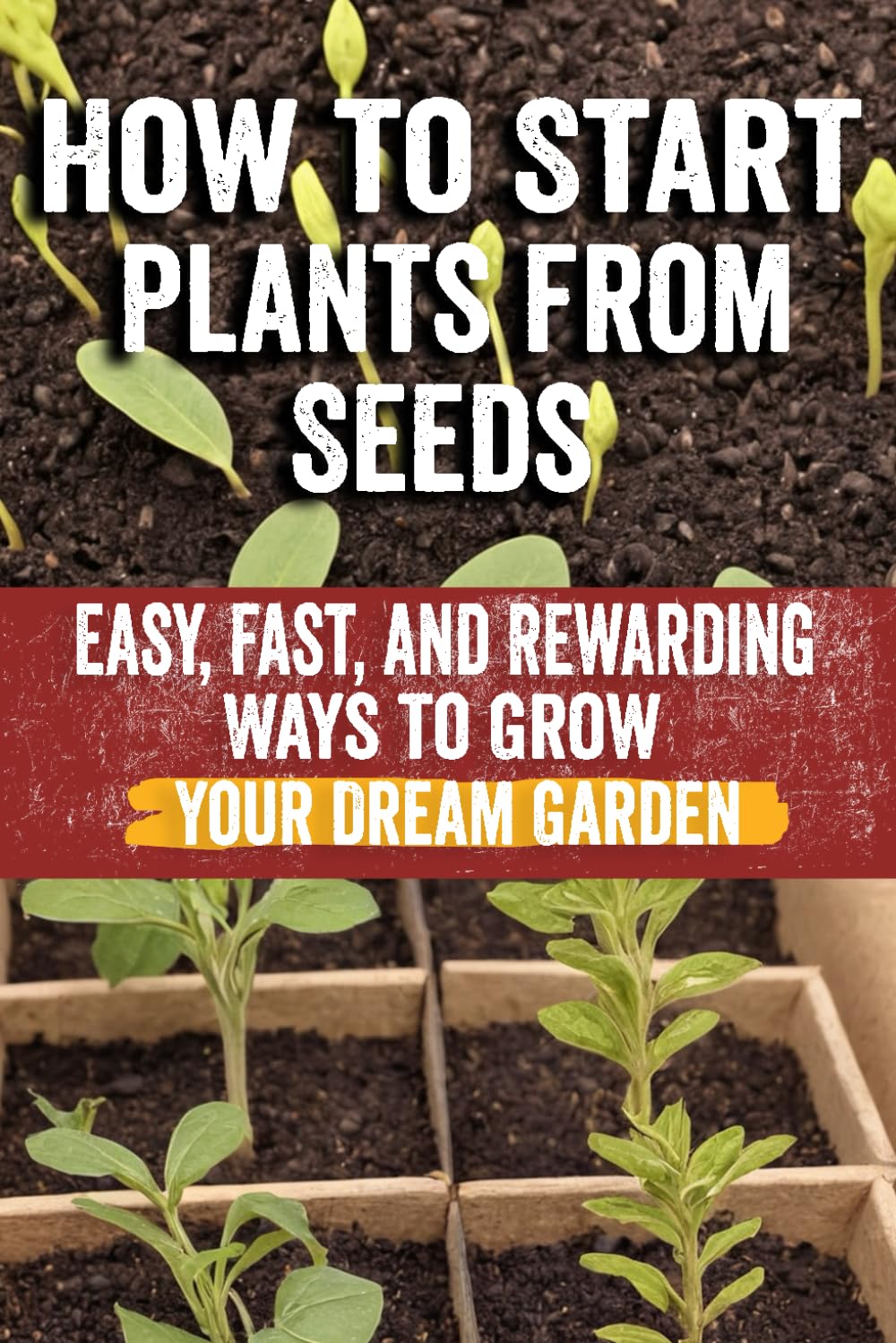
How to Start Plants from Seeds by Norma Khalila is a practical, all-in-one guide for gardeners who want to master seed starting. Whether you're a complete beginner or have some experience, this book walks you through every stage, from picking the right seeds to getting your seedlings into the ground. It's especially useful for anyone interested in heirloom varieties, organic gardening, or simply saving money by growing from seed.
The standout feature here is the depth of coverage. You get clear instructions on basic steps like soil preparation and container choice, but also advanced techniques like seed stratification and scarification. The troubleshooting section is a lifesaver for common issues like poor germination or damping off. The book also covers indoor and outdoor methods, including greenhouse and container gardening, so it adapts to your space.
Design-wise, the book is straightforward and easy to navigate. The chapters are well-organized, and the language is conversational without being overly technical. At 179 pages, it's a manageable read that doesn't overwhelm. The paperback is lightweight and portable, though some might prefer a larger format for easier reading.
One potential drawback is the lack of extensive customer reviews yet, so it's hard to gauge long-term satisfaction. Also, while it covers a lot, some very niche topics might not be explored in extreme depth. But for most home gardeners, this guide provides everything you need to succeed.
Overall, How to Start Plants from Seeds is a solid investment for anyone serious about growing from seed. It's practical, well-written, and packed with actionable advice. If you want to expand your garden with confidence, this book is a great place to start.

Pros
- Expert author with genuine passion and scientific background.
- Combines history, science, and practical gardening in one book.
- Beautiful photographs illustrate key cultivars and techniques.
- Well-organized and easy to navigate with Page Flip and enhanced typesetting.
- Suitable for a wide age range (12 to 18 years and beyond).
Cons
- No X-Ray or Word Wise features, which may limit some readers' experience.
- Zero customer reviews available so far, making it hard to gauge real-world feedback.
- Kindle-only format; no physical copy option for those who prefer print.
Magnolia Mastery by Gregg Stephens is a comprehensive guide for anyone fascinated by magnolia trees. Stephens, a biologist and avid collector, brings both scientific depth and hands-on experience to this book. It's written for gardeners of all levels who want to understand these ancient plants and learn how to grow and propagate them successfully.
The standout feature is its blend of history and practical advice. Stephens traces magnolias back 100 million years, explaining their unique relationship with beetles, then dives into modern cultivars like 'Black Tulip' and 'Yellow Bird'. The photography is excellent, giving readers a clear look at the variety and beauty available. The book covers everything from planting and care to advanced propagation techniques.
In terms of design, the Kindle edition is well-formatted with enhanced typesetting, Page Flip, and Screen Reader support. It's a smooth digital reading experience, though the lack of X-Ray and Word Wise may limit some interactive features. At 237 pages, it's thorough without being overwhelming.
The main drawback is the absence of customer reviews, so it's hard to know how readers are reacting. Also, it's only available as a Kindle book, which may not suit everyone. However, the content itself is solid and authoritative.
Verdict: If you love magnolias and want a reliable, knowledgeable guide, this book is a strong choice. It's academic but accessible, and it will help you grow trees that will become garden highlights.
ASIN: B0F4ZQRDBW
Publication Date: April 14, 2025
Language: English
File Size: 43.3 MB
Print Length: 237 pages
Screen Reader: Supported
Enhanced Typesetting: Enabled
Page Flip: Enabled
Reading Age: 12 - 18 years
Best Sellers Rank: #5,070,608 in Kindle Store

Pros
- Science-backed principles explained in plain language
- Covers all four essential care areas: watering, light, repotting, propagation
- Practical and actionable advice without overwhelming detail
- Affordable price point for a comprehensive guide
- Suitable for both beginners and more experienced plant owners
Cons
- At 119 pages, some topics may feel brief for advanced readers
- Independently published, so editing and layout may not match larger publishers
- As a new release, lacks reader reviews to gauge real-world feedback
How to Care for Your Houseplants by The Plant Scientist is a no-nonsense guide that focuses on the four fundamentals of keeping indoor plants healthy: watering, light, repotting, and propagation. Designed for both beginners and seasoned plant enthusiasts, the book emphasizes understanding how plants actually work rather than following rigid rules. It is a short but focused read at 119 pages, making it easy to digest in an afternoon.
The standout quality of this guide is its practical, science-backed approach. Each chapter breaks down why certain care mistakes happen and how to correct them. For example, the watering section explains how to read soil moisture and plant signals, which helps prevent overwatering - the number one killer of houseplants. The light chapter uses simple categories to help you match plants to the best spots in your home. Real-world tips like choosing the right container and soil mix add genuine value for anyone looking to grow a thriving indoor garden.
On the design side, the book is a standard 6 x 9 inch paperback with a flexible cover. The layout is clean and the text is easy to follow, though it lacks color photos or illustrations - something that might help visual learners. For a book focused on plant care, a few diagrams could have been useful, but the written instructions are clear enough. The publication date is February 2026, so it is a brand new release with no existing customer reviews yet.
Potential drawbacks include the relatively short length - advanced plant owners may find some topics like pest control or specific species care too brief. Also, as an independently published title, the editing and production quality may not match that of major publishers, though in this case the content feels well-organized and jargon-free. The price point of $15.99 is fair for a practical handbook, but some might wish for more depth per dollar.
Overall, How to Care for Your Houseplants is a solid investment for anyone who wants to move past guesswork and build confidence in caring for houseplants. If you are a beginner or someone who has struggled to keep plants alive, this book gives you the tools to understand and meet their needs. Experienced plant lovers will still find useful reminders, especially on propagation and routine building. It earns a recommendation as a clear, focused guide that delivers on its promise.

Pros
- Beautifully illustrated with inspiring photos of rose combinations and garden layouts
- Practical, easy-to-follow advice for beginners and intermediate gardeners
- Covers a wide range of rose types: ground cover, climbing, bush, and container varieties
- Includes valuable tips on companion planting and seasonal garden progression
- Focuses on modern, low-maintenance rose varieties that are easier to grow
Cons
- Strongly tailored to Swedish growing conditions, which may not translate well to warmer or more humid U.S. climates
- Some readers found the regional focus misleading, as the book's description doesn't highlight this
- A few reviews mention potential issues with digital download versions being incorrect
Practical Rose Gardening by Inger Palmstierna is a visually rich, straightforward guide aimed at gardeners who want to grow modern, easy-care roses without the fuss. The book covers more than 50 rose varieties, from ground covers to climbers and bush roses, with clear instructions on where to plant them and how to care for them. It's especially strong on companion planting, showing you which plants pair well with roses for color and texture throughout the seasons.
The standout feature here is the photography. Every page has beautiful, full-color images that make it easy to see exactly what a rose variety looks like and how it fits into a garden design. This is a huge plus for visual learners who prefer to browse and pick favorites rather than read dense text. The author also includes practical tips for growing roses in containers on balconies or terraces, which is a nice touch for urban gardeners.
However, the book has a clear northern European bias. Palmstierna is Swedish, and the advice on climate, soil, and rose varieties is tailored to Sweden's cool, temperate conditions. Several U.S. reviewers from warmer states like the South or Southwest found the advice less applicable, and some felt misled because the book's description doesn't mention this regional focus. If you live in a similar cool climate (Pacific Northwest, Northeast, or higher altitudes), you'll find it more useful. For hot, humid regions, you may need to supplement with local resources.
The book is well-constructed with a sturdy softcover and quality paper, though at 160 pages it's more of a concise reference than an exhaustive encyclopedia. It covers the basics of buying, planting, pruning, and pest control in a simple, accessible way. A few readers also reported issues with the digital download version delivering a different book, so stick with the physical copy if you can.
Overall, Practical Rose Gardening is a solid choice for beginners and intermediate gardeners who want a practical, visual guide to modern roses. Just be aware of its Swedish focus and check whether the varieties and advice align with your local climate. If they do, this book will help you create a beautiful, low-maintenance rose garden with confidence.
Publisher: Skyhorse
Publication Date: February 24, 2015
Language: English
Print Length: 160 pages
ISBN-10: 1629147400
ISBN-13: 978-1629147406
Item Weight: 1.4 pounds
Dimensions: 7.5 x 0.6 x 9.75 inches
Before buying Practical Rose Gardening, consider your local climate. This book is written from a Swedish perspective, so it's best suited for gardeners in cool, temperate regions (USDA zones 3-7). If you live in a hot, humid, or arid area, look for a rose guide that addresses your specific conditions.
Also, note that the book focuses on modern, easy-care rose varieties. If you're interested in heirloom or old-fashioned roses, you'll find less coverage here. For beginners who want a visual, practical approach with companion planting ideas, this is a great pick. For advanced rosarians seeking in-depth botanical details, you may need a more technical reference.
Finally, opt for the physical paperback to avoid any potential digital download mix-ups reported by some users. The book's sturdy construction and high-quality photos make the print version well worth the investment.

Pros
- Comprehensive plant directory with 146 varieties
- Beautiful, high-quality photographs
- Accessible for beginners yet detailed for experts
- Excellent guidance on selecting the right magnolia for your region
- Durable hardcover format suitable for reference
Cons
- Some readers may want more in-depth botanical detail
- Focuses primarily on North American climates, less on other regions
- A few cultivars may be hard to find in nurseries
The Plant Lover's Guide to Magnolias by Andrew Bunting is a beautifully crafted reference for anyone passionate about these iconic spring-blooming trees. Featuring 146 carefully selected cultivars, it combines expert horticultural knowledge with stunning photography to help gardeners at any skill level choose and grow magnolias that thrive in their landscape.
What sets this book apart is its emphasis on real-world application. Bunting, a renowned plant expert, provides clear guidance on planting, pruning, pest management, and design. The photographs are not just decorative but serve as practical tools for identifying varieties and visualizing their mature form. Gardeners with little experience will find the advice approachable, while seasoned designers will appreciate the depth of cultivar options.
The book's design is equally thoughtful. At 230 pages in a durable hardcover format, it's sturdy enough for frequent use in the garden or on the coffee table. The layout is clean, with each entry including essential details like growth habit, bloom time, hardiness zones, and sunlight needs. Dimensions of 7 x 1 x 9 inches make it easy to flip through, and the heavy paper stock does justice to the vivid images.
However, the book is not without minor drawbacks. Some reviewers noted that it prioritizes breadth over depth in botanical detail, so if you're seeking exhaustive scientific information on magnolia genetics or history, you might want a more specialized text. Additionally, the cultivar recommendations are heavily focused on North American climates. International gardeners may need to supplement with local resources. A few of the featured varieties can also be difficult to source at standard nurseries.
Overall, The Plant Lover's Guide to Magnolias is an excellent investment for any gardener who wants to bring the beauty of magnolias into their yard. It earns high marks for its usability, stunning visuals, and expert curation. Whether you're starting a garden or refining an existing one, this book will become a trusted companion.
Publisher: Timber Press
Publication Date: January 1, 2016
Language: English
Print Length: 230 pages
ISBN-10: 1604695781
ISBN-13: 978-1604695786
Item Weight: 1.78 pounds
Dimensions: 7 x 1 x 9 inches
Part of Series: The Plant Lover's Guides
Best Sellers Rank: #541 in Tree Gardening, #729 in Ornamental Plant Gardening (Books)

Pros
- Concise and easy to follow, even for beginners.
- Lightweight and portable for quick reference.
- Author is a trusted name in gardening literature.
- Offers cost-effective ways to grow your plant collection.
- Vintage first edition adds collectible value.
Cons
- Published in 1976, so some advice may be dated (e.g., no modern seed-starting mixes).
- Limited to house plants; does not cover outdoor or vegetable gardening.
- Only 2 reviews available, making it harder to gauge broad user satisfaction.
How to Grow House Plants from Seeds by Elvin McDonald is a compact, 189-page guide from 1976 that focuses on one thing: starting your indoor garden from seed. If you are a collector of vintage gardening books or someone who wants to save money by growing plants rather than buying them fully grown, this book is for you. It offers straightforward advice without the fluff of modern gardening manuals.
The standout feature is McDonald's clear, step-by-step approach. He walks you through selecting seeds, preparing containers, and caring for seedlings. The book is small enough to keep on a shelf or in a gardening bag, and the language is direct. While modern gardeners might miss details on organic mixes or LED grow lights, the core principles of seed starting remain solid. The first edition status also adds a layer of charm for collectors.
Design-wise, it is a simple paperback with a classic 1970s look. The pages are sturdy, and the text is easy to read. There are no glossy photos, just black-and-white illustrations, which may feel basic to some. But the focus is on utility, not flash. The 8.8-ounce weight makes it easy to carry around.
The main drawbacks are its age and niche focus. Some recommendations, like using specific soil mixes or lighting, may not reflect current best practices. Also, it only covers house plants, so if you want to grow vegetables or herbs, you will need another book. The lack of modern reviews makes it a bit of a gamble for first-time buyers.
Overall, this is a solid, no-nonsense guide for anyone interested in vintage gardening literature or the basics of seed starting. It delivers on its promise without overcomplicating things. Just be aware that some details may need updating with modern resources.
Publisher: Mason/Charter
Publication Date: January 1, 1976
Edition: First Edition
Language: English
Print Length: 189 pages
ISBN-10: 0884053504
ISBN-13: 978-0884053507
Item Weight: 8.8 ounces
Best Sellers Rank: #9,059,168 in Books
Frequently Asked Questions About Planting Magnolia from Seed
1. How do you plant magnolia from seed successfully?
Start by collecting fresh seeds in autumn and removing the fleshy outer coat. Then place them in damp sand or peat moss and refrigerate for 60 to 90 days for cold stratification. After that, sow the seeds about ¼ inch deep in moist, well-draining soil. Keep them warm and consistently damp. For a detailed guide, the book How to Start Plants from Seeds (ASIN B0DCWB2VTZ) covers stratification and scarification techniques.
2. Do magnolia seeds need scarification?
Magnolia seeds have a hard seed coat that can benefit from scarification before stratification. You can gently nick the seed coat with a file or soak them in warm water for 24 hours. This helps moisture penetrate and speeds up germination. The Magnolia Mastery book (ASIN B0F4ZQRDBW) explains both scarification and stratification in detail.
3. How long does it take for magnolia seeds to germinate?
After the cold stratification period, germination usually takes 30 to 60 days. Some seeds may sprout faster, others slower. Be patient and keep the soil moist but not waterlogged. Using a heat mat can help maintain consistent temperature. For more on germination conditions, the Practical Rose Gardening book (ASIN 1629147400) has principles that apply to many woody plants.
4. Can you plant magnolia seeds directly outside?
Yes, you can plant them outdoors in fall so they naturally stratify over winter. However, this method has lower success rates because seeds may be eaten by wildlife or dry out. For better control, start them indoors using a seed-starting setup. Our article on best plant food for water propagation offers tips for nurturing young seedlings.
5. What is the best soil mix for magnolia seeds?
Use a light, well-draining seed-starting mix. Avoid heavy garden soil that can compact and rot the seeds. Many gardeners add a bit of perlite or coarse sand. Keep the pH slightly acidic to neutral. For more soil advice, see our Plant category page for care tips.
Have questions about our products or process? Check out our About page for more information or visit our Homepage for additional plant care resources.







Write Your Review
No reviews yet. Be the first to share your experience!