


If you are wondering how to plant black beans in your garden, you are not alone. These nutritious legumes are surprisingly easy to grow and reward you with a bountiful harvest. Whether you have a backyard plot or a few large containers, black beans thrive with basic care and well-drained soil. In this guide, we share practical tips and highlight helpful products that make the process smoother – from selecting the right seeds to understanding soil needs. For more indoor and outdoor growing advice, check out our plant care category for related articles.
Black beans (Phaseolus vulgaris) are warm-season crops that love full sun and consistent moisture. Unlike bush beans, some varieties like the Cherokee Trail of Tears are pole beans that need trellising. Others, like Black Turtle bush beans, stay compact and need no support. Choosing the right type is the first step. Then, prepare your soil with organic matter and ensure a pH around 6.0 to 6.8. Planting after the last frost, when soil reaches at least 70°F, gives seeds the best start. Below, we list a few seed selections and guides that many gardeners find useful for their black bean journey.

Pros
- Excellent source of protein and fiber for a healthy diet
- Long storage life retains quality for months or years
- Meaty texture works well as a meat substitute in many dishes
- Versatile for cooking, sprouting, or adding to soups and stews
Cons
- Germination rate is lower than other beans, typically around 50%
- Beans can be tough to digest unless fully cooked, and this applies to sprouts too
- Absorbs more water than most seeds, so soaking requires extra water
These Black Bean Seeds from MardeRossCompany are actually dried Black Turtle beans, a staple in Latin American and Caribbean kitchens. If you're into hearty bean dishes or looking to stock up your pantry with something that lasts, these are a solid pick. They're especially popular among vegans and vegetarians because of their high protein content and meaty texture when cooked.
The standout feature here is versatility. You can cook them into classic beans and rice, blend them into soups, or toss them into salads for extra substance. They also sprout into beautiful dark purple shoots, which is a nice bonus for home gardeners or microgreen enthusiasts. Just keep in mind that germination rates hover around 50%, so not every seed will sprout. That's pretty normal for black beans, but worth knowing if you're planning a sprouting project.
The beans come in a simple package with dimensions of 5 x 3 x 0.2 inches and weigh just 0.16 ounces. The container is basic but functional. Since these are dried, they have a very long shelf life, making them an excellent choice for emergency food storage or just keeping a backup supply in the cupboard. They absorb a lot of water during soaking, so be sure to use extra water to compensate.
On the downside, black beans can be tough on your digestive system unless they're thoroughly cooked. That goes for the sprouts too. Some people might experience discomfort if they're not used to eating legumes. Also, the lack of customer reviews on Amazon means you're going in without much feedback from other buyers, though the product description covers the essentials well.
Overall, if you enjoy Latin and Caribbean flavors or want a reliable source of plant-based protein, these Black Turtle beans are a worthwhile buy. They deliver on taste, nutrition, and storage convenience, despite the moderate germination rate. Just plan on cooking them properly and you'll have a versatile ingredient that earns its place in your kitchen.

Pros
- Covers all essential steps from seed selection to harvest
- Handy size (5 x 0.15 x 8 inches) fits in a pocket or tool bag
- Affordable price point for a targeted gardening guide
- Straightforward advice that avoids overwhelming details
Cons
- Only 66 pages, may lack depth for advanced growers
- Limited customer reviews so far, making it hard to gauge broad satisfaction
- Independently published – might not have the polish of a major publisher
The Guide to Growing Beans by A. Duller is a straightforward, no-nonsense manual for anyone who wants to grow their own beans successfully. Whether you have a backyard plot, a community garden bed, or a few containers on a balcony, this book gives you the essential know-how to get started. It's written for gardeners of all levels, but its concise 66 pages make it especially handy for beginners who don't want to wade through fluff.
The standout quality here is the focus on practical, actionable advice. The book walks you through choosing varieties suited to your region, preparing the soil properly, and managing common pests without heavy chemicals. I appreciate that it doesn't assume prior gardening experience – each step is explained clearly. The compact size (5 x 8 inches) means you can keep it on a shelf or even toss it in a gardening apron for quick reference.
Design and build are simple but functional. The pages are standard paperback quality, and the layout uses clear headings and bullet points. At just over 4 ounces, it's lightweight and portable. However, because it's independently published, you won't find glossy photos or fancy illustrations – just straightforward text and possibly a few basic diagrams. That's fine for a guide focused on information over aesthetics.
On the downside, the brevity is a double-edged sword. While perfect for a quick start, experienced growers may find the depth limited – topics like seed saving or advanced trellising get only brief coverage. Also, with only one customer review to date, it's hard to confirm long-term user satisfaction. But the content itself is sound and comes from a credible author in the crop science category.
Final verdict: If you're looking for a no-fuss, inexpensive guide to get growing beans this season, this book delivers. It fills a niche for a compact reference that won't overwhelm you. More seasoned gardeners might want something thicker, but for the price and purpose, it's a solid purchase.

Pros
- Comprehensive coverage of the entire bean growing and selling process
- Emphasizes sustainable and environmentally friendly practices
- Concise at only 74 pages - easy to digest and reference
- Includes marketing tips not found in typical gardening books
- Low price point makes it an accessible resource for beginners
Cons
- No customer reviews yet to confirm effectiveness in real-world scenarios
- May be too basic for experienced bean farmers seeking advanced techniques
- Self-published, so editing and layout may not match major publishers
Beginner's Guide to Beans for Profit by Lucille Sarron is a focused manual for anyone who wants to turn bean growing from a hobby into a money-making venture. The book takes a holistic approach, covering essential topics like soil health, pest management, harvesting, and even marketing your crop. It's written for absolute beginners, but the strategies scale well for small farms or community gardens.
The standout feature is its blend of agronomy and business. You get step-by-step planting and care instructions alongside proven methods for finding buyers and maximizing profit. The author also stresses sustainable practices, which is a nice touch for eco-conscious growers. Despite being just 74 pages, the book feels complete for a starter guide, with bonus resources to help you go further.
As a physical product, the paperback is lightweight (4 ounces) and portable, with dimensions of 6 x 0.17 x 9 inches. The layout is clean and easy to follow, though being independently published, there are no flashy graphics. The content is what matters here, and it delivers practical advice without unnecessary fluff.
The main drawback is the lack of customer reviews, so you're taking a small leap of faith. Also, experienced growers may find the material too introductory. Some sections could benefit from more depth, but for the price, it's a low-risk investment.
Overall, Beginner's Guide to Beans for Profit is a solid resource for new bean farmers who want to approach the craft with a profit mindset. It's affordable, actionable, and covers all the basics. Recommended for garden-to-market beginners.
ASIN: B0CTYJFD6F
Publisher: Independently published
Publication Date: February 2, 2024
Language: English
Print Length: 74 pages
ISBN-13: 979-8878289924
Item Weight: 4 ounces
Dimensions: 6 x 0.17 x 9 inches
Pros
- Organic and non-GMO certified
- High in protein and dietary fiber
- Sproutable for fresh, crunchy additions
- Holds shape well after cooking – not mushy
- Kosher and vegan certified
Cons
- Requires overnight soaking and a longer cooking time
- No customer reviews yet to gauge consistency batch to batch
- 1-pound package might not be enough for heavy users or large families
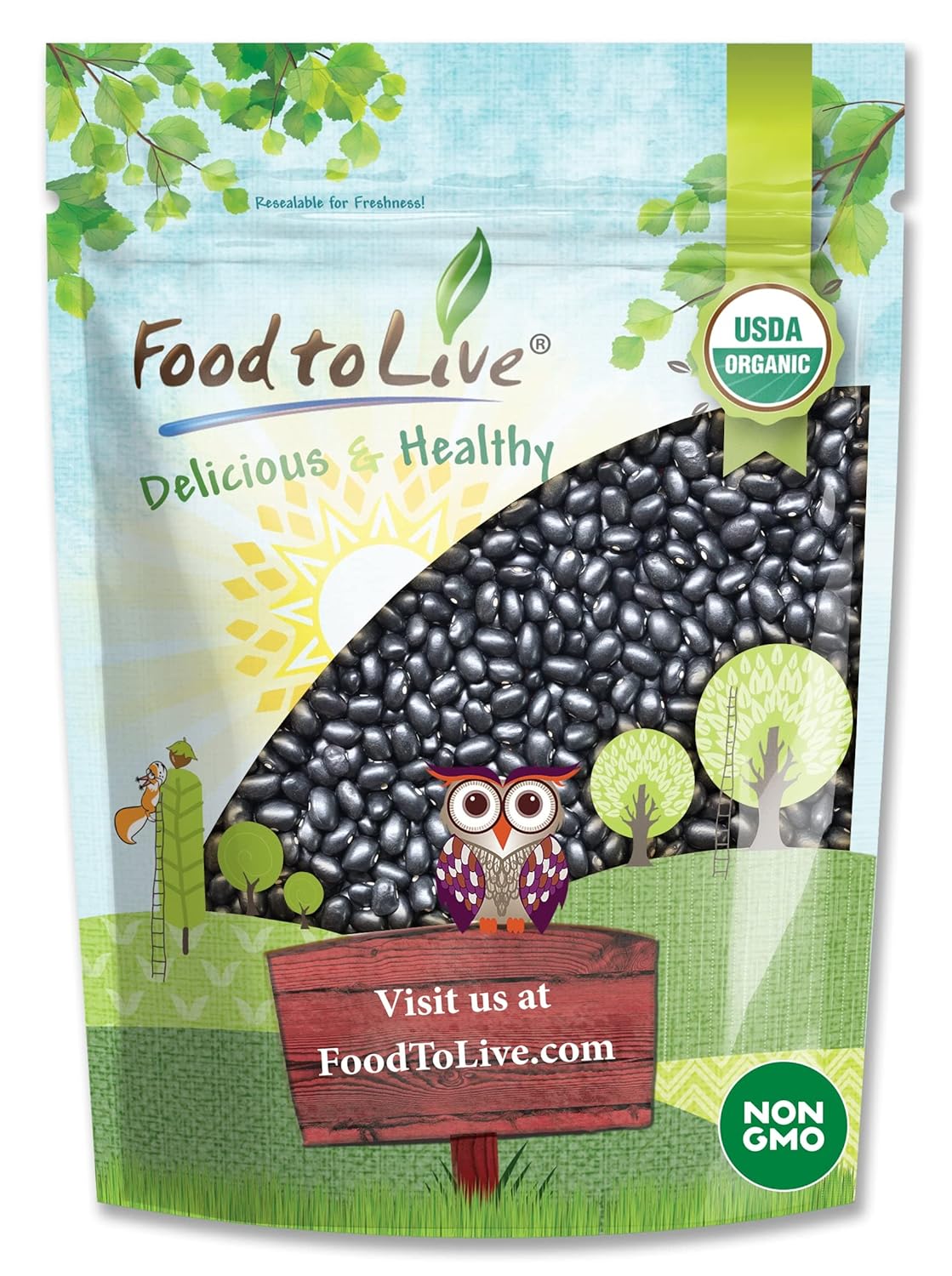
Food to Live Organic Black Beans are exactly what they sound like: a straightforward, high-quality dried legume that delivers on nutrition and versatility. This 1-pound bag contains whole, non-GMO beans that are also certified organic and kosher. Whether you're a vegan, a meal prepper, or just someone trying to eat cleaner, these beans fit right in. They're sproutable too, which adds a fresh-use option beyond the standard pot of soup.
The standout here is the nutritional profile. One serving delivers 7.5 grams of protein and 5.5 grams of fiber, making this a solid plant-based choice for sustaining energy and gut health. The beans cook up tender while still holding their shape – a key quality for chili or cold salads where you don't want mush. I followed the included soup recipe and found the soaking and simmering straightforward, though you'll want to plan ahead. An overnight soak is essential for best texture and reduced cook time.
Packaging is simple: a resealable bag that's functional but not fancy. The beans themselves look clean, uniform, and free of debris. There's no seasoning or additives; just pure organic beans. That's exactly what you'd expect from a bulk dried bean product. One minor downside: the bag size (1 lb) is fine for a few meals, but if you're cooking for a crowd or want to stock up, you might wish for a larger option.
On the con side, there are currently no reviews available, so it's hard to gauge long-term consistency across batches. Also, like all dried beans, preparation takes time – not ideal for last-minute meals. But for anyone comfortable with a little planning, these organic black beans from Food to Live are a strong option. They deliver on their promises: organic, non-GMO, high in protein and fiber, and versatile enough for everything from soup to sprouts.
Final verdict: If you need a reliable organic black bean that cooks well and fits clean-eating goals, this is a solid buy. Just remember to soak ahead and consider the 1-pound size for your household needs.

Pros
- Heirloom, non-GMO seeds ensure genetic purity and natural growth
- Nutrient-dense black beans with high fiber, iron, and protein content
- Versatile for zone 3-10, making it widely adaptable
- Clear harvesting signs: beans turn black when 90% of leaves have fallen
Cons
- No reviews available yet to gauge real-world success rates
- Seed count of 50 may be small for larger gardens or multiple plantings
- Seed availability may vary depending on the season
Country Creek Acres' Black Turtle Bush Bean seeds are a solid pick for anyone wanting to grow their own black beans at home. This heirloom variety traces its roots back to South America and was spread by Spanish and Portuguese traders. The 50 seeds come in a simple package, ideal for home gardeners with small to medium plots.
These beans stand out for their nutritional value. They are rich in fiber, iron, and protein, which are known to support digestive and heart health. The non-GMO nature is a plus for those who prefer natural growing methods. The seeds are also packed for the current season, so freshness should be reliable.
Growing them is straightforward. The bush type means they don't need trellising, and they adapt to zones 3 through 10. Harvest time is around 90 days, and the instruction to wait until 90% of leaves fall and beans turn black is clear and practical. This makes knowing when to pick easy, even for beginners.
One potential drawback is the lack of customer reviews. Without feedback, it's hard to predict exact germination rates, though the brand seems reputable. Also, 50 seeds might not be enough for those planning a large row of beans. But for a small garden or a starter crop, it is a reasonable quantity.
Overall, Country Creek Acres offers a reliable, heirloom black bean seed with solid nutritional benefits. If you are looking to add organic, homegrown black beans to your diet and garden, this pack is a good place to start.

Pros
- Exceptional germination: many customers report 100% sprout from small seed packs.
- Productive and reliable: vigorous vines produce abundant beans all season long.
- Meaningful heritage variety adds a story and cultural connection to your garden.
- Versatile: enjoy as fresh green beans or save as dry black beans for soups and stews.
- Well-packaged: resealable zipper bag protects seeds from moisture and light.
Cons
- Some plants may start off slow initially, as noted by a few reviewers, though they catch up quickly.
- Requires sturdy support like a trellis or pole due to its climbing habit.
- Regular harvesting needed for green beans to keep production going; letting pods dry takes patience.
The Cherokee Trail of Tears Bean from ThreshSeedCo is more than just a seed pack: it is a living piece of Native American history. This heirloom black bean variety was carried by Cherokee families during the forced relocation of 1838-39, and now you can grow it in your own garden. Whether you are a history buff, a sustainable gardener, or someone who loves unique dry beans, this bean connects you to a powerful legacy while delivering real kitchen value.
Standout features include vigorous climbing vines that are perfect for a trellis or a Three Sisters planting with corn and squash. The dual-purpose nature means you can harvest young pods as tender green beans or let them mature into glossy black beans for drying. Customer reviews highlight excellent germination rates: many report 100% sprout from a single pack, with one reviewer noting 32 seeds yielded 32 plants. The beans themselves have a beautiful purple hue on the pods and seeds, adding visual interest to your garden. Flavor is praised as ideal for soups and bean dishes, and the seeds can be saved for future planting, preserving the heirloom line.
ThreshSeedCo focuses on quality: these seeds are non-GMO, chemical-free, and grown in the USA. The packaging is a standout: a resealable, opaque zipper packet that keeps seeds fresh for years. This is a big plus for gardeners who want to store leftover seeds for next season or build a home seed bank. The company also trials its strains for vigor, flavor, and uniformity, so you are getting a well-selected heirloom line, not a random batch.
A few honest drawbacks: some gardeners reported that the beans can be slow to sprout or initially slow to grow, though they eventually take off. Because this is a pole bean, it needs a sturdy support system, which may not suit everyone. And if you want to use them as green beans, you will need to harvest regularly to keep plants producing; letting pods dry for storage requires patience. But these are minor trade-offs for a variety that is both productive and meaningful.
The Cherokee Trail of Tears Bean earns a strong recommendation for anyone who grows beans for storage, enjoys heirloom varieties, or wants to honor Native American agricultural traditions. It is a reliable, high-germinating seed from a reputable company, and the dual-purpose harvest is a bonus. If you want a bean that tells a story while filling your pantry, this is an excellent choice.

Pros
- Covers all essential topics for beginners
- Includes marketing and sales advice
- Affordable price for a specialized guide
Cons
- No customer reviews yet to validate content quality
- Self-published, so lacks professional editing polish
- Short length may leave advanced growers wanting more
A Beginner's Guide to Beans Farming is a straightforward, no-fluff introduction for anyone looking to grow beans in their backyard or on a small farm. Written by Francis Smith C., part of the Farmers Guide series, this 91-page book compresses the essentials of bean cultivation into a slim volume. It targets absolute beginners, assuming no prior gardening knowledge, and walks through everything from seed selection to selling your crop.
The guide covers botany and bean types, soil preparation, planting techniques, and even the health benefits of eating beans. What stands out is the inclusion of a marketing section a rare find in beginner farming books. It offers practical advice on how to sell your beans locally, which adds real-world value for those looking to turn their hobby into a small business. The writing is clear and direct, though the self-published nature means it lacks the glossy layout or diagrams of a major publisher's book.
Physically, the paperback is a standard 6 x 9 inch format, weighing just 6.7 ounces, so it's easy to toss in a bag or keep on a shelf. The print length of 91 pages might worry some readers about depth, but the content is well organized and covers the fundamental steps without dragging. For a beginner, this is likely enough to get started successfully.
A key drawback is the lack of reviews there are no customer ratings yet, so you're buying on trust. Also, experienced growers might find the information too basic. The book is best suited for someone who has never grown beans before and wants a simple, affordable roadmap.
Verdict: If you are a total beginner looking to start bean farming on a small scale, this guide provides a solid, actionable foundation. It is not a comprehensive textbook, but it delivers exactly what the title promises a beginner's guide to growing beans from scratch.

Pros
- Comprehensive coverage of the entire bean growing process, from soil preparation to seed saving.
- Encourages a sustainable diet that benefits personal health and the planet.
- Includes a wide variety of bean types and cooking methods, offering year-round meal options.
- Easy to follow with clear instructions, suitable for both new and experienced gardeners.
Cons
- Print is relatively small, which may be difficult for some readers.
- Focuses primarily on dried beans; limited coverage of common green or runner beans.
- Not a recipe book; it's more about growing and preparation basics.
Growing Beans is a practical guide written by Susan Young, a gardener with a decade of experience cultivating diverse bean varieties. It's aimed at home gardeners who want to move beyond standard green beans and start growing dried beans for storage and year-round meals. The book also appeals to anyone interested in a more sustainable diet that benefits both personal health and the planet.
What sets this book apart is its focus on dried beans as a protein-rich, eco-friendly food source. Young explains how beans enrich garden soil and reduce your carbon footprint. She shares detailed profiles of six must-grow varieties, including heirloom beans from Italy and Bosnia, with tips on sowing, growing, harvesting, and drying. The guidance is practical and based on real experiments.
As a Kindle edition, the book is well formatted and supports features like page flip, screen reader, and enhanced typesetting. This makes it accessible on various devices. The writing style is encouraging and relaxed, making complex topics easy to digest. At 226 pages, it covers the subject thoroughly without being overwhelming.
A few drawbacks: the print is small, which may strain eyes during extended reading. Also, the book focuses heavily on dried beans; gardeners primarily interested in fresh green beans may find only limited relevant advice. Additionally, it is not a cookbook, so recipes are minimal. Those looking for elaborate bean dishes will need to supplement with other sources.
Overall, Growing Beans is a valuable resource for anyone serious about self-sufficiency and sustainable eating. The combination of growing knowledge, bean history, and environmental context makes it a standout in the vegetable gardening category. Recommended for gardeners who want to expand their bean repertoire and reduce their food miles.
ASIN: B09QNG3PJ8
Publisher: Permanent Publications
Publication date: February 1, 2022
Language: English
File size: 39.2 MB
Print length: 226 pages
ISBN-13: 978-1856232197
Best Sellers Rank: #470,666 in Kindle Store
Customer Reviews: 4.5 out of 5 stars
Frequently Asked Questions About Planting Black Beans
Here are answers to common questions gardeners have when learning how to plant black beans successfully.
What is the best time to plant black beans?
Black beans need warm soil, so wait until after the last spring frost when soil temperatures are consistently above 70°F. In most climates, this means planting in late spring or early summer. You can also start seeds indoors 3-4 weeks before transplanting, but direct sowing is more common. For more timing tips, read our best plant food for mums article which covers general warm-season planting principles.
How deep should I plant black bean seeds?
Sow seeds about 1 inch deep in loose, well-drained soil. Space bush beans 2-4 inches apart in rows 18-24 inches apart. For pole beans, space seeds 4-6 inches apart and provide a trellis or poles. After planting, water gently to keep soil moist but not waterlogged. Good soil contact is key for germination.
Do black beans need a lot of water?
Black beans need regular watering, especially during flowering and pod development. Aim for about 1 inch of water per week, but avoid overhead watering to reduce disease risk. Drip irrigation or soaker hoses work best. Overwatering can cause root rot, so let the top inch of soil dry between waterings. For container gardeners, self-watering planters can help maintain steady moisture – see our best choice products planter box for options.
Should I soak black bean seeds before planting?
Soaking black bean seeds for 8-12 hours before planting can speed up germination by softening the seed coat. However, if you plant in warm, moist soil, soaking is not necessary. Avoid soaking for too long, as seeds can rot. Some gardeners prefer to inoculate seeds with a rhizobium bacteria to improve nitrogen fixation – this is especially helpful if you have not grown beans in that spot before.
How long do black beans take to grow?
Most black bean varieties mature in 90 to 120 days depending on the type and growing conditions. Bush beans usually mature faster than pole beans. The pods turn yellow or brown and the beans inside become hard when ready. Harvest by pulling up the entire plant or picking pods individually. Then dry the beans for a few weeks before storage. For more bean growing advice, check out the how to turn an old bike into a planter guide for creative garden ideas.
Remember that successful black bean planting starts with quality seeds and consistent care. The products listed above include heirloom seeds, organic dried beans for sprouting, and helpful guides for beginners. Many gardeners also appreciate the Cherokee Trail of Tears bean for its historical value and productivity. Whether you are growing for dried storage or fresh green pods, following these basics will give you a rewarding harvest.
For additional resources on soil health and fertilizers, visit our fertilizer category and seed category. Happy planting!








Write Your Review
No reviews yet. Be the first to share your experience!