


Why Learn How to Plant an Oak Tree from an Acorn?
Planting an oak tree from an acorn is one of the most rewarding projects for any gardener. It connects you to nature’s cycle, helps restore local ecosystems, and gives you a tree that can live for centuries. But the process isn’t as simple as sticking an acorn in the ground. You need to understand stratification, proper soil conditions, and how to protect young seedlings from pests and weather. That’s where the right resources come in. Whether you’re a classroom teacher, a curious homeowner, or a parent looking for a hands-on science activity, having a reliable guide makes all the difference.
In this article, we’ve gathered 8 books and resources covering everything from the life cycle of an oak to practical planting methods. These picks range from $$6.70 to $$40.85, including works by Beth Moon, Camilla de la Bedoyere, CREATESPACE and more. Whether you prefer detailed photography, step-by-step instructions, or engaging stories for children, there’s something here to help you succeed. For more foundational knowledge, check out our seed starting category for additional tips on germination and early plant care.
From Acorn to Oak Tree: A Children's Book on Life
Pros
- Educational and engaging content for preschool and early elementary kids.
- Compact size easy for small hands to hold and carry.
- Affordable replacement for lost or damaged school copies.
Cons
- Only 24 pages may feel too brief for older children or deeper exploration.
- Some reviews mention the book arriving with tears or damage.
From Acorn to Oak Tree is a nonfiction children's book by Camilla de la Bedoyere that takes readers through the fascinating process of how a tiny acorn grows into a mighty oak tree, and briefly touches on other life cycles like that of a baby sea horse. Published by Sterling in 2013, this 24-page paperback is designed for young learners who are just starting to ask big questions about nature and growth. It's part of a series that uses vivid photographs and concise explanations to make biology accessible and fun for kids ages 3 to 7.
The standout quality of this book is how it distills complex life cycles into simple, step-by-step visuals and text. Each page features a clear, full-color photo with a short caption, making it easy for even pre-readers to follow along. The text is straightforward and avoids jargon, so parents and teachers can read it aloud without stumbling. For a child who's ever wondered how plants or animals change over time, this book provides a gentle introduction that sparks curiosity.
At just 24 pages, the book is intentionally short, which helps maintain a child's focus. However, that brevity also means it only scratches the surface of each life cycle. Older kids or those seeking more detail may feel left wanting more. The build quality is typical of a school-friendly paperback lightweight and portable, but some customers have reported receiving copies with torn pages or covers. It's wise to inspect the book quickly upon delivery, especially if you're buying it specifically as a replacement for a school library.
On the plus side, the positive review highlights how well this book works as an affordable stand-in for lost school books. The seller described it as matching the picture and arriving fast, which suggests that when the condition is good, it's a reliable purchase. The low rating (3.0 out of 5 stars) is based on only two reviews, so it doesn't give a full picture of quality over many copies. Overall, the content itself is solid and educational.
Verdict: From Acorn to Oak Tree is a worthwhile buy for parents or teachers introducing life cycles to young children, especially if you can confirm the book's condition beforehand. It delivers exactly what the title promises a simple, visual explanation of how an acorn becomes a tree. Just be prepared for the possibility of minor wear, and don't expect an in-depth guide. For a quick, charming nature lesson that fits in a small backpack, this book does the job.

Pros
- Clear, concise wording perfect for new readers.
- Beautiful illustrations that complement the text.
- Accurate life cycle information presented simply.
- Affordable price for a durable paperback.
- Positive customer feedback: 4.4 out of 5 stars from verified buyers.
Cons
- Kindle version format issues: some reviewers report the digital edition appears as small photographs rather than properly formatted text.
- Limited depth: very simple, may not satisfy older or more advanced young readers.
- Only 24 pages: might be too brief for some families wanting a more comprehensive nature book.
From Acorn to Oak Tree is a nonfiction children's book from the Start to Finish, Second Series, perfect for kids ages 5 to 9 (grades K-3). Written by Emma Carlson-Berne, it follows the life cycle of an oak tree from a tiny acorn all the way to a towering tree. With a 4.4-star rating from 15 customer reviews, this book has earned praise for its clarity and charm. It's an ideal choice for parents, teachers, and librarians looking to introduce young minds to nature's cycles in a direct, engaging way.
The standout quality here is simplicity done right. Each page pairs clear, concise sentences with bright illustrations that show each stage of growth. Reviewers particularly like that the text sticks to the point with no distractions. One parent noted that the book helped their grandson understand how “an oak tree grows from starting as an acorn to growing up to be a mighty old oak tree.” The artwork is described as “great” and supports the reading experience without overwhelming the words. At 24 pages, it's short enough for one sitting but detailed enough to spark curiosity.
The physical paperback edition is durable and well-sized (8.75 x 0.28 x 10 inches), making it easy for small hands to hold. However, a few buyers warned that the Kindle version suffers from formatting issues: the text appears as small photographs of the book pages, which can be frustrating to read on a screen. If you prefer digital, you might want to check a sample first. The print edition, on the other hand, is highly recommended for its quality and value.
There aren't many drawbacks. The biggest is the Kindle formatting problem, which only affects the digital version. Also, because the book is deliberately simple, older or more advanced readers may find it too basic. But for its target audience of kindergarten through third graders, it's a solid educational tool. Final verdict: From Acorn to Oak Tree is a trustworthy, beautifully simple introduction to plant life cycles. If you want a book that explains the process clearly without extra fluff, this is a great choice for young nature lovers.

Pros
- Breathtaking photography that captures the majesty and detail of oaks
- High customer rating with numerous 5-star reviews praising the visuals
- Comes with informative and lyrical text that complements the images
- Large, beautifully designed book that makes a striking decorative piece
Cons
- Some readers felt the hand-tinted coloring detracted from the natural beauty of the photos
- The poetry portion may not appeal to everyone compared to the photography
- Limited to 112 pages, which some might wish were longer given the subject's depth
Beth Moon's 'Oak: From Seed to Ancient Tree' is a gorgeous hardcover that dives deep into the world of one of nature's most iconic trees. Following her acclaimed 'Ancient Trees: Portraits of Time,' this volume collects three distinct photographic series: gnarled ancient oaks from the UK and Europe, sprawling live oaks of the American South often planted in grand avenues, and close-up studies of acorns as they sprout. The result is a visual journey from the grandest old-growth giants to the promise of new life, all rendered with Moon's signature artistic eye.
The standout quality here is the hand-tinted photography. Moon adds subtle washes of color to black-and-white images, which brings out the bark's texture, the moss's softness, and the leaves' delicate veins. Most reviewers rave about the results, calling them stunning and magnificent. However, a few found the coloring distracting, preferring a more natural look. It's a matter of taste, but for many, the gentle tints enhance the ethereal mood of these ancient subjects.
The book is more than just a photo album. It includes an essay by Todd Forrest of the New York Botanical Garden that covers oak natural history, plus a poetic text from Moon herself. The writing adds context without overwhelming the images. At 112 pages, it's a concise but rich reading experience. The large 11.4-inch square format makes it ideal for display on a coffee table or in a home library, and one reviewer even used it for home staging with success.
On the downside, the poetry section wasn't as compelling to some readers as the photographs, but it still received praise for being a nice complement. Also, a couple of overseas reviewers noted the book arrived quickly and in good condition, so no quality issues there.
Overall, 'Oak: From Seed to Ancient Tree' is a wonderful tribute for nature lovers, photography enthusiasts, and anyone who appreciates the quiet majesty of ancient trees. It earns high ratings from customers and delivers exactly what it promises: a visual and textual celebration of oaks that will inspire awe and reflection.



Frequently Asked Questions About Planting an Oak Tree from an Acorn
Here are answers to common questions gardeners have when learning how to plant an oak tree from an acorn. These FAQs draw from the resources listed above and general gardening knowledge.
Do I need to stratify acorns before planting?
Yes, most oak species require a period of cold stratification to break dormancy. Place healthy acorns in a damp paper towel inside a sealed bag and refrigerate them for 30 to 60 days. Books like “From Acorn to Oak Tree” by Camilla de la Bedoyere explain this process in simple terms for beginners. For more on seed preparation, visit our plant care category.
Can I plant an acorn directly in the ground?
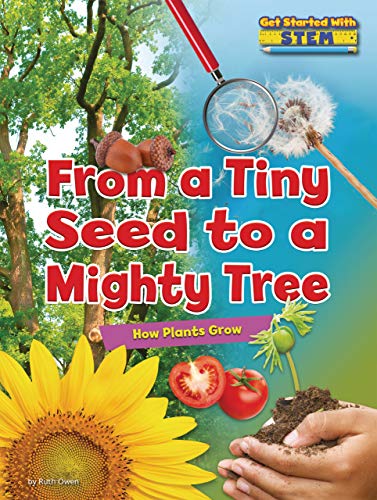
You can, but success rates are lower due to rodents, rot, and competition from weeds. Many gardeners prefer starting acorns in pots with well-draining potting mix and transplanting after the first year. The book “From a Tiny Seed to a Mighty Tree” covers early growth stages in a child-friendly way.
How long does it take an oak tree to grow from an acorn?
An oak seedling can appear within a few weeks after planting, but it takes many years to become a mature tree. The first few years are critical for root development. “Oak: From Seed to Ancient Tree” by Beth Moon features stunning photography that illustrates the long journey from acorn to ancient oak.
What type of soil do oak trees prefer?
Oaks generally prefer deep, well-drained, loamy soil with a slightly acidic to neutral pH. Avoid heavy clay or waterlogged areas. Resources like “One Little Tree” offer engaging explanations of how acorns find their perfect spot in nature.
Are there any books that make this topic fun for kids?
Absolutely. “One Little Tree” (ages 2-5) and “The Acorn, The Gardener, and The Tall Oak Tree” are beautifully illustrated and tell the story of an acorn’s journey in a way that captures young imaginations. They also reinforce patience and care in gardening. For more family-friendly gardening tips, explore our seed starting guides.
Have questions about our recommendations? Check out our How We Rank page for details on our review process or our Copyright Policy for information on content usage.








Write Your Review
No reviews yet. Be the first to share your experience!