


Walking through local hardware aisles often reveals endless shelves of solid-state fixtures, leaving homeowners and indoor gardeners wondering where traditional filament and discharge options have gone. Many specialty indoor plant keepers, reptile hobbyists, and workshop owners actively seek out incandescent, halogen, or fluorescent options for their distinct thermal output, smooth continuous spectrum, or fixture compatibility. Learning where to buy non led light bulbs has become an essential practical skill as federal efficiency benchmarks reshape retail inventories across the country. Understanding which channels still stock these traditional lamps helps you keep vintage fixtures operational and support delicate indoor greenery without unwanted electrical flickering.
While standard general-service incandescent bulbs face strict production rules, dedicated exemptions still exist for rough-service, decorative, appliance, and specialized horticultural applications. Online marketplaces and specialized lighting distributors carry authentic filament models alongside classic fluorescent tubes designed for plant growth. Before stocking up on legacy options, consulting an indoor plant lighting spectrum guide clarifies how traditional thermal wavelengths compare against modern diode arrays. Knowing exactly where to look saves valuable time while ensuring your specific electrical sockets and seedling trays receive the precise warmth and light balance they require.





Navigating the Market for Traditional Non-LED Lighting
Shoppers looking for traditional filament lamps often discover empty shelves at local hardware stores, creating widespread confusion about where these classic lighting products went. Solid-state technology dominates modern retail displays, but consumers frequently need incandescent, halogen, or fluorescent bulbs for specific technical reasons. Locating these items requires shifting away from general home improvement centers toward commercial distributors, specialty pet suppliers, and specific online vendor categories. Pinpointing the correct sourcing avenue saves considerable effort while ensuring you secure genuine non-LED components designed for your exact fixture requirements.
Regulatory Shifts and Retail Inventory Changes
Federal energy conservation standards in the United States and other regions established strict lumens-per-watt efficiency minimums for general service lamps. Because standard pear-shaped A19 incandescent bulbs generate visible illumination through resistive electrical heating of a tungsten filament, they convert most consumed electricity into ambient thermal energy rather than raw lumens. Consequently, manufacturers halted mass production of standard 40-watt, 60-watt, and 100-watt clear and frosted household incandescent bulbs for everyday domestic use. Mainstream retail chains quickly cleared shelf space to comply with these federal mandates, replacing classic glass bulbs with high-efficiency semiconductor fixtures.
These sweeping retail updates caught many property owners off guard, especially those maintaining legacy dimmer switches, enclosed luminaires, or temperature-sensitive terrariums. Many older residential rotary dimmers and mechanical timing relays require a substantial resistive load to cycle power cleanly without buzzing or flickering. When solid-state retrofits are installed into these older circuits, the minuscule electrical draw often causes erratic pulsing or residual glow even when the circuit switch is off. Understanding that retail shelves shifted due to regulatory guidelines helps buyers recognize why specialized procurement channels are now necessary to source authentic incandescent and gas-discharge lamps.
Primary Online Marketplaces and Industrial Sourcing Channels
Major online retail platforms remain the most accessible starting point for finding authentic non-LED lighting products. Digital storefronts allow independent electrical jobbers, overstock liquidators, and specialty lighting manufacturers to offer remaining inventories directly to consumers. Searching digital marketplaces requires precise terminology, as algorithmic search engines frequently recommend diode-based retrofits even when you query legacy lighting terms. Looking up specific manufacturer part numbers and filtering for authentic tungsten filaments guarantees you receive real non-LED products rather than solid-state lookalikes.
Commercial and industrial supply companies represent another premier sourcing avenue for durable, high-demand non-LED bulbs. Distributors such as Grainger, McMaster-Carr, and regional electrical supply houses stock deep inventories of incandescent and discharge lamps intended for factory, facility, and institutional use. These commercial entities cater to maintenance professionals who must support legacy machinery, industrial heat tunnels, and vibration-heavy production floors. Homeowners and growers can readily purchase from these suppliers online or at local commercial will-call counters without requiring an active commercial contracting license.
Electrical wholesale distributors also maintain supplies of specialized lamps that general consumer hardware stores no longer keep in stock. Local supply houses that service commercial electricians often hold inventory of rough-service bulbs, high-wattage heat lamps, and fluorescent tubes for commercial building retrofits. Visiting an electrical parts counter provides access to knowledgeable counter staff who can cross-reference discontinued bulb codes with available non-LED stock. Establishing contact with these specialized electrical counters opens up reliable supply lines for hard-to-find bulbs that are completely absent from big-box store aisles.
Exempted Categories and Specialized Incandescent Form Factors
Federal efficiency legislation contains explicit exemptions for numerous categories of incandescent bulbs where solid-state technology is technically unsuitable. Appliance bulbs engineered for domestic ovens, microwave interiors, and commercial refrigerators remain legal to manufacture and sell as genuine incandescent lamps. High internal oven temperatures rapidly melt the plastic housings and electronic driver circuits of standard LED bulbs, making tungsten filaments inside heat-resistant glass envelopes the only viable choice. These appliance lamps feature standard E26 medium screw bases or smaller intermediate bases, making them functional alternatives in select compact fixtures.
Rough-service and vibration-resistant lamps represent another fully legal incandescent category that is readily purchased today. These robust bulbs feature reinforced internal filament mountings designed to endure mechanical shock inside garage door openers, industrial drop lights, and mobile machinery. Brands like YXQZH produce genuine incandescent options such as the YXQZH 60 Watt Incandescent Light Bulbs, which utilize a standard A19 profile and traditional E26 base. Sourcing rough-service lamps allows homeowners to maintain the warm, continuous spectral output and familiar tactile glow of classic filament lighting without violating distribution guidelines.
Decorative vintage filament lamps, bug lights, blacklight lamps, and colored accent bulbs also benefit from specific regulatory exclusions. Traditional carbon or tungsten filament reproduction lamps built in vintage teardrop or tubular shapes are frequently sourced for period-accurate home decor and restaurant dining spaces. True non-LED vintage bulbs run hot to the touch and exhibit a very low color temperature, often measuring around 2200K or lower. Verifying that a decorative bulb specifies true wattage draw rather than equivalent wattage ensures you are purchasing a genuine resistive filament instead of a clear glass bulb lined with micro-LED strips.
Sourcing Fluorescent Tubes and High-Intensity Discharge Fixtures
Indoor gardeners, botanical hobbyists, and greenhouse operators frequently seek non-LED lighting in the form of linear fluorescent tubes and high-intensity discharge systems. Fluorescent lamps, particularly linear T5 high-output and T8 tubes, utilize an internal phosphor coating excited by mercury vapor to emit uniform, diffuse illumination. These traditional gas-discharge fixtures remain widely available through dedicated agricultural supply houses, commercial greenhouse suppliers, and specialized horticultural retailers. Reviewing detailed resources on high-output fluorescent T5 grow lights provides valuable guidance on fixture spacing and tube replacement schedules for healthy vegetative propagation.
High-intensity discharge (HID) options, including metal halide and high-pressure sodium fixtures, still hold a prominent place in commercial cultivation facilities and large hobby greenhouses. Metal halide lamps deliver an intense, blue-leaning spectrum favored for vegetative branch development, while high-pressure sodium bulbs produce intense red-orange wavelengths that stimulate heavy floral production. Sourcing HID replacement bulbs involves ordering through specialized indoor garden storefronts, commercial hydro supply warehouses, or farm co-op outlets. These high-output lamps require matched magnetic or digital ballasts to regulate electrical current, meaning they cannot be plugged directly into standard line-voltage household sockets.
Compact fluorescent lamps (CFL) with integrated self-ballasted bases can also be sourced from commercial distributors and agricultural platforms. Large horticultural CFL bulbs, often drawing between 125 watts and 250 watts of actual electrical power, provide gentle top lighting for delicate microgreens and humidity-loving propagation clones. Because fluorescent tubes spread light across an elongated glass surface, they minimize harsh focal points that can singe tender leaf tips. Keeping extra fluorescent tubes in your storage closet prevents sudden lighting interruptions when seasonal seed germination cycles begin in early spring.
Agricultural, Livestock, and Photographic Supply Retailers
Farm and livestock supply cooperatives serve as exceptional resources for purchasing heavy-duty incandescent heat lamps and brooder bulbs. Livestock producers rely on 125-watt and 250-watt incandescent infrared bulbs to keep young chicks, piglets, and vulnerable livestock warm through bitter winter temperatures. These thermal lamps feature thick, heat-resistant red or clear glass faces and standard E26 medium screw threads. Indoor plant owners sometimes suspend these agricultural heat lamps above sensitive tropical specimens during severe cold snaps to maintain safe root-zone temperatures in chilly basement rooms.
Reptile pet specialty retailers and veterinary supply shops also stock an extensive selection of incandescent basking lamps, ceramic emitters, and compact halogen spotlights. Cold-blooded reptiles require precise environmental basking spots that provide concentrated radiant heat alongside visible light, a function that solid-state diodes cannot perform effectively. These pet-focused incandescent bulbs fit ordinary porcelain lamp fixtures, making them simple to purchase either online or in neighborhood pet shops. Photography supply houses offer another avenue, selling balanced tungsten halogen studio bulbs prized for their complete, uninterrupted color spectrum and zero-flicker video performance.
Thermal Management and Electrical Realities of Non-LED Bulbs
Operating non-LED lighting systems requires a thorough understanding of actual electrical power draw and substantial thermal output. A traditional 60-watt incandescent bulb consumes exactly 60 watts of true electricity from your wall circuit, converting roughly ninety percent of that power directly into radiated heat. In contrast, modern solid-state equivalents consume less than ten watts to produce an equivalent quantity of visible illumination. This fundamental physical difference means non-LED bulbs quickly become hot enough to melt synthetic fabrics, scorch plant leaves, or damage heat-sensitive plastic lamp sockets.
Indoor gardeners who utilize non-LED bulbs often take deliberate advantage of this thermal output to regulate ambient temperatures inside enclosed growing tents or propagation benches. In northern climates or unheated basements, running traditional high-output fluorescents or low-wattage incandescent bulbs helps keep the air canopy within optimal metabolic ranges without needing separate electric space heaters. However, maintaining adequate distance between the lamp face and plant foliage is critical to prevent thermal scorch and excessive transpiration. Using heavy-duty ceramic or porcelain light sockets rated for high temperatures ensures your installation remains fire-safe over prolonged photoperiod cycles.
Electrical circuit capacity must also be calculated carefully when installing multiple traditional lighting fixtures on a shared residential breaker. Because a bank of four 100-watt incandescent bulbs draws 400 actual watts, it places a much higher continuous amperage load on your home wiring than modern alternatives. Never exceed the maximum fixture wattage rating stamped on your lamp holder or luminaire chassis, as paper-lined or plastic sockets can degrade rapidly under steady thermal stress. Verifying circuit breaker limits and keeping flammable items far away from hot glass envelopes guarantees dependable, incident-free operation in living areas or hobby rooms.
Verifying Genuine Non-LED Construction in Online Listings
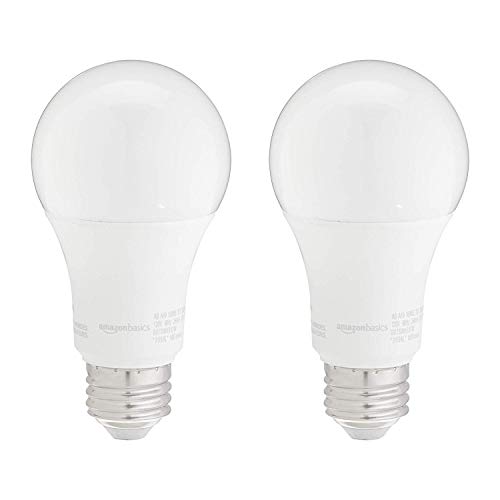
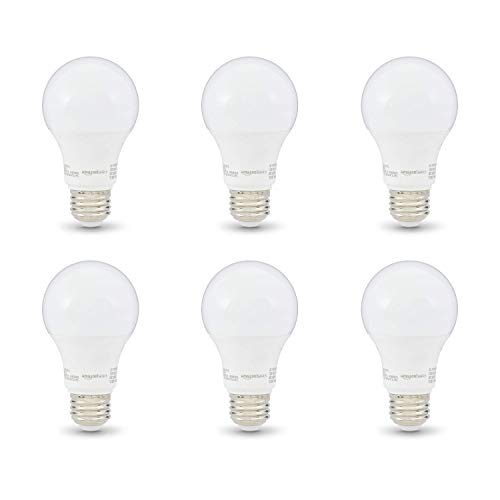
Online search algorithms frequently display confusing or deceptive product listings when users search for non-LED options. Many modern manufacturers market their solid-state products using terms like vintage filament, retro Edison, or incandescent replacement, leading buyers to purchase diode lamps accidentally. For instance, packages like the ASOMST 4-Pack Vintage Edison LED Bulbs or the Amazon Basics Non-Dimmable LED Light Bulbs feature classic bulb shapes and clear glass, yet they contain modern LED filaments. Closely inspecting the technical specifications section is the most reliable way to confirm whether a product is a true non-LED lamp.
Genuine non-LED products will state their actual electrical wattage without relying on the term equivalent on the packaging. An authentic incandescent lamp will list an actual power consumption of 40W, 60W, 75W, or 100W, whereas a solid-state lookalike will specify an operating draw of approximately 4W to 13W. Furthermore, examine product photographs for internal electrical driver bases, yellow phosphor diode strips, or tiny semiconductor chips embedded along the support wires. Real incandescent lamps feature delicate, silvery tungsten filament wire suspended between thin copper or nickel support leads inside an evacuated or gas-filled glass bulb.
Integrating Traditional Warmth with Modern Plant Setups
Balancing legacy lighting options alongside modern indoor gardening hardware allows hobbyists to create highly customized microclimates for demanding plant species. While solid-state fixtures offer remarkable electrical efficiency, pairing them with an occasional incandescent warmth lamp or fluorescent propagation strip resolves stubborn cold-soil challenges during winter. Modern indoor growers using multi-tier plant racks or vertical indoor growing towers sometimes experience cool root zones that slow seed germination and nutrient uptake. Introducing a supplemental incandescent basking bulb or warm fluorescent fixture gently raises ambient root-zone temperatures, encouraging balanced transpiration rates.
Managing these hybrid lighting setups requires steady monitoring of photoperiod timers and canopy clearance distances. Mechanical timers and heavy-duty digital controllers must be rated to handle the higher inductive or resistive wattage loads demanded by non-LED lamps. Placing a calibrated digital thermometer at canopy height helps confirm that added radiant heat remains within comfortable growing parameters without causing leaf curling or substrate drying. By combining the focused heat of traditional lamps with the broad-spectrum efficiency of modern gear, you achieve total environmental control across every season.
Securing genuine non-LED lighting products simply requires shifting your search beyond common big-box hardware aisles toward commercial electrical houses, agricultural suppliers, and dedicated online sellers. Whether you need a rugged vibration-resistant bulb for an active home workshop or a radiant heat lamp for winter plant protection, authentic options remain accessible through authorized legal channels. Checking true power draw specifications, verifying socket temperature ratings, and selecting appropriate fixture enclosures ensures your traditional lighting setup performs safely and reliably for years to come.



Write Your Review
No reviews yet. Be the first to share your experience!