


Indoor living spaces often suffer from dim corners where decorative foliage struggles to thrive and general room illumination feels flat. Ceiling recessed cans offer a clean, clutter-free lighting format, but outfitting them with the right can light bulbs makes all the difference for both home ambiance and supplemental plant health. Modern BR30 LED flood replacements allow homeowners to replace power-hungry incandescent bulbs while directing wide, uniform beams down across seating areas, display tables, and floor planters.
Selecting dependable bulbs requires evaluating true electrical wattage, beam angles, and color temperatures rather than relying on vague package marketing. Finding the proper light spectrum for indoor plants helps balance human visual comfort with the photosynthetic needs of common houseplants. By choosing reliable can light light bulbs with smooth dimming capabilities and efficient thermal designs, you can create a bright, inviting home environment that keeps your indoor greenery healthy throughout every season.


Practical Guide to Recessed Can Light Bulbs for Home and Plant Spaces
Recessed ceiling cans represent one of the most practical architectural lighting formats in modern residential construction, providing overhead illumination without dangling cords or bulky hanging hardware. Equipping these ceiling fixtures with high-efficiency can light light bulbs requires understanding how reflector envelopes, internal LED driver electronics, and optical diffusers function together. While these bulbs primarily serve residential ambient lighting needs, strategic placement and appropriate color selections also allow them to deliver valuable supplemental photons to indoor greenery. Making an informed choice ensures consistent room brightness, dependable energy savings, and optimal living comfort.
Understanding BR30 Form Factors and Beam Distribution in Recessed Cans
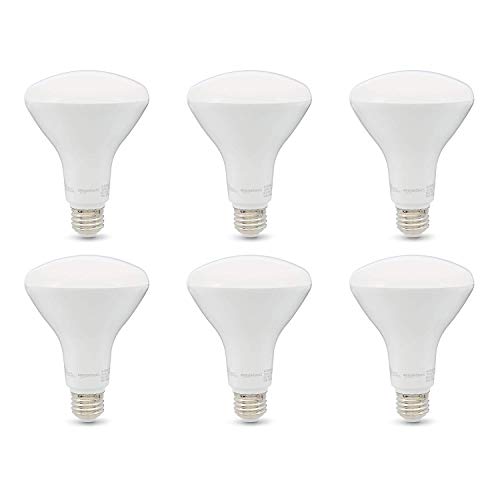
The BR30 designation specifies a bulged reflector profile measuring three and three-quarters inches across the widest point of the face. This specific shape was originally engineered for incandescent and halogen floodlights to cast wide, soft-edged pools of light rather than sharp focal points. Modern LED iterations replicate this geometry using lightweight housing materials capped with frosted polycarbonate dome lenses. The standard E26 medium screw base ensures direct mechanical compatibility with standard five-inch and six-inch recessed ceiling housings throughout North American homes.
Beam spread is one of the most defining characteristics of the BR30 design, typically delivering a wide flood angle of approximately 110 degrees. Unlike narrower PAR30 or PAR38 spot lamps that concentrate intensity into tight 35-degree or 40-degree cones, wide flood bulbs disperse illumination broadly across the living space. This wide distribution minimizes harsh shadows and produces smooth, overlapping illumination when multiple fixtures are spaced across a ceiling. For indoor plant displays, the 110-degree pattern ensures that lower leaves and outer foliage receive scattered light rather than being subjected to a concentrated hot spot.
Proper fitment inside the recessed canister directly affects both visual aesthetics and thermal airflow. When installed correctly, the face of the BR30 bulb should sit flush with or slightly recessed behind the outer trim ring or stepped baffle. Recessing the bulb slightly prevents direct horizontal glare when walking through the room while still allowing the wide cone of light to spread unobstructed. If a bulb extends too far past the trim, it can create visual discomfort, while sitting too deep inside a narrow housing can choke off the outer edges of the beam.
Evaluating Actual Electrical Draw and Luminous Output
Package labeling for recessed bulbs prominently displays 65-watt equivalent claims, which reference legacy incandescent power consumption rather than true electricity usage. Modern LED versions consume between 7 watts and 11 watts of true wall power to produce the same quantity of visible light. This dramatic reduction in electrical draw lowers monthly utility costs while simultaneously producing far less radiant heat. Reduced thermal output is especially advantageous for indoor foliage, as hot incandescent bulbs positioned above delicate houseplants frequently cause leaf scorch and accelerated soil dehydration.
Luminous output for typical BR30 LED units generally ranges between 650 lumens and 800 lumens per bulb. A standard 650-lumen model drawing roughly 7.5 watts to 10 watts provides ample ambient brightness for living rooms, hallways, and bedrooms where soft, relaxing illumination is preferred. Units delivering 800 lumens at around 11 watts offer higher photon density, making them better suited for task areas like kitchens, dining spaces, and corners dedicated to indoor plant cultivation. Checking the lumen rating ensures you select adequate overall output for your ceiling height and room dimensions.
Operating efficiency also provides greater flexibility when planning branch circuit loads throughout the home. A traditional lighting circuit powering twelve legacy 65-watt incandescent floodlights pulled nearly 780 watts, heavily loading a standard 15-amp household circuit. Replacing those fixtures with modern 10-watt LED equivalents drops total consumption to just 120 watts across the entire room. This substantial reduction frees up electrical capacity on shared circuits and allows homeowners to run prolonged daytime photoperiods for indoor houseplants without worrying about excessive energy bills.
Color Temperature Strategies: Soft White 2700K Versus Daylight 5000K
Color temperature is measured on the Kelvin scale and establishes the visual warmth or coolness of the emitted light. Options rated at 2700K Soft White produce a warm, golden-amber glow reminiscent of traditional incandescent filaments, creating an inviting, cozy atmosphere in living rooms and bedrooms. The 3000K Warm White setting offers a slightly crisper white tone while retaining comfortable warmth, making it popular for modern open-concept floor plans. These warmer spectrums emphasize red and amber wavelengths, which blend seamlessly with residential interior decor and evening relaxation.
Daylight options calibrated to 5000K emit a crisp, blue-shifted illumination that mimics natural midday sunlight. This higher Kelvin rating provides exceptional visual clarity, sharp contrast, and vibrant color rendering in functional areas such as home offices, kitchens, and laundry rooms. Selectable color temperature models, often labeled as 5CCT, feature small manual slide switches on the bulb housing that allow users to toggle between 2700K, 3000K, 3500K, 4000K, and 5000K settings. This flexibility lets homeowners match the color profile to their specific aesthetic preferences without purchasing entirely new bulbs.
For plant enthusiasts, color temperature also influences plant morphology and visual inspection. The blue wavelengths prominent in 5000K daylight bulbs stimulate stomatal opening and support compact, bushy vegetative growth, preventing indoor foliage from stretching excessively toward the ceiling. Conversely, warm white spectrums make plant foliage appear rich and natural under ambient evening conditions without creating an unnatural blue cast in living quarters. Choosing between these options depends on whether primary room usage leans toward relaxed residential living or active botanical support.
Supplemental Lighting Potential for Indoor Houseplants
Standard household LED bulbs are engineered to produce lumens tailored for the human eye, whereas dedicated horticultural fixtures are measured in photosynthetic photon flux density across the 400 to 700 nanometer spectrum. Even though BR30 floodlights are not marketed as commercial grow panels, broad-spectrum white LEDs naturally emit substantial photons across the photosynthetic active radiation band. These overhead fixtures can supply meaningful supplemental energy to indoor plants situated beneath ceiling cans, particularly in rooms with small windows or northern exposures.
Low to moderate light houseplants are the primary beneficiaries of overhead recessed LED lighting. Species such as Epipremnum aureum (golden pothos), Sansevieria (snake plants), Zamioculcas zamiifolia (ZZ plants), Aglaonema (Chinese evergreens), and various Philodendron varieties survive comfortably on modest daily light levels. When placed within the lighting cone of a BR30 bulb running eight to twelve hours daily, these resilient plants absorb enough photons to maintain active chlorophyll production and prevent lower-leaf yellowing during gloomy winter months.
Indoor gardeners who combine overhead recessed illumination with dedicated indoor plant lighting systems often find that general ceiling lighting provides a stabilizing baseline. Ambient ceiling light softens harsh contrast shadows cast by intense directional fixtures and illuminates secondary greenery placed outside dedicated grow zones. Utilizing standard recessed sockets as low-intensity supplemental sources allows you to brighten decorative corners without cluttering floors and tables with extra cords, clamp arms, or freestanding stands.
Ceiling Height, Light Falloff, and Plant Placement Dynamics
The inverse square law governs how light intensity behaves as distance increases between a ceiling fixture and target surfaces below. In simple terms, doubling the distance between the light source and a plant canopy reduces photon intensity to one-quarter of its initial value. Because standard residential ceilings sit between eight and ten feet high, the usable light reaching a plant placed directly on the floor is significantly diluted compared to the intensity measured just below the bulb. Recognizing this distance penalty prevents unrealistic expectations regarding plant growth rates.
Elevating houseplants on pedestals, plant stands, credenzas, or floating wall shelves substantially improves their photon reception. Raising a potted specimen three to five feet off the ground cuts the air gap from the ceiling in half, multiplying the light intensity reaching the upper canopy leaves. This elevation strategy allows moderate-light tropical plants to maintain compact leaf spacing and vibrant variegation that would otherwise fade if left sitting on the floor in dim lower shadows.
Horizontal positioning relative to the fixture center also dictates how much light reaches plant foliage. The central core of a 110-degree flood beam delivers the highest photon concentration, while the outer twenty percent of the perimeter experiences gradual falloff. Positioning decorative planters directly beneath the center of the ceiling canister ensures peak exposure. Plants situated along the outer fringe of the beam cone receive gentle ambient fill light, which suits low-demand shade foliage rather than light-hungry specimen varieties.
Dimmer Compatibility, Flicker Reduction, and Driver Performance
Internal LED drivers housed inside the base of modern BR30 bulbs are responsible for converting incoming 120-volt alternating current into steady, low-voltage direct current. The build quality of these compact internal circuits directly dictates operational stability, efficiency, and component lifespan. High-quality drivers regulate current smoothly to eliminate invisible high-frequency strobing, which can cause subtle eye strain and headaches in living areas. Reliable driver architecture also prevents audible buzzing sounds when lights are dimmed to lower output thresholds.
Dimmer compatibility remains an essential factor when retrofitting older recessed ceiling cans with new LED bulbs. Older rotary and slide dimmers designed for incandescent loads rely on leading-edge TRIAC chopping that often conflicts with electronic LED drivers, resulting in flickering, buzzing, or abrupt drop-offs below thirty percent brightness. Installing modern universal LED dimmer switches resolves these conflicts, providing smooth, continuous control from ten percent up to full brightness without annoying interruptions or audible hums.
Dimming versatility allows homeowners to tailor overhead illumination to match changing daily activities. Running bulbs at one hundred percent output during daytime hours maximizes photon delivery to indoor houseplants and creates an energetic, productive living environment. As evening approaches, dialing brightness down to twenty or thirty percent transforms the room into a warm, relaxing retreat while signaling indoor plants to transition smoothly into their natural night respiration cycle.
Thermal Management and Enclosed Can Airflow Considerations
Recessed ceiling canisters present unique thermal challenges because they enclose light sources within tight drywall cavities that restrict passive airflow. In many homes, fixtures are rated for direct insulation contact (IC-rated), meaning thick fiberglass or cellulose insulation rests directly against the metal housing. While LED bulbs generate far less heat than legacy incandescents, their sensitive internal electronics and surface-mounted diodes must dissipate thermal energy effectively to prevent premature failure.
Modern BR30 bulbs utilize internal aluminum heatsinks encased within thermally conductive plastic shells to draw heat away from the LED diode array. Heat is conducted into the neck and base of the bulb, where it disperses into the canister air volume through natural convection. Operating bulbs within properly sized five-inch or six-inch housings ensures adequate air space around the bulb body. This clearance prevents heat buildup that could otherwise degrade diode phosphors or cause driver capacitors to fail prematurely.
Electrical safety also requires inspecting existing socket conditions before installing new bulbs into older ceiling cans. Dust, drywall debris, and minor corrosion on the center contact tab inside the E26 porcelain socket can increase electrical resistance and cause localized heating. De-energizing the circuit at the breaker panel and gently clearing debris ensures a secure, low-resistance mechanical connection that supports thousands of hours of trouble-free operation.
Multi-Pack Deployment and Aesthetic Uniformity Across Living Areas
Achieving visual harmony across open-concept living rooms, kitchens, and hallways requires consistency in bulb performance and color rendering. Mixing different bulb brands or combining older incandescent lamps with new LED floodlights creates jarring patches of mismatched color temperatures and uneven brightness levels. Installing identical bulbs from the same production run ensures that every recessed fixture dims at the exact same rate and projects uniform color across walls, floors, and furniture.
Multi-pack bundles containing six or twelve bulbs provide practical value when outfitting complete rooms or entire living levels simultaneously. Brands like Sunco, Sigalux, DAYBETTER, and Amazon Basics package these bulbs in bulk configurations specifically designed for whole-room retrofits. Replacing every bulb in a ceiling layout at one time eliminates the hassle of frequent individual replacements and guarantees consistent beam angles throughout the entire living area.
When coordinating ambient overhead lighting with dedicated growing projects, such as growing edible greens and herbs under indoor lighting, aesthetic uniformity helps blend functional gardening with home decor. Maintaining consistent color rendering from ceiling cans ensures that countertop herb planters and shelf stations integrate seamlessly into the living environment rather than looking like industrial laboratory experiments.
Practical Selection Checklist for Long-Term Reliability
Choosing the best bulbs for your ceiling cans comes down to verifying several core physical and electrical specifications. First, confirm that your existing canisters feature standard E26 screw sockets and measure five or six inches in diameter to accommodate the 3.75-inch BR30 face. Next, check that the lumen output matches your room purpose, favoring 650 lumens for soft relaxation areas and 800 lumens for active task or plant display zones. Finally, verify that the packaging explicitly confirms dimmability if you plan to use wall dimmers.
Color Rendering Index (CRI) represents another critical metric that directly impacts how vibrant your home interior and houseplants appear. A CRI rating of 80 or higher ensures that greens, rich leaf patterns, wood tones, and decorative furnishings appear natural and true to life under artificial light. Lower-tier bulbs with poor CRI ratings can make lush foliage look washed out, gray, or sickly, detracting from the natural beauty of your indoor botanical collection.
Taking time to match your ceiling recessed bulbs to your living space requirements ensures dependable performance, steady energy savings, and comfortable ambient illumination. Whether you choose warm 2700K bulbs to create a cozy living room retreat or blue-enriched 5000K daylight floodlights to invigorate indoor greenery, modern LED options offer reliable long-term performance. Proper installation and thoughtful plant placement turn everyday ceiling cans into valuable assets for both home decor and plant care.


Write Your Review
No reviews yet. Be the first to share your experience!