


Gardeners often encounter the term “fig” applied to both sprawling backyard fruit producers and statuesque indoor trees, which creates understandable confusion for anyone planning a home collection. Understanding what is a fig tree plant begins with recognizing that the name covers members of the woody Ficus genus, ranging from cold-hardy outdoor fruit trees like Ficus carica to beloved houseplants like Ficus lyrata. While an outdoor edible fig focuses energy on broad, lobed canopies and sweet seasonal fruit, an indoor specimen functions primarily as an architectural foliage statement. Balancing light, pot dimensions, and winter temperature requirements helps ensure that whichever variety you bring home actually fits your space and lifestyle.
Selecting the right variety depends on whether your priority is harvesting sweet fruit on a sunny patio or anchoring a living room with dramatic ornamental leaves. Outdoor gardeners must account for regional hardiness zones and root spread, whereas apartment dwellers need bright indirect light and careful watering routines. Gardeners who already cultivate delicate indoor greenery, such as those exploring colorful indoor foliage varieties, will find that woody indoor ficus plants demand a very different approach to humidity and soil drainage. Taking time to distinguish botanical traits, growth habits, and maintenance demands ensures you choose a specimen tailored to your exact growing environment.

Pros
- Easy to incorporate into regular watering routine with simple dilution
- Noticeable results: greener leaves and more vigorous growth within weeks
- Gentle on roots, reducing risk of overfeeding or burning
- Cost-effective concentrate that yields many gallons of fertilizer
- No strong odor and mixes cleanly without clogging sprayers
Cons
- Requires careful dilution; over-concentrating may stress plants
- Not formulated for all fruit trees (only fig and ficus species)
- Shelf life is about two years; must be stored in a cool, dark place
Whether you are nurturing a Brown Turkey fig in your backyard or keeping a fiddle leaf fig alive indoors, the TPS Nutrients Fig Tree Fertilizer offers a simple way to deliver the right nutrients. This liquid concentrate is designed for fig trees and their close relatives like ficus, aiming to support stronger roots, healthier leaves, and bigger fruit harvests. With a near-perfect rating and dozens of positive reviews, it has quickly become a go-to for home gardeners.
The fertilizer's balanced N-P-K ratio (3.6-3-5.1) targets fig trees' specific needs without overloading them with unnecessary elements. Users report seeing greener leaves and more vigorous growth within weeks of regular application. One reviewer noted their tree perked up after the first treatment and produced happy leaves after the second. Another appreciated how easy it is to mix into a watering can or attach to a hose-end sprayer for full coverage. The concentrate is economical: a 32-ounce bottle can produce up to 32 gallons of diluted fertilizer, depending on your method.
The liquid itself has a tea-like color and a mild, not unpleasant smell. It mixes readily with water and does not clog sprayers. The packaging is straightforward with clear instructions for dilution rates for soil drench, foliar spray, and hose-end use. TPS Nutrients also offers customer support through their website, which adds peace of mind. Being made in the USA, it meets quality standards, and the ingredients are non-toxic when used as directed, making it safe for edible fig trees.
No product is without limitations. While this fertilizer works wonders on fig trees and ficus, it is not a cure-all for any plant. One reviewer tried it on banana trees without success. Also, because it is a concentrate, you need to follow the dilution instructions carefully; using it too strong could stress plant roots. The color might stain surfaces, so take care when handling it. The shelf life is about two years, so it is best purchased when you have an ongoing need.
Overall, the TPS Nutrients Fig Tree Fertilizer is a reliable, effective choice for fig enthusiasts. It delivers visible results, is easy to use, and offers good value for money. If you want to see your fig tree thrive and produce more fruit, this liquid food is a solid investment. Just be sure to store it properly and use it according to the guidelines for best results.

Pros
- Noticeable improvement in leaf color and growth after a few applications
- Versatile for multiple ficus types, including fiddle leaf figs and indoor plants
- Easy to mix and incorporate into your regular watering routine
- No strong odor and non-toxic ingredients
- Good value for the price, as a little goes a long way
Cons
- The liquid has a tea-like color that may stain surfaces if spilled
- Not effective for all plant types, such as banana trees
- Requires consistent use every two weeks for best results, which may be a commitment
The TPS Plant Foods Fig Tree Fertilizer is a liquid fertilizer designed specifically for fig trees but also works well for other ficus varieties like fiddle leaf figs. It's aimed at home gardeners who want to boost the health and fruit production of their trees without the risk of overfertilizing. The formula provides a balanced mix of nitrogen, phosphate, and potash to support strong branches, lush foliage, and better fruit sets.
Based on user reviews, this fertilizer delivers real results. Many noticed greener leaves and more vigorous growth after just a couple of applications. One reviewer with a ten-year-old fiddle leaf fig saw new leaves and a perkier plant. Another reported their fig tree perked up after one treatment and continued to flower. The concentrated liquid makes 8 gallons of fertilizer, so it's economical and easy to apply with a sprayer or watering can.
The product is well-packaged and comes with clear instructions. It's made in the USA and uses ingredients that are non-toxic and safe for regular use. The liquid has a slight brown tint similar to tea, so be careful not to spill it on porous surfaces. It stores well in a cool, dark place and has a shelf life of about two years.
One minor drawback is that it may not work for all plants. A reviewer tried it on banana trees without success. Also, you need to apply it every two weeks during the growing season, which might be a bit of a routine for some. But for fig trees and ficus plants, the results are consistently positive.
Overall, the TPS Plant Foods Fig Tree Fertilizer is a reliable and effective choice for anyone looking to improve the health of their fig trees. It's easy to use, affordable, and backed by solid customer feedback. If you want healthier foliage and more fruit, this fertilizer is worth a try.

Pros
- Easy to apply: just mix 1 teaspoon with 2 cups of water
- Gentle enough for regular use with every watering
- Visible results: users report new leaves, stronger growth, and revived plants
Cons
- Must be diluted carefully to avoid over-fertilization
- Not intended for non-ficus plants, limiting its use
- Some customers reported receiving damaged or partially used bottles
The Aquatic Arts Fiddle Leaf Fig Tree Fertilizer is a liquid plant food designed specifically for ficus trees, including the popular fiddle leaf fig. It comes in an 8-ounce bottle and uses a 3-1-2 NPK ratio, which is considered ideal for these plants. This product is best for indoor gardeners who want to give their finicky figs a targeted nutrient boost without the risk of burning the roots.
What sets this fertilizer apart is its gentle formulation. You can use it at every watering by mixing just one teaspoon with two cups of water. The liquid absorbs quickly, correcting any deficiencies faster than granular options. Real-world reviews back this up: users report noticeable improvements in leaf color, new growth, and overall plant vigor. One reviewer saw new buds within two weeks after starting use, while another credited it with reviving a struggling tree that had been dropping leaves.
Design and build are straightforward: a simple plastic bottle with clear instructions on the label. The liquid is odorless and easy to store. There are no complex steps, which makes it accessible even for beginners. The brand also lists other compatible ficus plants, such as rubber trees and weeping figs, so it is versatile within its category.
Potential drawbacks include the need for precise dilution. Overdoing it could lead to nutrient burn, so following the instructions is crucial. Also, some customers have reported receiving bottles that were damaged or partially used during shipping, which is a quality control issue. Additionally, this fertilizer is not formulated for other houseplants, so it will only be useful if you own ficus species.
Overall, the Aquatic Arts Fiddle Leaf Fig Tree Fertilizer delivers on its promises. It is a reliable, easy-to-use product that helps ficus plants thrive. If you are a plant parent struggling with a sad fig or simply want to maintain a healthy one, this is a solid investment. The cost is reasonable given how long it lasts, and the positive feedback from thousands of buyers speaks to its effectiveness.

Pros
- Tailored nutrition for fiddle leaf figs and ficus trees
- Gentle on roots and safe for container use
- Helps promote larger leaves and vigorous growth
- Easy-to-use liquid formula with clear dosing instructions
- Made in the USA with consistent quality
Cons
- 8 oz bottle may require frequent repurchasing if you have multiple large plants
- Liquid fertilizer needs careful measuring to avoid overfeeding
If you own a fiddle leaf fig, you know how picky these plants can be. TPS Nutrients designed this liquid plant food specifically for fiddle leaf figs and other ficus trees, so you aren't guessing with a generic fertilizer. It's a straightforward solution for anyone who wants to keep their indoor tree thriving without the guesswork.
The standout feature here is the balanced nutrient profile. Fiddle leaf figs are heavy feeders when they're actively growing, but they're also sensitive to salt buildup. This formula delivers what they need - nitrogen for leaf growth, phosphorus for roots, and potassium for overall health - without the harshness that can stress container plants. Many users report seeing larger, more vibrant leaves within a few weeks of regular use, which is exactly what you want from a specialty fertilizer.
The liquid form makes application simple. Just mix the recommended amount into your watering can and use it every time you water during the growing season. The 8 oz bottle may not last long if you have several large plants, but it's a reasonable size for one or two trees. The dosing instructions are clear, and the product is gentle enough that you're unlikely to cause damage even if you're a little heavy-handed.
One honest drawback is the bottle size. For the price, you get 8 ounces - that's about 16 to 32 doses depending on how often you feed. If you have multiple ficus plants or a very large fiddle leaf, you might find yourself ordering more frequently than you'd like. Also, because it's a liquid, you need to store it properly and measure carefully to avoid waste.
Overall, TPS Nutrients Fiddle Leaf Fig Plant Food delivers on its promise. It's a targeted, effective fertilizer that helps your plant grow strong and look its best. If you're serious about your fiddle leaf fig's health and want a product that's easy to use and formulated for the job, this is a solid investment.

Pros
- Rapidly stimulates new leaf growth and restores perkiness in stressed plants.
- Safe for every watering, so your plant gets consistent nutrients without risk of burn.
- Simple to mix and no mess; the bottle lasts for months.
- Backed by thousands of positive reviews from owners of both new and mature fiddle leaf figs.
- Includes educational resources that add real value for novice and experienced growers.
Cons
- A bit pricier than multi-purpose fertilizers, but the specialized results justify the cost.
- Only available in an 8 oz size; larger bottles would suit those with many plants.
- Requires careful measuring to avoid over-feeding, especially for smaller pots.
The Houseplant Resource Center Fiddle Leaf Fig Plant Food is a liquid fertilizer formulated with a 3-1-2 NPK ratio, specifically tailored for the needs of fiddle leaf figs and other ficus plants. It is designed for anyone who wants to help their indoor tree thrive, from first-time owners dealing with drooping leaves to seasoned plant parents looking to boost growth and leaf size. This product is made in the USA by a woman-owned small business that focuses on expert-backed plant care solutions.
What sets this formula apart is its use of three forms of nitrogen, which provides a steady release of nutrients without shocking the plant. This supports photosynthesis, root development, and overall vigor. The fertilizer is urea-free, a key detail because urea can cause leaf burn in sensitive ficus plants. User reviews confirm that it delivers fast results: many report new leaves appearing within a week and visibly perkier foliage overnight after a single feeding. It is also effective for reviving plants stressed by transplant shock, low light, or winter dormancy.
Using the product is straightforward. You mix one teaspoon of the liquid concentrate with two cups of water and apply it each time you water your plant. The 8 ounce bottle lasts between six months and a year, depending on plant size. The included free webinar and e-book offer practical tips on lighting, watering, and troubleshooting, making it a solid value for beginners.
On the downside, the price is higher than general-purpose houseplant fertilizers. However, specialized formulas like this one typically deliver better results for fiddle leaf figs. Another limitation is the single 8 ounce size; a larger option would be convenient for owners of multiple large plants. As with any concentrated fertilizer, careful measuring is important to prevent over-fertilization, especially in smaller pots.
Overall, this is one of the most effective and trusted fertilizers for fiddle leaf figs on the market. It combines a well-researched nutrient profile with ease of use and strong user results. If you want to see real improvement in your plant's health and growth, this product is a worthwhile investment.

Pros
- Healthy, well-packaged plant arrives in great condition
- Compact size ideal for small spaces and tabletops
- Easy care routine suitable for beginners
- Air-purifying qualities improve indoor environment
- Versatile decor piece that fits any room style
Cons
- Plant size may vary slightly from the advertised 1 foot
- Some customers report leaf drop during acclimation
- Not available for delivery to AK, AZ, CA, GU, HI
The Costa Farms Little Fiddle Leaf Fig is a live indoor Ficus Lyrata plant that brings a touch of tropical elegance to any space. Standing about 1 foot tall, this compact houseplant is perfect for tabletops, shelves, or plant stands. It's an excellent choice for both beginners and experienced plant owners who want a stylish, low-maintenance addition to their home or office decor.
One of the standout features of this plant is its large, textured leaves that create a bold, dramatic look. The fiddle leaf fig has been dubbed the 'it' plant by interior designers and social media influencers, and it's easy to see why. It acts as a living piece of art, adding lush greenery and a sense of calm to any room. Plus, it's known for its air-purifying qualities, helping to remove harmful toxins from the air.
In terms of care, this plant is relatively easy to maintain. It thrives in bright, filtered light and prefers not to be overwatered. Simply water when the top of the soil feels dry and ensure proper drainage. Many customers report that their plants arrived healthy and well-packaged, with minimal leaf drop during acclimation. However, some have noted that the plant may be slightly smaller than expected, and a few experienced leaf drop as it adjusted to its new environment.
Overall, the Costa Farms Little Fiddle Leaf Fig is a great value for anyone looking to add a trendy, low-maintenance houseplant to their collection. It makes a wonderful gift for housewarmings, birthdays, or any occasion. Just be aware of the shipping restrictions to certain states and the potential for minor size variations. With proper care, this plant will grow into a beautiful indoor tree that enhances your living space for years to come.
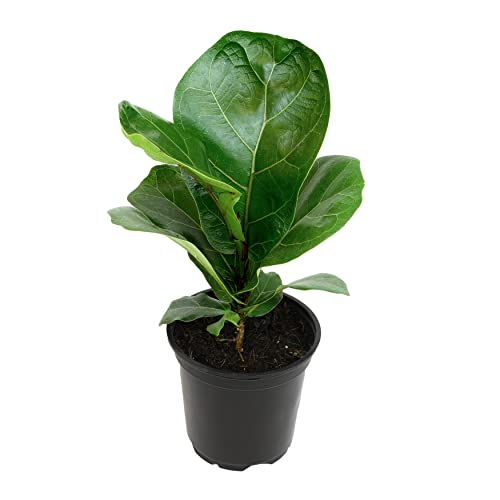
Pros
- Attractive, sculptural leaves that add a touch of nature to any room.
- Ready-to-display size (9 inches) in a 4-inch pot, no need to hunt for a separate container.
- Simple care routine suitable for beginners; tolerates a bit of neglect.
- Compact enough for tabletops but can grow into a floor plant with time.
- Well-packaged to survive shipping and arrive in good condition.
Cons
- No customer reviews yet, so real-world performance is unconfirmed.
- May need repotting soon after purchase, as the 4-inch pot can restrict root growth.
- Height can vary slightly from the advertised 9 inches due to natural plant variation.
The Plants for Pets Fiddle Leaf Fig (Ficus Lyrata) is a live indoor tree that packs a lot of style into a small package. If you have been wanting to add a fiddle leaf fig to your home but worried about space or price, this 9-inch specimen in a 4-inch pot is an approachable option. It comes with the classic large, violin-shaped leaves that make this plant a favorite among interior designers.
What stands out most is how easy this plant is to work into your decor. You can set it on a shelf, a side table, or tuck it into a corner floor planter. The black nursery pot is nothing fancy, but it gets the job done until you want to repot it. Keep in mind the pot is small, so you will likely need to transplant it within a few months to give the roots room to grow.
Care is straightforward: give it bright, indirect light and water when the top inch of soil feels dry. Using a specialized fiddle leaf fig soil and fertilizer can help it thrive, but a standard well-draining potting mix also works. This makes it a solid pick for beginners who want a living room plant without a steep learning curve.
There are a few downsides to note. The plant has zero reviews at the moment, so you are taking a small gamble on quality. Also, the height may vary slightly, and the 4-inch pot means you will need to invest in a larger container soon if you want the plant to reach its full potential. On the bright side, the price is very reasonable for a live fiddle leaf fig.
Overall, this Ficus Lyrata is a great entry point for anyone looking to try the fiddle leaf fig trend. It offers immediate visual impact and room to grow, both literally and figuratively. If you are okay with repotting it and willing to be an early adopter, this little tree is well worth considering.
Brand: Plants for Pets
Type: Ficus Lyrata (Fiddle Leaf Fig) - Live Plant
Pot Size: 4 inches (nursery pot)
Plant Height: Approximately 9 inches (from bottom of pot)
Container Color: Black
Weight: 2 pounds
Product Dimensions: 4 x 4 x 9 inches

Pros
- Exceptional cold tolerance down to -10°F, suitable for many US zones
- Four plants in one pack offer excellent value and immediate garden impact
- Self-pollinating variety, no need for multiple trees for fruit set
- Low-maintenance tree with wide culinary uses from fresh eating to preserves
Cons
- Plants are small (3-5 inches) at arrival and need time to establish
- May require winter protection in zones at the lower end of the hardiness range
- No customer reviews yet, so real-world performance is unverified
The FamPlants Chicago Hardy Fig Tree 4-pack is a practical choice for home gardeners who want to grow their own fruit without the fuss. These live starter plants are bred for resilience, surviving temperatures as low as -10°F, which makes them one of the most cold-hardy fig varieties available. For anyone living in USDA zones 5 through 10, this set provides a reliable way to establish a mini fig orchard right in your backyard.
Standout features include the self-pollinating nature of the Chicago Hardy fig, meaning you don't need a second tree for fruit production. Each plant arrives rooted and potted, measuring 3-5 inches tall, and they are ready to be transplanted into larger containers or directly into the ground. The trees thrive in full sun and well-draining soil with a pH between 6.0 and 6.5. With moderate watering and a balanced fertilizer in spring, you can expect fruit within one to two years. The figs themselves are medium-sized, sweet, and rich in dietary fiber and antioxidants, perfect for eating fresh, baking, or making jams.
Design and build quality are handled with care: the packaging ensures the plants stay moist during transit, and the company emphasizes organic growing practices. The leaves are large and lobed, providing ornamental appeal plus shade. However, keep in mind that these are starter plants; they require patience and proper care to reach their full height of up to 15 feet. Also, while the tree is cold-hardy, extreme winter conditions in zones 5 or lower might call for extra mulching or wrapping.
On the downside, the lack of customer reviews means you are relying solely on the brand's claims, and the initial size of the plants may disappoint those expecting more mature trees. Additionally, the care instructions mention pruning and soaking upon arrival, which adds a small learning curve for absolute beginners.
Overall, the FamPlants Chicago Hardy Fig 4-pack delivers solid value for anyone looking to grow organic figs at home. Its cold tolerance and low-maintenance profile make it a smart investment for northern gardeners. With proper care, you can enjoy homegrown fruit for years to come.

Pros
- Healthy, sturdy plants when they arrive
- Great customer service that sends replacements if the plant is damaged
- Can survive neglect (one reviewer left it unwatered for 4 months and it came back)
- Large leaves add quick visual impact to living rooms and offices
- Air-purifying qualities supported by NASA studies
Cons
- Some plants arrive smaller than the advertised 2-3 feet
- A few customers report spider mites or fungus gnats
- Not pet-safe; mild toxicity if ingested
The Costa Farms Fiddle Leaf Fig (Ficus lyrata) is one of those plants that interior designers and social media influencers can't stop talking about. It's easy to see why: those big, glossy, violin-shaped leaves bring an instant tropical feel to any space. This particular listing ships a live plant that's about 2 to 3 feet tall, potted in a simple black 10-inch nursery pot with drainage holes. It's meant to be an indoor floor plant, though it can live on a sturdy table when small.
In real-world use, the fiddle leaf fig delivers on its promise of drama. The leaves are thick and textural, and even a single plant can fill an empty corner with life. It does best in bright, indirect light (think near an east- or west-facing window) and needs watering about once a week when the top two inches of soil feel dry. Many reviewers say it grows steadily and can eventually reach ceiling height. One customer even split three plants from one pot and grew them separately, so you might get a bonus.
Build quality here is about the plant's health, and that's where reviews get mixed. While many buyers receive a lush green plant, a notable number have gotten droopy leaves, black spots, or even pests like spider mites. The good news: Costa Farms seems to respond quickly to complaints, sending replacements with no hassle. The potting soil is standard nursery mix, and the container is functional but not decorative. You'll likely want to slip it into a nicer cachepot.
The biggest drawback is inconsistency. The plant can arrive smaller than expected, and the shipping process sometimes stresses the leaves. A few customers noted their plant had fungus gnats. Also, keep in mind that fiddle leaf figs are mildly toxic to pets and children if ingested, so you'll want to place it out of reach. If you're looking for a no-fuss plant that's already thriving, consider buying locally. But if you're willing to work with customer service if issues arise, this is a solid way to get a trendsetting plant delivered.
Overall, the Costa Farms Fiddle Leaf Fig is a worthy buy for anyone who wants a statement plant without paying boutique prices. It adds natural beauty and a sense of calm to your home, and its air-purifying abilities are a nice bonus. Just be ready to inspect it upon arrival and contact the seller quickly if something's off. For the price, it's a good gamble for plant lovers.

Pros
- Long-lasting feeding – one application covers half a year
- Gentle, steady release prevents overfertilization damage
- Versatile for many ficus types
- No liquid mess or frequent feeding schedule
Cons
- Only 5 ounces – may need to repurchase for multiple large pots
- Not ideal for immediate nutrient deficiency – slow release takes time
- No customer reviews yet to gauge real-world performance
The Grow Co Fiddle Leaf Fig Tree Plant Food is a slow-release granular fertilizer designed specifically for ficus plants. With a balanced NPK ratio of 16-5-11, it provides essential nitrogen, phosphorus, and potassium to support strong root development, healthy growth, and glossy leaves. This product is perfect for indoor and outdoor potted ficus varieties including fiddle leaf fig, rubber tree, weeping fig, and more.
One of the standout features is its slow-release technology. The unique coating method ensures nutrients are released gradually with each watering, feeding your plant for up to six months. This eliminates the need for frequent liquid feedings and reduces the risk of fertilizer burn, which is common with fast-acting products. The application is simple – just sprinkle the pellets onto the soil surface and water as usual.
The granules are easy to use and come in a 5-ounce container. While this size is convenient for a few small to medium pots, you may need multiple containers for larger collections. Since the fertilizer works over a long period, it's important to apply it correctly – using about 1/4 teaspoon per 2 inches of pot width. Overwatering is the main cause of ficus problems, so be sure to let the soil dry between waterings.
There are no customer reviews yet, but the product's formulation aligns with expert recommendations for ficus care. The gentle, steady feeding is a smart choice for plant owners who want to avoid the guesswork of liquid fertilizers. However, if your plant shows signs of acute nutrient deficiency, this slow-release formula won't provide an immediate fix.
Overall, The Grow Co Fiddle Leaf Fig Plant Food is a reliable, low-maintenance option for keeping your ficus healthy and vibrant. It's especially suitable for beginners or anyone looking for a “set it and forget it” feeding routine. With proper use, you can expect stronger roots, lush foliage, and lasting results.
Understanding Fig Tree Plants: Botany, Varieties, and Care
A fig tree plant is any woody shrub or tree belonging to the botanical genus Ficus, which sits within the mulberry family Moraceae. While many people think of either sweet backyard fruit or broad indoor foliage, both belong to this diverse botanical group. Across the globe, hundreds of species share traits like milky sap, unique interior flowering structures, and leathery leaves. Understanding whether you are growing an outdoor fruit producer or an indoor decorative tree provides the key to successful long-term care.
Botanical Traits of the Ficus Genus
All fig plants belong to the genus Ficus, a massive group containing over eight hundred species of woody trees, shrubs, and vines. One signature trait shared across nearly all ficus varieties is the production of a milky latex sap within their vascular tissues. This white latex serves as a natural defensive barrier against feeding insects and pathogens by sealing stem wounds quickly. Gardeners should handle these plants with care, as the sticky sap can irritate sensitive skin upon contact.
Another defining botanical feature is the syconium, a specialized structure that functions as an inverted flower cluster. Unlike traditional garden fruit trees that display open blossoms for bees, a fig tree conceals hundreds of tiny florets within an enclosed fleshy cavity. In native ecosystems, microscopic fig wasps enter a tiny pore to pollinate these hidden interior flowers. Most garden varieties grown today are parthenocarpic, developing sweet fruit without requiring insect pollination.
Foliage characteristics vary significantly across different species depending on their natural evolutionary environments. Deciduous fruiting types typically form deeply lobed, coarse leaves that capture intense summer sunlight before falling in autumn. In contrast, evergreen tropical varieties feature thick, glossy leaves designed to retain moisture beneath warm forest canopies. Identifying these structural leaf adaptations helps growers choose the right location and provide appropriate moisture levels.
Edible Fig Trees Versus Ornamental Indoor Houseplants
The primary edible representative of this group is Ficus carica, known widely as the common edible fig. Originating throughout the Mediterranean region and parts of Asia, this temperate tree is cultivated specifically for its sweet, nutrient-packed fruit. Hardy cultivars such as Chicago Hardy, Olympian, and Kadota perform reliably in backyard gardens, offering surprising cold tolerance during winter dormancy. These trees can form large landscape shrubs or compact patio specimens when managed with thoughtful pruning.
Indoor houseplants in this family are tropical evergreens grown almost entirely for their dramatic structural foliage. The most famous example is Ficus lyrata, commonly called the fiddle leaf fig due to its broad, violin-shaped leaves. Other prominent indoor relatives include Ficus elastica, the rubber tree, and Ficus benjamina, the weeping fig. While these tropical species can produce small fruits in the wild, they rarely flower or fruit within residential indoor spaces.
Distinguishing between these two main categories matters because their cultural needs and growth habits diverge completely. An outdoor fruiting tree requires seasonal winter chilling to reset its growth cycle, shedding all leaves before producing new spring growth. Tropical indoor varieties stay evergreen throughout the year and demand consistent temperatures between sixty-five and eighty degrees Fahrenheit. Planting a tropical houseplant outdoors in freezing weather will quickly destroy it, while keeping a fruiting fig indoors prevents proper fruit development.
Outdoor Growing Requirements for Fruiting Fig Trees
Outdoor fruiting figs require maximum sun exposure to fuel strong branch growth and ripen their fruit before cool autumn weather arrives. Situating trees in a garden bed or patio area receiving at least six to eight hours of direct, unfiltered sunlight daily is essential. Insufficient sun causes weak, leggy stems that struggle to support heavy foliage and frequently causes developing fruit to drop early. A sunny southern exposure alongside a building provides ideal warmth by reflecting ambient daytime heat.
Soil drainage is equally vital for maintaining root vitality in outdoor garden settings. Fig trees perform best in loose, well-draining soil with a near-neutral pH, though they adapt to various textures if water moves away freely. Heavy, compacted soils that pool water around the root zone will suffocate feeder roots and encourage fungal root rot. When establishing new stock in heavy ground, planting on a slight mound or incorporating grit improves critical root aeration.
Winter cold hardiness dictates how gardeners manage outdoor trees across different climate zones. Cold-hardy cultivars such as Chicago Hardy withstand temperatures dropping toward zero degrees Fahrenheit, though extreme winter freezes may kill upper branches back to the ground. Fortunately, vigorous shoots readily re-emerge from the insulated root crown once spring soil warms up. Gardeners planning outdoor installations, similar to reviewing timing outdoor shrubs and perennials, should wait until the final spring freeze has passed before setting young stock outdoors.
Indoor Care Dynamics for Ornamental Fig Varieties
Indoor ornamental figs, particularly the fiddle leaf fig, require bright, filtered light to support their massive leaf surface area. Positioning pots near large east-facing or lightly shaded south-facing windows provides sufficient solar energy without scorching delicate leaf margins. When light levels are too dim, indoor plants respond by shedding lower leaves and growing thin, unattractive branches. Rotating the container every few weeks encourages balanced branch structure and keeps the main trunk upright.
Water management represents the most critical skill for indoor ficus growers, as overwatering remains the leading cause of houseplant decline. Roots need periods of oxygenation between waterings to stay firm and healthy. Growers should let the top two to three inches of potting soil dry out completely before applying water thoroughly until it flows from the drainage holes. Emptying excess water from the collection saucer prevents soggy soil conditions that invite destructive root rot.
Drafty air currents and sudden environmental shifts can cause dramatic stress for indoor fig specimens. Placing plants near heating vents, drafty windows, or frequently opened exterior doors often causes sudden leaf loss. When exposed to cold drafts or rapid temperature drops, plants drop healthy green leaves to reduce moisture loss. Keeping room temperatures stable and maintaining moderate humidity levels helps protect broad foliage from dry edges and sudden shedding.
Nutritional Needs and Proper Feeding Practices
Supplying the right nutrients supports steady leaf expansion on indoor houseplants and abundant fruit production on garden trees. Foliage-focused indoor plants thrive on balanced liquid fertilizers with a 3-1-2 ratio of nitrogen, phosphorus, and potassium. Nitrogen encourages rich green leaves, phosphorus supports root development, and potassium reinforces general cellular resilience. Using a gentle liquid plant food diluted into regular watering sessions delivers steady nutrition without causing fertilizer burn.
Outdoor fruiting figs require thoughtful nutrient timing to balance foliage production with fruit development. Applying a balanced fruit tree fertilizer in early spring as new buds open provides the energy needed for active canopy growth. Avoid heavy nitrogen applications later in summer, as surplus nitrogen promotes rapid vegetative growth while delaying fruit ripening. Comparing general tree nutritional requirements with broader fertilizer strategies for outdoor landscape trees illustrates the value of controlled, seasonal feeding over excessive nutrient dumps.
Growers can choose between fast-acting liquid concentrates and convenient slow-release fertilizer pellets. Liquid plant foods offer immediate nutrient uptake and give gardeners precise control during the active spring and summer growing period. Slow-release pellets break down gradually over several months with each watering, offering an easy option that reduces the chance of accidental overfeeding. Regardless of the formula you select, always follow manufacturer label instructions and pause feeding entirely during winter dormancy.
Troubleshooting Leaf Drop, Blemishes, and Root Issues
Changes in leaf appearance provide an early warning system for environmental or cultural distress. Large brown spots with yellow halos on indoor leaves often indicate moisture retention problems or root suffocation. Small reddish or brown dots, a condition known as edema, occur when roots absorb moisture faster than the leaves can transpire it. Correcting your watering routine and verifying that drainage holes remain open typically resolves these blemishes on emerging leaves.
Sudden leaf drop is another common issue that alarms plant owners, though it usually indicates environmental adjustment rather than plant death. Bringing a container plant indoors for autumn, relocating a pot to a new room, or repotting can trigger temporary defoliation. Once the plant adjusts to its new light and humidity levels, healthy dormant buds will activate and produce fresh growth. Maintaining steady cultural care without drenching the soil with water gives the plant the stability it needs to recover.
Pruning and cleaning keep ficus plants attractive while improving interior air circulation throughout the branch canopy. Use sharp, clean bypass pruners to remove crossing or damaged branches just above an outward-facing bud. Always wear garden gloves during pruning to protect your hands from irritating milky sap. Periodically wiping indoor foliage with a damp cloth removes household dust, allowing leaves to absorb light and photosynthesize efficiently.
Choosing the Right Fig Variety for Your Living Space
Selecting the ideal fig plant begins by determining whether your priority is backyard harvesting or interior decorating. Gardeners seeking delicious homegrown fruit should select self-fertile outdoor cultivars like Chicago Hardy, Olympian, or Kadota for garden beds or large containers. These varieties are often shipped as rooted starter plants or young nursery stock ready for spring planting. Checking your regional cold hardiness zone ensures the cultivar can withstand local winter temperatures or comfortably fit within protected winter storage.
For interior home decoration, an ornamental ficus like the fiddle leaf fig provides bold, sculptural greenery that anchors living areas. When ordering indoor live plants, review listed container sizes and delivery details so you know whether you are receiving a small desk plant or a tall floor specimen. Pair your plant with a sturdy pot that includes generous drainage holes, and use a chunky potting mix to ensure healthy root respiration. Preparing the proper growing environment before your plant arrives guarantees a smooth transition into its new home.
Whether you cultivate a cold-hardy outdoor tree for sweet summer fruit or nurture an ornamental indoor fiddle leaf fig for its sculptural foliage, growing a fig plant is a deeply satisfying gardening pursuit. Recognizing that these plants share specific botanical traits while requiring distinct environments based on species prevents frustrating care mistakes. By matching your selection to your available light, monitoring soil moisture carefully, and providing appropriate seasonal nutrients, your fig tree will continue to thrive for years to come.


Write Your Review
No reviews yet. Be the first to share your experience!