


Planting Arborvitae requires timing that can make all the difference between a thriving hedge and a struggling row of shrubs. Starting at the right season ensures the roots establish quickly and the greenery flourishes through changing weather. It’s not just about putting them in the soil; understanding soil temperature, moisture levels, and sunlight exposure dramatically affects survival and growth.
Many homeowners underestimate the patience and care involved. If you plant too early, the young trees risk frost damage. Too late, and the roots may not anchor before winter. Luckily, Arborvitae adapts well to moderate climates, but the strategy of planting still dictates how dense, tall, and vibrant your greenery becomes over time.
Soil preparation is crucial. Loosening the earth, adding compost, and checking drainage can prevent root rot and boost nutrient absorption. Mulching around the base retains moisture and moderates soil temperature, giving Arborvitae a comfortable start. Regular watering, especially in the first few weeks, sets the foundation for a resilient landscape element.
Spacing matters too. Crowding the plants may stunt growth, while leaving gaps ensures air circulation and fuller foliage. Considering mature height and width lets you design a hedge or screen that not only looks impressive but also lasts decades. The right timing, combined with care and foresight, turns Arborvitae into a low-maintenance, high-impact feature in any yard. Finally, attention to local climate patterns, frost dates, and rainfall can maximize success. Patience and observation are key. Following these steps ensures your Arborvitae stands tall, green, and healthy for years to come.
Arborvitae becomes the backbone of an elegant, privacy-friendly landscape when planted right. Timing the planting correctly gives these evergreens a head start, allowing roots to anchor deep and foliage to flourish. Imagine a neat row of lush, vibrant green hedges that define your garden effortlessly; that vision starts with knowing the perfect moment to plant.
Skipping proper timing risks stunted growth or frost damage, making early preparation essential. Attention to soil, sun, and spacing amplifies success, creating a hassle-free, low-maintenance hedge. Arborvitae thrives when roots are cool but not frozen, moisture is consistent, and sunlight is ample yet gentle. Planting at the right season also reduces stress on young trees, limiting disease and pest problems. Combined with careful watering, mulching, and occasional trimming, these steps ensure your greenery establishes quickly and grows tall and dense. Let Arborvitae provide natural beauty, privacy, and serenity, starting with a simple yet crucial decision: planting at the optimal time.

Pros
- Extremely fast growth rate of 3 feet per year
- Healthy root systems and robust packaging ensure strong survival
- Hardy across a wide range of zones (5-9) and soil types
- Affordable per-plant cost compared to larger nursery specimens
- Positive customer feedback on overall condition and growth after planting
Cons
- Some buyers report plants are shorter than the advertised 8-14 inches, often closer to 6 inches
- A small number of plants may not survive the first winter, especially in extreme cold without proper care
The Thuja Green Giant Arborvitae is a popular choice for homeowners looking to create a natural privacy screen or windbreak. This 25-pack of seedlings, advertised at 8 to 14 inches tall, offers an affordable way to start a hedge without breaking the bank. Each tree is shipped in its own pot with soil, which helps reduce transplant shock and gives them a strong start. These evergreens are suited for USDA zones 5 through 9, making them versatile for many parts of the country.
The standout feature is the growth rate: up to three feet per year under ideal conditions. This means you can have a substantial screen in just a few seasons. The plants are also very hardy, tolerating a range of soils from sandy to clay and needing only moderate watering once established. Many reviewers praised the dense, well-developed root systems and the careful packaging that kept the trees healthy in transit.
Real-world performance has been largely positive. The majority of buyers report that nearly all plants survived and thrived after planting, with some noting noticeable growth within weeks. A few customers did mention that the trees were slightly smaller than the advertised size, with some measuring only 6 inches instead of 8-14. However, most felt the value was still excellent given the low per-plant price. One reviewer had a significant loss over winter, but others in similar climates reported minimal loss (1 out of 25).
Design and build quality are typical for young seedlings: they are flexible and need proper handling during planting. The simple pot-and-soil packaging works well, though unboxing can be a bit time-consuming. There is no artificial support beyond the pots, so you may need to stake them early on. The foliage is a vibrant green with occasional bronze tones, and the trees maintain good color even in winter.
Drawbacks are few but worth noting. The most common issue is inconsistency in plant size at arrival. Also, a small percentage of trees may not survive the first winter if you live in the coldest part of zone 5 without additional protection. Overall, if you want a fast, affordable way to establish a tall evergreen hedge, this 25-pack is a solid investment. Just be prepared for some variation and give the trees proper care during the first year.

Pros
- Excellent cold hardiness for northern climates
- Dense evergreen foliage provides privacy year-round
- Low maintenance once established, with no pruning needed
- Compact size works well in small yards or near foundations
- Versatile use as screen, windbreak, or accent plant
Cons
- Moderate growth rate means it may take a few years to reach full height
- Requires full sun to partial shade for best density and color
- May need staking or protection from heavy snow in exposed areas
The Emerald Green Arborvitae from New Life Nursery & Garden is a reliable evergreen shrub that's perfect for homeowners looking to add privacy or structure to their landscape. This 4-pack of 1-quart live plants gives you a solid start on a hedge or screen, and they're hardy enough for zones 3 through 8. If you want a low-maintenance, fast-establishing evergreen that stays green all winter, this is a great pick.
What sets this arborvitae apart is its dense, pyramidal growth habit and rich green foliage that holds its color even in harsh cold. It reaches 10-15 feet tall with a spread of just 3-4 feet, making it ideal for narrow spaces along fences or driveways. The moderate growth rate means you won't wait forever for results, but it won't outgrow its spot too quickly either. Spacing them 2-3 feet apart creates a solid screen within a few years.
The build quality of the plants is strong, with healthy root systems shipped in fabric grow bags to minimize transplant shock. Once planted in full sun to partial shade, they need moderate watering and little else. They're also cold hardy to -40°F, so northern gardeners can rely on them through tough winters. Just be aware that heavy snow loads might cause some branch bending, but the plants typically bounce back.
One honest drawback is the moderate growth rate; if you need instant privacy, look for larger specimens. Also, they require consistent moisture during the first season. But overall, these are a solid investment for anyone wanting a classic, low-maintenance evergreen hedge that performs well across a wide climate range. The 4-pack offers good value for the price.
Brand: New Life Nursery & Garden
USDA Hardiness Zone: 3-8
Sunlight Exposure: Full Sun to Partial Shade
Mature Height: 10-15 feet
Mature Width: 3-4 feet
Moisture Needs: Moderate Watering
Special Feature: Evergreen
Item Weight: 8 Pounds (for 4 plants)
Product Dimensions: 4 x 4 x 8 inches per plant
Unit Count: 4.0 Count
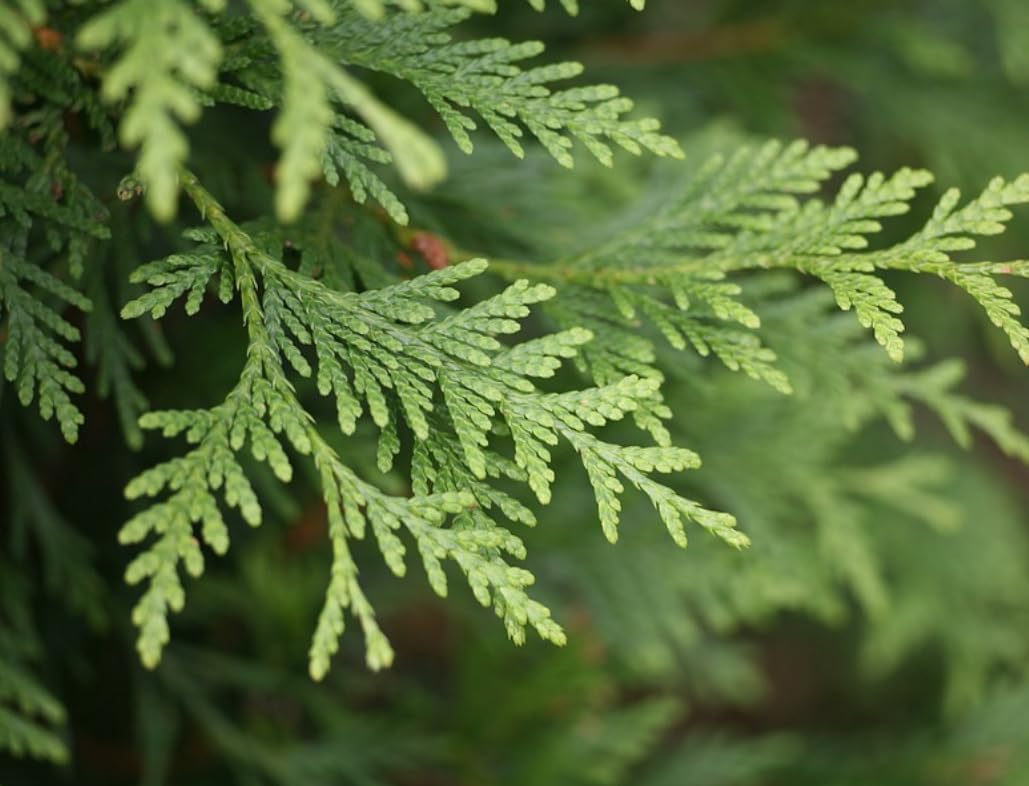
Pros
- Bareroot shipping reduces cost and is lightweight for easy handling.
- Natural columnar shape requires no pruning for a clean, formal look.
- Excellent for creating an affordable privacy screen in bulk (20 pack).
- Hardy evergreen that maintains green color year-round.
- Positive early review indicates plants arrived in good condition and were ready to plant.
Cons
- Plants are small (6-12 inches) and will need several years to reach full privacy height.
- Bareroot delivery means roots are exposed; they must be planted promptly and kept moist to avoid damage.
- Only 2 customer reviews so far, making long-term performance feedback limited.
- Generic brand may have less predictable quality control compared to established nurseries.
The 20 pack of Emerald Green Arborvitae live plants is a solid choice for anyone looking to create an affordable evergreen hedge or privacy screen. Each tree is a Thuja occidentalis 'Smaragd' variety, known for its dense, narrow, pyramidal shape and bright emerald foliage that holds its color even in winter. The trees ship bareroot, meaning they come with exposed roots, wrapped to stay moist during transit. At 6-12 inches tall, they are small starts perfect for a budget-friendly landscape project.
The standout feature is the natural columnar growth habit. Unlike many other evergreens that need regular pruning to maintain a tidy shape, these arborvitae grow into a neat, compact column on their own. That means no trimming required, which is a huge plus for low-maintenance gardeners. The year-round color is another strong point. While many evergreens can look dull or bronze in cold months, the 'Smaragd' stays a rich, vibrant green, keeping your yard looking alive and polished all year.
Design and build quality are typical for bareroot nursery stock. The plants are shipped dormant, which reduces transplant shock if handled correctly. A verified buyer review said they arrived ready to plant right out of the box, which suggests good packaging and care. However, because they are small and bareroot, you need to plant them promptly and water them consistently. They thrive in partial sun and well-draining soil, so choose a spot that offers some protection from harsh afternoon heat.
A few drawbacks to consider. These are not instant privacy screens. Starting at just 6-12 inches, it can take three to five years for them to reach a significant height (typically 10-15 feet at maturity). The bareroot form also means you have to be careful with planting depth and moisture. Additionally, the brand is generic, and with only a couple of reviews, you are buying with less long-term feedback than from a more established grower. The price for 20 trees is reasonable, but factor in the time needed for them to mature.
Overall, this pack is a great value for homeowners who are patient and want to establish a hedge in stages. If you are willing to water and wait, these Emerald Green Arborvitae will reward you with a beautiful, low-effort privacy screen. For those needing instant results, look for larger, container-grown specimens. But for budget-conscious DIYers, this is a smart starting point.

Pros
- Promises fast germination for impatient gardeners
- Adaptable to various soil types and light conditions
- Space-efficient growth suits smaller yards and patio gardens
- Drought tolerant once established, reducing watering chores
Cons
- Low product rating of 2.5 stars with no verified customer reviews
- Seed germination can be unpredictable without proper stratification
- Full privacy hedge requires multiple seeds and patience for mature height
If you're looking to add fast-growing privacy to your yard without breaking the bank, the KVITER 50 Thuja Tree Seeds could be a tempting option. These seeds are from the American arborvitae (Thuja occidentalis), a popular evergreen known for its dense foliage and columnar shape. The package includes 50 organic seeds, ideal for creating a living fence or ornamental specimen in USDA hardiness zones 3 through 7. This product targets budget-conscious gardeners and DIY landscapers who don't mind starting trees from seed rather than buying established plants.
The standout feature here is the claimed germination speed: 10-15 days at consistent temperatures above 65°F. That's notably quick for conifer seeds, which often require cold stratification. The seeds also boast low maintenance needs, adapting to clay or loam soils and thriving in either full sun or partial shade. Once established, these trees can reach heights of 30-40 feet with a narrow footprint, making them a space-saving choice for smaller properties. Their scale-like leaves provide year-round green color, and they are drought tolerant once mature.
On the downside, the product's rating of 2.5 out of 5 stars with zero written reviews raises a red flag. Without verified customer feedback, it's hard to know how reliably these seeds perform in real-world conditions. Arborvitae seeds can be finicky; they may need a period of cold treatment before sowing, and even then germination rates vary. Additionally, growing a full privacy hedge from seed requires patience and multiple seeds per desired location. If you expect instant results, you'll be disappointed.
Build quality of the product itself is straightforward: a small packet of 50 organic seeds with basic planting instructions. The packaging is unassuming but functional. There's no mention of seed source or any guarantee, which is typical for low-cost seed packets. At its price point, it's an affordable experiment rather than a sure thing. For best results, follow the suggested steps: soak seeds, surface sow at 1/4 inch depth in well-draining soil, keep consistently moist, and provide ample sunlight.
Overall, the KVITER Thuja Tree Seeds offer a low-cost entry into growing your own privacy trees, but they come with uncertainty due to the lack of customer validation. If you're an adventurous gardener who enjoys the process of growing from seed and doesn't mind a potential failure, these seeds are worth a try. For gardeners who need reliable, quick results, purchasing young arborvitae plants from a reputable nursery would be a smarter investment. As with many seed packets, success will depend largely on your skill and adherence to proper planting techniques.
Brand: KVITER
Unit Count: 50 seeds
Plant Type: Thuja occidentalis (American Arborvitae)
USDA Hardiness Zone: 3-7
Expected Plant Height: 30 feet (up to 40 feet)
Sunlight Exposure: Full Sun to Partial Shade
Soil Type: Loam, Clay
Moisture Needs: Moderate Watering
Indoor/Outdoor: Outdoor
Material Feature: Natural, Organic
Color: Green (foliage)
Expected Planting Period: Spring to Summer
Pros
- Excellent value for the price, especially compared to larger nursery trees
- Healthy, well-rooted plants upon arrival in most cases
- Fast growth rate once established, quickly forming a dense screen
- Adaptable to partial shade and various soil types
- Versatile use as windbreak, privacy screen, or even Christmas tree
Cons
- Some customers reported shipping damage or dry soil leading to plant loss
- Small saplings require careful attention to watering and sun exposure in the first year
- Packaging can be messy with loose soil and staples, requiring extra cleanup
The Thuja Green Giant Arborvitae is a popular choice for homeowners who want a fast-growing evergreen screen without paying a premium for mature trees. This bundle of 10 saplings, each 7 to 10 inches tall, gives you a head start on creating a living fence or windbreak at a very affordable price. These trees are well-suited for gardeners in zones 5 through 9 who have a bit of patience and are willing to nurture young plants during their first growing season.
A standout feature is the growth rate: once established, Green Giants can put on up to 3 feet per year. That means within a few years, you can have a privacy screen that blocks unwanted views or harsh winds. They also tolerate a range of soil conditions, from sandy loams to heavy clays, and can handle some shade, though full sun produces the fastest growth. The mature size is impressive, reaching 40 feet tall and 15 feet wide, so be sure to space them 6 to 7 feet apart for a dense screen.
Real-world performance, based on customer reviews, is mostly positive. Many buyers report that the plants arrived in good health, with well-developed root systems, and took off after planting. One detailed review noted that trees receiving full sun grew to 3 feet within 16 months. However, not all experiences are perfect. A significant negative review described high mortality rates, with only 11 out of 35 trees surviving after several months, despite similar care given to other arborvitae. This suggests that individual results can vary, and factors like soil quality, watering consistency, and local climate play a role.
Packaging is a mixed bag. Most reviews mention secure, moist packaging that kept the plants safe, but one customer complained about loose soil and excessive staples that made unpacking difficult. The plants are shipped in their nursery pots, which is generally a plus for reducing transplant shock. You should inspect each tree upon arrival, water thoroughly, and plant as soon as the risk of frost has passed. Providing regular water during dry spells in the first year is critical for survival and strong growth.
Overall, the Thuja Green Giant Arborvitae bundle is a solid investment for budget-conscious gardeners who want to create a fast-growing evergreen screen. While there is some risk of losses, the low cost per tree makes it worthwhile, especially if you have space to plant extras. With proper site selection, sun exposure, and care, most of these saplings will reward you with years of green privacy and beauty.
Indoor/Outdoor Usage: Outdoor
Brand: Thuja
Material Feature: Natural
Color: Green
Expected Blooming Period: Winter
Sunlight Exposure: Partial Shade
Unit Count: 1 Count (10 trees)
Expected Planting Period: Winter
Product Care Instructions: Moist
USDA Hardiness Zone: 5, 6, 7, 8
Expected Plant Height: 12 Inches (at shipment; mature to 40 ft)
Moisture Needs: Moderate Watering
Number of Pieces: 10
Product Dimensions: 24 x 12 x 6 inches (package)

Pros
- Rapid growth rate for quick privacy and screening.
- No pruning required, saving time and effort.
- Thick, dense foliage offers excellent wind and noise reduction.
- Drought tolerant after establishment, reducing watering needs.
- Versatile soil adaptability, including clay and sandy soils.
Cons
- Requires daily watering during the first year, which may be a commitment.
- Can grow up to 50 feet tall, so not ideal for small yards unless pruned.
- Initial cost for 10 plants might be higher than some other hedge options.
The Thuja Arborvitae Green Giant from FloridaFoliage is a top choice for homeowners looking to create a fast-growing privacy hedge or windbreak. This package includes 10 live quart-size plants, each ready to establish quickly in your landscape. It's perfect for anyone who wants a natural barrier that provides year-round coverage without constant upkeep.
The standout feature here is growth speed. Under ideal conditions, these evergreens can shoot up 3 to 5 feet per year, reaching a mature height of 30-50 feet. That means you get a dense, green screen in just a few seasons. The foliage stays rich green all year, even in colder months, and the broad pyramidal shape looks neat without needing pruning.
In terms of care, the Green Giant is impressively low maintenance. It adapts to a wide range of soil types, from sandy to heavy clay, and once the roots are established after the first year, it becomes drought tolerant. That first year does require consistent watering at least once a day, but that's a small trade-off for such a fast maturing plant. It also thrives in full sun to partial shade, giving you flexibility in where you plant it.
One potential drawback is the space it needs. If you're planting in a small city yard, the full height might be too much, though you can trim it to stay shorter. Also, initial daily watering can feel like a chore, but it's only for one growing season. The 10-pack price is reasonable for the value, especially considering how fast you'll have a living fence.
Overall, the FloridaFoliage Thuja Green Giant is a solid investment for anyone needing quick, reliable privacy or wind protection. It's easy to grow, tough against cold and drought, and delivers results fast. If you have the space and can commit to first-year watering, this is one of the best fast-growing evergreens around.

Pros
- Arrives well-packaged with moist soil, ensuring healthy condition upon delivery.
- Hardy and resilient: can survive accidental damage like being mowed over.
- Low maintenance after the first year: drought tolerant, no pruning required.
- Compact columnar shape fits perfectly in narrow garden beds or near foundations.
- Deer resistant and pest resistant, offering peace of mind.
Cons
- Slow initial growth: may take a couple years to show significant height increase.
- Some plants may ship smaller than expected (around 1 foot tall), requiring patience.
- First-year care is critical: needs consistent watering and can be sensitive to over- or under-watering; some customers experienced plant loss.
The Emerald Green Arborvitae (Thuja occidentalis 'Smaragd') is a popular evergreen shrub known for its narrow, pyramidal shape and rich green needles. It's an excellent choice for homeowners and landscapers looking to create a formal hedge, privacy screen, or a low-maintenance year-round accent. This plant thrives in USDA zones 4 to 8 and can handle full sun to part shade, making it adaptable to many garden settings.
The most striking feature is its dense, columnar growth habit that naturally maintains a tidy shape without pruning. The foliage stays bright emerald green through all seasons, providing reliable color even in winter. Customer reviews indicate that the plant arrives securely packaged with moist roots, and many have had success establishing it. However, some noted that initial growth is slow, with plants often only about 1 foot tall upon arrival. Once established, they can reach 10 to 15 feet tall, as reviewers with older plants attest.
In terms of design and build quality, the plant ships as a 2.5 quart potted plant from the Gulf Coast, with soil and roots intact. The packaging usually includes a plastic bag to retain moisture. While the small size may disappoint some, customers report that the plants are healthy and resilient. One reviewer even noted that a plant survived being mowed over, demonstrating unexpected toughness.
The main drawbacks are the slow initial growth and the need for careful watering during the first year. Some customers experienced loss of plants, which may be due to shipping stress or suboptimal care. Additionally, the small size at shipping requires patience. Overall, if you provide consistent water and proper soil, the Emerald Green Arborvitae is a reliable, low-maintenance evergreen that delivers excellent privacy and aesthetic value. It's a solid choice for anyone wanting a classic, compact arborvitae without constant upkeep.
Indoor/Outdoor Usage: Outdoor
Color: Green
Special Features: Compact, Deer Resistant, Drought Tolerant, Low Maintenance, Pest Resistant
Sunlight Exposure: Full Sun to Part Shade
USDA Hardiness Zone: 4-8
Expected Plant Height: 15 Feet
Width at Maturity: 3-4 Feet
Growth Rate: Moderate
Water Needs: Low once established
Soil Type: Well-drained loam

Pros
- Fast growth rate (3-5 ft/year) with little maintenance
- Well-packaged, moist soil, and healthy plants upon arrival according to most buyers
- Excellent value compared to local nurseries or big box stores for the same size
- Versatile: can be pruned into topiary shapes or left natural as a dense hedge
- Drought tolerant once roots are established, needing only regular watering the first few weeks
Cons
- Some customers received fewer plants than ordered, though seller responds by sending the missing ones
- Growth rate may vary: a few buyers reported only 3-4 inches of growth in the first year, not the advertised 3-5 feet
- Cannot ship to California, Arizona, or Hawaii due to agricultural restrictions
The Perfect Plants Thuja Green Giant 5-Pack is exactly what it sounds like: a set of five young, potted Thuja Green Giant evergreens ready to become your backyard privacy screen. These trees are among the most popular choices in the US for creating a natural fence, and for good reason. They're fast growing, tough, and keep their deep green color all year. If you want a low-maintenance way to block out neighbors or road noise, this is a solid option.
The standout quality is speed. Once planted in full sun with regular water, these trees can shoot up 3 to 5 feet per year. That means within a few seasons you'll have a substantial hedge. The foliage is dense and fragrant, with a classic pine-like scent when you brush against it. The pyramid shape stays neat without much effort, but you can also trim it into a formal hedge or topiary. Buyers consistently mention that the plants arrive looking healthy and well-packed, with plenty of soil moisture. Most are thrilled with the value, noting you get five trees for less than what three would cost at a local garden center.
On the downside, a small number of customers report receiving four plants instead of five, or seeing slower early growth. The seller seems responsive: one reviewer got the missing tree sent out quickly. And while the growth rate is typically fast, it can depend on your soil and care. Some trees in partial shade still grew 6-8 inches in two months, but not the advertised 3 feet. It's also important to know that these cannot be shipped to CA, AZ, or HI, and you'll need to untangle any rootbound plants before putting them in the ground.
Overall, the Perfect Plants Thuja Green Giant 5-Pack offers strong value for anyone wanting a fast, attractive privacy screen. The pros heavily outweigh the cons, especially if you follow the simple care instructions. Give them plenty of sun, water them deeply for the first few weeks, and you'll have a lush green wall in no time.
When Is Best Time To Plant Arborvitae
Gardeners often struggle with young hedges that fail to thrive despite careful effort. Root establishment, soil temperature, and moisture balance make all the difference for healthy growth. Selecting the right planting period ensures that Arborvitae roots anchor deeply and foliage grows dense and vibrant, avoiding frost damage or summer stress that can stunt development.
Prime Seasonal Planting Periods
Spring and early fall emerge as the most favorable times for planting Arborvitae. These periods provide moderate air temperatures and soil conditions that minimize transplant shock while allowing roots to expand efficiently. Digging holes and positioning trees is easier when soil is workable.
Planting in late spring after frost offers protection from root injury, while early fall planting leverages warm soil and cooler air to promote strong root development. Both windows give young trees a robust start and reduce the risk of heat or cold stress.
Regional climate nuances are important. Cold-winter zones may favor spring planting for a full growing season, while milder climates support early fall establishment. Awareness of frost dates and soil temperature helps ensure Arborvitae thrives.
Sunlight exposure complements seasonal timing. Full sun encourages strong photosynthesis and vibrant color, while partial shade protects against leaf scorch. Correct placement during optimal seasons maximizes the hedge’s health and longevity.
Preparing Soil For Success
Well-draining, loose soil forms the foundation for healthy Arborvitae. Compacted soil restricts root growth and can cause uneven development. Mixing in compost or organic matter improves nutrient content and structure.
Maintaining a slightly acidic to neutral pH (6.0–8.0) ensures nutrient availability for roots. Amendments like sand or peat moss can adjust drainage and pH. Testing soil before planting minimizes risk of stunted growth.
Pre-plant watering ensures the soil is moist, cushioning roots during transplant. Mulching around the base stabilizes moisture and temperature while suppressing weeds. This promotes stress-free establishment for Arborvitae.
Proper spacing is critical. Overcrowding restricts root and canopy growth, while well-planned spacing allows air circulation and full foliage development. Considering the mature size of the plants guarantees long-term success.
Watering Practices For Young Trees
Consistent watering is key to early survival of Arborvitae. Deep, infrequent watering encourages roots to grow downward, improving drought tolerance and anchoring. Shallow, frequent watering can leave roots near the surface, risking instability.
Newly planted trees need frequent attention in the first few weeks. Monitoring soil moisture and adjusting for rainfall prevents overwatering or stress. Leaf color can indicate hydration status, guiding watering schedules.
Mulching conserves moisture and moderates soil temperature. Organic mulch breaks down over time, adding nutrients and promoting soil health. This simple step enhances the establishment of Arborvitae.
Watering in the morning reduces fungal risks and evaporation. Evening irrigation may leave foliage damp overnight, increasing disease likelihood. Strategic timing ensures hydration efficiency and strong growth.
Sunlight And Location Strategy
Full sun supports vibrant, dense foliage for Arborvitae. Six or more hours of direct sunlight daily encourages robust photosynthesis. Partial shade is tolerated but may slow development and reduce leaf density.
Wind protection prevents drying and stress on young plants. Fences, walls, or other hedges can create microclimates that protect from harsh conditions. Proper placement balances exposure with protection.
Planning for aesthetic alignment ensures hedges grow naturally without interfering with structures or pathways. Adequate spacing allows air circulation, reducing disease risks. Thoughtful placement enhances both beauty and resilience.
Drainage considerations affect sun placement. Elevated sites with full sun prevent waterlogging and promote strong root health. Combining these factors provides optimal conditions for Arborvitae.
Fertilizing For Strong Growth
Balanced, slow-release fertilizers give Arborvitae the essential nutrients to establish quickly. Nitrogen supports foliage, phosphorus encourages root development, and potassium improves overall resilience. Avoid excess fertilizer to prevent root burn or weak growth.
Fertilizing at planting time sets a nutrient baseline. Additional applications in early spring or fall align with growth cycles. Leaf coloration can signal nutrient deficiencies, guiding supplemental feeding.
Organic amendments like compost tea or aged manure enhance microbial activity and nutrient absorption. Healthy soil biology supports root vigor and foliage density. This sustainable approach promotes long-term hedge health.
Fertilizer should be applied evenly around the root zone, avoiding direct contact with the trunk. Proper placement ensures efficient nutrient uptake and uniform growth of Arborvitae.
Pruning And Maintaining Shape
Regular pruning maintains the desired form and encourages dense foliage. Trimming tips prevents legginess while preserving natural growth. Avoid cutting into old wood that may not regenerate effectively.
Early spring or late fall pruning aligns with the tree’s growth cycle. Light trimming throughout the season keeps the hedge tidy and removes damaged branches. Consistency improves structure and aesthetics.
Sharp, clean tools reduce branch damage and disease risk. Proper technique ensures cuts heal efficiently, supporting healthy, full growth. Pruning contributes to long-term hedge vitality.
Selective removal of inner branches improves airflow, reducing fungal issues. Thoughtful pruning balances beauty with function, ensuring Arborvitae remains robust and attractive.
Pest And Disease Prevention
Spider mites, aphids, and bagworms can compromise young Arborvitae. Early detection allows prompt control, preventing widespread damage. Beneficial insects or targeted treatments provide solutions with minimal environmental impact.
Fungal diseases like tip blight and root rot thrive in poorly drained or crowded conditions. Maintaining spacing, proper irrigation, and airflow reduces infection risk. Fungicide may be applied carefully if needed.
Healthy soil and proper fertilization boost resilience. A strong, well-nourished Arborvitae withstands minor stress without serious impact. Preventive care reduces long-term maintenance.
Seasonal inspections help identify and remove affected branches. Timely intervention limits disease spread and preserves the hedge’s visual and functional appeal.
Spacing And Future Growth Planning
Accounting for mature size ensures appropriate spacing. Crowding creates competition for nutrients and light, while proper gaps allow healthy development. Plan 2–4 feet between plants depending on variety and intended density.
Considering mature height avoids conflicts with structures or utilities. Choosing varieties that match desired height simplifies maintenance and prevents future problems. Forward planning guarantees both function and aesthetics.
Uniform spacing improves air circulation and sunlight penetration, reducing fungal risks. Strategic layout promotes consistent growth and dense foliage. Proper spacing supports long-term hedge success.
Ground cover and mulch between plants stabilize soil, retain moisture, and suppress weeds. This holistic approach enhances the hedge’s health and reduces routine maintenance.
Climate And Microenvironment Factors
Local climate dictates planting schedules and care routines. Cold winters or hot, dry summers require adjustments in watering, mulching, and protection. Microclimates around buildings, fences, or slopes influence temperature, wind, and light.
Choosing cold-hardy or drought-tolerant Arborvitae varieties reduces environmental stress. Selecting species suited to microclimate conditions ensures resilience and reduces maintenance effort. Alignment with local climate promotes consistent growth.
Monitoring soil moisture and temperature helps anticipate stress periods. Adjusting irrigation, shading, or protective measures proactively maintains plant health. Anticipation prevents setbacks and encourages robust development.
Landscape features such as elevation, drainage, and nearby structures influence microenvironments. Recognizing these factors allows smarter planting choices, supporting strong, healthy Arborvitae establishment.
Supplemental Lighting For Limited Sun Areas
Low-light environments benefit from artificial lighting. Full-spectrum grow lights simulate sunlight, boosting photosynthesis and foliage growth. Controlled timing prevents stress from overstimulation.
Position lights to cover the canopy evenly. Monitor temperature to avoid leaf burn. Consistent exposure enhances density and overall vitality of Arborvitae.
Energy-efficient lights reduce costs while providing sufficient illumination. Seasonal adjustment of lighting maintains healthy growth during short daylight periods.
For confined planting scenarios, best grow light for terrarium delivers adequate light intensity and spectrum to support young Arborvitae, ensuring proper root and foliage development for long-term establishment.
Gift Planting And Ornamental Uses
Arborvitae serves as a living gift, symbolizing endurance and care. Its evergreen nature makes it suitable for anniversaries or special occasions, offering lasting beauty and sentiment. Presenting a healthy plant communicates thoughtfulness and attention to detail.
Variety selection tailors the plant to space and aesthetic preferences. Compact varieties suit patios or small gardens, while taller types enhance privacy and garden design. Matching size and style increases the gift’s impact.
Providing care instructions, including planting timing, watering, and light requirements, ensures the recipient’s plant thrives. A well-maintained Arborvitae becomes a living reminder of the occasion.
For anniversary gifts, consider best plant to gift on anniversary to combine symbolic meaning with practical guidance. This approach ensures the gift is both memorable and sustainable.
Comparison With Rhododendrons
Comparing Arborvitae with rhododendrons highlights differences in care and timing. Rhododendrons prefer acidic soil, partial shade, and precise frost timing, while Arborvitae thrives in neutral soil and full sun. Recognizing these differences guides planting and maintenance choices.
Rhododendrons are more frost-sensitive and require planting aligned with best time of year to plant rhododendrons. Adjusting schedules based on species requirements prevents stress and enhances survival.
Maintenance varies between species. Arborvitae needs regular pruning for shape, whereas rhododendrons focus on deadheading and size control. Watering and fertilization schedules also differ, affecting long-term care routines.
Selection depends on desired hedge density, foliage appearance, and resilience. Arborvitae provides uniform evergreen screening, while rhododendrons add seasonal color. Choosing appropriately ensures both aesthetic and functional goals are met.
Planting Techniques And Seasonal Care For Arborvitae
Careful attention to planting depth and handling can make the difference between a thriving Arborvitae hedge and one that struggles. Roots must be positioned correctly to avoid air pockets, and the root ball should never be buried too deep. Proper techniques reduce transplant shock and accelerate establishment.
Correct Planting Depth
The top of the root ball should be level with the surrounding soil to prevent root suffocation. Digging a hole slightly wider than the root system allows for easy expansion. Settling the soil around the roots firmly eliminates air pockets while avoiding compaction that can stress the tree.
Planting too shallow exposes roots, increasing the risk of drying out, while planting too deep can cause rot. Measuring depth carefully ensures long-term stability and vigorous growth. Mulch applied around the base conserves moisture and stabilizes soil temperature for Arborvitae.
Proper depth facilitates nutrient and water absorption. The hedge becomes more resistant to environmental stress and disease. This foundational step sets the stage for healthy, lush growth over the years.
Spacing multiple plants with correct depth ensures each Arborvitae has enough room to grow fully without competing for resources. This leads to a denser, more attractive hedge over time.
Protecting Roots During Transplant
Handling roots carefully prevents breakage and damage. Keeping the root ball intact and hydrated during transport is critical. Any torn or dried roots may result in delayed establishment or partial dieback.
Wrapping roots in damp burlap or plastic during transport preserves moisture. Avoid exposing the root system to wind or direct sunlight for extended periods. Young Arborvitae are particularly sensitive to stress, making gentle handling crucial.
After planting, watering thoroughly helps settle the soil around the roots and minimizes air pockets. Early attention to root protection improves survival and encourages strong, uniform growth.
Supplemental care, like mulching and temporary shading, further reduces transplant shock. These practices enhance root development and set the foundation for dense, healthy foliage.
Fertilizing And Soil Nutrition Tips
Introducing slow-release fertilizers during planting supports early root development. Balanced nutrition encourages rapid growth and stress tolerance. Nitrogen promotes leafy growth, phosphorus aids root expansion, and potassium strengthens overall plant health.
Organic options like compost or aged manure improve soil structure and microbial activity. Enhanced soil biology supports nutrient uptake and contributes to robust Arborvitae establishment. These natural amendments reduce chemical dependency.
Monitoring plant response is key. Leaf color and growth rate indicate nutrient sufficiency and guide supplemental applications. Adjusting fertilization ensures consistent, healthy development.
Integrating fertilization with proper watering and mulching amplifies benefits. The combination improves root health, increases density, and creates long-lasting, attractive hedges.
Special Care During Seasonal Transitions
Protecting Arborvitae during winter or hot summer periods reduces stress and improves survival. Frost can damage shallow roots, while intense heat may dry out foliage and soil rapidly. Adjusting watering, mulching, and protective barriers according to season is crucial.
Using windbreaks or frost covers shields plants during harsh conditions. Summer shading or temporary irrigation prevents moisture loss. Attending to these environmental factors ensures that Arborvitae maintains vigor and color year-round.
Regular observation during seasonal shifts helps identify early signs of stress or disease. Prompt intervention enhances overall resilience. Seasonal management contributes to long-term hedge stability and visual appeal.
Combining seasonal care with proper planting techniques reinforces growth, reduces maintenance, and maintains dense, uniform hedges that perform well in all weather conditions.
Watering Adjustments For Seasonal Growth
Watering schedules should change with temperature, rainfall, and plant maturity. Newly planted Arborvitae require more frequent, moderate watering to establish roots. Mature trees benefit from deeper, less frequent irrigation to encourage strong root systems.
Monitoring soil moisture ensures hydration without oversaturation. Mulch reduces evaporation and stabilizes soil temperature. This balance prevents root rot and supports consistent growth.
During hot or dry periods, temporary shading or drip irrigation enhances moisture retention. Avoid watering foliage excessively to minimize fungal risk. Strategic water management improves health and longevity of the hedge.
Combining watering with soil amendments and mulch strengthens root resilience. Well-hydrated plants show robust growth, dense foliage, and greater resistance to pests and environmental stress.
Using Companion Plants And Mulch
Companion plants can improve soil health and provide aesthetic contrast with Arborvitae. Low-growing perennials or groundcovers help retain moisture, suppress weeds, and enhance visual appeal. Thoughtful selection maximizes both beauty and plant health.
Organic mulch, such as bark or wood chips, protects roots, moderates soil temperature, and adds nutrients over time. Layering mulch around the base ensures effective moisture retention and reduces maintenance.
Mulch depth should be 2–4 inches, avoiding direct contact with the trunk to prevent rot. This creates an optimal environment for root growth and supports healthy foliage.
Combining companion plants with proper mulching creates a supportive microenvironment, promoting lush, strong, and visually appealing Arborvitae hedges.
Enhancing Early Growth With Bulbs
Integrating ornamental bulbs around Arborvitae adds seasonal interest while complementing hedge structure. Selecting compatible species with similar light and water needs ensures healthy coexistence. Planning bulb placement enhances visual impact without competing for resources.
Planting bulbs at the correct depth and spacing promotes robust growth and flowering. Bulbs like ranunculus can bring vibrant spring color, adding dimension to evergreen landscapes. Proper timing and soil preparation enhance performance.
For gardeners seeking practical guidance, how to plant a ranunculus bulb provides detailed instructions on depth, spacing, and care. Following these recommendations ensures both bulbs and Arborvitae thrive together harmoniously.
Combining bulb planting with consistent watering, mulching, and seasonal care supports strong root systems and visually striking landscapes. This integration enhances both aesthetic and functional value of the garden.
Design Strategies For Privacy And Screening
Arranging Arborvitae for maximum privacy involves considering spacing, variety selection, and height. Dense, fast-growing cultivars create effective visual barriers, while staggered planting adds depth and fullness. Strategic placement maximizes screening benefits.
Combining different heights or varieties enhances interest while maintaining functionality. Regular pruning maintains shape and density, ensuring the hedge continues to serve its privacy purpose effectively.
Integrating landscaping elements like walkways or focal points with Arborvitae hedges increases utility and visual appeal. Thoughtful design turns functional screening into a central feature of the garden.
Proper installation and ongoing maintenance reinforce the hedge’s performance, creating a low-maintenance solution for privacy and aesthetic enhancement.
Combining With Decorative Landscaping Elements
Pairing Arborvitae with ornamental features like fountains, stones, or flower beds amplifies garden impact. The evergreen backdrop provides contrast for seasonal plantings and decorative accents.
Placement and alignment with landscape lines create a cohesive visual flow. Strategic layering enhances depth, creating a polished, professional look for home gardens.
Integrating lighting or seating areas around the hedge enhances usability and enjoyment. Planning for functionality ensures the hedge contributes beyond aesthetics.
Thoughtful combination with decorative elements promotes a balanced, lively, and enduring landscape design that highlights the strength and beauty of Arborvitae.
Long-Term Care And Maintenance Scheduling
Developing a routine for watering, pruning, fertilization, and pest control ensures Arborvitae longevity. Seasonal adjustments help maintain dense foliage and prevent disease outbreaks. Proper planning reduces stress and increases hedge resilience.
Monitoring growth rates, leaf color, and structural integrity informs timely interventions. Early attention to issues avoids larger problems and preserves visual appeal.
Scheduling periodic inspections for pests, diseases, and nutrient deficiencies maintains strong, uniform growth. Consistent care ensures long-lasting, healthy hedges.
Integrating mulch refresh, fertilizer application, and pruning cycles into a structured schedule simplifies long-term maintenance, enhancing both performance and appearance of Arborvitae plantings.
Frequently Asked Questions
What is the best month to plant arborvitae?
Early spring after the last frost or early fall about six weeks before the ground freezes are ideal. These windows give roots time to establish before extreme temperatures arrive. Check your local frost dates for more precise timing.
Can I plant arborvitae in summer?
Summer planting is riskier because heat stresses young trees. If you must plant in summer, provide extra water and shade during the hottest part of the day. Consistent moisture and mulch help reduce transplant shock.
How deep should I plant arborvitae?
The top of the root ball should be level with the surrounding soil. Planting too deep can cause root rot, while too shallow exposes roots to drying. A hole twice as wide as the root ball helps roots spread easily.
Do arborvitae need full sun?
They grow best in full sun, meaning at least six hours of direct sunlight daily. Partial shade is tolerated but may result in less dense foliage. For a thick privacy screen, aim for full sun exposure.
How far apart should I plant arborvitae for a hedge?
Spacing depends on the variety. For Green Giant, space 6–7 feet apart. For Emerald Green, 2–3 feet works well. Proper spacing allows air circulation and prevents crowding as the plants mature.







Write Your Review
No reviews yet. Be the first to share your experience!