


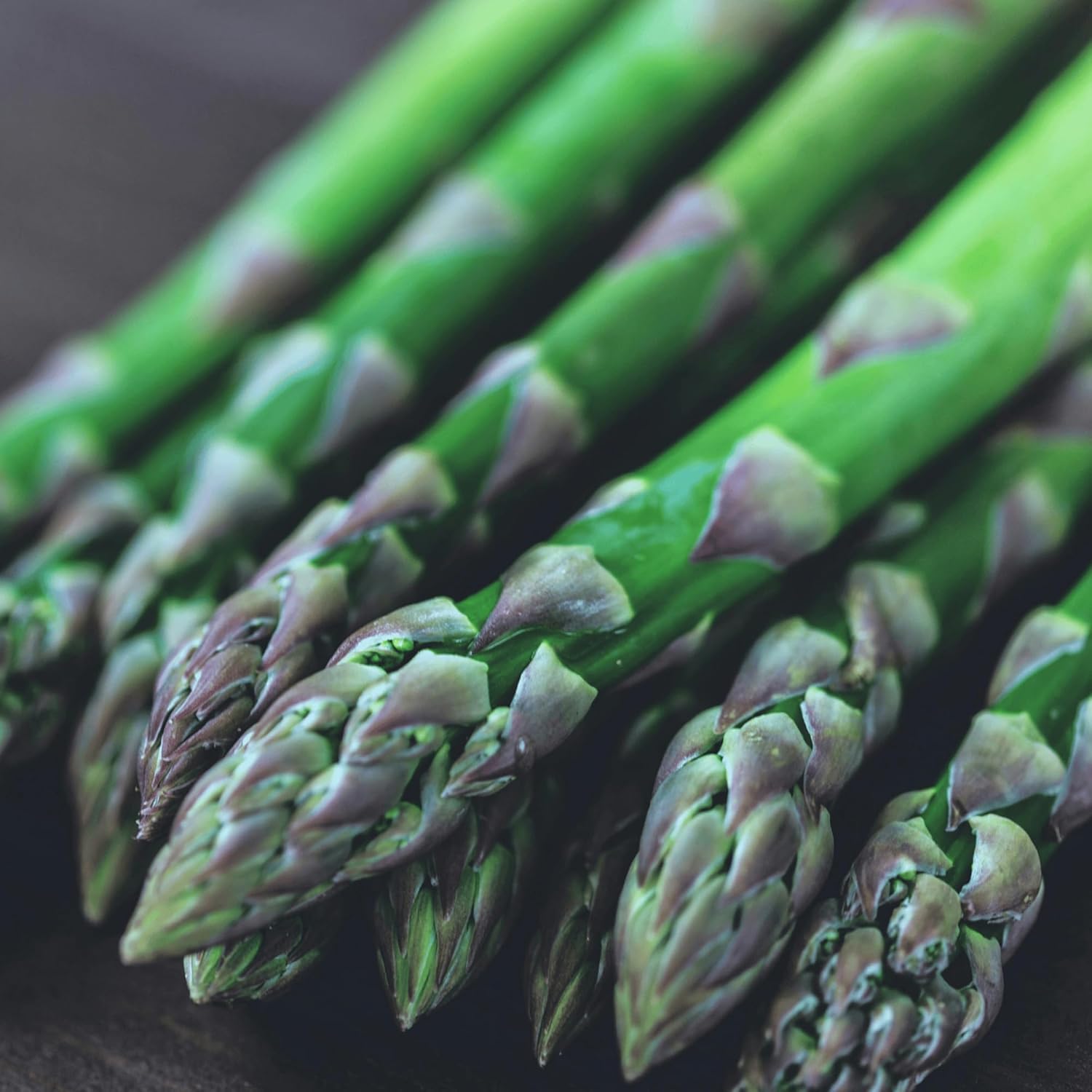
Getting the best time to plant asparagus right is one of the smartest moves you can make for a low-maintenance, high-yielding perennial bed. Unlike most garden vegetables, asparagus sticks around for 15 to 20 years (or more), so the window you choose for putting crowns in the ground shapes every future season. Too early and frost can damage tender roots; too late and the spears may not have enough time to establish before heat or drought sets in. The sweet spot depends on your local climate, but the general rule is to plant when soil temperatures reach 50-60°F and the risk of hard frost has passed.
Whether you’re starting from seed or using 2-year-old crowns, the principles stay the same: well-drained soil, full sun, and a little patience. In 2026, many gardeners are turning to reliable varieties like Mary Washington, Jersey Knight, and Purple Passion to build productive patches. With 8 products ranging from $4.94 – $44.95, you can find everything from heirloom seed packets to ready-to-plant bare root crowns. The right timing paired with quality stock makes all the difference in spear thickness, tenderness, and overall longevity. For more foundational advice on building healthy garden beds, check out our garden soil guide.

Pros
- High germination rate backed by positive reviews
- Heat-resistant variety suitable for hot climates
- Perennial nature provides years of harvest after first season
- Non-GMO heirloom seeds for natural gardening
- Comes with clear instructions and customer support
Cons
- Seeds can take up to 56 days to germinate, requiring patience
- First harvest is 2-3 years away, not for impatient growers
- Some users report low germination rates despite overall high satisfaction
The Sow Right Seeds Mary Washington Asparagus is a classic heirloom variety that lets you grow your own asparagus from seed. This packet contains about 90 non-GMO seeds, perfect for gardeners who want to establish a perennial bed that will produce for years. It's best suited for those living in USDA zones 4-9 with a sunny spot and a bit of patience. Asparagus takes time to mature, but the payoff is worth it for homegrown, fresh stalks.
What sets this variety apart is its proven heat tolerance. Many gardeners in warmer regions struggle with asparagus, but Mary Washington holds up well in high temperatures. Reviews highlight that it germinates reliably when soil temps are between 75-85°F, though it can take up to 56 days. Once established, the plants grow 3-4 feet tall and produce thick, straight green stalks with a purple tinge. The first good harvest comes in 2-3 years, but some reviewers reported picking spears even sooner in ideal conditions.
The build quality of the seeds is solid. Sow Right Seeds packs their product with care, including clear instructions on planting depth and spacing. The company also takes the Safe Seed Pledge and runs on solar power, which adds eco-friendly appeal. Customers consistently praise the seed viability and the helpful support team. However, a few mention lower germination rates, which could be due to improper soil temperature or moisture.
Keep in mind that asparagus requires patience. Germination can be slow, and you won't harvest for at least two years. But if you're planning a long-term garden investment, this is an excellent choice. The perennial nature means once it's established, you'll get fresh spears every spring with minimal maintenance.
Overall, the Sow Right Seeds Mary Washington Asparagus is a smart buy for dedicated gardeners. Its strong germination, heat tolerance, and heirloom quality make it a standout. If you're willing to wait a couple of years, you'll be rewarded with a bountiful, flavorful crop that beats anything from the store.
Pros
- Exceptional disease resistance ensures healthy, long-lived plants
- Robust growth and high yields, even in less-than-ideal soil conditions
- 2-year-old crowns are well-developed for faster establishment and earlier harvests
- Positive customer feedback highlights the excellent quality of the roots upon arrival
Cons
- Some crowns may arrive with underdeveloped roots, requiring careful inspection upon delivery
- Asparagus requires patience - no harvest is recommended during the first year to allow establishment
- Perennial commitment: needs dedicated garden space that won't be disturbed for many years
The Jersey Knight asparagus roots from Hand Picked Nursery offer home gardeners a reliable way to start a long-lasting asparagus patch. This modern hybrid variety is prized for its vigor and disease resistance, making it a top choice for those who want a low-maintenance perennial vegetable. Whether you're a seasoned grower or just starting out, these 2-year bare root crowns give you a head start toward abundant harvests.
What sets Jersey Knight apart is its strong resistance to common asparagus ailments like rust, fusarium, and crown rot. This means healthier plants that keep producing without relying on chemical sprays. The variety also delivers thick, tender spears with excellent flavor, and it thrives across a broad range of soil types and climates (USDA zones 3-9). Once established, expect consistent yields for over 15 years with just basic watering and weeding.
The bare root crowns arrive ready to plant, packed with simple instructions. Customer reviews highlight the overall healthy appearance of the roots, though one reviewer noted that one crown had minimal root development. It's a good idea to open the package right away and check each crown, then plant them promptly in a sunny spot with well-drained loam soil. The crowns are GMO-free and suited for organic gardens.
On the downside, asparagus takes patience. You'll need to resist harvesting during the first year to let the plants establish strong roots. Also, this is a permanent crop that needs dedicated space for many years. Some may find the initial cost for multiple crowns adds up, but the long-term payoff is worth it for fresh asparagus every spring.
Overall, the Jersey Knight asparagus roots are a smart investment for any gardener wanting a productive, trouble-free perennial. With proper care, you'll be cutting your own delicious spears for years to come.

Pros
- Very large number of seeds per packet, offering excellent value.
- Heirloom variety with proven performance and great flavor.
- Long-lived perennial that yields harvests for up to 20 years.
- High germination rate and quick sprouting in warm conditions.
- Clear instructions make it easy for beginners to plant successfully.
Cons
- Asparagus takes 2 to 3 years to reach full production, requiring patience.
- Some users reported no sprouts after a month, possibly due to cool soil or variable seed viability.
- Seeds are small and may need careful handling when sowing.
The PLANTMEW Mary Washington Asparagus Seeds offer an enormous amount of seeds for the price, making them a smart choice for gardeners who want to establish a large asparagus bed or share with friends. This packet contains about 900 non-GMO, open-pollinated seeds of the classic Mary Washington heirloom variety, a time-tested selection known for its consistent performance and excellent flavor. It's perfect for home gardeners, especially those who enjoy growing perennials and are willing to invest a little time for a long-term payoff.
One of the standout features is the sheer quantity: 900 seeds give you plenty to work with, even if you have to replant some. The seeds are fresh-packed in moisture-resistant packaging, and user reviews praise the high germination rate. Many reported seeing sprouts within the expected 10 to 56 days when soil temperatures were warm. The variety itself produces thick, tender spears with purplish tips and a slightly nutty taste that's great for roasting, grilling, or eating fresh. Once established, plants can yield for 15 to 20 years in USDA zones 4 through 9.
The design and build quality of the packet are functional: a small paper envelope with clear planting instructions on the back. It's not fancy, but it gets the job done. The seeds themselves are small, uniform, and appear healthy. One reviewer noted that after soaking, only a few floated, suggesting good viability. However, asparagus is notoriously slow to get started, and some users reported no sprouts after a month. This can be due to cool soil, incorrect planting depth, or simply the inherent variability of seeds. It's worth noting that asparagus requires patience, as full harvests typically begin in the third year.
Overall, the PLANTMEW Mary Washington Asparagus Seeds deliver a lot of value and potential for the patient gardener. The main drawback is the wait time, but that's true for all asparagus. If you're looking for a fast-growing annual, this isn't it. But if you want a dependable perennial that keeps producing for decades, this is a solid choice. The high rating and positive feedback from users confirm that these seeds are a worthwhile investment for any home veggie patch.

Pros
- Multiple varieties in one bundle give you diverse flavor, color, and yield potential
- First-year harvest capability reduces wait time compared to many other perennial vegetables
- Long-lived perennial (up to 20 years) with minimal replanting effort after establishment
- Comprehensive planting guide and customer support from an experienced grower
Cons
- Bare root crowns require careful handling and proper soil prep (extra sand or compost) to avoid rot or poor growth
- Needs a fairly large garden space because rows must be spaced 3 feet apart with 12 inches between plants
- Asparagus is a heavy feeder; you'll need to amend soil and provide consistent moisture for best results
The Hand Picked Nursery Asparagus Garden Variety Pack is a well thought out collection for home gardeners who want to start their own perennial asparagus patch without having to buy multiple single-variety packages. It includes 30 bare root plants - 10 each of Mary Washington, Purple Passion, and Jersey Knight - which are all established, mature crowns ready to go into the ground. This pack is aimed at anyone in USDA zones 3-8 who has a sunny spot with well-draining soil and is willing to invest a little upfront effort for years of returns.
One standout feature is the promise of a harvest in your first growing season. Most asparagus plants need a year or two to settle before you can pick spears, but Hand Picked Nursery says their crowns are already mature enough to produce right away. In practice, that means you could be cutting fresh spears by late spring or early summer, depending on your zone. The three varieties offer different perks: Mary Washington is a classic green producer, Purple Passion adds color and sweetness, and Jersey Knight is known for its high yield and disease resistance. Together, they extend your harvest window and give you options for raw eating, steaming, or grilling.
Design and build quality are solid for bare root plants. The crowns arrive dormant and wrapped to stay hydrated. You'll need to plant them soon after receiving them, following the detailed instructions that come with the pack. The company recommends digging trenches 6-10 inches deep depending on your soil type, spacing plants 12 inches apart, and backfilling with soil. Adding 30% sand is suggested for drainage, along with compost for nutrients. This setup is straightforward if you have a few hours and basic garden tools. The bare root format keeps shipping weight down and lets the plants acclimate naturally to your soil.
There are a couple of honest drawbacks to consider. Bare root plants need to be planted promptly and correctly - if the soil is too heavy or stays soggy, the crowns can rot. You'll also need a good amount of space: rows 3 feet apart with plants every foot means a 30-plant patch takes up at least a 30-foot row or two 15-foot rows. For a small urban garden, that might be tight. And while asparagus is low maintenance once established, it does require regular weeding and watering in the first year to get a strong root system.
Overall, this variety pack is an excellent value for gardeners who want to jumpstart a long-term asparagus bed. The mix of three proven varieties, the first-year harvest potential, and the support from an experienced nursery make it a confident buy. With proper soil prep and a bit of patience for the first few weeks after planting, you can look forward to a reliable crop of homegrown asparagus for a decade or more.

Pros
- Long-lived perennial provides harvests for decades.
- Rust resistant reduces disease risk.
- Non-GMO and heirloom quality.
- High germination rate with proper soaking.
- Versatile for fresh eating or preservation.
Cons
- Requires 2-3 years of establishment before full harvest.
- Seeds need soaking and specific soil conditions for best germination.
- Not suitable for impatient gardeners or those wanting quick results.
For gardeners looking for a long-term investment in their vegetable patch, KVITER's Mary Washington asparagus seeds offer a classic heirloom variety. These seeds produce thick, tender green spears with distinctive purple tips, and once established, the plants can keep producing for 20 to 30 years. This is a perennial vegetable that rewards patience with dependable spring harvests.
The standout features of these seeds include rust resistance and non-GMO status, making them a healthy choice for organic gardens. They have a high germination rate when soaked for 48 hours before planting. The plants thrive in full sun and well-drained sandy soil with a pH of 6.5 to 7.0. They are suitable for USDA zones 3 through 9, so they can be grown in many parts of the country.
The seeds come in a packet of 100, enough to start a substantial asparagus bed. They are open pollinated, so you can save seeds for future plantings. The variety is known for its rust resistance, a common issue with asparagus. The plants grow to about 3 feet tall and produce feathery ferns that restore energy after harvest.
The main drawback is the wait. You cannot harvest any spears in the first year, and only lightly in the second year. Full harvests begin in the third year. This requires patience. Also, seeds need to be soaked and planted in carefully prepared trenches, which takes some upfront effort.
If you are willing to invest time and effort, KVITER's Mary Washington asparagus seeds are an excellent choice for a long-term food source. They are reliable, disease resistant, and produce delicious spears for decades. This is a great option for home gardeners who want a sustainable perennial vegetable.
Pros
- Established two-year crowns reduce the wait for first harvest compared to one-year plants.
- High-yielding variety that keeps producing for decades with proper care.
- Easy to grow and maintain once established, ideal for low-effort gardening.
- Versatile in the kitchen and highly nutritious.
Cons
- Some customers reported inconsistent crown sizes, with a few looking like one-year instead of two-year roots.
- A few shipments included a small amount of white mold on the crowns, though it may not affect growth.
- Planting requires patience for the first full harvest (typically in the third year).
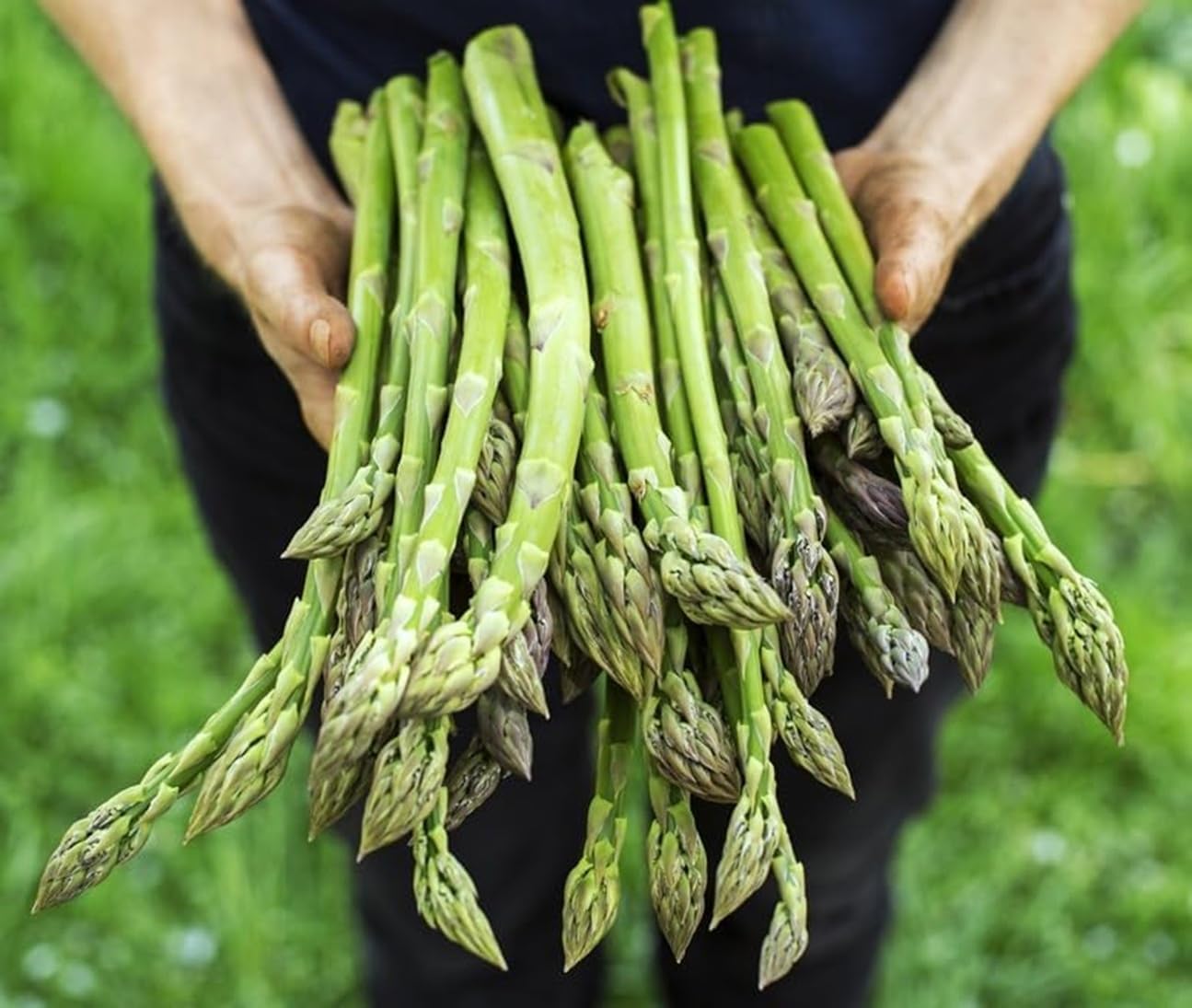
The CZGrain Jersey Giant Live Asparagus Bare Root Plants offer a practical way to start a long-lasting asparagus bed. Sold as a pack of five two-year crowns, this variety is known for producing thick, flavorful spears that are perfect for home cooks who love fresh produce straight from the garden. Whether you have a large backyard plot or a compact raised bed, these plants are designed to deliver consistent harvests for many years.
The standout feature here is the age of the crowns. Two-year-old roots are more established than one-year plants, which means they can often produce a small harvest in their first season if planted early and cared for properly. In practice, many customers reported successful sprouting and healthy growth after planting. The spears are indeed thick and tender, making them ideal for grilling or roasting. However, a few reviewers noted that some crowns were smaller than expected, resembling one-year rather than two-year roots. This inconsistency is worth keeping in mind, though the majority of feedback is positive.
In terms of design and build quality, the bare root crowns arrive packaged in a ventilated bag with basic care instructions. They are dormant and ready to plant in spring or fall. Some users mentioned a small amount of white mold inside the bag, but it did not appear to harm the crowns once planted. The roots themselves are generally healthy and firm, with good size overall. The manufacturer recommends full sun and well-draining soil, and the plants are known to be resilient once established.
Drawbacks are limited but real. The main concern is the inconsistency in crown size, which may affect the speed of establishment for some plants. Also, like all asparagus, these require patience: you should not harvest heavily until the third year to allow the roots to fully develop. A few customers were disappointed by the mold issue, but it seems to be isolated and not a widespread problem.
Overall, the CZGrain Jersey Giant asparagus crowns are a solid choice for gardeners looking to invest in a perennial vegetable that yields impressive returns. The two-year age gives a head start, and the variety's reputation for heavy production holds up. If you can handle a slight variability in root size and are willing to wait a couple of seasons for full harvests, these are a worthwhile buy. They earn a strong recommendation for anyone wanting a reliable, homegrown source of delicious asparagus.

Pros
- Concise and easy to follow for absolute beginners.
- Focuses on organic, sustainable practices.
- High customer rating of 4.8 out of 5 stars.
- Covers long-term crop management for up to 30 years.
- Affordable price point for a specialized gardening guide.
Cons
- Only 48 pages - may not cover advanced topics in depth.
- Limited to asparagus only; no general gardening advice.
- Few customer reviews available to gauge broader feedback.
The ASPARAGUS CARE HANDBOOK by organic gardening guru Logan Hailey is a focused, no-nonsense guide for anyone wanting to grow this perennial vegetable at home. At just 48 pages, it doesn't waste time - it jumps straight into soil preparation, planting techniques, and ongoing care. This is ideal for beginners who feel overwhelmed by longer gardening books and want a clear path to a successful asparagus bed.
What sets this guide apart is its emphasis on organic methods and long-term productivity. Hailey explains how to set up a patch that can yield delicious spears for up to 30 years, which is an incredible return on a small investment of time. The instructions are practical: how to prepare the soil with compost, when and how deep to plant crowns, and how to manage weeds and pests without chemicals. The book also covers different asparagus varieties, from green to purple, so you can choose what works for your area.
The design is straightforward - simple text without many illustrations, but the clarity of the writing compensates. You won't find glossy photos or fancy charts, just actionable advice you can implement right away. The 48-page length means you can read it in an hour and refer back easily. However, experienced gardeners might find it too basic; it doesn't dive into advanced topics like disease identification or large-scale production.
One potential drawback is the limited audience feedback - only 5 reviews so far, though they are overwhelmingly positive. Another is the lack of troubleshooting sections for common problems like rust or asparagus beetles. Still, for a beginner who wants a reliable, organic method to start asparagus, this handbook delivers exactly what it promises.
Verdict: A solid, affordable investment for new gardeners who want to grow asparagus the organic way. If you're looking for a compact, expert-led guide that cuts to the chase, this is it. Just be aware that it's a starter book, not a comprehensive encyclopedia.

Pros
- Fresh, healthy crowns that often show growth within a day of planting, reducing the risk of failure.
- Sweet, tender purple spears a standout flavor and color compared to standard green asparagus.
- 2-year root stock speeds up the time to first harvest, often yielding spears the same season.
- Perennial nature means once planted, you can enjoy harvests for 10-15 years with very little upkeep.
- Can be planted in various settings: garden beds, raised beds, or containers, making it accessible to any space.
Cons
- Some crowns may be smaller or less mature than expected, as noted in a review where sizes varied.
- Full results won't be known until the following spring, so patience is required after planting in fall or winter.
- Needs full sun and well-drained soil to thrive; not ideal for shady or heavy clay sites without amendments.
The Purple Passion Asparagus Crowns from CZGrain are a solid choice for gardeners who want to grow something a little different. Unlike standard green asparagus, these crowns produce sweet, tender purple spears that are delicious raw or cooked. The pack includes 10 crowns of 2-year root stock, meaning they are established and ready to take off in your garden. This is great for anyone who wants a faster start than planting seeds or one-year crowns.
Based on customer feedback, the standout feature is freshness. One reviewer said the crowns arrived looking alive, with roots looking fresh and some already sprouting green tips. They planted them immediately and saw growth the very next day. Another reviewer noted they won't know until spring but that the roots arrived as described. However, there was a mixed review mentioning inconsistent crown sizes, with some looking like 1-year rather than 2-year stock. This is worth keeping in mind if you're expecting uniform maturity.
The design and build quality here is straightforward: bare-root crowns packed with care. CZGrain positions itself as a brand that takes pride in selecting healthy plants for strong germination. The crowns themselves are nothing fancy, but the value lies in their viability. Many gardeners struggle with asparagus crowns that arrive dried or moldy, so the consistent freshness reported here is a big plus. The packaging also includes helpful planting instructions, and the crowns can be planted in beds, raised beds, or large containers.
A potential drawback is that you need patience. Even though 2-year crowns give you a head start, you'll likely wait until the second season for a full harvest. And as noted, some crowns may be smaller than advertised, which could delay that first harvest for a few plants. Also, asparagus requires full sun and well-draining soil, so it isn't a plant-everywhere crop. But if you prepare your soil properly, it's a low-maintenance perennial that rewards you for years.
Overall, the CZGrain Purple Passion Asparagus Crowns are a worthy investment for home gardeners who want a unique, tasty, and productive perennial. The freshness of the crowns and the quick sprouting observed by buyers suggest a reliable product. Just be aware of possible size inconsistencies and the need for a sunny spot with good drainage. If you're ready to commit to a long-term edible landscape, these crowns are a solid bet.
Frequently Asked Questions About Asparagus Planting Time
1. What is the best month to plant asparagus?
Most gardeners succeed with early spring planting, typically 2-4 weeks before the last expected frost in your area. In moderate climates (USDA zones 5-8), that often falls in March or April. The key is workable soil that’s not waterlogged or frozen. Fall planting works in warmer zones (8-10) but requires mulching for winter protection.
2. Can I plant asparagus in the fall?
Yes, in regions with mild winters and well-draining soil, fall planting gives crowns a head start. The dormant roots settle in before the ground freezes and emerge earlier the following spring. Apply a thick layer of straw or shredded leaves to insulate crowns from temperature swings. For more on seasonal timing, see our peach tree planting guide (the same soil-warming concepts apply).
3. How do I know when the soil is warm enough for asparagus?
Use a simple soil thermometer pushed 4 inches deep. When it reads 50-60°F consistently for a few days, it’s time. Alternatively, watch for weeds like dandelions or chickweed sprouting—that’s a natural cue that soil is waking up. Cold, soggy soil delays root growth and invites rot, so wait until the bed drains well.
4. Should I soak asparagus crowns before planting?
Soaking crowns in lukewarm water for 1-2 hours before planting helps rehydrate roots, especially if they’ve been stored. This encourages faster establishment. Avoid longer soaking, which can promote disease. For best results, plant immediately after soaking in well-prepared, compost-enriched soil.
5. What happens if I plant asparagus too late?
Late planting (after soil exceeds 80°F or mid-summer) reduces the time for root development before winter. Spears may be thinner, and the plant may take an extra year to reach full production. If you miss the spring window, consider starting seeds indoors and transplanting in early autumn, or use grow lights to extend the season. Browse our grow light collection for indoor setups that can help.







Write Your Review
No reviews yet. Be the first to share your experience!