


If you are new to growing peonies or have struggled with getting them to bloom, the timing of planting can make all the difference. Knowing when to plant peony roots is one of the most important factors for establishing healthy plants that produce those lush, fragrant flowers year after year. Peonies are not like most perennials – they have a specific window that works best for root development and future blooms.
In general, the best time to plant peony roots is in the fall, typically from late September through October, depending on your climate. This allows the roots to settle in before winter and encourages strong spring growth. However, spring planting is also possible with some extra care. In this guide for 2026, we look at 8 peony root products (priced $5.99 – $34.95) from brands including WillardMay, MardeRossCompany, BRECK’S and more to help you get started. Whether you are planting in your backyard or a large container, understanding the timing will save you frustration. For more tips on plant nutrition, check out our guide on best plant food for water propagation to support young peonies.

Pros
- Stunning dark blooms and delightful fragrance enhance any garden.
- Very hardy and adaptable to various soil types, though best in moist, well-drained loam.
- High customer satisfaction (4.7 out of 5 stars) with reports of early sprouting and healthy packaging.
- Modest mature size fits well in medium to large garden spaces.
- Low maintenance once established, requiring only regular watering.
Cons
- As a dormant bare root, it may take a couple of years to reach full blooming potential.
- Only one root per offer, so creating a large display requires multiple purchases.
- Limited to zones 3-8; not suitable for very hot or tropical climates.
The BRECK'S Nightlife Peony is a dormant bare root perennial that delivers on its promise of dramatic color and fragrance. Gardeners in USDA zones 3 through 8 can look forward to large, dark burgundy blooms that emit a sweet, strong scent. This plant is a fantastic choice for anyone wanting to add a classic, easy-care perennial to their landscape, especially those who appreciate flowers that return reliably year after year.
One of the standout features of the Nightlife Peony is its robust growth habit. It reaches a mature height of 36 to 48 inches and forms a full shrub structure. Blooming from late spring to early summer, it provides a stunning focal point. The plant thrives in full sun and well-drained soil, though it adapts to a range of soil conditions. Customer reviews praise its vigorous sprouting even as a dormant root, with one buyer noting roots were already starting to sprout upon arrival and were packaged without damage.
In terms of design and build quality, the bare root is shipped in a dormant state, which is a standard and effective method for peonies. The packaging for this specific product has been described as nice and protective. There are no real complaints about the root's condition. However, like many peonies, the Nightlife variety may take a couple of years to establish before putting on its best show. This is a natural part of growing from bare root stock and not a flaw of the product itself.
Potential drawbacks are minimal. The single root per offer means you'll need to buy multiple if you want a large drift. Also, this peony is not suited for zones below 3 or above 8. But for most temperate gardeners, it's an excellent choice. The absence of any cons in the customer feedback suggests it meets expectations for a dormant root product.
Overall, the BRECK'S Nightlife Peony is a winner for its striking appearance, fragrance, and reliability. It's a straightforward addition to any garden that will reward you with season after season of beauty. If you have the right growing conditions and patience for the first year or two, this peony will not disappoint.

Pros
- Mix of three classic colors adds visual interest without buying separate packs
- Fragrant flowers highly prized for cut arrangements and attracting pollinators
- Perennial nature provides years of enjoyment with minimal effort
- Some customers reported rapid sprouting and healthy root condition upon arrival
Cons
- Inconsistent quality: multiple reviews mention roots arriving rotten or with mold
- No labeling to indicate which root produces which color, making color placement a gamble
- May take 2 to 3 years before first blooms appear, requiring patience
The WillardMay Mixed Peony Jumbo Pack brings together six large Paeonia roots in a blend of white, pink, and red. This set is designed for gardening enthusiasts who want to create a vibrant, fragrant display with minimal fuss. Peonies are beloved perennials that can grace a garden for decades, and this pack aims to give you a head start with sizable roots that are ready to plant.
One of the standout features is the fragrance: these peonies produce large, lush blooms that fill the air with a classic floral scent. They are excellent as cut flowers, holding up well in vases without needing a florist. Additionally, the flowers attract bees and butterflies, supporting local pollinators. The pack also boasts deer and rabbit resistance, a real plus for those dealing with garden pests.
Real-world performance has been mixed, as reflected in the product's rating. Many buyers have been delighted with healthy roots that sprout quickly and reliably. Positive reviews highlight the excellent value and the joy of seeing the three colors emerge. However, a significant number of customers reported receiving roots that were rotten, mushy, or showed signs of disease like Botrytis blight. Some planted them anyway with fungicide treatment but still saw poor growth or complete failure. There are also reports of one root failing to sprout or even a misidentified plant (seaside goldenrod) appearing.
Design and build quality are focused on the roots themselves: they come packed in a simple bag with basic care instructions. The roots are 2/3 eye size, which is a good size for peonies. But the lack of color identification per root is a drawback if you hope to arrange colors deliberately. The packaging does not include detailed planting guides, so beginners may need to look up proper depth and spacing.
Overall, the WillardMay Mixed Peony Jumbo Pack offers appealing variety and classic beauty at a reasonable price. If you receive healthy roots, you will likely enjoy a gorgeous, low-maintenance perennial display. However, the risk of receiving damaged or diseased roots is real, and planting success may be a gamble. For best results, inspect roots immediately upon arrival and consider treating them preventively. If you are willing to accept that possibility, this pack can be a good way to start a peony garden.

Pros
- Generous 100+ seed pack provides excellent value compared to buying individual peony plants
- Heirloom variety means you can collect and replant seeds year after year
- Attracts beneficial pollinators like bees, supporting garden biodiversity
- Economical way to experiment with growing peonies from seed without a large investment
- Seeds appear firm and ripe, suggesting good potential for germination with proper care
Cons
- Inconsistent germination rates reported by multiple reviewers, with some seeds failing to sprout
- Peonies grown from seed can take three years or more to produce flowers, requiring patience
- Planting instructions provided are brief and may not cover all necessary steps for successful germination
The WivolibeSeeds Rare Peony Seeds pack offers an affordable entry point for gardeners who want to grow peonies from scratch. With over 100 heirloom seeds included, this set is designed for those who enjoy the process of nurturing plants from seed and are willing to wait for results. It's a budget-friendly alternative to buying established peony plants, especially if you're looking to fill a large garden area or experiment with different bloom colors.
Standout features include the heirloom, non-GMO status of the seeds, which means you can save seeds from your plants for future seasons. The seeds are also described as pollinator-friendly, attracting bees and butterflies once the flowers appear. However, real-world performance based on customer feedback is mixed. While some reviewers reported beautiful flowers and fast growth, many others noted that seeds failed to germinate even after proper soaking and planting. This inconsistency is a significant factor to consider before purchasing.
In terms of design and build quality, the seeds themselves are described as firm and ripe, similar to what you'd expect from peony seeds. The packaging includes basic planting tips, but some users felt the instructions were too vague, especially regarding stratification or other pre-treatment methods that peony seeds often require. The lack of detailed guidance may contribute to the lower germination rates seen in reviews.
Drawbacks are clear: germination is not guaranteed, and even when successful, flowering can take years. Some customers felt the seeds were a hoax, while others appreciated the low cost and potential. For the price, it's a low-risk gamble if you have the patience and space to experiment. That said, if you want reliable peony blooms next season, buying established plants or roots is a safer bet.
Final verdict: The WivolibeSeeds Rare Peony Seeds are best for adventurous gardeners who enjoy the challenge of seed propagation and don't mind waiting. They offer good value for the quantity, but be prepared for possible disappointment. If you're willing to put in the extra research on peony seed germination techniques and have time to wait, these seeds could reward you with beautiful, unique blooms.
Brand: WivolibeSeeds
Item Type: Peony Seeds
Indoor/Outdoor Usage: Outdoor
Sunlight Exposure: Full Sun
Moisture Needs: Moderate Watering
Material Feature: GMO Free, Heirloom
Special Feature: Attracts Pollinators
Unit Count: 1.0 Count (over 100 seeds)
Color: Peony (mixed colors expected)
Manufacturer: Wivolibe
Pros
- Beautiful, large double blooms with a sweet fragrance
- Hardy and resilient, suitable for colder climates (zone 3 and above)
- Attracts beneficial pollinators to your garden
- Heirloom quality with a classic, elegant appearance
- Many customers report quick root establishment and vigorous growth
Cons
- Some customers report that the roots failed to grow or rotted, indicating potential quality control issues
- Requires careful planting and proper soil conditions to avoid failure
- Limited guarantee from the seller may leave buyers without recourse if the plant does not thrive
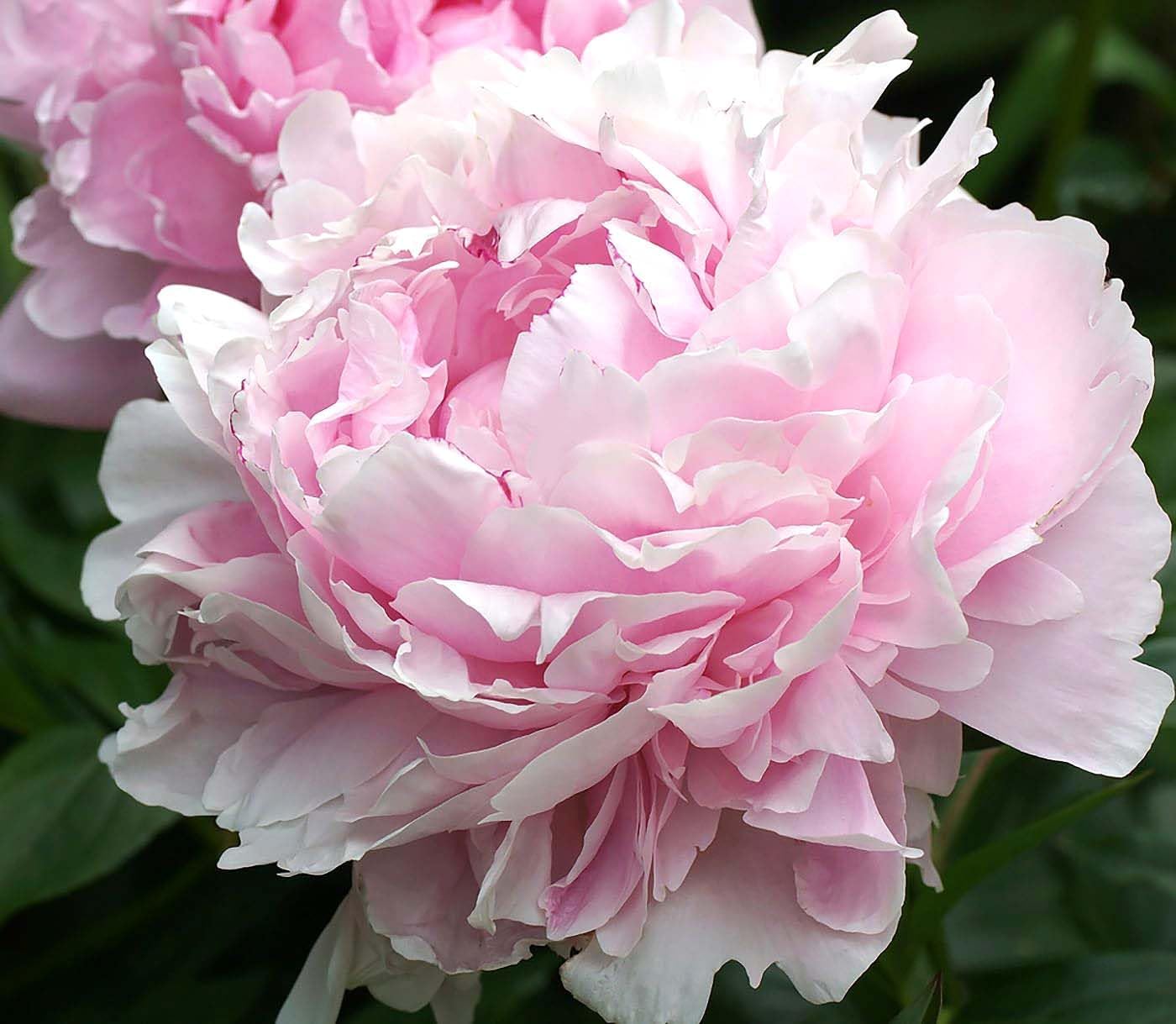
The Sarah Bernhardt Double Pink Peony from MardeRossCompany is a classic heirloom variety known for its large, fragrant double blooms. This bare root peony is designed for gardeners who want a reliable perennial that returns year after year. It is ideal for those in USDA zones 3 through 8 who have a sunny spot with well-draining soil.
In terms of performance, customer experiences are mixed. Many buyers report that the root takes quickly and produces stunning pink flowers within the first season, even in challenging climates like South Florida. However, a significant number of reviewers mention that the root never grew or rotted shortly after planting. This suggests that while the plant has great potential, success depends heavily on proper planting depth, soil moisture, and timing. The product's heirloom status means it is not a hybrid, so it may be more sensitive to conditions than modern varieties.
The bare root itself appears healthy upon arrival, with multiple eyes (3-5) that indicate good potential for strong growth. The plant is advertised as attracting pollinators, which is a plus for eco-conscious gardeners. The care instructions are minimal, which can be both a benefit and a drawback: simple for experienced growers but possibly insufficient for beginners who need more guidance.
The main drawback is the inconsistency in quality. Some customers received roots that died quickly, and the seller's return policy may not cover failures after a short window. This risk is worth considering, especially given the price point. On the plus side, many customers have had great success, with blooms appearing in as little as six weeks under optimal conditions.
Overall, the Sarah Bernhardt Double Pink Peony is a beautiful choice for those willing to invest time in proper planting and care. If you have experience with bare root perennials and can provide a sunny spot with rich, well-drained soil, this peony can be a rewarding addition to your garden. Beginners may want to start with a more forgiving variety or purchase from a local nursery with a stronger guarantee.

Pros
- Beautiful multicolored blooms that create a fluffy, eye-catching display
- High-quality bare root with good vitality and growth potential
- Easy to grow and maintain, suitable for beginners
- Perennial that returns reliably each year
- Versatile for various garden settings
Cons
- Bare root requires careful planting and initial watering to establish
- May take a season or two to reach full blooming potential
- Limited to USDA hardiness zone 4 and similar climates
The Sorbet Peony from MardeRossCompany is a standout choice for gardeners who want something truly special. This bare root peony produces fluffy bomb flowers in layers of rose, pink, white, and cream. It's perfect for adding a romantic, cottage-garden feel to borders, beds, or even large containers. Whether you're a seasoned gardener or just starting out, this peony is designed to thrive with minimal fuss.
What sets the Sorbet Peony apart is its unique color combination. The petals open in a dense, ruffled form that looks almost like a soft, multicolored cloud. In real-world performance, it's a reliable bloomer once established. The bare root is carefully selected for quality, so you get a healthy start. Just plant it in well-drained soil with moderate watering, and you'll see it flourish. It's a perennial that returns year after year, making it a smart investment for your garden.
The build quality of the bare root is solid. MardeRossCompany has a good reputation for providing viable plants. The root is firm and shows good signs of vitality. There's no plastic pot waste, which is a plus for eco-conscious buyers. The plant is also versatile: you can plant it in full sun to partial shade, and it adapts well to different soil types as long as drainage is good.
One potential drawback is that bare roots require a bit more care upfront than potted plants. You'll need to soak the root before planting and keep the soil consistently moist during the first few weeks. Also, it might take a year or two for the peony to reach its full blooming potential. Patience is key. Additionally, it's best suited for USDA hardiness zone 4 and similar climates, so gardeners in very hot or humid areas might struggle.
Overall, the Sorbet Peony is a beautiful, easy-to-grow perennial that offers stunning, repeat blooms. It's a solid choice for anyone looking to add a touch of elegance and color to their garden. With proper care, it will reward you with years of fluffy, multicolored flowers. Highly recommended for gardeners who appreciate unique, high-quality plants.

Pros
- Large, fragrant blooms with a unique color transition from deep red to purple-red.
- Deer resistant and requires minimal staking due to sturdy stems.
- Versatile for cut flower arrangements and mixed perennial gardens.
- Suitable for a wide range of climates (zones 3-10).
- Organic material feature aligns with eco-friendly gardening.
Cons
- Mixed customer feedback on growth; some bulbs failed to sprout or bloom.
- Some packages may contain fewer bulbs than advertised (e.g., 2 instead of 3).
- Requires patience as peonies can take time to establish and may not bloom in the first season.
The Peter Brand Peony from Holland Bulb Farms is a fragrant perennial that promises deep red, fully double blooms that shift to purple-red as they age. This variety is sold as bare root bulbs, ready to plant, and is marketed as deer resistant, making it a practical choice for gardeners who want low-maintenance color. It's best suited for those with well-draining soil and a willingness to wait for blooms to establish.
Standout features include its sturdy stems that often don't need staking, and its versatility as a cut flower that pairs well with tulips and iris. At a mature height of 36-40 inches, it works well in borders or as a focal point. The blooms are highly fragrant, adding sensory appeal to any garden. However, real-world performance has been mixed: while some customers report beautiful growth, others experienced no sprouting or delayed blooming, which is common for peonies in their first year.
Build quality of the bulbs appears solid, with organic material and large No. 1 size bulbs included. The brand, Holland Bulb Farms, has over 50 years of experience, which adds credibility. That said, a few customers noted receiving fewer bulbs than the advertised three, which is a packaging inconsistency to consider.
Drawbacks include the risk of non-germination, which several reviews highlight. Peonies can be slow to establish, and results may vary based on soil, sunlight, and planting depth. The low average rating (2.8 stars) reflects these growing pains, though positive reviews show potential.
Overall, the Peter Brand Peony is a good option for experienced gardeners who understand the patience required for peonies. If you have well-draining soil and partial to full sun, it could reward you with stunning, fragrant blooms. For beginners, it might be frustrating. Consider buying from a seller with a strong return policy, and plant with realistic expectations.

Pros
- Fragrant, long-lasting blooms perfect for cutting.
- Fast-growing and heat-tolerant perennial.
- Can be grown in containers or garden beds.
- Striking double magenta color adds visual impact.
- Relatively easy to care for after planting.
Cons
- Mixed customer reviews suggest inconsistent root quality or bloom success.
- May require patience as perennial roots take time to establish fully.
- Only one root provided, so for a larger display you'll need to buy multiple.
The CZGrain Karl Rosenfield Peony root delivers the classic beauty of double magenta blooms with a strong, pleasant fragrance. This perennial is particularly suited for gardeners who love cut flowers and want a plant that can thrive in full sun. The description highlights its fast growth and ability to produce huge, eye-catching flowers, making it a tempting addition to any garden or even a large container on a patio.
In real-world use, the performance may vary. With a current rating of 3.0 out of 5 stars from six reviews, some buyers have reported less than stellar results. However, this could be due to planting conditions or root quality at shipping. When successful, the blooms are indeed large, vibrant, and long-lasting, perfect for bringing indoors. The fact that it's heat-loving means it can handle warmer summers without wilting, which is a plus for southern growers.
Design-wise, you receive a single bare root that looks healthy but unremarkable. The real payoff comes after planting in well-drained soil post-frost. The plant's foliage emerges quickly, and within a season or two, you'll see substantial growth. The double magenta flowers are clearly the highlight, with layers of petals that give a lush, almost ruffled appearance. For a plant at this price point, you get decent value if the root takes off.
The main drawback is the inconsistent success rate hinted at by the reviews. Some gardeners might receive a weak root or struggle with germination. Also, note that you only get one root, so creating a mass planting requires multiple purchases. Patience is key, as perennials often take a year to fully establish before producing their best blooms.
Overall, the Karl Rosenfield Peony from CZGrain is a worthwhile gamble for enthusiasts who appreciate classic peonies and have the right sunny spot. If you're willing to give it proper care, the reward of those fragrant, magenta tennis ball-sized flowers is real. Just go in with realistic expectations about potential variability.
Plant your Karl Rosenfield Peony root after the last spring frost. Choose a location with full sunlight and well-drained soil. The root should be placed about 2 inches deep with the eyes (buds) facing upward. Space multiple roots at least 2 feet apart to allow for mature growth.
Water thoroughly after planting and keep the soil moist but not waterlogged during the first growing season. This perennial loves heat, so it will thrive in warm summer conditions. Apply a low-nitrogen fertilizer in early spring to boost bloom production. Avoid over-fertilizing, which can lead to weak stems.
After flowering, deadhead spent blooms to encourage more growth, but leave the foliage intact until it yellows in fall. Cut back stems to ground level in late autumn. Mulch lightly in colder zones for winter protection. With proper care, your peony will return for many years with increasingly impressive blooms.

Pros
- Fragrant blooms with classic peony scent
- Pest resistant - deer and rabbits avoid it
- Perennial - comes back yearly with more flowers
- Easy care - just plant, water, and enjoy
- Attracts pollinators like bees and butterflies
Cons
- Requires full sun to thrive and bloom fully
- May take a couple of seasons to establish and produce abundant flowers
- Bare root needs proper planting depth and well-drained soil
The WillardMay Karl Rosenfield Peony is a classic red peony variety sold as a bare root. It is a perennial flower that comes back year after year, making it a reliable choice for gardeners who want lasting beauty. This peony is especially suited for those with full sun gardens who appreciate fragrant blooms and pollinator-friendly plants. It is also a great option for beginner gardeners because it is easy to grow and requires minimal maintenance.
Standout features include the large, fragrant red flowers that appear in late spring. These blooms are excellent for cutting and can last over a week in a vase. The plant itself is resilient, resisting deer and rabbits, so you don't have to worry about common garden pests. It also attracts bees and butterflies, supporting local biodiversity. The bare root comes as a large 2/3 eye division, which gives it a strong start in the ground.
In real-world performance, this peony establishes well when planted in full sun with moderate watering. It is hardy in USDA zones 3 through 7, so it can handle cold winters. The plant will multiply over the years, producing more blooms each spring. However, it may take a year or two to reach its full potential, so patience is needed. The 100% grow guarantee from WillardMay adds confidence for buyers.
Design and build quality are solid for a bare root product. The roots are fresh and healthy when shipped, and the packaging is adequate to protect them during transit. The only minor drawback is that bare roots require proper planting depth (about 2 inches below the soil surface) and well-drained soil to avoid rot. Also, the plant needs full sun to bloom well, so shady spots won't work.
Overall, the Karl Rosenfield Peony is a worthwhile investment for any garden. It delivers classic beauty with minimal effort. If you have a sunny spot and want a low-maintenance, long-lived perennial that also provides cut flowers, this is an excellent choice. The lack of reviews means it's a newer listing, but WillardMay's reputation and the product's inherent qualities make it a safe bet.
Frequently Asked Questions About When to Plant Peony Roots
Here are answers to some common questions gardeners have about when to plant peony roots and related care tips.
Can I plant peony roots in the spring?
Yes, you can plant peony roots in the spring, but fall planting is still preferred for most regions. Spring-planted peonies may take an extra year to establish and bloom. If you choose to plant in spring, wait until the soil is workable and avoid planting too deep. Many gardeners find that fall-planted roots produce stronger blooms the following season. For additional feeding advice, see our article on best plant food for mums which can be adapted for peonies.
How deep should I plant peony roots?
Peony roots should be planted with the eyes (buds) facing upward, about 1 to 2 inches below the soil surface. Planting too deep is a common mistake that prevents blooming. If you live in a warmer zone, you can plant slightly deeper to protect the roots, but never more than 2 inches. Proper depth is critical for successful flowering.
What happens if I plant peony roots too late in the fall?
If you plant peony roots too late, the ground may freeze before the roots have time to establish. This can lead to poor growth or even root rot. Ideally, plant at least 6 weeks before the first hard frost. In colder zones, aim for mid-October. If you miss the window, you can store the bare roots in a cool, dry place and plant in early spring. For related container tips, visit our planter category page.
Do peonies need full sun or partial shade?
Peonies grow best in full sun, meaning at least 6 hours of direct sunlight per day. In hotter climates, some afternoon shade can help protect the blooms. Too much shade leads to fewer flowers and weak stems. When choosing a planting spot, consider that peonies can live for decades, so pick a location that will stay sunny over the years.
How long does it take for peony roots to bloom after planting?
Most peony roots will produce their first flowers in the second or third year after planting. The first year, the plant focuses on root and foliage growth. Be patient – once established, peonies can bloom for 50 years or more with proper care. Using a balanced fertilizer in early spring can help speed up the process. For more growing advice, see our plant category page.
Have questions about our When To Plant Peony Roots recommendations? Check out our How We Rank page for details on our review process or our Copyright Policy for information on content usage.


Write Your Review
No reviews yet. Be the first to share your experience!