


Opening a delivery box to find a tangle of soil-free roots and dry twigs can be surprising if you are accustomed to potted nursery specimens. Knowing what is a bare root plant helps demystify this standard horticultural method, allowing home gardeners to source vigorous perennials, fruits, and shade plants efficiently. Bare root stock refers to plants that have been lifted from the field during their dormant phase, had their field soil washed away, and been packed for shipping without potting mix. This approach keeps plants in a resting state while reducing shipping bulk, which makes seasonal garden installations more manageable.
Because these specimens arrive without active green growth, success relies heavily on proper timing, root hydration, and immediate garden care. Gardeners frequently choose bare root stock for early spring installations, taking advantage of cool temperatures and natural soil moisture before summer heat sets in. Paying attention to seasonal milestones, much like timing your outdoor planting, ensures dormant crowns settle into native soil before pushing out tender new foliage. Understanding how to handle these bare root starts from arrival to bud break gives your garden beds a strong, sustainable foundation.

Pros
- Extremely hardy in colder northern climates down to zone 3
- Produces a concentrated, heavy early-summer harvest
- Rich, sweet fruit profile suited for desserts and canning
- Ships as dormant bare roots ready for spring planting
Cons
- June-bearing variety produces a single harvest window rather than all-season fruit
- Bare roots require immediate planting or proper hydration upon arrival
- Berries can taste slightly tart if picked before fully ripening on the vine
The Honeoye Strawberry bare root bundle from Hirt's Gardens provides gardeners with 10 dormant root crowns of one of the most reliable June-bearing varieties available. Designed primarily for cold-climate growers across USDA zones 3 through 7, this set gives backyard fruit enthusiasts an accessible way to establish an early-summer berry patch without nursery pot markups.
Honeoye is widely recognized for its vigorous growth and abundant yields. Once established, these plants produce concentrated flushes of large, vibrant red berries that ripen over a few weeks in June. The flavor strikes a classic balance of sweetness and mild acidity, making the harvest versatile enough for fresh desserts, freezer storage, or large-batch jam making.
Bare root plants might look modest upon arrival, but dormant crowns adapt rapidly to well-drained, nutrient-rich garden soil. Their cold-hardy nature protects the crowns against harsh winter chills that often damage more delicate varieties. Giving them adequate space and full sunlight helps maximize runner production, creating a dense, self-renewing berry bed over time.
Because these are June-bearing strawberries, you will harvest your crop within a specific window rather than enjoying continuous picking throughout the entire summer. The berries also need full ripening on the plant to avoid a tart finish, and the bare roots demand prompt watering immediately after delivery. For northern gardeners wanting a heavy, reliable berry haul for fresh eating and canning, this 10-pack remains a dependable and rewarding garden staple.
Soak the bare roots in cool water for an hour or two before planting to rehydrate the root system. Choose a planting site with full sun exposure and well-draining soil with a slightly acidic to neutral pH.
Set the plants roughly 12 to 18 inches apart, ensuring the crown rests right at the soil line. Planting too deep can cause the crown to rot, while planting too shallow can dry out the upper roots. Water thoroughly after planting and apply light mulch to conserve soil moisture.

Pros
- Excellent shade tolerance - one of the best perennials for low-light areas.
- Hardy across a wide climate range (zones 3-8), reducing risk of winter kill.
- Large quantity (9 plants) offers great value for creating a full garden bed.
- Foliage provides season-long interest with varied textures and colors.
Cons
- Bare root plants require careful planting and consistent moisture until established.
- Exact variety of each hosta is not specified, so you may get a mix of sizes and leaf types.
- No customer reviews available yet to confirm quality or packaging condition.
GardeningProducts4Less offers a 9-pack of bare root Hosta perennials that promises to bring lush greenery and delicate blooms to your shadiest garden corners. Hostas are a classic choice for low-light areas, and this bundle aims to deliver a diverse mix of textures and leaf shapes. Whether you're filling a tricky spot under a tree or creating a border along a north-facing wall, these plants are bred to thrive with minimal fuss. The description mentions hardiness in zones 3-8, which covers most of the continental U.S., and notes that the plants will return year after year once established.
The standout feature here is the variety. The pack includes hostas with rich green foliage that ranges from heart-shaped to nearly round, offering a pleasing diversity of textures. In midsummer, you can expect purple or white bell-shaped flowers on tall stems, which are mildly fragrant and last about two weeks. This bloom period adds a nice vertical accent to the otherwise ground-hugging leaves. Because the exact cultivars aren't listed, you may be getting a mix of common and slightly more unusual types, which can be a fun surprise for gardeners who enjoy variety.
As bare root perennials, these plants are shipped without soil or pots, which keeps shipping costs down and reduces transplant shock if handled correctly. They should be planted in well-draining soil, preferably sandy loam, and kept consistently moist during the first growing season. Full shade is ideal, but they will also tolerate half sun / half shade. The lack of customer reviews is a slight drawback, as it's hard to confirm the size or condition of the roots upon arrival. However, the seller's reputation (Gardening4Less) and the product's strong 4.4-star rating (though no written reviews) suggest a generally positive experience.
One honest con: because you're buying a mix, you won't know exactly which hosta varieties you're getting. If you have your heart set on a specific cultivar like 'Patriot' or 'Frances Williams', this pack may not be for you. Also, bare root plants require a bit more care upfront than potted ones. You'll need to soak the roots before planting and keep them well-watered until they leaf out. For experienced gardeners, this is standard procedure; for beginners, it's a small learning curve.
Overall, this 9-pack is a practical, budget-friendly way to add long-lasting perennial beauty to shady areas. It's ideal for homeowners who want to cover a lot of ground without spending a fortune, or for gardeners who enjoy a little unpredictability. With proper planting and patience, these hostas will reward you with years of reliable foliage and summer blooms. Just remember to divide them every few years to keep them healthy and vigorous.
Brand: Gardening4ProductsLess
Category: Flowers
Type: Bare Root Perennial
Quantity: 9 plants per pack
USDA Hardiness Zones: 3 to 8
Light Requirements: Full Shade to Half Sun / Half Shade
Flower Color: Purple or White
Bloom Time: Mid to Late Summer
Foliage: Rich green, heart-shaped to nearly round, diverse textures
Growth Rate: Medium
Soil Preference: Sandy Soil, well-draining
Expected Planting Period: Summer

Pros
- Exceptional disease resistance ensures healthy, long-lived plants
- Robust growth and high yields, even in less-than-ideal soil conditions
- 2-year-old crowns are well-developed for faster establishment and earlier harvests
- Positive customer feedback highlights the excellent quality of the roots upon arrival
Cons
- Some crowns may arrive with underdeveloped roots, requiring careful inspection upon delivery
- Asparagus requires patience - no harvest is recommended during the first year to allow establishment
- Perennial commitment: needs dedicated garden space that won't be disturbed for many years
The Jersey Knight asparagus roots from Hand Picked Nursery offer home gardeners a reliable way to start a long-lasting asparagus patch. This modern hybrid variety is prized for its vigor and disease resistance, making it a top choice for those who want a low-maintenance perennial vegetable. Whether you're a seasoned grower or just starting out, these 2-year bare root crowns give you a head start toward abundant harvests.
What sets Jersey Knight apart is its strong resistance to common asparagus ailments like rust, fusarium, and crown rot. This means healthier plants that keep producing without relying on chemical sprays. The variety also delivers thick, tender spears with excellent flavor, and it thrives across a broad range of soil types and climates (USDA zones 3-9). Once established, expect consistent yields for over 15 years with just basic watering and weeding.
The bare root crowns arrive ready to plant, packed with simple instructions. Customer reviews highlight the overall healthy appearance of the roots, though one reviewer noted that one crown had minimal root development. It's a good idea to open the package right away and check each crown, then plant them promptly in a sunny spot with well-drained loam soil. The crowns are GMO-free and suited for organic gardens.
On the downside, asparagus takes patience. You'll need to resist harvesting during the first year to let the plants establish strong roots. Also, this is a permanent crop that needs dedicated space for many years. Some may find the initial cost for multiple crowns adds up, but the long-term payoff is worth it for fresh asparagus every spring.
Overall, the Jersey Knight asparagus roots are a smart investment for any gardener wanting a productive, trouble-free perennial. With proper care, you'll be cutting your own delicious spears for years to come.

Pros
- Extremely hardy and adaptable across climates from zone 3 to 9
- Low maintenance ideal for busy gardeners or those new to gardening
- Attracts beneficial pollinators while being deer resistant
- Comes with a helpful planting shovel for convenience
- Shade-tolerant, great for filling difficult under-tree or border areas
Cons
- Bare roots need proper planting technique and consistent moisture during establishment
- Mixed varieties mean you won't know exact flower colors or heights until they mature
- Hostas can be susceptible to slugs in wet or humid conditions
If you're looking to add dependable color and texture to shady garden spots, the GardeningProducts4Less 24-pack of mixed hosta bare roots is a solid choice. This bundle delivers a variety of heart-shaped foliage plants that thrive with very little fuss. It also includes a small planting shovel, which is a thoughtful extra for anyone starting a new bed or filling in gaps under trees.
Hostas are beloved for their ability to brighten shade gardens with their lush leaves, and this mix offers a range of green tones and leaf shapes. Over time, you'll also get tall stalks with mildly fragrant white or purple flowers that attract butterflies and hummingbirds. These perennials are low-maintenance and deer resistant, so you can plant them and enjoy without constant worry.
The bare roots arrive carefully packed to stay fresh. Planting them is straightforward: just give them well-draining soil, partial shade to partial sun, and moderate water. They're hardy from zones 3 to 9, meaning they'll survive cold winters and come back reliably each year. The included shovel is a basic tool that helps with digging small holes, though serious gardeners may prefer their own full-sized equipment.
One thing to be aware of is that bare roots require a bit of patience. They need consistent moisture while establishing and may look sparse the first season. Also, because this is a mixed variety pack, you won't know the exact mature height or bloom color of each plant until they grow. Slugs can sometimes be an issue in damp gardens, so keep an eye out if your area is wet.
Overall, this 24-pack offers excellent value for anyone wanting to cover a lot of ground with easy-care, pollinator-friendly perennials. It's especially suited for new gardeners looking for an affordable start or experienced growers who want to expand their shade garden without breaking the bank. With proper planting and a little patience, you'll be rewarded with a lush, lively display that returns year after year.

Pros
- Healthy, viable roots with visible growth often present upon arrival.
- Great value for six plants, especially for filling large shady areas.
- Low maintenance and shade tolerant, requiring little effort to thrive.
- Deer resistant, reducing the need for protective measures.
- Attracts pollinators, supporting local ecosystems.
Cons
- Mixed variety may result in limited color or leaf pattern diversity, as noted by some buyers.
- One root in the pack may be smaller than the others, requiring extra care.
- Bare roots are small starters, not mature plants, so patience is needed for full growth.
The Touch Of ECO 6 Pack of Mixed Heart-Shaped Hosta Bare Roots is a solid choice for anyone looking to add reliable, attractive foliage to shady garden spots. These perennials are known for their low maintenance needs and ability to thrive where many other plants struggle. This pack is aimed at both beginners and experienced gardeners who want an affordable way to fill borders, under-tree areas, or any shaded nook with lush green leaves.
Out of the box, the bare roots are packed in peat moss to keep them moist and healthy. Many buyers report that 5 or 6 out of 6 roots show small leaves or buds already forming, which is a good sign of vitality. Once planted, they establish quickly, with some users seeing noticeable growth within a week. The roots are generally strong and well-developed, though occasionally one may be smaller than the others. The plants are shade tolerant and deer resistant, two major pluses for hassle-free gardening. They also produce mildly fragrant white or purple flowers on tall stems in late spring to summer, adding a subtle bonus to their primary appeal of rich green foliage.
One common point of feedback is that the "mixed" variety doesn't always deliver a wide range of leaf colors or patterns. Several reviewers noted that all or most of the plants looked similar, which can be a letdown if you were hoping for a diverse mix. This is worth keeping in mind if your garden design relies on specific color contrasts. However, the plants themselves are healthy and grow well, so the value is still strong for the price.
Overall, the Touch Of ECO hosta pack offers excellent value for money. The plants are healthy, easy to grow, and well-suited for shady areas. While the variety may be limited, the quality and affordability make it a worthwhile purchase for most gardeners. If you need a specific mix of colors, consider planting them in temporary pots first to see what you get before placing them in the ground.

Pros
- Outstanding cold hardiness suited for cooler northern climates
- Organically raised stock ensures clean starts for edible landscapes
- Heavy early-season yield of firm, vibrant red strawberries
- Bare roots establish quickly with less transplant shock than potted starts
Cons
- Requires immediate planting and watering upon arrival to prevent drying out
- Produces fruit in one concentrated early-summer window rather than all season
- Planting depth requires precision so the central crown is not buried
Honeoye strawberries have long held a dependable reputation among backyard growers, and this 20-pack of bare root plants from Strawberry Island makes starting a dedicated berry patch straightforward. Grown organically in the United States, these live crowns are selected specifically for gardeners in USDA hardiness zones 3 through 8 who want heavy early-summer yields from cold-tolerant stock.
As a classic June-bearing variety, Honeoye concentrates its harvest over a few busy weeks in June and early July. The resulting berries are widely appreciated for their deep red color, firm texture, and balanced sweet-tart flavor that excels in fresh eating, shortcakes, and homemade preserves. Because these plants handle bitter winter freezes better than most standard cultivars, they provide dependable vigor season after season.
Receiving dormant bare roots might surprise first-time growers since they arrive without leafy top growth. However, this dormant state actually works to your advantage by minimizing transplant shock. The roots direct their initial energy toward establishing a solid underground foundation in your soil. Getting the planting depth right is essential: burying the crown too deep can trigger rot, while leaving it too exposed can dry out the root mass.
June-bearing plants demand a bit of patience during their initial year. Removing the earliest blossoms allows the plant to channel energy into leaf and runner development, which pays off in much larger harvests the following spring. If you want a steady trickle of fruit throughout the entire summer, an everbearing type might serve you better, but for a bountiful harvest of sweet berries, this collection is hard to beat.
Unpack your bare root crowns right away and inspect the roots. Soak them in room-temperature water for about one to two hours before planting to rehydrate the root tissue, taking care not to submerge the crowns completely.
Choose an area that receives full sun for at least six to eight hours each day. Prepare loose, slightly acidic soil enriched with aged compost. Space each plant 12 to 18 inches apart in rows, spreading the roots downward and fanning them out gently.
Cover the roots with soil so the midpoint of the crown rests flush with the soil line. Firm the soil gently to remove air pockets, water thoroughly, and lay down clean straw mulch to keep weeds down and retain consistent moisture.

Pros
- Great value for a variety of hosta types in one package
- Most roots sprout quickly and grow vigorously with basic soil and water
- Deer and rabbit resistant, so you can plant without constant damage
- Low maintenance and ideal for both beginners and experienced gardeners
Cons
- Root size can be inconsistent; some may arrive very small or damaged
- No individual labels to identify which hosta variety is which
- Packaging may sometimes lead to dried or broken roots during shipping
The WillardMay Mixed Hosta Perennials 6-pack is a practical choice for anyone looking to fill shady garden spots with lush, low-maintenance foliage. These bare root starts come from a family-owned company with over two decades of experience, and they're designed to appeal to both new gardeners and seasoned horticulturists. The mix includes multiple hosta varieties, offering a range of leaf textures, colors, and sizes that can create depth and contrast in borders, under trees, or in patio containers.
When it comes to real-world performance, reviews are mixed but largely positive. Many buyers report that the roots arrive looking small or unimpressive but sprout within days when planted correctly. With moderate watering and a bit of compost or good topsoil, these hostas grow into sturdy plants that return year after year. The deer and rabbit resistance is a standout feature, especially for those in areas with persistent wildlife. The plants bloom from summer through fall and reach about 18 inches in diameter, making them versatile for small spaces.
On the downside, some customers have received roots that vary significantly in size, with a few being too tiny to thrive. The lack of individual labeling is a common frustration, as you won't know which specific hosta variety you're planting unless you can identify them by leaf shape later. Shipping issues have also been noted, with a few packs arriving with dry, broken roots or even pests like ants. However, these cases are not the majority, and the seller offers a grow guarantee to back the product.
Build quality is what you'd expect from bare root plants: they are dormant and need careful handling. Once planted, they recover well. The organic material and freshness of the roots seem decent based on most feedback. For the price, this pack offers a solid way to start a shade garden without spending a lot on individual potted hostas.
Overall, the WillardMay Mixed Hosta Perennials 6-pack is a good investment for budget-conscious gardeners who want variety and ease. If you're okay with a little uncertainty about the specific types and can provide proper planting conditions, you'll likely be happy with the results. Just be prepared to see growth after a few days, and don't be alarmed by the initial appearance of the roots.
The Complete Guide to Bare Root Plants in the Home Garden
A bare root plant is a dormant specimen harvested directly from nursery ground beds, cleaned of clinging soil, and packed with damp material for transport. Because the plant is resting rather than actively photosynthesizing, its root system requires very little metabolic activity during transit. This dormant physiology makes early spring the ideal window for shipping and planting across most growing regions. Understanding this unique biological state allows you to appreciate why these unpotted bundles establish so vigorously once warm weather arrives.
Defining Bare Root Stock and the Dormancy Cycle
Plant dormancy is a natural survival mechanism that deciduous perennials, shrubs, and trees use to endure freezing temperatures and limited daylight. Commercial growers take advantage of this natural window by digging plants from field rows late in autumn or winter after leaves have fallen. Once lifted, high-pressure water rinses field soil from the root systems to minimize weight and eliminate soil-borne pathogens. The clean roots are then wrapped in moisture-holding mediums such as shredded paper, damp peat, or wood shavings to prevent desiccation during transport.
In this dormant condition, the plant conserves carbohydrate reserves within its thick taproots, crowns, and woody stems. Transpiration is virtually halted because there is no open foliage to lose moisture to surrounding air currents. Respiration rates drop to minimal levels, meaning the root tissues consume very little energy while waiting for spring warmth. When gardeners unpack these shipments, the plants are essentially sleeping, waiting for the trigger of increasing ground temperatures and steady hydration to resume root respiration.
Bare Root Versus Potted Container Plants
Comparing bare root starts with containerized nursery plants highlights distinct biological and practical differences. Potted specimens often remain in plastic containers for months or years, which can cause roots to circle the pot perimeter and form dense, tangled root balls. When planted directly into garden soil without root manipulation, these circling roots may fail to spread outward into native soil. Bare root specimens, in contrast, allow gardeners to examine the entire underground structure and spread root branches naturally across native earth.
Cost and environmental impact also differentiate bare root stock from typical potted plants. Containerized specimens require substantial quantities of potting substrate, heavy plastic containers, and significant fuel to ship large volumes of damp potting soil. Bare root bundles eliminate the plastic pot entirely and weigh a fraction of a potted container, reducing shipping expenses for online nurseries. While container plants provide immediate leafy satisfaction, bare root plantings often overtake potted plants in overall root spread within two growing seasons because their roots adapt directly to local soil.
Common Plant Types Available as Bare Root Stock
A diverse selection of edible and ornamental crops is distributed primarily as bare root stock due to their robust root systems and seasonal resilience. Shade-loving perennials such as hostas are widely sold in dormant bundles because their thick, fleshy root crowns tolerate cleaning and cold storage exceptionally well. Varieties with broad, heart-shaped leaves spread easily once planted, making multi-packs of bare roots an economical way to cover large shady borders. When sourced fresh from nursery coolers, hosta crowns establish quickly and produce lush foliage across hardiness zones three through nine.
Edible garden crops represent another prominent category where bare root shipping excels. June-bearing strawberry varieties, such as Honeoye, are commonly shipped in multi-plant bundles of bare root crowns that leaf out rapidly once settled in garden rows. Long-lived perennial vegetables like Jersey Knight asparagus are also supplied as dormant two-year crowns, providing the deep-reaching root systems needed for decade-long harvests. Gardeners interested in diverse cultivation approaches, like pairing complementary garden crops, frequently integrate these hardy perennial roots alongside annual plantings.
Deciduous fruit trees, ornamental flowering shrubs, and woody canes like raspberries also ship standardly as bare root plants during winter and early spring. These larger specimens feature substantial root systems that transition smoothly into orchard soil before breaking bud. Unlike potted trees that may struggle with soil interface boundaries between potting mix and garden dirt, bare root trees interact directly with native soil minerals. This direct contact encourages balanced root development in all directions, creating superior anchoring against seasonal winds.
What to Expect When Your Shipment Arrives
First impressions of bare root shipments can occasionally worry novice gardeners because dormant plants lack vibrant green foliage and colorful blossoms. Upon opening the shipping box, you will typically find tangled brown roots surrounded by damp packing material such as moss, wood fibers, or paper shreds. Healthy dormant roots should feel pliable, firm, and cool to the touch rather than dry, brittle, or mushy. Woody stems or crowns should show smooth, plump bark without signs of extensive shriveling or severe wrinkling.
A slight earthy aroma is completely normal when unwrapping dormant plant roots from their transport packaging. However, a sour, foul odor indicates that moisture trapped during transit has triggered anaerobic bacterial rot, requiring careful trimming of damaged areas. Occasional surface mold on packing material can occur due to darkness and moisture, but this rarely harms the dormant plant if the inner crown remains solid. Performing a gentle thumbnail scratch test on a small root branch or stem can reveal healthy, pale green or white living cambium beneath the outer bark.
Step-by-Step Preparation and Root Hydration
Preparation begins the moment you unpack your bare root plants by removing all synthetic ties, tags, and packing material. Inspect the root system thoroughly and use clean, sharp pruning shears to remove any broken, crushed, or visibly dead root ends. Trimming jagged edges promotes clean wound closure and stimulates fresh feeder root development along healthy root branches. Avoid excessively shearing healthy roots, as these structures contain the primary carbohydrate stores needed to initiate vigorous spring growth.
Hydration is the single most critical preliminary step before introducing dormant roots into native garden beds. Submerge the root systems in a bucket of room-temperature water for thirty minutes to two hours prior to planting. This soaking rehydrates cell walls that may have dried slightly during transport and activates dormant enzymatic processes. Do not leave plants submerged for more than several hours, as prolonged waterlogging deprives root cells of oxygen and increases vulnerability to fungal rot.
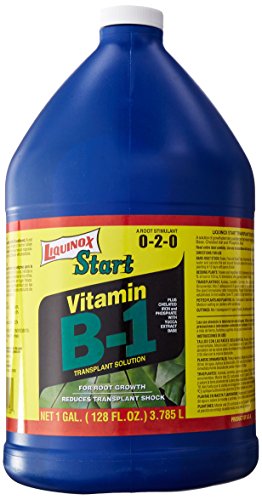
Some gardeners choose to supplement the soaking water with specialized starter solutions formulated to ease transplant transition. Liquid solutions containing phosphate, chelated iron, and growth-supporting extracts can help stimulate fine feeder root initiation when applied according to manufacturer label directions. These products, such as Liquinox Start, are designed to assist young root tissues without delivering excess nitrogen that could scorch unestablished roots. Always verify manufacturer dilution ratios carefully to ensure delicate root tissues are nourished without causing chemical stress.
Soil Preparation and Planting Depth Guidelines
Proper planting depth is essential to prevent crown rot while ensuring roots remain well anchored in moist garden soil. Excavate a planting hole that is noticeably wider than the root spread, but dig only as deep as the primary root system. Loosening soil in a broad circumference allows tender new feeder roots to penetrate easily into surrounding ground. Form a small mound or cone of excavated soil at the center of the hole to support the central core of the plant.
Carefully position the plant atop the soil mound and drape the individual roots outward and downward in all directions. Setting the crown at the precise correct depth is critical, particularly for sensitive perennials like hostas and strawberries. The crown, which is the junction where roots meet above-ground stems, should rest level with the surrounding soil surface. Burying crowns too deep invites fungal infection and crown suffocation, while planting too shallow leaves upper roots exposed to drying air.
Backfill the excavation using the native soil removed from the hole, gently working soil particles between the individual root strands to eliminate hidden air pockets. Press the soil lightly with your hands to firm the plant in position without overly compacting the earth. Air pockets around bare roots can cause feeder roots to desiccate and die before they can absorb ground moisture. Once the hole is filled, create a shallow soil basin around the perimeter to catch and direct rainwater straight toward the root zone.
Post-Planting Care, Watering, and Establishment Timing
Immediately after filling the planting hole, saturate the root zone with a thorough, gentle drenching of water. This initial watering settles loose soil around the roots, collapses remaining microscopic air cavities, and ensures direct contact between root bark and soil particles. Allow the moisture to drain naturally into the lower subsoil, refilling any low spots where settled earth has dropped below the grade. A layer of organic mulch spread two to three inches deep around the base helps retain soil moisture and moderate root temperatures.
Patience is essential during the establishment phase, as bare root specimens generally direct their initial energy into underground root production before unfurling leaves. Depending on regional climate, soil temperature, and plant species, top growth may not emerge for several weeks after planting. Keep the soil consistently damp like a wrung-out sponge, but avoid constant saturation that would smother breathing roots. Once daytime temperatures consistently warm the soil, dormant buds will swell and burst into active green foliage.
Techniques for propagating and establishing garden plants vary widely across different plant families and garden goals. While techniques like starting young plants from trimmings rely on rooting unrooted stems in porous potting media, bare root planting relies on pre-existing root architectures reawakening in outdoor soil. Monitoring moisture levels closely during early spring winds prevents unestablished root systems from drying out while they anchor. Once strong vegetative shoots appear, the plant has successfully transitioned from dormant nursery stock into a thriving landscape specimen.
Managing Storage When Planting Must Be Delayed
Inclement weather, frozen soil, or unexpected schedule conflicts can occasionally prevent gardeners from planting bare root stock on delivery day. When delay is unavoidable, keeping the root system dormant and moist is your top operational priority. Store unpacked bundles in an unheated, dark location such as a cool garage, cellar, or shed where temperatures remain between thirty-five and forty-five degrees Fahrenheit. Check the packing material regularly to confirm it stays slightly damp, misting with cool water if dryness appears.
If planting must be postponed for longer than a few days, temporary planting, known as heeling-in, offers the best protection for your plants. Dig a shallow, V-shaped trench in a shaded, protected garden corner and lay the dormant plants along the sloped trench wall. Cover the entire root system and the lower portions of stems with loose garden soil, damp sawdust, or shredded leaves. Lightly water the heeled-in trench to settle the covering material, allowing plants to rest safely for weeks until permanent beds are prepared.
Troubleshooting Common Bare Root Establishment Challenges
Recognizing and diagnosing early establishment problems can save dormant stock before irreversible desiccation or rot takes hold. If a newly planted bare root specimen shows no signs of bud swelling after four to six weeks of mild weather, conduct a gentle viability assessment. Use a clean fingernail or small knife to make a shallow scratch on a branch or upper root crown to inspect the tissue beneath. Healthy tissue appears moist and greenish-white, whereas brittle, dark brown, or hollow tissue indicates that the plant has failed to survive.
Overwatering is another frequent mistake when dealing with bare root plants, especially in heavy clay soils that retain excess standing moisture. Because dormant plants possess no foliage to transpire water, their moisture consumption is surprisingly low during the first few weeks after installation. Saturated soil displaces oxygen, leading to root suffocation and fungal pathogens that rot newly forming feeder roots. Maintain balanced soil moisture, adjust watering based on local rainfall, and ensure adequate garden drainage to foster strong, resilient root networks.
Selecting and planting bare root stock offers home gardeners an economical, horticulturally sound method for establishing long-lasting perennials, fruits, and landscape shrubs. By understanding the natural dormancy cycle, inspecting shipments promptly, and adhering to careful hydration and planting depth protocols, you can maximize your garden success. While dormant bundles may initially look modest upon arrival, providing steady moisture and suitable soil conditions allows them to awaken quickly into vigorous, beautiful additions to your home landscape.



Write Your Review
No reviews yet. Be the first to share your experience!