


There’s something special about growing your own apples. The crunch of a fresh-picked fruit from your own backyard is hard to beat. But before you dig in, you need to figure out the best type of apple tree to plant for your specific growing conditions. With so many varieties on the market, it’s easy to feel overwhelmed. Whether you’re working with a small suburban lot or a larger piece of land, picking the right tree means better harvests and less frustration down the road. In this guide, we look at 8 popular apple tree options for October 2026, covering everything from chill hour requirements to pollination needs. If you’re also curious about keeping your plants healthy, check out our guide on the best plant food for water propagation for tips on nourishing young trees.
Apple trees need patience and the right conditions. Many gardeners assume any variety will thrive anywhere, but that’s not the case. Factors like chill hours, pollination partners, and sun exposure all matter. The best type of apple tree to plant depends heavily on your USDA hardiness zone and the space you have available. Some trees stay compact at 12-15 feet, while others need more room. Below, we break down the top options for home growers, including both bare-root trees and potted nursery plants.
Our Top Picks for Apple Trees
Here are the 8 apple tree varieties we’ve rounded up for your home orchard. Each has its own strengths, whether you want early harvests, cold hardiness, or lower chill requirements for warmer climates.
Pros
- Vigorous growth reported by many buyers when planted correctly, with trees leafing out quickly.
- Good packaging and prompt delivery; most trees arrive in healthy condition.
- Responsive customer service that sends replacements for damaged or dead trees.
- Large, healthy bare root plant at 3-4 feet tall gives a head start over smaller saplings.
- Suitable for a wide range of climates and soil types (loam, moderate watering).
Cons
- Requires cross pollination - you need at least two different apple trees to get fruit.
- Bare root plants can look like a 'stick' initially, requiring patience of up to a year for full growth.
- Some customers received dead or poorly rooted trees; while replacements are offered, results can vary.
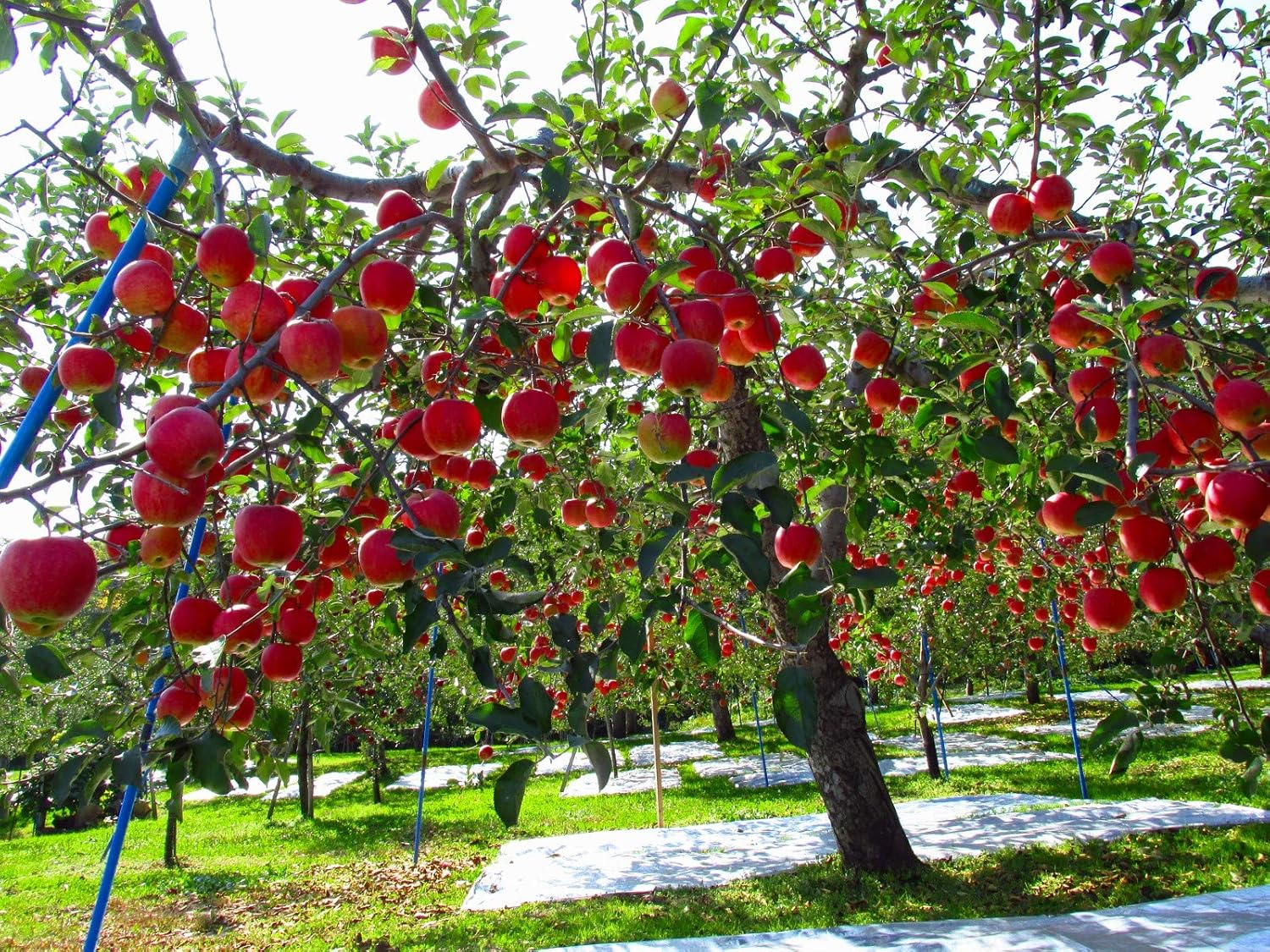
If you are looking for a fruit tree that can deliver fresh apples for years, the DAS Farms Golden Delicious Apple Tree is a strong contender. This bare root plant arrives at 3 to 4 feet tall, wrapped in moist sphagnum moss and double boxed for protection. It is meant to be planted directly in the ground, not in a container, and thrives in zones 4 through 8 with full sun. Cross pollination is mandatory you need a different apple variety that blooms at the same time for the tree to bear fruit.
In real world use, many customers report excellent growth after following the provided planting instructions. Reviews mention trees that leaf out within days or weeks and develop into healthy, productive plants over a couple of years. The company backs their product with a 30 day transplant guarantee, and they have a track record of sending replacements if the initial tree does not survive. That said, a few buyers received trees that arrived dead or with poor root systems, though the customer service team often resolves those issues quickly.
The design is straightforward a bare root tree with no soil attached. This keeps shipping weight low and reduces transplant shock when planted correctly. You will need to water moderately and provide loam soil for best results. The tree also attracts pollinators, which is a nice bonus for your garden. One trade off is that bare root plants look like a stick at first, so patience is required. Also, because the tree needs a pollination partner, you must plan to grow at least two apple trees.
Overall, the DAS Farms Golden Delicious Apple Tree offers solid value for gardeners who have the space and commitment to grow fruit from scratch. It is not a quick fix, but with proper care it can reward you with homegrown apples for many seasons. The positive reviews from verified buyers far outweigh the negatives, and the company's willingness to replace damaged stock adds peace of mind. If you are ready to invest time and effort, this tree is a worthwhile addition to your yard.
Pros
- Sweet, crisp apples excellent for both fresh eating and cooking.
- Late bloom reduces risk of frost damage to blossoms.
- Fast growth lets you enjoy fruit sooner than many other apple varieties.
- High customer satisfaction with many positive reviews about healthy, growing trees.
- Adaptable to a wide range of climates from zone 4 to 8.
Cons
- Young trees are vulnerable to deer browsing, which can kill them; protective fencing is recommended.
- Not self-pollinating; requires a nearby Golden Delicious or other compatible apple tree for fruit set.
- A small number of buyers reported the tree never budded or failed to grow, possibly due to planting conditions or shipping stress.
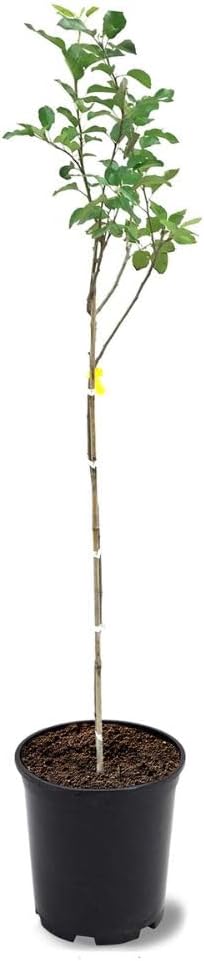
The Red Delicious Apple tree is a classic choice for home gardeners who want to grow their own sweet, flavorful fruit. This deciduous tree ships as a 2-3 foot starter in a 1 gallon nursery pot, making it easy to plant right away. It's designed for USDA zones 4 through 8 and requires about 900 chill hours, so it's a good fit for cooler climates. If you're looking for a traditional apple variety that's perfect for pies, salads, or just eating off the tree, this is a solid option.
One of the standout features is its late spring bloom. That delays flowering enough to often dodge late frosts that can zap other apple blossoms. The apples themselves are large, deep red, and have that familiar sweet, crisp flesh. Reviews back up the quality: several buyers noted the tree arrived healthy and started putting on leaves quickly. One praised the "great health and quality" while another said it was "thriving" even when planted late in the season. However, a couple did experience issues, like one tree that never budded despite other fruit trees growing fine nearby.
In terms of build and packaging, the tree comes well-protected in its pot, though the box can take a beating during shipping. Most reviewers found the tree survived and grew well even when the box looked rough. The variety is fast-growing, reaching 12-15 feet at maturity, so it won't take forever to start producing. Keep in mind that you'll need a pollinator like a Golden Delicious apple tree nearby, as Red Delicious is not self-fertile.
Drawbacks worth noting: young trees are very attractive to deer. One reviewer warned that deer eating the leaves can kill the tree. Using a tree guard or fencing will help. Also, a small number of trees may fail to thrive, so planting in full sun with good drainage and consistent moisture is key. Overall, this is a reliable choice for anyone wanting a classic apple tree that's easy to grow and delivers delicious fruit.
Verdict: If you have space for a pollinator and can protect the sapling from deer, the Red Delicious Apple tree is a rewarding addition to your home orchard. It offers great flavor, frost-resistant blooms, and fast growth, all backed by a strong customer rating and many happy growers.
Arkansas Black Apple Tree Live Bare Root 2-3 ft
Pros
- Produces unique, dark-colored apples that stand out in any orchard
- Firm, crisp flesh with a rich flavor that develops over time
- Manageable mature height makes pruning and harvesting easier
- Late harvest timing aligns perfectly with fall festivities
- Bare root form is easy to ship and plant with proper care
Cons
- Requires 800+ chill hours, limiting growing regions to cooler climates (zones 5-8)
- Bare root trees need careful handling and immediate planting upon arrival
- Late-season variety means you'll wait longer for fruit compared to early-season apples
The Arkansas Black Apple Tree is a distinctive late-season variety that brings a touch of autumn magic to any home orchard. This bare root tree arrives 2-3 feet tall, ready to establish in well-draining soil with full sun exposure. It's an excellent choice for gardeners in USDA zones 5-8 who want to extend their apple harvest into October, just in time for Halloween and fall gatherings.
What sets this apple apart is its striking deep purple-red skin and firm, crisp flesh. The flavor is rich and complex, and it actually improves with storage, meaning you can enjoy these apples for months after harvest. The tree itself grows to a manageable 12-15 feet, making it ideal for smaller spaces where a full-sized orchard tree might be too much. With proper care and at least 800 chill hours, you can expect a reliable crop year after year.
In terms of design and build quality, the bare root format is a proven method for shipping and establishing fruit trees. The roots are protected during transit, and the tree is dormant, which reduces transplant shock. Just be sure to plant it promptly upon arrival in early spring or fall for the best results. The tree is also hardy in zones 5-8, so it can handle cold winters as long as it gets enough chill hours.
One potential drawback is the chill hour requirement, which limits growing regions to cooler climates. If you live in a warmer area, this variety may not produce fruit reliably. Additionally, bare root trees require a bit more care at planting time than potted trees, but the effort pays off with a strong, healthy start. The late harvest also means you'll be waiting until October for your first apples, so patience is key.
Overall, the Arkansas Black Apple Tree is a solid choice for home orchardists who want a unique, flavorful apple that stands out both in the garden and on the table. Its manageable size, long storage life, and festive harvest time make it a rewarding addition for those in the right climate. If you have the space and the chill hours, this tree is well worth considering.

Pros
- Exceptional cold tolerance for zones 3 through 7
- Signature juicy crunch from unique large cell structure
- Excellent flavor balance of sweet and tart
- Stores well without losing crispness
- Beautiful ornamental blossoms in spring
Cons
- Cannot ship to California, Arizona, Alaska, or Hawaii due to agricultural restrictions
- Requires at least 6-8 hours of direct sunlight and consistent moisture
- Mature tree height of 25 feet may be large for small spaces
The Honeycrisp apple tree (1 gal pot, 2-3 ft tall) is a fantastic option for home orchardists who crave that iconic, explosive crunch. Bred by the University of Minnesota, this variety is prized for its cold hardiness (zones 3 to 7) and its ability to produce apples with a perfectly balanced sweet-tart flavor. Whether you plan to eat them fresh off the tree, toss them into a salad, or use them for light baking, these apples hold their texture and deliver a refreshing burst of juice with every bite.
One of the standout features of this tree is the fruit's large-celled structure, which creates a satisfying snap when you bite into it. The apples are also visually appealing, with bright red skin over a yellow background. The tree itself adds ornamental value: in mid to late spring, it blooms with clusters of fragrant white to soft pink flowers that attract pollinators and brighten up your yard. By mid to late September, you'll be harvesting a bounty of crisp, aromatic apples that store well without losing their signature crunch.
For best results, plant this tree in a spot that gets full sun (at least 6-8 hours daily) and has well-drained, consistently moist soil. The first few growing seasons require regular watering to help the roots establish, but once settled, it's relatively low-maintenance. Hardy in zones 3 through 7, it can handle cold winters that would damage many other apple varieties. Note that due to agricultural laws, this tree cannot be shipped to California, Arizona, Alaska, or Hawaii, so make sure you're in an eligible state before ordering.
As with any apple tree, you'll need to consider pollination. Honeycrisp is partially self-fertile, but planting another apple variety nearby (like Gala or Fuji) will improve fruit set and yield. Also keep in mind that the tree can reach up to 25 feet at maturity, so plan your planting site accordingly. Pruning and occasional pest management will keep it healthy and productive for years.
Overall, the Honeycrisp apple tree is a solid investment for home growers who want delicious, crisp apples with excellent cold tolerance. It delivers on flavor, texture, and visual appeal, making it a rewarding addition to any garden in the appropriate zones. Just be mindful of its spacing needs and pollination requirements, and you'll be enjoying homegrown Honeycrisps for seasons to come.

Pros
- Non-GMO and heirloom seeds, supporting sustainable and organic gardening.
- High germination potential if seeds are fresh and properly stored.
- Can be grown in containers or garden beds, suitable for small spaces.
- Hardy and disease-resistant apple varieties reduce maintenance.
- Excellent for gardeners who enjoy starting trees from seed and watching them develop.
Cons
- Mixed germination results reported by buyers; some seeds may be dead on arrival.
- Low average customer rating of 3.0 reflects inconsistent quality.
- Growing apple trees from seed requires patience and proper stratification for best results.
- Trees may take several years to bear fruit, not for those seeking quick harvests.
The GardenGlorySeed 30+ Apple Fruit Tree Seeds offer an affordable way to try growing your own apple trees at home. Aimed at home gardeners, hobbyists, and anyone interested in organic fruit production, this pack contains a mix of seeds from tropic apple varieties. The seeds are labeled as non-GMO, heirloom, and open-pollinated, which appeals to those who want to avoid hybrid or genetically modified plants.
One of the main selling points is the claimed high germination rate. The seeds are also described as hardy, disease resistant, and adaptable to various climates. However, real-world performance has been mixed. A verified purchaser reported seeing sprouts and looking forward to full growth, while several others stated that not a single seed germinated and called them dead. This inconsistency suggests that while some batches may be viable, others may have suffered from poor storage or handling. The product's overall rating of 3.0 out of 5 stars reflects these mixed experiences.
In terms of design, the seeds come in a simple resealable bag with basic planting instructions. The seeds themselves are small and brown, typical of apple seeds. The product's specifications recommend well-draining loam soil, full sun, and moderate watering. It also advises planting after the last frost when soil temperatures reach 50 to 70 degrees Fahrenheit. For best results, you might want to stratify the seeds in the refrigerator for a few weeks before planting to mimic natural winter conditions and improve germination odds.
The main drawback is the inconsistency in seed viability. With multiple reports of no germination, it's a gamble whether you'll get a successful crop. Additionally, apple trees grown from seed can take years to produce fruit and may not be true to the parent variety. If you're patient and willing to try many seeds to compensate for potential failures, this pack offers a low-cost opportunity. But for guaranteed results, purchasing a young tree from a nursery might be a better choice.
Overall, the GardenGlorySeed Apple Tree Seeds are a mixed bag. The positives include organic, non-GMO genetics and the thrill of growing your own tree from seed. The negatives are the real risk of poor germination and the long wait for fruit. If you want to experiment with seed starting and don't mind some failures, these seeds are worth a try. For those seeking reliable fruit production, look elsewhere.

Pros
- Cold hardy and suitable for many USDA zones
- Produces delicious sweet and crisp apples
- Bare root dormant form is lightweight and easy to ship
- Tree up to 3 feet gives a head start on growth
- Well-known variety with consistent flavor
Cons
- Bare root plants require careful planting and immediate care to ensure survival
- Limited customer reviews make it hard to gauge long-term performance
- Dormant tree may take a full season to show vigorous growth
The DMOH Honey Crisp Apple Tree is a bare-root dormant plant that arrives up to 3 feet tall, ready to be planted in your outdoor space. This live tree is specifically for gardeners who want to grow their own sweet, crisp apples at home. It's a cold hardy variety, so it can handle winter temperatures and still produce fruit come spring. If you're looking to start a small home orchard or add a reliable fruit tree to your landscape, this one deserves a look.
The standout quality is the fruit itself. Honey Crisp apples are famous for their honey-like sweetness and satisfying crunch. This variety is a favorite among apple lovers, and growing your own means you can enjoy them fresh off the tree. The tree requires full sun and moderate watering, which are typical for most apple trees. The bare root dormant form means the tree is shipped without soil around its roots, which reduces shipping weight and helps it survive the journey. You'll need to plant it promptly in well-drained soil and keep it watered during its first growing season.
As a bare root plant, the tree is lightweight and easy to handle. The dormant state allows it to be planted early in spring or even in late winter if the ground is workable. The tree measures up to 3 feet tall, which is a decent starting size. It should establish roots quickly and start growing once temperatures rise. However, because it's dormant, you won't see leaves or growth immediately. Patience is key.
One drawback is the limited customer feedback. With only a handful of reviews, it's hard to know how this specific tree performs in different climates or how well it survives transplant shock. Bare root trees also require more attention than potted ones. If you're new to gardening, you might find a potted tree easier to manage. Additionally, the tree's age is not specified, so you may need to wait a couple of years before it bears fruit.
Overall, the DMOH Honey Crisp Apple Tree is a solid choice for experienced gardeners or enthusiastic beginners who are ready to follow proper planting instructions. The potential reward of homegrown honey crisp apples is worth the effort. If you have a sunny spot and moderate commitment, this dormant bare root tree offers a great start to a fruitful addition to your yard.
Indoor/Outdoor Usage: Outdoor
Sunlight Exposure: Full Sun
Moisture Needs: Moderate Watering
Unit Count: 1.0 Count
Color: Honey Crisp
Style Name: Honey Crisp Apple
Brand: DMOH

Pros
- Healthy, well-packaged trees arrive with visible growth according to most buyers
- Responsive customer service that quickly replaces damaged trees
- Clear planting instructions help ensure successful establishment
- Good value for a live fruit tree that can produce for decades
Cons
- Bare root appearance can be underwhelming for those expecting a full, leafy tree
- Requires a second apple tree of a different variety for pollination
- Young trees are vulnerable to deer and other wildlife that may eat the sapling
The DAS Farms Gala Apple Tree offers home gardeners a straightforward way to start growing their own fresh fruit. This live plant ships as a bare root tree approximately 3 feet tall, wrapped in moist sphagnum moss and double boxed for protection. It is designed for ground planting only, not containers, and thrives in USDA hardiness zones 4 through 8 with full sun exposure. If you have space in your yard and patience for a tree to mature, this is a solid entry-level fruit tree.
Real-world performance from buyer reviews is encouraging. Many report that the tree arrives with visible buds or small leaves and establishes quickly when planted according to the included instructions. One reviewer noted their tree grew to about 8 feet tall over four years and began flowering heavily, a promising sign for future fruit production. The company also stands behind their product with a 30-day transplant success guarantee, and several customers praised their responsive customer service when trees arrived damaged due to extreme heat or shipping issues. That level of support adds real peace of mind for a live plant purchase.
Design and build quality are what you would expect from a bare root tree. It is not a potted specimen with a full canopy; it is a dormant, rooted sapling. Some buyers were surprised by the twig-like appearance, but that is normal for bare root stock. The tree is deciduous, so it will be leafless in winter and leaf out in spring. The packaging is well thought out to keep roots moist during transit, and most trees arrive in good condition.
There are honest drawbacks to consider. The tree requires cross-pollination from a different apple variety in the same flowering group, so you will need to plant a second tree unless a neighbor has a compatible apple. Young saplings are also attractive to deer and other wildlife, so some protection may be needed in rural or suburban areas. And of course, it takes several years before you will see apples, so this is a long-term investment in your landscape.
Overall, the DAS Farms Gala Apple Tree is a reliable choice for gardeners who want to grow their own fruit and are willing to provide the right conditions and patience. It ships healthy, the company backs it up, and the reviews from long-term owners show it can thrive and eventually produce a bountiful harvest. If you have the space and a pollinator partner, this tree is worth planting.
Pros
- Low chill requirement (200 hours) makes it suitable for warmer Southern climates.
- Produces high-quality apples that store well for weeks.
- Attracts beneficial pollinators to your garden.
- Arrives healthy and ready to plant, based on positive customer feedback.
- Good value for a fruit-bearing tree in a 1-gallon pot.
Cons
- Requires a pollinator tree (Dorsett Apple or Floribunda Crabapple) for fruit production.
- Cannot ship to California, Arizona, Alaska, or Hawaii due to agricultural laws.
- Some customers reported damaged plants during shipping; inspect on arrival.
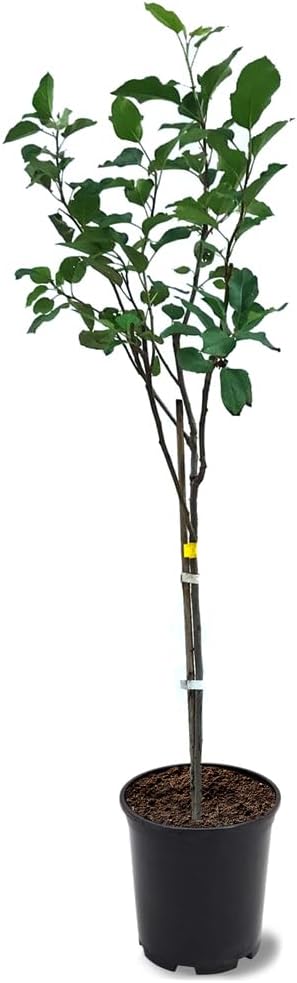
The Anna Apple tree is a fantastic choice for gardeners in the South, especially those along the Gulf Coast. Its standout quality is the exceptionally low chill requirement of just 200 hours below 45 degrees Fahrenheit. This means it can produce fruit in areas where traditional apple trees struggle, making it a reliable option for warmer climates in USDA zones 6 through 9.
This tree yields medium to large apples that are sweet with a slight tang, perfect for fresh eating or cooking. The apples ripen in June and July, giving you an early harvest. They also store remarkably well, keeping for 6 to 8 weeks in the refrigerator. Real-world performance from customer reviews indicates that the tree arrives healthy and establishes quickly, with many reporting successful growth even in challenging conditions like Las Vegas.
In terms of design and build, the Anna Apple tree is a deciduous specimen that reaches a mature height and width of 20 to 25 feet. It prefers full sun and slightly acidic, well-drained soil. The tree comes in a 1-gallon nursery pot, and while most reviews praise its vitality, a small number reported issues like snapped branches or disease upon arrival. Checking the plant immediately after delivery is wise.
One notable drawback is that this tree requires a pollinator, such as a Dorsett Apple or Floribunda Crabapple, to set fruit. Additionally, agricultural laws restrict shipping to California, Arizona, Alaska, and Hawaii. Despite these limitations, the Anna Apple tree offers a unique opportunity for Southern fruit lovers to grow their own apples with minimal fuss.
Overall, the Anna Apple tree delivers on its promise of low-chill fruit production. It is a solid investment for anyone in suitable zones who wants fresh, homegrown apples without the high chilling requirements of standard varieties. With proper care and a compatible pollinator, it will reward you with delicious harvests for years.
Brand: Generic
Item Type: Apple Tree
Mature Height: 25 Feet
Sunlight Exposure: Full Sun
Soil Type: Loam Soil
Moisture Needs: Regular Watering
USDA Hardiness Zone: 6, 7, 8, 9
Blooming Period: Summer
Chill Hours Required: 200
Planting Period: Spring to Fall
Item Weight: 5 Pounds
Special Feature: Attracts Pollinators
Indoor/Outdoor Usage: Outdoor
Care Instructions: Plant in well-drained soil, water regularly, provide full sunlight. Prune for shape and remove dead wood.
Frequently Asked Questions About Apple Tree Planting
What is the best type of apple tree to plant for beginners?
For beginners, a low-maintenance variety like Gala or Golden Delicious is often a good starting point. These trees grow well in zones 4-8 and don’t require complicated care. Just make sure you have a compatible pollinator nearby. The best plant food for mums can also be adapted for apple trees if you adjust the nutrient balance.
How many chill hours do most apple trees need?
Most traditional apple varieties require between 800 and 1,000 chill hours (hours below 45°F). However, some like the Anna apple need only 200 chill hours, making them ideal for warmer southern climates. Always check chill hour requirements before choosing the best type of apple tree to plant for your region.
Can I grow an apple tree from seed?
Yes, but it takes patience. Apple seeds from a product like the GardenGlorySeed pack can be germinated, but the resulting fruit may not match the parent. Most home growers prefer grafted bare-root trees or potted nursery trees for reliable harvests. If you’re experimenting with seeds, pair them with a good soil for cannabis plants for proper drainage, adjusting as needed for apple seedlings.
Do apple trees need a second tree for pollination?
Most apple trees are not self-pollinating and require a different variety in the same flowering group to produce fruit. For example, Golden Delicious pairs well with Red Delicious or Gala. Make sure to plant them within 50 feet of each other. More tips on companion planting can be found on the Plant category page.
What is the best time of year to plant apple trees?
Early spring or late fall is ideal, when the tree is dormant and temperatures are cool. This gives the roots time to establish before summer heat or winter cold. Bare-root trees should be planted as soon as the ground is workable. For tips on other garden projects, see our best grow light for microgreens guide.
Have questions about our Best Type Of Apple Tree To Plant recommendations? Check out our About page for details on our review process or our Copyright Policy for information on content usage.


Write Your Review
No reviews yet. Be the first to share your experience!