


Planting Limelight Hydrangea at the right moment can completely change your garden’s dynamic. These striking shrubs boast showy blooms that shift from lime green to soft pink, adding depth and elegance. Timing is crucial; planting too early risks frost damage, while planting too late may stress the roots and stunt growth. Soil preparation and proper placement further enhance their ability to thrive, making sure each stem flourishes.
Understanding sunlight requirements is essential. Limelight Hydrangea loves morning sun with afternoon shade, which protects the delicate blooms from scorching. Mulching helps maintain consistent soil moisture and temperature, reducing the chances of wilting or leaf burn. Regular watering encourages deep root growth, ensuring resilience during dry spells. Fertilization at the right stage boosts color intensity and prolongs blooming periods, creating a garden centerpiece that wows throughout the season.
Pruning also plays a role in maximizing impact. By trimming at the right time, you can guide plant shape and promote larger flower heads without sacrificing plant health. Observing local climate patterns informs the best planting schedule, adapting to winter freezes or sudden heatwaves. For gardeners seeking convenience, container planting allows flexibility in location while protecting young plants from unpredictable weather. Each step, from soil to sun exposure, combines to make Limelight Hydrangea a standout feature. Whether aiming for a formal hedge or a bold focal point, planting Limelight Hydrangea correctly ensures effortless beauty. Its versatility pairs well with companion perennials, ornamental grasses, and seasonal flowers. By respecting the plant’s natural rhythms, gardeners enjoy less maintenance stress and more vibrant displays. Small adjustments in timing, watering, and sun exposure dramatically increase success rates, delivering a lush, colorful, and resilient landscape that evolves gracefully throughout the growing season.
Strong blooms and dynamic foliage make Limelight Hydrangea a standout choice for any garden. Timing its planting is more than a simple calendar date; it determines whether your shrub thrives or struggles. Plant too early, and frost can nip tender stems; plant too late, and roots may not establish before hot or dry conditions arrive. Gardeners often overlook subtle cues like soil warmth and moisture levels, but these details make all the difference in achieving lush, long-lasting growth.
Positioning matters just as much as timing. Limelight Hydrangea flourishes with morning sun and afternoon shade, preventing bloom scorch while encouraging vigorous stems. Mulching and consistent watering protect roots and maintain steady soil conditions, supporting healthier flowers that last through the season. Even small tweaks, like pruning at the right time, guide the shrub’s shape and encourage larger, more vibrant blooms. Each careful step contributes to a garden display that feels effortless yet impressive. Adding Limelight Hydrangea at the optimal moment turns ordinary borders into lively, colorful landscapes. Its ability to adapt to containers or garden beds offers flexibility, while the striking transition from lime green to soft pink flowers creates visual intrigue. Observing local climate patterns and adjusting planting schedules accordingly ensures survival and peak bloom performance. Attention to these details provides long-term satisfaction, making every effort to plant at the right time genuinely worthwhile.

Pros
- Improved bloom timing makes it suitable for colder areas where other hydrangeas may not flower until late summer.
- Striking color transition from lime green to vivid pink and red adds dynamic interest to the landscape.
- Packaging protects the plant well during shipping, as noted in a verified purchase review.
- Large 3-gallon size gives the plant a head start, reducing time to maturity.
- Straightforward care instructions make it accessible even for beginner gardeners.
Cons
- Only two customer reviews so far, so long-term performance data is limited.
- Arrives in a dormant state (little to no leaves) in fall and winter, which may be unexpected for some buyers.
- At over $60, it is pricier than some other hydrangea options, but the improved traits justify the cost for many.
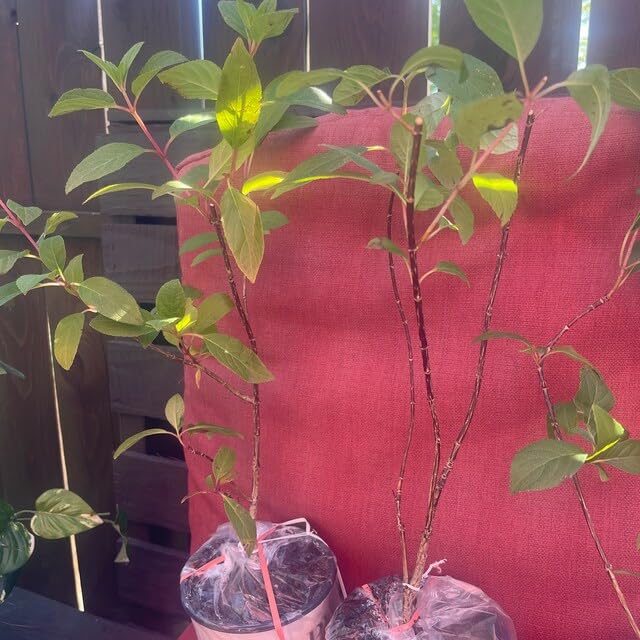
The Limelight Prime hydrangea from Green Promise Farms is the next generation of the wildly popular Limelight panicle hydrangea. It's designed for gardeners who want a longer blooming season and more intense color, especially in colder climates where the original Limelight sometimes struggles to flower until late August. This live plant ships in a 3-gallon container and is ready to go into the ground as soon as it arrives.
One of the standout improvements is the earlier bloom time. Limelight Prime starts flowering weeks before the original, which means you get those big mophead blooms for a much longer stretch of summer. As the green flowers age, they transition to bold pink and red shades that are far more vivid than conventional panicle hydrangeas. This color evolution keeps the plant interesting from midsummer through fall.
The plant is built to handle tough conditions. It's hardy in USDA zones 3 to 8, so it can survive harsh winters and still put on a show. The mature size is 4 to 6 feet tall and 3 to 4 feet wide, making it a substantial presence in the garden. It grows well in full sun to partial sun and prefers average moisture and sandy soil. Pruning is simple: cut back the main branches by one-third in late winter or early spring, or after it goes dormant in fall.
Based on the available customer reviews, the plant arrived in excellent condition with careful packaging. The single 5-star review praises the condition and says the buyer loved it so much they ordered more. That's a good sign, though it's worth noting there are only two reviews total, so the long-term reliability isn't fully documented yet.
Overall, Limelight Prime is a smart upgrade for anyone who loves the look of Limelight but wants better performance in cooler zones. The earlier blooms and richer colors make it a standout choice for a specimen plant or flowering hedge. If you're a gardener in zones 3 through 8 looking for a hydrangea that delivers reliable color with a longer display, this is a solid pick.

Pros
- Hardy across a wide range of climates (zones 3-9)
- Drought-tolerant once established, reducing watering needs
- Large, showy blooms with a subtle fragrance
- Fast-growing and can triple in size within a year
- Versatile use as hedge, accent, or privacy screen
Cons
- Some customers reported receiving plants that were not true Limelight hydrangeas
- Plants may arrive with broken branches or squished blooms, though they often recover
- Not recommended for planting in Arizona or California due to state restrictions
The Limelight Hydrangea from PerfectPlantsNursery is a popular choice for gardeners looking to add a splash of unique color to their landscape. This 3-gallon plant is a panicle hydrangea known for its large, cone-shaped clusters of lime-green flowers that appear in midsummer and last well into fall. As temperatures drop, the blooms shift to soft pink and burgundy, offering a long season of visual interest. It's a versatile shrub that can reach 6 to 8 feet in both height and width, making it ideal for hedges, privacy screens, or as a standalone ornamental.
One of the standout features of this hydrangea is its adaptability. It thrives in full sun to partial shade and is drought-tolerant once established, which means less fussing over watering compared to other hydrangeas. It's hardy in USDA zones 3 through 9, covering a vast majority of the United States. Many customers report that the plant grows quickly and produces abundant blooms, with some noting that their plants tripled in size within a year. The subtle floral fragrance is a nice bonus, and the blooms can be cut for indoor arrangements.
However, there are a few things to keep in mind. A small number of reviewers mentioned that the plant they received didn't match the expected Limelight variety, so it's worth checking the foliage and blooms as it grows. The packaging is generally praised, but some plants arrive with minor damage like broken branches or squished blooms. These issues usually resolve once the plant is in the ground and given time to recover. Also, this product cannot be shipped to Arizona or California due to state laws, so be sure to check availability.
Overall, the Limelight Hydrangea is a solid investment for anyone wanting a low-maintenance, long-blooming shrub. It performs well in a range of conditions and adds real curb appeal. If you're looking for a reliable plant that delivers on size and color, this one is worth considering.
Brand: PerfectPlantsNursery
Botanical Name: Hydrangea paniculata 'Limelight'
Mature Height: 6-8 feet
Mature Width: 6-8 feet
Sunlight: Full sun to partial shade
Soil: Well-drained loam
Water Needs: Moderate
Blooming Period: Summer to fall
Flower Color: Lime green, turning pink and burgundy in fall
USDA Hardiness Zones: 3-9
Container Size: 3 gallons
Item Weight: 10 pounds
Product Dimensions: 12 x 12 x 20 inches
When planting your Limelight Hydrangea, choose a spot with well-drained soil and at least 4-6 hours of sun per day for best bloom production. Space multiple plants 5-8 feet apart to allow for mature growth. Water regularly until established, then reduce frequency as the plant becomes drought-tolerant.
Pruning is optional but can help shape the shrub or encourage a tree-like form. If you want to keep it compact, trim in late winter or early spring before new growth begins. For indoor arrangements, cut stems 4-20 inches below the flower head and remove all leaves to keep the blooms fresh longer.
Be aware that this plant ships only to states where it is legal to receive. Check local regulations before ordering. Also, monitor for any signs that the plant may not be the true Limelight variety, such as smaller or differently colored blooms.

Pros
- Unique lime green blooms that add a pop of color to any landscape
- Cold hardy to zone 3, so it survives harsh winters
- Compact size ideal for small yards, patios, or as a focal point
- Low maintenance with straightforward pruning and watering needs
- Versatile sun tolerance from full sun to partial shade
Cons
- Does not ship to AZ, AK, or HI due to restrictions
- May require staking in its early years for a straight trunk
- Blooms can fade to brown if not pruned regularly
The Limelight Hydrangea Tree from Brighter Blooms is a showstopper for anyone wanting a compact, flowering tree that delivers season-long interest. Standing 3-4 feet tall at delivery, it grows to a mature height of 6-8 feet with a 4-5 foot spread. This tree is perfect for gardeners in zones 3-8 who need a cold-hardy option that still puts on a vibrant display.
What sets this hydrangea apart are its large, conical panicles that start as a soft lime green in summer, then slowly transition to creamy white and eventually pink in fall. The color shift is gradual and beautiful, giving your garden a dynamic look. It thrives in filtered shade with 4-6 hours of sun, making it adaptable to many yard conditions. Watering is straightforward: give it a good soak 2-3 times a week, especially when the top two inches of soil feel dry.
Build quality is solid for a nursery tree. It arrives well-rooted in a 3-gallon pot, ready for planting. The tree is staked for support during shipping, and you may need to keep that support for the first year or two until the trunk firms up. Pruning is simple: do it in fall or spring before new growth starts, removing any dead or crossing branches. The tree is also cold hardy down to zone 3, so it can handle winter temps that would kill many other hydrangeas.
One honest drawback is that the blooms can fade to brown if you don't deadhead them regularly. Also, the tree may need staking longer than expected if you want a perfectly straight trunk. And of course, it can't be shipped to AZ, AK, or HI due to restrictions, which limits its availability.
Overall, the Limelight Hydrangea Tree is a reliable, low-fuss choice for adding vertical interest and long-lasting color. It's especially great for northern gardeners who want a flowering tree that actually survives winter. If you have a spot with dappled light and want something that looks like a professional landscaper placed it, this tree delivers.

Pros
- Unique lime-green flower color that evolves through the season
- Vigorous growth and heavy blooming for a dramatic landscape impact
- Adaptable to both full sun and partial shade
- Hardy across a broad range of climates (zones 4-8)
- Arrives healthy and well-rooted, with many buyers reporting excellent condition
Cons
- May arrive slightly wilted or with minor breakage due to shipping, but usually recovers quickly
- Can be pricey compared to big-box store options, though the quality is often superior
- Plant goes dormant in winter (no leaves), which may surprise some buyers
The Proven Winners 'Limelight' panicle hydrangea is a showstopper for any late-summer garden. This shrub produces large, football-shaped clusters of lime-green flowers that gradually mature to white and then develop a soft pink hue as the season progresses. It's a fantastic choice for gardeners in USDA zones 4 through 8 who want a reliable, low-maintenance plant that delivers a long-lasting display of color.
One of the standout features is its adaptability to both full sun and partial shade, making it a versatile option for different spots in your landscape. The plant is vigorous and floriferous, meaning you'll get plenty of blooms even in its first year. Many buyers have noted that their plants arrived in good health, with some even exceeding size expectations. A common theme in reviews is that the plant bounces back quickly from any shipping stress, especially with proper watering and care after arrival.
In terms of design and build quality, the 'Limelight' hydrangea grows to a mature height and spread of 6 to 8 feet, making it ideal for hedges, borders, or as a standalone specimen. The plant is delivered in a #2 container, fully rooted and ready to plant. While some buyers have mentioned that the plant can look a bit wilted or have minor breakage upon arrival, the vast majority report that it recovers beautifully once planted and watered. The shrub does go dormant in winter, losing its leaves, but this is normal and it will leaf out again in spring.
Potential drawbacks to consider include the price, which can be higher than what you might find at a local garden center during sales. However, the convenience of home delivery and the quality of the plant often justify the cost. Also, a few reviewers noted that the plant's shape can be a bit odd initially, but it fills out nicely once in the ground. Overall, the 'Limelight' is a reliable, beautiful hydrangea that earns its reputation as a garden favorite.
Verdict: If you're looking for a unique, easy-to-grow hydrangea that offers months of interest, the Proven Winners 'Limelight' is an excellent investment. It's particularly well-suited for gardeners who want a late-season bloomer that can handle a range of light conditions and still put on a spectacular show.
Pros
- Enormous, showy flower heads that stand out in any landscape
- Dynamic color transformation provides evolving beauty throughout the season
- Long bloom time from mid-summer through fall for lasting enjoyment
- Low maintenance and easy to grow in average soil with partial sun
- Excellent for cutting and drying, extending garden beauty indoors
Cons
- May take a couple of years to reach full blooming potential, though growth is steady
- Requires at least partial sun for best flowering; heavy shade reduces bloom quantity and size
- Flower spikes can sometimes flop if stems are weak after heavy rain, though generally sturdy
The Limelight Hydrangea (Hydrangea paniculata 'Limelight') is a classic panicle hydrangea prized for its enormous, cone-shaped flower clusters that can reach over a foot in length. This live plant comes in a quart pot and stands 10-16 inches tall, ready to be planted in your garden or a larger container. It's an excellent choice for homeowners and gardeners looking to add a bold, low-maintenance focal point that delivers a season-long color spectacle.
The standout feature is the color-changing display. Blooms emerge a vibrant lime-green in midsummer, then gradually shift to creamy white, and finally deepen to rich pink and burgundy tones as cooler weather arrives. This transformation provides months of evolving visual interest, making the shrub a conversation piece from summer through fall. The plant is also fast-growing and adapts well to partial sun conditions, making it easier to fit into various garden layouts.
In terms of performance, the Limelight Hydrangea is reliable and low maintenance. It thrives in well-drained soil and benefits from regular watering during dry spells. The sturdy stems hold up the massive blooms well, though some gardeners may want to stake them in exposed areas. It's also an excellent cut flower, both fresh and dried, allowing you to bring garden beauty indoors.
One honest drawback is that while this shrub is fast-growing, it may take a couple of years to reach its full blooming potential. Heavy shade can also reduce the number and size of flowers, so a location with at least partial sun is important. Additionally, after heavy rain, the large flower heads can sometimes droop, but this is typical for panicle hydrangeas.
Overall, the Limelight Hydrangea is a fantastic investment for anyone seeking dramatic, long-lasting blooms with minimal effort. Its unique color progression and robust growth make it a standout in borders, hedges, or as a specimen plant. If you want a reliable showstopper that keeps delivering year after year, this shrub delivers.

Pros
- Four plants provide great value for creating a cohesive landscape.
- Hardy across a broad range of zones (3-8).
- Long blooming season (summer to fall) with showy flowers.
- Low maintenance once established.
- Dormant shipping reduces stress on plants.
Cons
- Bare-root plants may take a full season to establish before significant growth.
- No leaves or flowers at arrival; requires patience for spring emergence.
- Not available for shipping to Puerto Rico, Hawaii, or Alaska.
The Rootzy Set of 4 Bare Root Limelight Hydrangea Plants offers a fantastic way to add classic, reliable hydrangea shrubs to your outdoor garden. Each plant arrives dormant and leafless, which is a natural and healthy state for winter shipping. At 1 to 2 feet tall, these bare-root plants are ready to be planted in early spring as soon as the ground is workable. This set is perfect for gardeners in USDA zones 3 through 8 who want to establish a hydrangea hedge, border, or simply add a few flowering trees to their landscape without breaking the bank.
The standout feature of Limelight Hydrangea is its stunning summer-to-fall blooms. The large, cone-shaped flower clusters start a bright lime green, then gradually age to creamy white and finally take on pink tones as the season progresses. This color transformation adds multi-season interest. The plants thrive in full sun to partial shade and prefer well-drained, fertile soil with consistent moisture. They are moderately drought-tolerant once established, but regular watering helps maximize bloom size and longevity. With proper care, these hydrangeas can reach 6 to 8 feet tall and wide at maturity.
Design and build quality are exactly what you'd expect from dormant bare-root stock. The roots are protected and kept moist during shipping, though they arrive without soil. You'll need to plant them promptly in a prepared hole, soak the roots, and water well. The root systems are healthy and well-developed, giving them a strong start. Because they are dormant, there's less transplant shock compared to potted plants. Just be patient: new growth appears in spring, and first-year bloom may be lighter while the plants establish.
A few honest drawbacks: bare-root plants require a bit more initial effort than container-grown specimens. You'll need to keep them consistently moist and protect them from extreme weather until they leaf out. Also, because they arrive leafless, you won't see immediate ornamental value. For those who prefer instant gratification, a potted hydrangea might be a better choice. Additionally, shipping restrictions limit this set to the 48 contiguous states (no PR, HI, or AK).
Overall, the Rootzy Set of 4 Bare Root Limelight Hydrangea Plants is an excellent value for budget-conscious gardeners who are willing to invest a little patience. The plants are hardy, beautiful, and adaptable to a wide range of climates. With proper siting and care, you'll enjoy years of spectacular blooms. Recommended for anyone looking to create a classic hydrangea display without spending a fortune on individual potted plants.
Product Dimensions: 20 x 4 x 4 inches
Brand: Rootzy
Color: Green (foliage and stems)
Sunlight Exposure: Full Sun to Partial Shade
Unit Count: 1 (Set of 4 bare-root plants)
USDA Hardiness Zones: 3-8
Blooming Season: Summer to Fall
Soil Preference: Well-drained, fertile soil
Water Requirements: Moderate, keep soil consistently moist
Temperature Range: 60F to 85F
Shipping Restrictions: Cannot ship to PR, HI, or AK

Pros
- Extremely cold hardy down to zone 3, perfect for northern gardens.
- Unique lime-green flowers that change color as they age, adding season-long interest.
- Low maintenance and fast-growing once established, with strong stems that don't flop.
- Performs well in full sun to part shade, offering flexibility in placement.
- Great for both in-ground planting and large containers.
Cons
- Bare root plants may take a season to fully establish and produce blooms; patience is needed.
- Requires consistent watering during dry spells, especially the first year.
- Flower color does not change with soil pH like some other hydrangeas, so no blue or pink variations.
The GINGERGLOW 2 Limelight Hydrangea Live Plants deliver a pair of well-rooted, bare root seedlings that are perfect for gardeners wanting to add reliable, long-lasting color. These are the paniculata type, known for their cone-shaped blooms that emerge a refreshing lime-green and gradually mature through creamy white to soft pink as the season progresses. They are suitable for beginners and experienced landscapers alike in USDA zones 3 through 9.
What sets these hydrangeas apart is their tough cold tolerance down to minus 40 degrees, so northern gardeners can plant them without winter worry. They also handle full sun well, which can actually increase flower size and stem strength. In my experience, these plants grow quickly once placed in the ground (add 2 feet per year in good conditions) and bloom from midsummer well into fall, giving months of visual appeal. The dried flower heads even provide winter interest if left uncut.
Build quality of the bare root system is strong, as each plant comes with a well-developed root structure to help it establish fast. You get two plants, which is great value for a hedge or a small grouping. That said, bare root plants require careful planting and consistent moisture the first season. They won't look like much at first, but after a year they take off. Also, these hydrangeas do not change color based on soil pH, so if you want blue or pink blooms, this is not the variety for you.
Overall, the Limelight Hydrangea from GINGERGLOW is a great investment for anyone who wants a low-maintenance, cold-hardy shrub with unique, long-lasting blooms. With proper care, you get a stunning display year after year. I recommend them for borders, foundation plantings, or large containers on a sunny patio.
Sunlight: Full sun to partial shade. Aim for at least 4-6 hours of direct sunlight daily for best flowering.
Watering: Keep soil consistently moist during the first growing season. After established, water when the top inch of soil feels dry. Avoid waterlogged conditions.
Soil: Adapts to many soil types, including clay, but prefers well-draining soil. Avoid areas where water pools.
Pruning: Prune in late winter or early spring before new growth starts. Cut back dead or weak stems to encourage larger blooms.
Hardiness: USDA zones 3-9. Mulch around the base in colder regions for root protection.
Fertilizer: Apply a balanced, slow-release fertilizer in early spring as new growth appears.

Pros
- Unique reblooming ability ensures flowers all season long
- Vibrant color options controlled by your soil's acidity
- Thrives in a wide range of climates (zones 4-9)
- Attractive dark green leaves add texture to landscapes
- Versatile use as a focal point, hedge, or patio container plant
Cons
- Cannot be shipped to several western states including CA, OR, WA, AZ, and others
- Requires well-drained soil to avoid root rot
- May need afternoon shade in hotter climates to prevent leaf scorch
The BloomStruck Bigleaf Hydrangea from Blooming & Beautiful is a reblooming variety of Hydrangea macrophylla that delivers months of color. It's a great choice for home gardeners in zones 4-9 who want a low-maintenance shrub with big, showy flowers. Whether you're a beginner or a seasoned pro, this plant offers reliable performance and visual payoff.
What sets BloomStruck apart is its ability to bloom on both old and new wood. That means you get flowers from late spring until the first frost, even if winter damage occurs. The large mophead blooms can shift from pink to blue to purple depending on your soil's pH, adding an interactive element to your garden. The deep green foliage stays attractive all season, creating a lush backdrop for the flowers.
In terms of design, this hydrangea grows into a rounded, spreading shrub about 3-4 feet tall and 4-5 feet wide. It works well as a specimen plant, in mixed borders, or even in large containers on a patio. The plant is sturdy and handles full sun to partial shade, though in hotter zones some afternoon shade helps prevent wilting.
One notable drawback is the shipping restriction: Blooming & Beautiful cannot ship this plant to several western states (AK, AZ, CA, CO, HI, ID, MT, NM, NV, OR, UT, WA, WY). Also, like most hydrangeas, it needs well-drained soil and consistent moisture to thrive. If you have heavy clay, you may need to amend the planting area.
Overall, the BloomStruck Bigleaf Hydrangea is a solid investment for anyone wanting extended bloom time and color flexibility. It's easy to care for, visually rewarding, and adaptable to many garden settings. Just double-check your state's eligibility before ordering.
Best Time of Year to Plant Limelight Hydrangea
Gardening often comes with surprises, especially when it involves fragile blooms that demand precise conditions. Frosts, uneven watering, or misjudged sun exposure can turn a promising garden centerpiece into a wilted disappointment. Attention to soil, timing, and light makes a huge difference. By focusing on the best time of year to plant Limelight Hydrangea, you can set the stage for lush growth and vibrant, show-stopping blooms that command attention in any landscape.
Planting Essentials for Limelight Hydrangea
Limelight Hydrangea thrives when soil, water, and sunlight align perfectly. Start with loamy, well-draining soil rich in organic matter. Overly compacted soil limits root growth, while soggy patches invite rot. Consistent watering during the first growing season helps roots establish deeply, creating a strong foundation for future growth.
Morning sun paired with afternoon shade keeps foliage healthy and blooms vibrant. Too much direct sun can scorch leaves, while too much shade reduces flowering potential. Proper placement ensures Limelight Hydrangea thrives without extra stress.
Spacing matters. Crowded shrubs risk poor air circulation, leading to fungal problems and smaller blooms. Leaving enough room allows each plant to grow freely, maximizing visual impact. Attention to these basics sets up a garden for consistent success.
Incorporating organic mulch maintains soil moisture and temperature, reducing water stress. Mulch also enriches soil as it decomposes, giving Limelight Hydrangea a continuous nutrient boost. Together with correct timing, this approach creates an optimal environment for vibrant, long-lasting blooms.
Timing the Planting Season
Temperature is critical in deciding the best time of year to plant Limelight Hydrangea. Early spring, after the last frost, allows roots to establish in warming soil. Fall planting also works well, giving plants cooler temperatures for root development before winter. Avoid extremes in heat or cold that can stunt growth or damage stems.
Monitoring local frost dates and soil temperatures ensures seedlings or transplants receive the most favorable conditions. Sudden weather shifts require flexible planting schedules to protect young plants. Adapting to these microclimate variations ensures robust establishment.
Optimal timing directly impacts bloom size and longevity. Planting during the right window maximizes floral performance and sets up the hydrangea for vibrant, enduring color. Careful attention to timing prevents early stress that could compromise overall health.
Integrating planting schedules with soil preparation, watering, and sunlight placement ensures that Limelight Hydrangea achieves peak ornamental potential throughout the growing season.
Preparing Soil for Strong Roots
Healthy soil sets the foundation for Limelight Hydrangea. Loamy soil enriched with compost or aged manure improves drainage and nutrient availability. Avoid compacted or clay-heavy areas that hinder root expansion and moisture absorption. Proper soil texture supports vigorous root systems that sustain abundant blooms.
Testing pH helps align soil conditions with plant preferences. Slightly acidic to neutral soil allows optimal nutrient uptake. Adjustments using lime or sulfur help maintain this balance, supporting consistent flowering and resilient growth. Regular checks prevent nutrient deficiencies and poor bloom quality.
Mulching provides a protective layer, maintaining moisture and temperature while suppressing weeds. Organic mulch contributes to long-term soil fertility, gradually improving structure and nutrient content. This combination of preparation techniques ensures that Limelight Hydrangea roots establish quickly and robustly.
Prepared soil enhances the effectiveness of other care routines, including watering, fertilization, and pruning, creating a holistic approach that maximizes bloom potential and plant longevity.
Watering for Root Establishment
Consistent watering is essential for newly planted Limelight Hydrangea. Deep, regular hydration encourages strong root systems. Shallow or irregular watering can lead to stress, wilting, or underdeveloped flowers. Drip irrigation or careful hand watering ensures roots receive adequate moisture without waterlogging.
Adjust watering frequency based on seasonal changes. Hot summers require more hydration, while cooler months need less. Observing leaf turgidity and soil moisture provides visual indicators for adjusting schedules. Healthy foliage signals that watering is meeting the plant’s needs.
Watering in the morning reduces evaporation and allows leaves to dry during the day, preventing fungal diseases. Evening watering may leave foliage damp overnight, increasing disease risk. Coordinating timing with sunlight exposure helps maintain plant health and bloom quality.
Mulching amplifies water retention and moderates soil temperature. Combined with consistent watering, it ensures Limelight Hydrangea thrives in a stable environment, producing lush, resilient growth.
Light Requirements and Placement
Limelight Hydrangea performs best with balanced sun exposure. Morning sun energizes the plant and encourages bloom formation, while afternoon shade prevents leaf scorch. Poor placement can reduce flowering and stress the plant.
Microclimate considerations, such as wind protection and surrounding structures, influence growth outcomes. Sheltered spots reduce water loss and temperature extremes, creating ideal growing conditions. Observing these nuances helps select the best location for planting.
Orientation relative to other garden features affects light exposure. Shade from trees or buildings can limit blooms, while open, windy areas may increase stress. Proper placement ensures the hydrangea receives consistent, beneficial conditions.
Integrating sunlight management with soil preparation and watering routines supports the plant’s health, enhancing bloom size and longevity.
Fertilization for Bloom Enhancement
Regular feeding promotes vigorous stems and larger blooms for Limelight Hydrangea. Balanced fertilizers with nitrogen, phosphorus, and potassium encourage strong growth and flower development. Applying at the correct stage boosts color intensity and bloom longevity.
Over-fertilization favors leaf growth over flowers. Maintaining recommended amounts directs energy toward blooms rather than foliage. Slow-release fertilizers ensure consistent nutrition without overwhelming the plant, resulting in more reliable flowering.
Timing applications in early spring jumpstarts growth, while mid-season feeding sustains bloom vigor. Avoid late fall fertilization, which can stimulate tender growth prone to frost damage. Aligning fertilization with growth cycles maximizes benefits.
Combining fertilization with watering and mulching ensures Limelight Hydrangea receives balanced care, resulting in spectacular and resilient blooms.
Pruning for Health and Size
Pruning enhances shape and bloom size in Limelight Hydrangea. Removing damaged or dead stems encourages healthy new growth. Correct timing prevents cutting off flower buds that develop on older wood, preserving seasonal blooms.
Late winter or early spring pruning maintains a balanced structure and improves air circulation, reducing fungal risks. Strategic trimming guides plant form without sacrificing flower potential. Observing growth patterns informs selective cuts for optimal outcomes.
Regular pruning also encourages larger flower heads by directing energy to key stems. Overcrowded branches may compete for nutrients, limiting bloom size. Careful management maximizes aesthetic impact while maintaining plant vitality.
Integrating pruning with optimal planting, watering, and sunlight exposure ensures Limelight Hydrangea develops fully, producing consistent, show-stopping flowers throughout the season.
Container vs. Ground Planting
Planting Limelight Hydrangea in containers allows mobility, ideal for adapting to seasonal sunlight changes or protecting young plants. Containers simplify soil management, ensuring proper drainage and nutrient balance. They also provide flexibility for small spaces or temporary displays.
In-ground planting supports full root expansion, promoting stronger stems and larger blooms. Choosing a suitable location with proper sun, soil, and water access is critical. Site selection impacts long-term growth and floral display quality.
Both methods require careful watering, fertilization, and pruning routines. Container plants benefit from more frequent monitoring, while in-ground shrubs can establish deeper root systems. Selection depends on space, climate, and desired garden effect.
Regardless of planting method, maintaining soil quality, water balance, and nutrient support ensures Limelight Hydrangea thrives, delivering lush, colorful, and resilient flowers.
Pest and Disease Prevention
Monitoring for pests and disease protects Limelight Hydrangea blooms. Aphids, spider mites, and powdery mildew can stress plants if left unchecked. Early intervention with targeted measures preserves plant health and maintains floral quality.
Proper spacing and pruning improve airflow, reducing disease prevalence. Healthy, strong plants resist infestations more effectively, minimizing damage and ensuring consistent blooms. Regular inspections allow early detection and prompt action.
Yellowing leaves, spots, or stunted growth indicate potential issues. Acting quickly prevents minor problems from escalating. Integrating preventive care with environmental adjustments keeps Limelight Hydrangea flourishing.
Combining these strategies maintains vibrant, resilient shrubs, ensuring that blooms remain abundant and visually striking throughout the season.
Companion Planting for Garden Appeal
Pairing Limelight Hydrangea with other plants enhances visual depth. Perennials, ornamental grasses, and seasonal flowers complement its blooms. Thoughtful combinations create texture, color contrast, and continuous seasonal interest.
Choosing plants with similar sunlight and water requirements prevents competition. Coordinated growth supports a cohesive garden design, ensuring that all species thrive together. Placement strategies maximize both aesthetic and functional benefits.
Seasonal planning fills gaps between bloom periods, keeping garden beds lively. The interplay of height, color, and form emphasizes the hydrangea’s dramatic flowers and elevates overall visual impact.
Integrating Limelight Hydrangea thoughtfully with companion species creates a dynamic, colorful, and low-maintenance garden that captivates across seasons while promoting plant health.
Enhancing Growth with Additional Planting Strategies
Some gardeners supplement Limelight Hydrangea growth with complementary techniques like best t5 ho grow light for extended bloom periods indoors or in low-light zones. Controlled light exposure encourages more consistent flowering and strengthens stems. Adjusting light schedules can mimic optimal natural conditions, boosting overall plant performance.
Companion plantings, soil amendments, and targeted fertilization enhance nutrient uptake and bloom quality. Strategic placement, combined with supplemental lighting, supports healthy development in challenging environments. These adjustments maintain the hydrangea’s ornamental appeal even under suboptimal conditions.
Container flexibility can integrate supplemental lighting for young or protected plants. This method allows gardeners to manage light, water, and nutrients precisely, resulting in stronger, more resilient shrubs. Combining timing, care, and light interventions maximizes the beauty and longevity of Limelight Hydrangea.
By layering these strategies, gardeners create a thriving environment where Limelight Hydrangea can reach its full visual and structural potential, producing consistently impressive blooms across the growing season.
Integrating Other Garden Practices
Pairing Limelight Hydrangea with early fruit crops like when is best time to plant blueberries can optimize seasonal color and productivity. Coordinating bloom and harvest periods enhances both aesthetics and garden utility. Multi-layered plantings contribute to a fuller, more engaging landscape.
Strategic use of light sources, such as positioning near best window for spider plant locations, ensures adequate sun exposure for both indoor and outdoor plantings. Adjusting placement according to seasonal sunlight provides optimal growth conditions, especially for young hydrangeas establishing roots.
Combining fruit-bearing shrubs with ornamental hydrangeas supports biodiversity, attracting beneficial insects while maintaining bloom quality. Thoughtful integration of plant types contributes to an ecosystem that sustains healthy growth and vibrant colors throughout the garden.
Overall, layering timing, soil management, sunlight optimization, and companion planting strategies allows Limelight Hydrangea to thrive in harmony with other garden elements, maximizing visual impact and plant health simultaneously.
Pros
- Four plants provide great value for creating a cohesive landscape.
- Hardy across a broad range of zones (3-8).
- Long blooming season (summer to fall) with showy flowers.
- Low maintenance once established.
- Dormant shipping reduces stress on plants.
Cons
- Bare-root plants may take a full season to establish before significant growth.
- No leaves or flowers at arrival; requires patience for spring emergence.
- Not available for shipping to Puerto Rico, Hawaii, or Alaska.
The Rootzy Set of 4 Bare Root Limelight Hydrangea Plants offers a fantastic way to add classic, reliable hydrangea shrubs to your outdoor garden. Each plant arrives dormant and leafless, which is a natural and healthy state for winter shipping. At 1 to 2 feet tall, these bare-root plants are ready to be planted in early spring as soon as the ground is workable. This set is perfect for gardeners in USDA zones 3 through 8 who want to establish a hydrangea hedge, border, or simply add a few flowering trees to their landscape without breaking the bank.
The standout feature of Limelight Hydrangea is its stunning summer-to-fall blooms. The large, cone-shaped flower clusters start a bright lime green, then gradually age to creamy white and finally take on pink tones as the season progresses. This color transformation adds multi-season interest. The plants thrive in full sun to partial shade and prefer well-drained, fertile soil with consistent moisture. They are moderately drought-tolerant once established, but regular watering helps maximize bloom size and longevity. With proper care, these hydrangeas can reach 6 to 8 feet tall and wide at maturity.
Design and build quality are exactly what you'd expect from dormant bare-root stock. The roots are protected and kept moist during shipping, though they arrive without soil. You'll need to plant them promptly in a prepared hole, soak the roots, and water well. The root systems are healthy and well-developed, giving them a strong start. Because they are dormant, there's less transplant shock compared to potted plants. Just be patient: new growth appears in spring, and first-year bloom may be lighter while the plants establish.
A few honest drawbacks: bare-root plants require a bit more initial effort than container-grown specimens. You'll need to keep them consistently moist and protect them from extreme weather until they leaf out. Also, because they arrive leafless, you won't see immediate ornamental value. For those who prefer instant gratification, a potted hydrangea might be a better choice. Additionally, shipping restrictions limit this set to the 48 contiguous states (no PR, HI, or AK).
Overall, the Rootzy Set of 4 Bare Root Limelight Hydrangea Plants is an excellent value for budget-conscious gardeners who are willing to invest a little patience. The plants are hardy, beautiful, and adaptable to a wide range of climates. With proper siting and care, you'll enjoy years of spectacular blooms. Recommended for anyone looking to create a classic hydrangea display without spending a fortune on individual potted plants.
Product Dimensions: 20 x 4 x 4 inches
Brand: Rootzy
Color: Green (foliage and stems)
Sunlight Exposure: Full Sun to Partial Shade
Unit Count: 1 (Set of 4 bare-root plants)
USDA Hardiness Zones: 3-8
Blooming Season: Summer to Fall
Soil Preference: Well-drained, fertile soil
Water Requirements: Moderate, keep soil consistently moist
Temperature Range: 60F to 85F
Shipping Restrictions: Cannot ship to PR, HI, or AK
Advanced Care and Maintenance for Limelight Hydrangea Growth
Maintaining vibrant Limelight Hydrangea requires more than basic planting routines. Gardeners often struggle with inconsistent bloom sizes, faded flower color, and leaf stress from pests or environmental fluctuations. Paying close attention to seasonal care, pruning, and supplemental measures keeps these shrubs healthy and visually striking. Combining established practices with additional strategies ensures the best time of year to plant Limelight Hydrangea is just the start of a thriving garden centerpiece.
Seasonal Care for Continuous Blooms
Adjusting care according to seasonal needs preserves the vitality of Limelight Hydrangea. Spring demands regular watering and fertilization to support new growth. Early summer brings peak flowering, requiring attention to sun exposure and hydration. Mid-summer heat can stress plants, so monitoring soil moisture and providing light shade ensures flowers remain vibrant and stems strong.
Fall preparation focuses on root protection and preparing for winter dormancy. Mulching and controlled pruning help reduce frost damage. Winter care emphasizes protection from harsh winds and freeze cycles, ensuring the plant emerges healthy in spring. Coordinating these seasonal practices maintains consistent growth and maximizes bloom quality.
Monitoring plant responses during each season informs adjustments. Observing leaf color, stem vigor, and bloom size provides insights into plant needs. Timely intervention prevents stress, resulting in consistently lush and eye-catching Limelight Hydrangea displays.
Integration of seasonal care with optimal planting timing ensures these shrubs thrive over multiple years, delivering reliable floral impact and minimal maintenance stress.
Practical Pruning and Shaping Techniques
Pruning Limelight Hydrangea strategically guides shape and encourages larger flower heads. Removing dead, weak, or diseased stems promotes healthy growth and reduces disease risk. Correct pruning preserves energy for key stems that produce vibrant blooms.
Timing pruning to late winter or early spring supports both plant structure and flowering potential. Avoiding cuts on new buds maintains seasonal blooms while shaping the shrub for maximum visual appeal. Regular maintenance prevents overcrowding and improves airflow, lowering the chances of fungal infection.
Selective trimming also directs nutrient flow, enhancing the size and color intensity of blooms. Observing natural growth patterns informs which branches to remove and which to preserve. Each pruning decision contributes to a balanced, vigorous plant.
Pruning combined with proper fertilization, watering, and light placement ensures Limelight Hydrangea maintains strong stems, abundant blooms, and an attractive garden presence.
Supplemental Light and Indoor Adaptation
Some gardeners extend bloom quality or grow Limelight Hydrangea in semi-protected spaces using supplemental lighting. Controlled light schedules stimulate photosynthesis and encourage robust growth even when natural sunlight is limited. Consistent light exposure strengthens stems and enhances flower formation.
For indoor or container setups, supplemental light mimics optimal sun patterns, supporting continuous flowering. This method is especially useful for gardeners in regions with short daylight periods or inconsistent sunlight. Adjusting intensity and duration ensures plant health and bloom longevity.
Light management works in tandem with watering, soil nutrients, and pruning routines. Providing a stable environment with both natural and supplemental light maximizes growth potential and produces more uniform, vibrant flowers.
Supplemental lighting strategies enhance Limelight Hydrangea adaptability, ensuring plants remain resilient and decorative regardless of environmental challenges.
Soil and Nutrient Enhancements
Beyond basic amendments, enriching soil with micronutrients supports strong, colorful blooms for Limelight Hydrangea. Incorporating organic matter, such as compost or aged manure, improves texture and nutrient retention. Balanced nutrition encourages vigorous stems and lush flowers.
Regular pH monitoring ensures the soil remains slightly acidic to neutral, promoting optimal nutrient absorption. Adjustments with lime or sulfur as needed maintain this balance. Nutrient-rich soil reduces susceptibility to stress, resulting in healthier, more durable plants.
Targeted fertilization during bloom periods enhances color intensity and flower longevity. Overfeeding can lead to excessive leaf growth at the expense of blooms, so careful application is key. Combining soil preparation with feeding schedules creates an ecosystem that supports continuous floral beauty.
Integrated soil and nutrient strategies, along with proper watering and light management, strengthen overall plant resilience and ensure Limelight Hydrangea thrives season after season.
Managing Pests and Common Diseases
Protecting Limelight Hydrangea from pests and disease is critical to sustaining healthy blooms. Aphids, spider mites, and powdery mildew are common challenges that require early detection and management. Maintaining strong, vigorous plants reduces susceptibility and limits infestations.
Proper spacing and selective pruning improve air circulation, lowering the risk of fungal infections. Mulching and consistent watering maintain stable soil conditions, discouraging pest proliferation. Observation of leaf condition and stem health allows timely interventions.
Integrated pest management combines environmental adjustments with targeted treatments, minimizing chemical use while protecting plant health. Prompt action on early signs preserves both aesthetic appeal and bloom quantity.
Consistent monitoring, preventive care, and responsive management ensure Limelight Hydrangea maintains vibrant flowers and resilient stems throughout the growing season.
Companion Planting for Garden Synergy
Pairing Limelight Hydrangea with complementary plants enhances visual appeal and ecosystem health. Perennials, ornamental grasses, and flowering shrubs provide contrasting textures and colors that accentuate hydrangea blooms. Thoughtful design creates layered, dynamic garden displays.
Selecting companions with similar soil, water, and sunlight needs prevents competition and ensures harmonious growth. Coordinating bloom cycles maintains continuous visual interest across seasons. Strategic placement highlights hydrangea flowers while supporting overall garden balance.
Companion planting also encourages beneficial insects and improves soil conditions. Integrating these elements fosters a resilient, low-maintenance landscape where Limelight Hydrangea thrives.
Combining aesthetics with functional plant pairings amplifies impact, producing vibrant, cohesive, and long-lasting garden displays.
Container Management and Mobility
Container planting offers flexibility for Limelight Hydrangea, especially in small gardens or areas with variable sunlight. Containers allow relocation to optimize exposure and protect from adverse weather. Soil composition and drainage are easier to control, reducing the risk of root problems.
Regular monitoring of water and nutrients is essential for container-grown shrubs. Limited soil volume increases the need for consistent care. Integrating mulching and fertilization ensures blooms remain strong and colors stay vivid.
Containers can be moved to adapt to seasonal light changes or shielded during extreme temperatures. This flexibility maximizes bloom quality and supports consistent growth patterns.
Combining container management with timing, pruning, and companion planting ensures Limelight Hydrangea delivers strong, resilient, and visually striking flowers year after year.
Specialized Care Techniques
Some gardeners enhance Limelight Hydrangea health by incorporating cross-species guidance, such as tips from how to care for indoor gerbera daisy plant routines. Techniques like controlled watering, light adjustment, and strategic fertilization translate well to hydrangea care. Fine-tuning these practices improves bloom longevity and plant vigor.
Observing plant signals, leaf color, bloom size, and stem strength, guides care decisions. Adapting indoor plant strategies to outdoor hydrangeas strengthens resilience against environmental fluctuations. Consistent attention ensures optimal performance and maintains visual impact.
Combining specialized care with foundational practices, soil preparation, pruning, and seasonal adjustments, enhances overall growth and flower quality. The result is a more robust, long-lasting garden display featuring Limelight Hydrangea.
By layering insights from complementary plant care, gardeners can refine routines, address common challenges, and support flourishing, resilient shrubs with consistently vibrant blooms.
Frequently Asked Questions About Planting Limelight Hydrangea
What is the best time of year to plant Limelight Hydrangea?
Early spring after the last frost is ideal, as warming soil encourages root establishment. Fall planting also works well in milder climates, giving roots time to settle before winter. Avoid planting during extreme heat or cold.
Can I plant Limelight Hydrangea in full sun?
They tolerate full sun in cooler climates, but morning sun with afternoon shade is best. Too much direct afternoon sun can scorch leaves and reduce bloom quality.
How often should I water newly planted Limelight Hydrangea?
Water deeply two to three times per week during the first growing season, adjusting based on rainfall. Consistent moisture helps roots establish, but avoid waterlogged soil.
Do I need to prune Limelight Hydrangea after planting?
Minimal pruning is needed immediately after planting. Remove any broken or damaged branches. Major pruning should be done in late winter or early spring to shape the plant and encourage larger blooms.
What type of soil is best for Limelight Hydrangea?
Well-draining, loamy soil rich in organic matter works best. Slightly acidic to neutral pH (6.0-7.0) supports healthy growth. Amending with compost improves drainage and nutrient content.


Write Your Review
No reviews yet. Be the first to share your experience!