


Shielding Patio Trees and Garden Containers
Outdoor trees in containers and patio planters often bear the brunt of invasive pest damage when sap-sucking nymphs climb upward from garden soil. Sticky honeydew and damaged bark ruin potted fruit trees, ornamental maples, and patio greenery before growers even realize an infestation took hold. Selecting the best spotted lantern fly trap requires balancing trunk coverage with wildlife safety, especially if you manage container trees in large outdoor tree pots on open decks. Sticky tapes, mesh barrier funnels, and targeted topical formulas provide distinct physical barriers against crawling nymphs and adult lanternflies.
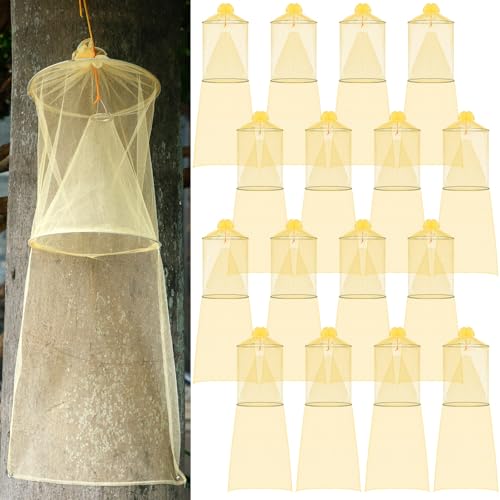
Careful analysis of tree bark textures, trunk circumferences, and weather exposure helps property owners pick the right protective barriers. Mesh traps like those from Qualirey or the Lanternfly Motel guide upward-moving insects into enclosed polyester netting without relying on exposed glue that could snag passing birds or squirrels. Meanwhile, adhesive bands from brands like W4W, PIC, and BugBane block crawling pests instantly around tree trunks or container perimeters. Pairing durable tree tape with non-staining treatments like Harris Ready to Use Spray establishes an effective pest shield throughout the warm growing season.


Frequently Asked Questions
How does a mesh tree trap differ from sticky tree tape?
Mesh tree traps capture crawling lanternflies inside an enclosed fabric funnel without exposed adhesive. Nymphs follow their natural climbing instinct upward along the trunk, passing into the polyester mesh chamber where they remain trapped. Sticky tree tape uses an adhesive band wrapped directly around the bark to catch insects on contact. Gardeners managing patio trees often prefer mesh traps to avoid accidentally trapping non-target backyard wildlife.
Can you use sticky tape barriers on container-grown trees?
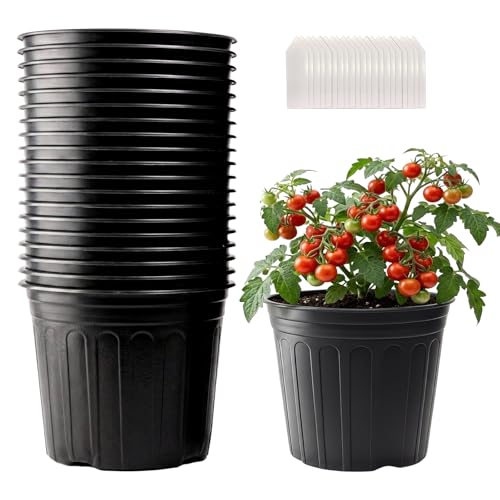
Yes, sticky bands work effectively on container trees if you position the tape securely around the lower trunk. Young trees growing in large black nursery pots or wooden planters often have smooth, narrow trunks that make wrapping adhesive barriers straightforward. Placing the tape four to five feet high prevents curious pets and children from touching the glue. You should also check the tape frequently after heavy rain or dust exposure to verify the adhesive remains active.
What is the best height to install tree traps for lanternflies?
The listed recommendation for most tree bands and mesh traps is eye level, typically four to five feet above ground level. This placement keeps sticky adhesive away from ground pets while intercepting nymphs as they crawl up from the base. Mesh units like the Qualirey traps use hemp rope and small nails to secure the bottom skirt flush against the bark. Ensuring a snug fit at that height prevents lanternflies from slipping underneath the trap barrier.
Do spotted lanternfly traps need chemical lures or bait?
No, physical lanternfly traps do not require chemical baits because they rely entirely on the insect’s instinct to climb upward. Nymphs and adults naturally ascend trunks and vertical plant stems to feed on sap. Products such as the Lanternfly Motel mesh house trap use rigid skirts to direct insects upward into the collection funnel. Some tapes incorporate subtle scent profiles like wintergreen, but the physical upward crawl remains the primary trapping mechanism.
How often should you replace or empty a Best Spotted Lantern Fly Trap?
You should replace sticky tape when the surface becomes covered with insects or dirt, while reusable mesh traps should be emptied whenever the collection area fills. Heavy pest activity during peak nymph stages can coat adhesive tape within several days. Mesh fabric traps from Qualirey allow you to untie or open the top section, shake out captured pests, and resecure the trap for continued seasonal tree defense. Regular maintenance ensures the barrier continues to block new waves of pests effectively.



Write Your Review
No reviews yet. Be the first to share your experience!