


Choosing the right material to line a planter box is one of those small gardening details that makes a huge difference in plant health. A good liner helps manage moisture, prevents soil from washing out through drainage holes, and can even protect wooden planters from rot. Without a proper barrier, you might struggle with waterlogged soil, root rot, or a messy patio. For 2026, we’ve looked at 8 different best material to line a planter box options, ranging from $8.99 to $21.99, to help you find the best fit for your containers, whether you’re working on an indoor herb garden or a large outdoor raised bed.
The best liner for you depends on what you’re growing and where your planter lives. Natural coconut coir liners, like several from SUNYAY, Yarrdfir, Huiraas and more, are fantastic for their breathability and eco-friendly profile, but they do break down over time. On the other hand, synthetic felt or non-woven fabric liners offer more durability and are often easier to cut and shape, which is great for custom window boxes. This guide is for any gardener who’s tired of soil spillage or inconsistent watering. We’ll break down the pros and cons of each material so you can make a choice that leads to better root health and less daily fussing with your plants.

Pros
- Made from natural, biodegradable coconut fibers
- Thick enough for most planter uses while still being flexible
- Excellent moisture retention and drainage balance
- Versatile for both plants and small pets (reptiles, rabbits)
- Easy to cut to custom sizes
Cons
- May be too thin for heavy-duty animal bedding (e.g., chicken nesting boxes)
- Roll size may require careful measurement - some users needed more than expected
The SUNYAY Natural Coco Liner Roll is a versatile and eco-friendly solution for a wide range of gardening and pet care needs. Made from 100% natural coconut coir fibers, this 12x40 inch sheet is designed to line planters, hanging baskets, window boxes, and even reptile terrariums. It is thick enough to hold potting soil while allowing water and air to pass through, creating an ideal environment for plant roots or a comfortable substrate for small animals.
One of the standout features is its balance of moisture retention and drainage. The coir fibers absorb water and release it slowly, helping to keep plants hydrated without becoming waterlogged. This makes it particularly useful for orchids, as noted by reviewers who saw new shoots growing through pot holes. Its breathability also helps prevent root rot. Many users found it easy to cut and fit into various containers, and it held up well over months of outdoor use, including through winter.
The build quality is good for its price point: the material feels sturdy and natural, with a pleasant earthy scent. It comes rolled up and expands nicely when wet. However, some users noted that it is thinner than expected. While it works great for most planters and as a reptile carpet, it may not be thick enough for heavy-duty animal bedding like chicken nesting boxes, where durability is key. A few users also recommend measuring your container carefully before cutting to avoid coming up short.
Overall, the SUNYAY Coco Liner Roll is a reliable and affordable option for both gardeners and pet owners. It delivers on its promise of natural materials, good drainage, and easy customization. While not indestructible, it offers excellent value for projects that require a breathable, moisture-regulating liner. If you need a quick and eco-friendly way to line a planter or create a reptile habitat, this roll is a solid choice.

Pros
- Natural, biodegradable material that's safe for all living things.
- Large size covers multiple projects, offering great value.
- Easy to cut and shape without fraying; holds up well over time.
- Works perfectly as planter liner, reptile substrate, and craft base.
- Lightweight and compact for storage when not in use.
Cons
- Some users report it's thinner than expected, about 1/8 inch or less.
- Fibers may shed slightly when cut or handled, especially if not compacted.
- Not as dense or durable as some premium liners, may need replacement after extended use.
The SUNYAY Natural Coconut Coir Liner Sheet is a 16x40 inch roll of 100% coco fiber designed for multiple uses around the home and garden. Whether you're refreshing old hanging baskets, creating a natural backdrop for a reptile terrarium, or tackling a weekend DIY project, this liner offers a simple, eco-friendly solution.
Standout features include its pure coconut coir composition, which is both renewable and biodegradable. The material is thick enough to hold moist soil firmly while still being easy to cut with scissors into any shape. Many customers praise its versatility: it lines metal tubs to keep roots cool, forms the base for wall-mounted planters, and even serves as a protective layer in chicken laying boxes. The natural brown color blends well with plants and soil, giving a rustic, organic look that fades gracefully over time.
In real-world use, the liner performs reliably for its intended purpose. It retains moisture without getting soggy and allows excess water to drain, keeping roots healthy. For reptile owners, it provides a safe, non-toxic surface that can be misted for humidity. However, durability is not its strongest suit. Some reviewers note that the sheet is on the thinner side, with fibers that can loosen and shed, especially if handled roughly. It may not withstand heavy re-soiling or frequent tugs from burrowing pets.
Build quality is adequate but not premium. The coir is pressed into a mat that is about 1/8 inch thick, which some users find less dense than competitor brands. This means it works well for light to medium duty applications like seasonal planters or temporary terrarium liners, but may need replacement after a year or two of constant exposure to moisture or animal activity.
Overall, the SUNYAY 16x40 Coco Liner is a solid, cost-effective choice for gardeners and pet owners seeking a natural, customizable liner. It excels in versatility and eco-friendliness, though those requiring a super thick, long-lasting mat may want to consider a denser alternative. For most everyday projects, this roll delivers dependable performance at a reasonable price.
Pros
- Breathable felt promotes healthy root growth and prevents overwatering.
- Easy to cut and shape into rectangles or circles for different planter types.
- Versatile uses beyond gardening, like furniture protector or animal bedding liner.
- Sturdy enough to hold moist soil without tearing, even in windy outdoor spots.
- Cost-effective alternative to coco fiber that lasts longer and resists breakdown.
Cons
- Some users found the fabric thinner than expected, which may not suit heavy or sharp-edged pots.
- The material does not naturally conform to round baskets without ironing or sewing panels together.
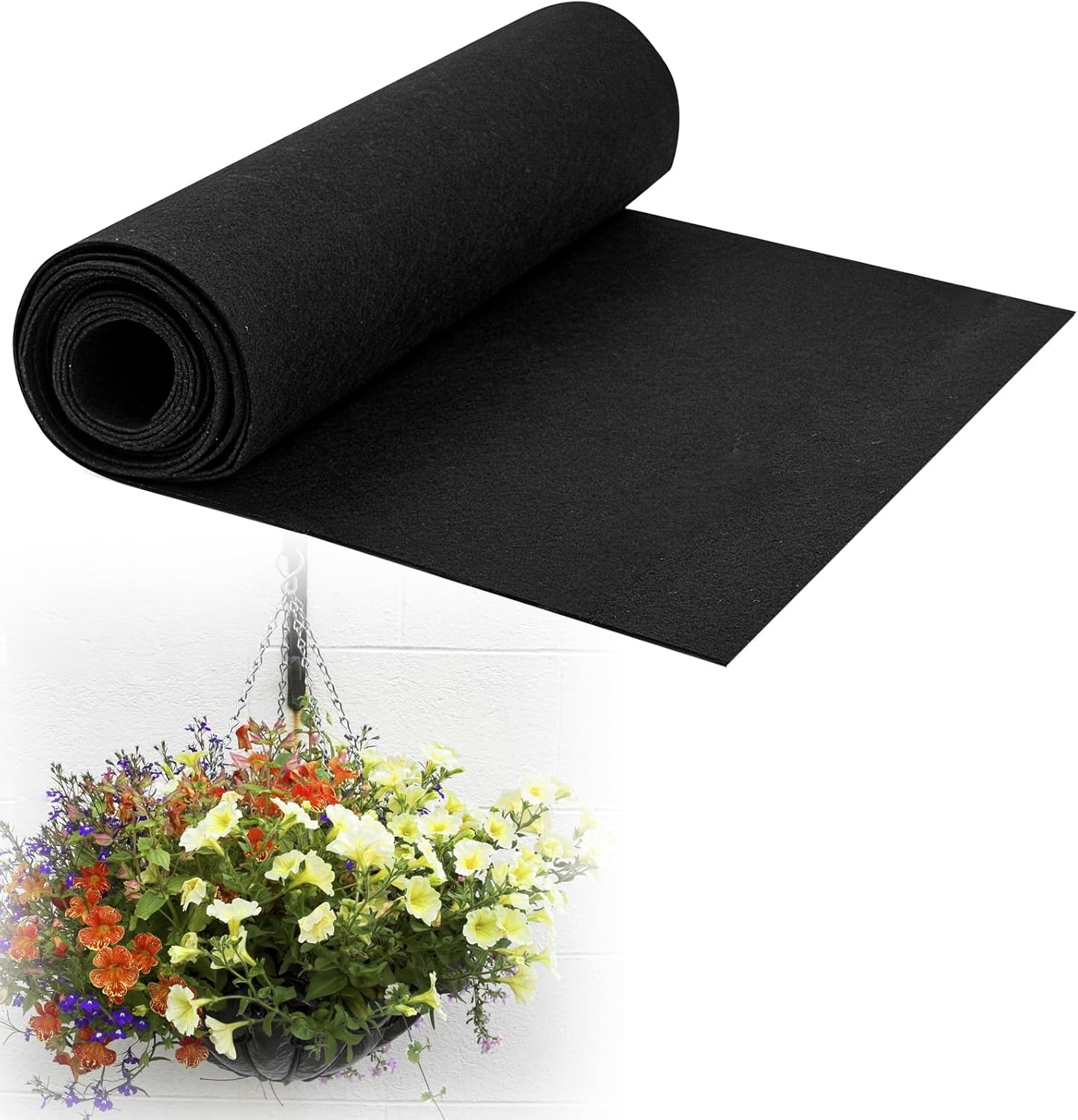
The Voccos 12x40 inch black felt planter liner roll offers a practical upgrade over traditional coco fiber liners. Made from non-woven polypropylene felt, it allows air and water to pass through while keeping soil contained. This makes it a great option for both indoor and outdoor gardening projects, from hanging baskets and window boxes to raised garden beds and decorative planters.
One of its standout features is the ability to cut custom shapes from the continuous roll. You can line a rectangular window box in minutes or trim pieces to fit a round wire basket. The black color hides dirt and lets foliage take center stage. Reviewers often mention how easy it is to trim and how well it holds up compared to straw-based liners that fall apart quickly.
In use, the felt holds moisture effectively, which reduces how often you need to water. It also prevents soil from leaking out through drainage holes. Some users reported that the material feels thinner than they expected, but for most applications the thickness is sufficient. A few noted that shaping it into round baskets requires extra work, like ironing folds or sewing panels, but the fabric cuts cleanly and holds its shape once in place.
On the downside, the roll is relatively small (12x40 inches), so you may need multiple rolls for larger projects. A couple of reviewers felt the price was high for the amount of material provided. However, its reusability offsets that cost over time, since you can wash it and use it again the next season.
Overall, the Voccos felt planter liner roll is a versatile and durable alternative to natural fiber liners. It works especially well for rectangular or square planters and for gardeners who want a clean, customizable solution. If you do not mind doing a little extra work for circular baskets, this is a solid purchase that will save you money in the long run.
Pros
- 100% natural and eco-friendly materials.
- Thick enough to retain water but breathable for roots.
- Highly versatile for plants, pets, and garden projects.
- Easy to cut and shape for custom fits.
- Durable and held up well in outdoor conditions.
Cons
- Material can feel thin for heavy-duty uses like chicken coop liners.
- Size may not be sufficient for large baskets - measure beforehand.
- Some users wished it was thicker for longer-lasting use in planters.
The SUNYAY Natural Coco Liner Roll is a versatile sheet of 100% coconut coir fiber, designed for lining flower baskets, window boxes, and even pet enclosures. It's ideal for gardeners who want a natural, breathable barrier that keeps soil in while letting water and air pass through.
One of its key strengths is its thickness and durability. Users have successfully used it to line orchid pots, wrap tree roots for winter protection, and cover drainage holes. It cuts easily with scissors, allowing you to customize it for any container.
The liner comes rolled up, measuring 12x80 inches, and is made from tightly woven coir fibers. It holds its shape well and withstands outdoor conditions. However, some users noted it is thinner than expected for heavy-duty applications like chicken nesting boxes.
While the liner works well for most planters and light pet use, it may not be thick enough for all animal bedding. Additionally, if you have a large basket, you might need more than one roll. It's best to measure your container first.
Overall, the SUNYAY Coco Liner Roll is a solid, eco-friendly choice for gardeners and pet owners. It's affordable, functional, and easy to use. Just confirm your size and thickness needs before purchasing.

Pros
- Made from pure, natural materials, free from synthetic chemicals.
- Extremely easy to work with, cutting cleanly with basic scissors.
- Excellent for moisture retention, helping plants stay hydrated longer.
- Sturdy and thick enough to hold soil effectively while allowing drainage.
- Offers great value for money given the large size and quality.
Cons
- Can be stiff and bulky when first unrolled, requiring some handling to flatten.
- Edges may fray slightly when cut, needing careful trimming.
- The thickness may not be as substantial as some users expect for certain applications.
The Yarrdfir Coco Coir Liner is a straightforward yet incredibly useful product for anyone who interacts with plants, pets, or DIY projects. It's essentially a large roll of material made from woven coconut fibers. This makes it a prime pick for gardeners needing basket liners, reptile owners looking for a natural habitat substrate, or anyone crafting a custom mat for insulation or decoration. Its natural composition is a key draw for those avoiding plastics or synthetic materials.
Performance is where this liner really shines. Users consistently report that it's easy to cut to size with regular scissors, making customization simple. For planters, it excels at retaining moisture while still being breathable and water permeable, creating a healthy environment for roots. As a reptile carpet or pet pad, it provides a natural, absorbent surface. The quarter-inch thickness gives it enough body to be durable without being too cumbersome to shape.
Build quality is solid. The weave is neat and the material is dense, holding up well over time. It's unfinished, which contributes to its natural feel and functionality. It's designed for both indoor and outdoor use and is weather resistant. The roll arrives compressed, so it expands a bit after unpacking, which some find takes a moment to work with.
There are a couple of minor drawbacks to consider. The initial stiffness can make it a bit bulky to lay out flat immediately. When you cut it, the edges can fray a little, so a careful trim is advised. A few users wished for a slightly thicker product, but most find the current density perfectly adequate for their needs.
The final verdict is that this is a highly practical, multi-purpose product. It's not flashy, but it does its job very well across a surprising range of applications. If you need a natural, customizable liner or mat that promotes healthy plant growth or provides a safe surface for animals, this Yarrdfir coco coir roll is a reliable and cost effective choice.
Material: 100% Natural Coco Coir (Coconut Fiber).
Size: 12 inches wide by 80 inches long (Pack of 1).
Thickness: Approximately 1/4 inch.
Color: Natural coconut fiber brown.
Style: Garden, Rectangular, Solid pattern.
Special Features: Breathable, Water Permeable, Weather Resistant, Thermal Insulation.
Usage: Indoor and Outdoor.
Unit Count: 1 Roll.
Item Weight: 0.45 Pounds.
Pros
- Made from natural, renewable coconut fibers that are safe for plants and pets
- Large size provides plenty of material for multiple uses compared to smaller sheets
- Moisture retention keeps soil hydrated longer while allowing air flow
- Budget-friendly alternative to other coir liners with similar quality
Cons
- Some users report it's thinner than expected and fibers can shed easily
- Not as natural-looking for reptile backgrounds due to compressed, manufactured feel
- May fray at cut edges over time, especially with rough handling
The SUNYAY 16x80 inch Natural Coconut Coir Liner Sheet is a versatile roll of eco-friendly coconut fiber that serves many purposes around the home and garden. Made from 100% natural coir, it's designed for lining hanging baskets, flower planters, and even reptile terrariums. With over 1,100 positive ratings, it's a popular choice for anyone looking for an affordable, biodegradable liner.
The standout feature here is the generous size: a 16x80 inch roll gives you plenty of material to cut into custom shapes. It's thick enough to hold moist soil in wire baskets without tearing easily, yet still flexible enough to bend around corners. Many reviewers use it for pet projects too, like reptile carpet mats, tortoise pads, or rabbit bedding. It's also been praised for creative DIY uses, such as making wall art or hanging fishing lures.
In terms of build quality, the coir fibers are compressed into a sturdy sheet that holds up well under normal use. It retains moisture nicely, which helps plants stay hydrated longer, and it naturally reduces odors in pet enclosures. However, a few buyers note the material is thinner than they expected, closer to 1/8 inch thick, and that loose fibers can come off when handled. For reptile tank backgrounds, it may look less natural than premium alternatives, but it still works fine as a functional liner.
Installation is straightforward: just cut with scissors and fit into your container. No special tools needed. The liner is easy to replace when worn out, and because it's natural coir, it will decompose over time if used in garden beds. That said, if you need a very thick or plush liner for high-humidity reptile setups, you might want to consider alternatives.
Overall, the SUNYAY coir liner offers excellent value for money, especially for its size and versatility. It's a reliable workhorse for planters, baskets, and basic pet enclosures. If you need an eco-friendly, easy-to-cut liner that won't break the bank, this is a solid pick. Just keep in mind it's not the thickest option out there, but it gets the job done for most projects.

Pros
- Natural, eco-friendly coconut fiber material
- Good moisture retention reduces watering needs
- Customizable size with easy trimming
- Affordable compared to local store prices
- Works well for window boxes and trough planters
Cons
- Liners arrive vacuum-sealed and can be difficult to unfold without tearing
- Some users report inconsistent thickness and visible gaps in the fiber
- May require soaking to soften before installation
If you are looking to refresh your window boxes or trough planters with a natural, eco-friendly lining, the Wuyusile 30 Inch Coco Liners Trough 3 Pack is worth a look. Made from 100% coconut fiber, these liners are designed to fit standard 30-inch planters and provide a healthy environment for your flowers or herbs.
The standout feature here is the moisture management. The coconut fiber holds water well, releasing it gradually as the soil dries, which means you can water less often. At the same time, the material has enough drainage to prevent waterlogging. Users also mention that the liners offer good root aeration, which helps plants grow strong and avoid becoming root-bound. In practice, many customers have had great results, with flowers thriving all season long.
However, there are some downsides to be aware of. The liners arrive vacuum-sealed, which can make them stiff and tricky to open. A few reviewers found the fiber too thin or had trouble separating the sides, leading to tears. The manufacturer suggests soaking the liners in water for a few hours before installation to soften them, which seems to help. Also, while most users are happy with the quality, a couple noted that the thickness can be inconsistent, with some areas being see-through.
Overall, the Wuyusile coco liners offer good value for the price, especially if you need multiple liners for a project. They are natural, functional, and easy to customize with a pair of scissors. Just plan for a little extra prep time to soak them before putting them in your planters. For the money, they are a solid choice for casual gardeners and anyone looking to add a natural touch to their outdoor space.

Pros
- Breathable and water-absorbent for healthy plant growth
- Easy to cut and shape with scissors
- Durable and tear-resistant, lasting longer than coco liners
- Versatile for many gardening and household uses
- Black color complements plants and gives a modern look
Cons
- Some users feel it is just a piece of felt, not a formed liner
- May require layering in large planters to prevent soil leakage
- Packaging can be minimal, lacking labels or instructions
The Huiraas 12x40 Inch Felt Planter Liner Roll is a versatile non-woven fabric alternative to traditional coco liners. Designed for gardeners who want a clean black liner that is breathable and water-absorbent, this roll can be cut to fit any hanging basket, window box, or wire planter. It's especially useful for those who prefer a uniform black look over natural brown coco liners.
In real-world use, the felt material holds up well against moisture and tearing. Reviewers praise how easy it is to cut and shape, though some note that it's essentially a thick felt fabric. For larger planters, layering may be needed to prevent soil from escaping through gaps. The water-locking ability helps keep soil moist, reducing the need for constant watering, which is a plus for busy plant owners.
The build quality is decent for the price. It's lightweight at under 3 ounces and comes in a 12x40 inch roll. However, one reviewer mentioned the packaging lacked labeling and looked like stuffing, which can be off-putting. A few users felt it was not worth the money because it's just cut felt, but many others found it effective for its intended purpose and even for creative uses like anti-slip mats or weed barriers.
Overall, this liner is a solid choice for DIY gardeners looking for a customizable, breathable, and durable liner. It works well for its primary use and offers flexibility for other projects. If you need a pre-formed liner or a perfect fit for a specific basket, you might need to do some extra trimming or layering. But for the price, it's a practical and versatile solution.
FAQs About the Best Material to Line a Planter Box
Why do I need to line my planter box?
A liner serves a few key purposes. Primarily, it keeps your potting soil contained while still allowing excess water to drain out, preventing a muddy mess. It also acts as a barrier, protecting wooden planters from constant moisture that leads to rot and decay. For metal or wire baskets, a liner is essential to hold the soil in place. Using one creates a more stable environment for your plant’s roots.
What is the difference between coconut coir and felt liners?
They have different strengths. Coconut coir liners are made from natural fibers, are highly breathable, and are a great eco-friendly choice. They integrate well with the soil but will decompose over a season or two. Felt or non-woven fabric liners are synthetic, more tear-resistant, and typically last longer. They offer good water retention and are often considered a more low-maintenance gardening option because they don’t break down as quickly.
Can I use plastic as a planter box liner?
You can, but it requires caution. Solid plastic sheeting can easily create drainage problems, leading to waterlogged soil and root suffocation. If you use plastic, you must puncture numerous holes in the bottom and lower sides to ensure proper drainage. It’s often easier and more effective to use a material designed for the purpose, like a permeable fabric or coir liner, which manages moisture more intelligently for healthy plant growth.
How do I install a planter box liner?
First, measure the inside dimensions of your planter. Unroll your liner material and cut a piece slightly larger than you need, allowing for the depth. Press it into the box, molding it to the corners. You can use a few stainless steel staples or waterproof glue to secure it at the top edge if needed, but often the weight of the soil holds it in place. Then, add your soil and fertilizer mix and plant as usual. Trimming excess material after planting gives a clean finish.
What liner is best for vegetables in a raised bed?
For edible gardens, a breathable fabric liner is often the best choice. It allows for excellent drainage and air flow to the roots while providing a sturdy barrier against weeds and pests from below. It’s also durable enough to last multiple growing seasons. While natural coir is also safe for vegetables, its shorter lifespan means replacing it more often. The key is ensuring whatever you use has excellent drainage holes to prevent soggy soil, which is a common issue with herbs and veggies. For more on starting your garden, check out our guide on selecting seeds.


Write Your Review
No reviews yet. Be the first to share your experience!