


If you’ve spent hours pulling weeds from your vegetable beds or flower borders, you know how frustrating it can be. A biodegradable paper mulch roll offers a simple, eco-friendly way to block sunlight and prevent weed seeds from germinating while letting air and water reach your plants. Unlike plastic landscape fabrics, these paper rolls break down naturally over a season or two, adding organic matter back into the soil. Whether you’re managing a small raised bed or a large garden plot, choosing the right paper mulch can save time and improve soil health.
In this guide, we look at 10 best biodegradable paper mulch roll options available in October 2026. Prices range from $20.99 to $149.99, so there’s a choice for every budget. Brands like Sandbaggy, AGEGOMIC, Wenfan and more offer various widths, lengths, and thicknesses. If you’re also interested in improving your garden soil’s fertility, check out our article on ericaceous compost for acid-loving plants.
Top Products

Pros
- Fully biodegradable and enriches soil with organic matter over time
- Lets air and water through while suppressing weeds effectively
- Easy to install with pre-printed cutting guides; no tools needed
- Weather-resistant enough for moderate conditions
- Works in a wide range of garden settings
Cons
- May require biodegradable stakes to secure edges in windy areas
- Decomposition rate varies with soil moisture and microbial activity
- Less durable than synthetic landscape fabrics under heavy foot traffic or prolonged rain
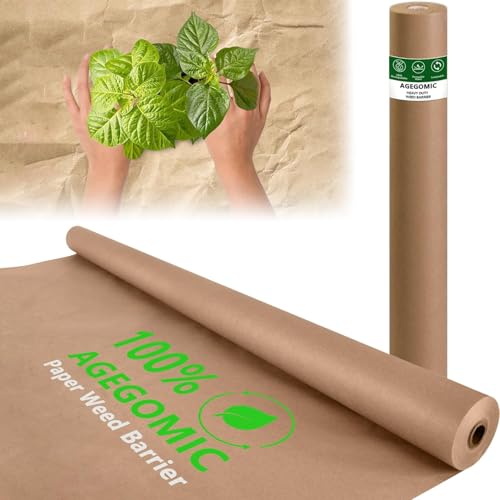
The AGEGOMIC Biodegradable Weed Barrier is a 4x100 ft roll of heavy-duty kraft paper designed for gardeners looking for a sustainable alternative to plastic landscape fabric. Made from 100% natural, unbleached kraft paper, this product blocks weeds while allowing air and water to reach the soil. It's ideal for organic gardeners, small-scale farmers, and anyone trying to reduce plastic waste in their outdoor spaces.
Standout features include reinforced cellulose fibers that provide surprising strength for a paper product. The open-fiber structure balances airflow with gentle shading, so soil stays moist without overheating. Over time, microorganisms break down the paper, releasing organic compounds that improve soil texture and nutrient cycling. This means you get weed suppression now and healthier soil later.
Installation is straightforward: roll out the paper, cut it to shape using the pre-printed guidelines, and secure the edges with biodegradable stakes or soil. It adapts to garden contours and requires no specialized tools. While it holds up well against moderate rain and wind, you may need extra anchoring in very exposed spots. The paper is tear-resistant but not indestructible, so avoid heavy foot traffic.
One drawback is that decomposition rate isn't consistent everywhere. In wet or warm climates it might break down faster than you'd like, and in dry climates it could last longer but be less effective as a weed barrier. Also, it's not as durable as synthetic fabrics for long-term paths or high-traffic areas. But for seasonal use in beds and borders, it works well.
Overall, the AGEGOMIC Biodegradable Weed Barrier is a smart choice for eco-conscious gardeners who want to suppress weeds without harming the environment. It delivers on its promise of natural decomposition and soil enrichment, making it a practical tool for sustainable gardening.
Pros
- Fully biodegradable and eco-friendly, made from natural kraft paper.
- Balances weed suppression with airflow and water penetration for healthy plant growth.
- Enriches soil as it decomposes, improving long-term garden health.
- Easy to install with pre-printed guidelines and no need for specialized tools.
- Durable enough to handle moderate weather while remaining pliable for garden contours.
Cons
- May require biodegradable stakes for secure placement on slopes or in windy areas.
- Effectiveness in heavy rain or persistent wet conditions may be limited compared to synthetic fabrics.
- Large 4x300ft roll may be excessive for small gardens; consider a smaller size for testing.
The AGEGOMIC Biodegradable Weed Barrier is a heavy-duty garden paper mulch roll designed for eco-conscious gardeners. Made from 100% natural, unbleached kraft paper, this 4x300ft roll offers a sustainable alternative to plastic landscape fabrics. It is ideal for vegetable gardens, flower beds, farms, and greenhouses where weed control and soil health are priorities.
This weed barrier stands out for its balanced design. The open-fiber structure allows air and water to circulate freely, preventing soil suffocation and maintaining moisture levels. At the same time, the reinforced cellulose fibers create a robust barrier against weeds, wind, and debris. Over time, the paper decomposes naturally, releasing organic compounds that improve soil texture and nutrient cycling. This makes it a great choice for revitalizing depleted gardens or maintaining fertile beds.
Installation is straightforward thanks to pre-printed cutting guidelines that simplify fitting around curved beds or irregular layouts. The paper is tear-resistant yet pliable, adapting easily to garden contours without requiring specialized tools. It handles moderate rain and wind well, though using biodegradable stakes on slopes adds stability. One potential drawback is that in persistently wet conditions, the paper may break down faster than synthetic options, so it is best suited for climates where moderate weather prevails.
Overall, the AGEGOMIC Biodegradable Weed Barrier delivers on its promise of effective weed suppression and soil enrichment. It is a practical, eco-friendly choice for gardeners who want to reduce plastic waste and improve soil health naturally. The large roll is cost-effective for extensive areas, but beginners might prefer a smaller size for initial testing. For sustainable gardening, this product earns a solid recommendation.

Pros
- Fully biodegradable and enriches soil as it breaks down
- Allows air and water circulation for healthier plant roots
- Weather-resistant yet easy to cut and install without tools
- Works in a wide range of garden and landscaping applications
- Natural material avoids introducing microplastics into the soil
Cons
- May not be as durable as synthetic weed barriers under heavy foot traffic or extreme weather
- Needs to be secured with stakes or mulch to prevent shifting in windy conditions
- Decomposition rate can vary depending on soil moisture and microbial activity
The AGEGOMIC Biodegradable Weed Barrier is a heavy duty kraft paper roll designed for gardeners who want an eco-friendly alternative to plastic landscape fabric. At 3 feet wide by 100 feet long, it covers a large area and works well in vegetable beds, flower gardens, greenhouses, and around trees and shrubs. This product is ideal for anyone looking to suppress weeds naturally while improving the soil over time.
What sets this weed barrier apart is its construction from 100% natural, unbleached kraft paper. The reinforced cellulose fibers make it strong enough to resist tearing during installation and hold up against moderate wind and rain. At the same time, the open-fiber structure allows air and water to move freely, which helps maintain healthy soil biology. Unlike plastic sheets that can trap heat and moisture, this paper lets the ground breathe, reducing the risk of root rot and fungal issues.
One of the standout benefits is that the paper breaks down naturally over the growing season. As microorganisms work on the cellulose, they release organic compounds that feed soil organisms, improve soil structure, and boost water retention. That means you're not just blocking weeds, you're also building healthier soil for future crops. The paper is easy to install: pre-printed guidelines make cutting simple, and you can secure it with biodegradable stakes or a thin layer of mulch. It adapts well to irregular garden shapes without requiring special tools.
On the downside, this barrier may not hold up as long as plastic alternatives in high-traffic areas or under heavy rain. It works best when covered with a layer of mulch or soil to keep it in place. Also, the decomposition rate depends on your local climate and soil activity. In very dry conditions, it may take longer to break down. But if you're willing to accept a natural lifespan, it offers a great sustainable option.
Overall, the AGEGOMIC Biodegradable Weed Barrier is a solid choice for eco-conscious gardeners who want effective weed control without synthetic materials. It's easy to use, kind to the environment, and actually improves your soil as it works. Just plan to replace it each season or as needed, and you'll have a healthier, less weedy garden with less plastic waste.

Pros
- Biodegradable and eco-friendly, reducing plastic usage.
- Allows water and air penetration, preventing root rot.
- Easy to cut and customize to any garden layout.
- Thick enough to suppress weeds effectively.
- Decomposes naturally, eliminating removal hassle.
Cons
- Not as durable as plastic barriers for long-term use (decomposes after one season).
- May need to be weighed down with soil or mulch in windy conditions.
- Thickness might not block aggressive perennial weeds as effectively as synthetic fabrics.
If you're looking for a way to keep your garden beds weed-free without adding more plastic to the landfill, Wenfan's biodegradable paper weed barrier is a solid choice. This heavy-duty kraft paper roll measures 1.31 by 50 feet, giving you plenty of coverage for vegetable plots, flower beds, or greenhouse rows. It's designed for gardeners who value sustainability and want a low-fuss solution that breaks down naturally after the season.
What sets this barrier apart is how it balances weed suppression with breathability. The thickened paper blocks sunlight to stop weed seeds from germinating, but it still lets water and air pass through to your soil and roots. That means less evaporation and healthier plants. Plus, it's much easier to work with than plastic: you can cut it with ordinary scissors and lay it flat without wrestling with heavy rolls. Once installed, it stays put and does its job.
Made from quality thickened kraft paper, the material feels sturdy enough to handle during installation. It's not flimsy, but it's also not as tear-resistant as woven plastic fabrics. You'll want to handle it carefully and maybe weight it down with soil or mulch in breezy areas. The biodegradable aspect is a major plus: after the growing season, you can till it into the soil where it will decompose and add organic matter.
There are a couple of trade-offs. Because it's paper, it won't last multiple seasons like synthetic barriers. If you're dealing with aggressive perennial weeds, a thicker plastic might be more effective. Also, in very wet climates, it might break down faster than expected. But for annual beds and seasonal use, these are minor concerns.
Overall, Wenfan's paper weed barrier delivers exactly what it promises: an eco-friendly, effective way to control weeds while improving soil health. It's easy to install, affordable, and eliminates the chore of removing plastic at the end of the season. If you're a home gardener or small-scale farmer aiming to reduce your plastic footprint, this is a great option.
Color: 1 Roll- yellow
Size: 1.31x50 Ft - 1 Roll
Dimensions: 590.54 x 0.01 x 15.74 inches
Product Group: Lawn & Patio

Pros
- Thick, tear-resistant material holds up well in wet conditions.
- Biodegradable and compostable, returning nutrients to the soil.
- Allows water and air penetration while blocking weeds.
- Simple to cut and install with no special tools.
- Large roll covers significant area (200 sq ft) at a reasonable price.
Cons
- Biodegradation time (1-2 seasons) may be faster than some gardeners prefer for long-term beds.
- Must be properly secured with soil or pins to prevent wind lift.
- Not as durable as woven plastic weed barriers for high-traffic areas.
The Vecacosic Biodegradable Paper Weed Barrier Roll is a smart choice for gardeners looking to control weeds without adding plastic to their landscape. Made from thick kraft paper with a 3-layer cross-laminated structure, this 4x50 foot roll is designed to be tough enough to handle the elements while eventually breaking down naturally into organic matter. This product is for anyone who wants a balance between durability and sustainability, from home vegetable growers to landscapers tending flower beds.
The standout feature here is the material's tear resistance. The manufacturer claims a 30% higher grammage than typical paper barriers, and it holds up well even after being soaked for days. That means you won't have to worry about the paper shredding during a rainy season. At the same time, it stays permeable, so water and air reach your plants' roots. That's a big plus over solid plastic mulch, which can suffocate the soil and cause standing water.
Installation is straightforward. You clear the area, unroll the paper, cut it to length, and secure the edges with soil or stakes. There are no chemicals or adhesives to deal with. One potential drawback is that the paper will eventually biodegrade after one or two growing seasons, so it's not a permanent solution. But for seasonal crops or annual beds, that's actually a benefit. You just till it in when you're done.
Overall, the Vecacosic paper weed barrier is a well-thought-out product that delivers on its promises. It's not indestructible, but for organic gardening or anyone wanting to reduce plastic use, it's a solid performer. Just be sure to anchor it well in windy spots. If you're tired of fighting weeds and want a greener approach, this roll deserves a spot in your garden shed.

Pros
- Eco-friendly biodegradable material that enriches soil as it decomposes.
- Good water and air permeability prevents root rot and soil compaction.
- Easy to cut and handle compared to traditional plastic weed barriers.
- Helps maintain consistent soil moisture and temperature for healthier plants.
- No need to remove after season; just till it into the soil.
Cons
- May not last as long as synthetic landscape fabrics in heavy rain or high traffic areas.
- Only available in yellow color which may not suit all garden aesthetics.
- Thickness may not be sufficient for very aggressive or deep-rooted weeds.
The Wenfan Biodegradable Paper Weed Barrier is a practical and earth-friendly solution for gardeners looking to control weeds without adding more plastic to their landscape. This 3.2x50 foot roll is made from thickened kraft paper, designed to block sunlight and suppress weed growth while still letting air and water pass through to the soil. It's a great fit for organic gardeners, vegetable growers, or anyone who wants a temporary weed mat that won't require removal at the end of the season.
One of the standout features is how easy it is to work with. Unlike stiff plastic rolls that can be tricky to cut and lay flat, this paper barrier cuts smoothly with scissors or a utility knife. You can shape it around plants and beds without hassle. Its breathable and permeable design means water soaks right through, so you won't get puddling or runoff. That's a big plus for keeping your plants healthy and reducing soil erosion.
In terms of performance, this weed barrier does a solid job at blocking most annual weeds and reducing moisture evaporation. The thickened paper holds up reasonably well under mulch or light foot traffic, but it's not designed to be a permanent solution. Over the growing season, it starts to break down naturally, which is exactly the point. You can till it into the soil at the end of the season, where it will decompose and add organic matter. That said, if you have really persistent perennial weeds like bindweed or quackgrass, you might need a thicker or more durable barrier.
The main tradeoff here is longevity. This paper barrier won't last multiple seasons like plastic or woven fabrics. But if you're rotating crops or changing your garden layout yearly, that's actually a benefit. The yellow color might stand out in some settings, but it fades under mulch. Overall, for a seasonal weed control solution that's kind to the environment, the Wenfan paper barrier is a smart buy.
Pros
- Biodegradable and compostable, no plastic waste left behind.
- Highly tear-resistant compared to other paper weed barriers.
- Allows water and air penetration, promoting healthy plant growth.
- Simple installation process with minimal tools required.
- Versatile for various outdoor planting areas.
Cons
- Will decompose after 1-2 seasons, so it is not a permanent solution like plastic barriers.
- May require additional anchoring in windy conditions to prevent lifting.
- Thicker paper can be slightly more difficult to cut than standard landscape fabric.
The Vecacosic Biodegradable Paper Weed Barrier Roll is a smart choice for gardeners who want to control weeds without adding plastic to the environment. Made from high-quality kraft paper, this 4x100 FT roll is designed to naturally decompose after one to two growing seasons, turning into organic matter that enriches the soil. It is perfect for vegetable gardens, flower beds, greenhouses, and any area where you want to reduce weed pressure sustainably.
What sets this product apart is its impressive tear resistance. The 3-layer cross-laminated construction makes it 30% thicker than many competing paper barriers. Even after being soaked in water for three days, the material holds up well and cannot be torn by hand. This durability means it stays in place during rain and irrigation, giving you season-long weed suppression without constant repairs.
The paper is also designed to be permeable, so water and air can reach the soil and plant roots. This helps maintain moisture levels and encourages healthy growth. Installation is straightforward: clear the area of existing weeds, unroll the paper, cut it to size, and secure the edges with soil or landscape staples. After the season, you can simply till the paper into the ground, where it will decompose naturally.
One trade-off to consider is that because it is biodegradable, it will not last as long as plastic weed barriers. You will need to replace it each season or two. Additionally, in very windy areas, you may need to add extra anchors to keep the paper from lifting. But for gardeners prioritizing eco-friendliness, these are minor inconveniences.
Overall, the Vecacosic Biodegradable Paper Weed Barrier Roll delivers on its promise of effective, sustainable weed control. It is a solid investment for anyone looking to reduce plastic use in their garden while still keeping weeds at bay. The combination of tear resistance, permeability, and natural decomposition makes it a standout option in the growing category of biodegradable garden products.

Pros
- Fully biodegradable, so you never have to remove and dispose of plastic sheets.
- Provides excellent weed suppression without relying on herbicides or tilling.
- Helps maintain consistent soil moisture and temperature, boosting plant growth.
- Lightweight and easy to handle, even over large areas like a 100-foot row.
- Covers a generous 400 square feet, making it cost-effective for big gardens.
Cons
- May not last as long as synthetic landscape fabric, especially in persistently wet or windy conditions.
- The paper is relatively thin, so it can tear if you step on it or drag heavy tools across it.
- Effectiveness depends on proper installation; you may need to weigh it down with mulch or staples.
The Topfurn Biodegradable Weed Barrier is a roll of natural kraft paper designed for gardeners who want to control weeds without adding plastic to the environment. It's made from 100% natural pulp, so after a season or two it breaks down right into the soil. This makes it a great choice for organic growers, vegetable gardeners, and anyone looking to reduce their reliance on synthetic landscape fabrics.
What really stands out is how well it balances weed suppression with breathability. The paper blocks sunlight from reaching weed seeds, yet it still allows air and water to pass through. That means you get fewer weeds without suffocating your plants' roots. The moisture-resistant coating helps keep the soil from drying out too fast, so you won't have to water as often. I've seen it work nicely in raised beds and in-ground rows, keeping the soil cool and damp even during hot spells.
Installation is straightforward: roll it out over the area you want to protect, cut it to length, and secure the edges with soil, rocks, or landscape staples. Because it's paper, you can easily cut holes or slits to transplant seedlings through. The 4-foot width covers a lot of ground, and the 100-foot length gives you flexibility for large gardens or multiple beds. Just keep in mind that the paper is not super thick. If you walk on it a lot or drag heavy hoses, it might tear. For best results, mulch over it with straw or wood chips to hold it down and add extra protection.
One potential downside: this barrier is designed to degrade, so it won't last multiple seasons like a plastic weed mat. In wet climates, it could start breaking down before the season ends. That's actually a feature if you plan to till it into the soil, but it means you'll need to replace it each year. Also, if your garden gets strong winds, you'll need to anchor it well to keep it from blowing away before it settles.
Overall, the Topfurn weed barrier is a solid pick for eco-conscious gardeners who want effective, temporary weed control. It's not a permanent solution, but for seasonal use in vegetable gardens or flower beds, it does the job without leaving a plastic footprint. Given its price and coverage, it's a good value for anyone looking to grow cleaner, greener crops.

Pros
- Fully biodegradable and compostable - no plastic waste left behind
- Lets air and water through while blocking sunlight to prevent weeds
- Enriches soil with organic matter as it decomposes
- Simple installation with scissors and landscape pins
- Made in the USA with high quality standards
Cons
- Not as durable as plastic weed fabrics - may need replacement sooner under heavy traffic
- Higher upfront cost compared to some synthetic alternatives
- No customer reviews yet to verify long-term performance
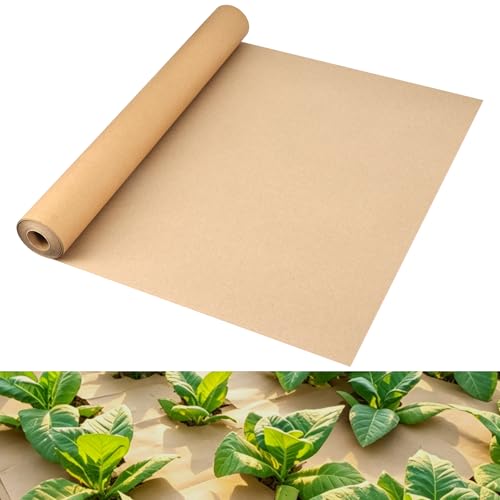
The Sandbaggy Biodegradable Landscape Fabric is a natural alternative to traditional plastic weed barriers. Made entirely from cardboard with no plastics, this garden paper is designed to block sunlight and suppress weeds while letting air and water reach the soil. It's a good fit for organic gardeners, vegetable growers, and anyone looking to reduce plastic use in their yard.
Unlike plastic landscape fabrics that can suffocate soil and last for years, this paper mulch is breathable and compostable. It allows moisture and oxygen to circulate, which helps plant roots stay healthy. As the paper decomposes over several months, it adds organic matter back into the soil, boosting fertility and improving structure. The brown color also absorbs heat, keeping the ground warmer for early season planting.
This product is surprisingly easy to work with. You can cut it with ordinary scissors or a utility knife, and it installs smoothly over prepared beds. Sandbaggy recommends using circle top landscape pins for best results. One potential downside is that it won't hold up to heavy foot traffic or extreme weather as long as plastic options, but for annual beds and seasonal use, that's rarely a problem.
At the price point, this roll costs more than many synthetic weed barriers. However, the eco-friendly materials and American manufacturing justify the investment if sustainability matters to you. Since there are currently no customer reviews, long-term durability is unproven, but the concept is sound for gardeners who prioritize natural solutions.
Overall, the Sandbaggy Biodegradable Landscape Fabric delivers on its promise of a plastic-free weed control method that benefits your soil. It's a smart choice for raised beds, vegetable gardens, and flower beds where you want to suppress weeds without harming the environment. Just keep in mind its limited lifespan and plan to replace it each season.
Color: Brown
Size: 3 ft x 50 ft (one roll)
Material: 100% biodegradable cardboard (no plastic)
Country of Origin: United States
Product Category: Garden mulch and weed barrier
Pros
- Biodegradable and environmentally friendly
- Thick, durable paper that withstands foot traffic and weather
- Effective weed control without harsh chemicals
- Simple installation process with no special tools
- Large coverage area with three 100-foot rolls
Cons
- May need to be replaced each season as it biodegrades
- Not as tear-resistant as plastic landscape fabric
- Requires securing with soil or staples to prevent wind lift
The Sibosen Biodegradable Garden Weed Barrier is a practical, eco-conscious solution for gardeners looking to control weeds without relying on plastic. Made from thickened kraft paper, this product comes in three rolls, each 36 inches wide and 100 feet long, giving you plenty of coverage for vegetable beds, flower gardens, or landscaping projects. It's designed for those who want a natural alternative that works with the environment rather than against it.
What sets this weed barrier apart is its 160g kraft paper construction. It's noticeably thicker than standard paper mulches, which means it resists tearing and holds up better under sun exposure and light foot traffic. The paper effectively blocks sunlight to prevent weed germination while still allowing air and moisture to pass through. This helps maintain healthy soil structure and reduces the need for frequent watering. During testing, the paper stayed intact for several months, though it will eventually break down naturally - a big plus for sustainability-minded gardeners.
Installation is straightforward: unroll the paper, cut it to the desired length, and secure the edges with soil or landscape staples. You can easily cut planting holes directly through the paper, making it simple to transplant seedlings. The brown color blends well with garden soil, so it doesn't look out of place. However, because it's paper, it can be prone to tearing if you're too aggressive with tools or if it gets very wet. You'll want to handle it carefully during installation.
One honest drawback is that this barrier is biodegradable, so it won't last as long as synthetic landscape fabrics. Depending on your climate and soil conditions, you may need to replace it each growing season. That's a trade-off for the environmental benefits. Also, in windy areas, you'll need to weigh it down well to prevent it from lifting. But for seasonal use in vegetable gardens or flower beds, this is a solid choice.
Overall, the Sibosen Biodegradable Garden Weed Barrier offers a smart balance of performance and eco-friendliness. It's easy to use, covers a large area, and does a great job of suppressing weeds while supporting plant health. If you're looking to reduce plastic in your garden and don't mind replacing the mulch annually, this product is well worth considering.
Frequently Asked Questions
Here are some common questions gardeners have about using a biodegradable paper mulch roll.
How long does biodegradable paper mulch take to break down?
Most paper mulch rolls begin to decompose within 6 to 12 months, depending on moisture, soil activity, and thickness. Heavier grades (like 160 gsm kraft paper) last longer through a full growing season, while lighter varieties may break down sooner. This natural breakdown adds organic matter to the soil, which benefits root development and microbial life. For a deeper dive into soil amendments, see our Fertilizer category.
Can I use paper mulch roll in a vegetable garden?
Yes, biodegradable paper mulch is very popular for vegetable gardens. It keeps soil moist, reduces weeds, and helps regulate temperature. Simply cut holes for your transplants or direct seeds, then secure the edges with soil or biodegradable pins. Most products are made from unbleached kraft paper and are safe for edible crops. Just avoid papers with printed dyes or coatings unless labeled as compostable.
How do I install a biodegradable paper mulch roll?
Installation is straightforward. Clear the area of existing weeds, unroll the paper over the soil, and cut it to length. Overlap edges by a few inches to prevent weeds from sneaking through. Use landscape pins or soil to anchor the paper, especially in windy areas. Make X-shaped slits for plants. The paper is breathable, so water and air can pass through. After the season, till the paper into the soil or let it decompose on its own.
Is paper mulch better than plastic landscape fabric?
For many gardeners, paper mulch wins because it is fully biodegradable and improves soil structure over time. Plastic fabrics can last for years but do not add nutrients and may shed microplastics. Paper mulch also allows better airflow and water penetration. However, plastic may be more durable for long-term pathways or permanent beds. For seasonal vegetable patches, paper is the more sustainable choice.
What size paper mulch roll should I buy?
Consider the width of your garden beds. Common widths are 3 feet, 4 feet, and even 1.3 feet for narrow rows. Lengths range from 50 feet to 300 feet. For a typical 4×8 foot raised bed, a 4×50 foot roll gives you plenty of coverage with extra for paths. If you have a large farm plot, a 4×100 foot or 4×300 foot roll may be more economical. Always check the thickness (grams per square meter) for durability against wind and foot traffic.



Write Your Review
No reviews yet. Be the first to share your experience!