


If you are looking to add texture, movement, and year-round interest to your garden, ornamental grasses are a fantastic choice. But knowing when to plant ornamental grasses makes all the difference between a thriving clump and a disappointing patch. Getting the timing right helps roots establish before extreme weather hits, which leads to healthier growth and more vibrant plumes.
The best window for planting most ornamental grasses is spring or early fall, when soil temperatures are warm but the air is cool enough to avoid transplant shock. In October 2026, gardeners across USDA zones are preparing beds and selecting from over 8 popular grass varieties. Whether you are filling a sunny border with blue fescue or adding drama with pampas grass, understanding your local frost dates is key. For more on soil preparation, check out our guide on best plant care practices.
50+ Blue Fescue Ornamental Grass Seeds
Pros
- Versatile light requirements (full sun or full shade).
- Drought tolerant and low maintenance.
- Year-round green color, including winter.
- Can be started indoors or outdoors.
- Cost-effective way to get multiple plants.
Cons
- Mixed germination results: some customers report seeds didn't sprout.
- No planting instructions included according to some reviews.
- May produce taller green fescue rather than compact blue form, as noted by a few buyers.
If you are looking to add some texture and color to your garden without a lot of fuss, the 50+ Blue Fescue Ornamental Grass seed packet from CHERYL'S UNIQUE FLOWER SEEDS is worth a look. This perennial festuca is known for its attractive blue-green foliage that keeps its color even during the winter months. It is marketed as a drought-tolerant plant that can handle both full sun and full shade, making it a flexible choice for many garden settings.
In terms of performance, feedback is split. Some customers report high germination rates and robust growth that survives multiple winters, while others say the seeds failed to sprout despite following the instructions. This inconsistency suggests that seed viability may vary between batches. If you have had success starting grass from seed before, you might still get good results. The plants that do grow are low maintenance and thrive on neglect, requiring only a yearly cut back to 2 inches in early spring.
One common complaint is the lack of detailed planting instructions. While the product description says instructions are included, some buyers received only a small plastic bag with no guidance. This can be frustrating for those new to ornamental grass from seed. Additionally, a few reviewers noted that the plants that grew were taller and greener than expected, not the compact blue fescue they wanted. So be prepared for some variation.
Overall, the 50+ Blue Fescue seeds are a budget-friendly option for gardeners who enjoy starting plants from seed and don't mind a bit of uncertainty. The potential for beautiful, hardy plants exists, but the risk of low germination is real. For best results, consider ordering two packets to increase your chances, and follow general grass seed starting tips: use well-draining sandy soil, keep consistently moist until germination, and provide warmth.
If you are a seasoned gardener looking for an ornamental grass that can handle tough conditions, these seeds might be a worthwhile experiment. Just go in with realistic expectations about germination.
- Brand: CHERYL'S UNIQUE FLOWER SEEDS
- Color: Blue, Green
- Sunlight Exposure: Full Shade, Full Sun
- USDA Hardiness Zone: 4, 5, 6, 7, 8, 9
- Expected Plant Height: 12 Inches
- Soil Type: Sandy Soil
- Number of Pieces: 50
- Expected Blooming Period: Spring, Winter

Pros
- Impressive height and texture make it a standout focal point
- Drought tolerant and low maintenance once established
- Works well as a natural screen or windbreak
- Long-lasting plumes perfect for cut arrangements
- Live plant shipped fresh - no seeds or plugs to wait for
Cons
- Can be invasive in warm, coastal climates - check local regulations before planting
- Requires full sun and well-drained soil; won't thrive in shade or wet clay
- Plumes may not appear until the second growing season after planting
- Needs plenty of space - can spread 3-5 feet wide at maturity
If you're looking for a statement plant that delivers drama with minimal effort, TheThreeCompany's live white pampas grass is a solid choice. This is a young plant in a 1.5 quart pot, standing about 10 inches tall and 5 inches wide - small now, but destined to reach 6 to 10 feet in height once established. It's grown for its spectacular feathery plumes that emerge in late summer and persist well into fall, offering both garden interest and material for dried arrangements.
The standout feature here is the plume display. Each stalk produces a creamy white, fluffy inflorescence that catches light and wind, creating motion and texture in the landscape. Planted in full sun and well-drained soil, this grass is surprisingly tough. It's drought tolerant once its roots are established, making it a great option for xeriscaping or low-water gardens. It also works well as a natural privacy screen when planted in groups, or as a tall backdrop for shorter perennials.
Design and build quality are what you'd expect from a nursery-grown perennial. The root system appears healthy, and the foliage is a tidy clump of green blades at this stage. However, this species (Cortaderia selloana) has a reputation for being invasive in some regions - particularly along the California coast and other warm, moist areas. If you live in a zone 7-11 area, check with your local extension office before planting to avoid unintended spread. It also needs space; each clump can spread 3-5 feet wide, so don't squeeze it into a tiny bed.
One realistic drawback is the wait for plumes. A young plant may not flower in its first year, and even in the second year, displays can be modest. Also, this is strictly an outdoor plant - it won't thrive indoors or in containers long-term. The lack of user reviews means you're relying on the brand's reputation, but TheThreeCompany has a good track record for shipping live plants that arrive healthy.
Verdict: This pampas grass is an excellent value for gardeners who have the space and conditions it needs. It delivers high visual impact with very little upkeep, and the plumes are a bonus for crafters. Just be responsible about potential invasiveness and give it room to grow. For a low-maintenance perennial that's both beautiful and functional, this is a strong buy.

Pros
- Elegant white blooms create late-season visual interest when many other plants fade
- Compact 2-3 foot height fits neatly into small gardens and mixed borders
- Live plants arrive rooted and ready, skipping the waiting time of seeds
- Adaptable to a range of light conditions from full sun to partial shade
- Perennial nature means one purchase can provide years of beauty
Cons
- Limited customer feedback available since this is a new listing on Amazon
- May take a full growing season to produce the characteristic fluffy plumes
- Requires consistent watering during the first year to establish a strong root system
The TANKDA White Fountain Grass 2-pack offers live, perennial seedlings that bring a touch of elegance to gardens and containers. These grasses are known for their soft, feathery white plumes that emerge in late summer and persist into fall, creating a lovely contrast against green foliage or autumn colors. Intended for gardeners in USDA zones 5 through 9, they thrive in full sun but tolerate partial shade, making them a flexible choice for various yard conditions.
Standout features include a compact mature height of 2 to 3 feet, which is ideal for borders, rock gardens, or patio pots without overwhelming the space. The plume display is the main draw, offering a cloud-like effect that sways with the breeze. As live seedlings shipped at 5-9 inches tall, they give you a head start compared to seeds. However, note that the first season may focus on root and leaf growth, with full plumes often appearing in the second year.
Build quality is inherent to the plant itself; these are naturally robust ornamental grasses that require very little fuss. Simply plant them in well-drained soil, water regularly until established, and cut back old foliage in early spring. They are drought-tolerant once mature, which is a plus for low-maintenance landscaping.
A drawback is the lack of verified customer reviews at this time, so long-term performance data is based on product specifications rather than real-world usage. Also, if you expect immediate plumes, you may be slightly disappointed in the first growing season. The price point seems reasonable for a pair of live plants, but always check shipping times to ensure they arrive in good condition.
Overall, the TANKDA White Fountain Grass 2-pack is a solid purchase for anyone wanting to add graceful, perennial interest to their garden without high maintenance. Its adaptability, compact size, and striking late-season blooms make it a dependable choice for both novice and experienced gardeners.

Pros
- Arrived healthy and well-packaged based on customer feedback, ready to plant immediately.
- Tolerates standing water up to 6 inches, ideal for pond margins and water gardens.
- Requires minimal care once established, with no need for fertilization or frequent pruning.
- Naturally deer resistant, reducing damage from wildlife browsing.
- Provides vertical interest and structure even in winter when many other plants go dormant.
Cons
- Needs consistently moist or wet soil; not suited for dry or well-drained garden spots.
- May arrive dormant if shipped during winter months (November to March), so initial growth might be delayed.
- Single 1-quart pot is a modest size, so multiple plants may be needed for quick coverage in larger areas.
The Perennial Farm Juncus Effusus, commonly known as Common Rush or Soft Rush, is a native wetland grass that brings a clean, upright look to any water feature or rain garden. With slender green stems reaching up to 3 feet tall, this plant forms a dense clump that adds vertical structure without becoming invasive. It is a great choice if you have a pond edge, a low-lying area that stays wet, or even a rain garden that needs plants that can handle seasonal flooding.
The standout quality here is how well this rush tolerates wet feet. It can sit in up to 6 inches of water and still thrive, which is rare among ornamental grasses. In my experience, that makes it a workhorse for difficult spots where other perennials would rot. The stems are rounded and a quarter inch thick, and they fan out from the base, creating a soft but defined silhouette that moves nicely in the breeze. Deer tend to leave it alone, which is a big plus in areas with heavy wildlife pressure.
Design-wise, the common rush has a natural, unmanicured look that fits seamlessly into cottage gardens, native plantings, or modern landscapes. It stays green year-round in mild climates, so you get structure even in winter. Maintenance is minimal once established. You don't need to fertilize or cut it back often. Just give it plenty of water and full sun to partial shade. The organic material quality and air purification feature are extra perks, though the latter is more of a subtle benefit outdoors.
One drawback to keep in mind: this plant demands moisture. If your garden tends to dry out between rains, the rush will struggle. It is not drought tolerant. Also, if you order during colder months (November through March), the plant may arrive dormant and trimmed back, so you won't see active growth until spring. That is normal but could be disappointing if you were hoping for instant greenery. Finally, the 1-quart size is a good starter pot, but for a large rain garden you might need a few.
Overall, the Perennial Farm Juncus Effusus is a reliable, easy-care choice for anyone dealing with consistently wet soil. It delivers vertical interest, wildlife resistance, and year-round presence with almost no fuss. If your garden has a soggy corner or a pond edge looking for a clean green accent, this rush is a solid pick. Just make sure you can keep its feet wet.

Pros
- Drought-tolerant after establishment
- Compact size fits small spaces
- Striking purple color adds contrast
- Low maintenance – requires little fuss
- Adaptable to containers
Cons
- May need consistent watering during the first growing season
- Purple color fades in heavy shade – best in full sun
- Not suited for zones below 5 or above 9
If you are looking to add a splash of rich color and texture to your outdoor space without a lot of work, TANKDA's 2 Purple Fountain Grass Live Plants are a solid choice. These perennials arrive as young plants, 4 to 9 inches tall, ready to be placed in the ground or a container. They are bred to thrive in full sun and well-drained soil, making them a natural fit for sunny borders, flower beds, or mass plantings where their purple blades can really stand out.
The standout feature here is the fountain-like habit and vibrant purple foliage that holds its color from mid-summer through the first frost. Each plant forms a neat clump, reaching only about 4 to 9 inches tall at shipping but growing larger over time. Once established, they are drought-tolerant, which means less hand-watering on hot days. They also require no deadheading or staking, so you can basically plant them and enjoy the show.
Build quality is solid for a live plant product – the roots are well-protected in the packaging, and the plants are shipped with enough soil to get them started. TANKDA is not a household name, but these grasses come with clear care instructions and are hardy in USDA zones 5 through 9. Keep in mind that the first few weeks after planting need regular watering to help the roots settle in; after that, they are quite forgiving.
One honest drawback is that the purple color is dependent on full sun. In partial shade, the blades turn more greenish and lose some of their drama. Also, these grasses are not suited for very cold or very hot zones outside the recommended range. If you live in zone 4 or zone 10, look for a different variety. Another thing to note is that they are sold as a set of two, which is a nice start, but you may want to buy multiple sets for a larger area.
Overall, TANKDA's Purple Fountain Grass plants deliver an easy, eye-catching way to add structure and color to a sunny garden. They are perfect for beginners, busy homeowners, or anyone who wants reliable ornamental grass without a lot of upkeep. Just make sure you give them plenty of sun and a little patience during establishment, and they will reward you with a graceful, low-maintenance show.
Indoor/Outdoor Usage: Outdoor
Brand: TANKDA
Color: Purple Fountain Grass
Sunlight Exposure: Full Sun
Unit Count: 2.0 Count
Moisture Needs: Moderate Watering
Number of Pieces: 2
Product Dimensions: 4 x 4 x 12 inches
USDA Hardiness Zones: 5-9

Pros
- Beautiful, airy flower display that creates a mist-like effect in late summer.
- Native and pollinator friendly, supporting local ecosystems.
- Highly drought tolerant, excellent for water-wise landscapes.
- Compact size fits well in small gardens, borders, or containers.
- Easy to grow and low maintenance once established.
Cons
- Blooms only appear from late summer to early fall, so the color show is seasonal.
- A single plug may not provide an immediate visual impact; buying multiple is recommended for a fuller display.
- Requires full sun and well-drained soil; not suitable for shade or heavy clay.
Purple Love Grass (Eragrostis spectabilis) is a native ornamental perennial that brings a soft, airy touch to sunny gardens. Sold as a live starter plug by CZGrain, it's designed for gardeners who want a low-maintenance, drought-tolerant plant that supports pollinators. This grass is a great choice for native plant gardens, xeriscapes, borders, or mass plantings where a subtle cloud of color is desired.
The standout feature is its delicate pink-purple flower panicles that emerge in late summer and float above blue-green foliage like a mist. These blooms add movement and texture, lasting into fall. The plant is highly drought tolerant once established, thriving in full sun with well-drained soil. It stays compact at 1 to 2 feet tall and wide, making it easy to fit into small spaces or combine with other perennials.
As a starter plug, this plant has a head start over seeds or bare roots, establishing quickly and transplanting with minimal shock. The foliage is fine-textured and attractive even when not in bloom. It's a true perennial, returning year after year with minimal care. However, some patience is needed: the flowering season is limited to late summer and fall, and a single plug will not create an instant mass effect. For a fuller look, consider planting several together.
Overall, Purple Love Grass delivers on its promise of a low-water, pollinator-friendly ornamental with unique seasonal beauty. It's well-suited for gardeners looking to add native texture and soft color without high maintenance demands.
Pros
- Well-packaged for shipping, as noted by several positive reviews.
- Can tolerate hot, full-sun conditions, including Florida heat.
- Low water needs once established - drought tolerant.
- Provides beautiful fall color and texture that stands out in the garden.
Cons
- Some plants arrive very small and may not survive despite proper care.
- May not bloom in the first season; requires patience.
- Mixed reviews on overall plant health and longevity.
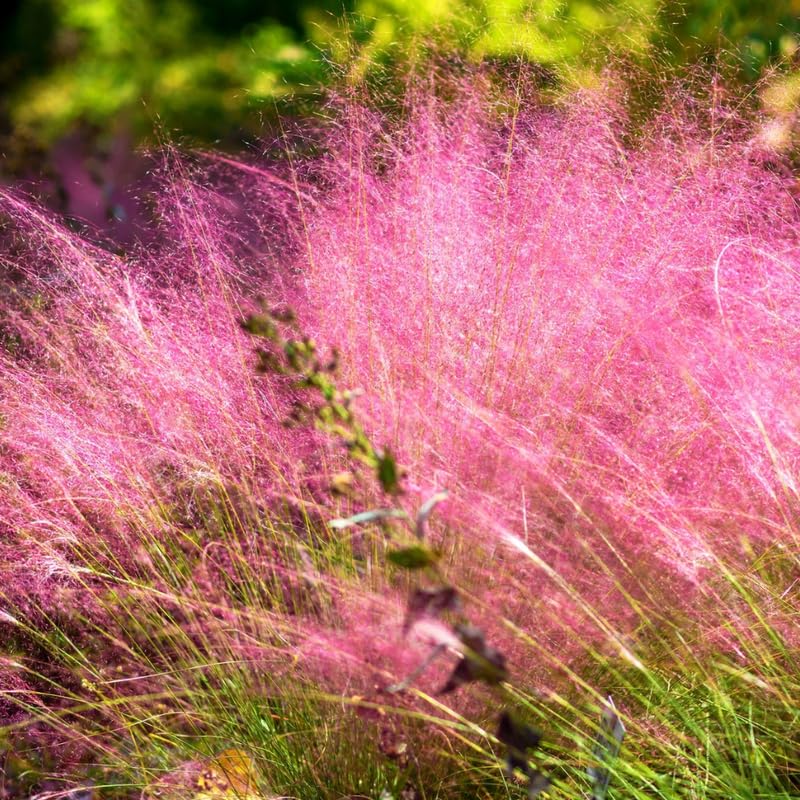
The YOKEBOM Pink Muhly Grass live plants set is a convenient way to bring the iconic pink clouds to your garden. This 2-pack of starter clumps is ideal for gardeners in zones 5-10 looking for a low-maintenance ornamental grass that delivers a dramatic late-season show.
The main draw is the feathery pink plumes that appear in late summer through fall, creating a soft, hazy look. In ideal conditions, the grass forms dense clumps that sway in the breeze. However, customer feedback suggests that success is not guaranteed with these starter plants. Several buyers reported receiving very small plants that died soon after planting, even with diligent watering. Others had plants that survived but did not bloom in the first season. On the positive side, some growers found the packaging excellent and the grass thriving in full sun and heat.
The plants arrive as young clumps, 5-9 inches tall, ready for transplant. The packaging method seems to be effective for many, but the tiny initial size is a risk. Once established, the grass is tough and drought tolerant, but the first few weeks are critical.
The primary drawback is the inconsistency in plant quality and survival rate. With an average rating of just 3.2 stars, this product is a gamble. Some buyers felt they wasted money on plants that didn't last. Additionally, if you are expecting instant bloom, you may be disappointed. It can take a season or two for the grass to reach flowering maturity.
The YOKEBOM Pink Muhly Grass is worth considering if you are an experienced gardener willing to nurse young plants. The rewards of a pink cloud display are real, but the risk of loss is higher than with more established nursery plants. For beginners or those expecting guaranteed results, a different source of more mature clumps may be a better investment.

Pros
- Healthy, well-rooted plants that establish quickly in the garden.
- Carefully packaged to minimize damage during shipping.
- Award-winning variety with proven performance in landscapes.
- Deer resistant, reducing the need for protective measures.
- Adds graceful, upright structure and seasonal interest to borders.
Cons
- Some plants may arrive with trimmed tops for shipping, which can look sparse initially but regrow quickly.
- Size at delivery may be smaller than expected based on the container size; mature height takes time.
- A few customers reported dieback in colder zones, so winter protection may be needed in zone 6a and below.
The Perennial Farm Marketplace Calamagrostis a. 'Karl Foerster', commonly known as Feather Reed Grass, has earned its reputation as a garden classic. This ornamental grass was named the 2001 Perennial Plant of the Year, a testament to its outstanding performance and adaptability. It produces dense, arching foliage that stays 18-24 inches tall, while the real show comes from the slender, upright flower spikes. These golden spikes rise 4-5 feet above the clump in May and June, creating a dramatic vertical effect that lasts well into fall.
Real-world performance from customer reviews is largely positive. Many buyers report receiving healthy, well-rooted plants that establish quickly. The grass is noted for its deer resistance, a major plus for gardens where wildlife is a concern. It thrives in full sun to partial shade and prefers moist, well-drained soil, though it tolerates some shade. The plant arrives in a #1 container, fully rooted and ready for planting. Some reviewers noted that the tops may be trimmed for shipping, but this is a standard practice that encourages new growth.
Design and build quality are solid for a live plant. The packaging is carefully done to prevent damage, and the root systems are well-developed. The grass is hardy in USDA zones 4-9, making it suitable for a wide range of climates. However, a few customers in zone 6a reported dieback after winter, so providing extra mulch or protection in colder areas may be wise. The mature height and spread (30 inches apart) make it ideal for mass plantings, borders, or as a specimen.
Drawbacks are minor. Some buyers felt the plants were smaller than expected upon arrival, but with proper care, they grow to full size. The trimmed tops can look a bit rough initially, but new growth emerges quickly. A small number of plants did not survive the first season, which can happen with any live plant shipped across zones. Overall, the value is excellent for an award-winning perennial at this price point.
Verdict: The Perennial Farm Marketplace Karl Foerster Feather Reed Grass is a top choice for gardeners seeking reliable, low-maintenance vertical interest. It earns high marks for its beauty, deer resistance, and ease of care. While a few plants may need extra winter protection in colder zones, the majority thrive and provide years of enjoyment. Highly recommended for sunny borders and mixed perennial beds.
Frequently Asked Questions About When to Plant Ornamental Grasses
1. Can I plant ornamental grasses in the summer?
Summer planting is possible but requires extra care. Hot, dry weather stresses new transplants. If you plant in summer, water deeply and regularly for the first few weeks. Choose drought-tolerant varieties like blue fescue or purple love grass to improve success. Mulching around the base helps retain moisture.
2. What happens if I plant ornamental grasses too late in fall?
Planting less than 6–8 weeks before the first hard frost risks poor root establishment. Grasses may heave out of the ground during freeze-thaw cycles. Stick to early fall planting, and for colder zones, consider starting seeds indoors first. You can find seed-starting tips on our seed category page.
3. Should I plant ornamental grasses from seed or as live plants?
Both work, but timing differs. Seeds need 6–10 weeks indoors before last frost for spring transplanting. Live plants from nurseries can go in the ground after the last frost date in spring or 4 weeks before first frost in fall. Many gardeners find live plugs easier for beginners.
4. How do soil temperature and frost dates affect planting time?
Ornamental grasses germinate best when soil temperatures reach 60–70°F. Use a simple soil thermometer. Frost dates determine the safe planting window: wait until after the last spring frost for warm-season grasses like pampas grass. For cool-season types like feather reed grass, early spring is ideal. Learn more about soil prep in our fertilizer guide.
5. Can I plant ornamental grasses in containers year-round?
Container planting offers more flexibility. In mild climates, you can plant almost any month, but avoid freezing or scorching weather. Pots dry out faster, so monitor moisture closely. For indoor planting, use a quality potting mix and ensure drainage. Our planter recommendations can help with container selection.





Write Your Review
No reviews yet. Be the first to share your experience!