

Getting the timing right for planting cabbage in Georgia can make the difference between a crisp, sweet harvest and a disappointing, bolted crop. Georgia’s climate ranges from the cooler mountains to the warm coastal plain, so understanding your local frost dates is essential. Many gardeners find that a combination of a reliable growing guide and quality seeds or starter plants sets them up for success. In this guide for October 2026, we look at 8 practical resources that can help you plan your cabbage planting schedule, whether you are a beginner or a seasoned grower.
For those new to cool-season gardening, the key is to plant cabbage so it matures before the heat of summer or after the hottest weather passes. In most of Georgia, that means a spring planting in late February to early April, and a fall planting in July to August. The resources below include detailed regional guides, seed packets for tried-and-true varieties, and even live plant plugs that take the guesswork out of starting seeds. If you are also interested in other cool-season crops, check out our Plant category for more tips.

Pros
- State-specific advice ensures you're not guessing about what works in Georgia.
- Month-by-month format makes it easy to stay on track all year long.
- Beginner-friendly yet detailed enough for experienced gardeners.
- Covers a wide range of edibles, from common vegetables to herbs.
- Includes practical tips on soil, watering, and pest management.
Cons
- Only covers Georgia, so not useful for gardeners in other states.
- Some users reported receiving damaged copies from shipping.
- A few readers wished for more photos or illustrations of plants and techniques.
If you garden in Georgia, this book is practically a cheat code. Written by Ira Wallace, a trusted name in Southern gardening, "Grow Great Vegetables in Georgia" is part of the state-by-state series that zeroes in on what actually works in your specific climate. Instead of generic advice, you get detailed information on Georgia's climate zones, average frost dates, and growing season quirks. It's the kind of insider knowledge that can make or break a harvest.
The standout feature is the month-by-month guide. From January through December, Wallace tells you exactly what to do: when to start seeds, when to transplant, what to prune, and how to prepare for the next season. This structure takes the guesswork out of gardening, especially for beginners who might feel overwhelmed. The book also profiles nearly 50 edibles, with specifics on sun, soil, spacing, and the best varieties for Georgia. Readers rave about how it turned them from "vegetable grim reapers" into confident growers.
The writing is clear and conversational, not overly technical. You don't need a degree in horticulture to follow along. The book also covers soil building, crop rotation, and pest management, all tailored to Georgia's conditions. It's a practical, no-nonsense resource that earns its high rating of 4.7 stars from over 150 reviews. Many buyers mention buying it as a gift or after borrowing it from the library and deciding they needed their own copy.
On the downside, this book is strictly for Georgia gardeners. If you live elsewhere, look for the version for your state. A few customers also reported receiving damaged copies during shipping, which is more of a fulfillment issue than a critique of the content. Some wished for more photos, but the text is thorough enough to compensate.
Overall, this is an essential guide for anyone growing food in Georgia. Whether you're a beginner setting up your first raised beds or an experienced gardener looking to optimize for your local climate, this book delivers. It's practical, well-organized, and backed by real-world results from satisfied readers.

Pros
- Specifically designed for Georgia's growing conditions, not generic advice
- Covers organic pest control and natural fertilizers for healthier produce
- Includes strategies for dealing with heat, drought, and frost common in Georgia
- Versatile advice that works for raised beds, containers, or traditional gardens
- Concise at 76 pages, making it a quick read for busy gardeners
Cons
- At 76 pages, it may lack depth for very experienced gardeners seeking advanced techniques
- No customer reviews yet, so it's hard to gauge real-world effectiveness
- Primarily focuses on Georgia, so not useful for gardeners in other regions
Vegetable Gardening in Georgia by Felecia Ann Maston is a focused guide for anyone looking to grow fresh produce in the Peach State. The book is designed for both beginners and seasoned gardeners who want to take advantage of Georgia's warm climate and fertile soil. It covers the essentials, from choosing the right seasonal crops to preparing soil and managing water. The author also dives into organic pest control and fertilization, which is a big plus for those wanting to keep their gardens chemical-free.
What sets this guide apart is its practical approach to Georgia's specific weather challenges. The state can swing from intense heat and drought to unexpected frost, and the book gives clear strategies for each scenario. It also offers tips for maximizing space, whether you're using raised beds, containers, or a traditional backyard plot. This flexibility makes it useful for urban gardeners or those with limited room.
The book's design is straightforward and easy to follow, with a compact 76-page length that avoids overwhelming readers. It's printed in a large 8.5 x 8.5 inch format, which makes it comfortable to reference while working in the garden. The independently published edition is light at just 7.4 ounces, so you can easily take it outside or toss it in a bag.
One potential drawback is the length. While it covers the basics well, experienced gardeners might find it lacking in advanced techniques or deeper scientific details. Also, since it's a new release with no reviews yet, it's hard to confirm how well the advice translates to real-world gardens. But for someone new to Georgia gardening or looking for a concise regional guide, this book is a solid starting point.
Overall, Vegetable Gardening in Georgia delivers exactly what it promises: a simple, actionable guide for growing vegetables in the state's unique conditions. It's a worthwhile investment for anyone who wants to enjoy fresh, homegrown produce without getting bogged down in unnecessary theory.
This 76-page guide is packed with practical information organized for quick reference. You'll find chapters on selecting the best vegetable varieties for Georgia's climate, preparing your soil for optimal growth, and step-by-step instructions for planting, watering, and fertilizing. The book also includes a dedicated section on organic pest control methods that work in the Southeast, plus tips for extending your growing season through heat waves and cold snaps.
Additional sections cover space-saving techniques for small gardens, including raised beds and container gardening. The author also provides a seasonal planting calendar tailored to Georgia's frost dates, so you know exactly when to sow and harvest. It's a complete toolkit for getting started or refining your approach.

Pros
- Comprehensive month-by-month breakdown for all climates
- Clear, actionable checklists and task lists
- Includes both northern and southern hemisphere information
- Covers pest management and preservation tips
- Affordable and concise (136 pages)
Cons
- Cold climate section may not be fully accurate for very cold zones (3-5)
- Planting times are general; local research is still recommended
- A few readers found it too basic for advanced gardeners
The 12-Month Vegetable Gardener's Handbook by Susan Jeffries is a practical guide designed to help you grow vegetables year-round, no matter where you live. It breaks down planting and harvesting tasks month by month across three climate categories: cold, cool/temperate, and subtropical/tropical. This structure makes it easy to find the right advice for your specific region without sifting through generic information.
What sets this book apart is its focus on timing. Many gardeners struggle with planting too early or too late, leading to poor yields. This handbook provides clear schedules and checklists so you know exactly what to do each month. It also covers essential equipment, seasonal pest control, and ways to handle excess harvest. Readers appreciate the straightforward language and the inclusion of both northern and southern hemisphere guidance, which is rare in gardening books.
At 136 pages, it's a concise read that doesn't overwhelm. The paperback format is lightweight and easy to keep in a garden shed. Customer reviews average 4.4 stars, with many praising its practicality for beginners. However, some experienced gardeners in very cold climates (zones 3-5) noted that the cold climate recommendations might not be fully realistic for their conditions. A few also mentioned that local adjustments are still necessary for precise planting dates.
Overall, this handbook is a valuable resource for anyone looking to extend their growing season and avoid common mistakes. It's especially useful for new gardeners who need a structured plan. While it may not replace detailed local guides, it provides a solid foundation for year-round vegetable gardening. If you want a straightforward, climate-aware approach to gardening, this book is worth adding to your library.

Pros
- High germination rate reported by multiple customers.
- Non-GMO heirloom seeds with no chemical treatments.
- Tolerates light frosts and improves in flavor afterward.
- Easy to grow with full sun and regular watering.
- Large leaves offer versatility in cooking and meal prep.
Cons
- Requires cool temperatures (45-65°F) for optimal growth; may bolt in heat.
- Needs fertile, well-drained soil and consistent watering.
- Annual crop so replanting is needed each season.
Seed Needs Georgia Southern Collard seeds are an heirloom variety that has been grown since the 1880s. These seeds are perfect for home gardeners who want to cultivate traditional Southern greens with a mild, earthy flavor. The large, dark green leaves are not only delicious steamed but can also be used as a low-calorie tortilla substitute or added fresh to salads. This pack contains 500 non-GMO, untreated seeds, making it a generous quantity for multiple plantings or sharing with friends.
In terms of performance, these seeds deliver. Customer reviews consistently mention high germination rates, with one reviewer noting about 90% success. The plants grow quickly, reaching maturity in 60 to 65 days, and are ready to harvest in a single season. A standout feature is how light frosts actually sweeten the leaves, making them even more flavorful. The variety is also slow to bolt, giving you a longer harvest window in cooler weather.
The packaging reflects Seed Needs' commitment to quality. Each packet is beautifully illustrated and includes full growing instructions on the back, covering sowing depth, sunlight needs, and watering. The seeds are stored in a temperature-controlled facility and packaged in moisture-resistant material to maintain freshness. The company also donates to organizations and sponsors children worldwide, adding a feel-good factor to your purchase.
One potential drawback is that Georgia Southern collards prefer cooler temperatures (45-65°F) and may bolt if exposed to prolonged heat. They also require fertile, well-drained soil and regular watering. However, for gardeners in USDA zones 6-11 who can plant in early spring or fall, these seeds are a reliable choice. Overall, this is a solid option for anyone wanting to grow authentic, flavorful collard greens at home.

Pros
- Vigorous, hardy plugs that establish quickly in the garden.
- Fast maturity in 50 to 60 days from planting to harvest.
- Delicious sweet flavor enhanced by frost exposure.
- Versatile for multiple uses: fresh salads, cooked dishes, and preserving.
- Convenient cost-saving alternative to buying mature plants or starting seeds.
Cons
- Requires consistent watering and regular feeding for best head development.
- Not suited for warm-season planting; only thrives in cool weather (spring and fall).
- Pack of 6 plugs may be too small for very large gardens; multiple packs are needed.
The Bonnie Plants O-S Cross Cabbage 6-Pack Plugs deliver a convenient and reliable way to start your cool-season garden. These live young plants are grown in individual cells filled with potting soil, so they're ready to go straight into raised beds or in-ground gardens. They're ideal for home gardeners who want to skip the hassle of germinating seeds and still enjoy a bountiful harvest of fresh cabbage for slaws, salads, soups, and more.
What sets these plugs apart is their speed and flavor maturity. From planting, you can expect large heads in just 50 to 60 days, and the taste actually sweetens after a light frost. That makes them perfect for early spring or fall planting. The plants reach 18 to 30 inches tall and produce generous heads that are great for fresh eating, canning, or fermenting. They thrive in full to part sun and are easy to care for as long as you water when the top inch of soil feels dry and feed with a balanced plant food.
Build quality is excellent. You're getting strong, sturdy plugs with healthy root systems. Bonnie Plants has a long-standing reputation for producing vigorous seedlings, and these are no exception. The 6-pack gives you a solid start without overwhelming you with too many plants at once, making it a smart buy for small to medium gardens.
There are a few honest downsides. These plugs are strictly cool-season crops, so they won't perform well in hot summer weather. You'll need to be consistent with watering and feeding to get those show-quality heads. And if you're planning a large garden, a single 6-pack may not be enough; you might want to order multiple packs.
Overall, the Bonnie Plants O-S Cross Cabbage Plugs are a fantastic value for anyone who wants a fast, reliable start to homegrown cabbage. They deliver on flavor, ease, and speed. Whether you're a beginner or a seasoned grower looking to save time, these plugs are a solid choice.

Pros
- Huge quantity and variety for a low price
- Consistent high germination reported by most buyers
- Useful digital grow guide included for each variety
- Heirloom and non-GMO seeds from US suppliers
- Works well for traditional gardens, raised beds, and hydroponics
Cons
- Some seed packets may leak during shipping, causing minor seed loss
- A few varieties (like red cabbage and Michihili) may underperform in certain growing conditions
- Not organic certified, though seeds are non-GMO heirloom
The HOME GROWN Cabbage Seeds 7 Variety Mix is a practical choice for anyone wanting to grow a diverse cabbage patch without buying multiple individual seed packets. This collection includes seven heirloom, non-GMO varieties: Copenhagen Market, Golden Acre, Early Jersey Wakefield, Michihili, Red Acre, Savoy, and Bok Choy. With over 2000 seeds total, you get enough to plant a sizable garden or experiment with different types.
What stands out is the seed quality and germination rate. Most customers report an 85-90% success rate when seeds are planted in good conditions. The seeds are open-pollinated and sourced from US growers, which adds confidence for those who value traceability. The included digital grow guide is a nice bonus, especially for beginners who need clear instructions on spacing, soil temperature, and watering for each variety.
The seeds are adaptable across USDA zones 2-11 and can be started indoors or outdoors in full or partial sun. They need well-draining loam soil and regular watering. The pack is designed for spring to fall planting, and the early maturing varieties (like Copenhagen Market) can be harvested in 60-70 days. Many reviewers have used these seeds successfully in traditional gardens and even hydroponic setups.
Not everything is perfect. A few buyers noted that seed packets can leak during shipping, causing a minor mess. Also, some varieties may not thrive in all climates. For example, one reviewer found that red cabbage had very low germination and Michihili bolted quickly in their conditions. So results can vary based on your local weather and soil. But most reviews are overwhelmingly positive, highlighting the value and overall reliability.
Verdict: If you want a budget-friendly way to try multiple cabbage types without buying separate packs, this mix is an excellent choice. The high seed count, solid germination, and helpful grow guide make it a smart buy for both new and experienced gardeners. Just be ready to adjust for your specific growing conditions.

Pros
- High germination rate and strong seedling growth reported by many buyers
- Heirloom, non-GMO seeds you can save for future seasons
- Detailed planting instructions included on the packet
- Good value with 200 seeds at an affordable price
- Hardy plants that thrive in full sun with moderate watering
Cons
- Some buyers reported that seeds failed to germinate or produced weeds instead of cabbage
- The Copenhagen variety may not be as widely known as other cabbage types, so results can vary by climate and soil conditions
Axel's Garden Seeds Copenhagen Cabbage Seeds offer a straightforward way to grow your own cabbage at home. This packet contains 200 non-GMO heirloom seeds, which is enough for a decent-sized garden patch or to share with friends. The variety is Copenhagen, known for producing medium-sized green heads that work well in coleslaw, sauerkraut, or simply steamed. The seeds are intended for outdoor planting in full sun with moderate watering in well-drained soil.
One of the standout features is the germination rate. The product specifications highlight a high germination rate, and many user reviews confirm that seeds sprouted quickly and grew into healthy plants. Gardeners reported seeing their cabbage reach about an inch tall in the garden and eventually harvested sizable heads. The included instructions on the packet are clear and detailed, making this a good choice even if you're new to growing cabbage. The seeds are also heirloom, meaning you can save seeds from your harvest for next season.
In terms of build quality, the seeds come in a colorful 3x4.5-inch packet with a full-color illustration and growing instructions on the back. It's compact and easy to store. The brand, Axel's Garden Seeds, offers a range of fruit, flower, herb, and vegetable seeds, all hand-packed. They also provide customer support if any issues arise during growing.
That said, there are a few drawbacks to consider. A small number of reviewers reported that seeds never germinated or that only weeds grew from the packet. One user who considered themselves experienced with gardening was disappointed. Another noted that their plants started but then stagnated after six weeks, despite prepped soil. These issues could be due to seed quality variation, improper planting depth (1/4 inch), or specific soil conditions. While most feedback is positive, it's worth planting a few extra seeds to ensure you get a full stand.
Overall, the Axel's Garden Seeds Copenhagen Cabbage Seeds are a reliable, affordable option for home gardeners who want to try a classic heirloom cabbage. The high germination rate and clear instructions are big pluses, but be prepared to test a few seeds first if you're in an area with less-than-ideal growing conditions. For the price, it's a solid value that should reward you with tasty homegrown cabbage in about two months.
Frequently Asked Questions About Planting Cabbage in Georgia
Here are answers to some common questions gardeners have about timing and techniques for growing cabbage in the Peach State.
When should I plant cabbage in Georgia for a spring harvest?
For a spring harvest, plant cabbage 4 to 6 weeks before the last expected frost in your area. In north Georgia, that is usually mid-March; in central Georgia, late February to early March; and in south Georgia, early February. Using a resource like Grow Great Vegetables in Georgia (ASIN: 1604699663) can give you precise frost dates and variety recommendations for your specific zone. If you prefer to start seeds indoors, begin 6 to 8 weeks before transplanting.
Can I plant cabbage in Georgia during the fall?
Yes, fall cabbage is actually easier for many Georgia gardeners because the cooler weather helps develop a sweeter flavor. Plant seeds or transplants in late July through August, about 8 to 10 weeks before the first fall frost. The Bonnie Plants O-S Cross Cabbage Plugs (ASIN: B0G8TGFYKH) are a great shortcut because they are already started and ready to go into the ground. For more on fall planting schedules, see our Seed category.
What is the best cabbage variety to grow in Georgia?
Georgia’s climate suits several heirloom and hybrid varieties. Georgia Southern Collards (ASIN: B004EFZWIM) are a classic, heat-tolerant choice that works well for both spring and fall. For traditional cabbage heads, the HOME GROWN Cabbage Seeds 7 Variety Mix (ASIN: B0B9ZFZFS9) includes Copenhagen Market and Early Jersey Wakefield, both reliable performers in the Southeast. If you want a ready-to-plant option, the O-S Cross hybrid from Bonnie Plants is bred for disease resistance and uniform heads.
How do I protect cabbage from Georgia’s heat and pests?
To prevent bolting (premature flowering), plant early enough in spring and use shade cloth if a heat wave hits. For pests like cabbage worms and aphids, floating row covers are very effective. The Vegetable Gardening in Georgia book (ASIN: B0FFNHWN6P) covers organic pest control methods specific to the state. Also, make sure your soil is rich in organic matter and well-drained; adding compost before planting helps reduce stress. For more on soil health, visit our Fertilizer category.
Do I need to start cabbage seeds indoors or can I direct sow?
Both methods work, but direct sowing is simpler for fall crops when the soil is warm. For spring, starting seeds indoors gives you a head start and protects young plants from late frosts. The Seed Needs Collard Seeds (ASIN: B004EFZWIM) include detailed instructions for both methods. If you prefer not to deal with seed starting at all, the Bonnie Plants plugs (ASIN: B0G8TGFYKH) are a foolproof option for beginners. Whichever route you choose, consistent moisture is key during germination.
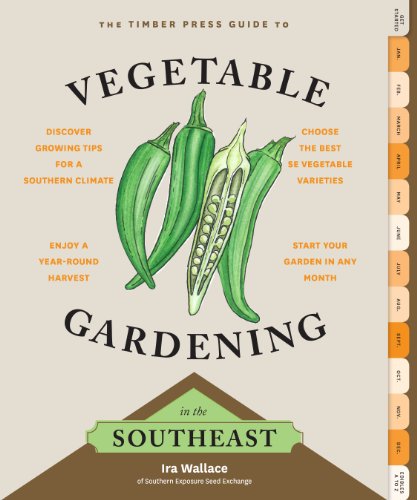
For more detailed regional advice, check out The Timber Press Guide to Vegetable Gardening in the Southeast (ASIN: 1604693711) and The 12-Month Vegetable Gardener’s Handbook (ASIN: 176378570X). These guides cover not only cabbage but a full year of gardening tasks tailored to our climate.





Write Your Review
No reviews yet. Be the first to share your experience!