
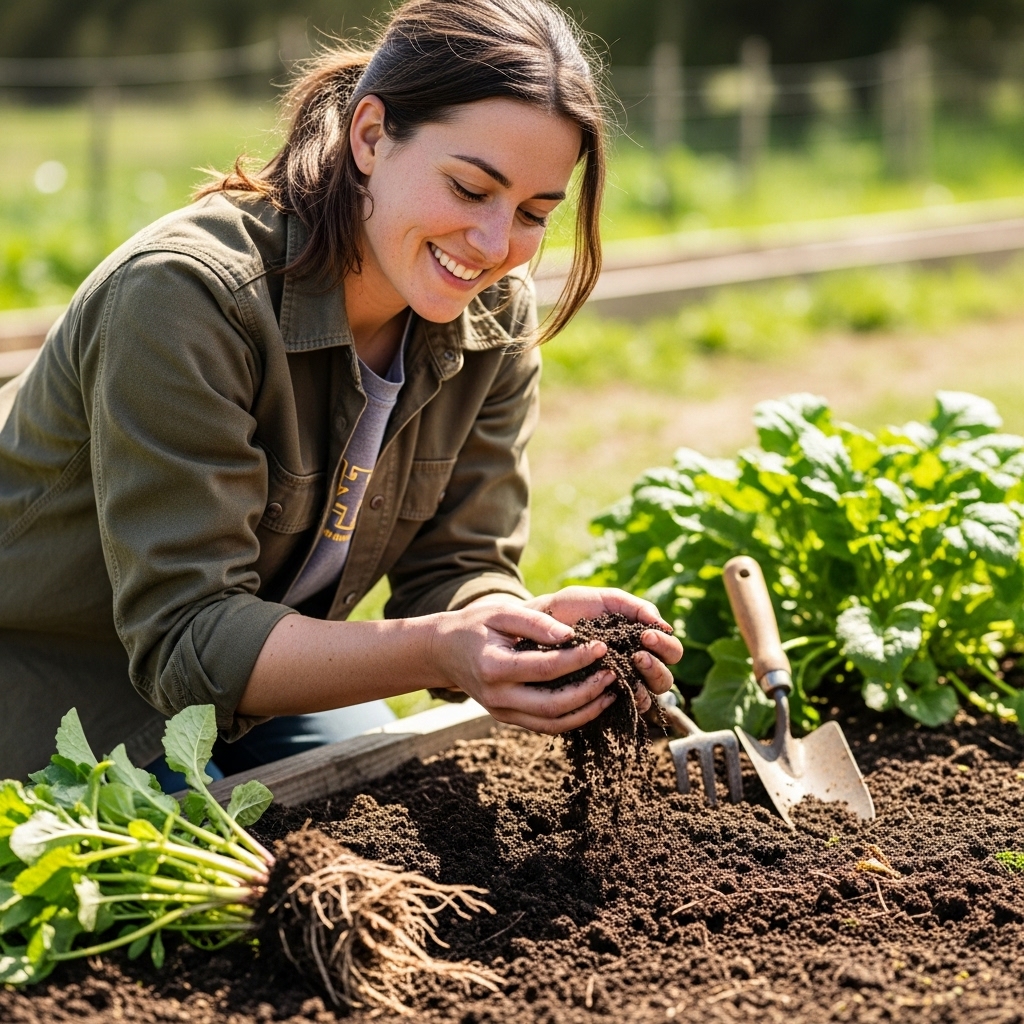

If you are looking to add a rewarding berry to your garden, learning how to plant black raspberries is a smart move. These brambles produce sweet, dark fruit that is perfect for fresh eating, jams, and freezing. But getting started can feel tricky. You need the right soil, proper spacing, and good pruning habits to avoid disease and get a strong harvest. Many gardeners find that having the right resources makes all the difference. That is why we have put together 8 practical guides and books in October 2026 to help you succeed, including titles from James Paris, U.S. Dept of Agriculture, William A. Jack and more and others.
Whether you are a beginner or have some experience with berries, understanding the specific needs of black raspberries is key. They prefer well-drained soil, full sun, and careful pruning that is different from red raspberries. Common mistakes include planting too deep, skipping trellising, or not managing suckers. The resources we highlight cover everything from site selection to harvest and even pest control. For more on feeding your plants, check out our guide on best plant food for water propagation to keep your cuttings strong.

Pros
- Affordable price for a specialized guide.
- Authentic reproduction of a classic government publication.
- Concise and easy to digest in one sitting.
- Useful for those interested in historical gardening methods.
Cons
- Content is dated (1975) and lacks modern techniques or pest control advice.
- Half the book covers building dryers and picking machines, not practical for most home gardeners.
- Reprint quality may have slight blurring or shadows, as noted by the publisher.
- Better, more comprehensive info is available online for free.
This reprint of the U.S. Department of Agriculture bulletin from 1975 is a slim, 46-page guide that covers the basics of planting, growing, and harvesting raspberries. It's written in the straightforward, no-nonsense style of old government pamphlets. If you're a history buff or a collector of vintage agricultural texts, this might hold some appeal. But for anyone looking to actually cultivate raspberries today, this booklet is a mixed bag.
The standout feature is its authenticity. It's a direct facsimile of the original, complete with the same typeface and illustrations. That means you get an unfiltered look at how the USDA advised growers over 40 years ago. Topics include red and black raspberries, soil preparation, planting methods, winter protection, and harvesting. There's even a section on curing and building small kiln dryers.
However, that last point is where the book falls short for modern gardeners. Roughly half the content is devoted to constructing drying equipment and mechanical pickers. That's not what most people expect from a title promising a simple how-to guide. The information is dated, with no mention of newer varieties, organic pest control, or trellising systems. The reprint's quality is acceptable but not crisp; some pages have faint shadows or slight blurring, which can be distracting.
On the plus side, the book is affordable, lightweight, and easy to read. The large 8.5x11 inch format means text is big enough for quick scanning. For under $7, it's a cheap experiment, but the value is limited. One reviewer noted that after reading it, they found better, more comprehensive information online for free.
Verdict: Buy this only if you want a historical reference or a compact piece of USDA nostalgia. For practical raspberry growing, skip it and search the web instead.
Thronesfarm Black Raspberry Hardy Perennial 12
Pros
- Large quantity of cuttings for the price, offering great value for starting a berry patch.
- Detailed propagation guide included, reducing guesswork for new gardeners.
- Hardy perennial suitable for a broad range of USDA zones (3-9).
- Cuttings are shipped unrooted, allowing you to control the rooting environment.
- Can produce a generous crop of sweet black raspberries once established.
Cons
- Unrooted cuttings require patience and proper care to successfully root and grow.
- No customer reviews yet, so it's hard to gauge consistency of cutting quality.
- May not root well in very heavy clay soil without amending.
The Thronesfarm Black Raspberry Hardy Perennial 12 unrooted cuttings offer a smart, budget-friendly way to start your own berry patch. This pack is aimed at gardeners in USDA zones 3 through 9 who want to propagate their own black raspberry plants using the time-tested tip layering method. Each cutting is at least 6 inches long and comes from healthy stock, giving you a solid foundation for rooting.
One standout feature is the inclusion of clear propagation instructions. The description walks you through monitoring your existing bush, marking a drooping cane, burying the tip, and transplanting the new plant the following spring. This guidance is especially helpful if you are new to growing raspberries. The cuttings are intended for full sun exposure and well-drained, loamy, slightly acidic soil. The autumn fruiting habit of black raspberries is a bonus, as it extends your harvest season later into the year.
That said, keep in mind that these are unrooted cuttings, not potted plants. Success depends on your ability to follow the propagation steps carefully. There are no customer reviews yet, so first-time buyers may want to start with a small order to test viability. The product's best sellers rank is relatively high, meaning it isn't a top seller yet. However, for the price, you get a generous number of cuttings that could yield several established plants with proper care.
In terms of design and build quality, the cuttings are sold as bare sticks, so there isn't much to judge beyond size and freshness. The brand, Thronesfarm, is a smaller grower, and the manufacturer is listed as Brown Farm Academy. While this might raise questions about consistency, the detailed product description shows they know their raspberry propagation.
Overall, if you have the space and patience, these cuttings are a cost-effective way to grow black raspberries from scratch. They are best suited for gardeners who enjoy propagating plants and don't mind waiting a season for roots to develop. If you prefer instant gratification, look for potted starts. But for a DIY approach, this pack delivers good potential at a fair price.

Pros
- Comprehensive coverage from soil preparation to harvest and beyond
- Clear, actionable instructions suitable for beginners and experienced gardeners
- Includes unique sections on economics, preserving, and health benefits
- Practical troubleshooting section for common issues
- Affordable price for the depth of information provided
Cons
- Only one customer review available, making it hard to gauge widespread feedback
- Physical book format may not include color photos or digital extras
- May be more detailed than needed for casual gardeners
The Complete Raspberry Guide is a thorough, no-nonsense handbook for anyone serious about growing raspberries. Author Denny Permana covers the entire lifecycle of raspberry plants, from selecting the right site and soil to harvesting and preserving your fruit. The book is written for gardeners of all levels, so whether you are planting your first raspberry bush or looking to optimize an existing patch, you will find relevant, practical advice.
What sets this guide apart is its breadth. Most fruit-growing books touch on the basics, but this one dives into topics often overlooked: the economics of growing raspberries, how to start a small business selling your harvest, and creative ways to use raspberries in recipes and beyond. The step-by-step instructions for planting, pruning, and propagating are clear and easy to follow, with troubleshooting tips that address common problems like pest infestations and poor yields.
The book is well-organized, with dedicated chapters on watering, fertilizing, trellising, and protecting plants. It also includes guidance for organic growing and companion planting, which is valuable for eco-conscious gardeners. The content is based on practical experience rather than theory, and it avoids excessive jargon, making it accessible.
As a standalone publication from a smaller press, the book lacks the glossy photos or interactive elements of larger gardening titles, which may be a drawback for visual learners. However, the text is detailed enough to compensate, and the price point makes it a low-risk investment for dedicated gardeners.
Overall, The Complete Raspberry Guide delivers on its promise to help you grow and care for raspberries successfully. It is a solid, comprehensive resource that earns its high rating. For anyone looking to master raspberry cultivation, this book is a worthwhile addition to your gardening library.

Pros
- Very beginner-friendly with straightforward steps
- Covers a wider range of berries than most guides (including rare currants)
- Focus on organic, low-cost methods aligns with sustainable gardening
- Includes practical recipes for using excess harvests
- Compact size (78 pages) makes it easy to reference quickly
Cons
- May feel too basic for experienced gardeners looking for deep detail
- Only 78 pages long - some sections are quite brief
- No advanced troubleshooting or in-depth variety comparisons
James Paris's 'Growing Berries' is a compact, practical guide designed for anyone who wants to grow their own fruit without resorting to chemicals. This book covers eight popular berries: strawberries, raspberries, blackberries, blueberries, gooseberries, and three types of currants (red, black, and white). Each section walks you through choosing varieties, planting, pruning, feeding, and harvesting, all using fully organic methods.
The standout feature here is the inclusion of less common berries like gooseberries and white currants that many guides skip entirely. If you are into preserving or want to expand your garden's diversity, that alone makes this book worth a look. It also shares simple recipes for jams, jellies, and chutneys, plus tips for freezing and storing your crop. One reviewer especially liked the chutney ideas for currants, which are not something you see every day.
The book keeps things straightforward. You get clear instructions on companion planting, making your own compost, and natural pest control using garlic and lemon sprays. There are even simple building plans for bird netting frames. The tone is encouraging and down-to-earth, aimed at beginners or those with limited space. A top review from a city dweller praised the cost-saving advice on multiplying plants from just a few starts.
On the downside, experienced gardeners may find the content too general. Each berry gets only a few pages, and some pruning or disease management tips lack depth. A few reviewers noted that the information is similar to what you'd find in a general gardening book. At 78 pages, this is more of a starter handbook than an exhaustive reference.
Overall, 'Growing Berries' is a great entry point for organic berry growing, especially if you want to try currants or preserve your harvest. It won't turn you into an expert, but it will help you get a productive patch going with minimal fuss and expense.

Pros
- Informative and straightforward content ideal for novices.
- Helpful visual guide for pruning, a common concern among growers.
- Zero cost makes it a risk-free resource for blackberry cultivation.
- Covers both ornamental and practical uses in the home landscape.
Cons
- Some readers find the text repetitive and in need of better editing.
- Print version suffers from a low-resolution, pixelated cover image.
- Very short at 35 pages, might leave advanced gardeners wanting more depth.
William A. Jack's 'Simple How-to Plant and Grow Blackberries' is a compact Kindle guide aimed at home gardeners and landscape lovers who want to add this versatile berry to their yard. With a focus on practical steps from planning to harvest, it fits well as a quick reference for anyone curious about growing blackberries for fresh eating or as a decorative hedge. The book is part of a larger landscaping series and stands out for its clear, no-nonsense approach.
The standout feature here is the pruning section. One reviewer specifically praised the before-and-after illustration, calling it very helpful for those nervous about making the wrong cut. The text also covers soil prep, fertilization, and planting techniques, all in accessible language. While the information is generally accurate, a few readers noted that the writing can be repetitive, with nearly identical sentences appearing more than once. This suggests the book could benefit from a thorough edit to tighten the prose.
At just 35 pages, this is a concise read rather than an exhaustive manual. The digital version supports features like page flip and enhanced typesetting, which improve the reading experience on a Kindle. However, the print edition has a notably pixelated cover that some reviewers felt cheapened the product. Inside, black-and-white photos add visual context, but the cover issue is a real distraction if you prefer a physical copy.
Despite these drawbacks, the book succeeds in its core mission: giving beginners a solid starting point for growing blackberries. It is free to download, so the cost is not a factor. For those seeking deeper information on pest control or advanced growing techniques, this may not suffice. But for a quick, actionable guide to get started, it delivers.
Verdict: A practical, budget-friendly primer for new blackberry growers. Its repetition and short length hold it back from excellence, but the core advice and pruning diagram make it worth a look. Recommended for curious hobbyists and those wanting to incorporate blackberries into their garden without a heavy investment.

Pros
- Beginner-focused with clear, actionable steps for each berry type
- Covers a wide range of berries in one guide, saving time and money
- Practical advice on natural pest control and year-round preservation
- Compact and portable format (5.5 x 8.5 inches) perfect for outdoor use
- Low price point makes it accessible for budget-conscious gardeners
Cons
- No user reviews yet, so real-world feedback is unavailable for this new release (November 2024)
- May lack advanced techniques that experienced berry growers seek
- Independently published, which might mean less polish in editing or layout
If you have ever dreamed of picking sun-warmed strawberries or tangy raspberries from your own backyard but felt intimidated by gardening, this book could be your perfect starting point. "Growing Berries Fast and Easy" by Norman E. Brock is exactly what it promises: a straightforward guide that strips away the complexity of berry cultivation. Aimed squarely at beginners, it covers strawberries, raspberries, blueberries, blackberries, and a few extras without assuming any prior knowledge. The author keeps the tone encouragingly simple, which is a relief for anyone who has been overwhelmed by jargon-heavy gardening manuals.
The book shines with its practical, step-by-step approach. Brock outlines the quickest-growing berry varieties suitable for different climates and small spaces, making it relevant whether you have a sprawling yard or a cozy patio. He explains how to set up a berry garden with minimal tools and effort, then dives into optimizing sunlight, soil, and water for maximum yield. The natural pest control section is a standout, offering eco-friendly solutions that don’t require harsh chemicals. And for those worried about how to handle a bumper crop, there are simple methods to preserve berries for year-round enjoyment: freezing, jams, and more.
At 189 pages, the book is compact and lightweight (just over 10 ounces). The dimensions (5.5 x 8.5 inches) make it easy to take along to the garden or flip through at the kitchen table. The layout uses clear headings and bullet points, which helps when you need quick reference while planting or troubleshooting. As an independently published work, the production quality is decent, though you might notice the lack of glossy photos some larger publishers include. The text is readable and well-organized, making up for any visual simplicity with substance.
The main drawback is that this title is brand new, released in November 2024, so it lacks any user reviews or long-term feedback. That means you are going in without real-world validation of the methods. Also, if you are an experienced berry grower looking for advanced techniques like grafting or soil pH management in extreme detail, this guide may feel too basic. It is designed for those starting from scratch, and it stays true to that mission.
Overall, "Growing Berries Fast and Easy" is a solid investment for the aspiring home gardener who wants to grow a variety of berries without spending a fortune on equipment or losing time to trial and error. It delivers clear, actionable advice in an affordable package. If you are ready to taste homegrown berries this season, this book gives you a reliable roadmap to get there.
Publisher: Independently published
Publication Date: November 20, 2024
Language: English
Print Length: 189 pages
ISBN-13: 979-8300594381
Item Weight: 10.7 ounces
Dimensions: 5.5 x 0.43 x 8.5 inches
Best Sellers Rank: #298,244 in Books; #21 in Shrub Gardening; #97 in Fruit Gardening

Pros
- Clear, beginner-friendly advice on pruning and variety selection.
- Covers all three blackberry growth habits (erect, semi-erect, rambling).
- Includes practical recipes and storage tips.
- Affordable and concise guide for quick reading.
Cons
- Table of contents page numbers don't match the actual pages.
- Text could benefit from professional editing and proofreading.
- May be too brief for experienced or advanced gardeners.
How to Grow Blackberries by LARRY PAT is a straightforward, beginner-focused guide that walks you through the entire process of planting, growing, and harvesting blackberries. Spanning just 69 pages, this independently published paperback aims to help even complete novices get started with bramble fruit cultivation. It's the kind of book you read before buying your first plants, as one reviewer noted.
The standout features here are the clear breakdown of pruning techniques for erect, semi-erect, and rambling blackberry types, along with guidance on selecting varieties that fruit in early, mid, or late season. You also get tips on berry size and sweetness, plus a handful of recipes to use your harvest. The step-by-step instructions cover everything from soil preparation to pest control, making it a solid one-stop resource for new growers.
Physically, the book is a 6x9 inch paperback weighing under 4 ounces, so it's easy to toss in a garden bag. However, the production quality shows some rough edges. The top review mentions that the page numbers in the table of contents don't match the actual pages, and parts of the text could have used a proofreader. This doesn't ruin the content, but it does suggest a less polished editing process.
Drawbacks are mainly around these organizational and editorial glitches. For a more experienced gardener, the 69-page length may feel too concise, lacking in-depth discussion on disease management or advanced trellising systems. But for a beginner wanting to avoid common mistakes, the practical advice outweighs the minor presentation flaws.
Verdict: If you're new to growing blackberries, this is a helpful, affordable guide that gets you started on the right foot. Read it before you buy your plants, use it as a quick reference, and you'll likely have better results than winging it. Just be prepared for a few page-number hiccups along the way.

Pros
- Very concise and easy to digest in one sitting
- Fully accessible with screen reader support and enhanced typesetting
- Free for Kindle Unlimited subscribers, making it a low-risk purchase
- Focuses on practical, actionable advice rather than theory
Cons
- Only 62 pages long - may lack depth for serious fruit growers
- No X-Ray or Word Wise features, which could hinder navigation for some readers
- Published less than a year ago and has no customer reviews yet, so quality is unproven
Growing Raspberries by Davies Cheruiyot is a short, focused guide that promises a complete roadmap for anyone looking to start their own raspberry patch. As part of the Fruits Farming series, this book targets home gardeners who want a quick, no-nonsense introduction to raspberry cultivation. With just 62 pages, it is designed to be read in one sitting, making it a convenient reference for beginners or those with limited time.
The guide covers the essentials: choosing the right raspberry varieties for your climate, preparing the soil, planting techniques, watering, fertilizing, and pruning. It also touches on common pests and diseases, along with basic harvesting and storage tips. The author's straightforward language helps demystify the process, though the brevity means some topics are only lightly explored. For example, advanced trellising systems or large-scale irrigation are not included.
From a technical standpoint, the Kindle edition is well formatted, with proper headings and a table of contents. It supports page flip and screen readers, which is great for accessibility. However, it lacks Word Wise and X-Ray features, which some readers rely on for quick definitions or character lookups. The file size is moderate at 12.8 MB, likely due to embedded images or diagrams.
One honest drawback is the lack of customer reviews. With a 2.9-star rating and zero reviews, potential buyers have no user feedback to gauge the book's real-world usefulness. The rating itself may be a placeholder or based on minimal data. Additionally, experienced raspberry growers will find the content too basic, and the absence of a bibliography or further reading list is a missed opportunity.
Verdict: Growing Raspberries is a passable primer for absolute beginners who want a quick, free (via Kindle Unlimited) overview. It delivers on its promise of a complete guide but in a very compact format. If you are just starting out and prefer bite-sized information, this book will serve you well. For in-depth knowledge, consider a more comprehensive reference instead.
Frequently Asked Questions About Planting Black Raspberries
Here are answers to common questions gardeners have about how to plant black raspberries successfully at home.
When is the best time to plant black raspberries?
The ideal time is early spring after the last frost, or in late fall while the ground is still workable. Planting during cool, moist weather helps the roots establish before summer heat. Avoid planting when the soil is waterlogged or frozen.
How deep should I plant black raspberry cuttings or plants?
Set the plants at the same depth they were growing in the nursery. For cuttings, bury the bottom node just below the soil surface. Planting too deep can cause crown rot, which is a common problem. A good rule is to keep the root crown level with the soil line.
Do black raspberries need a trellis or support?
Yes, they benefit from a trellis or a simple wire support because canes can become heavy with fruit and droop. A T-trellis or a fence line works well. This also improves air circulation and makes harvesting easier. For more on garden structures, see our article on planter box ideas.
How do I prune black raspberries?
Black raspberries fruit on second-year canes (floricanes). After fruiting, cut those canes down to the ground. In early spring, thin out weak or damaged canes and tip-prune the remaining ones to encourage branching. Always use clean, sharp pruners to avoid spreading disease.
What common problems affect black raspberries?
Common issues include powdery mildew, spider mites, and cane borers. Good air flow, well-drained soil, and regular inspection help prevent most problems. Avoid planting near wild brambles to reduce disease risk. For more plant care tips, browse our Plant category for other guides.
Have questions about our How To Plant Black Raspberries recommendations? Check out our How to Turn an Old Bike into a Planter for creative garden ideas or our Plant Care Guide for more tips.





Write Your Review
No reviews yet. Be the first to share your experience!