


Planting and growing grass might seem straightforward, but anyone who has stared at bare dirt or thin patches knows how frustrating it can be. Whether you are starting a new lawn from scratch or overseeding tired spots, understanding the right steps makes all the difference. In this guide, we break down the process for how to plant and grow grass, sharing practical tips that work for different climates and soil types. We also highlight 8 products that can help you achieve a dense, green lawn, including books like The Lawn Bible and seed mixes like Scotts Turf Builder Grass Seed Tall Fescue Mix. This information is current as of October 2026.
Many homeowners struggle with uneven germination or weed invasion because they skip soil preparation or water incorrectly. The good news is that with a little planning and the right resources, you can grow grass that thrives. Below, you will find the product recommendations we mentioned, followed by answers to common questions about planting grass.

Pros
- Written by a renowned master groundskeeper with decades of experience
- Covers all aspects of lawn care from planting to pest control
- Regional advice ensures relevance to your specific area
- Emphasizes child-friendly and practical solutions
- Easy-to-follow troubleshooting sections for common issues
Cons
- First published in 2003, so may not include the latest organic or sustainable trends
- Primarily print-based; no mention of a digital or updated edition
- Regional climate advice may need cross-referencing with current weather patterns
The Lawn Bible by David R. Mellor is exactly what its title promises: a thorough, season-by-season guide to achieving and maintaining a beautiful lawn. The author, a master groundskeeper for the Milwaukee Brewers, brings decades of practical experience to the page. This book is written for homeowners who want clear, actionable advice without the fluff. Whether you are a newbie or a seasoned gardener, you will find value in Mellor's straightforward approach.
Standout features include region-specific recommendations for mowing, watering, fertilizing, and pest control. Mellor teaches you to think like a lawn, which means understanding how grass responds to sunlight, soil composition, and foot traffic. The book also dedicates a section to making lawns child-friendly, a thoughtful addition for families. The 288 pages are packed with illustrations, tables, and checklists that make it easy to apply the lessons.
Design-wise, the paperback is sturdy with a practical 8.6 x 11.2 inch format, perfect for flipping through while you are out in the yard. The text is well-organized with clear headings, though some images may feel dated. Keep in mind that this book was first published in 2003, so it predates many modern organic products and climate adaptation strategies. While the core principles remain solid, those seeking cutting-edge eco-friendly methods may need supplementary resources.
Overall, The Lawn Bible is a reliable, no-nonsense guide for anyone serious about lawn care. It earns high marks for usability and authority. If you are willing to adapt the advice to current conditions, this book will serve you well for years to come.
Pros
- Comprehensive step-by-step system covers every stage from soil prep to ongoing care.
- Jargon-free language makes complex topics accessible to beginners.
- Includes practical templates like a site-audit sheet, watering log, and 14-day launch plan.
- Addresses real-world challenges like slopes, shade, and drought that most guides ignore.
- Focuses on why each step matters, not just how to do it.
Cons
- No customer reviews yet, so real-world feedback is limited.
- The book is fairly short at 222 pages, may feel too superficial for some advanced gardeners.
- Some readers might find the level of detail overwhelming for a small patch of lawn.
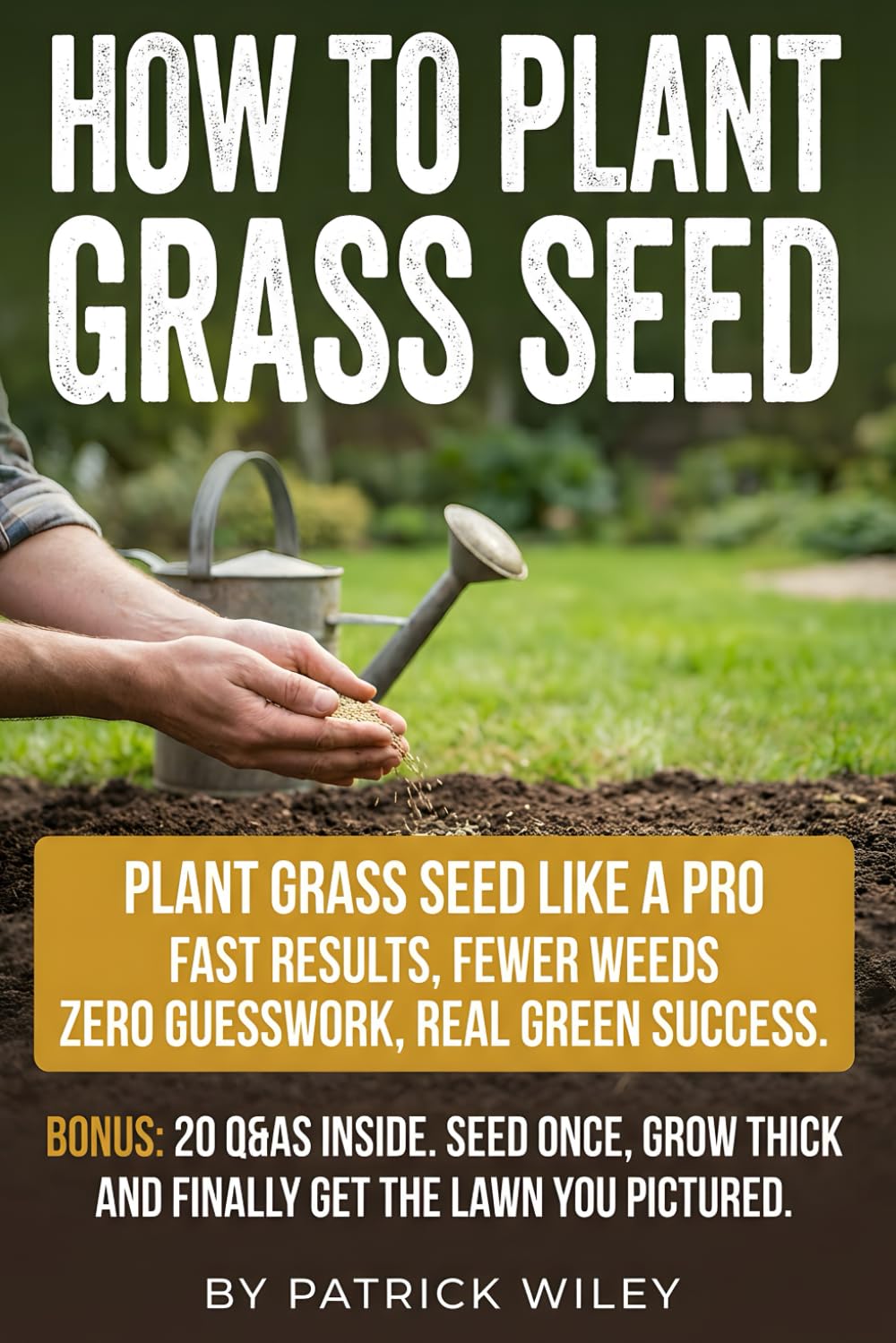
If you have ever stared at bare dirt or thin patches in your lawn and felt confused by conflicting advice, this book is for you. Patrick Wiley walks you through a straightforward, step-by-step system that starts with reading your yard like a pro and ends with a lawn you are proud to walk on. It is designed for homeowners who want to seed with confidence, whether you are starting from scratch or thickening an existing lawn.
The standout feature is the depth of practical guidance. You will learn how to run soil tests, choose the right seed for your region, and time your seeding for success. The book covers everything from weed reset and seedbed preparation to watering schedules that adapt to your soil type. It also tackles real-world issues like shade under trees, heavy foot traffic, and watering restrictions that most guides skip. The included templates like the site-audit sheet and 14-day launch plan make it easy to apply the advice.
The book is well organized with clear headings and checklists, making it quick to reference when you need it. At 222 pages, it is concise enough to read in a weekend but packed with actionable details. The language is natural and avoids jargon, so even a complete beginner can follow along.
One potential drawback is that there are no customer reviews yet, so we do not have long-term reader feedback. Also, if you only need to overseed a small patch, some sections may feel overly detailed. But for someone tackling a larger lawn or dealing with persistent problems, this depth is a strength.
Overall, this book delivers exactly what it promises: a clear, no-nonsense plan to plant grass seed and grow a healthy lawn. It earns a solid recommendation for any homeowner who wants to stop guessing and start seeing results.

Pros
- Very informative and easy to understand
- Perfect for beginners with no prior gardening experience
- Compact size makes it easy to keep nearby
- Covers a wide range of plants
- Includes practical tips on saving seeds
Cons
- Some experienced gardeners may find it too basic
- A few readers found the text not easy to read due to layout
- Lacks detailed troubleshooting for specific plant varieties
Starting Seeds by Barbara W. Ellis is a straightforward guide aimed at anyone who wants to grow vegetables, herbs, and flowers from seed. Part of the Storey BASICS series, this book skips the fluff and gets right to the practical steps. Whether you are a complete beginner or someone returning to gardening after a break, you will find clear explanations for every stage from sowing to transplanting to saving seeds.
The standout quality of this book is its simplicity. It covers the essential methods for indoor seed starting, including the right containers, soil mixes, and lighting. The book also explains how to harden off seedlings and transplant them successfully. With a focus on creating proper growing conditions, it helps you avoid common mistakes like overwatering or insufficient light. The included illustrations make the instructions even easier to follow.
At only 128 pages, this is a quick read that you can finish in an afternoon. The compact size means it fits easily on a shelf or in a garden bag for quick reference. The writing is clear and conversational, though some readers have noted that the layout could be more visually engaging. Still, the information is well organized and easy to find.
One drawback is that this guide stays at a basic level. If you already have experience starting seeds, you might not learn much new. A few reviewers mentioned that they wished for more depth on specific plant types or troubleshooting. However, for its intended audience of beginners, the book hits the mark perfectly.
Overall, Starting Seeds delivers exactly what it promises: a simple, reliable introduction to seed starting. It is an affordable and practical resource that will give new gardeners confidence. If you are looking for a no-fuss guide to get your garden started, this is a solid choice.

Pros
- High-quality cultivar blend (e.g., Diablos, Thor, Temple) for excellent texture and color
- Thick growth fills in patchy lawns quickly with consistent watering
- Easy to apply with any Scotts spreader, and the 3-step process is straightforward
- Drought and foot traffic resistance make it a low-maintenance choice
Cons
- Coated seed means only about 50% of the bag weight is actual seed; adjust seeding rates accordingly
- Germination can be slow (up to 14 days) and requires diligent watering for at least three weeks
- Some users report weed contamination in the mix, so monitor your lawn after application
The Scotts Turf Builder Grass Seed Tall Fescue Mix is a 3-in-1 product that combines grass seed, lawn fertilizer, and soil improver into one bag. It's designed for homeowners who want a durable lawn that can handle heat, drought, and foot traffic. Whether you're starting a new lawn from scratch or overseeding an existing one, this mix promises thick, green results with less effort than traditional seed-only products.
This tall fescue blend covers up to 1,400 square feet when overseeding or 465 square feet for new lawns. The included fertilizer and soil improver help establish deep roots, which makes the grass more resilient in harsh conditions. Application is simple: prep the area, use a Scotts spreader to apply the seed, and lightly rake it into the soil. For best results, plant in spring or fall when soil temperatures are between 60 and 75 degrees Fahrenheit and keep the soil moist for at least three weeks after seeding.
In real-world use, the mix performs well when guidelines are followed. Many users report thick, lush growth that stays green through summer heat. The cultivars in the blend, such as Diablos, Thor, and Temple, are known for fine texture and good color. However, germination can be slow (some users see nothing until day 14), and the coated seeds mean only about half the bag weight is actual seed. A few customers have also noted weed issues, which may vary by batch.
The biggest drawback is the coating. While it helps with moisture retention and nutrient delivery, it reduces the effective seed count, so you may need to apply a heavier rate than the bag suggests. Also, the seed requires consistent watering during the germination period (daily for at least three weeks), which can be demanding. If you miss waterings, results will suffer.
Overall, the Scotts Turf Builder Tall Fescue Mix is a solid option for overseeding or establishing a new lawn in moderate climates. It's especially good for those who want a simple all-in-one product and are willing to stick to a watering schedule. Just be aware of the coated seed ratio and plan your seeding rate accordingly. With proper care, you'll get a thick, attractive lawn that handles wear and tear.

Pros
- 28 hands-on activities keep kids engaged and learning outdoors.
- Covers a wide variety of gardens and plant types in one book.
- Age-appropriate content with a glossary for key terms.
- Large, colorful pages make it easy for young eyes to explore.
- Encourages curiosity about wildlife and ecosystems.
Cons
- Only 64 pages, which may feel short for very enthusiastic young readers.
- No customer reviews yet, so it's hard to gauge real-world feedback.
- Content is aimed at ages 5-7; older kids may find it too basic.
How to Grow a Garden by Frances Tophill is a children's book that doubles as an activity guide. It invites young readers ages 5 through 7 to journey through twenty different gardens, from a lush tropical glasshouse to a quiet ancient woodland. Along the way, they'll meet over 100 kinds of plants and discover how each one fits its environment. The book is designed for kindergarten through second grade, with simple language and a glossary that explains key terms.
The standout feature is the 28 seasonal growing and nature activities. These aren't just theoretical -- kids can actually plant a seed, build a bug hotel, or make a mini rock garden. This hands-on approach makes learning about plants feel like an adventure. The book also highlights wildlife in hedgerows and the hidden world of soil, showing kids that gardens are full of life beyond the flowers.
At 64 pages, it's a compact but rich experience. The large format (9.55 x 11.7 inches) and colorful illustrations will hold a child's attention during storytime or independent browsing. The author, Frances Tophill, is a well-known U.K. gardener, which lends credibility to the content. The book covers diversity in plant habitats and encourages observation and curiosity rather than just memorization.
One honest drawback is the length -- some eager young gardeners might wish for more pages. Additionally, since this title releases in March 2025, there are no customer reviews yet to confirm how well the activities work in practice. Also, older kids (say, 8 or 9) may find the material too simple, so it's best for the stated age range.
Verdict: If you have a child who loves digging in the dirt or asking "What plant is that?" this book is a solid choice. It blends reading with real outdoor fun, and it's built to spark a lifelong interest in gardening. Expect it to earn a spot on the kids' bookshelf right next to the watering can.

Pros
- Fast germination - sprouts in under two weeks
- Simple to grow with minimal effort
- Non-GMO and heirloom quality
- Dogs enjoy eating it fresh or mixed with food
- Can be grown indoors year-round
Cons
- Packet size may seem small for the price (some users found it underwhelming)
- Germination rate can vary - not all seeds may sprout
- Some dogs may not be interested in eating it
NIKA SEEDS Dog Grass offers a convenient way to provide your canine companion with fresh, vitamin-rich greens at home. This pack contains 1500 heirloom seeds specially selected for sprouting into edible grass that dogs love. It is an ideal choice for pet owners who want to supplement their dog's diet with natural nutrients and aid digestion, especially for indoor dogs without access to outdoor grass.
The standout feature is how easy it is to grow. Just spread the seeds evenly on a tray filled with soil or sand, water generously, and within 10 to 15 days you will have a lush patch of grass around 4 inches tall. The seeds are non-GMO and have a high germination guarantee, though some users report mixed results. Most reviewers found the grass grew quickly, with one noting it was up within a week. However, a few mentioned only about 10 percent sprouted, so results may depend on soil quality and consistency of watering.
Design is straightforward: a simple packet of seeds with clear instructions. The seeds themselves are small and the packet size has drawn some criticism. Several customers expected a larger volume for the price, comparing it unfavorably to birdseed. That said, others were satisfied with the germination speed and their dogs' enthusiastic response. One happy buyer said their dogs loved it and it grew fast with plenty of seeds per tray.
On the downside, value for money is a potential drawback. Some felt the packet was too small to cover the recommended tray area, and a few dogs refused to eat the grass. Additionally, germination rates are not guaranteed at 100 percent, so you may need to sow more than expected. If your dog is a picky eater, consider starting with a small patch to test interest.
Overall, NIKA SEEDS Dog Grass is a solid option for pet owners seeking an easy, indoor way to grow fresh greens for their dog. It works best for those who prioritize natural ingredients and want to add a digestive aid to their pet's routine. Just keep expectations realistic about packet size and germination consistency.

Pros
- Clear, easy-to-follow instructions with plenty of visual aids
- Extensive plant directory covers a wide variety of species
- Practical troubleshooting help prevents common mistakes
- Sustainable approach saves money and reduces waste
- Suitable for both beginners and experienced gardeners
Cons
- At 1.4 pounds, it's a bit heavy for carrying around the garden
- Some advanced techniques like grafting may require additional practice
- Print format only; no digital version for quick search on a phone
The Plant Propagator's Bible by Miranda Smith is a thorough reference that walks gardeners through every method of growing new plants from existing ones. Whether you're starting seeds, taking cuttings, or trying layering and grafting, this book has you covered. It's designed for anyone who wants to expand their garden without constantly buying new plants at the nursery. The step-by-step format and clear photographs make even tricky techniques feel approachable.
Standout features include the A-to-Z directory of more than 1,000 plant species, each with specific propagation advice. That means you can look up almost any plant in your garden and get tailored instructions. The book also includes a dedicated section on tools and equipment, plus a "What Can Go Wrong" guide for each method. These real-world troubleshooting tips are invaluable for avoiding common failures and saving time.
Design-wise, the book is a sturdy paperback with a lay-flat binding, so it stays open while you work. The pages are thick and glossy, and the hundreds of color photos and diagrams are crisp and well-labeled. It's clearly built for heavy use in the garden or greenhouse. That said, at nearly 1.5 pounds it's not something you'll want to toss in a daypack, but it holds up well on a workbench or potting table.
The only real drawback is that some of the more advanced techniques, like budding and grafting, may take a few tries to master even with the clear instructions. And if you prefer digital formats for easy searching, there's no e-book version available. But for a hands-on reference you can leaf through while getting your hands dirty, this book delivers.
Overall, The Plant Propagator's Bible lives up to its name. It's a comprehensive, practical, and beautifully illustrated guide that will earn a permanent spot on any gardener's bookshelf. With its combination of plant-specific advice and universal propagation principles, it's an excellent investment for saving money and growing a more diverse, sustainable garden.

Pros
- Very beginner-friendly with no assumed knowledge.
- Compact at 56 pages, quick to read and reference.
- Covers all critical stages from seed to harvest.
- Includes practical tips on odor control and stealth.
- Great value at a low price point.
Cons
- May be too basic for experienced growers seeking advanced techniques.
- Published in 2016, so some equipment recommendations might be dated.
- No customer reviews available yet to gauge real-world satisfaction.
How to Grow Marijuana Indoors in a Small Space From Start to Finish is a practical guide for anyone who wants to grow their own cannabis without needing a lot of room or prior experience. Written by Addison Edge, this book strips away the complexity and focuses on the essentials. It is aimed at beginners who are frustrated with high dispensary prices and want a straightforward path to self-sufficiency.
The standout feature is its simplicity. The book walks you through everything from understanding the plant itself to ordering seeds, setting up a grow tent, and managing light cycles. It also covers plant health topics like pest control, watering, and temperature. The inclusion of a shopping list and tips on odor control makes it especially useful for small-space growers who need to be discreet. At 56 pages, it is a quick read that you can finish in a single afternoon.
However, this brevity is also a double-edged sword. Experienced growers will likely find the content too basic. There is no deep dive into advanced topics like nutrient schedules, training techniques, or strain-specific needs. Additionally, the book was published in 2016, so some recommended equipment (like specific lights or tents) may no longer be current. That said, the core principles remain solid.
If you are a complete novice looking to start your first indoor grow on a budget and in a small space, this guide gives you a clear starting point. It won't make you a pro overnight, but it will get you through your first harvest. For the price, it is a solid investment if you want a no-fuss introduction to home cannabis cultivation.
Frequently Asked Questions About How to Plant and Grow Grass
What is the best time of year to plant grass seed?
The ideal window depends on your grass type and region. For cool-season grasses like tall fescue, early fall or spring works best when soil temperatures are consistently between 65°F and 85°F. Warm-season grasses prefer late spring or early summer. Check your local frost dates and aim for a period with mild temperatures and regular rainfall. For more seasonal advice, see our guide on plant food for mums which also touches on timing.
How do I prepare the soil before planting grass seed?
Start by removing weeds, rocks, and debris. Loosen the top 2-3 inches of soil with a rake or tiller, then level any low spots. Adding a thin layer of compost or a soil improver (like the one included in Scotts Turf Builder Grass Seed) gives seeds a stronger start. Lightly rake the seed into the soil so it makes good contact without being buried too deep.
How often should I water new grass seed?
Newly sown seed needs consistent moisture to germinate. Water lightly once or twice daily to keep the top inch of soil damp, but avoid creating puddles. After seedlings reach about 2 inches tall, gradually reduce watering frequency while increasing the amount per session. This encourages deeper root growth. Overwatering is a common mistake, so watch for signs of fungus or runoff.
Can I just scatter seed on existing grass to fill bare spots?
Yes, this is called overseeding, but it works best when you prepare the area first. Mow the lawn shorter than usual, rake away dead grass, and loosen the soil surface. Then apply a turf builder seed mix designed for overseeding, like the Scotts Tall Fescue product. Keep the area moist for several weeks. For tips on maintaining healthy soil, check out our Fertilizer category.
What products help beginners learn how to plant grass correctly?
Several books in our list break down the process step-by-step. How to Plant Grass Seed: Seed your Lawn with confidence by Patrick Wiley walks you from yard check to first mow. The Lawn Bible by David R. Mellor covers year-round care for different climates. For those interested in growing from seed in general, Starting Seeds by Barbara W. Ellis offers foundational techniques that apply to grasses too. Another resource is our article on best plant food for water propagation, which shows how small adjustments can improve plant health overall.





Write Your Review
No reviews yet. Be the first to share your experience!