


If you have ever walked past a blooming lilac bush on a warm spring morning, you know why so many gardeners dream of growing one. The sweet fragrance and clusters of purple, pink, or white flowers can transform any yard into a peaceful retreat. But how to plant a lilac bush the right way makes all the difference between a shrub that thrives for decades and one that struggles. Whether you are adding a single bush to a sunny corner or creating a fragrant hedge, getting the basics right-soil drainage, sunlight, and spacing-sets you up for success. In this 2026 guide, we cover everything you need, from live plants and grow kits to fertilizers and reference books, so you can enjoy those unforgettable blooms season after season. For more on keeping your plants healthy, check out our fertilizer tips for flowering shrubs.
Planting a lilac bush is not complicated, but a few key decisions early on can save you frustration later. Lilacs prefer full sun (at least six hours a day) and well-drained, slightly alkaline soil. They do not like wet feet, so avoid low spots where water collects. If you are planting in heavy clay, consider amending the soil or using a raised bed. The best time to plant is early spring or fall, when the weather is cool and the plant can establish roots before extreme heat or frost. Whether you choose a reblooming variety like Bloomerang or a classic French lilac, the same planting principles apply. And if you are starting from seed or a small starter, patience is key-lilacs can take a few years to bloom, but the wait is worth it. For more plant care guidance, visit our plant category page.
Pros
- Perfect for absolute beginners with no prior gardening experience
- Addresses specific lilac problems directly with clear solutions
- Covers varieties selection, soil, pruning, and propagation in one book
- Lightweight and portable for easy use outdoors
Cons
- At 120 pages, it may not dive deep enough for advanced growers
- Currently only one review, so community feedback is limited
- Self-published; editing and illustrations may not match major publishers
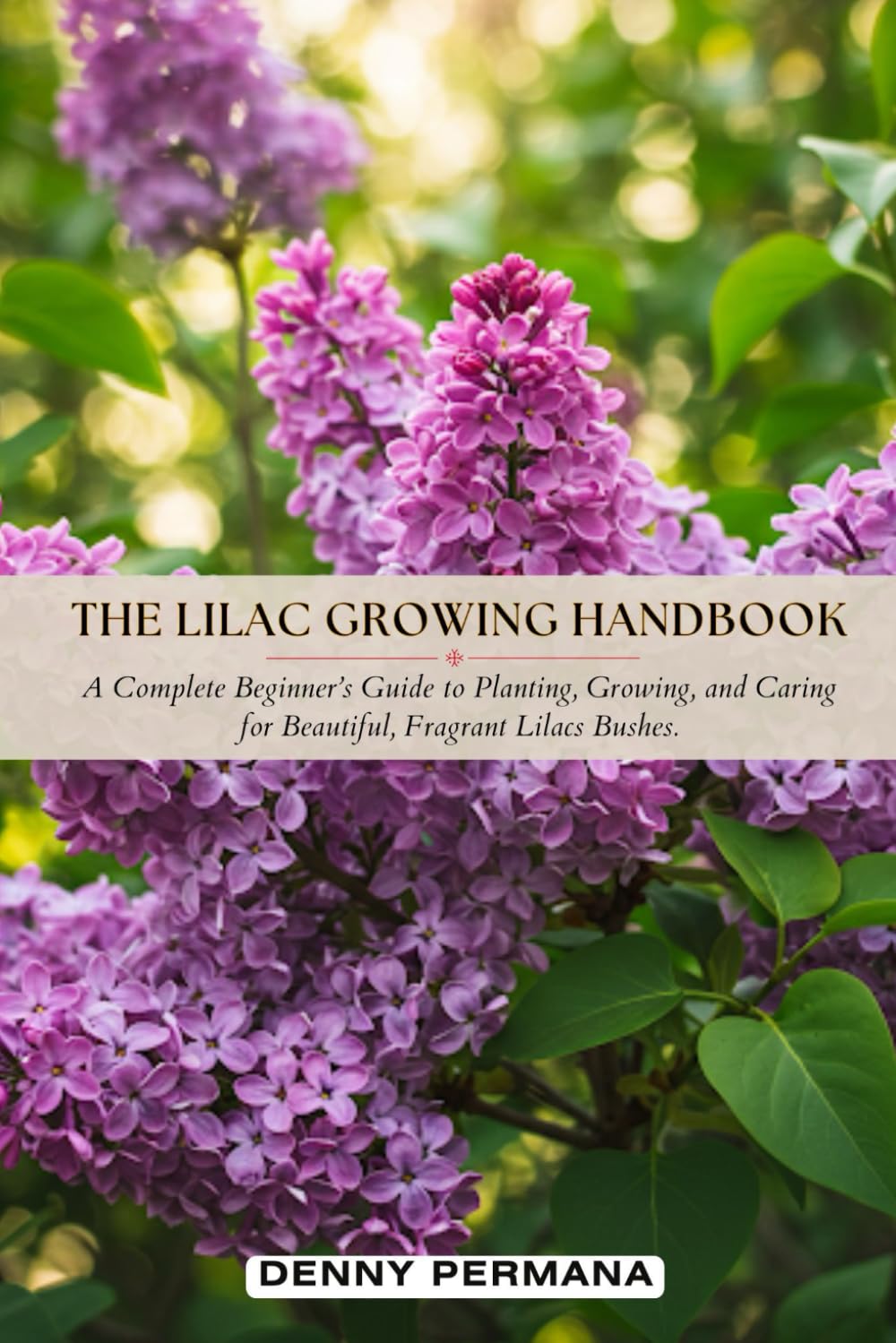
The Lilac Growing Handbook by Denny Permana is a concise, beginner-friendly guide that aims to take the mystery out of growing lilacs. It targets new gardeners who want to enjoy the iconic fragrance and beauty of lilac bushes but have struggled with common setbacks like lack of blooms or poor growth. The book is written in a straightforward style, focusing on practical steps rather than botanical theory.
The standout strength of this guide is its emphasis on troubleshooting. Instead of just listing care instructions, it dedicates significant space to solving real problems: why lilacs don't bloom, how to rejuvenate overgrown bushes, what to do about yellowing leaves, and how to handle wilting. There are also clear instructions on pruning for shape and more flowers, choosing the right variety for your region, and propagating from cuttings or seeds. For a beginner, this problem-solving focus is invaluable.
The book is a paperback of 120 pages, making it quick to read and easy to carry along to the garden. The dimensions (6 x 0.28 x 9 inches) mean it can slide into a tool bag or pocket. The content covers soil types, fertilization, and watering schedules, all tailored to lilacs. It also includes advice on where to buy quality plants and seeds. However, there are no images or illustrations listed in the specs, which might be a drawback for visual learners who prefer diagrams for pruning cuts or plant identification.
Given that it's self-published and has only one review so far, it's hard to gauge long-term user satisfaction. The guide is priced modestly, which matches its scope: it's an excellent starting point but not an exhaustive encyclopedia. Advanced gardeners might find it too basic, especially if they already know the fundamentals. But for someone planting their first lilac bush, this handbook covers all the essential bases without overwhelming them.
Overall, The Lilac Growing Handbook delivers on its promise for beginners. It is a practical, affordable resource that answers the most common questions about lilac care. If you're feeling uncertain about growing these classic shrubs, this book will give you the confidence and know-how to succeed.
ASIN: B0DZMKGMC4
Publisher: Independently published
Publication Date: March 6, 2025
Language: English
Print Length: 120 pages
ISBN-13: 979-8313164748
Item Weight: 8.3 ounces
Dimensions: 6 x 0.28 x 9 inches
Best Sellers Rank: #368 in Ornamental Plant Gardening (Books)

Pros
- Comprehensive coverage of all key lilac care topics
- Written for beginners but with depth for experienced gardeners
- Portable digital format with enhanced typesetting and page flip
- Practical, actionable advice without fluff
Cons
- Short length at 42 pages may leave some topics less detailed
- No X-Ray or Word Wise support for easier navigation on Kindle
- Currently no customer reviews to gauge real-world effectiveness
Growing Lilac Bushes (Flowers) by Kingston Publishing is a focused digital guide designed to help gardeners of all levels cultivate stunning lilac shrubs. Clocking in at 42 pages, this Kindle book covers everything from planting techniques to enhancing bloom quality. It’s a compact resource for anyone who wants to add these fragrant classics to their garden without wading through a full encyclopedia.
The standout strength of this guide is its practical, benefit-driven structure. Each chapter zeroes in on a specific aspect of lilac care: soil preparation with the right pH, watering schedules that avoid common mistakes, and pruning methods that shape bushes for maximum flowers. The pest and disease management section is particularly valuable for beginners who might struggle with lilac borers or powdery mildew. The book also includes seasonal routines and propagation tips, making it a well-rounded reference for long-term success.
In terms of design, the digital format is clean and readable with enhanced typesetting and page flip support. Navigation is straightforward, though the lack of X-Ray and Word Wise might slow down readers who like to jump between topics. At 42 pages, the depth is moderate; some experienced gardeners may wish for more advanced details on hybridization or landscape design integration. Still, the advice is direct and actionable.
A potential drawback is the absence of real-world reviews to confirm the effectiveness of the techniques, but the content appears based on established horticultural practices. The short length also means it’s a quick read rather than a comprehensive tome. For the price (free), it’s an excellent starting point.
Verdict: Growing Lilac Bushes is a solid, beginner-friendly guide that delivers on its promises. If you’re looking for a concise, no-nonsense resource to get your lilacs blooming beautifully, this book is worth a download. Seasoned gardeners might find it too brief, but the core advice is sound and accessible.

Pros
- Continuous blooms from spring to fall instead of a single flush
- Strong disease and pest resistance reported by growers
- Handsome rounded shape works in beds, borders, or as a specimen
- Deer resistant, so it thrives where other shrubs get nibbled
- Large mature size for impact while staying manageable
Cons
- Some buyers report shipping damage to the box, though the plant usually survives well
- Can be larger than expected at 4-7 feet tall, so plan spacing accordingly
- Goes dormant (leafless) in winter, which might surprise first-time lilac owners
The Bloomerang Dark Purple Lilac from Proven Winners is a reblooming shrub that changes the game for lilac lovers. Traditional lilacs give you just a few fragrant weeks in spring. This one flowers from mid-spring, takes a short rest, then keeps blooming from mid-summer straight through fall frost. For anyone who wants that classic lilac scent and color for months, not days, this plant delivers.
The standout feature is its nonstop performance. Huge, deep purple flower clusters appear in spring and then repeat into autumn. The fragrance is unmistakable: sweet, floral, and nostalgic. On top of that, it has impressive disease resistance. You won't see the powdery mildew or leaf spot that often plague other lilacs. Deer leave it alone, and it handles hot, humid summers better than most. The plant forms a neat, rounded shrub that reaches 4-7 feet tall and spreads 4-6 feet wide, perfect for a hedge, foundation planting, or standalone showpiece.
Real-world feedback from buyers confirms the quality. Multiple reviewers noted the plant arrived healthy, robust, and often larger than expected. One happy buyer said it was 'much larger than anticipated' and 'in perfect condition.' Even when the box showed some shipping abuse, the plant survived and thrived. A few leaves with minor damage were reported, but overall, the shrub was described as vibrant, well-rooted, and ready to plant. The packaging is designed to protect the plant during transit, and most customers found it easy to open and get into the ground.
There are a few honest drawbacks to weigh. The plant goes fully dormant in late fall and winter, losing all its leaves. That's normal for lilacs, but new owners should know they'll see bare branches for several months. Also, the mature size can surprise first-time buyers. One reviewer admitted they 'had NO idea this shrub would be as large as it is.' So give it room to grow. Shipping also isn't always perfect; a couple of customers mentioned damaged boxes, though the plant inside was fine in most cases.
Verdict: This Proven Winners Bloomerang Lilac is a top-tier choice for anyone who wants easy-care, fragrant flowers over a long season. It's disease resistant, deer resistant, and low maintenance. The price is fair for a healthy, well-grown plant in a 3-gallon pot. If you have a sunny spot with well-drained soil and want months of lilac blooms, this shrub is hard to beat.
Pros
- Vibrant, rare red-pink flower color and delightful scent
- Reblooms twice per season for extended enjoyment
- Cold hardy and drought resistant, thrives in zones 3-7
- Compact size ideal for small spaces and containers
- Attracts beneficial pollinators and is deer resistant
Cons
- No customer reviews yet, so real-world performance is unverified
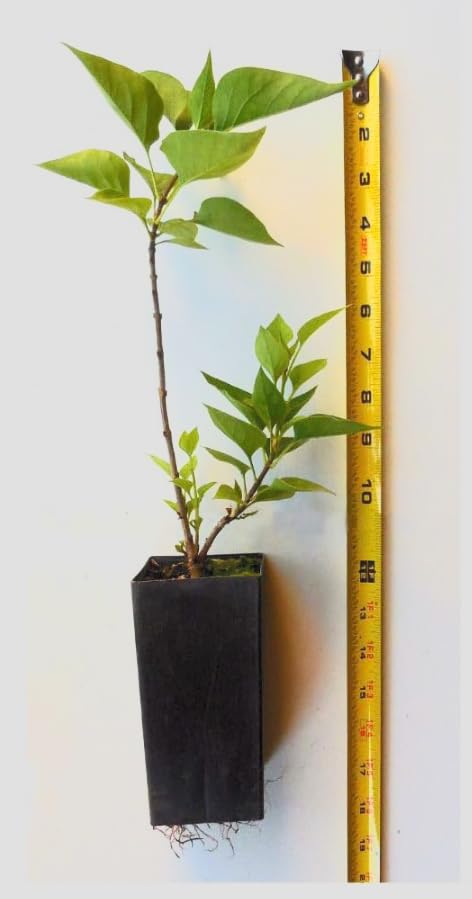
- Plants arrive small (6-18 inches for 1-2 year olds) and may take time to mature
- Non-returnable item and may appear dormant in winter (pot may look empty)
The Red Pixie Lilac from Japanese Maples and Evergreens is a compact shrub that stands out with its rare pinkish-red blooms and classic lilac fragrance. Unlike traditional lilacs, this variety reblooms twice a season, offering months of color in spring and summer. It is built for gardeners who want a low-maintenance, pollinator-friendly plant that performs well in colder climates (USDA zones 3-7) and can handle dry spells once established.
Its standout feature is the vibrant red-pink flower clusters that carry an intense, sweet scent. The plant is a natural attractor for butterflies, bees, and hummingbirds while being deer resistant. The compact size (4-6 ft tall and wide) makes it a great fit for small gardens, patios, borders, or even large containers. It also produces long-lasting cut flowers for indoor bouquets.
In terms of care, this lilac is genuinely low maintenance. It requires full sun and moderate watering, but once established it becomes drought tolerant. It resists pests and diseases, so you spend less time fussing. The plant arrives as a young live specimen in a small pot (6x3x3 inches), often dormant in winter. Sizes vary based on age, but expect a small start that will grow to its full size over a few years.
Potential drawbacks include the lack of customer reviews, which means the reblooming claim and overall hardiness are based solely on the seller's description. Also, because the plants are non-returnable and may arrive looking like just soil (especially in winter), patience is required. Some buyers may prefer a more mature plant to get immediate impact.
Overall, the Red Pixie Lilac is a solid choice for anyone wanting a unique, fragrant lilac in a compact form. It suits small yards, pollinator gardens, and container growers who can wait for the plant to establish. The price is reasonable for a live shrub with these desirable traits. If you want a low-fuss, colorful, and fragrant addition to your landscape, this is worth a try.
Indoor/Outdoor Usage: Outdoor
Brand: Japanese Maples and Evergreens
Material Feature: Heirloom
Color: Red
Special Feature: Flowers all summer and fall until frost
Expected Blooming Period: Spring-Summer
Item Weight: 1.8 Pounds
Sunlight Exposure: Full Sun
Unit Count: 1.0 Count
Expected Planting Period: Summer
USDA Hardiness Zone: 4 (recommended zones 3-7)
Moisture Needs: Moderate Watering
Product Dimensions: 18 x 3 x 18 inches
Additional Details: Non-returnable; plant may arrive dormant in winter.

Pros
- All-in-one kit eliminates need for extra supplies
- Recyclable planter with dual-purpose lid (humidity trap and saucer)
- Non-GMO seeds and pre-measured nutrient-rich soil
- Simple instructions make it suitable for families and classrooms
- Ships from an American small business with a focus on education
Cons
- Requires 3-4 months of cold stratification before planting – not an instant project
- Seeds can take 2-8 weeks to germinate after stratification; some reviewers reported no sprouts
- Low customer rating (2.8 out of 5 stars) reflects inconsistent germination success
The Seeds In A Cup Lilac Grow Kit is a comprehensive starter set for anyone wanting to grow Syringa vulgaris, the classic purple-flowering lilac, from seed. It comes with a recyclable planter, a pre-measured bag of nutrient-rich potting soil, non-GMO lilac seeds, and a plant label stick with clear instructions. The brand, a small family-owned business in Cleveland, Ohio, markets this as a screen-free, educational activity for families, classrooms, and nature lovers. The kit is designed to be self-contained: just add water and sunlight, and you are ready to grow.
That said, growing lilacs from seed is not a quick or foolproof process. The instructions for this specific plant require cold stratification – soaking the seeds and then placing them in the refrigerator for 3 to 4 months before attempting germination. After that, germination can take an additional 2 to 8 weeks. Several customer reviews highlight disappointment because the product photos on Amazon show a mature sprouted plant, which leads buyers to expect fast results. In reality, achieving that stage can take up to five months if everything goes well. Some experienced gardeners also reported that the seeds never sprouted, which may indicate quality issues with the seed batch or insufficient stratification.
On the positive side, the kit itself is well-put-together. The recyclable planter has a dual-purpose lid that can function as a humidity trap or a drainage saucer – a thoughtful design for indoor growing. The soil is pre-balanced for moisture and nutrients, and the seeds are non-GMO. For patient growers who understand the time commitment, this kit offers a hands-on way to witness the life cycle of a beloved flowering shrub. It also makes a meaningful gift for Mother's Day, birthdays, or housewarmings, especially for people who enjoy gardening projects that require a little extra dedication.
The main drawback is the inconsistency in seed germination. Out of 16 customer reviews, the majority gave 1-star ratings, citing no sprouting or rotting seeds. While lilac seeds are naturally slow and can be finicky, the frequency of failure reported suggests some batches may have lower viability. Additionally, the need for a long cold stratification period is not immediately obvious from the product title or main images, leading to unrealistic expectations. The brand does include a note in the product description about stratification, but it could be more prominent to avoid frustration.
Verdict: This kit is best suited for educators, patient hobbyists, or families who enjoy a long-term project and won't be discouraged by potential delays. If you want a guarantee of fast blooms, this is not the right choice. But if you are willing to follow the stratification process and provide consistent care, the reward of nurturing a lilac from a tiny seed into a flowering bush is genuinely special. Just be prepared for a wait of several months before you see any green.

Pros
- Fast acting: users report leaf growth within 2 days.
- Encourages abundant, long-lasting blooms.
- Simple dosing: 1 oz per gallon, easy to measure.
- Works on lilacs and other shrubs.
- Made in the USA.
Cons
- Measuring the small dose can be tricky without a dropper (user tip: 2 tbsp = 1 oz).
- Only 8 oz bottle may need reordering for larger gardens.
- Not organic; synthetic liquid fertilizer.
If you're a lilac lover looking to coax the best blooms and growth from your bushes, the TPS Nutrients Lilac Fertilizer is a solid choice. This liquid plant food is designed specifically for lilacs, making it easy to feed them exactly what they need. It's ideal for both novice gardeners and seasoned green thumbs who want a no-fuss solution for vibrant flowers and healthy foliage.
User reviews highlight its quick action. Many report seeing new leaves pop out within days of the first application, and after a few weeks, bushes look denser and more vigorous. The formula promotes abundant blooms, which is exactly what you want from a lilac fertilizer. The instructions are straightforward, and mixing is simple. One ounce per gallon of water gives you a ready-to-use solution.
The product comes in a compact 8-ounce bottle, which is easy to store and handle. Because it's a liquid concentrate, you get multiple feedings from a single bottle. The manufacturer, TPS Nutrients, makes this fertilizer in the USA, which adds a layer of trust for those who prefer American-made garden products.
That said, there are a couple of things to keep in mind. Measuring the small dose of one ounce can be a bit finicky – the bottle doesn't come with a measuring cup, so you'll need to use two tablespoons (which equals one ounce) or a small kitchen scale. Also, if you have a large garden with many lilac bushes, the 8-ounce bottle won't last long. Finally, this is a synthetic fertilizer, not an organic one, so if you strictly use organic products, this may not fit your regimen.
Overall, the TPS Nutrients Lilac Fertilizer delivers on its promise. It's a targeted, effective, and easy-to-use plant food that gets results. For the price, it's a great value for anyone wanting to boost their lilac bushes without complicated mixing or application.

Pros
- Unique primrose-yellow flower color rarely seen in lilacs.
- Powerful, sweet fragrance that fills the spring air.
- Thrives in cold climates (USDA zones 3-7).
- Requires minimal care once established; drought tolerant.
- Space-saving size fits small landscapes and containers.
Cons
- Starter plant is small and may need protection from late frosts in very cold areas.
- Can take a season or two to establish and produce full blooms.
- Limited customer reviews so far, so long-term performance is less proven.
The Primrose Yellow French Lilac from Japanese Maples and Evergreens is a rare Syringa variety that produces soft primrose-yellow flower clusters with the classic fragrance lilac lovers adore. This starter plant is ideal for gardeners seeking a unique color twist in their spring landscape, especially those in colder climates (USDA zones 3-7) or with limited space.
The most striking feature is its unusual yellow blooms. Unlike the typical purple or white lilacs, this shrub offers pastel yellow flowers that still carry that sweet, nostalgic scent. It's also a reliable performer for cold climates, returning year after year with minimal fuss. Once established, it's drought tolerant and requires little watering, making it a low-maintenance option for busy gardeners. Plus, bees and butterflies find it hard to resist.
The plant arrives as a well-started starter plant, as noted by the customer review. It's nursery-grown and non-GMO, ensuring healthy genetics. The compact growth habit means it fits nicely in garden beds, borders, or even large containers on a patio. Plant in full sun to light shade with well-draining soil, and prune lightly after flowering to maintain shape.
The only potential downsides are its size at arrival (it's a starter, not a full shrub) and its need for protection from late frosts in very cold areas. As a rare variety, it may take a season or two to establish and produce abundant blooms. Additionally, with only one review so far, long-term performance data is limited, though the initial feedback is positive.
Overall, the Primrose Yellow French Lilac is a standout choice for any gardener who wants something different. Its rare color, classic fragrance, cold hardiness, and easy care make it a worthwhile addition to a sunny spot. If you're looking for a unique, pollinator-friendly shrub that won't demand constant attention, this lilac is well worth considering.

Pros
- Highly fragrant flowers that enhance any outdoor space.
- Excellent cold hardiness for reliable growth in zones 3-8.
- Fast-growing and easy to care for with minimal upkeep.
- Versatile landscaping use as a hedge, border, or focal point.
- Starter plant is well-rooted and ready for immediate planting.
Cons
- Blooms only once per season in spring, so the display is brief.
- May require a couple of years to reach full size and maximum flowering.
- Needs full sun for best performance; won't thrive in shade.
The GINGERGLOW Purple Lilac Bush Tree is a classic choice for anyone looking to add timeless beauty and fragrance to their garden. This starter plant comes in a 1-quart pot, ready to go into the ground or a larger container. It's especially suited for gardeners in USDA zones 3-8 who want a low-maintenance shrub that delivers a big payoff each spring. If you love the scent of lilacs and want a plant that's both hardy and rewarding, this is a solid pick.
One of the standout features here is the fragrance. The large clusters of purple to lavender flowers produce that sweet, unmistakable lilac scent that can fill a whole yard. The plant is also described as fast-growing, which means you won't wait forever to see it become a substantial part of your landscape. It thrives in full sun and well-draining soil, and once it's established, it requires very little care. Just moderate watering and occasional pruning to keep its shape.
In terms of design and build, you're getting a live plant that's been started in a quart pot. It's not a bare-root or seed, so the root system is already developed. This gives it a head start when you transplant it. Over time, it can grow into a full shrub or even a small tree, making it versatile for borders, hedges, or as a standalone accent. The cold hardiness down to zone 3 is a major plus for northern gardeners who struggle to find reliable flowering shrubs.
There are a few things to keep in mind. The main blooming period is in spring, so the show is beautiful but relatively short-lived. Also, like most lilacs, it may take a couple of years to reach its full potential. You'll need to be patient for that first big bloom. And it absolutely needs full sun to do its best; if your yard is shady, this isn't the plant for you. Overall, the GINGERGLOW Purple Lilac Bush is a fantastic choice for anyone who wants a classic, fragrant, and easy-care shrub that will return year after year.
Frequently Asked Questions About Planting Lilac Bushes
1. What is the best time of year to plant a lilac bush?
The ideal planting window is early spring after the ground thaws or early fall, about six weeks before the first hard frost. This gives the roots time to establish before extreme temperatures arrive. Avoid planting during hot, dry summer months unless you are prepared to water consistently.
2. How deep should I dig the hole when planting a lilac bush?
Dig a hole about two to three times wider than the root ball but no deeper than the container it came in. The top of the root ball should sit level with or slightly above the surrounding soil. Planting too deep can cause root rot and poor blooming. Backfill with native soil mixed with a little compost for nutrients.
3. How much space do lilac bushes need between plants?
For most standard lilac varieties, space plants 5 to 15 feet apart depending on the mature size. Dwarf reblooming types like Bloomerang can be planted closer, around 4 to 6 feet apart. Proper spacing ensures good air circulation, which helps prevent powdery mildew and other common issues.
4. Do lilac bushes need fertilizer right after planting?
It is usually best to wait until the second growing season before applying fertilizer. Too much nitrogen early on can encourage leafy growth at the expense of flowers. Once established, a balanced fertilizer formulated for flowering shrubs-a few options are listed above-can be applied in early spring. For more on feeding, see our best plant food for mums article (similar principles apply).
5. Can I grow a lilac bush from seed, and how long does it take to bloom?
Yes, you can grow lilacs from seed, but it requires patience. Seeds need cold stratification (a period of cold, moist conditions) for several weeks before germination. Even then, a seedling may take three to five years to produce its first flowers. For quicker results, many gardeners prefer buying a young plant from a nursery or a grow kit like the Seeds In A Cup option above. For more seed-starting tips, visit our seed category page.
Have questions about our how to plant a lilac bush recommendations? Check out our Plant category for more care guides or our Fertilizer page for feeding advice.





Write Your Review
No reviews yet. Be the first to share your experience!