


Learning how to plant from seeds indoor sounds straightforward until seeds refuse to sprout or seedlings stretch thin toward the window. Those small frustrations often make indoor seed starting feel like a guessing game. But the process becomes much more predictable once you understand what seeds actually need. Light balance, consistent moisture, and stable warmth quietly shape early growth. Get those elements right, and suddenly those tiny seeds push upward with surprising energy. That shift turns seed starting from a frustrating experiment into a calm, rewarding routine.
Many gardeners find success by starting with the right resources. A handful of well-reviewed books can walk you through the basics of germination, container selection, and transplanting. Whether you are a beginner or have some experience, having a step-by-step guide on seed starting makes a real difference. Below are 7 practical books that cover everything from basic seed sowing to advanced techniques like propagation and cloning. Prices range from $8.13 to $25.42, making it easy to find something that fits your budget. For more on indoor lighting, check out our guide on best LED grow light for indoor plants to support strong seedling growth.

Pros
- Very informative and easy to understand
- Perfect for beginners with no prior gardening experience
- Compact size makes it easy to keep nearby
- Covers a wide range of plants
- Includes practical tips on saving seeds
Cons
- Some experienced gardeners may find it too basic
- A few readers found the text not easy to read due to layout
- Lacks detailed troubleshooting for specific plant varieties
Starting Seeds by Barbara W. Ellis is a straightforward guide aimed at anyone who wants to grow vegetables, herbs, and flowers from seed. Part of the Storey BASICS series, this book skips the fluff and gets right to the practical steps. Whether you are a complete beginner or someone returning to gardening after a break, you will find clear explanations for every stage from sowing to transplanting to saving seeds.
The standout quality of this book is its simplicity. It covers the essential methods for indoor seed starting, including the right containers, soil mixes, and lighting. The book also explains how to harden off seedlings and transplant them successfully. With a focus on creating proper growing conditions, it helps you avoid common mistakes like overwatering or insufficient light. The included illustrations make the instructions even easier to follow.
At only 128 pages, this is a quick read that you can finish in an afternoon. The compact size means it fits easily on a shelf or in a garden bag for quick reference. The writing is clear and conversational, though some readers have noted that the layout could be more visually engaging. Still, the information is well organized and easy to find.
One drawback is that this guide stays at a basic level. If you already have experience starting seeds, you might not learn much new. A few reviewers mentioned that they wished for more depth on specific plant types or troubleshooting. However, for its intended audience of beginners, the book hits the mark perfectly.
Overall, Starting Seeds delivers exactly what it promises: a simple, reliable introduction to seed starting. It is an affordable and practical resource that will give new gardeners confidence. If you are looking for a no-fuss guide to get your garden started, this is a solid choice.

Pros
- Clear, easy-to-follow instructions with plenty of visual aids
- Extensive plant directory covers a wide variety of species
- Practical troubleshooting help prevents common mistakes
- Sustainable approach saves money and reduces waste
- Suitable for both beginners and experienced gardeners
Cons
- At 1.4 pounds, it's a bit heavy for carrying around the garden
- Some advanced techniques like grafting may require additional practice
- Print format only; no digital version for quick search on a phone
The Plant Propagator's Bible by Miranda Smith is a thorough reference that walks gardeners through every method of growing new plants from existing ones. Whether you're starting seeds, taking cuttings, or trying layering and grafting, this book has you covered. It's designed for anyone who wants to expand their garden without constantly buying new plants at the nursery. The step-by-step format and clear photographs make even tricky techniques feel approachable.
Standout features include the A-to-Z directory of more than 1,000 plant species, each with specific propagation advice. That means you can look up almost any plant in your garden and get tailored instructions. The book also includes a dedicated section on tools and equipment, plus a "What Can Go Wrong" guide for each method. These real-world troubleshooting tips are invaluable for avoiding common failures and saving time.
Design-wise, the book is a sturdy paperback with a lay-flat binding, so it stays open while you work. The pages are thick and glossy, and the hundreds of color photos and diagrams are crisp and well-labeled. It's clearly built for heavy use in the garden or greenhouse. That said, at nearly 1.5 pounds it's not something you'll want to toss in a daypack, but it holds up well on a workbench or potting table.
The only real drawback is that some of the more advanced techniques, like budding and grafting, may take a few tries to master even with the clear instructions. And if you prefer digital formats for easy searching, there's no e-book version available. But for a hands-on reference you can leaf through while getting your hands dirty, this book delivers.
Overall, The Plant Propagator's Bible lives up to its name. It's a comprehensive, practical, and beautifully illustrated guide that will earn a permanent spot on any gardener's bookshelf. With its combination of plant-specific advice and universal propagation principles, it's an excellent investment for saving money and growing a more diverse, sustainable garden.
Pros
- Comprehensive coverage of the entire seed-starting process.
- Clear, easy-to-understand language with practical advice.
- Includes advanced techniques not found in many beginner guides.
- Focus on organic and sustainable gardening practices.
- Troubleshooting section helps solve common problems.
Cons
- Only one customer review so far, so long-term feedback is limited.
- At 179 pages, it may not cover every niche topic in extreme depth.
- The paperback dimensions (6 x 0.41 x 9 inches) might be a bit small for some readers.
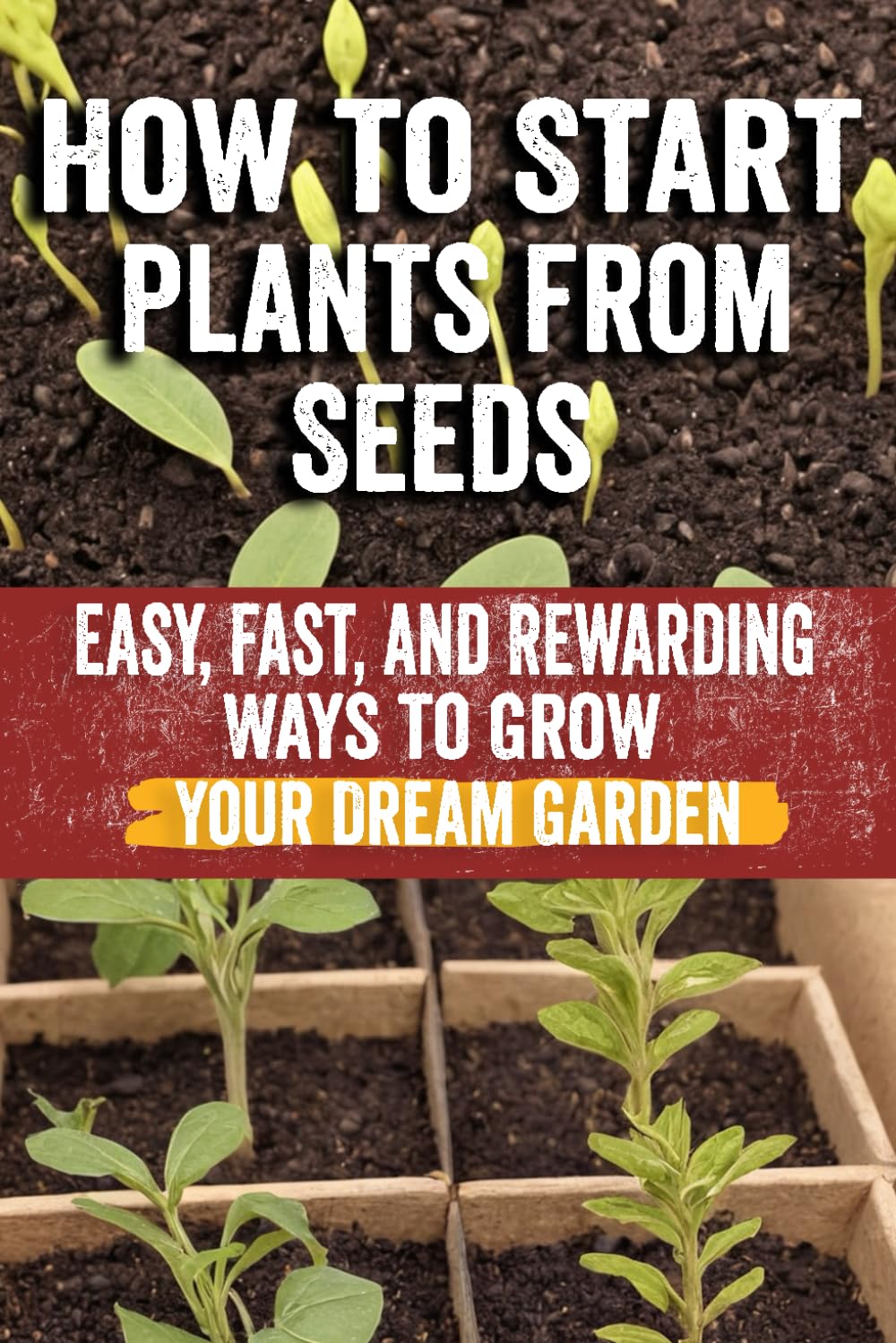
How to Start Plants from Seeds by Norma Khalila is a practical, all-in-one guide for gardeners who want to master seed starting. Whether you're a complete beginner or have some experience, this book walks you through every stage, from picking the right seeds to getting your seedlings into the ground. It's especially useful for anyone interested in heirloom varieties, organic gardening, or simply saving money by growing from seed.
The standout feature here is the depth of coverage. You get clear instructions on basic steps like soil preparation and container choice, but also advanced techniques like seed stratification and scarification. The troubleshooting section is a lifesaver for common issues like poor germination or damping off. The book also covers indoor and outdoor methods, including greenhouse and container gardening, so it adapts to your space.
Design-wise, the book is straightforward and easy to navigate. The chapters are well-organized, and the language is conversational without being overly technical. At 179 pages, it's a manageable read that doesn't overwhelm. The paperback is lightweight and portable, though some might prefer a larger format for easier reading.
One potential drawback is the lack of extensive customer reviews yet, so it's hard to gauge long-term satisfaction. Also, while it covers a lot, some very niche topics might not be explored in extreme depth. But for most home gardeners, this guide provides everything you need to succeed.
Overall, How to Start Plants from Seeds is a solid investment for anyone serious about growing from seed. It's practical, well-written, and packed with actionable advice. If you want to expand your garden with confidence, this book is a great place to start.
Pros
- Comprehensive coverage of over 500 flower varieties in one volume
- Clear, practical growing instructions for each plant type
- Regional suitability data helps avoid planting mistakes
- Full-color photos make identification and planning easy
- Durable hardcover format stands up to regular use in the garden or potting shed
Cons
- Published in 2004, so some newer cultivars or updated growing methods may not be included
- No digital or Kindle version mentioned, which may be a drawback for those who prefer e-books
- Heavy at 2.3 pounds, not ideal for carrying around the garden
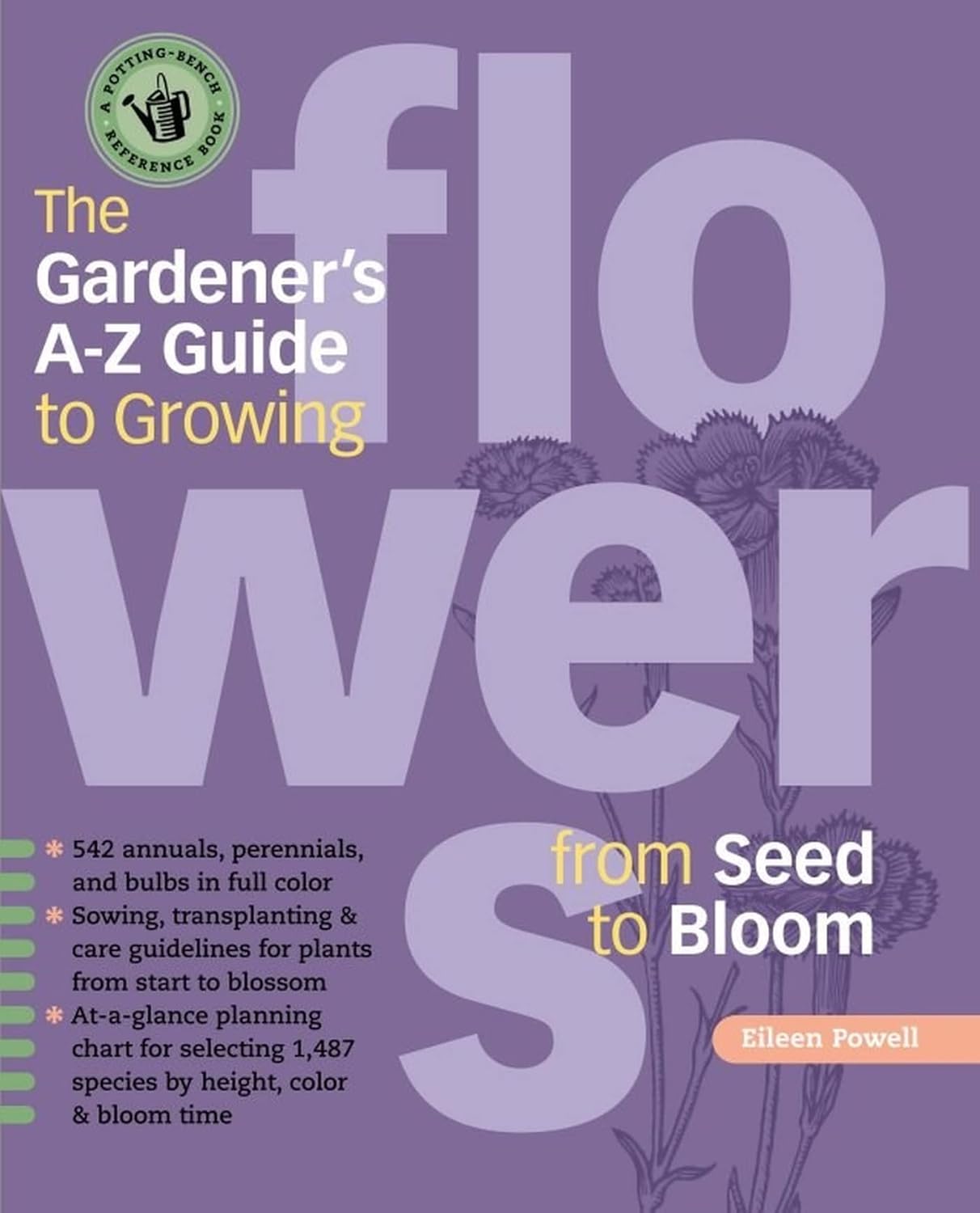
The Gardener's A-Z Guide to Growing Flowers from Seed to Bloom is a hefty, full-color reference that packs in 576 annuals, perennials, and bulbs. Published by Storey Publishing as part of their Potting-Bench series, this book is built for practical use. It targets gardeners who want reliable, no-fluff details on how to grow specific flowers from seed to full bloom, with an emphasis on planning for season-long color.
What sets this guide apart is its plant-by-plant approach. Each entry includes precise growing instructions, regional suitability, sowing and transplanting times, bloom periods, and care tips. The at-a-glance design planner lists help you mix and match species for continuous display. With over 500 full-color photographs, it is easy to visually identify what you want to grow. The sheer range of species covered means you are likely to find both old favorites and lesser-known options.
The book is substantial at 528 pages and weighs 2.3 pounds, so it is more of a desk or potting-bench reference than a field guide. The hardcover binding is sturdy and should hold up to years of use. The information is arranged alphabetically by plant name, which makes it quick to look up specific flowers. The regional data is a standout feature, helping gardeners avoid wasting time on plants unsuited to their climate.
One honest drawback is the publication date of 2004. While the core information on growing techniques and plant biology remains valid, some newer hybrid varieties or updated pest control methods may not be covered. Also, there is no mention of a digital version, which might be a downside for those who prefer searching on a tablet. But for a print reference you can flip through while potting, this is still a solid choice.
Overall, this is a practical, thorough guide for anyone serious about planning a flower garden from seed. It is not a lightweight read but a working tool for the gardener's bench. If you want detailed, species-specific advice without fluff, this book delivers.

Pros
- Large print text enhances readability for seniors and visually impaired readers
- Comprehensive coverage of orchid basics without overwhelming jargon
- Practical projects help reinforce learning through hands-on experience
- Expert troubleshooting section saves time and prevents common mistakes
Cons
- Limited to 110 pages may not cover advanced topics for experienced growers
- No reviews yet, so buyer feedback is unavailable to gauge real-world usefulness
- Large print format increases book dimensions, making it less portable
If you are new to orchids and want a straightforward, easy-to-follow guide, Kathy Campbell's Growing Orchids for Beginners (Large Print Edition) is a solid starting point. This book is specifically designed for novice growers, with a focus on clarity and simplicity. The large print makes it especially accessible for older adults or anyone who finds standard text sizes hard on the eyes. The content covers everything from selecting the right orchid species for your home to mastering watering and lighting requirements.
The standout feature here is the practical approach. Instead of dumping theory, the book walks you through foundational care practices like choosing the right growing medium and understanding the specific needs of popular varieties such as Phalaenopsis and Cattleya. You will also find pro tips and troubleshooting advice for common issues like pests, diseases, and environmental stress. This hands-on guidance helps you avoid early mistakes and builds real confidence.
Design-wise, the book is straightforward with a clean layout and large, readable type. At 110 pages, it is concise but covers all the essentials for getting started. The paperback edition measures 8 x 0.25 x 10 inches, which is a bit larger than standard books due to the large print, but still manageable on a desk or table. The weight is light at 8.3 ounces, so it won't weigh down your reading spot.
One potential drawback is that the book is aimed squarely at beginners. If you already have some experience with orchids, you might find the content too basic. Also, there are no customer reviews yet, so you are relying solely on the description. However, the author's background and the thorough table of contents suggest a reliable resource.
Overall, Growing Orchids for Beginners (Large Print Edition) is a well-structured, beginner-friendly guide that delivers on its promise. It is not flashy, but it is practical and easy to use. If you want to start growing orchids without feeling lost, this book is a worthwhile investment.
Publisher: CRB Ventures
Publication Date: March 2, 2024
Edition: Large type / Large print
Language: English
Print Length: 110 pages
ISBN-13: 979-8893320077
Item Weight: 8.3 ounces
Dimensions: 8 x 0.25 x 10 inches
Best Sellers Rank: #769,519 in Books; #53 in Orchid Gardening; #199 in Ornamental Plant Gardening; #322 in House Plant Gardening

Pros
- Easy to follow for absolute beginners, with clear language and visual guides.
- Covers a wide range of propagation methods, from basics to more advanced techniques.
- Practical, sustainable focus helps you grow your garden without spending extra money.
- Backed by the Royal Horticultural Society, ensuring accurate and trustworthy content.
- Compact and well-organized, making it a handy reference for everyday use.
Cons
- Does not include an exhaustive list of plant species for each propagation type; some specific plants may need additional online research.
- Physical book may arrive damaged from shipping, as noted in a customer review.
- Limited to 144 pages, so depth on each technique is moderate rather than comprehensive.
The Royal Horticultural Society's 'How to Grow Plants for Free' is a compact, friendly guide that demystifies plant propagation. Aimed at gardeners of all skill levels, it breaks down techniques like taking cuttings, dividing perennials, saving seeds, and even regrowing vegetables from kitchen scraps. If you've ever wanted to expand your garden without spending a fortune, this book shows you exactly how.
What makes this book stand out is its practical, visual approach. Each method is explained with clear photographs and step-by-step instructions. The author, Simon Akeroyd, covers the botanical science behind propagation in simple terms, then dives into hands-on projects. Real-world feedback from buyers confirms that it's easy to understand and has helped them become more successful at propagating plants. The RHS brand adds credibility, so you know the advice is solid.
The design is clean and inviting, with a sturdy paperback format that's easy to flip through while you're working in the garden. At 144 pages, it's not an encyclopedia, but it covers the essentials well. The chapters on houseplants and growing from kitchen scraps are particularly useful for indoor gardeners and those looking to reduce waste. One drawback is that the plant profiles for each method are limited. A reviewer noted they wished for more examples, though they still found the general information valuable. Also, as with any physical book, shipping damage can occur, but that's not a fault of the content itself.
Overall, if you're a beginner or intermediate gardener who wants to save money and propagate plants sustainably, this book is a solid investment. It's especially helpful for container gardeners, community garden enthusiasts, and anyone who loves swapping plants with friends. The final chapters offer creative ideas for gifting your new plants, adding a nice social touch. While it won't cover every single plant species, it gives you the confidence and know-how to experiment and learn more on your own.

Pros
- Very beginner-focused with simple language and clear instructions.
- Unique coverage of cloning and odor management in a single guide.
- Affordable price compared to thicker, more expensive cannabis books.
- Positive reader feedback for its straightforward approach to basics.
Cons
- Content can feel too basic and repetitive for intermediate or advanced growers.
- Several reviewers noted poor proofreading and grammar issues.
- Lacks detailed step-by-step instructions for complex growing setups.
Emilio Martinez's "Fastest Indoor Marijuana Growing Handbook" is a compact, budget-friendly guide aimed squarely at first-time cannabis cultivators. It promises to take you from seed to harvest in 8-10 weeks, while also covering cloning and odor control - two topics often glossed over in other beginner books. If you have zero experience and want a quick, no-frills introduction to indoor growing, this is a solid starting point.
The handbook's standout features are its cloning section and its practical tips for hiding the smell of your grow. Cloning can save you money and time, and the book breaks it down into easy steps with helpful images. The odor control advice is also a nice bonus for anyone worried about discretion. However, the core growing chapters cover only the essentials: lighting, watering, temperature, and common mistakes. That's enough to get a small closet grow going, but don't expect deep dives into advanced techniques like nutrient schedules or SCROG training.
Reader reviews are mixed, with many praising the book's simplicity and others criticizing repetitive writing and lack of proofreading. A few experienced growers called it a "cut and paste job" with too little substance. That's a fair warning - if you already know the basics, you'll find little new here. Design-wise, it's a standard paperback with some black-and-white images. The 110 pages fly by, and the price is hard to beat.
Overall, this handbook delivers on its promise for absolute beginners. It won't make you an expert, but it will get you started with a clear roadmap and some unique bonuses (cloning and odor control) that can save you headaches. Just know that you may soon outgrow it. For the price, it's a worthwhile investment if you're testing the waters of indoor cannabis growing.
Frequently Asked Questions About Indoor Seed Starting
What is the easiest way to learn how to plant from seeds indoor?
The easiest way is to start with a reliable guide that covers the basics step by step. Books like Starting Seeds by Barbara W. Ellis offer clear instructions on soil, moisture, and light. Many beginners find that following a structured approach reduces guesswork and improves germination success.
How much light do seedlings need when starting seeds indoors?
Seedlings typically need 12 to 16 hours of bright light each day. Natural window light may not be enough, especially during winter. Using a full spectrum grow light placed a few inches above the seedlings helps prevent leggy growth. For more details, see our best full spectrum grow light bulbs recommendations.
Should I use special soil for indoor seed starting?
Yes, a lightweight seed starting mix works best. Regular garden soil compacts easily and may contain pathogens. Look for mixes with peat moss, coconut coir, or perlite that hold moisture while draining well. Good soil aeration supports healthy root development.
How often should I water seeds when planting indoors?
Keep the soil consistently moist but not soggy. Bottom watering is effective because it hydrates the soil from below without disturbing seeds. Check the soil surface daily and water when it feels dry to the touch. Overwatering can lead to damping off, a common seedling disease.
Can I reuse seed starting containers from previous years?
Yes, but clean them thoroughly first. Wash containers with warm soapy water and disinfect with a mild bleach solution to remove any pathogens. Using clean containers with drainage holes reduces the risk of disease and gives your seeds a healthy start.
For more indoor gardening tips, visit our Grow Lights category or learn about best grow lights for microgreens if you’re interested in fast-growing crops.


Write Your Review
No reviews yet. Be the first to share your experience!