


Finding an indoor houseplant that balances resilient growth with striking visual appeal often leads plant keepers directly to Chlorophytum comosum. Knowing how to take care of a spider plant indoors allows you to maintain lush, arching foliage and encourage the graceful trailing plantlets that make this species a classic staple for hanging baskets and sunny windowsills. While these plants tolerate minor lapses in routine care, their vibrant variegated leaves can quickly show distress if subjected to harsh direct sunlight, heavy waterlogged soil, or dry household air. Much like cultivating other decorative varieties such as indoor foliage houseplants, establishing a predictable routine will help your spider plant flourish over the long term.
Success begins by matching your indoor growing environment to the natural instincts of the plant. By understanding proper light exposure, safe container drainage, moderate soil moisture, and seasonal nutrient needs, you can keep foliage bright and free of unsightly brown leaf tips. The following guide outlines practical, everyday care steps alongside compatible accessories and soil maintenance strategies to help your indoor spider plant stay healthy year-round.

Pros
- Extremely forgiving nature makes it ideal for beginning indoor gardeners
- Readily grows baby offshoots for simple home propagation and sharing
- Graceful arching habit complements both tabletop and hanging displays
- Ships well-rooted and ready for immediate display in standard planters
Cons
- Comes in a simple grower pot that requires a decorative outer planter
- Prolonged exposure to direct sun can scorch the variegated foliage
- Requires consistent bright indirect light to prevent variegation from fading
The NYGardenia Live Spider Plant brings vibrant greenery into your living space without demanding hours of attention. Delivered rooted in a standard 4-inch nursery container, this variegated specimen suits newcomers to houseplant care, busy professionals, and apartment residents who want attractive indoor plants without complicated upkeep.
What sets this variety apart is its distinctive foliage, defined by creamy white centers framed by rich green margins. As the plant settles in and matures, it sends out long, graceful runners that produce miniature spiderettes. These dangling plantlets give the plant its characteristic cascading look, creating an appealing decorative silhouette that can be snipped off to root new plants in water or soil.
Its compact footprint makes styling simple right out of the box. Placing it on a high bookshelf or inside a macrame hanging planter gives the arching leaves ample room to drape without crowding nearby objects. Day-to-day maintenance is straightforward: position the plant in bright, filtered light and allow the top layer of soil to dry before adding water.
A few practical details are worth considering before buying. Harsh, direct afternoon sunlight can easily burn the leaves, while very dark spots may cause the bright variegation to turn solid green. The plastic starter pot is also purely utilitarian, so pairing it with a decorative ceramic planter is recommended. Overall, this spider plant delivers an enduring mix of resilience, trailing charm, and effortless propagation that makes indoor gardening approachable.
Place your spider plant in a spot that receives plenty of bright, indirect sunlight. Avoid direct, intense rays, which can dry out the foliage and cause brown tips along the leaves.
Water thoroughly once the top inch or two of soil feels dry to the touch, ensuring excess moisture drains out freely from the bottom of the pot. During the winter months, scale back watering frequency as growth naturally slows down.
To propagate, wait until trailing runners produce mature baby plantlets with visible root bumps. Snip them just below the base and set them in shallow water or directly into moist potting mix until strong roots establish.

Pros
- Extremely forgiving care routine suitable for beginners
- Pre-potted in a hanging planter for zero-fuss setup
- Quickly sprouts baby offshoots for simple propagation
- Thrives in ordinary indoor conditions with indirect light
Cons
- Live shipping can cause minor cosmetic leaf creasing upon arrival
- Direct harsh sunlight can scorch the variegated foliage
- Will eventually require repotting as root systems expand
The American Plant Exchange Spider Plant offers an effortless way to bring natural texture and vibrancy into any room. Arriving established inside an eight-inch hanging basket, this classic Chlorophytum variety is ready to display the moment you unbox it. It caters directly to indoor gardeners who want the lush presence of a mature houseplant without waiting months for a tiny starter plug to fill out.
Its main charm lies in the distinctive ribbon-like leaves, striped with clean cream-white centers and deep green borders. As the plant settles into your space, it produces long, slender runners studded with tiny white blooms followed by miniature spiderettes. These baby offshoots hang down around the container, creating a full, cascading effect that looks stunning suspended from a ceiling hook or perched on a high bookshelf.
Day-to-day care is refreshingly low-stress. The spider plant handles standard household temperatures with ease and prefers bright, filtered sunlight to keep its variegation crisp. It forgives an erratic watering routine far better than delicate ferns or finicky calatheas, making it a reliable accent for busy professionals, shared office spaces, or college dorms.
Like any live plant delivered by mail, it might need a light drink and a couple of days in gentle light to shake off shipping transit. Once acclimated, it grows vigorously and gives you plenty of plantlets to root in water and share with friends. For anyone seeking a resilient, air-purifying companion that rewards basic care with fast growth, this hanging spider plant is an easy win.
Place your spider plant in a spot that receives medium to bright indirect sunlight. Avoid placing it directly in intense afternoon sun, which can fade or burn the striped leaves.
Water thoroughly when the top inch or two of soil feels dry to the touch, allowing excess water to drain completely from the bottom of the pot. During winter months, you can ease back on watering frequency.
To expand your collection, snip off the small spiderettes once they develop small root nubs along their base. Place them in a cup of water or directly into moist potting mix until strong roots establish.


Pros
- Comes as a 3-pack for immediate impact
- Known for air-purifying benefits
- Very low maintenance, ideal for beginners
- Attractive variegated foliage adds visual appeal
- Versatile placement options (hanging baskets, pots, etc.)
Cons
- No customer reviews yet, so real-world feedback is limited
- Requires bright, indirect light, which may not suit all rooms
- May need repotting after purchase for optimal growth
The AUGUSTBREEZEFARM 3 Pack Airplane Spider Plant is a straightforward way to bring more greenery into your home or office. These live indoor houseplants, also known as Spider Plants, are prized for their air-purifying qualities and easy care. If you're looking for a low-maintenance plant that adds a fresh, natural touch to your space, this trio is worth considering.
Each plant features striking white and green striped foliage that stands out in any setting. They thrive in bright, indirect light, making them suitable for desks, shelves, or hanging baskets. The air-purifying reputation is a real bonus, as these plants are known to filter out common indoor pollutants like formaldehyde and xylene. For anyone concerned about indoor air quality, this is a practical and attractive solution.
In terms of care, these Spider Plants are forgiving. They need moderate watering and basic light conditions, which makes them ideal for beginners or people with busy schedules. The 3-pack gives you immediate impact, whether you want to cluster them together or spread them around different rooms. The heirloom quality suggests they are a reliable variety that can be propagated easily over time.
One potential drawback is the lack of customer reviews, so you're relying on the brand's description and general Spider Plant reputation. Also, while they are low maintenance, they do need bright, indirect light to look their best, so a dim corner might not work. You may also need to repot them after purchase to give them room to grow.
Overall, the AUGUSTBREEZEFARM 3 Pack Airplane Spider Plant is a solid choice for anyone wanting to add air-purifying, easy-care plants to their indoor space. The value of getting three plants in one purchase is hard to beat, and the attractive foliage is a bonus. If you're a beginner or just want a hassle-free way to green up your home, this is a reliable option.

Pros
- Very easy to care for; tolerates low light and infrequent watering.
- Produces charming baby plantlets (spiderettes) for free propagation.
- Beautiful variegated leaves add lively color to any room.
- Helps improve indoor air quality by removing toxins.
- Comes in a ready-to-hang basket, no repotting needed.
Cons
- Price may be higher than what you'd find at a local nursery.
- No customer reviews available yet, making it hard to gauge consistency.
- May develop brown leaf tips if humidity is too low or water too fluoridated.
The Perfect Plants Spider Plant in an 8-inch hanging basket is one of the easiest houseplants to keep alive, making it a fantastic choice for beginners or busy plant owners. This variegated variety features long, spiky leaves with beautiful green and white stripes that add a fresh, lively look to any room. It's also known for its air-purifying abilities, helping to remove common household toxins.
What sets this spider plant apart is how low-maintenance it truly is. It can thrive in low-light conditions (just 2-4 hours of indirect sun), and it prefers to dry out between waterings, so you won't have to fuss over a strict schedule. Mature plants grow to about 1-2 feet tall and wide, with graceful arching stems that produce tiny white flowers and baby plantlets called pups. These pups can be snipped off and potted up to create new plants for free.
The plant arrives in a decorative hanging basket, nicely established and ready to display. The foliage cascades neatly, making it perfect for a shelf, tabletop, or hanging hook. It's grown by Perfect Plants Nursery in Florida, a family-owned operation that ships directly from the farm. The overall quality of the plant upon arrival is generally good, but because there are no customer reviews for this specific listing, consistency is yet to be proven.
One potential drawback is the price. At over $40, it costs more than a small spider plant from a big box store, though you're paying for the larger basket size and the convenience of having it ready to hang. Also, like many spider plants, it can develop brown leaf tips if the air is too dry or if the water contains too much fluoride. This is cosmetic and doesn't hurt the plant, but it's something to be aware of.
Overall, the Perfect Plants Spider Plant is a solid choice for anyone who wants a forgiving, attractive houseplant that doesn't demand constant attention. Its easy care, air-purifying benefits, and built-in propagation make it a great value for the price. Just keep an eye on humidity and water quality to keep those leaves looking pristine.
Indoor/Outdoor Usage: Indoor
Expected Blooming Period: All year, spring, summer
Sunlight Exposure: Partial Shade (bright indirect light)
USDA Hardiness Zone: 9, 10, 11 (can be grown as houseplant elsewhere)
Soil Type: Sandy Soil (well-draining)
Moisture Needs: Moderate Watering (let soil dry between waterings)
Unit Count: 1 plant
Product Care Instructions: Water
Color: Variegated (green and white)
Brand: PERFECT PLANTS
Manufacturer: Perfect Plants
Model: Spider Plant Hanging Basket 8 Inch
Best Sellers Rank: #50,108 in Patio, Lawn & Garden

Pros
- Extremely forgiving for forgetful waterers, perfect for new plant owners
- Produces plenty of offspring for free plants or gifting
- Helps improve indoor air quality without heavy maintenance
- Pet-safe and non-toxic, worry-free around animals
- Grows well in various lighting conditions, not a diva about placement
Cons
- Some plants arrive smaller or with broken/yellowing leaves due to shipping stress
- Occasional quality inconsistency: a few customers received plants that looked half dead or discolored
- Not the showiest variety for those seeking rare or unusual foliage
The Spider Plant (Chlorophytum comosum) from American Plant Exchange is about as low-maintenance as houseplants get. This 6-inch pot features the classic variegated variety with green leaves edged in creamy white stripes. It's a staple for a reason: it adapts to a wide range of light, thrives on neglect, and even helps clean the air in your home.
What sets this plant apart is its ability to pump out baby spiderettes on long arching stems. Once those pups develop roots, you can snip them off and pot them up instantly doubling your collection. It's also a safe choice if you have pets since spider plants are non-toxic to cats and dogs. The plant works equally well in a hanging basket or on a shelf where its trailing leaves can cascade.
Real-world performance is a mixed bag based on customer feedback. Many buyers received large, healthy plants with multiple offshoots that thrived with minimal care. But a significant number reported receiving plants that were much smaller than advertised, with broken leaves or yellowing. A few arrived nearly dead. This inconsistency makes the product a bit of a gamble despite its low price.
Design and build quality are typical for a nursery-grown spider plant. The variegation is attractive when healthy, and the pot includes basic potting soil. However, the plastic nursery pot is plain and many will want to repot into something decorative soon after arrival. Care is straightforward: bright indirect light, water when the top inch of soil is dry, and occasional fertilizer during spring and summer.
Verdict: If you get a good specimen, this spider plant is a fantastic deal for its looks and ease of care. But the risk of receiving a subpar plant means you might need patience or be ready to nurse it back to health. It's still a solid choice for beginners on a budget, but consider ordering during mild weather to avoid shipping stress.
Pros
- Gentle, plant-based ingredients safe for regular use
- Thick waffle weave wipes clean effectively without tearing
- Unscented so no artificial fragrances near your plants
- Improves leaf shine and plant health naturally
- Large pack of 80 wipes offers good value
Cons
- Not suitable for plants with fuzzy, spiky, or hairy leaves
- No reviews yet so long-term performance is unverified
- May leave a slight residue if overused on very dusty leaves
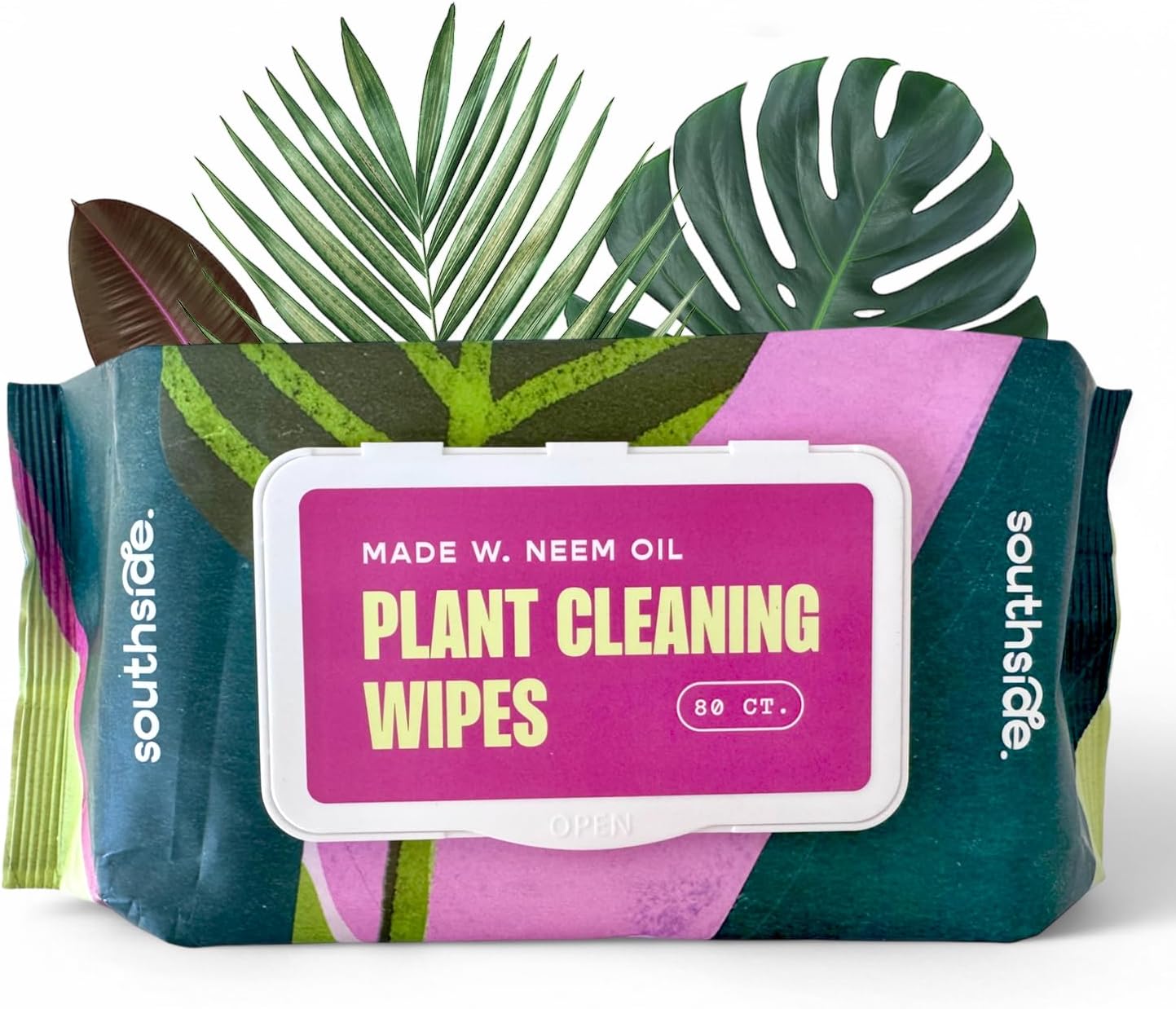
Southside Plants Plant Cleaning Wipes are a practical solution for anyone who wants to keep their houseplants looking their best. Designed for smooth-leaf plants, these wipes remove dust, dirt, and grime that can block sunlight and hinder photosynthesis. Each wipe is made from plant-based materials and features an extra thick waffle weave texture that traps debris without scratching delicate leaf surfaces.
The unscented formula is a standout feature. Many plant wipes contain artificial fragrances that can be off-putting or even harmful to sensitive plants. These wipes have no added scent, so you can clean your monstera, fiddle leaf fig, or snake plant without worry. The 80-count pack provides plenty of wipes for regular maintenance, and the recyclable packaging aligns with eco-conscious values.
In real-world use, these wipes are simple to deploy. Just pull one out, gently wipe each leaf from base to tip, and you're done. The thick waffle weave holds up well, even on slightly rough leaf edges, and it picks up dust effectively. After wiping, leaves appear noticeably shinier and cleaner, which not only looks great but also allows the plant to absorb more light.
One limitation is that these wipes are only recommended for smooth-leaf plants. For cacti, succulents with spikes, or fuzzy leaves like African violets, you'll need a different tool like a brush. Also, because this product currently has no customer reviews, it's hard to gauge long-term durability or potential residue issues. In our experience, using one wipe per leaf and not oversaturating prevents any sticky film.
Overall, Southside Plants Plant Cleaning Wipes offer a convenient, gentle way to boost your plant's health and appearance. If you have a collection of smooth-leaf houseplants and want a no-fuss cleaning routine, these wipes are a solid choice. They deliver on their promise of shiny leaves and better photosynthesis without harsh chemicals or strong smells.
Complete Indoor Care Guide for Spider Plants
Caring for a spider plant (Chlorophytum comosum) indoors involves providing steady bright indirect light, porous well-draining soil, and consistent moisture without waterlogging the roots. These resilient houseplants are famous for their arching variegated foliage and prolific hanging offshoots known as spiderettes. While they tolerate minor lapses in care, keeping indoor conditions stable prevents common issues like brown tips, faded stripes, or sluggish growth. By understanding how light, water quality, soil porosity, and root health connect, you can maintain a lush indoor display.
Balancing Light Exposure and Variegation
Spider plants perform best in bright, indirect sunlight positioned near an east-facing or south-facing window. Gentle early morning sun supports healthy photosynthesis, but intense afternoon rays will scorch tender foliage and cause bleached, papery patches. If natural light is limited, these plants can adapt to lower light settings, although overall growth slows noticeably. Providing adequate ambient light helps maintain sturdy leaves that arch gracefully rather than drooping flat.
Variegated cultivars, which showcase creamy white central or edge stripes, require higher light levels than solid green varieties. When kept in dim areas, variegated leaves often lose their bright contrast as the plant produces extra chlorophyll to survive. Low light also prevents mature specimens from producing flowering stems and cascading runners. Positioning your plant where it receives consistent filtered illumination keeps stripes vivid and stimulates energetic seasonal development.
Watering Mechanics and Moisture Checks
Watering an indoor spider plant requires checking soil dryness rather than following a fixed schedule. As a general rule, allow the top one to two inches of potting mix to dry out before watering thoroughly. Inserting a finger into the soil or testing the weight of the container offers an accurate reading of core moisture. When the upper layer feels dry, saturate the soil evenly until water drains freely from the base.
Overwatering remains the most common threat to indoor spider plants. Thick, fleshy tuberous roots store water and nutrients, allowing the plant to tolerate temporary dry spells easily. However, prolonged dampness prevents oxygen from reaching root tissue, leading to root rot and yellowing lower leaves. Always dump excess water from collection saucers within twenty minutes of watering so the container never sits in standing moisture.
Managing Tap Water Quality and Leaf Tips
Crispy brown tips on spider plant foliage are often caused by sensitivity to tap water minerals. Municipal water commonly contains fluoride, chlorine, and salts that accumulate in the soil over time. Because spider plants cannot process high levels of these compounds, the minerals travel to leaf ends where they cause dry brown margins. While harmless to the plant overall, these scorched edges detract from the appearance of the foliage.
Switching to filtered water, distilled water, or collected rainwater can prevent new leaf tips from turning brown. If municipal tap water is your only option, letting it stand uncovered for twenty-four hours allows chlorine gas to dissipate, though fluoride remains. Flushing the potting mix with excess distilled water every few months helps wash out accumulated fertilizer salts. You can cleanly snip away damaged tips using sterilized shears cut at a natural angle.
Soil Composition and Root Aeration
An effective potting medium for spider plants must provide strong aeration alongside balanced moisture retention. Dense garden soils are unsuitable for indoor containers because they pack down tightly, suffocating feeder roots and trapping excess water. A peat-based or coco-coir potting soil blended with perlite and pine bark offers the loose, fluffy texture these plants prefer. The coarse amendments keep air pockets open around the roots even after thorough watering.
Aeration is especially critical for spider plants because their fleshy tubers expand quickly and fill the soil volume. Compacted soil limits root respiration, increasing the likelihood of fungal decay in stagnant potting mix. Using a potting mix with generous perlite ensures surplus water drains rapidly while retaining just enough hydration for steady absorption. This structural balance promotes strong root systems that support dense foliage crowns.
Container Selection and Drainage Design
Choosing the right pot requires considering both container material and drainage capability. A functional container must feature bottom drainage holes to allow surplus moisture to escape. Unglazed terracotta pots provide natural breathability, allowing moisture to evaporate through the container walls, which helps prevent overwatering. Plastic pots and glazed ceramic containers retain moisture longer, making them useful in warm rooms where soil dries out rapidly.
Pot size also influences root health and watering frequency. Selecting a container that is only one to two inches wider than the root ball prevents the soil from staying wet too long. Excessive soil volume around small root systems stays saturated, increasing fungal risks. Hanging baskets are an ideal decorative choice because they allow trailing runners and cascading foliage to hang freely without crowding tabletop surfaces.
Temperature and Ambient Humidity Needs
Spider plants thrive in normal household temperatures ranging between 65 and 75 degrees Fahrenheit. They tolerate temperatures down to 55 degrees Fahrenheit at night, but prolonged exposure to cold drafts can stunt growth. Keep containers situated away from exterior doors, drafty window panes, and direct airflow from heating registers or air conditioners. Rapid temperature changes often cause leaves to droop or drop prematurely.
While adaptable to typical indoor humidity levels around 30 to 40 percent, spider plants appreciate moderate humidity near 50 percent. Extremely dry indoor air, especially during winter heating months, accelerates leaf tip browning. Running a cool-mist room humidifier nearby or grouping houseplants together creates a beneficial microclimate that preserves leaf suppleness. Avoid misting the leaves directly, as standing water in cool rooms can encourage fungal leaf spots.
Nutritional Requirements and Fertilizer Timing
Indoor spider plants benefit from light feeding during the active growing season from early spring through early autumn. Applying a diluted liquid houseplant fertilizer once every two to four weeks supplies nitrogen, phosphorus, and potassium for leaf growth. Formulations made for container foliage ensure steady nutrition without burning tender root tips. For broader perspective on garden feeding principles, our guide on balanced plant nutrition guidelines illustrates how essential nutrients sustain plant vitality across different settings.
Overfeeding poses a serious risk to spider plant roots and leaf tissue. Excess fertilizer manifests as brown leaf margins, stunted growth, and visible crusty salt deposits on the soil surface. To protect the root system, always dilute liquid plant food to half the concentration recommended on the product label. Suspend all fertilizer applications during late autumn and winter when plant metabolism slows and additional nutrients are unnecessary.
Foliage Cleaning and Leaf Maintenance
Over time, indoor foliage naturally accumulates dust, pet hair, and household particles on its surface. This layer of dust blocks light from reaching the leaves, reducing the plant efficiency during photosynthesis. Gently wiping the long, arching leaves with a soft damp cloth or dedicated plant cleaning wipe keeps foliage clean and glossy. Regular cleaning allows the leaves to absorb available ambient light effectively.
Leaf cleaning routines also provide an excellent opportunity to inspect the plant for common indoor pests. Spider mites, aphids, and scale insects tend to hide on leaf undersides and within the dense central crown. Spotting pest activity early makes treatment much easier before an infestation causes leaf yellowing or sticky residue. Wiping leaves every few weeks helps keep foliage healthy while deterring opportunistic insects.
Runner Propagation and Rooting Spiderettes
Mature spider plants produce long, slender stems that display tiny white flowers and develop miniature plantlets known as spiderettes. These baby plants offer a simple propagation method for expanding your indoor garden. As discussed when propagating plant cuttings and trimmings, plantlets with visible root nodes establish faster than ordinary stem cuttings. Spiderettes develop small knobby root bumps at their base, showing they are ready to produce their own root systems.
Water rooting is an accessible approach for propagating spider plant babies. Snip a mature spiderette from its runner using clean shears, leaving a small piece of stem intact. Place the base of the plantlet in a shallow dish of water so the root bumps stay submerged while foliage remains dry. Roots typically develop within two weeks in bright indirect light, after which you can transplant the rooted offshoot into potting soil.
Alternatively, you can root spiderettes directly into small containers of moist potting mix while they remain attached to the mother plant. Pin the base of the baby plantlet onto the soil surface using a bent paperclip and keep the soil lightly damp. After a few weeks, the offshoot will anchor itself with strong independent roots. Once rooted securely, cut the runner connecting it to the parent plant.
Troubleshooting Common Foliage Problems
Interpreting visible symptoms allows you to make timely care adjustments before plant health declines. Pale, bleached leaves usually indicate that the plant is receiving excessive direct sunlight, which breaks down green pigmentation. Moving the container farther from the window or filtering light with a sheer curtain resolves this issue. In contrast, dull leaves with weak stems and lost variegation point to inadequate light levels.
Yellowing leaves require careful inspection of moisture levels to determine the underlying cause. If lower leaves turn yellow and mushy while the soil remains wet, root rot from overwatering is likely occurring. Trim away damaged roots and repot into fresh, aerated soil to save the plant. If leaves look limp, pale, and dry while soil pulls away from pot edges, a thorough watering will quickly revive the foliage.
Repotting Schedules and Root Management
Spider plants grow rapidly and produce extensive tuberous root systems that eventually outgrow their containers. Common signs of a root-bound plant include roots pushing out of drainage holes, roots circling the soil surface, and water draining immediately through compacted soil. In severe cases, expanding tubers can crack plastic pots or lift the plant out of its container. Repotting every one to two years keeps root systems healthy and functional.
The best time to repot a spider plant is during early spring as active growth begins. Choose a container that is one to two inches larger in diameter than the current pot, making sure it has open drainage holes. Gently loosen tight root clusters, trim away any dead or dried roots, and position the plant in fresh potting mix at its original depth. Water thoroughly after repotting and wait a month before resuming light fertilizer applications.
Maintaining a healthy spider plant indoors comes down to balancing bright indirect light, porous soil, and measured watering habits. By protecting foliage from harsh sun, using clean water to prevent leaf tip browning, and accommodating expanding tuberous roots, you can enjoy vibrant arching foliage year-round. These dependable habits keep your spider plant resilient, decorative, and ready to produce graceful runners for seasons to come.



Write Your Review
No reviews yet. Be the first to share your experience!