


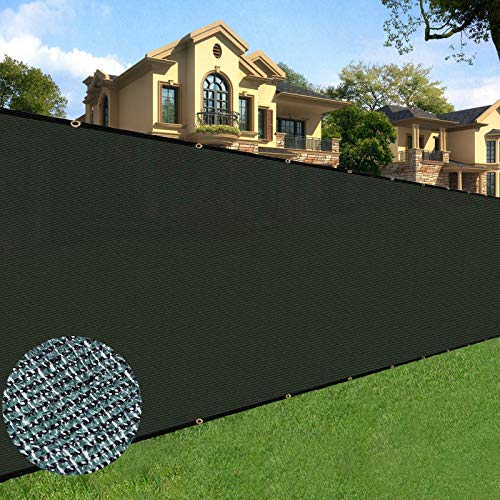
Energetic pets leaping over standard four-foot enclosures or burrowing along loose bottom wires create non-stop headaches for property owners. Stepping up to a five-foot boundary gives you the extra height needed to deter jumpers without creating the boxed-in, light-blocking feel of a solid privacy wall. Sourcing the best 60 inch chain link fence hardware provides reliable perimeter security, strong rust resistance, and zero weekend staining hassles. Whether you are running a boundary line along dense privacy screens fed with fertilizer for Green Giants or securing an open dog run, selecting heavy-duty wire mesh prevents premature sagging and keeps property lines firmly defined.
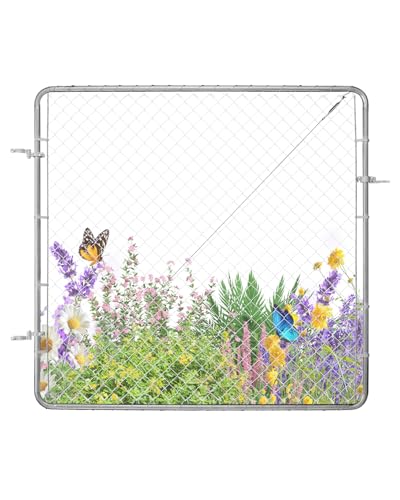
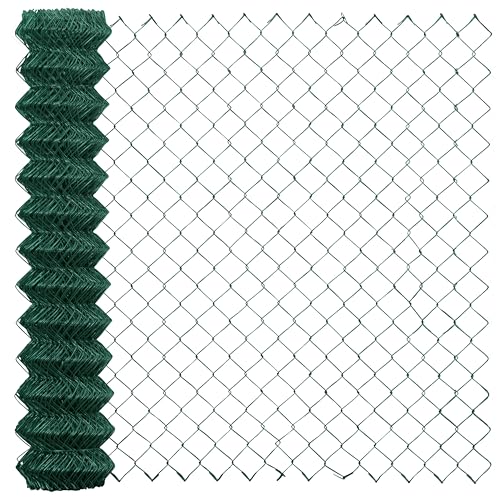
Thick protective finishes separate durable fabric rolls from cheap mesh that corrodes after a couple of rainy seasons. A heavy 9-gauge steel wire with a thick extruded vinyl coating shields structural metal against moisture, road salt, and harsh sunlight. Pair that fabric with smooth knuckled selvage edges to protect paws and hands from sharp burrs, along with an adjustable galvanized steel gate frame that eliminates lawn drag. Reviewing manufacturer technical data sheets and physical wire specifications helps ensure your new outdoor enclosure delivers long-term durability and structural stability across every season.
Frequently Asked Questions
How deep should post footings be set for a five-foot chain link fence?
Terminal and line posts should be set at least 24 to 30 inches deep in solid concrete footings. In colder climates subject to ground freeze, dig your post holes six inches below the local frost line to prevent frost heave from pushing posts out of alignment. Proper footing depth keeps the wire fabric under uniform tension without leaning over time.
What is the difference between 9-gauge and 11-gauge chain link mesh?
A 9-gauge wire is significantly thicker and more rigid than an 11-gauge core wire. The lower gauge number indicates a heavier core diameter that withstands impact from large dogs and resists bending under physical pressure. Vinyl-coated 9-gauge steel fabric also offers superior rust defense compared to lighter residential grades.
Can you install a five-foot chain link fence on uneven ground?
Yes, woven chain link mesh naturally flexes to adjust to rolling terrain and gradual slope changes. Installers can rack the diamond fabric slightly along grade changes or step terminal posts on steeper backyard hills. When regrading turf near fence lines in heavy ground, applying a specialized lawn fertilizer for clay soil helps re-establish grass roots and prevent erosion under bottom tension wires.
Why are knuckled edges preferred over twisted selvage for residential fences?
Knuckled edges are bent closed into smooth loops to eliminate sharp barbed wire points. This design prevents cuts and scratches for children, family pets, and yard workers walking close to the perimeter. Twisted or barbed selvage is typically reserved for commercial properties requiring climbing deterrents.
How do you stop a chain link gate from sagging over time?
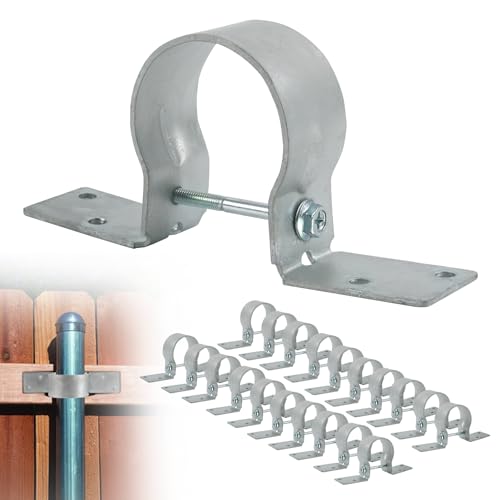
Installing an adjustable galvanized gate frame with tight diagonal bracing prevents frame distortion. High-grade clamp hinges bolted to a rigid terminal post maintain square alignment without dragging across the turf. Checking hardware torque annually keeps gate latches catching smoothly during seasonal temperature shifts.
Is bottom tension wire necessary on a 60-inch chain link setup?
Yes, running a heavy bottom tension wire prevents dogs from pushing outward and squeezing underneath the fabric. Securing the chain link diamonds to the bottom wire using hog rings every 12 to 24 inches maintains continuous downward rigidity. This structural addition eliminates the need for an expensive bottom rail while preserving secure containment.





Write Your Review
No reviews yet. Be the first to share your experience!