


If you have ever dreamed of growing your own cherries or adding a beautiful flowering tree to your yard, timing is everything. The best time of year to plant cherry trees is during their dormant season, typically in late fall or early spring. Planting when the tree is leafless and resting helps reduce transplant shock and encourages strong root development before the growing season begins. Many gardeners find that bare-root cherry trees shipped in dormancy establish faster and require less watering during the first few weeks.
Whether you are planting sweet black cherry trees for fruit or ornamental weeping cherry blossoms for spring color, choosing the right planting window matters. In October 2026, we looked at 8 cherry tree options ranging from $6.99 to $35.00, including brands like DASFarms, AKTRD, FamPlants and more. Some are bare-root dormant trees, while others are potted saplings or seeds. Each type has slightly different planting needs, but the general rule remains the same: plant when the tree is not actively growing. For more on cherry tree varieties, check out our guide on Kwanzan cherry tree bonsai options for indoor and outdoor gardens.
Pros
- Cold hardy across a broad climate range (zones 4-8)
- Produces sweet, firm, dark fruit ideal for eating and cooking
- Easy for beginners to plant and establish with simple soaking
- Arrives packaged carefully with moist roots, reducing transplant shock
- Four trees per order offer good value for starting a small orchard
Cons
- Trees arrive small and dormant, requiring patience for first fruit
- Bare-root format means they need immediate planting or potting upon arrival
- Limited to full sun and loam soil, which may not suit all garden setups
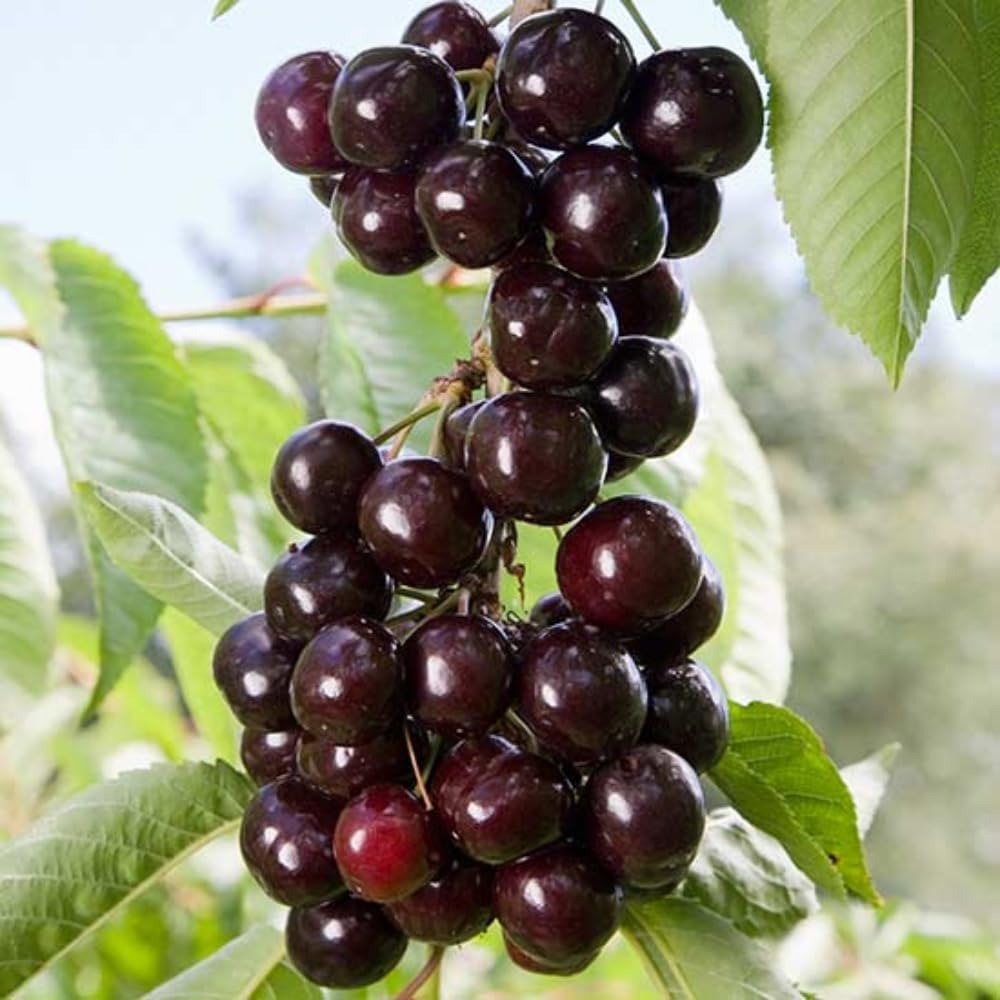
The AKTRD Black Cherry Trees set is a practical option for anyone looking to start a home orchard or add a fruit-bearing tree to their landscape. This package includes four live, bare-root trees that are 12 to 18 inches tall, dormant, and leafless when they arrive. They are designed to establish strongly once planted, especially for gardeners in USDA zones 4 through 8 who want a cold-hardy cherry variety that can handle colder winters.
What sets these trees apart is the promise of large, dark-black fruit that is both firm and sweet. Based on customer feedback, the trees wake up quickly after a simple root soak, with buds and foliage appearing within days. One reviewer noted they arrived in good condition and began sprouting new growth after two days in water. Another saw buds already present on arrival and successfully transitioned the tree outdoors as temperatures warmed. This suggests the trees are resilient and ready to grow with minimal fuss.
Design and build quality are straightforward but effective. The trees come with roots wrapped in moist paper and sealed in a plastic bag, keeping them hydrated during shipping. They are bare-root and dormant, which is a standard method for many fruit trees, as it reduces stress during transplant. The packaging is described as careful, with attention to keeping the roots intact. However, because they are small, you will need to either plant them directly in the ground or pot them up to let them gain size before transplanting, as one reviewer did.
There are a few honest drawbacks to consider. The trees are small and dormant, so it will take time before they produce fruit, likely a couple of years. They also require full sun and loam soil with moderate watering, so they are not suitable for shady or heavy clay spots without amending. Additionally, being bare-root, they need immediate attention upon arrival, which might be inconvenient if you are not ready to plant.
Overall, the AKTRD Black Cherry Trees offer a reliable way to grow your own sweet cherries at home. They are easy for beginners, cold hardy, and come as a set of four for a solid start. If you have the right conditions and some patience, these trees are a worthwhile investment for fresh, homegrown fruit.

Pros
- Cold-hardy and adaptable to a wide range of USDA zones (3-9).
- Fast-growing shade tree with attractive spring blossoms.
- Low maintenance and drought tolerant once established.
- Produces edible fruit that can be used fresh or in preserves.
- Set of two trees offers good value and cross-pollination potential.
Cons
- Trees are dormant bareroots with no leaves, so they may look like sticks upon arrival; patience is needed for growth.
- No reviews yet, so actual performance in different conditions is unverified.
- May require pruning to shape and manage size as it grows into a large tree.
If you are looking to add a hardy fruit tree to your yard that also provides shade, the DMOH Black Cherry Trees are a solid pick. This package includes two live bareroot trees, each about 1 to 1.5 feet tall. They arrive dormant with no leaves, which is actually a good thing: the tree can focus all its energy on root establishment once planted. This set is perfect for gardeners in USDA zones 3 through 9, so it works in many parts of the country, from cold northern winters to milder southern climates.
One standout quality is how low maintenance these trees are. They thrive in full sun to partial shade and handle poor soil and drought once they are settled. The trees produce small, dark cherries with a sweet-tart flavor, plus clusters of white flowers in spring that add real beauty. They also grow quickly into a large shade tree, so you get both fruit and cooling cover. The bareroot format makes planting easy, even for beginners.
That said, there are a couple of things to keep in mind. Since the trees are dormant and leafless, they might look like bare twigs when they arrive. It takes a little patience for them to leaf out and start growing. Also, there are no customer reviews yet, so real-world results are not confirmed. As the trees mature, you may need to prune them to keep their size in check.
Overall, these Black Cherry trees offer great value for the price. They are tough, fast-growing, and produce edible fruit with minimal effort. If you want a low-stress addition to your home orchard or landscape, this set is a reliable choice.

Pros
- Trees arrive healthy and alive, as confirmed by positive customer reviews
- Good value with two trees for the price of one at many nurseries
- Versatile enough for gardens, landscapes, and even container growing in early stages
- Dormant bare roots are more resilient and adapt well to new soil conditions
Cons
- Bare roots need careful planting and consistent watering during the first season
- Trees are small (12-15 inches) and require several years to mature and bear fruit
- Only a few reviews available, so long-term performance data is limited
The DMOH Black Cherry Trees offer a straightforward way to start growing your own sweet cherries at home. This set includes two dormant bare roots, each about 12-15 inches tall, ideal for planting in early spring or fall when the trees are still resting. Whether you want a compact fruit orchard or a shade tree with seasonal interest, these cherry trees are a solid pick for gardeners across a huge swath of the country - USDA Zones 3-9.
What stands out is the versatility. Not only do you get sweet cherries in summer (after a few years of growth), but the tree also puts on a show with delicate white blossoms in spring and fiery red-orange leaves in autumn. The bare root format means the roots are unharmed by pots and can spread quickly once planted. Customers have reported healthy, lively trees upon arrival - a good sign for a dormant product. Just give them full sun to partial shade and well-draining soil with moderate water.
Design and build quality are exactly what you'd expect from a reputable nursery stock. The roots are intact and moist, packed carefully for shipping at the right time of year. At 12-15 inches, they're small but not fragile. They'll need a couple of years to really take off, but that's normal for bare root trees. The included two count gives you a chance to experiment or plant a matched pair.
On the downside, you'll need patience. These aren't instant trees. It may take three to five years before you see a decent cherry harvest. Also, because they're bare roots, you must plant them promptly and water diligently during the first growing season. If you're looking for instant landscape impact, consider a more mature potted tree instead. But if you're fine with a little patience, these are a cost-effective way to add fruit trees to your property.
Overall, the DMOH Black Cherry Trees deliver exactly what they promise: two healthy, dormant bare roots that are well-suited to most climates and garden styles. They're a great choice for budget-conscious gardeners, homesteaders, or anyone wanting to enjoy homegrown cherries without breaking the bank.

Pros
- Iconic weeping form with pink blossoms that naturalizes any garden.
- Dormant bare-root shipping reduces transplant shock and promotes root growth.
- Adapts to a wide range of climates (USDA zones 4-8).
- Low maintenance once established, requiring only regular watering and sun.
- Backed by a 30-day transplant guarantee from the seller.
Cons
- Ships without leaves (dormant), which may surprise buyers expecting a full canopy.
- Can only be planted in the ground, not in containers, limiting placement options.
- No customer reviews yet, so real-world performance is unverified.
The Weeping Higan Cherry Tree from DAS Farms is a live bare-root plant that brings a dramatic, cascading silhouette to any outdoor space. It ships as a 1-2 foot dormant tree during winter, which is the ideal transplanting window. Come spring, this Prunus x subhirtella 'Pendula' erupts with soft pink blossoms that cover the weeping branches, creating a scene straight out of a Japanese garden.
This tree is built for performance in zones 4-8. It thrives in full to part sun with regular watering, and once established, it requires minimal care. The mature height reaches about 20 feet, so it works beautifully as a focal point in medium to large yards. DAS Farms ensures safe delivery by double-boxing the bare-root plant in moist sphagnum moss. The 30-day transplant guarantee (if you follow the included instructions) adds confidence for first-time bare-root buyers.
Design-wise, the cascading habit is the star. The branches droop gracefully, and the pink blooms have an ethereal, cloud-like quality. The tree is also steeped in cultural meaning — in Japan, it's celebrated during Hanami festivals as a symbol of life's ephemeral beauty. That narrative depth makes it more than just a plant; it's a living piece of tradition.
One honest downside: since the tree arrives dormant with no leaves or flowers, it won't look like the fully grown photos right away. Also, it must go directly into the ground — no container gardening. And with zero reviews available, you're relying solely on the seller's description.
Overall, the Higan Japanese Pink Weeping Cherry Tree is an excellent pick for gardeners looking for an elegant, low-maintenance ornamental with cultural cachet. If you have space in your yard and patience for a dormant start, this tree will reward you with years of spring beauty.
Brand: DAS Farms
Color: Pink
Expected Blooming Period: Spring
USDA Hardiness Zone: 4, 5, 6, 7, 8
Sunlight Exposure: Full Sun
Moisture Needs: Regular Watering
Soil Type: Loam Soil
Expected Plant Height: 20 Feet
Item Weight: 6 Pounds
Product Dimensions: 37 x 6 x 6 inches
Indoor/Outdoor Usage: Outdoor
Material Feature: Organic
Product Care Instructions: Water
Expected Planting Period: Fall
Unit Count: 1.0 Count

Pros
- Non-GMO heirloom variety with sweet, juicy fruit.
- Can be planted both indoors and outdoors.
- Low maintenance once established.
- Good ornamental value with attractive black cherry trees.
- Versatile for making jams, pies, and wines.
Cons
- Seeds require cold stratification (4 months refrigeration) which demands patience.
- Some users report low germination rates; success may vary.
- Trees take time to mature before bearing fruit.
The BuggyBeds 20 Pcs Sweet Cherry Tree Seeds offer a classic heirloom growing experience for home gardeners. These non-GMO seeds are meant to produce sweet black cherries that are perfect for fresh eating, jams, pies, and even homemade wines. The package is aimed at anyone who enjoys the satisfaction of starting fruit trees from scratch, whether you have a backyard orchard or a sunny indoor setup.
Standout features include the seeds' adaptability: they can be planted indoors or outdoors, in full sun to partial shade, and are suited to USDA hardiness zones 3 through 9. The trees are described as fast-growing and long-lived, with good ornamental value. However, growing cherries from seed isn't instant gratification. The instructions recommend cold stratification for about four months to mimic winter, and some users have noted that germination can be tricky. One reviewer mentioned following the directions exactly but had no success, while others are still waiting. That said, the overall rating of 4.4 out of 5 stars suggests many customers are satisfied.
In terms of build quality, these are just seeds, so there's not much to critique. The packaging is straightforward, and the seeds themselves are small. The main consideration is your willingness to put in the effort: proper stratification, snipping the seed end, and planting in soft, fertile soil. If you're patient and follow the steps, you have a good chance of raising a cherry tree that will bear fruit for years.
Drawbacks are honest: germination isn't guaranteed, and it takes time. The negative review highlights that even experienced growers might struggle. But for the price, this is a low-risk way to try your hand at growing a fruit tree from seed. It's not for someone who wants instant results, but for a gardener who enjoys the process, it's a solid choice.
Verdict: If you're ready to invest patience and follow the recommended cold stratification, BuggyBeds sweet cherry seeds are a worthwhile project. They deliver on the promise of heirloom, non-GMO fruit with a sweet payoff down the line.

Pros
- High vitamin C content from the fruit - great for boosting immunity
- Compact size fits small gardens or patio containers
- Ornamental appeal with glossy leaves and pink flowers
- Self-pollinating - no need for multiple plants for fruit
- Resistant to many pests and diseases once established
Cons
- Not all plants may survive shipping - some reviewers reported dead or dying plants on arrival
- Requires warm climate (zones 9-11) - not suitable for colder regions
- Can take 2-3 years to bear fruit, so patience is needed
The FamPlants Barbados Cherry Tree 4-pack delivers a set of young starter plants that promise both ornamental beauty and edible fruit. Aimed at home gardeners who want to grow their own vitamin C-packed cherries, these plants are compact and easy to manage. They work well in small gardens, raised beds, or containers on a sunny patio. If you live in a warm region (USDA zones 9-11) and want a low-maintenance addition to your edible landscape, this is worth considering.
Standout features include the plant's glossy green leaves and delicate pink flowers, which appear even on young specimens. The fruit is small, bright red, and exceptionally high in vitamin C. Reviews show that with proper care, many plants establish well and start flowering quickly. The set of four gives you plenty of chances to succeed, and the company provides detailed arrival instructions to help reduce transplant shock.
Design and build quality are typical for starter plants: they arrive in 3-5 inch pots with moist soil. Buyers praise the careful packaging, though shipping stress is a real concern. Some reviewers lost plants within days, especially when shipped in cold weather. The plants are sensitive to temperature extremes, so ordering during mild seasons and following the instructions closely is key. Once settled, they are resilient and drought tolerant.
Drawbacks include the wait for fruit (up to 2-3 years) and the fact that not every plant may survive. The 3.6-star rating reflects mixed experiences, with many happy customers but also a fair share of failures. Cold-sensitive nature limits where it can grow. Some buyers also mention the small size of the starter plants, so patience is required for them to reach mature height.
Overall, the FamPlants Barbados Cherry Tree 4-pack offers good value for gardeners in suitable climates who want a dual-purpose ornamental and fruiting plant. It's not a guaranteed success, but with careful handling and the right conditions, these trees can reward you with years of colorful blooms and healthy cherries.

Pros
- Healthy plant upon arrival per most customer reviews
- Compact dwarf size fits tight spaces and containers
- Well-packaged and shipped with care
- Fragrant white blooms in spring season
- Heirloom variety for long-term garden investment
Cons
- Small size (8-12 inches) may seem underwhelming initially
- Some buyers reported the tree did not grow or struggled
- Cannot ship to California due to restrictions
If you dream of a weeping cherry blossom tree but lack acres of space, the UIOTER White Weeping Cherry Blossom Tree is a compact, live starter plant that brings that timeless beauty to any garden. This dwarf sapling arrives in a pot, already well-rooted and ready for transplanting. It is designed as an ornamental tree - meaning no fruit - so all its energy goes into producing those stunning white, fragrant flowers each spring. Perfect for beginners or seasoned gardeners who want a low-maintenance, space-saving cherry blossom.
At 8 to 12 inches tall, this tree is small but healthy. Early buyers consistently mentioned the plant arrived in good condition, with strong roots and fresh leaves. One reviewer described it as "leafy, strong and healthy" and another noted it started budding after winter. The tree thrives in full sun with moderate watering, making it easy to care for. It is a perennial heirloom variety, so with proper care you can expect it to come back year after year. Do note that it will take time to reach its full weeping shape, but many customers were happy to see growth within weeks.
Build quality of the sapling itself is solid. It is shipped in a container with moist soil, protected during transit. However, some customers received theirs later than expected (likely due to international shipping) and a few reported that the tree did not grow. These experiences appear to be outliers, as the majority gave high marks. The biggest drawback is the small size at arrival - some felt the price was a bit high for an 8 to 12 inch plant. Also, this tree cannot be shipped to California, so buyers there should look elsewhere.
Overall, the UIOTER Weeping Cherry Blossom Tree is a great starting point for anyone wanting a compact ornamental cherry tree. It is not instant gratification, but a patient gardener will be rewarded with beautiful white blooms and a unique weeping form over the years. If you have a sunny spot and realistic expectations about size, this is a worthwhile purchase.
Pros
- Two trees at a very reasonable price.
- Well-protected packaging ensures plants arrive alive and moist (based on positive reviews).
- Sweet cherry variety is versatile for fresh eating, baking, or preserves.
- Suitable for both novice and experienced gardeners.
- Dormant bareroots can be stored easily and planted at the optimal time.
Cons
- Some trees may not survive if planted improperly or in unfavorable conditions; a few customers reported failure.
- Bareroots are small at 1-1.5 feet and require several years to bear fruit.
- Packaging may occasionally arrive damaged, affecting plant health (noted in one review).
The AKTRD 2 Black Cherry Trees Live Plant offers a pair of dormant bareroot trees, each about 1-1.5 feet tall, ready to grow into sweet cherry producers. This package is ideal for home gardeners in USDA zones 4 through 8 who want to add a reliable fruit tree to their landscape without spending a fortune. The wild black cherry variety yields medium-sized, purple-black cherries that ripen in late June, perfect for fresh eating, baking, or making preserves.
These trees require full sun and loamy soil with moderate watering. The dormant bareroot format means they ship safely and can be planted as soon as the ground is workable. Customer feedback is generally positive: many report healthy plants arriving well-protected and moist, with buds already forming. Some gardeners saw immediate growth after planting. However, results can vary; a few customers experienced failure despite following instructions, likely due to environmental factors or handling damage.
AKTRD nursery presents these as bare roots with the root ball wrapped to retain moisture. The trees are small but vigorous, designed to establish quickly when planted correctly. A few reviewers noted that packaging might be crushed in transit, which could affect the plants' health. Nonetheless, the majority received intact, viable trees.
The main downsides are the small size at arrival and the time needed to see fruit (several years). Also, the bareroot format demands careful planting and aftercare. While many succeed, there is a risk of loss, especially for beginners who might not provide ideal conditions. A single negative review highlighted a crushed box and dead plants, but that's not the norm.
For the price, two cherry trees offer excellent value for anyone looking to start a home orchard. The AKTRD black cherry trees are a solid choice for patient gardeners in suitable climates. Just be prepared to nurture them through their first season. If you follow basic planting guidelines, you can look forward to homegrown cherries in a few years.
Frequently Asked Questions About Planting Cherry Trees
What is the best month to plant cherry trees?
The best time of year to plant cherry trees is during late fall after leaf drop or early spring before buds swell. For most climates, October through March works well, as long as the ground is not frozen. Bare-root trees should be planted as soon as possible after arrival, while potted trees can be planted later in spring.
Can I plant cherry trees in summer?
Summer planting is risky because heat and dry soil stress young trees. If you must plant in summer, choose a potted tree and water deeply and consistently. However, dormant bare-root trees are almost always a better choice for successful establishment. For more on timing, see our weeping cherry blossom bonsai tree guide.
Should I plant cherry tree seeds or live plants?
Seeds take longer and require cold stratification (a simulated winter period) to germinate. Live plants, especially bare-root dormant trees, give you a head start. For beginners, a live tree is more reliable. Seeds can be fun for patient gardeners but expect several years before fruit appears.
What zone is best for cherry trees?
Most cherry trees thrive in USDA zones 4 through 8. Some varieties, like black cherry, can handle zones 3 to 9. Check the product description for zone recommendations before buying. Planting in the right zone during the right season greatly improves survival rates.
Do cherry trees need full sun?
Yes, cherry trees grow best in full sun (at least 6 hours of direct sunlight per day). They can tolerate partial shade, but fruit production and flowering will be reduced. Good air circulation also helps prevent fungal diseases. For more plant care tips, visit our plant category page.





Write Your Review
No reviews yet. Be the first to share your experience!