


If you’ve ever wanted to add a personal touch to your garden or indoor plant collection, learning how to paint concrete planter pots is a fantastic place to start. A plain concrete pot can be durable, but it often lacks personality. Applying the right paint and finish not only lets you match your decor but also provides an extra layer of protection against moisture and weather, which is crucial for better root health. This guide for October 2026 looks at 8 different products, from weather-resistant paints to helpful DIY books, that can help you transform basic containers into lasting garden art.
Many gardeners struggle with paint that fades, peels, or cracks after just one season. This is especially common with pots kept outdoors, where they face sun, rain, and temperature swings. The right materials make all the difference. Whether you’re refreshing old planters or customizing new ones, the products listed here are commonly chosen by gardeners for their durability and ease of use. For more ideas on creative plant displays, check out our guide on how to turn an old bike into a planter. This roundup includes options from brands like Workman Publishing, FolkArt, Delta Creative and more, with prices ranging from $5.99 to $35.99, giving you a practical starting point for your next project.

Pros
- Comprehensive beginner roadmap with no assumed knowledge
- Tips for both functional and decorative designs
- Includes practical advice for expanding into a small business
- Covers troubleshooting and confidence-building throughout
- Written solely by one author, ensuring consistent, focused guidance
Cons
- No customer reviews yet to verify content quality or readability
- Concrete crafting can be messy and requires a dedicated workspace
- Some advanced projects may need additional tools or materials not listed
Making Concrete Plant Pots for Beginners by Elian Zane is a thorough guide designed to take anyone from complete novice to confident concrete crafter. The book is ideal for DIY enthusiasts, gardeners, and creative hobbyists who want to break away from generic store-bought planters. It assumes zero prior experience, making it accessible to anyone willing to try something hands-on.
The standout quality is its structured, step-by-step approach. You'll learn how to select the right mix ratios, create molds from household items, and master curing techniques that prevent cracks. The author includes tips for using lightweight alternatives like hypertufa, which makes your planters easier to move. The projects range from simple round pots to more ambitious designs like vertical gardens and planters with embedded lighting, giving you room to grow your skills.
The book also focuses on mindset and troubleshooting. It encourages you to see mistakes as lessons, which is especially valuable for beginners who might feel discouraged. Safety practices and workspace management are covered early, so you can work without worry. While the content is dense, it's broken into manageable sections with clear instructions.
One drawback is the lack of customer reviews at launch. This means there's no independent feedback on how well the instructions work in practice. Additionally, working with concrete requires some cleanup and a dedicated space, which may not suit everyone. But for those willing to get their hands dirty, the potential for creating custom, durable planters is high.
Overall, this guide delivers exactly what it promises: a beginner-friendly path to making stylish concrete planters. It's comprehensive, practical, and encouraging. If you're ready to transform your space with handmade pots, this book is a solid investment.



Pros
- Addresses the core problem of outdoor paint failure directly with proven solutions
- Perfect for absolute beginners with no prior art experience required
- Clear, project-based learning with four distinct garden pot designs
- Comprehensive material guide explains exactly what works and what to avoid
- Includes bonus content that extends learning beyond the core techniques
Cons
- As a self-published guide, it lacks the production polish of major publisher craft books
- Results ultimately depend on your individual effort and material choices
- No reviews yet to validate the effectiveness of the specific methods described
This guide isn't just another craft book. It's a focused manual for anyone who's tired of watching their beautifully painted terracotta pots deteriorate in the garden. Author Tommy A. Real writes from hard-earned experience, having gone through the frustration himself. The book targets beginners and frustrated hobbyists who want their creative efforts to last more than one season. If you've ever painted a pot only to see it fade or peel, this guide promises to be the practical coach you need.
The standout feature is its relentless focus on weather resistance. While many books show you how to paint, this one teaches you how to protect. It cuts through the confusion about paints and sealers, telling you which combinations actually work against rain, frost, and UV rays. The step-by-step techniques for color blocking, sponging, and sgraffito are designed for clarity, with each step including the 'why' behind it so you understand the process, not just mimic it.
For a self-published work, the structure is thoughtful and user-friendly. The 95-page length feels substantial without being overwhelming. It's packed with practical value: four complete projects with instructions, a troubleshooting section for common problems, and generous bonuses like the 7-day challenge and color recipes. The writing style is conversational and encouraging, avoiding technical jargon to keep the focus on actionable advice.
The main drawback is the lack of social proof. With no existing reviews, you're trusting the author's claims based on his description alone. As he notes, results depend on your effort and materials, so your mileage may vary. The book is also independently published, which sometimes means variable editing quality compared to mainstream publishers, though the description suggests a clear and organized approach.
If your goal is to create garden pots that remain vibrant and intact outdoors, this guide appears to offer a solid foundation. It addresses the critical gap between making something pretty and making something durable. For beginners seeking honest, tested methods without an art degree, this could be a valuable resource that turns a seasonal hobby into a lasting one.
Publisher: Independently published
Publication Date: April 4, 2026
Language: English
Print Length: 95 pages
ISBN-13: 979-8254972600
Item Weight: 8.6 ounces
Dimensions: 8.5 x 0.22 x 11 inches


FAQs About How to Paint Concrete Planter Pots
What type of paint should I use on outdoor concrete planters?
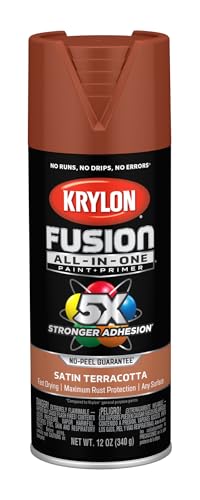
For outdoor concrete pots, you need paint specifically formulated for exterior use. Look for labels like “outdoor,” “weather-resistant,” or “all-in-one” paint. Acrylic paints designed for outdoor crafts or spray paints made for plastic and masonry, like the Krylon Fusion option listed, often adhere well and flex with temperature changes. These paints are made to resist fading from UV rays and peeling from moisture, which are the two biggest challenges for garden decor. Always ensure the concrete is clean and dry before you start painting for the best results.
Do I need to seal a painted concrete pot?
Sealing is a highly recommended final step, especially for pots that will hold soil and water. A clear exterior-grade sealant provides a waterproof barrier that protects your paint job from moisture seeping up from the soil and from rain. It also helps prevent mildew and makes the pot easier to clean. Some all-in-one spray paints include a built-in primer and sealant, but adding an extra layer of sealant can extend the life of your design, particularly in harsh climates. For related projects involving different materials, you might find inspiration in our post about what to plant in an urn planter.
How do I prepare a concrete pot for painting?
Proper preparation is key for paint to stick and last. First, clean the pot thoroughly to remove any dirt, algae, or old flaking paint. A scrub with soapy water and a stiff brush usually works. Let it dry completely for at least 24 hours. If the pot is new or very porous, some gardeners apply a concrete primer or a sealing primer to create a uniform surface. This step can help the paint go on smoother and require fewer coats. Forgetting to clean and dry the pot is a common beginner mistake that leads to poor adhesion.
Can I paint the inside of a concrete planter?
It’s generally not recommended to paint the interior of a planter that will hold soil and a plant. Paint can create a barrier that traps moisture against the concrete, potentially leading to salt buildup and damage over time. It may also introduce chemicals you don’t want leaching into your plant’s root zone. Focus your creative efforts on the exterior of the pot. If you want a cleaner look inside, you can use a plastic nursery pot insert. This also makes it easier to switch out plants without disturbing your painted design.
How long does painted concrete last outdoors?
The longevity of a painted concrete planter depends heavily on the quality of the paint, the preparation, and your local climate. With a good outdoor acrylic paint and a protective sealant, many gardeners see their work last for several seasons. Pots in full, harsh sun or areas with frequent freeze-thaw cycles may show wear sooner. Touching up chips or faded areas every couple of years can keep them looking fresh. For more durable garden projects, explore our planter category for ideas on different materials and styles.


Write Your Review
No reviews yet. Be the first to share your experience!