
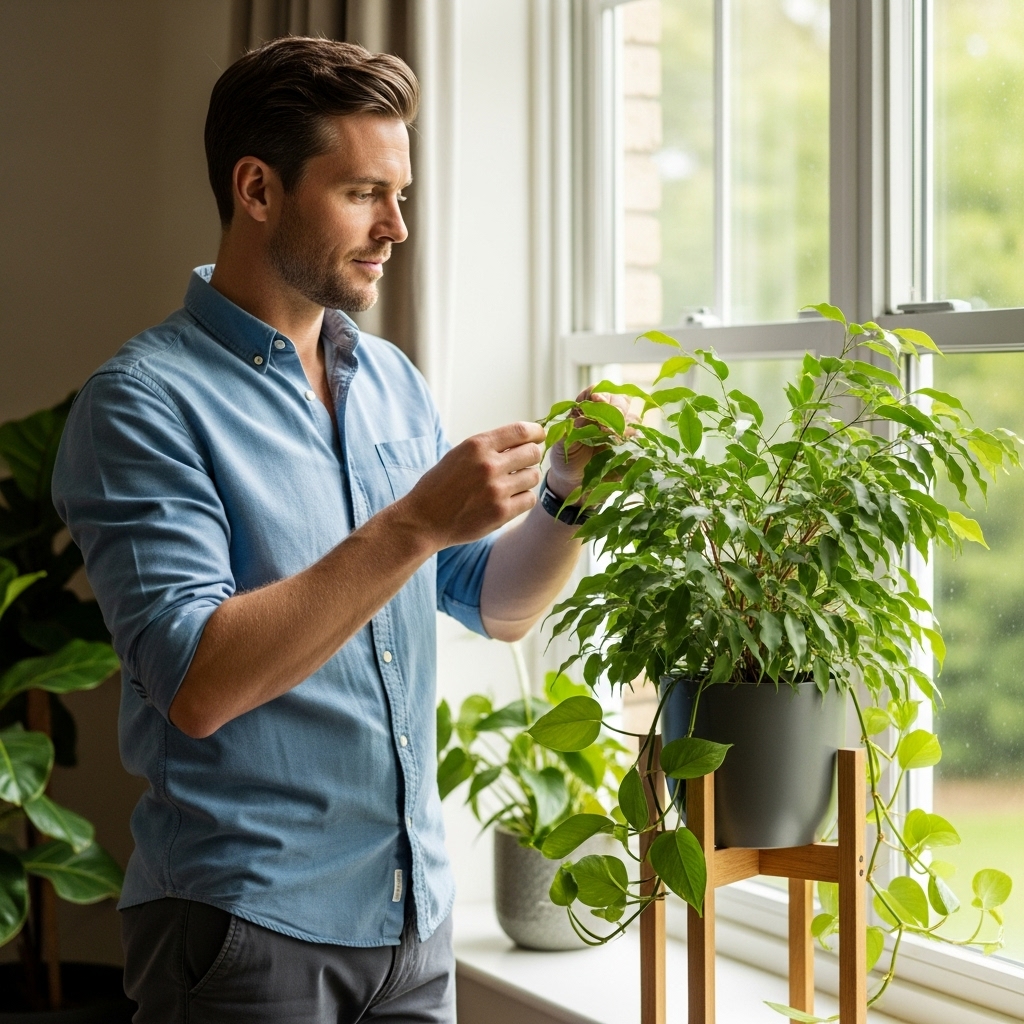

One of the most satisfying ways to dip your toes into gardening is by growing herbs in a planter box. Whether you have a sunny kitchen windowsill, a small balcony, or just a corner of a patio, a container herb garden lets you cultivate fresh flavors for cooking, teas, or simply for the joy of tending living plants. The challenge, especially for beginners, is knowing how to start. You need to consider the right herbs for your light conditions, understand soil and watering needs, and avoid common pitfalls like overwatering or poor drainage. That’s where having a good guide or a complete starter kit can make all the difference, turning a hopeful experiment into a thriving, fragrant mini-garden.
This October 2026, we’re looking at 8 practical resources focused on how to grow herbs in a planter box. These include beginner-friendly guidebooks from authors like Angela S. Judd, Workman Publishing, Barbara W. Ellis and more and all-in-one starter kits that provide the seeds, pots, and soil to get you going immediately. The options range from basic, low-cost eBooks to comprehensive physical kits with tools and support, covering a price range from $4.99 to $24.99. For anyone interested in starting seeds or optimizing their indoor plant setup, checking out our related posts on seed starting and planter selection can provide additional helpful context. The goal is to help you find the resource that matches your experience level and gives you the knowledge or tools for a successful harvest.

Pros
- All-inclusive starter set with no additional purchases needed
- Beautiful presentation makes it an excellent gift for plant lovers and tea enthusiasts
- Strong customer support with multiple channels for help
- Non-GMO heirloom seeds with high germination potential
- Versatile grow bags and box can be reused for other plants
Cons
- Some users experienced mold growth on the provided soil disks
- Seed germination rates reported as inconsistent by a few reviewers
- Tea infuser and wooden box may have minor quality issues (e.g., bent strainer, strong stain smell)
The Garden Republic Indoor Herb Garden Seed Starter Kit is a charming and well-rounded set designed for anyone who wants to grow their own tea herbs at home. It comes with four types of non-GMO seeds: peppermint, chamomile, lemon balm, and lavender. You also get four burlap grow bags with waterproof liners, four soil disks, bamboo plant markers, pruning shears, a tea infuser, and a sturdy wooden box that can double as a planter. This kit is ideal for beginners, gift givers, or anyone looking to add a little greenery to their kitchen without a lot of fuss.
The standout feature here is the all-in-one nature of the kit. You don't need to buy soil, pots, or tools separately. The grow bags are reusable and have drain holes to help prevent overwatering. The included growing guide is straightforward, and Garden Republic offers extra support through a help bot and online community. In real-world use, many customers report that the seeds sprout well and the plants thrive with proper light and care. However, some reviewers note that not all seeds germinate, and a few have experienced mold on the soil disks. The mold is often harmless saprophytic fungus, but it can be off-putting.
Design and build quality are generally good for the price. The wooden box is attractive and smells of stain, which fades over time. The burlap bags feel sturdy, and the shears are functional. The tea infuser is basic and may arrive slightly bent, as a couple of reviewers mentioned. The seeds come in double packaging, which is a nice touch for freshness. Overall, the physical components are solid but not premium.
Drawbacks to consider include the small size of the kit (it fits on a windowsill) and the potential for seed or soil issues. A few customers had trouble getting seeds to grow even after following instructions, and the replacement process required paying for shipping. Also, the box shape is square, which may not suit narrow window ledges. These are honest limitations, but they don't affect everyone.
Final verdict: If you want a fun, easy gift for a tea or gardening enthusiast, this kit is a great choice. It's especially good for beginners because everything is included and the support resources are helpful. Just be prepared to possibly swap out the soil if you're concerned about mold, and give the seeds plenty of light. For the price, it offers good value and a rewarding experience when it works as intended.

Pros
- Very informative and easy to understand
- Perfect for beginners with no prior gardening experience
- Compact size makes it easy to keep nearby
- Covers a wide range of plants
- Includes practical tips on saving seeds
Cons
- Some experienced gardeners may find it too basic
- A few readers found the text not easy to read due to layout
- Lacks detailed troubleshooting for specific plant varieties
Starting Seeds by Barbara W. Ellis is a straightforward guide aimed at anyone who wants to grow vegetables, herbs, and flowers from seed. Part of the Storey BASICS series, this book skips the fluff and gets right to the practical steps. Whether you are a complete beginner or someone returning to gardening after a break, you will find clear explanations for every stage from sowing to transplanting to saving seeds.
The standout quality of this book is its simplicity. It covers the essential methods for indoor seed starting, including the right containers, soil mixes, and lighting. The book also explains how to harden off seedlings and transplant them successfully. With a focus on creating proper growing conditions, it helps you avoid common mistakes like overwatering or insufficient light. The included illustrations make the instructions even easier to follow.
At only 128 pages, this is a quick read that you can finish in an afternoon. The compact size means it fits easily on a shelf or in a garden bag for quick reference. The writing is clear and conversational, though some readers have noted that the layout could be more visually engaging. Still, the information is well organized and easy to find.
One drawback is that this guide stays at a basic level. If you already have experience starting seeds, you might not learn much new. A few reviewers mentioned that they wished for more depth on specific plant types or troubleshooting. However, for its intended audience of beginners, the book hits the mark perfectly.
Overall, Starting Seeds delivers exactly what it promises: a simple, reliable introduction to seed starting. It is an affordable and practical resource that will give new gardeners confidence. If you are looking for a no-fuss guide to get your garden started, this is a solid choice.


Pros
- Clear and easy to follow for absolute beginners
- Beautiful illustrations make learning enjoyable
- Focuses on container gardening for small spaces
- Covers a wide variety of plants in one guide
- Highly rated by users with real gardening success
Cons
- Does not include pruning techniques as noted by some readers
- Some users wished for more plant varieties beyond the 50 covered
- May be too basic for experienced gardeners
How to Grow Your Own Food is a practical and beautiful guide for anyone who wants to start growing their own herbs, vegetables, and fruits but has limited space. Author Angela S. Judd, known for her blog GrowingTheGarden.com, brings years of hands-on experience to this illustrated book. It is designed for beginners, especially those living in apartments or homes without a traditional garden plot.
The book covers 50 edible plants, from basil and onions to strawberries and tomatoes. Each entry includes detailed care instructions, container size recommendations, watering and feeding schedules, and harvesting tips. The illustrations are clear and helpful, making it easy to visualize what you need to do. Readers consistently praise the book's organization and how it simplifies the process of container gardening.
Real-world feedback from users confirms that the advice works. One reviewer noted that after following the author's guidance, they were harvesting vegetables for the first time. Another mentioned that the tips helped their dad grow an impressively large cabbage. The book is kept in gardening tool bags and used as a quick reference. It is not just a read-once book but a resource you return to throughout the growing season.
There are a few honest drawbacks to consider. Some readers wished the book included a section on pruning techniques. Others felt that while the 50 plants covered are a good start, they would have liked more variety. For experienced gardeners, the content may feel too basic. However, for its target audience of beginners, the book hits the mark perfectly.
Overall, How to Grow Your Own Food earns a strong recommendation for anyone new to container gardening. It is well-written, beautifully illustrated, and packed with actionable advice. If you want to turn your balcony or patio into a productive mini-farm, this guide is a great place to start.


Pros
- Clearly separates the needs of the same plants for indoor versus outdoor growing.
- Detailed on individual herb requirements like sunlight and soil.
- Accessible format with enhanced typesetting and Word Wise support.
- Concise length makes it a quick, actionable read for beginners.
- Screen reader supported, enhancing accessibility.
Cons
- Publication date is 2016, so some newer methods or varieties may not be covered.
- The print length is only 39 pages, which may limit depth on complex topics.
- As a digital book, it lacks physical reference materials or hands-on tools.
Benjamin Green's "Growing Herbs" is a focused digital guide aimed squarely at newcomers to herb gardening. It's for anyone who wants to cultivate herbs at home, whether motivated by saving money on groceries, exploring natural remedies, or simply enjoying the process of growing living things. The book promises a path to doing this affordably, which is a major draw for beginners wary of expensive setups.
The standout feature is its structured, plant-specific approach. Each herb gets its own section with pictures, detailing its unique needs for sunlight and soil. Crucially, it distinguishes between how to care for the same plant if you're growing it indoors in a pot versus outdoors in a container. This practical differentiation is invaluable, as environment drastically changes a plant's requirements. The guide also wisely includes cautions, highlighting common beginner mistakes to avoid.
As a digital publication, its build is about functionality and accessibility. It supports screen readers and has enhanced typesetting for comfortable reading on devices. The 39-page length suggests a concise, no-fluff manual designed for quick comprehension and application, not an exhaustive academic text. This format suits its purpose as a starter guide.
A potential drawback is its publication date from 2016. Gardening trends and specific cultivar recommendations can evolve, so some information might feel slightly dated. The brevity, while good for beginners, means complex topics like advanced pest management or soil science are only touched upon. It's a foundation, not a complete encyclopedia.
The final verdict is that this is a solid, practical entry point. It successfully demystifies the initial steps of herb gardening by providing clear, individualized instructions and emphasizing a low-cost approach. If you're looking to start a small herb garden on your balcony or windowsill and want straightforward, actionable advice, this guide will effectively point you in the right direction and help you avoid early pitfalls.
ASIN: B01FG9V4HM
Publisher: Benjamin Green
Publication Date: May 9, 2016
Language: English
File Size: 2.1 MB
Screen Reader: Supported
Enhanced Typesetting: Enabled
Word Wise: Enabled
Print Length: 39 pages
Page Flip: Enabled

Pros
- Clear, step-by-step approach is ideal for true beginners.
- Combines culinary and medicinal uses, offering more than just basic gardening.
- Lightweight and portable you can read it in one sitting.
- Affordable price point for an introductory resource.
- Focuses on containers, so no backyard needed.
Cons
- Very short only 70 pages, and some readers felt the content was too surface-level.
- Lacks illustrations or specific care guides for individual herbs.
- A few reviews mention the book points you to a library for more detail rather than providing it.
Growing Herbs: A Beginner's Guide to Container Gardening and Growing Medicinal and Culinary Herbs at Home is exactly what the title says: a short, focused primer for people new to growing herbs. Written by Celeste Jarabese, this 70-page paperback skips the fluff and gets straight to the essentials. It's designed for anyone who wants fresh herbs for cooking, natural remedies, or simply adding greenery to a small apartment.
The book covers both culinary and medicinal herbs, which sets it apart from many beginner guides that stick to just one. You'll learn about herbs like oregano, dill, chamomile, and lavender, along with their uses and basic health benefits. The step-by-step container gardening instructions are easy to follow, and the preservation tips at the end add practical value. For someone who has never grown anything before, this can be a helpful starting point.
However, the brevity is both a strength and a weakness. At 70 pages, there isn't room for deep dives into individual herbs or detailed troubleshooting. Some reviewers noted the book reads more like a leaflet and lacks illustrations. The author even suggests visiting a library for more information, which may leave you wanting more substance. If you're looking for a comprehensive encyclopedia of herb gardening, this isn't it.
On the plus side, the book is lightweight, affordable, and focuses on container gardening a perfect fit for urban dwellers or renters. The emphasis on both kitchen uses and natural remedies makes it versatile. But if you already know how to plant a seed, you might find the content too generic.
Verdict: Growing Herbs is a good, low-cost resource for absolute beginners who want a quick overview before diving deeper. Seasoned gardeners or anyone needing specific herb-by-herb guidance should look elsewhere.
Pros
- All-in-one convenience with seeds, pots, soil, and tools included
- Self-watering pots reduce the risk of over or under watering
- Wide variety of 10 popular culinary herbs to grow
- Compact design fits well in small indoor spaces
- Makes a great gift for plant lovers
Cons
- Some customers report seeds not germinating or being mislabeled
- Included soil discs may not be enough to fill all 10 pots
- Plastic pots can crack if stacked or handled roughly during shipping
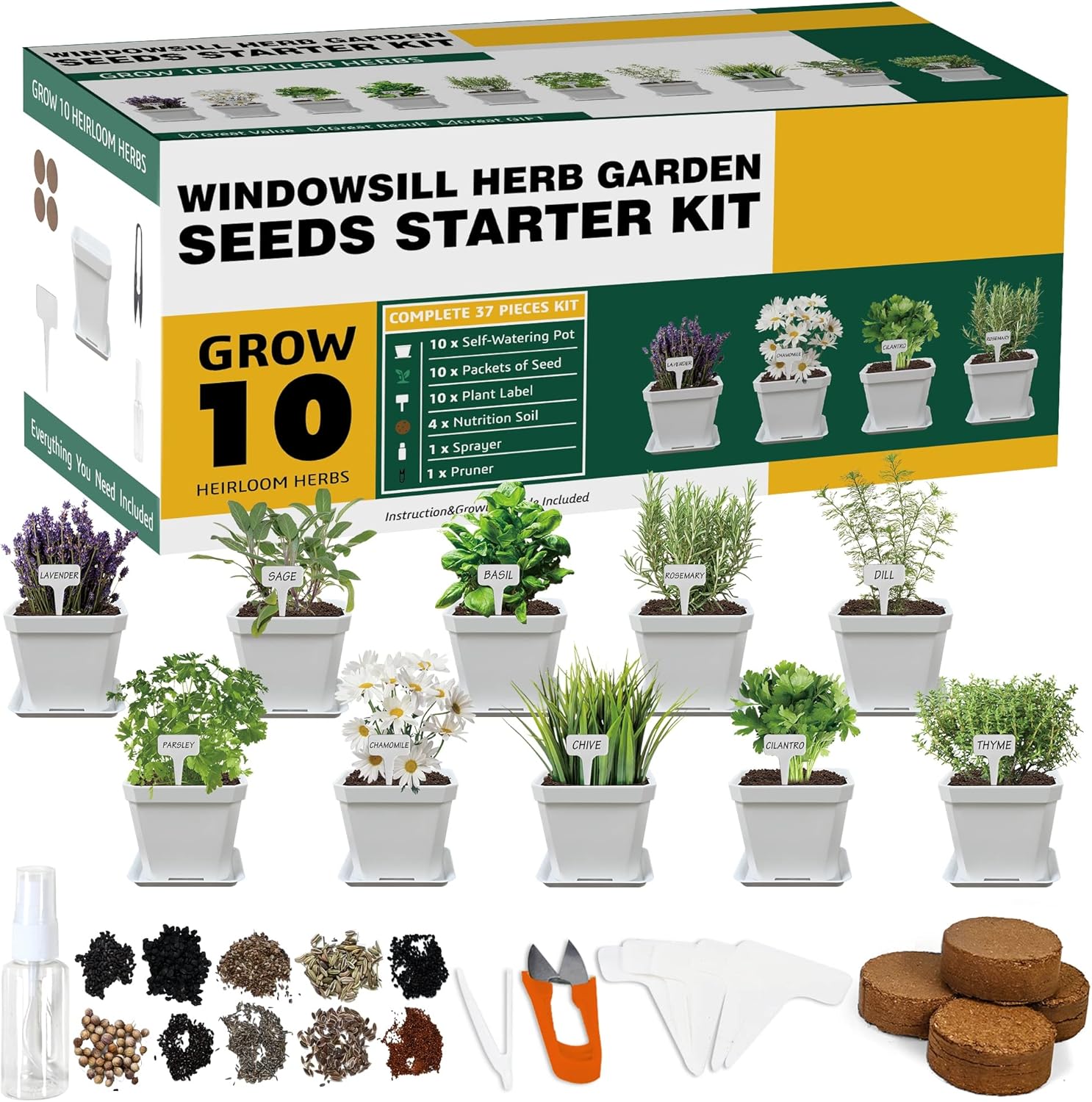
The Meekear 10 Herb Seeds Garden Starter Grow Kit is designed for anyone who wants to grow fresh herbs indoors without the hassle of buying separate supplies. It comes with ten different herb seed packets, ten self-watering white pots, plant markers, coconut coir soil discs, a watering bottle, and a mini herb clipper. The kit is aimed at beginners and experienced gardeners alike who want a convenient way to start a kitchen herb garden.
One of the standout features is the self-watering pots with drip trays. They help maintain consistent moisture, which is especially useful if you tend to forget watering or are new to plant care. The coconut coir soil discs are another thoughtful touch. They expand dramatically when soaked, providing a light, airy medium that encourages root growth. Many users report that herbs like basil, dill, and chives sprout quickly, while others have had mixed results with seeds like lavender, sage, or cilantro. Some reviewers noted that a few seeds didn't germinate or appeared to be different plants, so it's wise to manage expectations and possibly supplement with seeds from a trusted source.
The build quality of the plastic pots is decent for the price, but they are lightweight and can crack if dropped or packed tightly. A few customers received pots with small cracks, likely from shipping. The included soil discs are sufficient for about four to five pots if filled generously, so you may need extra potting soil if you plan to use all ten pots at once. The mini pruner is a nice bonus, though some found it broke after a few weeks of use.
Despite these drawbacks, the kit offers excellent value for the price. It provides a fun, low-cost way to experiment with growing herbs indoors, especially during colder months when outdoor gardening isn't possible. The pots look clean and modern on a windowsill, and the plant markers help you keep track of what's growing. If you're looking for a gift for a plant enthusiast or want to start your own herb garden with minimal effort, this kit is a solid choice.
Overall, the Meekear herb grow kit delivers on its promise of convenience and variety. While seed germination can be hit or miss, the overall experience is positive for most users. With a little patience and possibly extra soil, you can enjoy fresh herbs like basil, parsley, and thyme right from your kitchen. It's a practical, enjoyable way to bring a bit of green into your home.
FAQs About Growing Herbs in a Planter Box
What are the best herbs to start with in a planter box?
For beginners, herbs like basil, mint, chives, parsley, and thyme are often recommended. They are relatively forgiving, grow quickly, and are useful in cooking. It’s wise to start with just a few types to manage their different water and light needs more easily. Some kits, like the ones listed above, provide a curated selection of seeds that are known to be beginner-friendly and suitable for container life.
How much sunlight do herbs in a planter need?
Most culinary herbs prefer plenty of light. A sunny windowsill that gets at least 6 hours of direct sunlight is ideal for many common herbs. If your indoor light is limited, you might consider herbs that tolerate partial shade, like mint or parsley, or look into supplemental lighting options. Our grow lights category has resources that can help with indoor gardening setups.
What kind of soil is best for a planter box herb garden?
Herbs generally need well-draining soil to prevent root rot. A standard potting mix designed for containers is a good start. Many gardeners avoid heavy garden soil in pots. Some starter kits include pre-measured soil discs or coconut coir blends that are specifically formulated for seed starting and provide good drainage, which is a key feature for healthy herb growth.
How often should I water my planter box herbs?
The frequency depends on your climate, pot size, and the herb type. A common rule is to water when the top inch of soil feels dry. Overwatering is a frequent issue, so pots with drainage holes are crucial. Self-watering pots or systems with drip trays, like those in some kits, can help maintain consistent moisture and reduce the risk of overwatering, which is especially helpful for busy gardeners.
Can I grow herbs in a planter box indoors year-round?
Yes, many herbs can be grown indoors successfully with sufficient light. You can create a perpetual indoor herb garden on a windowsill or under grow lights. The key is choosing herbs suited to your indoor conditions and providing consistent care. Resources that focus on container gardening and indoor growing, like several of the books listed, offer specific advice for maintaining herbs inside throughout different seasons.


Write Your Review
No reviews yet. Be the first to share your experience!