
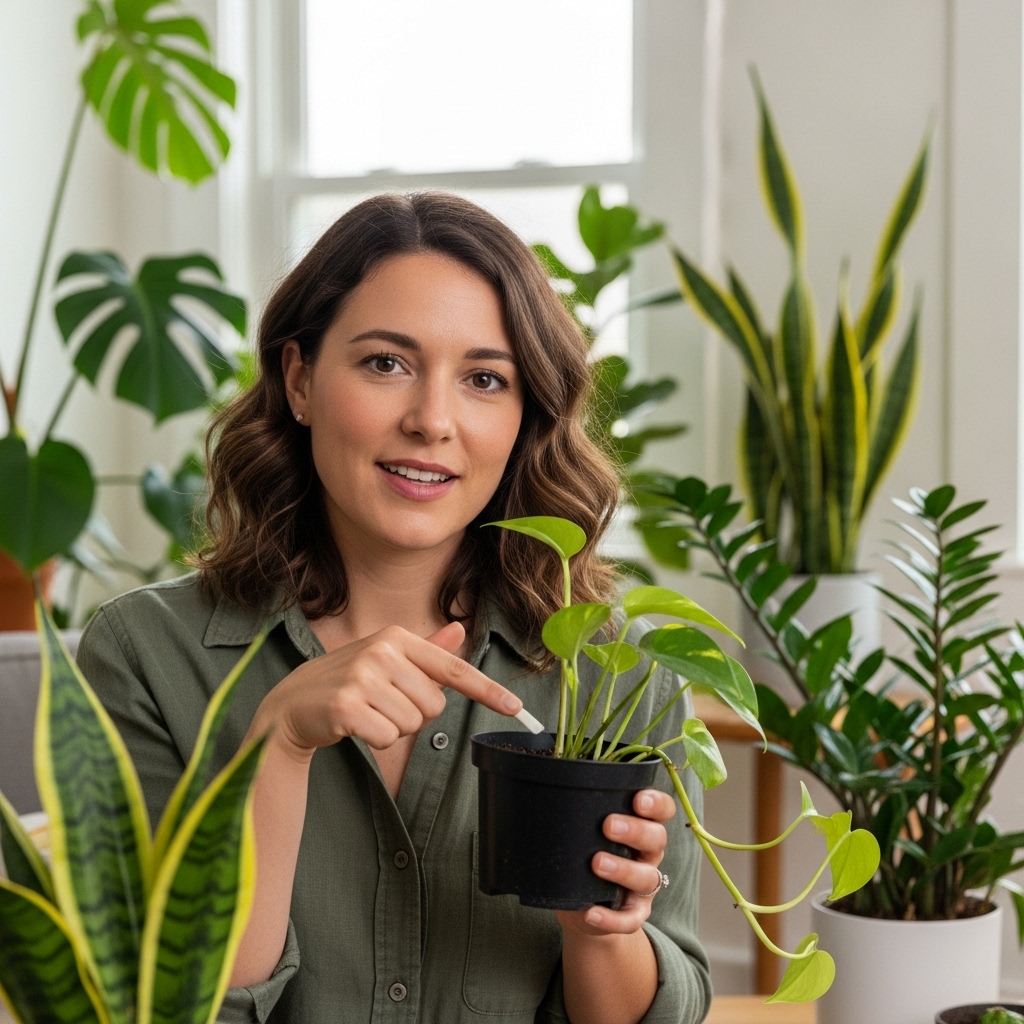

If you’ve ever wanted to add a personal touch to your garden or indoor plant collection, learning how to make a concrete planter mold opens up a world of creative possibilities. Making your own planters isn’t just about saving money. It’s about crafting a container that perfectly fits your space, matches your decor, and provides the right environment for your plants’ roots. For many gardeners, the ability to customize size, shape, and even texture is a major advantage over store-bought pots. Whether you’re potting up succulents on a sunny windowsill or creating a statement piece for your patio, a DIY planter can make your greenery feel truly unique.
This November 2026, we’re looking at 8 different concrete planter mold kits and tools available. The options range from small silicone molds perfect for crafting succulent pots to larger, rigid plastic forms for more substantial garden vessels. Prices range from $19.99 to $47.99, with brands like catin, Osilifen, PSOIRGCNH and more offering various designs. A common challenge for DIY planters is ensuring proper drainage and structural integrity so they don’t crack. The right mold can help address these issues by providing a stable form and often includes tools for creating drainage holes. For ideas on what to plant in your new creations, check out our guide on what to plant in an urn planter. These products are best for crafty plant lovers, urban gardeners looking to personalize their small spaces, and anyone who enjoys a hands-on project that results in a functional, beautiful home for their plants.

Pros
- Sturdy plastic construction holds up well to repeated use
- Attractive hexagonal shape adds a modern touch to planters
- Compatible with concrete, resin, and other crafting materials
- Smooth interior helps with demolding when used correctly
- Versatile for making planters, decor, or even candle molds
Cons
- Demolding can be difficult - several users reported the center piece getting stuck even with mold release
- Plastic may crack if overfilled or handled roughly, as noted in some reviews
- Only one size available, limiting project options for larger or smaller planters
The YARNOW DIY Hexagonal Concrete Planter Mold is a solid option for DIY enthusiasts looking to create custom planters, home decor, or garden ornaments. Made from thickened plastic, it's designed for repeated use with concrete, resin, cement, and even soap or candle wax. The hexagonal orchid style gives finished pieces a modern, elegant look that works well in contemporary gardens or indoor spaces.
In terms of performance, the mold delivers on its promise of durability. The plastic feels sturdy and should withstand multiple pours if handled with care. However, user experiences with demolding are mixed. While the smooth inner surface is supposed to make removal easy, several reviewers struggled with the center piece getting stuck, even after applying mold release. One user had to cut the center section out, and another cracked the mold. This suggests that the demolding process requires extra patience and technique, especially for beginners.
The design is straightforward - a simple hexagonal shape with a center core for a hollow planter. At about 10.6 inches wide and 8.7 inches tall, it creates a planter that's a good size for small to medium plants. The beige color is neutral and doesn't affect the final product. The plastic is thick enough to hold its shape but not so rigid that it's impossible to flex for demolding.
Drawbacks are worth noting. The most common complaint is difficulty removing the center piece, which can ruin a project if you're not careful. Additionally, the mold is only available in one size, so you can't scale up or down for different projects. Some users also found the plastic to be somewhat brittle - one reviewer broke it during use. These issues are reflected in the product's 3.3-star rating.
Overall, the YARNOW Hexagonal Concrete Planter Mold is a decent choice for experienced DIYers who are comfortable troubleshooting demolding issues. If you're patient and willing to experiment with mold release techniques, you can create attractive hexagonal planters. Beginners might find it frustrating, but with practice, it can be a useful addition to your crafting toolkit.

Pros
- Made from rigid, reusable ABS plastic that holds its shape cast after cast
- Easy release design minimizes frustration and ensures clean results every time
- Works with a variety of materials: cement, concrete, plaster, and clay
- Encourages creativity with options to embed decorative elements before casting
- Family-friendly project that teaches DIY and gardening skills
Cons
- No instructions included, so beginners may need to research mixing ratios and release agents
- At 2.2 pounds, the mold itself is relatively heavy and may be unwieldy for smaller crafters
- The large size (about 11 inches per side) limits it to big planters only, not suitable for small pots
The Milisten Large Cement Garden Planter Mold is a practical tool for DIY enthusiasts who want to craft their own concrete, cement, or clay planters. Unlike a pre-made pot, this mold gives you full control over the final look, from shape to finish. It's designed for hobbyists, gardeners, and families who enjoy hands-on projects and want to add a personal touch to their home decor.
One standout feature is the smooth, non-stick interior, which allows your finished piece to release easily without tearing or losing detail. The mold itself is made from rigid ABS plastic that holds its shape through repeated use, so you can count on consistent results. It works with standard cement, concrete, plaster, and air-dry clay, giving you plenty of options. You can also embed decorative items like stones, sea glass, or glitter before the material sets, making each planter unique.
At 11.4 inches on each side and about 10.6 inches tall, the mold produces substantial planters perfect for succulents, bonsai, or flowers. The beige color is neutral and unobtrusive. However, note that the mold is fairly heavy at just over 2 pounds, which might be a bit much for younger crafters. Also, since it comes without instructions, you'll need to look up concrete mixing ratios or consider using a release agent for best results.
A potential drawback is the size: this mold only creates large planters. If you're after smaller pots, you'll need a different mold. Additionally, while the ABS plastic is durable, it can be prone to scratches if handled roughly. But for the price, you get a versatile tool that can be used over and over again, which is good value for serious DIYers.
Final verdict: if you enjoy making your own garden decor and want a reliable, large mold that encourages creativity, the Milisten planter mold delivers. Just be prepared to experiment a bit on your first few castings. It's solidly built, easy to use once you get the hang of it, and opens up a world of personalized planting projects.

Pros
- Easy demolding and cleanup
- Sturdy outer frame prevents deformation
- Reusable and durable
- Versatile material compatibility
- Produces smooth, professional-looking pots
Cons
- No drainage hole included, requires DIY drilling or inserting a plastic rod during pour
- Some users report minor blemishes or surface roughness on finished pots
- Plastic outer frame can slip off if not held steady during demolding
The Osilifen Big Round Silicone Planter Mold is designed for anyone who wants to make their own concrete or cement flower pots at home. Whether you are a DIY beginner or a seasoned crafter, this mold simplifies the process and delivers consistent results. It is especially well suited for making modern cylinder planters for succulents, small houseplants, or as handmade gifts.
What sets this mold apart is its two-piece construction: a flexible silicone inner mold surrounded by a rigid plastic outer frame. The plastic shell keeps the concrete from bulging outward while it cures, so you get a perfectly straight-sided pot every time. The silicone part is soft and releases the cast without a fight, even if you forget to use a release agent. Many users report that the first pot came out flawlessly, and the mold shows no signs of wear after multiple uses.
In practice, the mold works with concrete, cement, plaster, resin, and clay. The finished pots measure about 5.9 inches in diameter and 4.7 inches tall, a nice size for small plants. To make the concrete stronger, the manufacturer suggests adding coarse sand and crushed stone, just like a building foundation. Users have also discovered that spraying the plastic frame with cooking oil makes disassembly much easier, and filling the inner cavity with cold water can help free a stuck core.
Build quality is solid. The silicone feels thick and resilient, and the plastic frame is sturdy enough to hold its shape under the weight of wet concrete. The mold includes a small plastic rod that can be used to create a drainage hole. However, the rod is not permanently attached, so you will need to insert it manually and hold it in place while the concrete sets. Some reviewers note that the mold can produce surface bubbles if you do not tap it while filling, and a few have seen minor dents or roughness on the cast, but these are exceptions more than the rule.
One honest drawback is that the mold does not have a built-in drainage hole. You will either need to drill one after demolding or press a plastic rod into the wet concrete before it cures. Also, the plastic frame can slide off if you are not careful when removing the silicone, so a firm grip is advised. Overall, for the price and quality, this is a reliable tool for creating custom concrete pots. It is easy to use, forgiving to beginners, and produces attractive results that look store-bought.

Pros
- Reusable silicone with smooth surface makes demolding quick and clean.
- Plastic frame provides sturdy support for concrete without warping.
- Includes both square and round molds, doubling your creative options.
- Affordable price point for a complete starter kit with drainage sticks.
- Versatile for multiple materials and uses beyond just planters.
Cons
- Not compatible with resin (resin will leave a cloudy haze finish).
- Only one size available (3.15 inches) may be too small for larger projects.
- Silicone may need a release agent like baby oil for best results on first use.
The catin Concrete Planter Molds set offers a straightforward way to cast your own small round and square planters from concrete, cement, clay, or plaster. Designed for DIY enthusiasts who enjoy handcrafting home decor, these molds make it easy to create customized succulent pots, candle containers, or desk organizers without investing in expensive equipment.
Each mold features a flexible silicone inner lining that releases cured projects with minimal effort. The included plastic frame adds rigidity during casting, preventing the walls from bulging outward, which is a common issue with softer molds. The finished planter measures 3.15 inches in both diameter and width with a 2.5-inch depth, ideal for small succulents or tea lights. A set of small sticks is also provided to punch drainage holes, adding practicality to your creations.
The design is minimal and functional. The silicone is smooth and easy to clean, and with a light coat of baby oil or release agent, demolding becomes even smoother. These molds are reusable many times, though they should not be used with resin as it will cure with a cloudy haze. The outer plastic frame is sturdy enough to hold the weight of wet concrete without distorting the shape.
One limitation is the size: at only about 3 inches across, you cannot make large pots. Also, the molds work best with a release agent; skipping this step may cause sticking on the first few uses. But for small-scale casting, they deliver consistent results. The set includes one round and one square mold, so you can experiment with both shapes right away.
Overall, the catin mold set is a solid buy for beginners or casual crafters wanting to dip into cement casting. It offers good value for the price, with no major flaws beyond the size restriction and the resin incompatibility. If you are looking for a simple way to make personalized small planters or containers, this kit delivers on its promise.

Pros
- Reusable plastic mold for multiple projects
- Simple buckle system for quick setup
- Creates nice textured pot patterns
- Lightweight and easy to handle
- Responsive customer service as noted in reviews
Cons
- Thin plastic can warp and cause cement leaks at seams
- Finished pot size is smaller than some expect (suitable only for small plants)
- May need extra sealing or vibration to avoid air pockets and roughness
The EAIVENY Concrete Planter Mold is a DIY accessory designed for gardeners who want to craft their own cement flower pots at home. This large mold measures 7.48 by 7.48 by 8.66 inches and is made from ABS plastic, allowing for multiple uses. It is particularly suited for hobbyists who enjoy hands-on projects and prefer a custom look without the high cost of buying individual ceramic or concrete planters.
The mold features built-in buckles and comes with extra thumb screws, making assembly straightforward even for first-time users. To get the best results, you need to brush oil on the interior before each pour to prevent sticking and ease demolding. Many buyers report that the process is fun and that finished pots come out with a clean, textured surface. However, a recurring issue is the thinness of the plastic, which can lead to warping and leakage of cement at the seams, especially if the mold is not clamped tightly. Some users have successfully used silicone to seal the joints for better results.
In terms of design, the mold is lightweight and compact, which makes storage easy but also means the walls are less rigid than thicker alternatives. The finished pot is about the same size as the mold, so keep that in mind if you are looking for a large planter. A few reviewers noted that the pot is better suited for small plants or succulents rather than deep-rooted ones. The mold does not come with a drainage hole, but you can insert a pipe before the cement hardens to create one.
The main drawbacks reported include seam leakage and a final pot size that some found disappointingly small despite the product being labeled large. The price point of around forty dollars is considered high by some, given the plastic quality. That said, the mold is reusable and can produce several pots with careful handling. If you are patient and willing to tinker with the setup, you can achieve good-looking results.
Overall, the EAIVENY Concrete Planter Mold is a decent entry-level option for DIY enthusiasts who want to try their hand at making concrete planters. It is not the sturdiest choice on the market, but it does the job for small-scale projects and creative garden decorations. With extra attention to sealing and curing, you can create unique pots that add a personal touch to your garden.
Brand: EAIVENY
Item Type: Concrete Planter Mold
Material: ABS Plastic
Shape: Round
Dimensions: 7.48 x 7.48 x 8.66 inches (LxWxH)
Color: 18 Round (as per listing)
Category: Planters
Included: Mold pieces, thumb screws, buckle hardware

Pros
- Easy demolding thanks to the silicone inner layer and detachable plastic frame
- Durable construction withstands multiple uses without degrading silicone quality
- Holds shape perfectly during curing - no bulging or warping
- Versatile compatibility with various casting materials
- Compact cube size is ideal for desktop planters and gift projects
Cons
- Some users reported occasional dents or imperfections on the finished pot surface
- No built-in drainage hole - you may need to drill one or use a pot insert
- Outer support frame can slip off during handling if not held securely
The Osilifen Silicone Square Concrete Mold is a well-designed tool for DIY enthusiasts who want to create custom concrete or plaster planters at home. With a 4.6-star rating from over 300 reviews, this mold kit is especially popular among succulent lovers and crafters looking for a simple way to produce modern, cube-shaped pots without investing in expensive equipment.
What sets this mold apart is its three-layer construction: a flexible silicone interior sits inside a hard plastic outer frame. The plastic shell prevents the silicone from bulging under the weight of concrete, while the silicone allows finished pieces to pop out cleanly after curing. Users consistently praise how easy it is to remove the final planter, with many noting they achieved great results on their very first attempt. The mold also includes screws and a plastic rod that lets you create a drainage hole if desired, though the rod isn't always used by everyone.
In real-world use, the mold performs well with a variety of materials - concrete, cement, plaster, resin, and even clay. Reviewers who tried quick-setting mixes like Cement All were able to demold in as little as an hour. Most report that the mold holds up after many pours, with no signs of silicone tearing or the plastic frame cracking. A few users noted that light tapping during filling helps release air bubbles, leading to smoother surfaces. The finished planter measures 3.9 inches per side, which is a practical size for a small succulent, a tea light candle holder, or a pen cup.
Build quality is solid for the price. The outer frame snaps together snugly, and the silicone interior is flexible but durable. However, a small number of buyers mentioned that the support frame can slip off if not held firmly when removing the mold, and one reviewer in Germany reported minor dents on the surface of their cast pieces. These issues seem to be exceptions rather than the rule. The mold doesn't come with a pre-made drainage hole, so you either need to drill one or use a pot inside the planter if you're growing plants.
Overall, the Osilifen Silicone Square Concrete Mold is an excellent value for anyone interested in DIY planter making. It eliminates the guesswork and frustration often associated with molding concrete, and the results are consistently attractive and functional. While it may not suit those seeking larger planters or perfect flawlessness on every pour, it's a reliable choice for beginners and experienced crafters alike who want to produce clean, cube-shaped pots without breaking the bank.

Pros
- Double-layer construction offers stability and ease of use.
- Non-stick silicone makes demolding simple and clean.
- Reusable and durable for long-term crafting.
- Produces pots with a smooth, uniform shape.
- Affordable way to create custom home decor.
Cons
- Requires concrete or plaster materials not included.
- May need practice to achieve ideal mix consistency and curing.
- Limited to one pot size per mold (5.9x4.7 inches).
The PSOIRGCNH Large Round Silicone Planter Mold is a practical DIY tool for anyone looking to create custom concrete or plaster flower pots at home. Whether you are a seasoned crafter or a beginner wanting to add a personal touch to your garden or living space, this mold offers a straightforward way to produce durable, attractive planters. It is especially suited for making succulent pots or small decorative containers, and its reusable nature means you get plenty of value from a single purchase.
What sets this mold apart is its double-layer structure. The outer shell is made of sturdy plastic (ABS) that provides firm support during the curing process, so you do not end up with bulging walls or misshapen pots. Inside, the silicone liner is smooth, flexible, and non-stick, which makes demolding a breeze and cleanup as simple as a quick rinse. This thoughtful design strikes a nice balance between stability and ease of use, letting you focus on the creative part rather than fighting with your materials.
In terms of performance, the mold delivers consistent results. The finished pot measures about 5.9 inches in diameter and 4.7 inches tall, a size that works well for succulents, small houseplants, or even candle holders. You can experiment with different concrete mixes, add pigments or textures, and even incorporate coarse sand or crushed stone to strengthen the final piece. The instructions recommend curing in a cool, ventilated area and occasionally misting if the temperature is high. While there is a bit of a learning curve to get the mix just right, the mold itself does the heavy lifting of shaping and supporting your design.
That said, there are a few things to keep in mind. You will need to supply your own concrete or plaster, and the mold only creates one size of pot. If you plan on making larger or varied planters, you may need additional molds. Also, achieving a flawless finish may require some practice, especially when it comes to mixing ratios and pouring technique. But for the price, the quality of the mold is solid, and the reusable silicone holds up well over multiple uses.
Overall, the PSOIRGCNH Silicone Planter Mold is a smart purchase for DIY enthusiasts who enjoy making custom home decor. It eliminates common frustrations like sticking and deformation, and the end results look clean and professional. If you have been thinking about trying concrete potting, this mold gives you a reliable, low-stakes way to start creating something unique.

Pros
- Sturdy plastic shell keeps mold shape and supports heavy concrete
- Thick silicone liner makes demolding quick and clean
- Reusable multiple times without losing shape
- Versatile for various craft projects beyond planters
- Includes helpful accessories like glue sticks for drainage
Cons
- Oval mold may be smaller than the product images suggest
- Some users report small dimples or imperfections on the final concrete surface
- No step-by-step instructions included for beginners
The Gisafai 2 Pack Silicone Concrete Planter Mold set is designed for DIY enthusiasts who want to cast their own concrete flower pots. It includes one round and one oval mold, plus non-slip pads and glue sticks for drainage. This kit is ideal for anyone from hobbyists to small-scale crafters who need reusable molds that produce clean, heavy-duty planters.
The standout feature here is the construction. Each mold has a thick silicone interior bonded to a rigid ABS plastic outer shell. That combo keeps the mold from bulging or warping under the weight of wet concrete, a common problem with all-silicone molds. Reviewers consistently note how easy it is to remove the finished piece, and the molds hold up well after many uses. The included non-slip pads add stability while the concrete sets, and the glue sticks let you easily add drainage holes.
In real-world use, the round mold delivers consistently good results, but the oval mold has drawn mixed feedback. Several customers report that the oval is noticeably smaller than the product photos suggest, and some had trouble getting a clean release from it. A few users also mention random dimples or small imperfections on the concrete surface, though these are often hidden with paint or filler. The set lacks any detailed instructions, which can be a hurdle for first-time concrete casters.
On the plus side, the materials feel durable. The silicone is thick and flexible, and the outer shell keeps its shape batch after batch. Cleaning is simple thanks to the smooth interior, and the molds remain flexible without losing form over time. For the price, you get two large re-usable molds and useful accessories that work for concrete, cement, plaster, clay, soap, and more.
Verdict: The Gisafai mold set offers a thoughtful design and solid build that makes concrete casting easier and more reliable. While the oval mold falls a bit short on size and perfection, the round mold performs beautifully. If you need a reusable mold that can handle heavy concrete without deformation, this is a practical choice, especially if you plan to paint or finish the final pieces.
FAQs
What’s the best material for a DIY concrete planter mold?
Most molds use either silicone or rigid plastic like ABS. Silicone molds are flexible and often easier to demold, making them great for beginners and small projects like succulent pots. They usually have a smooth finish. Rigid plastic molds are sturdier and better for larger, heavier planters where you need the walls to stay perfectly straight without bulging. Some kits combine both, with a silicone inner liner for easy release and a plastic outer frame for support. Your choice depends on the size of your planter and how much structural support your concrete mix needs.
How do I make sure my homemade concrete planter has drainage holes?
Proper drainage is critical for plant health to prevent root rot. Many mold kits include small sticks or dowels you insert into the concrete before it sets to create holes. If your kit doesn’t include them, you can use wooden skewers or plastic rods. It’s important to place these drainage markers carefully so they don’t shift while the concrete is curing. After demolding, you might need to clean out the holes with a drill bit if any concrete seeped in. Always test drainage with water before planting.
Can I use these molds for materials other than concrete?
Yes, many molds are versatile. They often work with cement, plaster, and even air-dry clay. However, check the product details. Some silicone molds are not recommended for resin, as it can leave a cloudy finish. Using plaster or clay can result in lighter, more decorative planters suitable for indoor use. For outdoor planters that will face weather, a concrete or cement mix with added sand for strength is usually the best choice for durability.
What mix should I use for stronger, more durable planters?
For garden planters that need to withstand freezing and thawing cycles, a stronger mix is key. Many gardeners recommend adding coarse sand and small gravel to your cement or concrete mix. This creates a more solid, less brittle final product, similar to construction concrete. Let the planter cure slowly in a cool, shaded spot, and lightly mist it with water during hot, dry days to prevent the curing process from weakening due to rapid drying. This technique helps prevent cracks over time.
Are DIY concrete planters safe for all plants?
Concrete planters are generally safe, but they can affect soil pH and moisture. Concrete is alkaline, which might not be ideal for some acid-loving plants. You can mitigate this by using a thick plastic liner inside the planter or sealing the interior with a concrete sealant. Also, concrete pots can be heavy and retain heat, so consider placement. They work very well for succulents, herbs, and many outdoor perennials. For more tips on selecting plants for containers, explore our related post on planter box selections.
Have questions about our How To Make A Concrete Planter Mold recommendations? Check out our How We Rank page for details on our review process or our Copyright Policy for information on content usage.




Write Your Review
No reviews yet. Be the first to share your experience!