
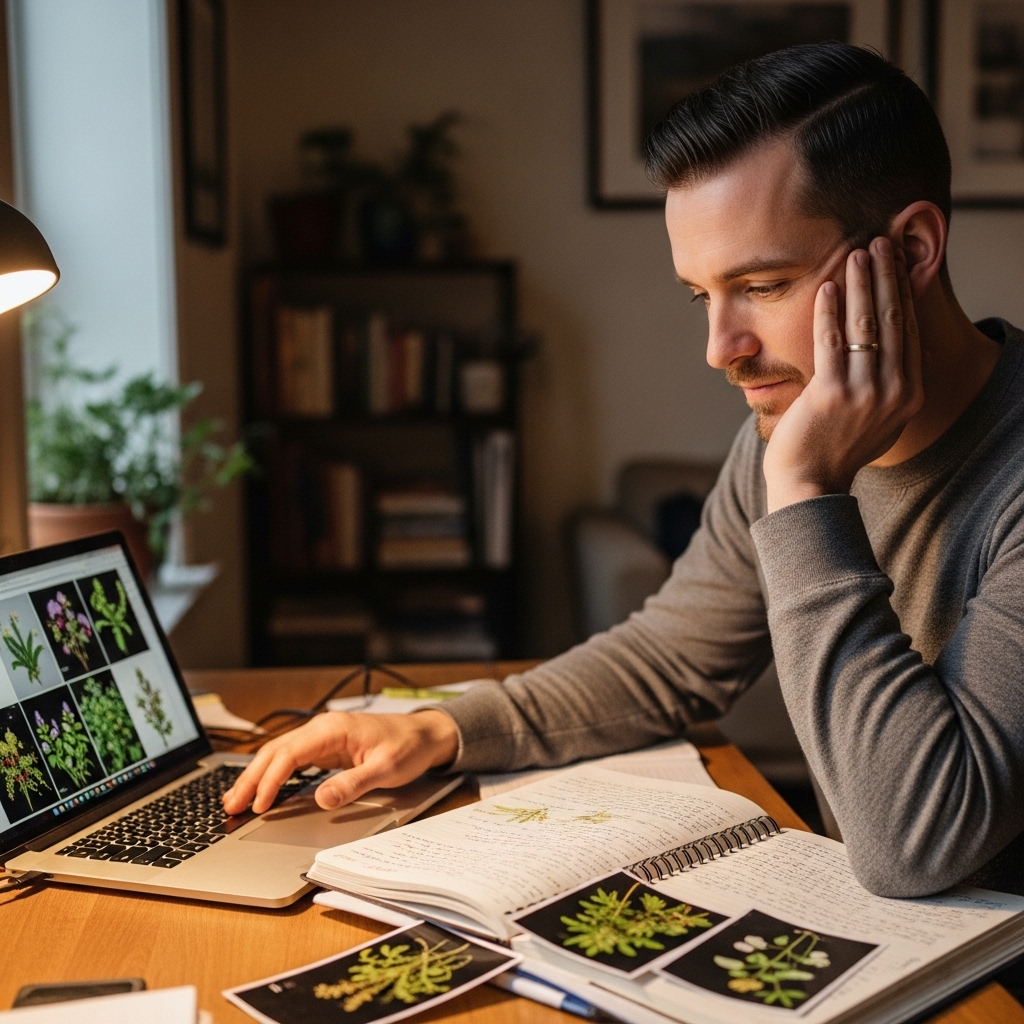

There is something deeply satisfying about shaping your own clay planter from scratch. Not only does it let you control the size, shape, and color to match your indoor plants or patio garden, but it also connects you to the oldest crafting tradition in human history. Whether you want a simple air-dry clay planter for your succulent collection or a more elaborate hand-built pot for a statement houseplant, the process rewards patience and creativity. Many gardeners find that making their own planters helps them understand drainage, soil retention, and container size in a way that bought pots never teach. If you have ever struggled to find the perfect planter for an oddly shaped space or wanted a custom color to match your decor, learning to make your own can be a game changer – without the kiln cost or studio fees if you choose the right materials.
These 8 resources cover everything from beginner-friendly polymer clay projects to detailed air-dry clay homeware and traditional pottery techniques. They are ideal for plant lovers who want to create unique planters without investing in expensive equipment. Some guides focus on modern minimal decor for small apartments, while others teach you how to sculpt whimsical characters or functional home goods. Whether you are a complete beginner or a seasoned crafter looking for new ideas, these books will help you make durable, plant-safe containers. For example, if you are wondering what to plant in an urn planter, you can find inspiration in related guides, and then craft a custom urn-shaped container yourself. Many of these books also cover sealing and waterproofing techniques to ensure your handmade planter lasts through multiple watering cycles.

Pros
- Completely beginner-friendly with clear, calm instructions.
- Projects use affordable materials you likely already have.
- Emphasizes modern minimalist design that fits contemporary homes.
- Includes practical tips for sealing, painting, and avoiding cracks.
- Great for small-space living with lightweight, portable creations.
Cons
- No customer reviews yet to gauge real-world results.
- Current rating is low (2.0 stars) but may be due to lack of reviews.
- May not satisfy experienced ceramic artists seeking advanced techniques.
Elena Hartwell's Air-Dry Clay Homewares for Small Spaces is a gentle, practical guide for anyone who loves handmade decor but feels overwhelmed by traditional pottery. This book strips away the intimidation - no kiln, no costly equipment, just simple air-dry clay and tools you already own. The author focuses on calm, mindful creativity, making it a great choice for beginners, apartment dwellers, and those with limited space.
The book delivers modern, minimalist projects like trays, planters, candle holders, and decor pieces. Each project includes step-by-step instructions, shaping techniques, and finishing tips for sealing and painting. Hartwell also dedicates chapters to crack prevention, troubleshooting, and organizing your craft space. The real strength here is accessibility: you can start creating immediately at your kitchen table.
Design-wise, the projects lean toward clean lines and contemporary styling, perfect for small homes or dorms. The instructions are clear and encouraging. The book is 238 pages, paperback, and independently published. It emphasizes sustainable, low-tox materials, which is a nice touch for eco-conscious crafters.
However, there are a couple of drawbacks to consider. At this time, the book has no customer reviews and a low rating (2.0 stars), which may simply reflect a new release or a data anomaly rather than actual feedback. Without verified user experiences, it's hard to gauge real-world performance. Also, experienced ceramic artists might find the projects too basic.
Overall, if you want a stress-free entry into air-dry clay crafting and enjoy modern home decor, this book is a solid resource. It's best for complete beginners and small-space creators who value calm, accessible DIY projects. Just keep in mind the lack of reviews when making your decision.
Publisher: Independently published
Publication Date: January 3, 2026
Language: English
Print Length: 238 pages
ISBN-13: 979-8242387959
Item Weight: 14.9 ounces
Dimensions: 6 x 0.54 x 9 inches
Best Sellers Rank: #1,702,569 in Books; #427 in Pottery & Ceramic Craft
How to Make Clay Characters
Pros
- Easy-to-follow instructions with plenty of visual references
- Highly rated by beginners and experienced crafters alike for inspiration
- Covers a range of character types, from children to fantasy figures
- Encourages creativity and personalization - no two characters need look alike
- Good value for the depth of techniques and project ideas offered
Cons
- Some absolute beginners may find the detailed projects challenging despite the 'no experience' claim
- The book was published in 1997, so some polymer clay techniques or supplies may have evolved
- A few reviewers felt the level of detail was intimidating for true novices
If you've ever wanted to sculpt your own whimsical characters out of polymer clay but didn't know where to start, How to Make Clay Characters by Maureen Carlson is a solid choice. This book is designed for beginners with no prior sculpting experience and walks you through everything from basic shapes to fully detailed people. The author's cheerful style and clear photography make each project feel approachable, even if you've never touched polymer clay before.
The standout feature here is the step-by-step progression. You begin with simple neighborhood kids and gradually work up to more complex characters like Grandma and Santa Claus. Each part of the figure is explained - from hair and facial expressions to shoes and hands. The full-color photos are plentiful and show every angle, which makes following along much easier than with text-only instructions. Many reviewers have praised the book's ability to spark creativity and lead to unique, personalized gifts.
In terms of real-world performance, the feedback is overwhelmingly positive. Beginners find the instructions clear enough to produce recognizable characters, and even experienced clay artists appreciate the inspiration and design ideas. However, a few users note that some projects require more dexterity and patience than a true novice might expect. The book is also over twenty years old, so newer polymer clay products and tools aren't covered, but the fundamental techniques remain relevant.
On the downside, the book is not a quick-gratification guide. Expect to invest time in each project, especially when adding fine details like eyes or tiny hands. Also, while the instructions are visual, they assume you can follow along with your own clay; there's no separate troubleshooting section for common mistakes. That said, the book's charm and thoroughness have kept it a favorite for decades.
Overall, How to Make Clay Characters is a worthy addition to any crafter's library. It's particularly great for parents, teachers, and anyone interested in claymation or handmade gifts. If you're willing to practice and enjoy the process, this book can help you create delightful little characters that are guaranteed to make you smile.

Pros
- Comprehensive coverage from basics to advanced techniques in one affordable book.
- Step-by-step projects help beginners build confidence and skill progressively.
- Includes practical workspace and safety tips that many guides overlook.
- Advanced sections on anatomy and stop-motion are valuable for aspiring professionals.
- Clear instructions and illustrations make complex concepts easy to understand.
Cons
- No reviews yet, so quality is unconfirmed, but the content appears well-structured.
- The focus on basics may not satisfy experienced sculptors looking for niche techniques.
- As an independently published book, editing and layout may be less polished than industry standards.
The Clay Mastery Handbook by John L. Kaiser is a comprehensive resource for anyone eager to start sculpting with clay. Aimed at beginners and hobbyists, this guide takes you from the very first pinch pot all the way to creating lifelike human figures and animals. Its 177 pages are packed with step-by-step projects, clear technique explanations, and practical tips that make it feel like having a patient instructor by your side.
What sets this book apart is its gradual skill-building approach. Projects start simple with bowls and mugs, then progress to more complex sculptures, including advanced topics like anatomy, dynamic poses, and even modeling for stop-motion characters. The surface finishing sections are particularly helpful, covering texturing, slip decoration, painting, underglazing, and glazing. You also get advice on workspace setup, safety, and tool care, which are essentials that some guides skip.
The design is functional and straightforward, with a focus on readability and clear illustrations. The book is paperback, measuring 6 x 0.4 x 9 inches, which is a comfortable size for flipping through while working at a table. The writing style is conversational and encouraging, avoiding overly technical jargon without dumbing things down. It strikes a nice balance for a self-taught sculptor.
On the downside, the book has no customer reviews yet, so its real-world performance is unproven. Being independently published, the editing and layout might not be as polished as traditional craft books, but the content itself appears well-organized. Advanced sculptors may find the beginner-heavy focus limiting, though the inclusion of stop-motion and anatomy sections does add value for those who want to push further.
Overall, the Clay Mastery Handbook is a solid investment for a beginner or hobbyist who wants a single, affordable guide to clay sculpting. It covers a lot of ground without feeling overwhelming, and the project-based structure gives you a clear path to improvement. If you are serious about learning clay art, this book is a practical starting point.

Pros
- Step-by-step guidance ideal for absolute beginners.
- Focuses on process and habit building, not just finished projects.
- Covers essential techniques without overwhelming jargon.
- Includes practical advice on glazing and surface decoration.
- Affordable price for a comprehensive beginner guide.
Cons
- No reviews yet, so social proof is lacking.
- At 134 pages, it may feel brief for those seeking in-depth coverage.
- Does not cover wheel-throwing techniques, only hand-building.
If you have ever wanted to try pottery but felt overwhelmed by tools and techniques, this book is a great starting point. 'Pottery & Hand-Building Clay Making For Beginners' by Kolton Morgan offers a calm, step-by-step introduction to hand-building. It is designed for complete beginners who want to learn at their own pace without pressure.
What sets this guide apart is its emphasis on process over projects. Instead of jumping straight to finished pieces, it helps you understand clay types, moisture, and basic skills like pinching, coiling, and slab work. You will create simple items like bowls and pots, but the real focus is building confidence and mindful creative habits. This approach makes the learning experience less intimidating and more enjoyable.
The book is a 134-page paperback from an independent publisher. It is well-organized with clear headings and practical exercises. However, some readers might want more advanced content or additional project ideas. Also, since this is a new release, there are no customer reviews yet to gauge others' experiences.
Overall, 'Pottery & Hand-Building Clay Making For Beginners' delivers exactly what the title promises: a beginner-focused, step-by-step guide to hand-building clay. If you are looking for a low-cost, approachable introduction to pottery that emphasizes patience and practice, this is a solid choice. Just be aware that it is a starting point, not a comprehensive encyclopedia.

Pros
- Clear, step-by-step photos guide each project, reducing guesswork.
- Wide range of mini food projects keeps the content engaging and varied.
- Beginner-friendly layout with concise explanations and no assumed knowledge.
- Compact and lightweight, easy to carry to workshops or crafting sessions.
- Affordable price makes it accessible for hobbyists on a budget.
Cons
- Only 94 pages, so advanced sculptors may find the content too basic.
- As a new publication, it has limited customer reviews to gauge broader satisfaction.
- Does not include information on baking or sealing polymer clay, which some readers may need to research separately.
Making Mini Clay Food by Susan Maya is a straightforward, visual guide for anyone curious about sculpting realistic miniature food from polymer clay. The book targets absolute beginners: it assumes no prior experience and walks you through each project with clear, numbered photos. With 94 pages, it won't overwhelm you, yet it covers enough ground to get you making tiny burgers, pastries, and fruit slices in no time.
The standout feature here is the heavy reliance on photographs rather than walls of text. Each step is illustrated, so you can see exactly how to shape, blend, and texture the clay. This visual approach works well for crafters who learn by doing. The projects are varied, from simple items like a cherry to slightly more complex ones like a layered cake, giving you a solid foundation in basic techniques like color mixing and scale.
In terms of design, the book is printed in black and white, which keeps costs low but does mean you'll be relying on grayscale photos. That might be a minor drawback for color-critical work like matching frosting shades, but the instructions are clear enough to compensate. The layout is clean, with one project per section and a handy list of materials at the start of each.
I do wish the book included more information on finishing techniques, like baking times or sealing the finished pieces. You'll need to look up safety guidelines for polymer clay separately. Also, with only two customer reviews so far, it's still building its reputation. But if you're a complete beginner looking for a low-risk, no-fuss introduction to mini clay food, this guide is a solid pick.
Overall, Making Mini Clay Food delivers exactly what its title promises. It's a practical, photo-driven primer that gets you from zero to creating cute, edible-looking miniatures. For the price, it's a worthwhile addition to any craft library, especially if you're aiming to start a new hobby without a big investment.
Frequently Asked Questions About Making Clay Planters
Here are answers to some common questions gardeners have when learning how to make a planter out of clay.
What type of clay is best for making planters?
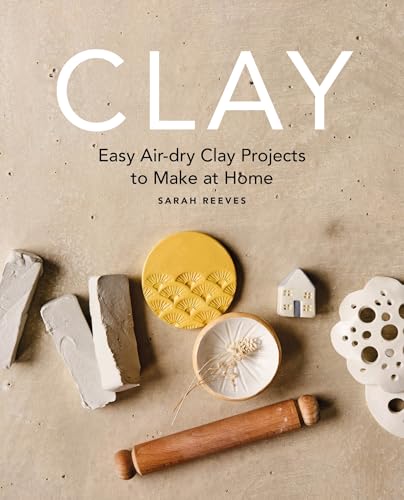
For beginners, air-dry clay is the most accessible option because it does not require a kiln. However, it is less durable for long-term outdoor use. For waterproof containers that can hold soil and water, oven-bake polymer clay or kiln-fired stoneware are better choices. Many of the books we listed cover multiple clay types so you can experiment.
Do I need a kiln to make a clay planter?
Not necessarily. You can use air-dry clay or polymer clay which cures in a home oven. Air-dry clay is the easiest for beginners, but it must be sealed to prevent moisture damage. If you want a more permanent planter, kiln-fired pottery is best, but many hobbyists start with air-dry projects from books like Air-Dry Clay Homewares for Small Spaces or Clay Mastery Handbook.
How do I make drainage holes in a clay planter?
You can poke holes with a skewer, toothpick, or chopstick while the clay is still wet. For air-dry clay, it is best to make one large central hole and several smaller ones around it. Make sure the holes are at least ½ inch wide to avoid clogging. Adding a layer of gravel or a mesh screen inside the bottom before planting also helps with drainage.
Can I use air-dry clay for outdoor planters?
Air-dry clay can work outdoors if it is properly sealed with a water-resistant varnish or acrylic sealer. However, it may crack in freezing temperatures. For year-round outdoor use, kiln-fired or polymer clay is more reliable. Some gardeners use air-dry planters as cachepots (decorative outer pots) rather than direct soil containers.
What tools do I need to start making clay planters?
Basic tools include a rolling pin (or a smooth bottle), a knife or clay cutter, a small bowl of water for smoothing, and a surface like a silicone mat or wooden board. Many of the books in our list also recommend cookie cutters in various shapes, a sponge for texture, and a needle tool for details. You can start with very few supplies and add tools as you progress. For more tips on container gardening, check out our planter category for ideas on sizing and plant selection.
If you are still deciding on the best plants for your handmade pots, our guide on what to plant in an urn planter offers great suggestions for tall, narrow containers. And for a broader look at planter options, browse the planter category for inspiration on styles and materials.
Have questions about our how to make a planter out of clay recommendations? Check out our Copyright Policy for information on content usage.


Write Your Review
No reviews yet. Be the first to share your experience!